
Reviewed · GUIDED
Corleone: Guided Tour of the C.I.D.M.A – Anti-Mafia Movement
Corleone has a way of making the Mafia feel real, fast. CIDMA, the C.I.D.M.A. anti-mafia documentation center, is one of the most direct ways I know to connect that history to evidence, people, and the long fight for justice. I like two things right away: the focus on authentic documents from the maxiprocesso and the way the tour uses photography to put faces to the story.
The only real drawback to plan around is tone and time. This is serious material in a 1-hour guided format, so if you want lots of extra background or a slow museum pace, you may feel slightly rushed. Also, some content may appear in its original language, even though tours run in Italian, English, and Spanish.
Key things to know before you go
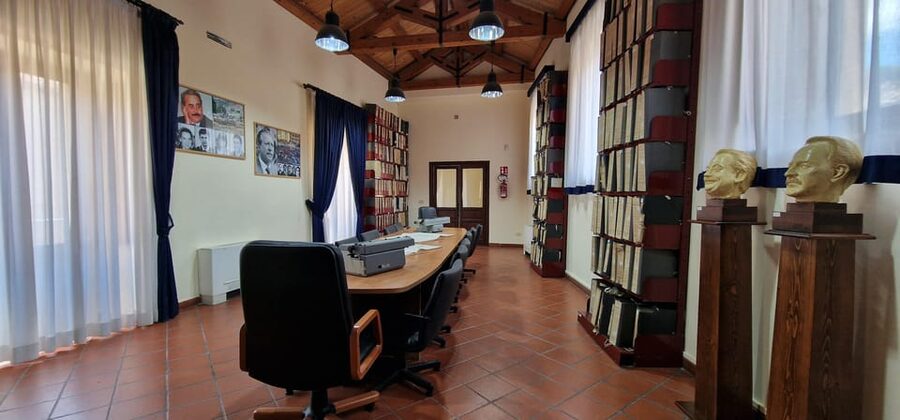
- Maxiprocesso folders: you’ll see the famous room of faldoni, with thousands of authentic trial documents.
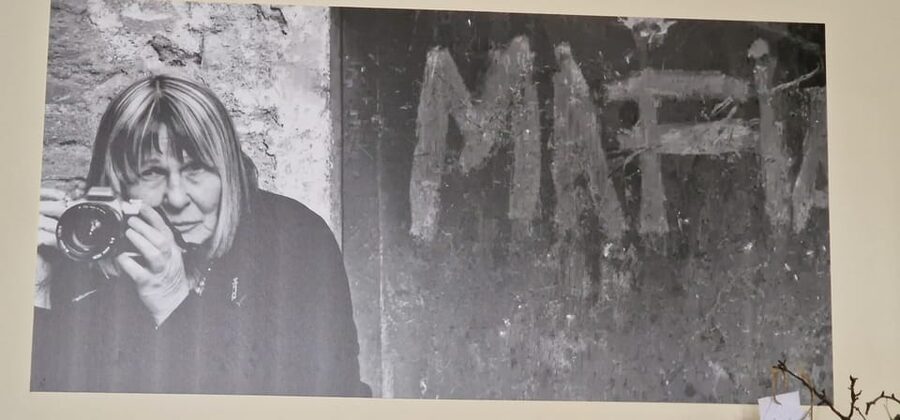
- Battaglia photos: the work of Letizia and Shobha Battaglia helps turn a legal story into human stories.
- Guides are the secret sauce: a good guide keeps the facts organized instead of dumping information.
- Short guided format: expect a focused tour, not a half-day research visit.
- Language options: live tours are available in Italian, English, and Spanish, but some items can be in original language.
Corleone’s CIDMA: where evidence meets resistance
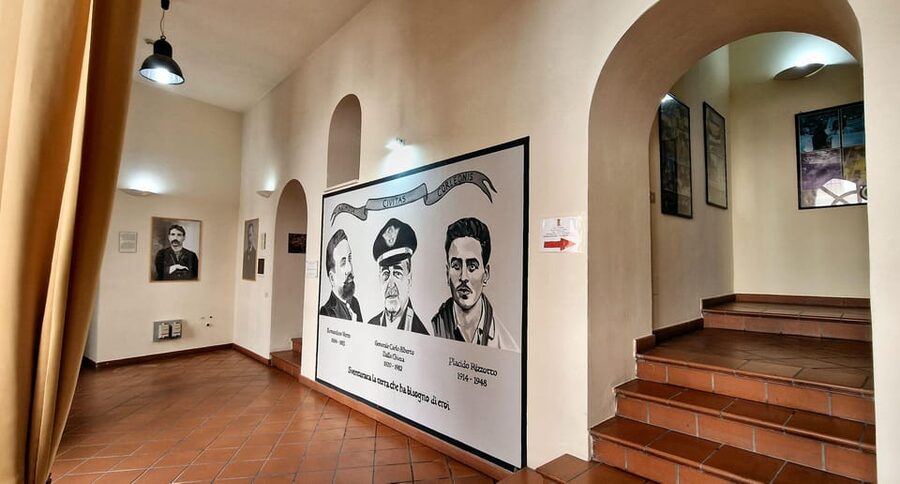
If your idea of the Mafia comes mainly from movies, CIDMA will correct your mental picture quickly. The center is in Corleone, a town tied to Sicily’s modern anti-mafia story, and it is designed to show the fight through documentation, not drama.
What I appreciate most is the balance between past and present. CIDMA is meant to connect the historical struggle against organized crime with today’s commitment to justice. That matters because the Mafia story can get flattened into a single timeline. Here, the point is that the pressure, fear, and courage were ongoing, and the pushback took real forms, including legal action.
The other big reason this visit feels worthwhile is that it is not built around vague concepts. You spend time with concrete items, like trial materials, and with images that capture everyday life under intimidation. In practice, that means the tour helps you move from I heard about the Mafia to I can point to what the fight looked like, document by document.
You can also read our reviews of more tours and experiences in Corleone Sicily.
The 1-hour guided flow: what you’ll see in sequence
CIDMA tours are simple and efficient. You start with your guided visit inside the documentation center and then move through its main sections. Since the tour runs about one hour, the guide usually structures the visit so you don’t lose the thread.
Here’s the kind of flow you should expect. You’ll begin with the center’s overview, where the guide sets the context for the International Documentation Center on the Mafia and the Anti-Mafia Movement. Then you shift into the specific content areas that make CIDMA memorable: the folders room tied to the Palermo Maxi Trial and the photo sections connected to Letizia Battaglia and Shobha Battaglia.
The order matters. Seeing the maxiprocesso materials helps explain the legal side of the fight for justice, and then the photos help you understand what those legal outcomes meant for people living in Sicily at the time. If you like tours that connect objects to meaning, this sequencing is a plus.
One practical tip: come ready to read slowly. Even on a short tour, some sections are meant for careful viewing, not speed. If you keep your phone stowed and listen closely to the guide’s explanation, you’ll get more out of each room.
The Palermo Maxi Trial folders (faldoni) room: why it hits hard
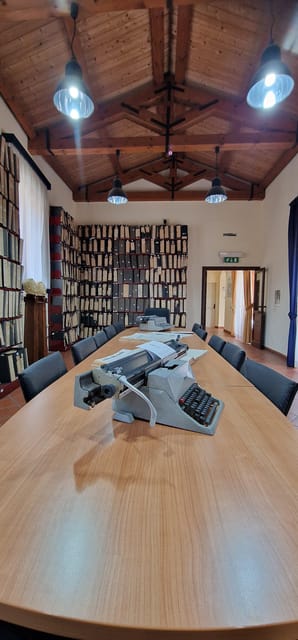
The star stop is the faldoni area, the famous room connected to the maxiprocesso, often described as the largest Mafia trial held in Italy. This is where CIDMA becomes more than a museum of posters or timelines. The room is set up around the idea that evidence is physical and real, not symbolic.
When you look at folders of thousands of authentic documents, you’re not just learning that trials happened. You’re seeing how huge the process was, how much material had to be collected and organized, and how serious the effort was to bring illegality into the courtroom light.
A lot of people walk in with the Mafia story filtered through pop culture. The guide’s job here is to ground it in how justice actually operated, what it required, and what courage looked like when power tried to silence people. A good sign that you’re in the right place is how often the tour returns to the theme of accountability, because that is what the trial documents represent.
One consideration: a 60-minute tour means you won’t read every label or document. Instead, you’ll get the big picture and the meaning behind the materials. If your goal is deep archival study, you might want a longer visit somewhere else too, but for a guided overview, this stop is a strong payoff.
Letizia and Shobha Battaglia photos: the human scale of the case
The other standout element is the photography, including works by Letizia Battaglia and Shobha Battaglia. Their images are powerful because they don’t treat the Mafia as a single monster in the dark. They show lived reality: faces, places, and the tension of daily life under the shadow of organized crime.
What I like about how CIDMA uses these photos is that they don’t sit there like art for art’s sake. The guide links the images to stories, so you can understand what you’re looking at and why it matters. That turns photography from decoration into evidence of experience.
This is also where the tour can help you get unstuck if you only know Mafia headlines. Seeing the faces in the photographs makes the subject more specific and more personal. It’s easier to grasp what was at stake for Sicilians who challenged intimidation, and why legal action and civil resistance could not be separated from daily courage.
If you’re a photography fan, come with a mindset of slow attention. Even when the guide keeps the pace, you’ll benefit from stepping back, looking at the images again, and letting the context land. Some tours may spend more time on the photos than others, so if you’re photo-driven, pay attention during the guide’s explanations and take notes on what the guide points out.
Guides, languages, and how to make the hour count
CIDMA offers live guided tours in Italian, English, and Spanish, and the center notes that some content is shown in its original language. In real life, that usually means you’ll still understand the main story through your tour language, but you may run into a few sections where you see text or labels that are not translated.
My advice is to choose the tour language that feels most comfortable for details. Legal and historical topics pick up speed fast, and you want to catch the guide’s explanations about what you’re seeing. If you’re comfortable in English or Spanish, go with that. If your Italian is solid, an Italian tour can add extra clarity, especially around names, dates, and terminology tied to the maxiprocesso.
Another practical point: the guide style matters here, and CIDMA’s guides tend to be thorough without turning the visit into a nonstop lecture. You want the kind of guidance that keeps your attention while connecting objects to meaning. Based on how this experience is rated, the tour often succeeds on that balance.
Since it’s only one hour, do what you can to stay present. If you take breaks to scroll through your camera roll, you’ll probably feel like the tour passed too quickly. A better strategy is to pick one or two sections to revisit with your eyes during the tour, so you’re not just moving from room to room.
Price and value: $11 for a guided, document-based visit
At about $11 per person, CIDMA is priced in a way that feels unusually accessible for what you get. The key value isn’t only the entrance. It’s the fact that you’re touring a specialized documentation center with a live guide, and you’re seeing rooms built around real trial materials and major photojournalism.
For many museums, the cost of entry is one part of the story, and the interpretive piece is another. Here, the interpretation is built into the guided experience. That means the tour helps you understand why the documents and images matter, rather than leaving you to guess.
Also, because the subject is so specific and so evidence-based, it tends to feel efficient. In other words, your time is spent on CIDMA’s strongest content, not on filler. A one-hour tour is a short commitment, but it is long enough to connect the dots between the maxiprocesso folders and the Battaglia photography.
So if you’re deciding whether CIDMA fits into your day in Corleone, that price is part of the answer. The bigger part is your curiosity: if you want a reality-based look at the anti-mafia struggle, this is a strong use of time.
Who should book CIDMA, and who might want a different stop
CIDMA is a great match if you enjoy history, civic resistance, and culture that teaches you something you can’t get from movies. It’s also ideal if you like structured tours that focus on specific items, like the maxiprocesso folders and the Battaglia photographs, rather than broad overviews.
You may especially enjoy it if you care about how legal processes work in real life, not as courtroom fantasy. Seeing the trial folders puts the Mafia story into a framework of investigation, documents, and accountability. The photo component then reminds you that the legal story is connected to human fear and human bravery.
Who might not love it? If you’re looking for a light, entertainment-first experience, CIDMA is the wrong mood. Even if you keep the pace upbeat, it’s serious material. Also, if you expect deep reading time where you can study exhibits at length, the one-hour format may not satisfy that.
For most people, though, it lands in the sweet spot: focused, guided, and meaningful.
Getting there from Piazza Giuseppe Garibaldi
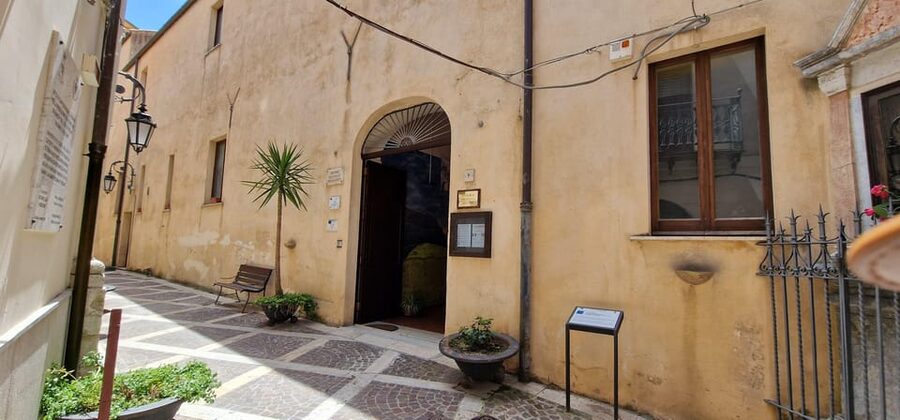
CIDMA is located near Piazza Giuseppe Garibaldi at 7 G. Valenti Street in Corleone. That location helps if you’re already walking around the center of town and want a focused cultural stop without needing a complicated transfer.
A helpful habit is to arrive a little early and give yourself time to orient inside the center. When you’re about to enter a serious documentation space, calm helps you take in details. Also, plan to keep your attention on what the guide points out, because CIDMA’s impact comes from the connections between the objects and the explanations.
If you’re traveling with a group, it’s a good idea to make sure everyone is on the same tour language. That keeps the experience smooth, since live guides provide the main structure for what you see.
Should you book the CIDMA guided tour in Corleone?
Book it if you want a reality-based anti-mafia experience that uses real trial documentation and major photography to explain the fight for justice. The $11 price feels fair for a guided, specialized visit that lasts about an hour. It’s also a smart stop if you want to understand the Mafia story in a way that goes beyond pop culture.
Skip it or think twice if you need a relaxed, casual museum outing, or if you’re hoping for plenty of time to read everything independently. And if you’re sensitive to heavy topics, go into the visit with the right expectations, since the center is built around conflict, fear, and accountability.
My final take: CIDMA is one of those rare places where the details do the work. The documents and photos carry the message, and the guide helps you connect them without drowning you in facts.
FAQ
Where is the CIDMA center in Corleone?
The CIDMA center is near Piazza Giuseppe Garibaldi, at 7 G. Valenti Street, Corleone.
How long is the guided tour?
The tour lasts 1 hour.
What’s included in the price?
The entrance to the center with a guide included is included.
Which languages are available for the tour?
Live tours are available in Italian, English, and Spanish.
Is CIDMA wheelchair accessible?
Yes, the center is wheelchair accessible.
Does the tour include any specific highlights?
You can expect the visit to the center, the folders room connected to the Palermo Maxi Trial, and photos by Letizia Battaglia and Shobha Battaglia.
What are the cancellation options?
You can cancel up to 24 hours in advance for a full refund.
More Tours in Corleone Sicily
More Tour Reviews in Corleone Sicily
Not for you? Here's more nearby things to do in Corleone Sicily we have reviewed
Guided, compared.
 ★ 4.7Mount Etna: Guided Volcano Summit Hiking Tour with Cable CarFrom $1243,784 reviews
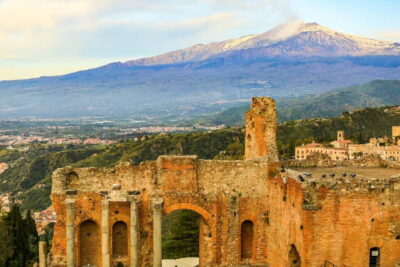 ★ 4.5Taormina: Ancient Theater Skip-the-Line Ticket & Audio GuideFrom $251,701 reviews
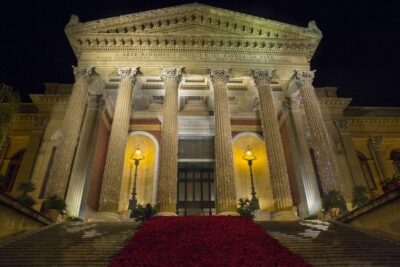 ★ 4.5Palermo: Teatro Massimo Opera House Guided TourFrom $141,573 reviews
 ★ 4.7Etna Volcano: South Side Guided Summit HikeFrom $671,545 reviews
 ★ 4.7Catania: Mount Etna Adventurous Tour with a Volcano GuideFrom $66736 reviews
 ★ 4.6Catania: Heart of the City Guided Walking TourFrom $23708 reviews
 ★ 4.7Palermo: Private Custom Walking Tour with Local GuideFrom $53661 reviews
 ★ 4.9Palermo: Street Food Walking Tour with Local Guide & TastingFrom $52632 reviews