
Reviewed · MOUNT ETNA VOLCANO TOURS
Etna Summit Craters
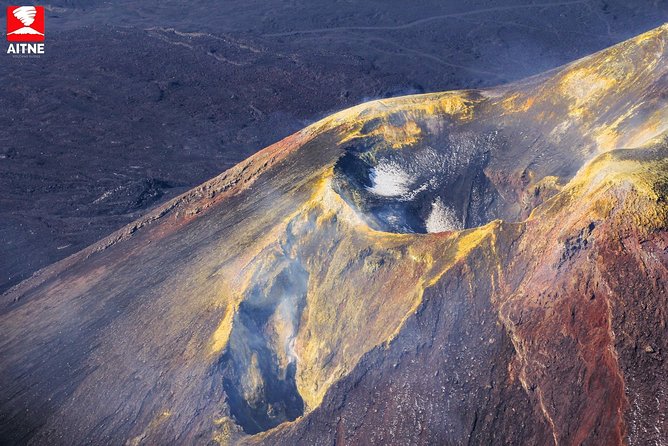
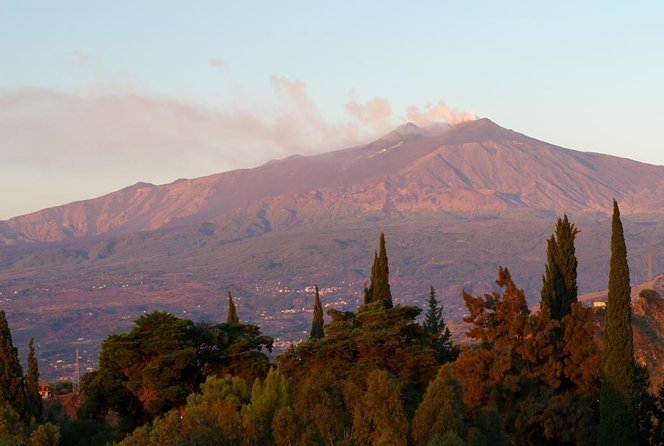
Etna on foot changes your sense of scale. This half-day trek from Piano Provenzana to the 3330m summit craters puts you right on the edge of Europe’s most active volcano, with walking over old and recent lava ground.
My favorite part is how practical it all is, you get the right gear and a focused pace for a small group. The main drawback is that this is a real climb, and the 4×4 bus ticket is not included in the base price.
Key takeaways before you go
- Meet at Etna Nord, Piano Provenzana for a straightforward start to your hike
- 4×4 up to Pizzi Deneri (2850m) plus a short photo stop, so you begin the real trekking at altitude
- Trekking from 2850m to the craters edge around 3330m across old and recent lava fields
- Summit walking depends on volcanic activity so the exact crater-area route can shift moment to moment
- Descent through the Bove Valley backdrop and lava sand channels back toward the start
- Small group, limited to 10 with a guide who can keep you on track and safe
Etna Summit Craters, the kind of Sicily you remember
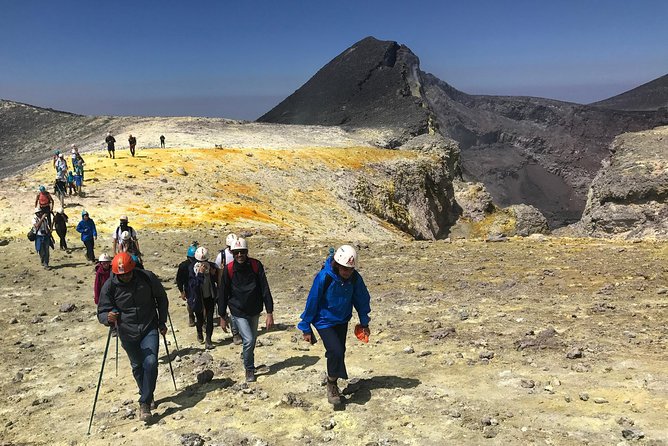
Mt. Etna isn’t a museum volcano. It’s active, loud in your bones, and you feel that when you’re walking over hardened lava that still looks fresh. This tour is built for that reality: you start at Piano Provenzana, ride up in a 4×4 to high altitude, then hike to the summit craters area and walk the terrain between older and newer lava flows.
You’re also not stuck in a big crowd. The group is limited to 10 people, which matters on uneven volcanic ground. It means fewer bottlenecks, a calmer rhythm, and more chances to ask questions when the view suddenly makes everyone go quiet.
One more reason I like this format: you’re not just looking. You’re moving through the environment, step by step, with helmets, trekking sticks, and a guide handling the route and safety.
You can also read our reviews of more tours and experiences in Piano Provenzana.
Where the tour starts: Piano Provenzana and Etna Nord
The meeting point is ETNA NORD, Piano Provenzana. That location is important because it sets the tone for the day. You’re not wasting time driving all over the mountain just to get to the hike. You’re getting to the point where the terrain changes and the altitude starts stacking up quickly.
From there, the guide takes you into the rhythm of the day: short stops for orientation and photos, then steady walking. If you tend to like tours that feel organized without feeling rushed, this one fits. Small group size helps a lot here.
The 4×4 ride to Pizzi Deneri (2850m): why it’s worth budgeting for
One of the biggest planning points is the transport. The tour includes the 4×4 bus service to Pizzi Deneri at 2850m, but the bus ticket is not included. The price listed for the bus ticket is €60 per person.
I like this setup because it respects your energy. If you had to walk from sea level, you would burn your legs before you ever reached the craters. Here, you spend your stamina on the part that matters most: the crater-edge walk and the summit-area strolling that can happen depending on volcanic activity.
Practical tip: the 4×4 start is also where people often get the best “wow” feeling, because you rise fast, and the view starts widening before you even put in a long hike. If conditions are clear, it’s a strong warm-up.
Trekking to the summit craters edge around 3330m
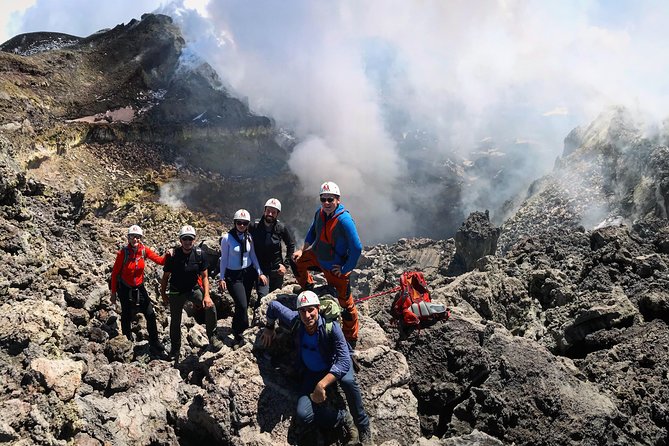
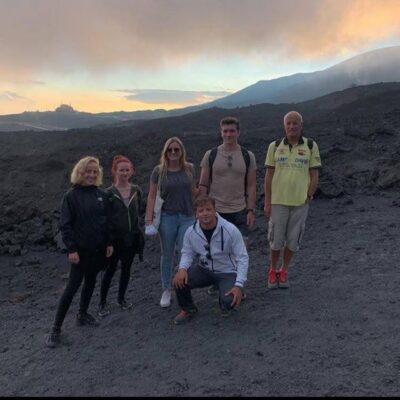
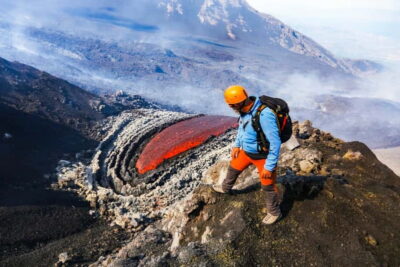
After the 4×4 drop-off and a brief pause to take pictures and absorb the view, the trek begins. You’ll walk across old and recent lava fields, and that’s a big part of why people call this experience unforgettable.
Walking on lava ground is different from walking on trail dirt. The surface can be rocky, uneven, and sometimes loose. That’s exactly why the tour provides trekking sticks and helmets. Sticks help you keep balance on awkward patches, and helmets add peace of mind in a place where volcanic rock and activity can change the feel of the terrain.
You’ll climb up to the edge of the Summit Craters area at about 3330m. At that elevation, even a short stretch can feel tougher than expected, especially if you’re sensitive to altitude.
I also really appreciate how the tour doesn’t pretend this is an easy walk. It asks for a semi-sporty, active level. The people who enjoy it most are the ones who come ready to move, not just ready to stand and look.
Summit area walking: what you might see near Voragine and beyond
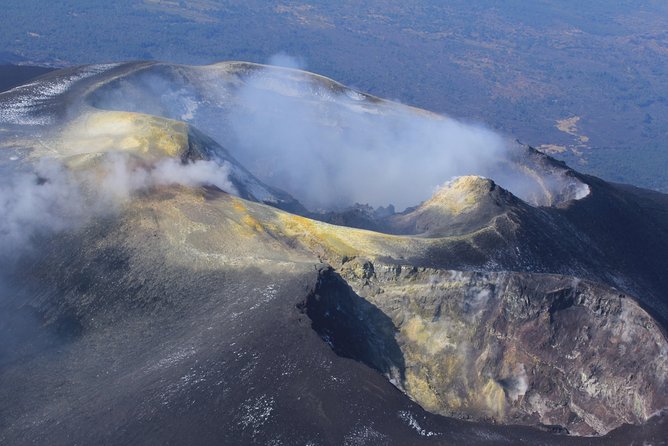
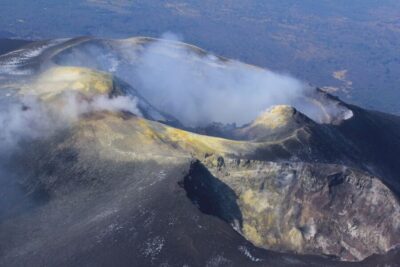
Once you reach the summit area, the tour adapts to what’s happening at the volcano in the moment. You’ll take a stroll around the Summit area based on the volcanic activity of the day.
That flexibility can be a thrill, because Etna can offer different shows. On some days, it’s more about the dramatic geology. On others, you might get views connected to activity near craters such as Voragine, including strong degassing. One guide mentioned clear crater activity nearby, and the experience can feel like you’ve stepped onto another world.
To manage expectations: you should come for the crater landscape and the sense of scale, not for a guarantee of an eruption. The tour’s value is that it still works whether the volcano is quietly smoking or more active.
What to listen for during the stroll: pay attention to what the guide says about safety and route choices. When activity shifts, they may adjust how close you walk and where you stop. Guides like Claudio have been praised for clear explanations, and you’ll likely get a mix of real-world safety guidance plus geology context that fits the moment.
The descent with Bove Valley in view
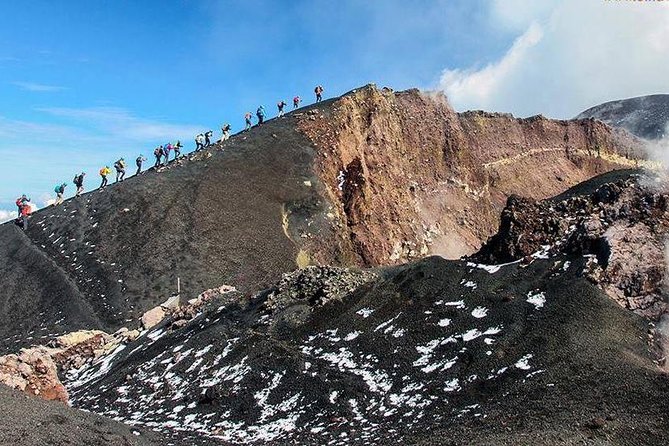
When it’s time to head down, you don’t just return the same way without meaning. You’ll start the descent with the Bove Valley as a spectacular background, then continue toward the starting point through what are described as infinite lava sand channels.
This part can surprise people. The descent often feels more tiring than the uphill because your knees do the negotiating. One guide, Arturo, is specifically remembered for telling people to watch their knees. That’s not a random detail. On volcanic terrain, knee strain is a real risk, especially when your footing changes and you need to step carefully.
Your best defense is to use the trekking sticks, keep your steps small, and let your pace slow down if the ground is shifting underfoot. If you’ve ever learned that hiking is mostly about rhythm, not speed, this tour will reinforce it.
Gear that actually matters on Etna
The included items are not decorative. They’re useful in a place where balance and head protection help a lot:
- Helmets (provided)
- Trekking sticks (provided)
- Trekking shoes upon request (if you need them, ask)
- A guide for the whole tour
- Insurance
That gear list is one reason this feels like good value. It reduces your hassle when packing for Sicily. And it means you’re not showing up with random city shoes and hoping for the best.
Still, I think your personal prep decides most of your comfort. Bring what the tour asks for, especially shoes, long pants, gloves, and a jacket. Even in warm seasons, volcanic elevation can feel cold fast.
What to bring and wear, so you enjoy it instead of battling it
This is a half-day hike, but it includes a serious altitude trek. Pack like you want to stay comfortable if the wind picks up.
Bring:
- Sunglasses and hat
- Sunscreen
- Water
- Jacket
- Packed lunch
- Gloves
- Long pants
- Hiking shoes
One small but important note: do not bring contact lenses. That’s the kind of detail that can ruin a day if you ignore it. Plan for glasses instead.
If you’re thinking about shoes, prioritize grip and stability over style. The surface can be rocky and uneven, and your shoes are your main traction tool.
Timing, effort, and who this tour fits best
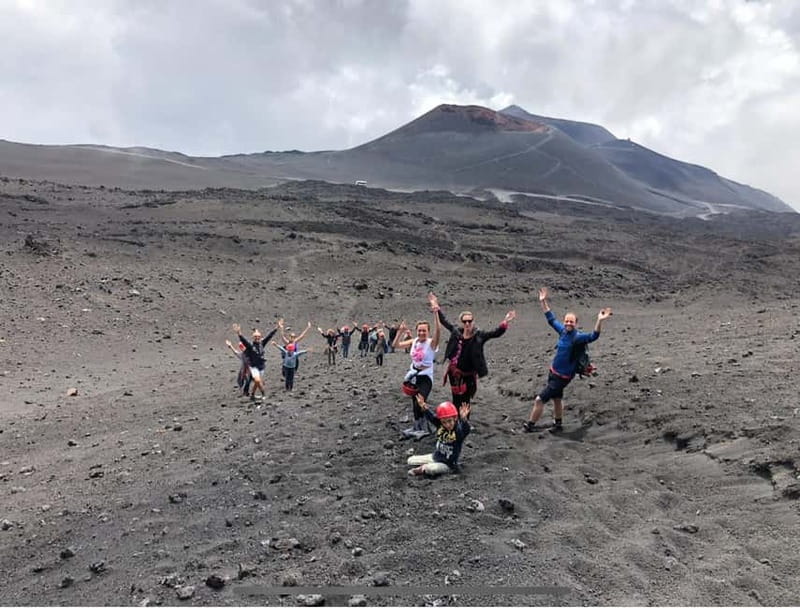
The duration is listed as 6 hours. That sounds manageable, but at altitude you’ll feel every step. This tour is not for lounging, it’s for walking and absorbing the mountain at close range.
It’s also not recommended for:
- Pregnant women
- People with heart problems
- People with respiratory issues
- People with high blood pressure
If any of those apply, it’s smart to skip this and look for a different Etna option that fits your health needs. The tour clearly signals the physical demands, and it’s better to be cautious.
Who tends to love it most:
- People who enjoy active sightseeing
- Anyone who likes geology and wants to walk across lava terrain
- Small-group travelers who want guide interaction
- Those who prefer the north-side approach, because some guides have been noted for choosing the north side as a top decision
Price and value: $71 plus the €60 bus ticket
The advertised price is $71 per person. That’s a decent base rate for a guided, 6-hour, small-group volcano trek with helmets and trekking sticks included.
But here’s the part you should plan for: the 4×4 bus ticket is not included, and it’s listed at €60 per person. So your realistic total will be higher once you add that transport cost.
Even with that extra €60, I still think it can be good value because the tour gives you:
- A guide through the whole hike
- Safety gear like helmets
- Access to high-altitude terrain
- A small group size, limited to 10
The main value question for you is whether you want a guide to handle the route and safety versus going on your own. If you want the confidence of a structured hike at high altitude, this is priced in a way that makes sense.
If you want the cheapest option possible, you might compare other Etna activities, but you’d likely give up something in safety, guidance, or access to the summit craters area.
Guide style you’ll likely appreciate: names show up for a reason
Even though every day on Etna is different, good guiding creates a consistent feel. In the experiences people shared, certain guides were praised for their professionalism and humor, and for speaking French well.
You may encounter guides such as:
- Arturo, remembered for the practical knee advice
- Claudio, praised for friendliness and strong French explanations
- Nino and Lucas, noted as excellent guides for the warmer, welcoming vibe
- Luca, described as leading a team of volcano-focused experts, with a big emphasis on making you feel equipped and informed
I can’t promise which guide you’ll get, but the common thread is clear: the best moments are when the guide connects the view you’re seeing to what the volcano is doing and what to do with your body on steep, uneven ground.
Should you book the Etna Summit Craters tour?
Book this tour if you want a guided walk right up to the summit craters edge and you’re comfortable with a semi-sporty climb at high altitude. You’ll get the real “I am on Etna” feeling, and the small-group setup makes the day easier to enjoy.
Skip it, or choose a different Etna option, if you know you struggle with altitude hikes or have the health conditions the tour lists as not suitable. Also skip if your idea of fun is sitting still. This is a trekking day.
If you do book: come prepared, use the trekking sticks, protect your eyes and skin, and pack the lunch and water you need. The volcano can change the plan for the summit-area stroll, but that is part of what makes Etna special.
More Tour Reviews in Piano Provenzana
Not for you? Here's more nearby things to do in Piano Provenzana we have reviewed
Mount Etna Volcano Tours, compared.
 ★ 4.8Catania: Mount Etna Morning or Sunset Day Trip with TastingFrom $704,028 reviews
 ★ 4.7Mount Etna: Guided Volcano Summit Hiking Tour with Cable CarFrom $1243,784 reviews
 ★ 4.8Catania: Sunset Jeep Tour of Mount Etna and Lava Flow CavesFrom $712,113 reviews
 ★ 4.7Mount Etna: Trek to 3000m with cable car and jeepFrom $621,978 reviews
 ★ 4.8Mount Etna: Summit Crater Trek with Cable CarFrom $771,875 reviews
 ★ 4.8Etna and Alcantara Gorges Full-Day Tour with LunchFrom $1051,766 reviews
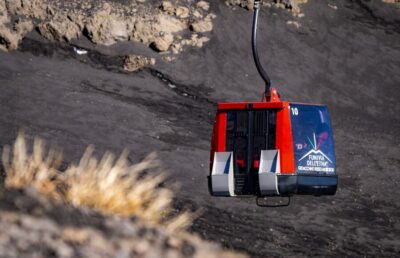 ★ 4.3Mount Etna: Roundtrip Cable Car and 4×4 Bus TicketFrom $971,602 reviews
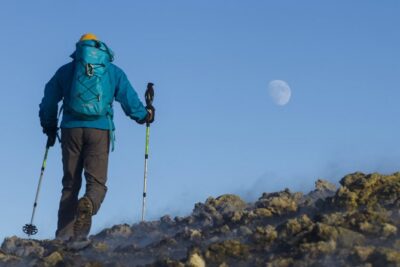 ★ 4.7Etna Volcano: South Side Guided Summit HikeFrom $671,545 reviews
Browse the lists this tour appears in