
Reviewed · GUIDED
Guided tour of the Selinunte Archaeological Park
Ancient ruins, guided by a real storyteller. Selinunte Archaeological Park in Sicily is one of the biggest Greek sites in the Mediterranean, and this guided route turns the stones into a living story of Doric temples, tragedy, and sea-gazing views. Expect stops at Temple of Hera and Temple G plus the baglio Florio museum, with a guide who explains what you are looking at while you’re standing right there.
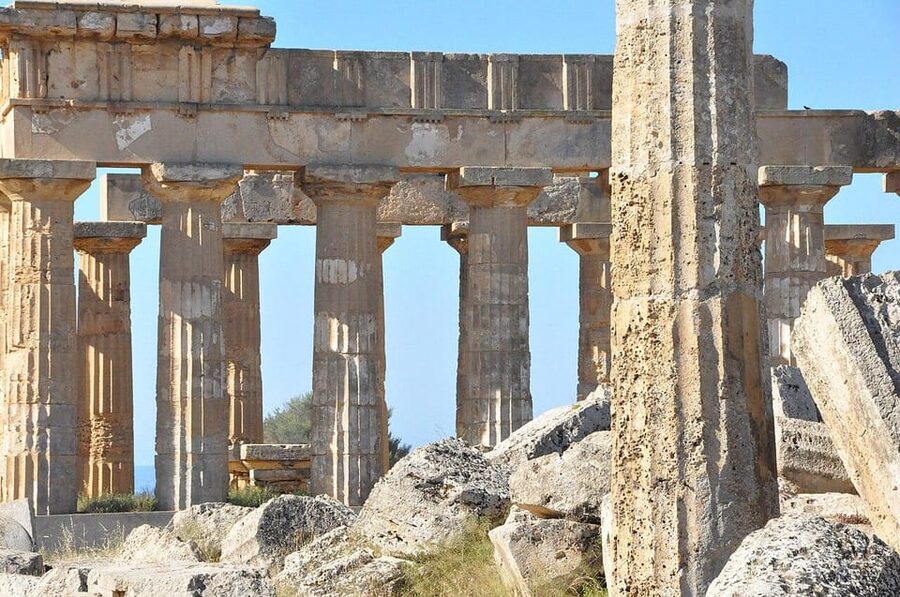
What I like most is the way this tour makes Doric temples feel readable, not vague. The visit to Temple of Hera includes time to see the internal structure, then a vantage point for the wider view over Selinunte’s remains.
One thing to plan for: it’s a 2-hour walking experience outdoors, and the tour can be modified or canceled in adverse weather. If you hate the idea of being flexible, keep that in mind when you pick your day.
Key highlights you should care about
- Temple of Hera access inside the structure, not just a photo stop
- A viewpoint where you can appreciate how the whole metropolis area fits together
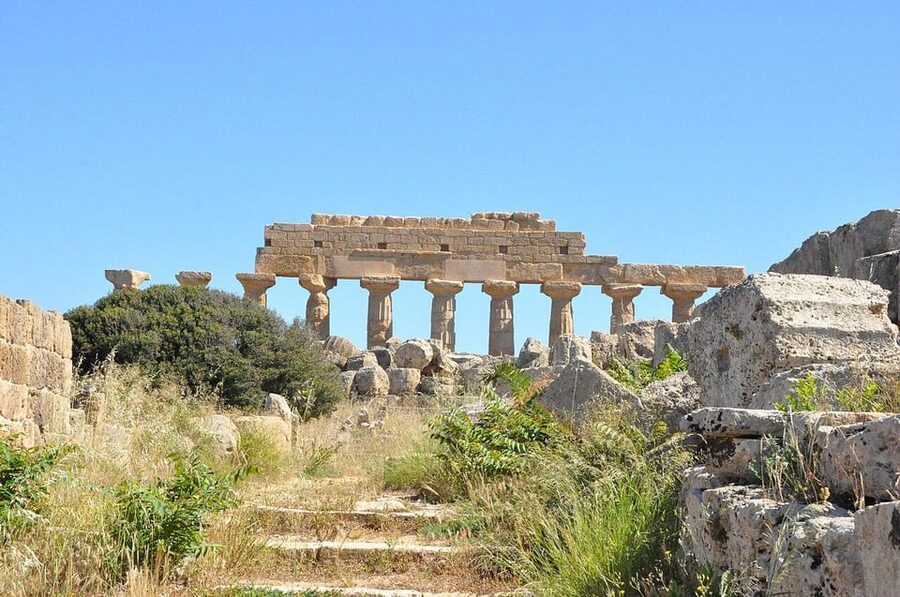
- Temple G dedicated to Zeus, described as one of the largest temples in the world
- Baglio Florio museum with artifacts found during excavations at the park
- Bilingual guidance (English and Italian) that runs in parallel
- A 2-hour format that’s long enough for meaning, short enough for a packed Sicily itinerary
Selinunte Archaeological Park: why this Greek site feels so big
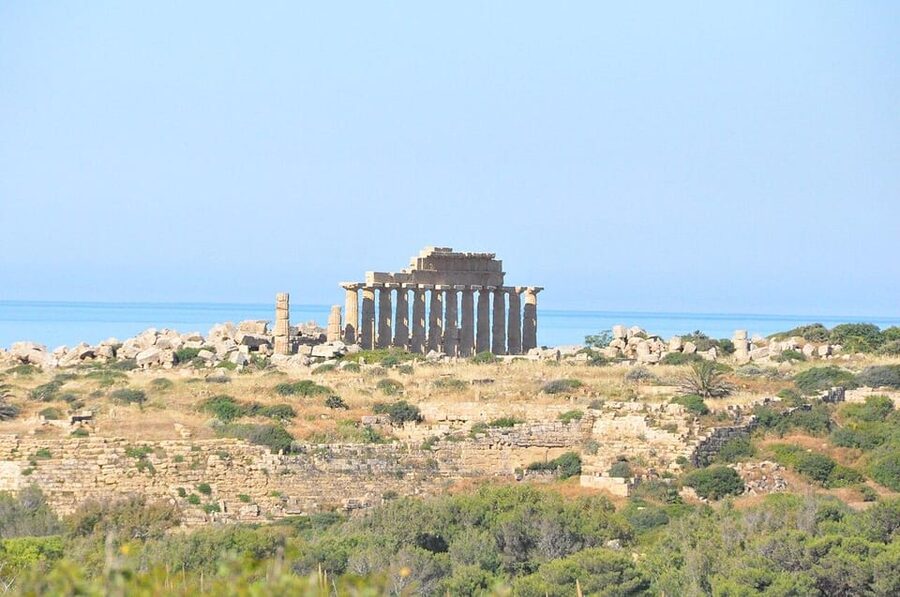
Selinunte is famous for scale, and that scale is exactly what makes the guided approach worth it. You’re not just drifting through ruins, you’re learning how the sacred buildings connect to the city that once grew here. The park is rooted in Magna Graecia, the Greek presence in southern Italy and Sicily, and the result is a strong sense of place tied to the myths, civic life, and daily religion of that era.
The temples are Doric, so the details matter. When a guide points out what you’re seeing, those columns stop being “pretty old rocks” and start becoming evidence of how the settlement worked. In a two-hour tour, you don’t get every stone in the park, but you get the ones that help you understand the whole.
There’s also the human side of the story. You hear about the city’s founding in the 7th century BC and the tragic destruction that ended it. That historical arc gives your walking route a purpose, so you’re not just collecting landmarks, you’re following a timeline.
The 2-hour pacing: ticket office meet point and a route that stays focused
This tour is 2 hours, and it runs from a clear start to a clear finish. Meet the guide in front of the Ticket Office of the Selinunte Archaeological Park, then the experience ends back at that same meeting point. That matters because you avoid the “where do we regroup” chaos that can happen at open-air sites.
The structure of the visit is efficient. You cover major architectural stops and then add context with the museum. It’s a smart mix: exterior views and temple atmosphere outside, then a chance to slow down and see what excavations turned up in the baglio Florio museum.
Do arrive 15 minutes early. At sites like this, being even a few minutes late can cut into the most informative part of the tour, especially when the guide is getting the group oriented quickly.
Temple of Hera: the Doric columns you can actually read
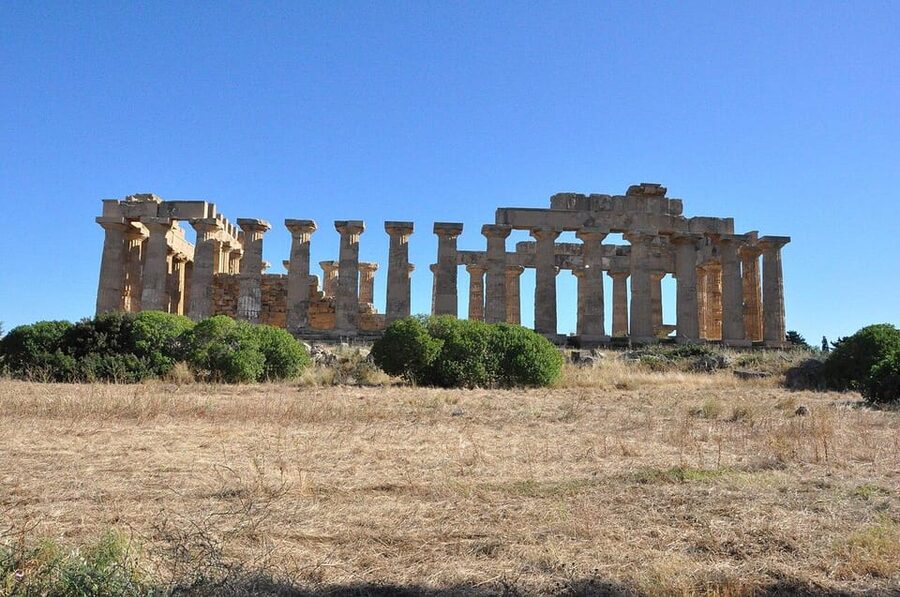
Temple of Hera is one of the anchor stops, and the tour is set up to help you notice the right things. You walk among the ruins of Doric temples, and then you get time at Hera’s temple where you can observe its internal structure. For many first visits, seeing the inside even briefly is a game changer, because it changes how you imagine worship and movement within the space.
From there, you shift to a perspective that helps you understand the bigger picture. The tour includes a vantage point where you can admire the metropolis of Selinunte from above or across the remains. That kind of “step back” moment is where the park starts to make sense spatially. Without it, ruins often read like separate attractions. With it, you start to see relationships between sites.
Keep your expectations realistic: you’re working with stone ruins, and not every portion will look like a complete building. The value here is that a guide turns partial remains into a coherent explanation, with you in the right spot to understand why those columns and spaces were important.
Temple G for Zeus: seeing scale without getting lost
Temple G dedicated to Zeus is described as one of the largest temples in the world, and the guide treats that fact as more than trivia. This is a stop built for the “wow” factor, but also for comprehension. When you stand where a huge temple once rose, you start to understand why the city invested so much energy into these spaces.
The practical benefit of having a guide at this point is simple: you don’t have to guess what matters. At large sites, it’s easy to focus only on the biggest visible pieces and miss the logic of the layout. With a structured route, you can spend your attention where the guide wants you to look, which makes the scale meaningful instead of just overwhelming.
Also, temple scale can be deceptive in a photo. Up close, you see how the surviving fragments relate to what the building was meant to be. That relationship is easier to “get” with someone narrating what you’re viewing, especially during a short 2-hour visit.
Baglio Florio museum: artifacts that give the ruins a voice
After the outdoor temple time, the baglio Florio museum adds a different kind of understanding. Instead of just looking at architecture, you see artifacts found during archaeological excavations in the park. That is key for making Selinunte more than an empty stage of stone.
Museums at archaeological sites are often the difference between “I visited ruins” and “I understand the site.” Here, the museum helps you connect what you’re standing beside outdoors with physical finds that archaeologists recovered. It’s the kind of context that makes the whole park feel more grounded.
This stop also tends to be where the guide’s storytelling lands best. When you hear about the city and its fate, it helps to have objects in front of you that connect to daily life, worship, and the long process of excavation that followed. Even if you’re not a museum person, the museum is useful because it ties directly back to the temple remains you saw moments earlier.
How the bilingual guidance keeps the experience clear
One of the strongest points of this tour is the way language is handled. You can expect live guidance in English and Italian, and the tour may run with both languages at the same time. In practice, that means you do not feel left behind if your Italian is limited.
The impact of bilingual interpretation is more than convenience. It helps you follow explanations without waiting for translation moments. It also keeps the flow moving, which matters during a site visit where time outdoors is limited.
The overall tone from past guides is also telling: a guide named Elena is highlighted for deep knowledge and genuine passion, and she used diagrams and drawings to help the group imagine the grandeur of the past. That kind of visual support is ideal at Selinunte, where ruins can be dramatic but incomplete. A quick diagram can make a columned space feel understandable fast.
Price and value: is $44.41 a fair deal for two hours?
The price is $44.41 per person, and it includes a guided tour plus an entrance ticket. That combination is where the value usually lives. At many archaeological sites, you either pay separately for entry or you end up with a tour that doesn’t fully cover the ticket cost. Here, you get both, so you can plan the day with fewer moving parts.
What you do not get is also part of the value equation. Transport is not included, so you’ll want to handle getting to the park on your own. If you’re already in the area and can reach Selinunte without extra complexity, the pricing feels more straightforward.
The biggest “value” factor is the time. Two hours is enough to hit major architectural highlights, see the museum, and still have a coherent story. If you tried to self-tour the same stops, you’d likely spend extra time figuring out what you’re looking at. With a guide, your attention stays on interpretation, not guesswork.
Weather, modifications, and how to plan your day
The tour may be subject to modification or cancellation in adverse weather. That’s not unusual for outdoor archaeological parks, but it does mean your day needs a little slack. If your schedule is tight and you’re counting on Selinunte as your only priority, consider building in a backup plan for that region of Sicily.
On the day, you’ll be outdoors among ruins for the route. Even when the weather is decent, the experience depends on visibility and comfort, because views and temple orientation matter to the storytelling.
Who this guided tour is best for
This tour is a strong fit if you like ancient sites but don’t want a “figure it out yourself” experience. It works especially well for first-time visitors because it hits Temple of Hera, Temple G for Zeus, and the baglio Florio museum in one guided sweep.
It’s also a good choice if you enjoy explanation over wandering. The stop-by-stop focus means you’re not left with a pile of photos and no sense of how the pieces relate.
If you already know a lot about Greek architecture, you may still enjoy the route, but the real appeal here is the practical clarity a guide brings through diagrams, bilingual narration, and targeted vantage points.
Small practical tips that help you enjoy it more
Arrive early. The guidance asks for 15 minutes at the meeting point, which is plenty of time to get organized before the walk begins.
Bring your patience for open-air ruins. You’re visiting an archaeological park where weather can change plans, and the tour may adapt.
If you’re bilingual or traveling with someone who is, the simultaneous English and Italian format can reduce friction. It’s one less logistical problem in an already busy Sicily itinerary.
Should you book the Selinunte Archaeological Park guided tour?
Book it if you want a focused introduction to Selinunte’s most meaningful stops in 2 hours, with both temple highlights and the baglio Florio museum tied together by live interpretation. The included entrance ticket helps the price feel more sensible, and the bilingual format is a real quality-of-life upgrade.
Skip it only if you strongly prefer unguided wandering, or if your schedule is too rigid to handle possible weather-related changes. For most visitors, the combination of inside access at Temple of Hera, the major Temple G viewing, and museum context is the kind of structure that turns a visit into understanding.
FAQ
Where is the meeting point for the guided tour?
Meet the guide in front of the Ticket Office of the Selinunte Archaeological Park.
How long is the guided tour?
The duration is 2 hours. Starting times vary, so check availability for the schedule.
Is the entrance ticket included in the price?
Yes. The tour includes a guided tour and an entrance ticket.
What languages are available for the live guide?
The live tour guide is available in English and Italian. The tour may take place with Italian and English at the same time.
What is not included in the tour price?
Transport is not included, and anything not listed as included is also not included.
What happens if the weather is bad?
In adverse weather conditions, the tour may be subject to modification and/or cancellation.
Is there free cancellation?
Yes, you can cancel up to 24 hours in advance for a full refund.
Is there a reserve and pay later option?
Yes. You can reserve now and pay later, keeping your travel plans flexible.
Guided, compared.
 ★ 4.7Mount Etna: Guided Volcano Summit Hiking Tour with Cable CarFrom $1243,784 reviews
 ★ 4.5Taormina: Ancient Theater Skip-the-Line Ticket & Audio GuideFrom $251,701 reviews
 ★ 4.5Palermo: Teatro Massimo Opera House Guided TourFrom $141,573 reviews
 ★ 4.7Etna Volcano: South Side Guided Summit HikeFrom $671,545 reviews
 ★ 4.7Catania: Mount Etna Adventurous Tour with a Volcano GuideFrom $66736 reviews
 ★ 4.6Catania: Heart of the City Guided Walking TourFrom $23708 reviews
 ★ 4.7Palermo: Private Custom Walking Tour with Local GuideFrom $53661 reviews
 ★ 4.9Palermo: Street Food Walking Tour with Local Guide & TastingFrom $52632 reviews