
Reviewed · MOUNT ETNA VOLCANO TOURS
Mount Etna: Summit Crater Trek with Cable Car
Stand on an active volcano edge. This guided Etna summit trek turns Europe’s highest active volcano into a walkable classroom, and I love how the volcanologist points out what you are actually seeing in the rocks. I also love the 360-degree views from Bocca Nuova when the weather plays nice, sometimes as far as the Aeolian Islands. The one catch, the summit part can be shortened or rerouted due to volcanic risk or cloud cover, and the cable car plus 4×4 ride costs extra.
From the meeting point by the Etna South cable car station near La Terrazza dell etna, you start with a safety briefing and get practical gear like hiking boots, walking sticks, a wind jacket, and a helmet. Guides such as Marco, Simone, and Giuseppe tend to keep the group together and explain the eruption history as you walk, which helps a lot when the ground turns into loose volcanic sand.
Key Things You Should Know Before You Go
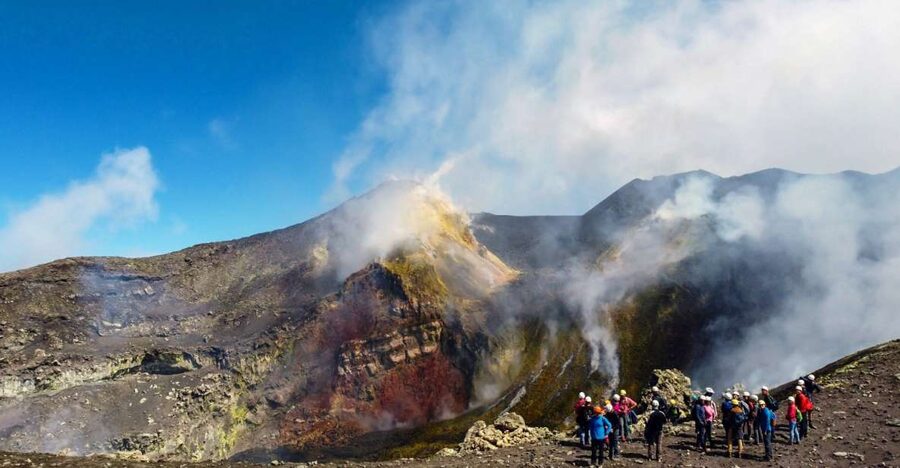
- Small group size (up to 8 people) means more attention on pace, footing, and safety.
- Cable car + 4×4 access gets you quickly to around 2850 m in the Torre del Filosofo area, so you spend more time hiking the crater zone.
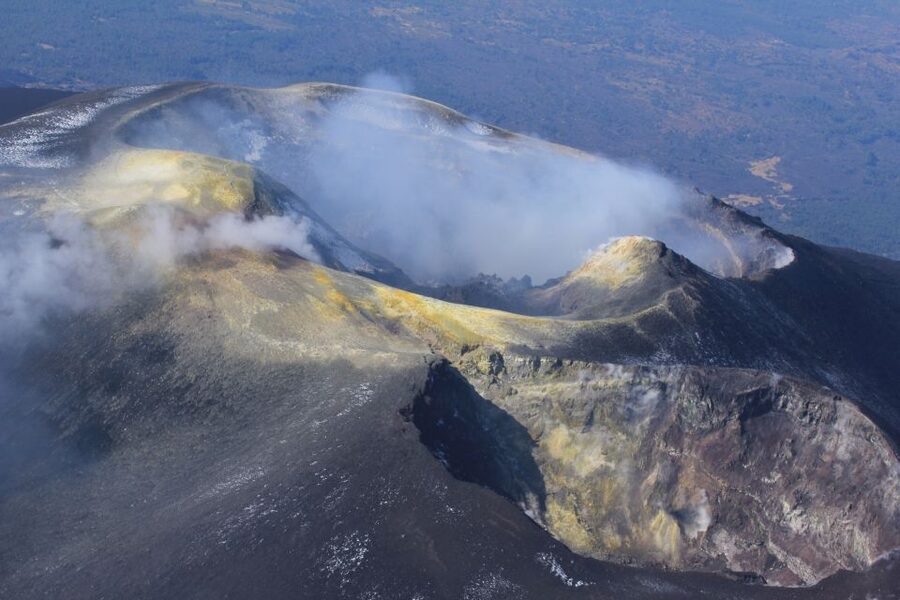
- Bocca Nuova (opened in 1968) at about 3300 m is the big summit highlight, with possible views toward the Aeolian Islands and northern Sicily.
- Multiple summit craters in one outing including Cratere Centrale dell’Etna and Barbagallo Crater, plus a stop for signs of past eruptions.
- A real lava tunnel visit and a descent toward Valle del Bove, an 8 km long by 4 km wide volcanic amphitheater-caldera.
- You must plan for extra cash costs for the cable car and 4×4 ride (paid in cash at the office), with a lower-cost cable car only option if the summit is unsafe.
Mount Etna Summit Trek, Why This Feels More Real
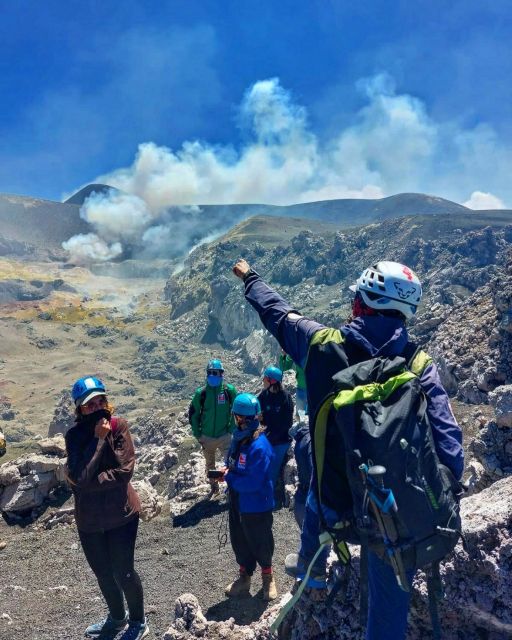
A lot of Etna experiences get you close to the volcano without really letting you read it. This one does the opposite. You use the cable car to gain altitude fast, then you walk through volcanic terrain that changes under your feet, crater to crater, with a volcanologist guiding what to notice.
That mix is what makes the experience land. When you stand near Bocca Nuova and look out over the crater edges, Etna stops being a postcard idea and becomes a living system. And when you add the lava tunnel and Valle del Bove, you get two different ways of understanding the same volcano: what it looks like now and what it used to do.
You can also read our reviews of more hiking tours in Belpasso
Getting There: Etna South, Gear, and the Start Area
The tour starts near the Etna South cable car station, at the local partner’s office opposite the station, with the practical meeting point next to the restaurant La Terrazza dell etna. You’ll do a safety briefing right before you move.
Even before you hike, pay attention to how this tour is set up:
- You get hiking boots, walking sticks, a wind jacket, and a helmet, so you are not scrambling at the last minute for gear.
- You also get insurance included, which matters on a mountain with active volcanic conditions.
- Parking is free until stocks run out, so arrive with enough time to not get stuck circling.
One practical note: this is not a casual stroll, so if you want the day to feel smooth, start with your body ready. Long pants help, and bringing a snack can make the early part feel easier because food and drinks are not included.
The Cable Car and 4×4 Climb: Fast Altitude, Big Changes
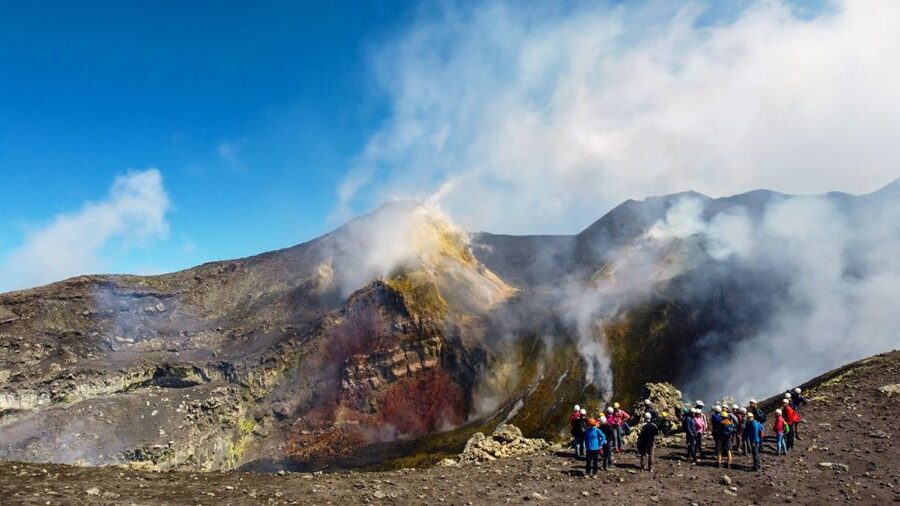
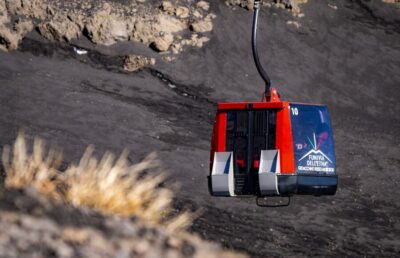
After the safety talk, you ride the cable car for about 15 minutes. The payoff here is speed and efficiency. You jump into the higher zone quickly, which lets the tour stay within its roughly 5-hour window.
Then comes the 4×4 ride for around 15 minutes. You travel across lunar-like terrain to the Torre del Filosofo area at about 2850 m. This segment matters because it changes your mindset. Once you are above the tree line and the ground turns into volcanic dust and rock, the hike starts to feel like you are walking in a different world, not just on a mountain trail.
Keep in mind that the cable car and 4×4 costs are not included in the main tour price. The standard add-on is €65 per person for the cable car round trip plus the 4×4 one-way ticket. If the summit cannot be reached due to volcanic activity or adverse weather, you only take the cable car round trip for €52 per person.
Bocca Nuova Crater at 3300 m: Where the Views Make Sense
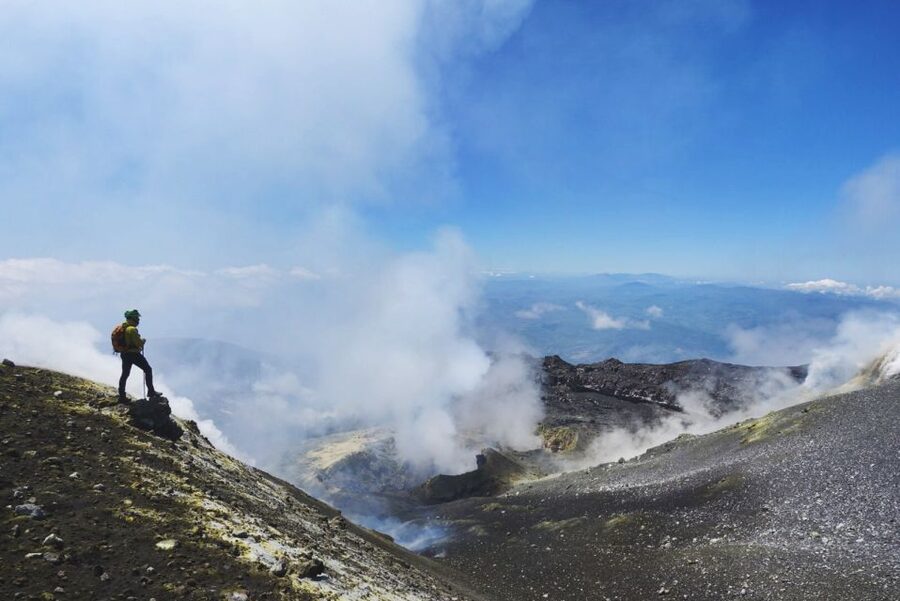
The hike begins toward the edge of Bocca Nuova (around 3300 m). This is one of the most impressive crater areas in the route, and it opened in 1968. You spend about 2 hours with the guide here.
This stop is the anchor of the whole day for most people because it combines three things you cannot fake:
- altitude
- crater edges up close
- panoramic scale
On clear weather days, you may see as far as the Aeolian Islands and almost all of northern Sicily. Even if the air is hazy, you still get a strong sense of how Etna spreads across the region.
What I like about the way the tour is paced at Bocca Nuova is that it does not rush you. The group walks, stops often, and you get time to actually look. That matters because at crater level, details are everything, from how the ground is fractured to the signs of earlier eruptions.
Cratere Centrale and Barbagallo: Learning to Read the Summit
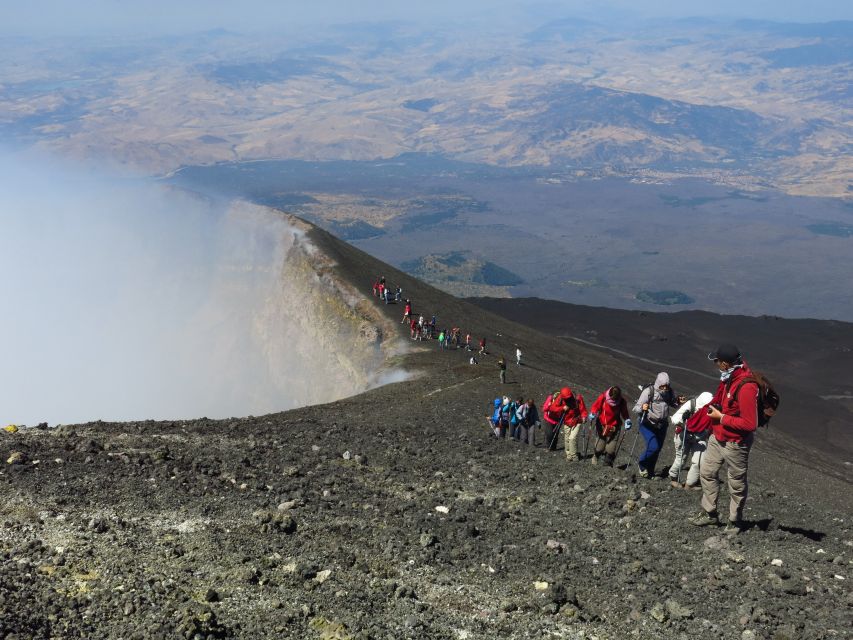
After Bocca Nuova, you move deeper into the crater area, with additional guided stops.
You visit Cratere Centrale dell’Etna next, with a guided walk for about 30 minutes. This part helps connect the geography of the summit craters to the eruption story you are seeing. The guide’s job is not just to point, it is to help you understand why certain surfaces look the way they do.
Then you reach Barbagallo Crater, with about an hour for a guided exploration and walk.
These crater-to-crater transitions are also where the tour shows its value as a small-group experience. With a limit of up to 8 participants, you are less likely to feel like you are chasing a herd through fragile terrain. Many people also find that having the guide adjust pacing is what keeps the hike enjoyable even when the ground is uneven or feels tiring at altitude.
If you are wondering whether the summit is too busy compared with other Etna options, a good trick is to focus on what you can control: your questions, your pauses, and your footing. The crater stops are structured so you are not constantly sprinting, and that makes the science feel personal rather than rushed.
Lava Tunnel and Valle del Bove: The Ground Gets Its Story
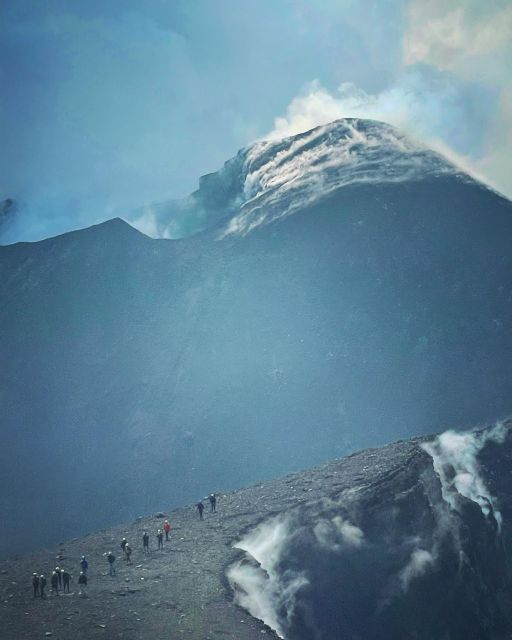
A key moment in this tour is the lava tunnel. Walking inside volcanic rock gives you a different kind of Etna education. You are not only looking at the volcano from above, you are moving through the leftovers of past lava activity.
Then you transition into the descent toward the Valle del Bove. This is a spectacular volcanic amphitheater-caldera, about 8 km long and 4 km wide. Even on days when the summit views are limited, Valle del Bove often helps the overall experience feel complete because it is massive and unmistakable.
The tour route also includes passing craters linked to the 2002 eruption. It is a useful reminder that you are walking through layers of time, not just today’s summit activity.
The descent includes a fun, but real, stretch of volcanic sand. It can be slow and tiring, but it is also one of the more memorable parts because it feels unmistakably volcanic.
Weather, Sulfur, and Safety: Practical Tips That Matter
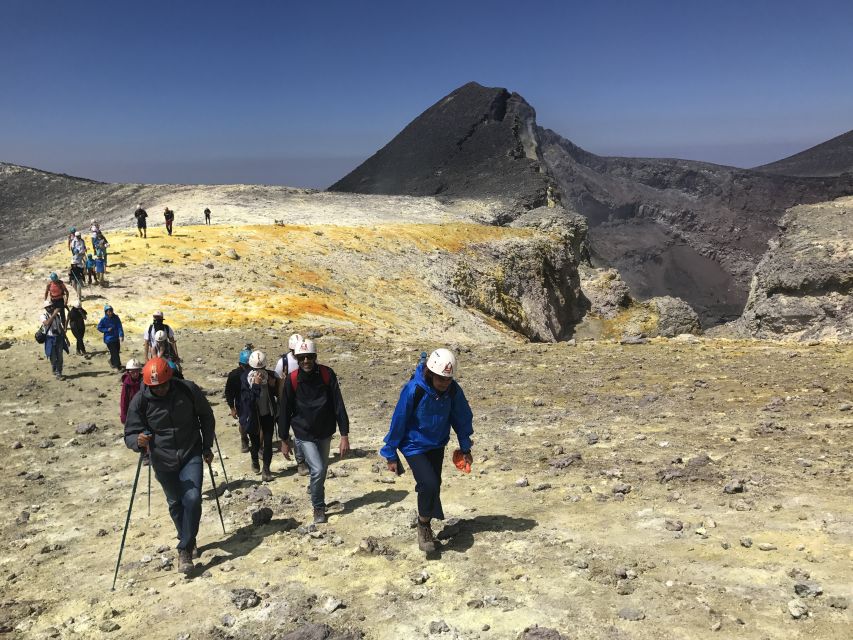
This tour is subject to change based on volcanic risk or weather. That is not a minor footnote, it is part of how you should plan your expectations. If visibility is poor or conditions are unsafe, the summit area may be limited.
Also, be ready for sulfur. A number of people report needing something to cover the mouth and nose, because sulfur fumes can irritate the throat. In practice, that means you should pack for conditions you can actually handle. If you do not have a suitable cover, check on-site with the operator about what is available at the start area.
Bring the basics that make a big difference on Etna:
- a warm layer under the wind jacket, since summit winds can be real
- sunscreen, because UV at altitude can sneak up on you
- a small snack, since food and drinks are not included
- gloves if you get cold easily
Finally, follow the guide’s path exactly. Volcanic scree and loose sand can shift, and the safest route is rarely the fastest one.
How Hard Is It, and Who Should Skip It
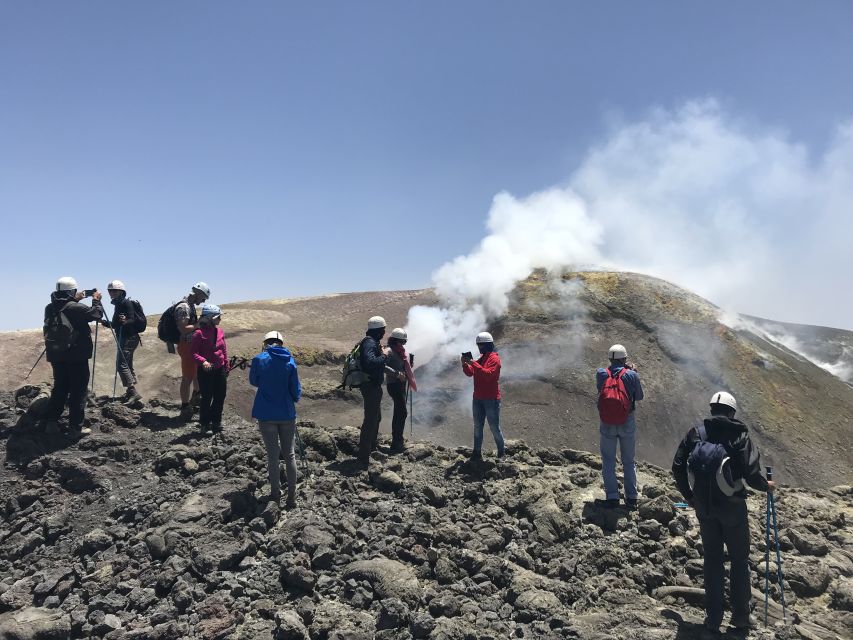
This is not an easy walk. The hike can be physically demanding because you are working around crater terrain and volcanic sand, and you are at high altitude for a significant chunk of the day.
The tour is not suitable for people with low fitness levels. It also is not suitable for:
- children under 6, and also not suitable for children under 7
- pregnant women
- people with mobility impairments, wheelchair users
- people with heart problems
- people with respiratory issues
- people with recent surgeries
- people over 95 years
If you are a reasonably fit hiker, you will likely find it manageable when you accept two rules:
- you go at the pace of the group’s slowest walkers
- you focus on steady steps, not speed
One more thing that surprises people: the difficulty often depends on the day. Wind, cold, and loose volcanic ground can turn an already challenging hike into a serious effort. That is why you should take the restrictions seriously and be honest about your comfort with steep, uneven terrain.
Price and Value: What You Pay, What You Get
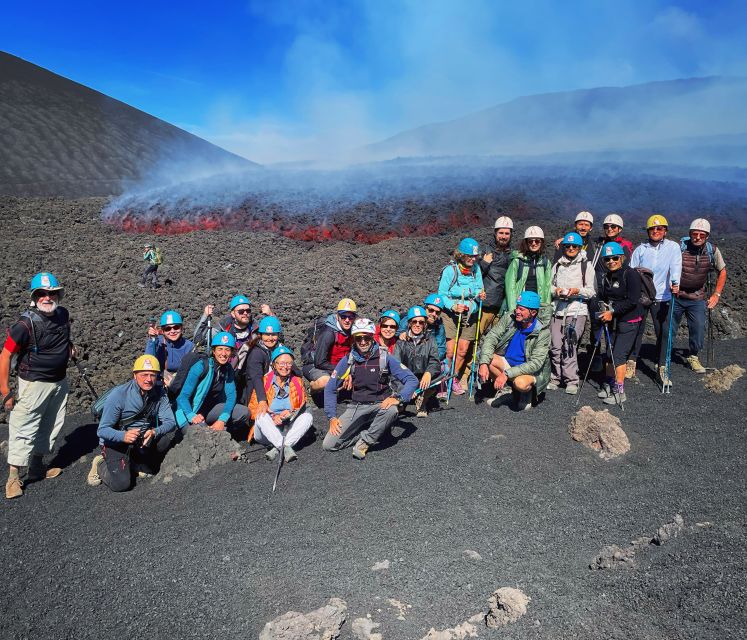
The tour price is listed at $77 per person for the guided hike component. On top of that, you must budget extra cash for the cable car and 4×4 access.
Here is the math logic, plain and simple:
- Add €65 per adult for the cable car round trip plus the 4×4 one-way ticket.
- If the summit cannot be reached, you pay €52 per person for the cable car round trip only.
- Parking on the north side costs €3 per day.
So yes, the total cost can feel like it jumps after you book. But the value is not just in the transportation. You are also getting:
- a volcanologist guide and crater-level interpretation
- included hiking boots, walking sticks, a wind jacket, and a helmet
- insurance included
- small-group attention with a limit of 8 participants
- free parking until gear or stock runs out
Where the value can dip is at the very start area if you were hoping for a great meal right before departing. Some people have said the restaurants at the base area are disappointing. The fix is easy: plan to grab something simple nearby before you leave, or come ready with a snack.
Should You Book This Etna Summit Trek?
Book it if you want the closest thing to crater-level Etna you can do in a half-day, with real guidance and practical gear included. If your fitness is solid and you can handle uneven volcanic terrain, this is the kind of hike that sticks with you because it connects views, eruption history, and how lava reshaped the mountain.
Skip it if you cannot comfortably manage high-altitude walking, loose volcanic sand, or if you fall into any of the health and mobility restrictions. And if you need a guaranteed summit photo, treat this as a nature-first experience. The operator may alter the route if volcanic risk or weather makes the higher areas unsafe.
If you are the type who likes your adventures with clear explanations and you do not mind a challenging hike, this is a strong pick for Sicily. The day can be long, the terrain can be demanding, but the payoff is understanding Etna with your feet on the ground.
FAQ
Where do I meet the guide?
You meet next to the restaurant La Terrazza dell etna, in front of the Etna south cable car station.
How long is the Mount Etna summit trek?
The tour lasts about 5 hours.
What is included in the tour price?
The tour includes volcano guides, the Mount Etna hike, hiking boots, walking sticks, a wind jacket, a helmet, insurance, and free parking until stocks run out.
What costs are not included?
The cable car and 4×4 are not included. You pay cash at the office: €65 per person (adult) for cable car round trip plus 4×4 one-way, or €50 for children under 11. If you cannot reach the summit, you pay €52 per person for the cable car round trip only. North side parking costs €3 per day.
Is this a small group tour?
Yes. The group is limited to 8 participants.
What languages are available for the live guide?
The guide offers French, English, and Italian.
Is alcohol allowed?
No, alcohol and drugs are not allowed on the tour.
What happens if weather or volcanic activity prevents going to the summit?
The route may change due to volcanic risk or weather conditions. If the summit cannot be reached, you will take the cable car round trip only.
More Hiking & Trekking Tours in Belpasso
More Tour Reviews in Belpasso
Not for you? Here's more nearby things to do in Belpasso we have reviewed
Mount Etna Volcano Tours, compared.
 ★ 4.8Catania: Mount Etna Morning or Sunset Day Trip with TastingFrom $704,028 reviews
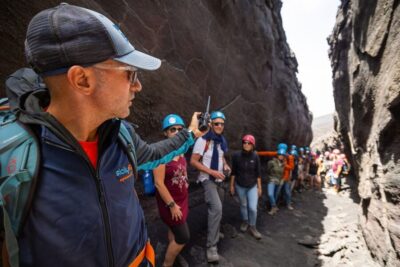 ★ 4.7Mount Etna: Guided Volcano Summit Hiking Tour with Cable CarFrom $1243,784 reviews
 ★ 4.8Catania: Sunset Jeep Tour of Mount Etna and Lava Flow CavesFrom $712,113 reviews
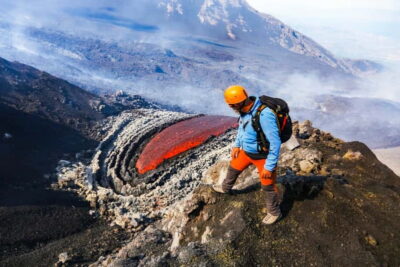 ★ 4.7Mount Etna: Trek to 3000m with cable car and jeepFrom $621,978 reviews
 ★ 4.8Etna and Alcantara Gorges Full-Day Tour with LunchFrom $1051,766 reviews
 ★ 4.3Mount Etna: Roundtrip Cable Car and 4×4 Bus TicketFrom $971,602 reviews
 ★ 4.7Etna Volcano: South Side Guided Summit HikeFrom $671,545 reviews
 ★ 4.9Catania: Mount Etna Trekking Trip off the Tourist PathFrom $781,351 reviews
Browse the lists this tour appears in