
Reviewed · MOUNT ETNA VOLCANO TOURS
2002 Crater Excursion – Northern Etna
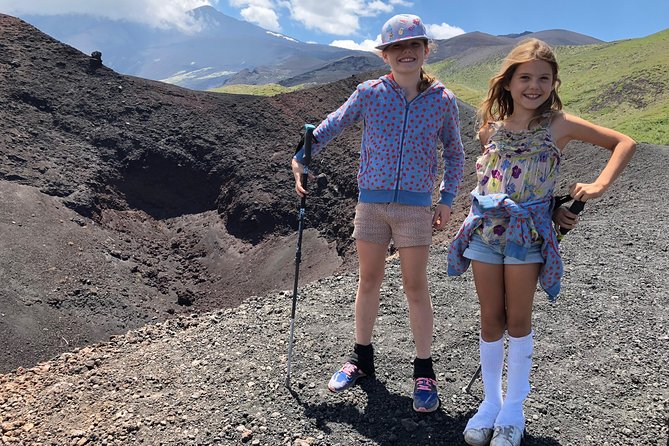
Etna can feel personal when you go with a volcanologist. On this Northern Etna walk, you track the big marks of the 2002 eruption on the wilder north side, plus you visit crater edges and lava flows that are famous for a reason. It is a short hike, but it is packed with real geology, not just views.
Two things I love: the small-group feel (up to 20 people) and the way the guide brings the story to life. In particular, guides like Giuseppe and Luca are praised for mixing clear explanations with an easy, fun pace, including well-timed breaks.
One consideration: you must plan for proper trekking shoes, because the accident insurance depends on having adequate footwear.
Key highlights to know before you go
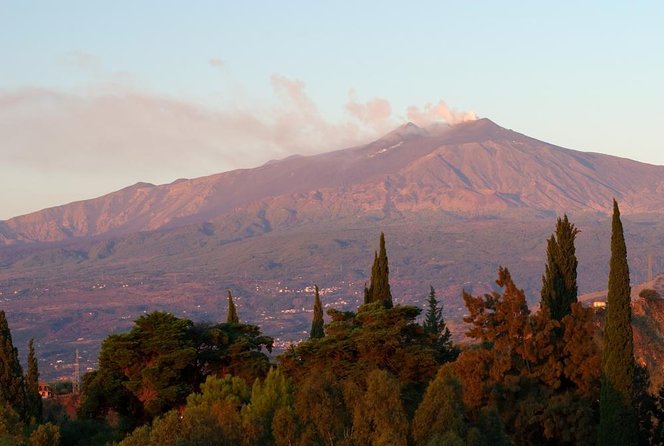
- North-side Etna is quieter than many popular routes, and it feels more local.
- Route uses the 27 Oct 2002 lava flow, plus older flows from 1911 and 1923.
- You walk about 5 km round trip with roughly 300 m ascent and descent in about 2.5 to 3 hours.
- Crater edges and deep shafts show up on the walk, so keep an eye on vertigo.
- Guides are authorized volcanologists, and they bring both humor and facts into the hike.
- Shoes are rentable on site for a small fee, but you still need to bring your feet-ready game.
Why Etna’s northern side is the point of this trek
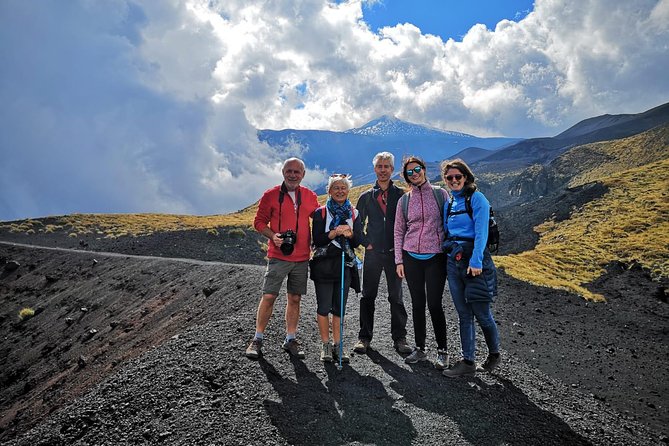
If you think Etna is just a mountain you look at from far away, this hike corrects that fast. The north side is the “get close” side, where the volcanic ground looks raw, the pine forest smells present, and the geology does the talking.
What makes this excursion click is that the walking route is designed around the visible evidence of eruptions, especially the 27 Oct 2002 activity. You are not just hearing dates. You are walking over the ground where that story happened.
The other big reason to choose the north: the route is described as less crowded, and the whole experience tends to feel calmer. That matters on Etna, where your attention needs to be on your footing and the guide’s instructions.
You can also read our reviews of more tours and experiences in Sicily.
Piano Provenzana: the practical base you’ll actually use
Your start point sits at Piano Provenzana on Etna’s north side. It is an area you can reach by private or rental car on fully paved public roads, and it has the kind of basics you want before a hike: cafés and bars for coffee or breakfast, plus spots where you can refill water bottles.
Pine forest edges and dramatic lava fields shape the setting here. After the October 2002 eruption, the original facilities were destroyed, and the result is a volcanic zone with historic interest and that “this is a living system” feeling.
Also, Piano Provenzana shifts with the season. In winter, it functions as a ski resort. In summer, it acts like a trail head for guided hikes and excursions. So depending on when you go, the same ground can feel like either a mountain sports base or a hiking staging area.
One more detail that I think helps a lot: the parking is clearly marked for cars and camper vans, and if you booked the tour you meet your guide on-site. That means you are not spending the whole morning hunting the group.
Stop by stop: what you’ll do from start to finish
Stop 1 at Piano Provenzana: settle in and get oriented
You will spend about 30 minutes here. This is where you do the first reality check: how your boots feel on volcanic ground, whether you need to rent trekking shoes, and how the group is organized before you start climbing.
Admission timing can be a little confusing on Etna experiences in general, but what you can count on is this: the main guided hike is the centerpiece, and Piano Provenzana is the launch area that keeps the logistics simple. You will also see the volcanic terrain up close, before you start walking long stretches.
If you arrive early, I recommend using the time to top up water and grab something light to eat. You will want energy for a hike that can still feel surprisingly physical once you are on ash and uneven lava.
Stop 2 on Mount Etna: the 27 Oct 2002 lava flow trek
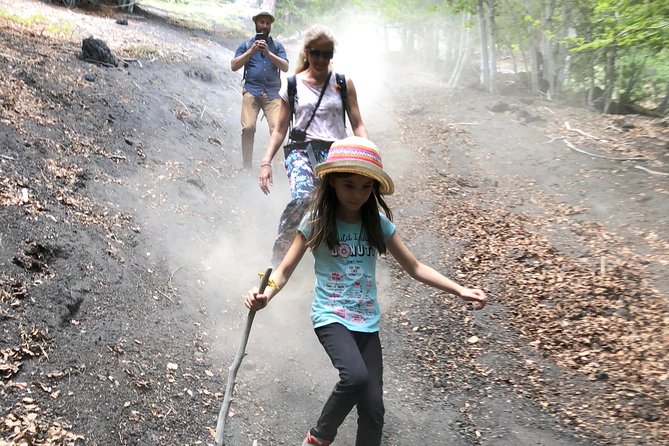
This is the heart of the experience, and it is built to show you multiple “eras” of Etna activity in one loop. The hike is approximately 5 km round trip, with about 300 m of ascent and descent, and it typically lasts 2.5 to 3 hours at a comfortable pace.
Here is the route sequence you should expect, step by step:
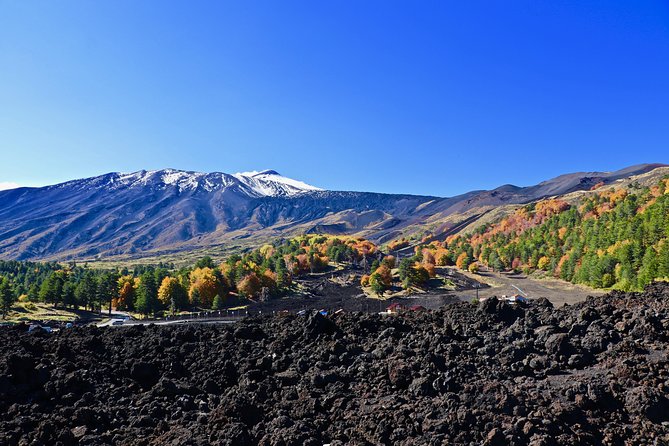
- You walk across the 7.2 km lava flow from the 27 Oct 2002 eruption. That flow buried places that used to exist here, including hotels, shops, restaurants, and a large car park. One roof of a hotel is still visible as a stark reminder of what changed.
- You continue through forest areas and then reach lava flows from 1911 and 1923.
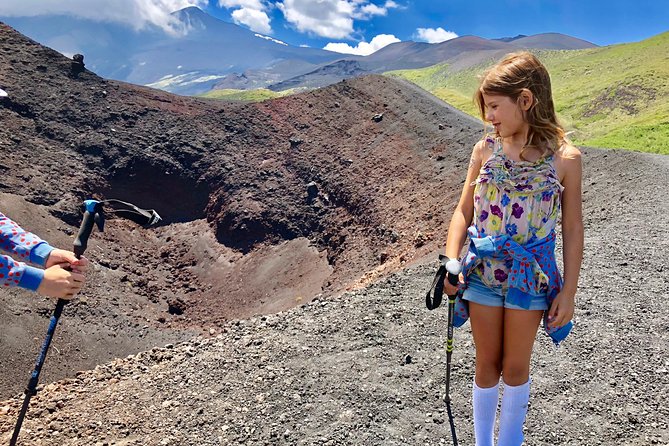
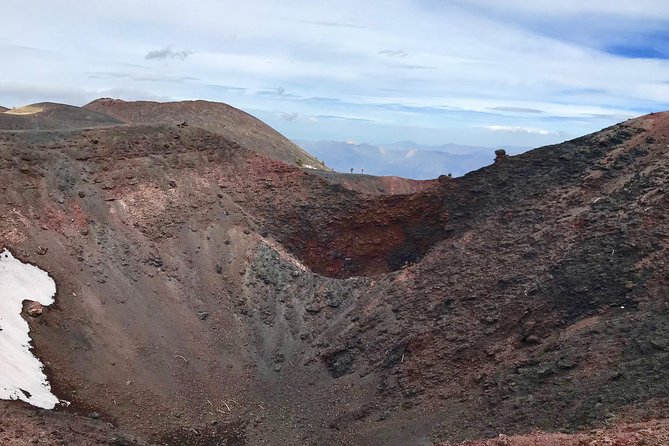
- You pass a chain of 1911 craters, including crater shafts reported to be 7 to 40 m deep.
- Then you climb to the crest of the huge 2002 eruptive fracture. This section is described as a canyon strewn with volcanic bombs.
- You reach the vent that produced the destructive flow, plus other large explosive mouths up around 2,100 m.
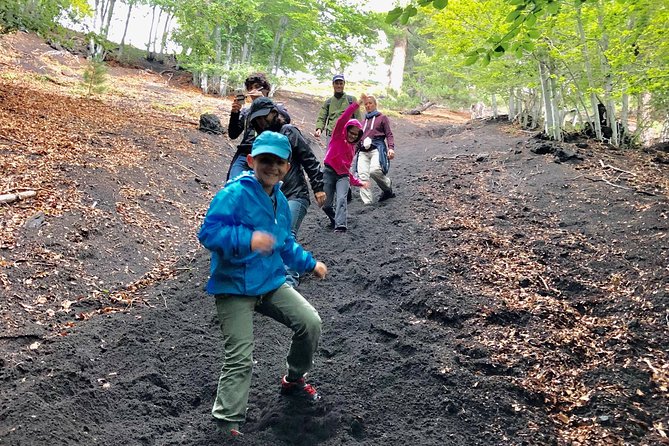
- You descend through soft ash channels via beech forest and areas that can include ski slopes, returning to the start.
That list is a lot, but the key for you is that the route is not presented as a mountaineering scramble. It is a guided trek, and the goal is to keep it doable while still getting you to the most meaningful ground.
Stop 3 back at Piano Provenzana: wrap up where you started
You return to Piano Provenzana for the final part of the outing, again with about 30 minutes. This is the time to catch your breath, refill water if you want, and ask questions while you still have energy.
It is also a smart moment to double-check your gear for the trip back down, especially if you rented trekking shoes. Lava hikes can leave dust on everything, including zippers and pant cuffs.
What you’ll actually see: craters, fractures, and a very real time machine
The 2002 eruption is the storyline, but this walk helps you understand Etna as a process rather than a one-off event. The walk crosses the 2002 lava flow, then it moves through evidence of older activity like 1911 and 1923. That means you are not only looking at one dramatic moment. You are seeing how the volcano keeps writing new chapters on the same slopes.
One highlight is the section around the crater edges and the 2002 eruptive fracture. You are walking along crater edges, and the route includes climbing to a crest that the description compares to a canyon strewn with volcanic bombs. This is the part that can trigger vertigo for sensitive hikers, so if you know you get shaky when the ground drops away, plan your mindset before you reach those edges.
You also get a clearer sense of why some spots feel more fragile underfoot. The tour description warns that volcanic soil is often incoherent and unstable. You do not need fear, but you do need focus. I suggest treating every footing test as part of the hike, not a small nuisance.
And the guide will connect the visuals to the bigger picture. This is where the experience often feels worth more than the price, because the facts become memorable when you can point at the rocks.
The guide matters: how Giuseppe and Luca make it feel alive
This excursion includes an authorized volcanology guide. That matters because Etna is not just scenery. The guide is there to help you read what you see, from lava texture to the meaning of older crater chains.
You can also get the “talked-through-it” benefit. Multiple guides mentioned in the experience notes are praised for being friendly and informative, and for keeping explanations at the right volume while still making the hike fun. Giuseppe is specifically described as a mix of comedian energy and expert facts, which is a great formula for a day where you want to learn but still move.
Luca is another guide name that shows up in the experience notes as smiling, considerate, and tuned to families. If you are traveling with kids or you just like a guide who keeps things light, that kind of energy can make the difference between a “check the box” hike and a “we get it” hike.
I also love that people mention pacing. One of the most helpful things on Etna treks is a guide who times breaks well, so you can breathe, drink, and keep going without losing momentum.
Getting ready for the terrain: what you should bring
This is not a long hike, but it is on volcanic ground, and that means gear matters.
Footwear first. Trekking shoes are not included, but you can rent them on site for €5 per pair. The important twist: without adequate shoes, you are not covered by accident insurance. So if you plan to wear old sneakers, change that plan.
Next, think about clothing for the season. Hat and gloves are especially recommended in winter, spring, and autumn. You may not need all of it depending on the weather that day, but Etna can surprise you with changing conditions, and your comfort will affect how confidently you walk.
Trekking poles are not included. If you use poles normally, bring your own. Even if the route is described as not having particularly difficult passages, volcanic ash channels and uneven rock crossing are easier with a little extra support.
Finally, water. Bottled water is not included, but there are refill points at Piano Provenzana. Bring a bottle and plan on refilling, rather than relying on buying water mid-route.
One tip that came through strongly in the experience notes: long pants help, because rocks can be irregular and coarse. That is a practical comfort move, not a fashion one.
Price and value: what costs about $43.55 really means
The price is listed at $43.55 per person, and the duration is about 3 hours. On paper, that sounds simple, but the value comes from what is included and what is not.
Included:
- Accident insurance
- An authorized volcanology guide
Not included (so you should budget for them):
- Bottled water
- Trekking shoes rental (though rental is available for €5)
- Hat and gloves
- Trekking poles
- Pickup service from your accommodation
- Parking fees (listed as €5 for weekdays and €8 for Sundays and public holidays)
- Snowshoe rental in winter (15€ per person)
So is it worth it? I think it usually is, because Etna hikes cost you either time or access. Here, you get the guide plus the core trek without needing a private car arrangement or specialized guiding on your own. The biggest “hidden” costs are really predictable: parking, shoes if you did not bring them, and water.
If you are traveling from a nearby base in Sicily and you can drive, your extra spend stays manageable. If you need pickup, you will want to think about how you get yourself to the meeting point and to Piano Provenzana.
Safety and pace: who this hike suits best
The route says it is not recommended if you usually do little motor activity. It is also not a good fit if you have cardiovascular, respiratory, or hypertension pathologies. That is not to scare you, it is to keep expectations honest for a hike that includes ascent, uneven ground, and crater-edge terrain.
That said, people describe it as manageable and doable, including families. The hike itself is easy in the sense that it is not described as technical, and there are no mentions of hard scrambling sections. The key challenge is steady attention on volcanic soil and keeping calm near edges.
Vertigo is the one sensitivity you should take seriously. The route includes ascent and the passage along crater edges. If you know you struggle with heights or dropping views, tell the guide early so they can advise you on where to slow down and how to position yourself.
The group size cap also helps. With up to 20 travelers, the guide can keep an eye on everyone, which matters on uneven ground and in case conditions change.
Weather can change the plan, and that’s normal on Etna
This experience requires good weather, and it can be changed or interrupted at the guide’s discretion if environmental, atmospheric, or volcanic conditions shift. That is the right mindset for Etna. You are in an active environment.
If weather turns rough, it is still better to have a guide make the call than to force through. One of the experience notes even mentions finishing in hail and still enjoying the walk, which signals that the guiding team takes conditions seriously and keeps safety first.
If you go, treat clothing like a flexible system. Layering helps, and bringing a hat you can adjust to conditions is a smart hedge.
Should you book the 2002 Crater Excursion (Northern Etna)?
Book it if you want a real Mount Etna walking experience on the north side, with a volcanology guide who explains what you are seeing and keeps the hike moving at a pace that feels doable. The route hits the 27 Oct 2002 lava flow, then connects you to older eruptions, craters, and the fracture area in a way that feels like a guided field lesson.
Skip it, or at least think hard before you go, if your footwear is not sorted. The accident insurance requirement tied to adequate shoes is a clear sign you should not wing it. Also skip it if vertigo is a big trigger for you, since the walk includes crater edges.
If you can drive to Piano Provenzana, enjoy learning while you walk, and want Etna to feel less like a viewpoint and more like a living landscape (literally of volcanic ground), this is a strong choice for a 3-hour day.
FAQ
How long is the 2002 Crater Excursion on Etna’s north side?
The tour is listed at about 3 hours total. The guided hike portion is about 2.5 to 3 hours, and the full trek route is roughly 5 km round trip with around 300 m of ascent and descent.
Where does the hike start?
The meeting point is Ufficio Guide Vulcanologiche Etna Nord, Via Provenzana, 35, 95015 Linguaglossa CT, Italy. The hike is based out of the Piano Provenzana area on Etna’s north side.
What will I walk over during the hike?
You walk across the lava flow from the 27 Oct 2002 eruption (described as a 7.2 km flow), then continue through areas tied to the 1911 and 1923 flows, along a chain of 1911 craters, and toward the 2002 eruptive fracture and vent area. You descend through soft ash channels through beech forest and ski slopes back to the start.
Is it difficult?
It is described as easy and absent of particularly difficult passages, but it is still a trek. It is not recommended if you usually do little motor activity, and you should be mindful of volcanic soil that can be incoherent and unstable, plus crater-edge terrain that can cause vertigo.
Are trekking shoes provided?
Trekking shoes are not included, but you can rent them on site for €5 per pair at authorized rentals.
Do I need to bring water?
Bottled water is not included. You can refill water bottles at Piano Provenzana.
Is parking included?
No. Parking fees are not included, and the listed price is €5 for the entire day on weekdays and €8 on Sundays and public holidays.
What season gear should I pack?
A hat and gloves are especially recommended in winter, spring, and autumn. Trekking poles are not included, and if you use them normally, you should consider bringing your own.
What happens if weather is bad?
This experience requires good weather. If it is canceled due to poor weather, you will be offered a different date or a full refund. The guide may also change or interrupt the route if conditions compromise safety.
How big is the group?
The tour/activity has a maximum of 20 travelers.
More Tours in Sicily

More Tour Reviews in Sicily
Not for you? Here's more nearby things to do in Sicily we have reviewed






Mount Etna Volcano Tours, compared.
 ★ 4.8Catania: Mount Etna Morning or Sunset Day Trip with TastingFrom $704,028 reviews
 ★ 4.7Mount Etna: Guided Volcano Summit Hiking Tour with Cable CarFrom $1243,784 reviews
 ★ 4.8Catania: Sunset Jeep Tour of Mount Etna and Lava Flow CavesFrom $712,113 reviews
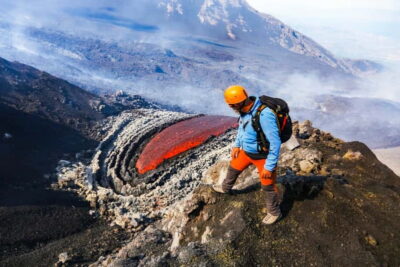 ★ 4.7Mount Etna: Trek to 3000m with cable car and jeepFrom $621,978 reviews
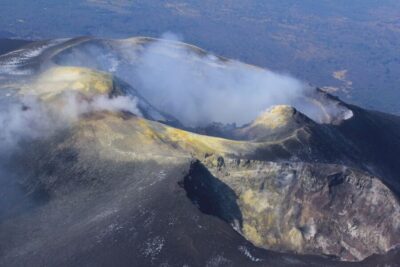 ★ 4.8Mount Etna: Summit Crater Trek with Cable CarFrom $771,875 reviews
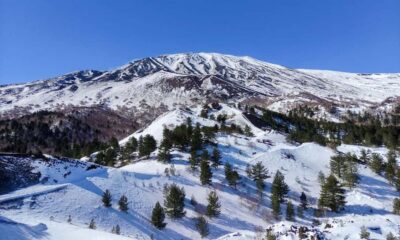 ★ 4.8Etna and Alcantara Gorges Full-Day Tour with LunchFrom $1051,766 reviews
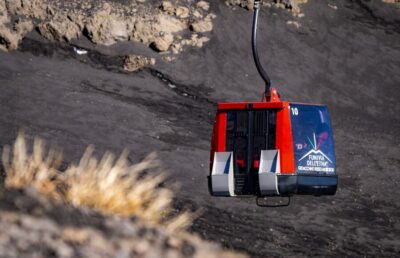 ★ 4.3Mount Etna: Roundtrip Cable Car and 4×4 Bus TicketFrom $971,602 reviews
 ★ 4.7Etna Volcano: South Side Guided Summit HikeFrom $671,545 reviews