
Palermo has a way of grabbing you fast, then keeping you curious. This 3-hour guided walk is a smart mix of UNESCO landmarks and real street-life stops, from Teatro Massimo to the markets near Ballarò and Vucciria. I like the way the guide connects the city to films, novels, and TV series, plus the mafia-era legends and mysteries that make the stones feel alive.
Two things I especially enjoyed are the explanation-heavy cathedral and the market stop where you can try Palermo’s famous street food with context, not guesswork. One thing to keep in mind: the tour is Italian only and you’ll need to dress modestly for the cathedral visit.
Key things to know before you go
- Teatro Massimo start: you begin at the largest opera house in Italy, tied to the historic Florio family.
- UNESCO stops: you pass the Opera dei Pupi (UNESCO) and visit Palermo Cathedral (UNESCO).
- Mercato del Capo street food moment: an Arab-origin market with fish restaurants and strong local energy.
- Palermo through its main streets and squares: Cassaro, Quattro Canti, and Piazza Bellini are film-set friendly for a reason.
- Piazza Pretoria at the end: you finish by the famous fountain of shame, right near Ballarò and Vucciria.
- Guides get praised for attention and organization: named guides Antonella and Fabrizio show up in top-rated feedback, with lots of useful tips.
A 3-hour plan that actually helps you understand Palermo
Palermo can feel like sensory overload at first: noise, colors, smells, and nonstop history stacked on top of itself. This tour is built to make sense of it. In a short window, you get a walking route through the city center, plus the stories that explain why each place matters.
I like that the pacing is practical. You’re not just looking at monuments, you’re also learning what locals do in the nearby market areas, and how people read Palermo through art and popular culture. It’s the difference between sightseeing and getting your bearings fast.
You can also read our reviews of more tours and experiences in Palermo.
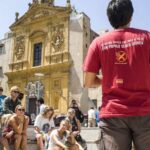
Teatro Massimo: where Belle Époque meets the Florio story
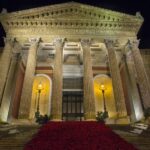
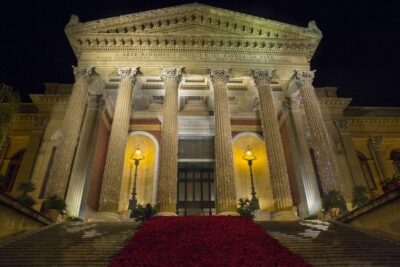
The tour starts in front of Teatro Massimo. This is not just a landmark, it is a symbol. It’s the largest in Italy and represents the Belle Époque period, when Palermo’s ambition and wealth showed up in architecture and culture.
You also get a specific thread to follow, the Florio family. The guide ties the theater to the family’s role in Palermo’s rise during the 19th century. That matters because it gives you a framework for why so many grand buildings exist here. Palermo’s “why” is often tied to powerful people, trade, and money.
If you’re the type who likes to understand a city’s power centers, this opening is a good match. Even if opera isn’t your thing, the history connection usually lands well.
Opera dei Pupi and Palermo’s living tradition of stories
From Teatro Massimo, you pass by the famous Opera dei Pupi theater. This is UNESCO heritage, and the big idea is that it’s a tradition, not a museum item. The puppetry is part of how Sicilian stories were told for generations, with myth, character, and drama built into the performance style.
This stop is short, more of a passing moment than a deep seated visit, but it sets up the bigger theme of the tour: Palermo keeps its identity through storytelling. And that connects neatly to the guide’s ongoing references to films, novels, and TV series.
Palermo Cathedral: UNESCO architecture plus royal history
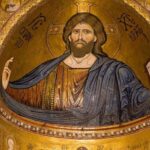
The highlight for many people is the Palermo Cathedral visit. It’s UNESCO listed, and it also acts like a timeline in stone because it blends different architectural styles. That blend is a clue about Sicily’s complex past, shaped by many communities over centuries.
Inside, you’ll learn about the moment when the first king of Sicily was crowned in 1130. You’ll also hear about Frederick II and his tomb. These details matter because they turn the cathedral from “a pretty church” into a place where power, legitimacy, and legacy were physically staged.
One practical note: you need modest clothing to enter the cathedral. If you’re traveling in summer, bring a light layer that can cover shoulders and knees. Better to plan than to improvise at the door.
Mercato del Capo: Arab-origin market energy and fish restaurant life
Next comes Mercato del Capo. This is an ancient market of Arab origin, and that origin is not just a trivia point. It helps you understand why market life here feels so rooted and long-lasting.
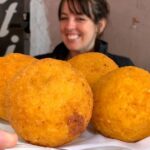
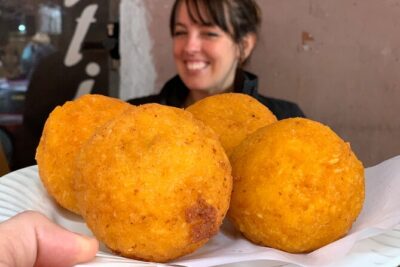
The market is known for its lively atmosphere and its fish restaurants. You’ll also get a short stop and a chance to taste Palermo street food, guided so you’re not paying blindly for the most touristy thing on the menu.
Important reality check: food and drinks are not included. So think of this as a guided “how to eat here” moment. You can follow the advice, then decide what to buy. It’s still a valuable part of the tour because the guide helps you choose what fits the moment and the local reputation.
Cassaro: the oldest street in Palermo, packed with meaning
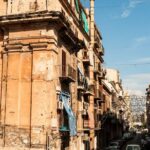
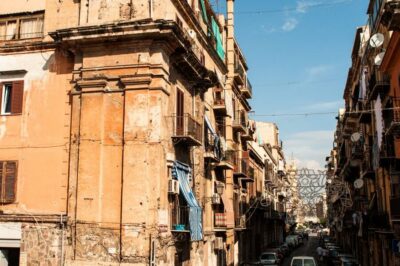
After the market, the route crosses Cassaro, described as the oldest street in Palermo. This is the kind of street where you can walk and feel the layering of the city: facades, landmarks, and history all along the route.
What makes Cassaro useful on a guided walk is interpretation. Without context, you might only notice busy streets and interesting buildings. With a guide, you start connecting the street to the city’s development and the location of key historic sites.
This is also where the tour’s “no downtime” value shows up. You’re moving, listening, and constantly getting a new reason to look up.
Quattro Canti and Piazza Bellini: squares that teach you how Palermo frames a scene
You stop at Quattro Canti, often described as the center of historic Palermo. The square is visually striking, and it’s also famous for being used as a film set. That’s a real clue: Palermo’s look is not accidental. It was designed.
Then the walk reaches Piazza Bellini, another key area in the historic center. Here you can pause for an excellent coffee and also try sweets linked to the nuns of Santa Caterina. Again, food and drinks are not included, so treat this as a guided place to stop, order, and enjoy.
If you care about taste and ritual, this is a great moment. Many cities have coffee shops. Palermo’s piazzas come with a story, and the guide’s explanations help you slow down just enough to enjoy the atmosphere.
Piazza Pretoria and the fountain of shame, finished near Ballarò and Vuccirìa
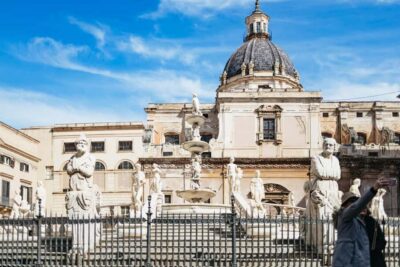
The tour ends at Piazza Pretoria, near the markets of Ballarò and Vuccirìa. This is a strong finish because you get to see the fountain of shame, plus the surrounding monasteries, churches, and palaces that define the historic center.
The fountain is attention-grabbing, but the payoff is the way it anchors the end of the walk. You’re moving from “big monuments explained” to “daily life nearby,” and the nearby markets make it easy to keep exploring after the tour ends.
This is also a practical strategy if you want your evening to feel spontaneous but not random. You finish in an area where it’s natural to continue, whether you want more food, more wandering, or simply a place to sit and watch Palermo happen.
What the guides do well, Antonella and Fabrizio included
The guide is a big part of why this tour earns such strong ratings. Antonella is named in multiple top reviews, and Fabrizio appears in another. What stands out across feedback is that the guides explain hidden meanings behind what you see, and they do it with real passion for the city.
You should expect a mix of storytelling formats too. The tour highlights films, novels, and TV series as part of how Palermo is understood. That kind of pop-culture connection helps if you’ve ever felt like European history tours talk over your head. Here, the guide aims for links, not lectures.
You also get advice for what to eat and where to go next. In reviews, people specifically mention tips for typical food, including recommendations connected to cannoli and gelato. That’s exactly the sort of help you want in Palermo, where one wrong choice can lead to disappointment fast.
Price and value: $41 for a guide-built route
At $41 per person for a 3-hour walking tour, the value comes from what is included and what isn’t.
Included:
- A guided walking tour in Italian
- A professional tour guide
Not included:
- Entrance fees (the cathedral entrance is free, at least for this tour as described)
- Food and drinks
That pricing makes sense if you treat it as a city-setup service. You’re paying for interpretation, route planning, and market-level guidance. In cities like Palermo, a good guide can save time and help you avoid expensive trial-and-error, especially for street food.
So the question becomes: do you want help turning monuments and markets into a coherent story? If yes, $41 for 3 hours is a pretty reasonable deal, even with food and entrance fees handled separately.
Practical logistics for a smoother walk
A few things will make this experience feel easier and better:
- Wear comfortable shoes. It’s a walking route through the center, and you’ll spend time on streets and squares.
- Plan for modest clothing at the cathedral. This is required to enter.
- Expect Italian only. If you don’t speak Italian, consider this a “listening tour” with gestures and slower rhythm, but the data here confirms the language.
- Bring a small budget for food. The tour includes tasting opportunities and a coffee pause, but food and drinks are not included.
- Find the meeting point easily. Meet in front of Banca d’Italia. The guide has a card that says Guida Turistica.
Who this tour suits best
This tour fits best if you want a guided introduction that balances sights with local life.
You’ll likely enjoy it if:
- you like walking tours but want them tied to meaning
- you care about UNESCO sites, not just photos
- you want to eat street food with guidance
- you like history with stories, including mafia legends and mysteries
You might want to rethink it if:
- you need an English-speaking guide
- you strongly prefer self-guided wandering and don’t want a structured route
- cathedral attire rules would be hard for you to meet
Should you book this Palermo monuments, markets, and stories tour?
If you want a fast way to understand Palermo’s center, I think booking this is a smart move. The combination of UNESCO landmarks, a market stop tied to local food, and storytelling about culture and crime gives you a fuller picture than most monument-only walks.
Just make sure you’re comfortable with Italian-only guiding and the modest dress requirement for the cathedral. If those two points work for you, this is a high-value way to spend 3 hours and leave Palermo with a sense of how it all connects.
FAQ
Is the tour in English?
No. This guided walking tour is in Italian only.
What’s included in the price?
The price includes a guided walking tour and a professional tour guide. Entrance fees are not included, and food and drinks are not included.
Do I need to pay for the cathedral?
Entrance fees are listed as not included, but the info specifically notes free cathedral entrance for this tour.
Where do I meet the guide?
Meet in front of Banca d’Italia. The guide will have a card that says Guida Turistica.
Can I visit the cathedral if I’m dressed casually?
You must wear modest clothing to enter the cathedral.
Is the tour wheelchair accessible?
Yes. The experience is listed as wheelchair accessible.
How long is the tour?
The tour duration is 3 hours.
What if my plans change?
The experience offers free cancellation up to 24 hours in advance for a full refund.
More Tour Reviews in Palermo
Not for you? Here's more nearby things to do in Palermo we have reviewed


Palermo City & Market Tours, compared.
 ★ 4.8Palermo: NO Mafia Walking TourFrom $402,431 reviews
 ★ 3.9Palermo: Hop-on Hop-off Bus Tour 24-hour TicketFrom $172,410 reviews
 ★ 5.0Palermo Original Street Food Walking Tour by StreatyFrom $832,105 reviews
 ★ 4.2Segesta, Erice and Salt Pans Full-Day Excursion from PalermoFrom $821,791 reviews
 ★ 4.5Palermo: Teatro Massimo Opera House Guided TourFrom $141,573 reviews
 ★ 4.2From Palermo: Monreale and Cefalù Half-Day TripFrom $711,354 reviews
 ★ 4.9Palermo: Street Food and History Walking TourFrom $541,294 reviews
 ★ 4.2Palermo: Agrigento and the Valley of the Temples Day TourFrom $771,240 reviews