Reviewed · SICILY
The Best Of Sicily and Sorrento & Culinary Experiences, Deluxe
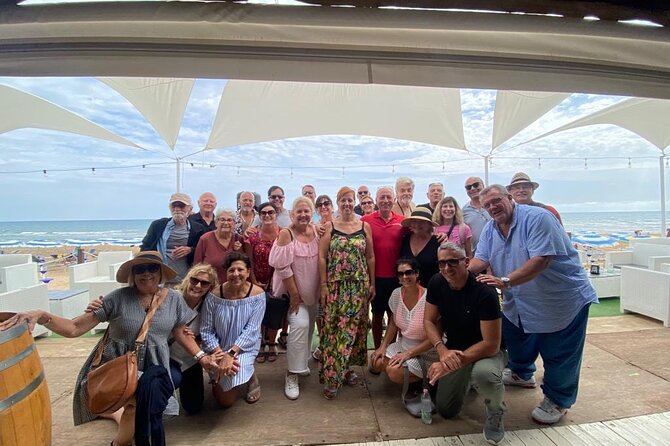
Sicily to Sorrento, food-first, and full of wow. I love how this trip mixes big sights with hands-on meals, from a Marsala cooking class to arancini lessons near Mount Etna, and I love the small-group pace (up to 28). The one possible drawback is the schedule is busy, with plenty of coach and boat time, so you’ll want decent touring stamina and a flexible mindset.
I also like the way it’s organized around comfortable bases instead of constant hotel changes. You start in Cefalù with a pool and beach downtime, shift to the seaside in Taormina, and end in Sorrento with views that people talk about for a reason. And in the human department, the reports I’m drawing from highlight a standout driver, Enzo, and a friendly guide, Riccardo, who keep things moving.
At $5,399 per person for about 13 days, the value makes the most sense if you’ll actually use the included meals, wine tastings, and guided time. If you prefer long, slow days with zero plans, you might feel the pace more than you want.
Key highlights I’d circle before booking
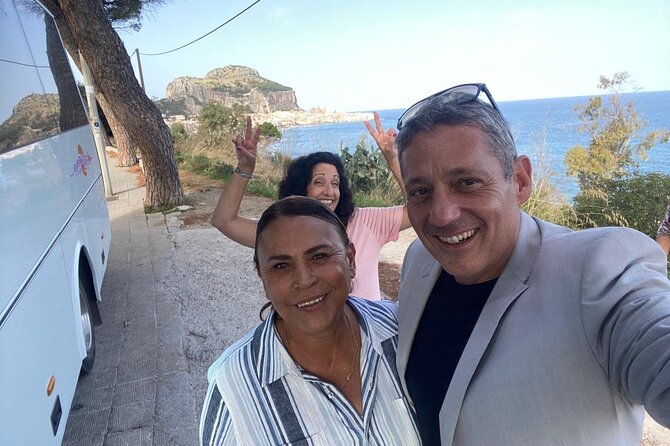
- Up to 28 people, so the trip feels social without turning into chaos
- Cooking + winery experiences in Marsala, including a hands-on class and tastings
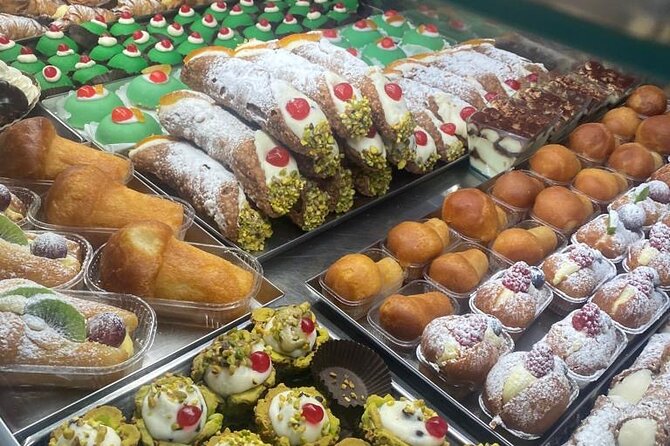
- Mount Etna day, with stops in Zafferana for arancini learning and cannoli
- Taormina by funicular, with guided time that includes the Greek-Roman Amphitheater
- Chef-led dinner night in Taormina with local singers (and an optional Siracusa day)
- Two iconic coast days: Capri by boat and Positano on the Amalfi Coast
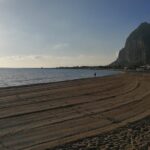
Cefalù warm-up: pool time, beach time, and a proper start
Your trip begins in Palermo, then you get transferred to your resort town base in Cefalù. After you check in, you’re given space to land. That matters on a vacation like this, because the rest of the itinerary leans active, with sightseeing days stacked back-to-back.
The first night is set up to make you feel instantly cared for: a welcome reception with traditional appetizers and wine, then an included dinner in the hotel restaurant with local cuisine and regional wines. If you’re arriving with a little hunger and jet lag, this is a smart way to avoid scrambling for a first meal.
Then comes a recovery-friendly afternoon. You get a full city tour on the second day, but the middle part is built for a breather with free time back in Cefalù, so you can swim, shop locally, or just sit with a gelato and watch the day move.
You can also read our reviews of more tours and experiences in Palermo.
Palermo and Monreale: cathedrals, gold mosaics, and real street level flavor
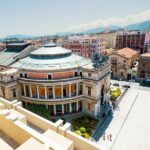
Palermo is Sicily’s capital, and it shows. The guided day focuses on ancient buildings, cathedrals, and gardens, but the goal isn’t just big monuments. It’s learning how the city layers cultures across time, and how that history still shapes what you see today.
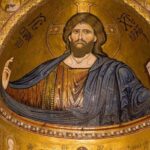
One highlight is Monreale Cathedral, known for its Norman architectural style and its stunning gold mosaics. This is the kind of stop that changes the way you look at a place, because the decoration isn’t subtle. It hits you in the first few minutes, and then you start noticing the details.
What I like for your experience is the rhythm. You tour Palermo in the morning, then you’re not forced into another relentless afternoon. Instead, you get back to Cefalù for your own dinner plans. That gives you the chance to try whatever looks best near your hotel rather than eating the same predictable tourist menu night after night.
Marsala route with Erice views, Trapani salt flats, and Donna Franca charm
After breakfast, the trip travels toward the Marsala area along the northern Tyrrhenian coastline. The day has scenic payoff built in, starting with Erice, a mountaintop town with sweeping views. Even if you’re not a “view person,” Erice tends to convert people fast because the town feels like it’s suspended above the landscape.
Next up is Trapani, known for its salt flats and the Cathedral of San Lorenzo. Salt flats are not just a rural detail here, they’re part of the local economy and identity, so it helps you understand why this corner of Sicily developed the way it did.
Then you arrive at Marsala and check in at Donna Franca, described as a preserved and restored baglio from the 19th century. A baglio is a farm complex style, and staying in one adds a sense of place. You get a winery tour and wine tasting, plus dinner at the hotel’s renowned restaurant.
For a food-focused traveler, this is one of the most satisfying transitions on the whole itinerary: you move from views to salt to wine without a disconnect in the experience.
Segesta temple views and your Marsala cooking class dinner
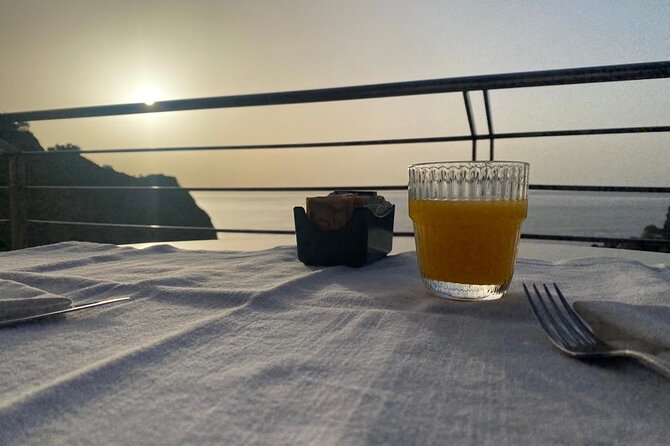
This is the day where the trip turns hands-on. You head to Segesta first, one of the best-preserved Greek Sicilian temples. Even without an engineering degree, it’s hard not to be impressed by the way the site still reads clearly as a Greek structure.
After returning to Donna Franca, you get a winery cellar tour and more tastings, plus appetizers and specialty wines. If you’re the kind of person who likes to know what you’re drinking, these tastings do more for you than just filling a glass.
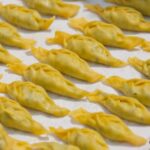
Then comes the cooking class, which is the part I’d treat like it’s the main attraction. You learn and cook, and later you eat what you prepared at dinner. That turns wine and food from passive consumption into a memory you can actually connect to a technique, a flavor, and a moment.
One possible consideration here: if you don’t enjoy structured activity, the class can feel like a scheduled block rather than “free time.” But if you like learning through doing, it’s a standout value add.
Agrigento and the Valley of the Temples, UNESCO scale
Agrigento is where you get the big archaeology day. The Valley of the Temples dates back to the fifth century BC and is a UNESCO World Heritage site. The tour with a local expert helps you not just see ruins, but understand what each major area was for and why the site matters.
This is the kind of stop where guides earn their keep. Without context, you might just take photos and move on. With context, you start to notice the layout and the cultural significance, and you understand why these temples became a world-famous anchor point for visitors to Sicily.
Afterward, you’re back at your hotel for dinner with wine, which keeps the day from ending on a low note. It’s also a practical rhythm: you do the main walking, then you get fed and rested.
The main drawback to plan for is simple: it’s a lot of time at an archaeological site. Wear comfortable shoes and take breaks when you need them, especially in warm weather.
Caltagirone ceramics to Taormina: nobility storytelling and beachside living
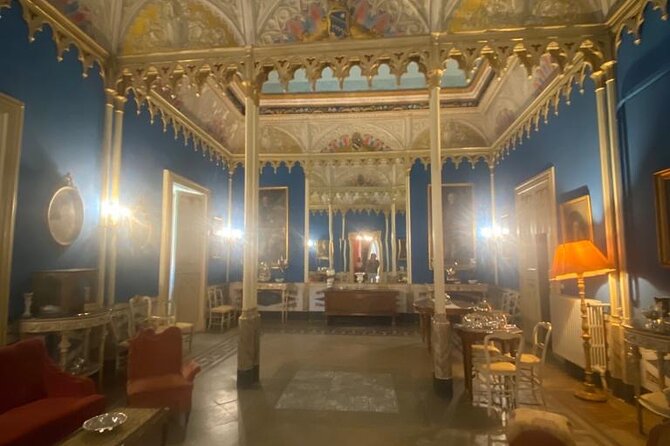
The transfer to Taormina includes a memorable stop in Caltagirone, a town celebrated for its Baroque-style ceramics. This isn’t just a shop stop. You visit the private home of the Nobel family Pace Gravina, guided by Giacomo, the owner. It’s a rare look into Sicilian nobility and the family story behind a private palace.
Then you get a buffet lunch in the ball room. That’s a big deal because it shifts the experience from sightseeing to something more personal and human. You’re not just passing by a historic place, you’re experiencing it as a functioning space.
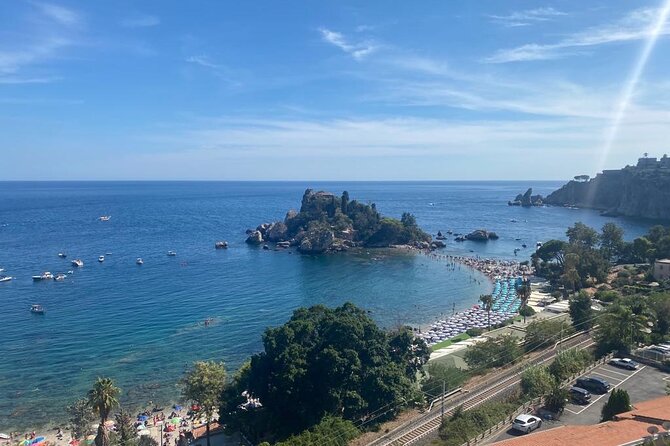
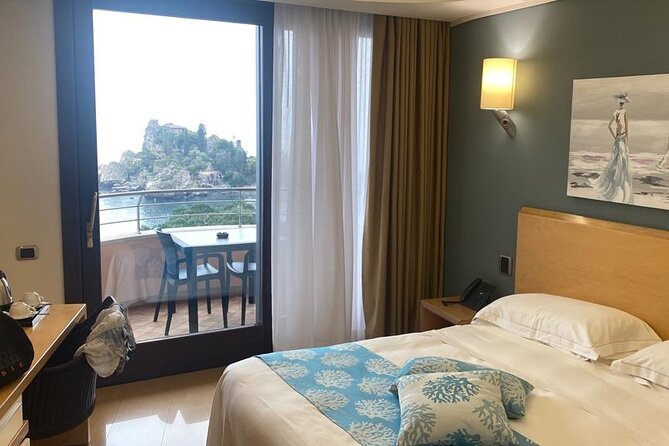
After that, you move to a luxury seaside resort hotel in Taormina for the next four nights. Taormina’s position matters. The town rises above the water, and it gives you easy access to views and walks, without feeling like you’re constantly traveling.
For me, this segment hits a sweet spot: culture plus comfort. You’re in Sicily’s interior one day, then back by the sea with time to breathe.
Taormina by funicular, Greek-Roman Amphitheater, and free time that actually helps
In Taormina, the morning starts with the funicular ride up to the town. This is one of those practical choices that improves the trip. You save energy for the best parts, and you arrive with enough time to enjoy the view and the old-town feel.
Your guided tour includes the Greek-Roman Amphitheater, a key landmark that gives you that immediate sense of where ancient Sicily gathered and watched. After the guided portion, you get time to explore the colorful streets and shops at your own pace.
I like that balance. You’re not just dropped into a maze with no plan. You get orientation, then you get freedom. And because Taormina is built for walking and looking, that free time is where you’ll do the casual browsing, snack breaks, and slow photo moments.
Dinner is at leisure this evening, which also helps. It means you can choose something based on your energy level, not just follow the itinerary’s default meal.
Mount Etna and Zafferana: arancini lessons, cannoli, and high-altitude drama
If there’s one day that tends to deliver the wow factor, it’s Mount Etna. The trip describes it as Europe’s tallest active volcano, and the day is structured around getting up close to the views.
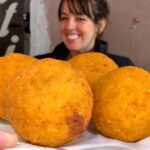
But the highlight isn’t just the volcano itself. You also stop in Zafferana, where you visit a local rosticceria to learn how to make the famous arancini rice balls. That’s a very “Sicily” kind of food lesson, because it connects the dish to the way locals eat every day, not just special-occasion menus.
You also indulge in cannoli and other local foods with local wines. This turns a volcano excursion into a full sensory day, which is exactly what you want when you’ve spent half your trip on historic buildings and museum-like stops.
One consideration: volcanic areas can mean changeable conditions. Keep layers handy and be ready for cool air even if the coast is warm.
Taormina dinners with Christian Foti, singers, and optional Siracusa
After one day of beach and pool time, you get a special dinner night. The itinerary includes dinner prepared by a very famous Sicilian chef, Christian Foti, and the evening includes plenty of wine and local singers. It sounds like a party because it basically is. It’s one of those rare vacation dinners where the atmosphere becomes part of the meal.
Then there’s an optional all-day trip to Siracusa. Since it’s optional, you can decide based on your interests and energy. If you want another historic city day, Siracusa fits the trip’s theme. If you’d rather stay anchored in Taormina’s comfort, you can keep it lighter.
The practical value of a chef-driven night like this is that it compresses effort. You don’t have to hunt for a top restaurant while also managing logistics. You show up, you eat well, and you enjoy the entertainment without extra planning.
Ferry to Sorrento: Straits of Messina crossing and a Gulf-view reset
This is the big transition day, leaving Sicily and moving to Sorrento. The trip includes a ferry boat cruise across the Straits of Messina, which is both scenic and useful. You’re not just “getting there,” you’re doing it in a way that breaks up the travel day.
On the way, there’s also a relaxing lunch stop in Calabria. That helps because it stops the transfer from feeling like one long ride with no breaks.
When you arrive in Sorrento, your hotel sits overlooking the Gulf of Naples. Dinner is included with music, dancing, and wine. The Villa Giovanna is called out in the experiences I’m drawing from as having breathtaking views, which makes sense given Sorrento’s cliffside layout.
This day matters because Sorrento can be a little overwhelming when you first arrive. Having a built-in dinner and a clear arrival routine helps you settle fast.
Capri and Positano: boat time, viewpoints, and the Ultima Cena dinner
Capri is a full day transfer by boat. You also get suggestions from a wherever representative at the hotel before your transfer, which is helpful if you want to hit key areas without guessing. Capri’s appeal comes down to walking, shopping, and soaking up dramatic views, and the day is built to give you time for all three.
Then you head to the Amalfi Coast UNESCO area, with Positano as the star for the day. Positano’s image is everywhere, but here you get time to actually enjoy it, shop, and explore. It’s also paired with a major dining moment back in Sorrento: the itinerary calls it the “Ultima Cena” (Last Supper).
This is one of those nights where the trip ties together its food theme with Italian celebration energy. Great food plus music and song and dance is exactly the kind of evening you remember long after the details fade.
The only caution: both Capri and Positano involve lots of strolling and viewpoints. If you’re sensitive to crowds or steep stairs, plan your pace and take breaks often.
Price and what $5,399 gets you in real travel value
This is not a bargain tour. At $5,399 per person for about 13 days, you’re paying for several things you can’t easily replicate on your own without effort: coordinated transfers, a small group size cap, multiple guided sightseeing blocks, and multiple included food experiences.
Where the value feels most real is in the “learn and eat” parts. A cooking class that ends with your own dishes, winery tours with tastings, and a chef-led dinner with singers are expensive, time-consuming items to reproduce independently.
Also, you’re moving across two regions and several towns: Cefalù, Palermo, Marsala, Agrigento, Taormina, then Sorrento with Capri and Positano. That kind of routing usually costs time, and time is money when you’re planning.
My advice: treat this as a vacation for people who want guidance plus experiences. If you’re happy doing independent travel and you love planning, you might spend less. But if you want your meals, wine, and major highlights handled, this price starts to look more fair.
Should you book this deluxe Sicily and Sorrento tour?
Book it if you want a guided, food-forward trip that stitches together Sicily’s cultural highlights with the Amalfi Coast’s classic scenery. The combination of hands-on cooking, wine tastings, and standout dinner evenings (including the Christian Foti night) makes it feel more like an experience series than a checklist.
Skip or think twice if your ideal vacation is mostly unplanned and slow. This itinerary has a lot of movement, and even though there are leisure pockets, the overall structure keeps you busy.
If you’re comfortable with that tradeoff, you’ll likely appreciate how the trip uses comfort bases in Cefalù, Taormina, and Sorrento so you can recover between the big days. And if you care about the human side, the mention of Enzo and Riccardo as a key part of how the days run is a very good sign.
FAQ
Where does the tour start and end?
The tour starts with arrival in Palermo, followed by a private transfer to your resort hotel in Cefalù. It ends with a transfer from the Sorrento hotel back to Palermo airport for your onward journey.
Is airport pickup included?
Yes. The tour includes a private transfer from Palermo airport to the hotel in Cefalù, based on scheduled arrivals. The tour also includes transfer from the Sorrento hotel to Palermo airport at the end.
How large is the group?
The maximum group size is 28 travelers.
Does the tour use mobile tickets?
Yes, mobile tickets are included.
Are meals and wine experiences included?
Yes. The tour includes a welcome reception with appetizers and wine, included dinners in multiple locations, winery tours with tastings, and special meals such as the chef-prepared dinner in Taormina and the Ultima Cena in Sorrento.
Is there a cooking class?
Yes. In Marsala, there is a cooking class, followed by dinner that includes the foods you prepared.
Do you visit Mount Etna?
Yes. There is a day excursion to Mount Etna, described as Europe’s tallest active volcano in Europe, plus food stops in Zafferana for arancini and cannoli.
Is Siracusa included?
Siracusa is offered as an optional day trip by your tour leader.
What is the cancellation window for a full refund?
You can cancel up to 6 days in advance for a full refund, with the requirement that cancellation is at least 6 full days before the experience start time.