
Reviewed · PALERMO CITY & MARKET TOURS
Palermo: NO Mafia Walking Tour
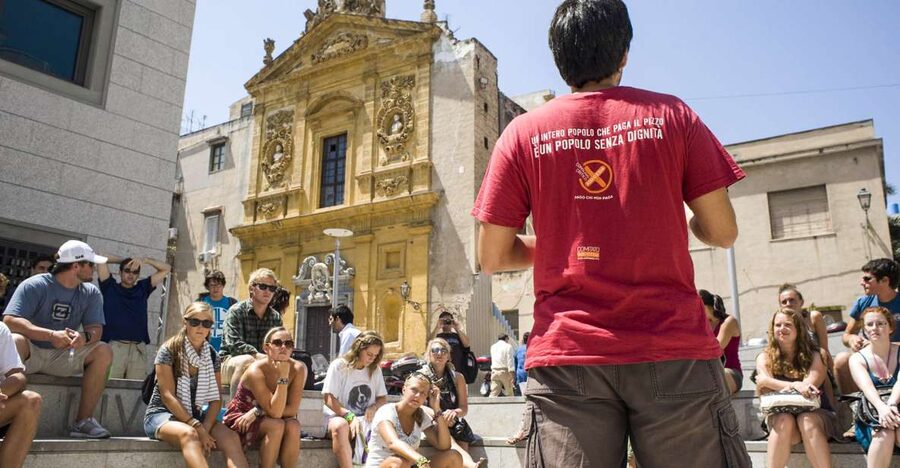
Palermo tells its mafia story on foot. This 3-hour walking tour uses the city itself, from Teatro Massimo to the open-air market Il Capo, to explain how Mafia power worked and how everyday people helped push back. I love the way the route stays practical and grounded, not stuck on movie clichés, and you end with real ideas for what to eat nearby.
I love two things in particular. First, you get Palermo landmarks placed in context, so Teatro Massimo and the Cathedral do more than look pretty. Second, the guide connects the Mafia story to civil resistance, including the anti-extortion campaign tied to pago chi non paga (I pay who does not pay).
One possible drawback is the topic is serious. You’ll be talking about violence, intimidation, and murders, so it helps to go in with the right mindset and expect an emotional, not fluffy, experience.
Quick highlights you’ll feel on the walk
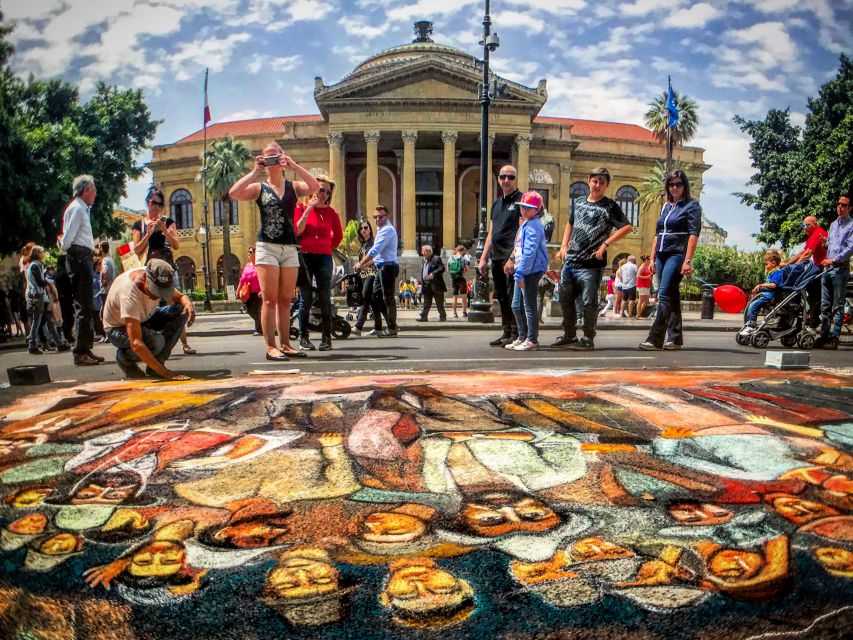
- Teatro Massimo as a starting point that frames how the city’s public life links to power
- Il Capo market area for a look at everyday Palermo, not just monument photos
- Piazza Della Memoria and its memorial focus on prosecutors and judges killed by the Mafia
- Cassaro street orange stickers that signal businesses choosing not to pay extortion
- A clear anti-mafia angle through civic organizing and the real mechanics of change
- Small group pacing that keeps questions flowing during the 3-hour walk
Why Palermo’s Mafia story is more than movie plots
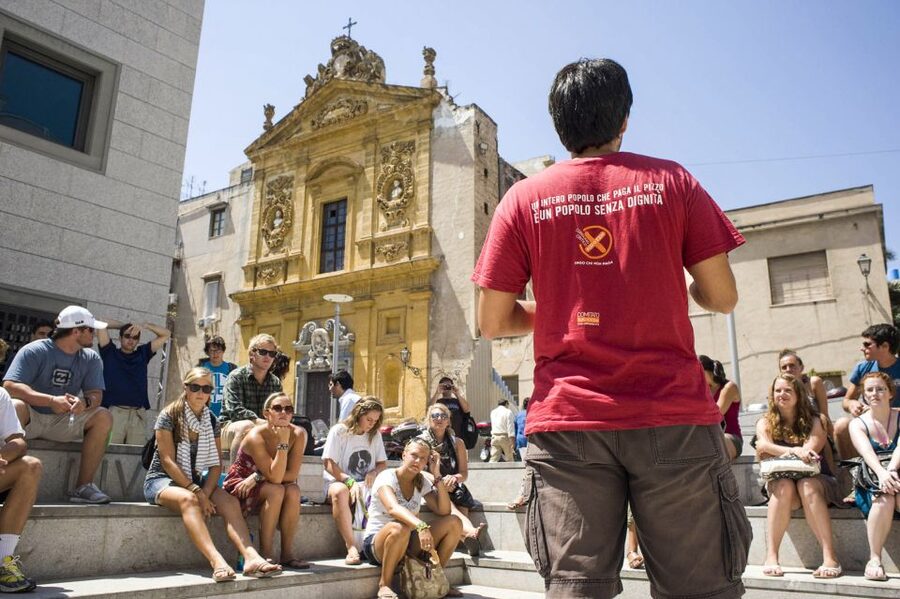
Palermo is a city where history sits right under your feet. This tour treats the Mafia less like a gang from a film and more like a social system that affected daily life, business, politics, and trust.
What I like about the approach is that it explains the Mafia phenomenon without turning it into folklore. You hear how intimidation and corruption shaped people’s choices, then you get the other half of the story, the civil anti-mafia movement and how ordinary citizens tried to break the cycle.
If you’ve only seen the Mafia as a soundtrack and a swagger, this is the corrective. The tone keeps you focused on harm, consequences, and the work it takes to change a society from the ground up.
You can also read our reviews of more walking tours in Palermo
How a 3-hour walking route keeps you moving and makes sense
You’re looking at a 3-hour walking tour through Palermo’s historic center. That time window matters because it’s long enough to connect ideas, but short enough that you can keep your day flexible after.
The route is designed like a narrative walk. You start in the city’s big public space, then you move through markets and civic landmarks, then you circle back toward old-town heart, finishing where you can keep exploring on your own.
Bring comfortable shoes. The tour is on foot, and the best way to enjoy it is to stay present, not focused on sore ankles.
Teatro Massimo: the grand landmark that anchors the big questions
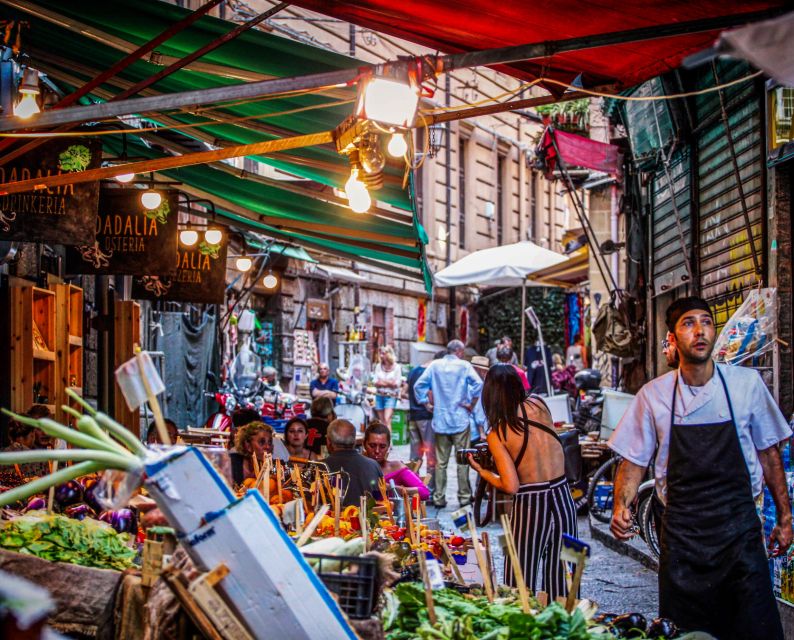
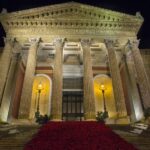
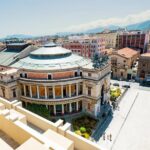
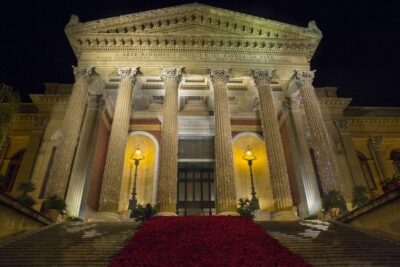
Teatro Massimo is one of those stops that instantly signals you’re in a serious city, not a theme park. On this tour, it’s not a detour for photos. It becomes a symbol for how public institutions and social prestige can exist in the same world as Mafia power.
Seeing it early in the walk helps you reset your mental map of Palermo. You’re not just walking streets. You’re learning how power can show up in official places, then spill into everyday routines.
It also sets the right tone for the guide. In this kind of tour, the guide’s story matters, and Teatro Massimo gives them a solid, visible anchor.
Il Capo and Piazza Della Memoria: daily life meets civic loss
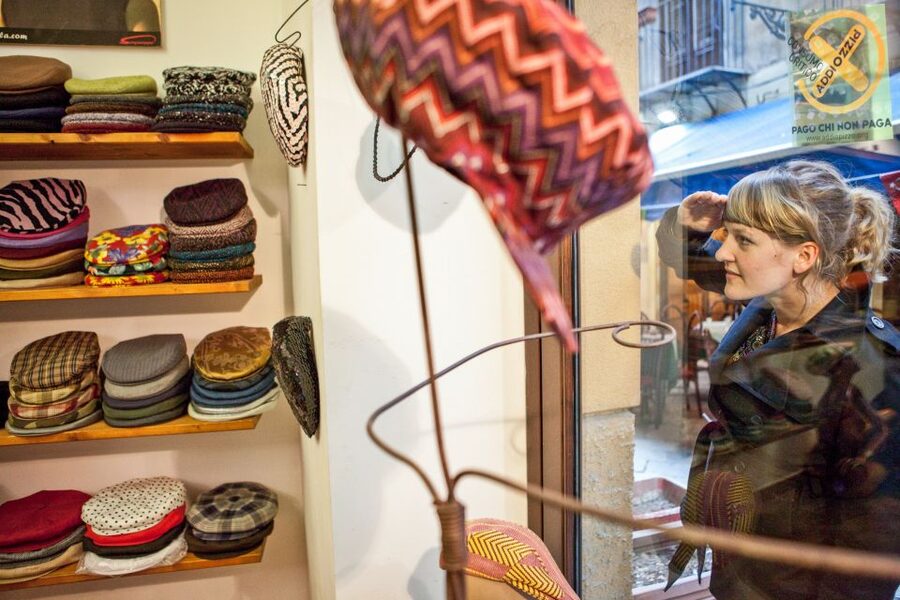
From the opera-house scale, you shift toward the energy of Il Capo, the open-air market area. Markets are where you can read a city’s habits quickly: who sells what, how people bargain, and how commerce flows in real time.
On this tour, Il Capo isn’t just texture. It helps show the daily reality where the Mafia’s influence could be felt, including the pressure on businesses and the way extortion can distort normal economic life.
Then you move to Piazza Della Memoria, a memorial square dedicated to prosecutors and judges killed by the Mafia. That stop changes the mood in a good way. It brings the topic back to individuals and public service, not just abstract crime stories.
If you want context that feels human, this is the kind of landmark that does it. You’re reminded that anti-mafia work is not only about arrests. It’s also about courage in the face of intimidation.
Cassaro and the orange stickers: the visible side of payment refusal
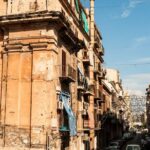
One of the most distinctive parts of this tour is the walk along the Cassaro, where you’ll notice shops with orange stickers on their windows. These are a public signal: owners who have said no to paying the extortion racket.
That detail gives you something you can actually spot while you’re walking, instead of hearing only about the past. It also makes the anti-mafia movement feel practical, because it’s tied to decisions businesses make in the present.
The guide connects this to pago chi non paga, the ethical consumer campaign name included in the tour description. Even if you don’t know Italian before you arrive, the idea lands fast: you’re seeing the city communicate values through everyday storefront choices.
In a city where fear and pressure can be invisible, that orange marker is the opposite. It’s a small piece of public defiance.
Piazza Beati Paoli, Palermo Cathedral, and city hall: civic life under pressure
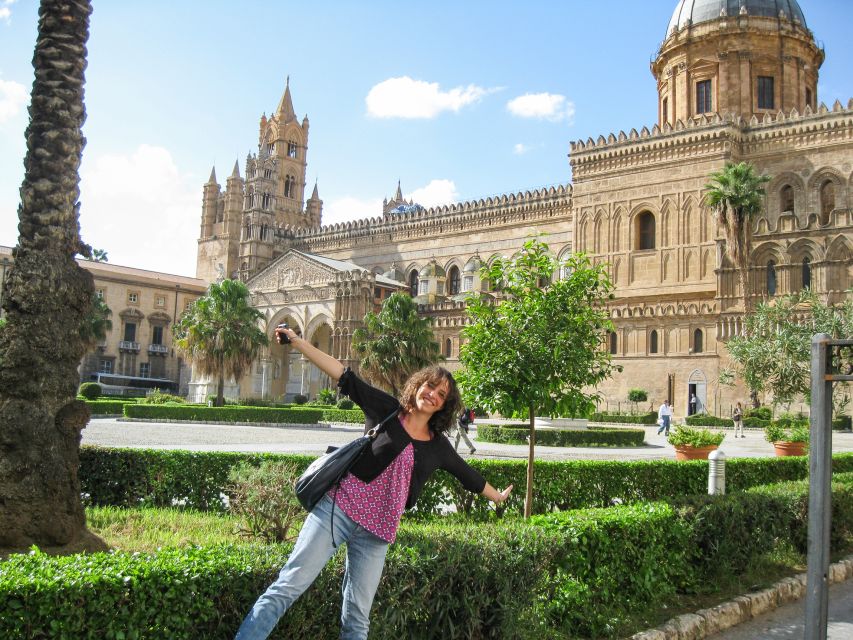
After the market and memorial areas, the walk continues past more civic and historic landmarks, including Piazza Beati Paoli and Palermo Cathedral, plus the city hall area.
This part of the tour works best if you listen for the guide’s connections. The goal isn’t to race through sights. It’s to understand how a society copes when wrongdoing isn’t just occasional, but systemic.
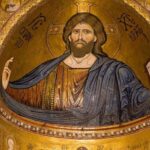
Piazza Beati Paoli and the Cathedral help widen your picture of what “normal” Palermo looks like. You see religion and heritage alongside civic institutions, and you get a sense of how community life can persist even when systems are distorted.
And city hall, in particular, ties the story to politics and governance. The Mafia story here is not only about criminals. It’s about who has power, how rules get bent, and how citizens push back through civic action.
The guide’s storytelling style, and why it matters as much as the stops
What makes this tour repeatedly praised is the quality of the guides and the clarity of their stories. You’ll hear the tour in Spanish, French, English, or Italian, depending on your group, and the tour is offered as a small group option.
The difference between a good and a great mafia tour is tone. This one aims to go past clichés. In the experiences shared by visitors, guides like Linda, Valeria, Giuseppe, Salvatore, Ermes, Claudio, Attilio, Marinella, and Laura are repeatedly described as engaging, passionate, and strong on explaining how the Mafia fits into Sicilian society.
Another theme you’ll appreciate while walking is that the guide encourages questions. People leave feeling like the topic is explained, not shouted at them. That matters for a heavy subject, because you need room to ask what you don’t understand yet.
Some guides also manage pacing well for a 3-hour walk. If you’re someone who needs a breather while listening, you’ll likely find the tour is organized enough to keep you comfortable as the story evolves.
What you’ll do after the tour, and how to use the momentum for food
The tour finishes in the heart of Palermo’s old-town center. Before you break off on your own, the guide gives tips on where to taste the best Sicilian specialties.
That last part is practical. After a walking tour like this, you want something that feels local and grounded in today’s Palermo, not a generic tourist meal. A guide who knows the neighborhoods and what people actually eat can save you time and guesswork.
If you have the evening open, I’d plan one proper meal nearby. Keep it simple, choose one or two local dishes, and use dinner as a way to slow down after a story-heavy morning or afternoon.
Price and value: is $40 for a 3-hour walking tour fair?
At $40 per person, this tour sits in a reasonable range for a guided 3-hour experience in a major European city. What you’re paying for is not museum access. It’s a live guide, an organized walk, and the narrative that turns landmarks into meaning.
You’re also getting a built-in social impact piece: the tour includes a contribution to the Addiopizzo charitable organization. That matters because it changes the feel of the experience. You’re not only learning about anti-mafia efforts. You’re supporting them as part of the ticket price.
Also, because entrance to museums and monuments is not included, you won’t feel like you’re paying for things you don’t get. This is a walking-and-story tour first, not a ticket bundle.
Value comes from quality of explanation, the efficiency of the route, and whether you want the anti-mafia angle. If that’s your kind of travel, it’s a strong use of a half-day.
Who should book this, and who might want a different tour
This tour is best for you if:
- you want Palermo beyond postcards
- you’re curious about how the Mafia shaped daily life, and how people pushed back
- you like guided stories that connect history to real civic choices like pago chi non paga
- you want clear structure without long museum lines
It may not be the best fit if you’re only looking for light sightseeing. This walk deals with serious topics, including the Mafia’s violence and the civil anti-mafia movement’s work against it. It’s not a glossy “what happened to famous gangsters” tour.
Should you book Palermo: NO Mafia Walking Tour?
I’d book it if you want to understand Palermo in a way that actually sticks. The route hits major landmarks like Teatro Massimo, brings you to Il Capo, and then uses Piazza Della Memoria to anchor the topic in human consequences. The Cassaro orange stickers add a rare, on-street element that connects learning to present-day choices.
Choose it early in your trip if you can, because it gives you a sharper lens for everything else you see in Palermo afterward. And if you do book, pack patience and comfortable shoes, this is a thinking tour as much as a walking one.
More Walking Tours in Palermo

More Tours in Palermo
More Tour Reviews in Palermo
Not for you? Here's more nearby things to do in Palermo we have reviewed




Palermo City & Market Tours, compared.
 ★ 3.9Palermo: Hop-on Hop-off Bus Tour 24-hour TicketFrom $172,410 reviews
 ★ 5.0Palermo Original Street Food Walking Tour by StreatyFrom $832,105 reviews
 ★ 4.2Segesta, Erice and Salt Pans Full-Day Excursion from PalermoFrom $821,791 reviews
 ★ 4.5Palermo: Teatro Massimo Opera House Guided TourFrom $141,573 reviews
 ★ 4.2From Palermo: Monreale and Cefalù Half-Day TripFrom $711,354 reviews
 ★ 4.9Palermo: Street Food and History Walking TourFrom $541,294 reviews
 ★ 4.2Palermo: Agrigento and the Valley of the Temples Day TourFrom $771,240 reviews
 ★ 5.0Palermo No Mafia walking tour: discover the Anti-mafia culture in SicilyFrom $391,011 reviews
Browse the lists this tour appears in