
Reviewed · PALERMO CITY & MARKET TOURS
Palermo: Sicilian Bread Masterclass
Sicilian bread tells a real story. In Palermo, this hands-on masterclass trains you to make Sicilian breads and teaches the why behind the dough. In about 2 hours, you go from ingredient choice to kneading and baking, ending with a tasting that helps it all click.
I love the human side of it, especially the way Chef Giacamo and the team make the class feel welcoming, not stiff. I also love the take-home value, you get recipes and even helpful notes like where to source flours and key ingredients.
A quick heads-up: it is hands-on and dough timing matters, so if you hate waiting for proofing and baking steps, this may feel a bit slow.
Key Things I’d Prioritize Before You Book
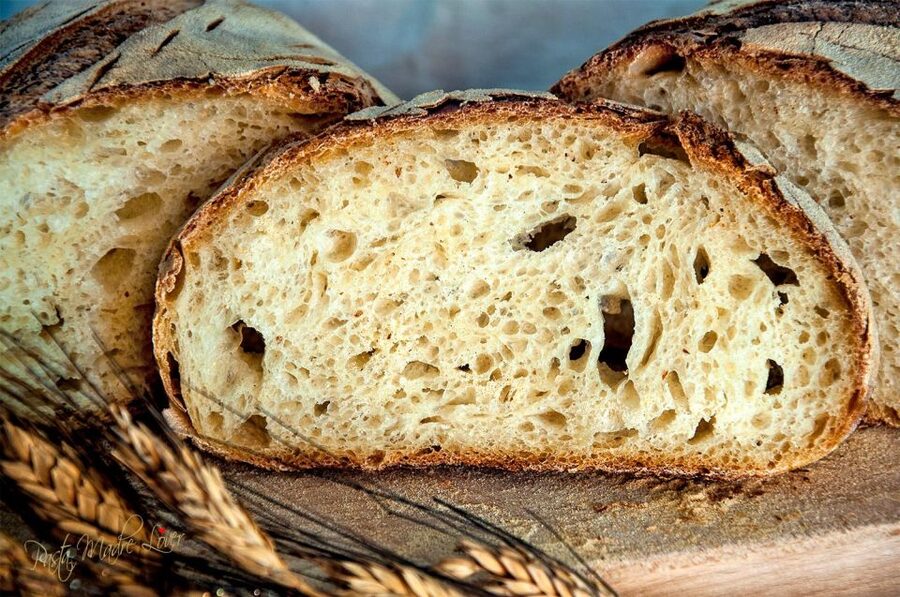
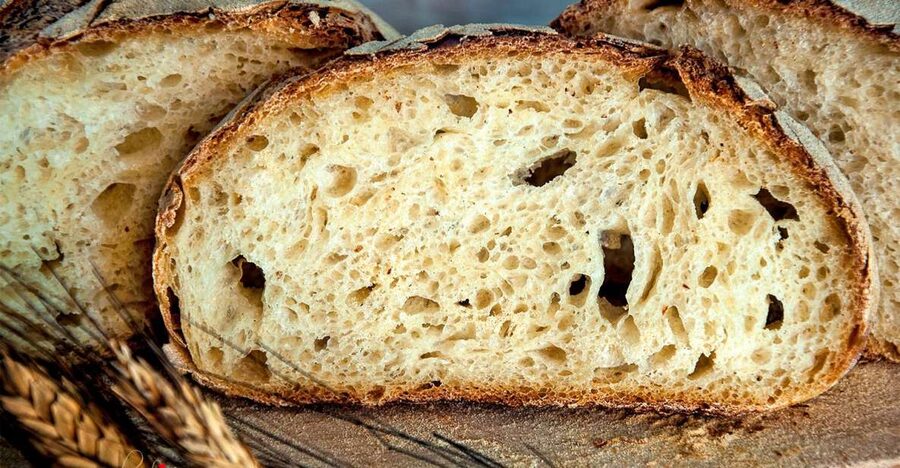
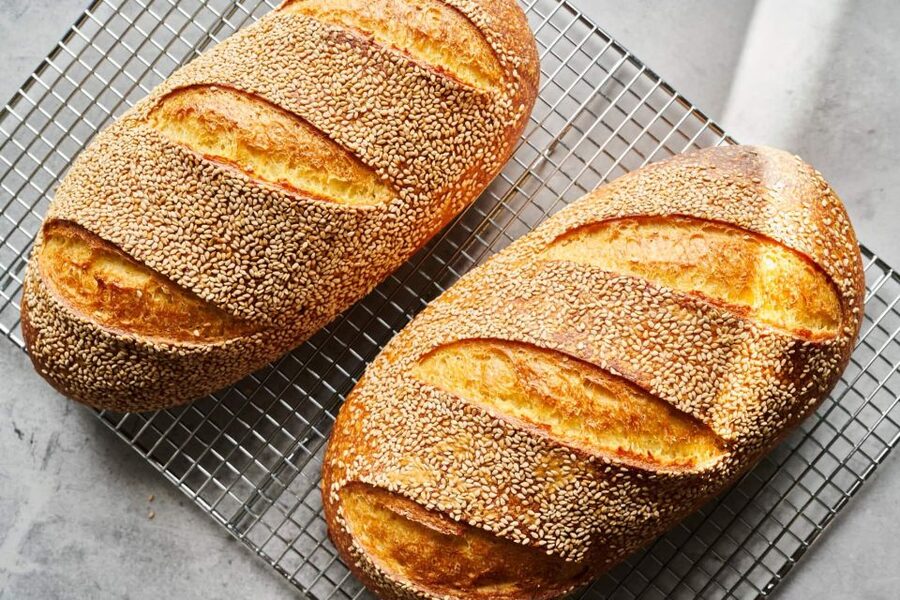
- Three signature breads, one lesson: Palermitano, Monreale, and brioscine in a single session
- Expert instruction in multiple languages: Italian, English, Spanish, French, and German
- A tasting that changes how you judge bread: you learn what to look for in texture and flavor
- Recipes plus practical ingredient tips: including guidance on flours and other basics
- A warm, at-home teaching vibe: many people comment on the friendly, generous approach
- Skip-the-line with a separate entrance: so you start faster and waste less time
Palermo Bread Masterclass: Why Bread Here Feels Personal
If you think of Sicilian food as just pasta, pastries, and street snacks, this class nudges you toward something deeper: bread as a daily tradition. You work with dough, you learn technique, and you end up tasting what real local bread feels like in your mouth.
The best part is that it is not a lecture. You learn by doing, then you get the bread results at the end, so the skills stop being abstract.
Chef Giacamo is the kind of teacher who treats the craft like culture, not just a skill. That comes through in the way the class mixes technique with stories, and in how food and wine are handled as part of the experience, not an afterthought.
You can also read our reviews of more tours and experiences in Palermo.
Where You’ll Bake in Palermo, and What That Means for Your Day
This masterclass runs in Palermo, either at a state-of-the-art facility or in a private-home setup, depending on what you choose when you book. That flexibility matters because it can affect how the class feels, more studio-like or more intimate.
Either way, you should expect a structured 2-hour session. The separate entrance helps you skip the line, which is great if your day in Palermo is tight and you do not want to burn time.
Also good to know: the class is wheelchair accessible. If you need step-free access and easier movement, this is designed to work for that.
Meet the Instructor: Multilingual Teaching That Still Feels Human
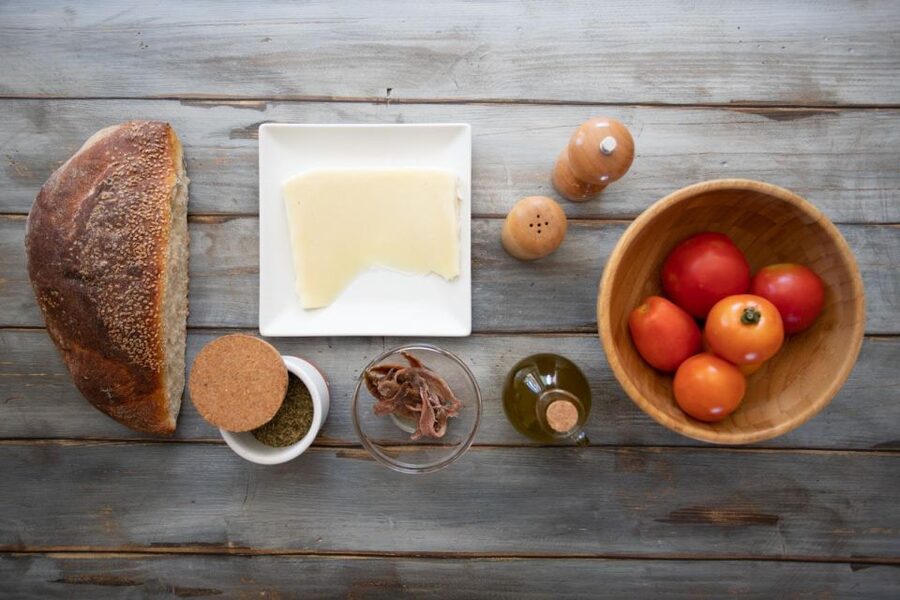
Instruction is available in Italian, English, Spanish, French, and German. That is a big deal for a bread class, because small differences in wording can change how you knead, shape, or judge dough readiness.
In the feedback I’m using to shape this review, people repeatedly highlight the hosting style. Giacamo’s approach is engaging, and the team explains things clearly enough that even an avid home baker can pick up extra tips.
The language support also means you can focus on the bread, not on translating in your head.
The Three Breads You’ll Make: Palermitano, Monreale, Brioscine
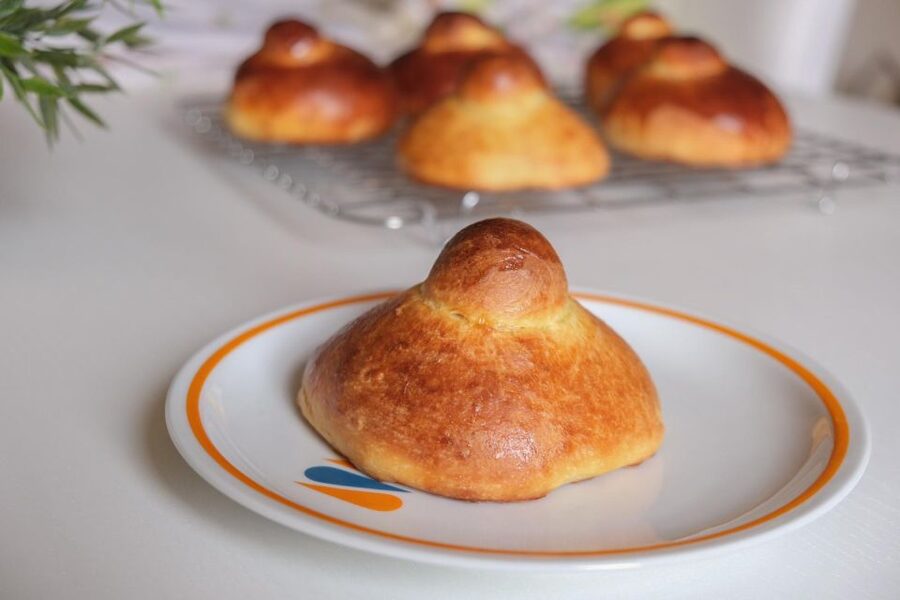
This is the core of the experience: you learn the techniques behind three distinct breads. Each one has its own personality, and you’ll taste differences in crumb, crust, and flavor as you go.
Palermitano
Palermitano is the bread that sits at the center of everyday Sicilian life. In class, you’ll focus on how the dough is handled so it bakes with the right texture and structure.
Monreale
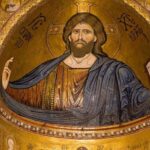
Monreale brings a different feel to the table. You’ll learn the approach that helps the dough come out right when it hits the heat, which is where technique pays off.
Brioscine
Brioscine shift things toward a more tender, snack-friendly result. This is a nice balance because it gives you variety, not just one style of bread repeat after repeat.
What I like about doing all three is that your brain stops thinking in one bread-only terms. You start to see how ingredient choices and handling shape the final product.
Hands-On Dough Work: Kneading, Shaping, and Baking Signals
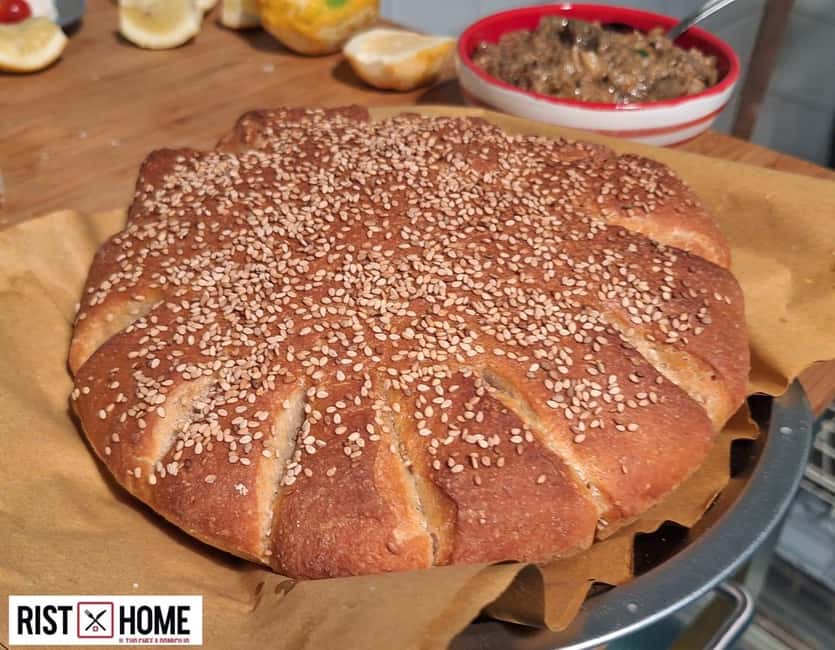
This class pays attention to the fundamentals: ingredient selection, kneading, and baking. That might sound basic, but in bread-making, basics are everything.
You will work the dough and learn how to judge progress. Instead of relying only on time, you pick up cues, like how dough feels and how it responds during handling.
From the teaching style described in feedback, you also get practical tips that go beyond the recipe card. People specifically point out that the class shares sources for flours and other ingredients, so you can reproduce the quality later at home.
And yes, dough proofing and baking are part of the timeline. That is the trade-off for making bread from scratch: you spend real time waiting for fermentation and oven work. If you like the idea of bread as a process, you’ll enjoy this part.
A Tasting Built for Your Palate, Not Just Your Plate
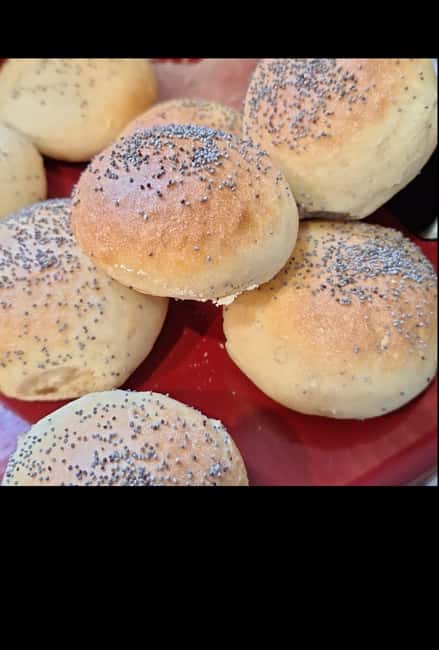
The session ends with a tasting, and that is when the class becomes more than a cooking exercise. When you taste the breads you made, you can connect technique to outcome right away.
In feedback, the food and wine are described as generous. One common tip is also practical: do not eat beforehand. If you arrive already full, you miss the point of the tasting and the chance to judge flavor and texture clearly.
As you taste, you’ll get a better sense of what makes bread good in this style. It is not just about salt and crunch. It is about crumb feel, crust behavior, and how each bread carries flavor.
You Might Also Make More Than Bread
This masterclass is centered on bread, but you may also create extra bites using different types of dough to create a variety of foods. That matters because it helps you understand how the same dough thinking can support different results.
If you like cooking classes that teach one big skill through several small applications, this is a plus. It also keeps the 2-hour session moving, so it does not feel like one long kneading stretch.
What You Take Home: Recipes and Ingredient Guidance
A bread class is only as useful as what you can repeat after the visit. Here, the class includes recipes, and people highlight that you receive them.
Even more valuable are the practical ingredient notes, like guidance on where to find flours and other essentials. That turns the class into something you can actually use in your own kitchen, not just a fun memory.
If you are an avid baker, this is especially appealing. One feedback point calls out that an experienced baker can still learn new techniques, which tells you the teaching is not just for beginners.
Value for Your Time: Is Two Hours Enough?
Two hours sounds short, but bread is timing-heavy. The good news is that the structure is built around doing real steps, not just watching.
You get:
- instruction on ingredient selection, kneading, and baking
- practice with three bread types
- a final tasting
- recipes and helpful ingredient sourcing tips
That is solid value for a short session because you leave with both skill and understanding, not just food.
If you are the type who likes to go deep, you may still want more practice later. But as an introduction to Sicilian bread craft, it hits a sweet spot.
Who This Masterclass Fits Best
This experience fits best if you want an authentic Palermo food moment that is more hands-on than eating-and-walking tours.
It is a great choice for:
- food lovers who want to understand bread culture, not just sample it
- home bakers who enjoy learning new technique and want ingredient guidance
- couples and small groups who want a shared activity with real results at the end
- travelers who care about language access, since instruction is offered in multiple languages
It may be less ideal if you:
- hate waiting for baking or fermentation steps
- want a purely casual, sit-and-eat format with no dough handling
Practical Tips Before You Go
Here are a few smart moves to make the most of your 2-hour session:
- Go hungry, if possible. The tasting is part of the point, and feedback strongly suggests not eating beforehand.
- Ask questions early. Bread success often comes from small adjustments, like dough feel and timing cues.
- Pay attention to ingredient choices. The class emphasizes flour and other ingredient basics, and that is what you’ll reuse later.
- Plan for hands-on work. You’ll knead and handle dough, so comfortable clothes help.
Should You Book Palermo Bread Masterclass?
I think you should book this class if you want a memorable Palermo experience that is genuinely useful. You will learn Sicilian bread techniques for Palermitano, Monreale, and brioscine, then taste your way into understanding what makes this bread style work.
Skip it only if you dislike active cooking or you do not want any fermentation and baking timing in your schedule. Otherwise, it is a strong value play for travelers who want authentic local food culture, not just a plate and a photo.
FAQ
How long is the Palermo Sicilian Bread Masterclass?
The experience lasts 2 hours.
Where does the bread masterclass take place?
It can run at a state-of-the-art facility in Palermo, or you may be able to choose a version that happens in the comfort of your own home.
What breads will I learn to make?
You’ll learn the techniques for crafting Palermitano, Monreale, and brioscine breads.
Will there be a tasting at the end?
Yes. The class includes a final tasting of what you make.
What languages are available for the instructor?
The instructor is available in Italian, English, Spanish, French, and German.
Is there a separate entrance to avoid lines?
Yes, you skip the line through a separate entrance.
Is the experience wheelchair accessible?
The experience is wheelchair accessible.
Do I get recipes to take home?
Yes. Recipes are provided.
What is the cancellation policy?
Free cancellation is available up to 24 hours in advance for a full refund.
More Tour Reviews in Palermo
Not for you? Here's more nearby things to do in Palermo we have reviewed



Palermo City & Market Tours, compared.
 ★ 4.8Palermo: NO Mafia Walking TourFrom $402,431 reviews
 ★ 3.9Palermo: Hop-on Hop-off Bus Tour 24-hour TicketFrom $172,410 reviews
 ★ 5.0Palermo Original Street Food Walking Tour by StreatyFrom $832,105 reviews
 ★ 4.2Segesta, Erice and Salt Pans Full-Day Excursion from PalermoFrom $821,791 reviews
 ★ 4.5Palermo: Teatro Massimo Opera House Guided TourFrom $141,573 reviews
 ★ 4.2From Palermo: Monreale and Cefalù Half-Day TripFrom $711,354 reviews
 ★ 4.9Palermo: Street Food and History Walking TourFrom $541,294 reviews
 ★ 4.2Palermo: Agrigento and the Valley of the Temples Day TourFrom $771,240 reviews