
Reviewed · PALERMO CITY & MARKET TOURS
Palermo: Teatro Massimo Opera House Guided Tour
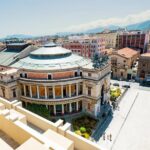
Palermo’s Teatro Massimo is architecture with a pulse. On this guided visit, you move through the foyer and auditorium of one of Europe’s biggest opera houses, then get explanations that turn the gilding into context. You’ll also learn how the building works for performances, not just what it looks like.
Two things I really like are how the tour starts in the foyer with sculptural details (including bronze-decorated candelabra) and how the auditorium steals the show with golden stuccoes, wooden finishes, plus touches of velvet and glass. And if you get a good guide, it clicks fast. On one tour, the storytelling by Daniele stood out, and another guide, Martha, was described as great, with solid pacing and smooth handling of languages.
One drawback to plan around: the tour can feel short and fast, and access depends on what is happening that day. Some tours include stage time, but others limit what you can reach, especially if there is rehearsal, lighting, or maintenance work going on.
Key highlights worth your time
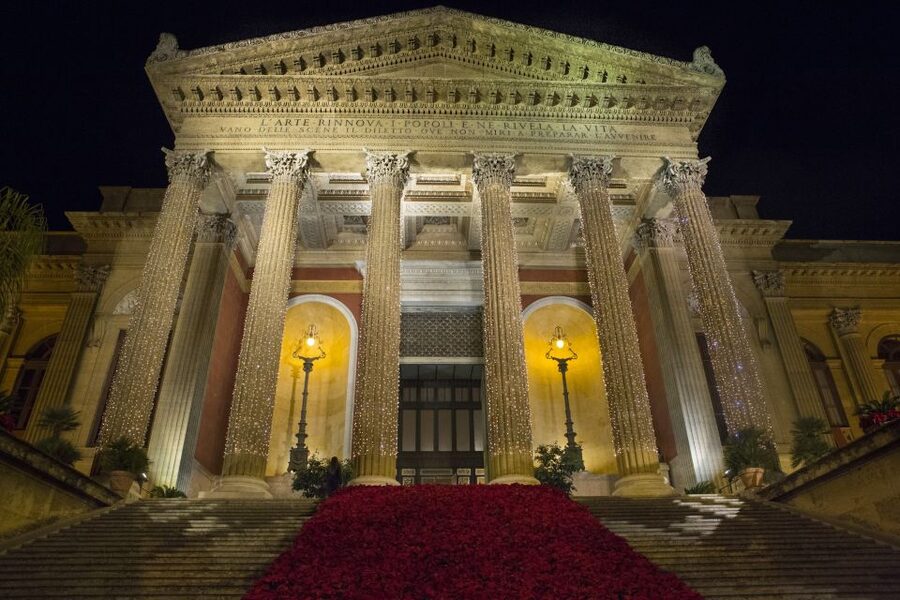
- Foyer first: bronze accents, sculptures, and a proper first look before you enter the main hall
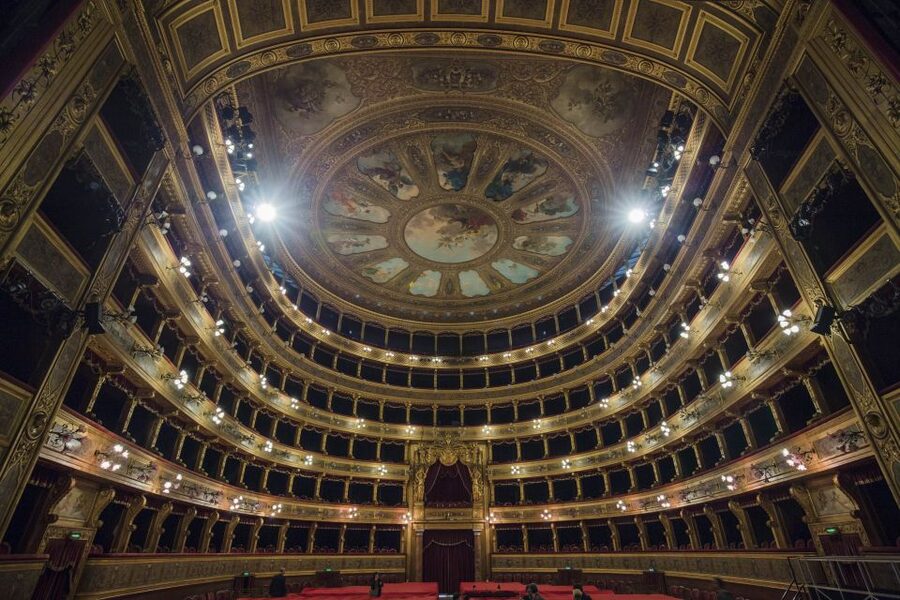
- Auditorium details: golden stuccoes, velvet and glass accents, and a chance to experience key public spaces
- Stage and staging talk: you’ll see the stage area and hear how productions come together
- Royal box views: one of the most photogenic stops inside the theatre
- Symbol-filled rooms: coats of arms and Pompeian Rooms that go beyond basic decor
- City views: you can admire Palermo from the building’s top
Teatro Massimo in a hurry, and why it still works
If you only know Palermo for food markets and street life, this tour is a smart change of pace. Teatro Massimo is dramatic in a very grown-up way, and the guide helps you read it like a story rather than a museum display.
I like that it’s practical. You spend your time inside the rooms you actually want to see: the public areas where opera life happens, plus the stage so you get the sense of how performances are set up.
You can also read our reviews of more guided tours in Palermo

Start in the foyer, where the details do the talking
Your tour begins at the theatre’s ticket office area, then moves into the foyer, which sets the tone immediately. This is where you get the ornate first impression, with sculptures and bronze-decorated candelabra that look like they belong in a palace more than a working opera house.
The foyer matters because it’s the social engine of the theatre. Even if you never catch a show, it helps you understand how people move, gather, and perform status in the right kind of space. It’s also where you often feel the bustle of other activities, so arrive ready to stand, look up, and take photos quickly.
If you catch the right group and guide, the pace is easy. Some tours are described as smooth and well paced, with enough time for pictures in each key room.
Auditorium awe: golden stuccoes, velvet, and the room’s personality
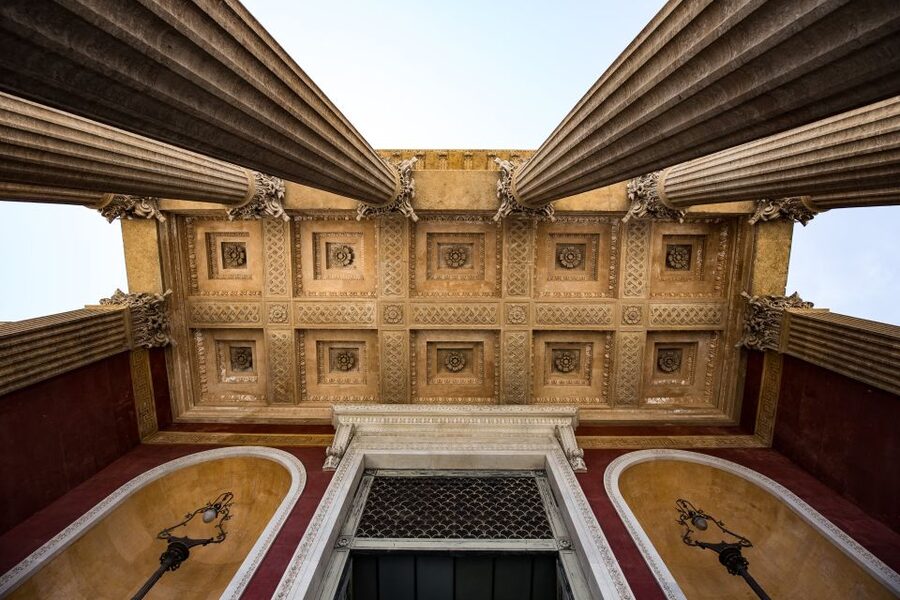
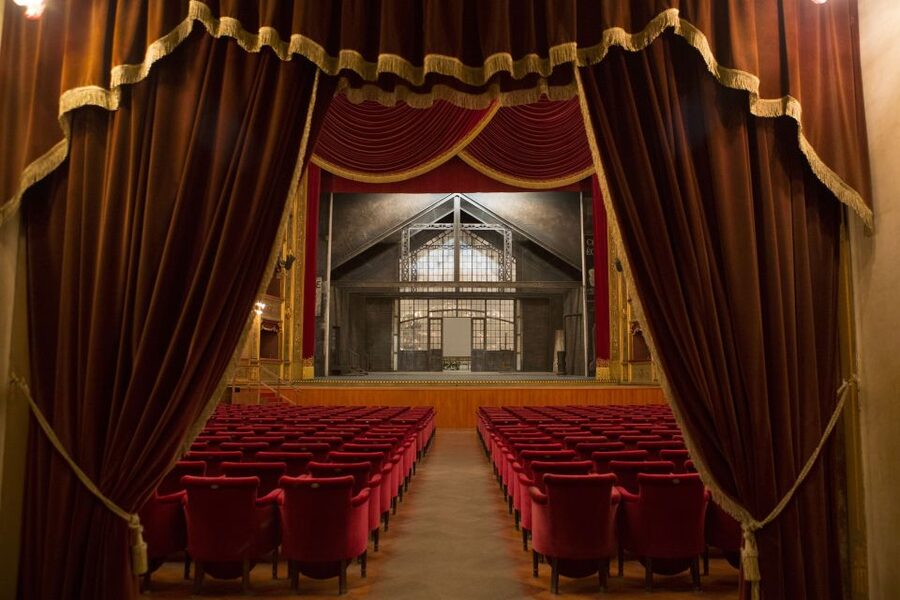
Next comes the auditorium, and this is the reason many people book in the first place. The hall is known for golden stuccoes and warm wood finishes, with more decorative flourishes in velvet and glass. It’s the kind of interior that makes you pause, not because it’s quiet, but because it’s visually loud.
One useful thing the guide typically does is point out what you’re looking at so you can see the design choices, not just the sparkle. In a few accounts, guides helped people experience a specific acoustic area in the theatre, including time spent at the center of the Echo Room. That sort of stop makes the tour feel more like an experience than a sprint through rooms.
Timing can affect the look of the auditorium. In some cases, the hall was dark part of the time because of lighting sessions, and that means you might not see everything illuminated the way you hoped. Still, even in darker lighting, the scale and craftsmanship show through.
Royal box and symbolic rooms: more than pretty plaster
Among the most memorable stops is the royal box, and not just for photos. It’s a vantage point that shows how the theatre’s layout supports viewing and presence, and it makes the interior feel personal. More than one person noted that this was a perfect spot for views from inside.
From there, you may move into other themed or symbolic areas, such as the Coat of Arms and the Pompeian Rooms. These are the parts that can be easy to skim if you’re moving through quickly, so it helps when your guide slows down enough to explain what the details mean.
If you care about context, these stops are your payoff. They turn the theatre from a single big hall into a collection of spaces with roles, from display and ceremony to the practical flow of visitors.
Stage access and what you actually learn about putting on opera
The tour usually includes a stage visit, with guidance about what enables staging. That’s the key difference between a theatre tour that just points at décor and one that explains how opera becomes real in a room full of people.
That said, don’t assume you’ll get full behind-the-scenes access. Some tours reported that stage access was limited, while others included seeing more of the stage area. There were also cases where work after a private event blocked deeper access.
Here’s the practical takeaway: go in expecting a strong look at the production concept and the major areas, not a backstage pass that lets you roam anywhere you want. If you do get extra time on stage or around rehearsals, consider it a bonus.

When rehearsals happen, your tour can turn into a mini performance
One reason this tour can feel special is luck with what is going on inside the theatre that day. Several accounts mentioned catching rehearsal activity, like an orchestra practising, auditions in the auditorium, or a ballet rehearsal in progress.
That matters because it changes the atmosphere. You’re not only looking at the theatre, you’re watching opera life in motion, even if it’s in rehearsal form. It also helps you understand acoustics and sightlines, since everything is set up for performance, not sightseeing.
On the flip side, rehearsal and production schedules can also mean the auditorium lighting changes, or access is adjusted. That’s normal for a working opera house, and it’s why the tour is best treated as a guided look at real conditions, not a guaranteed perfect lighting demo.
Top views of Palermo: a small payoff with big context
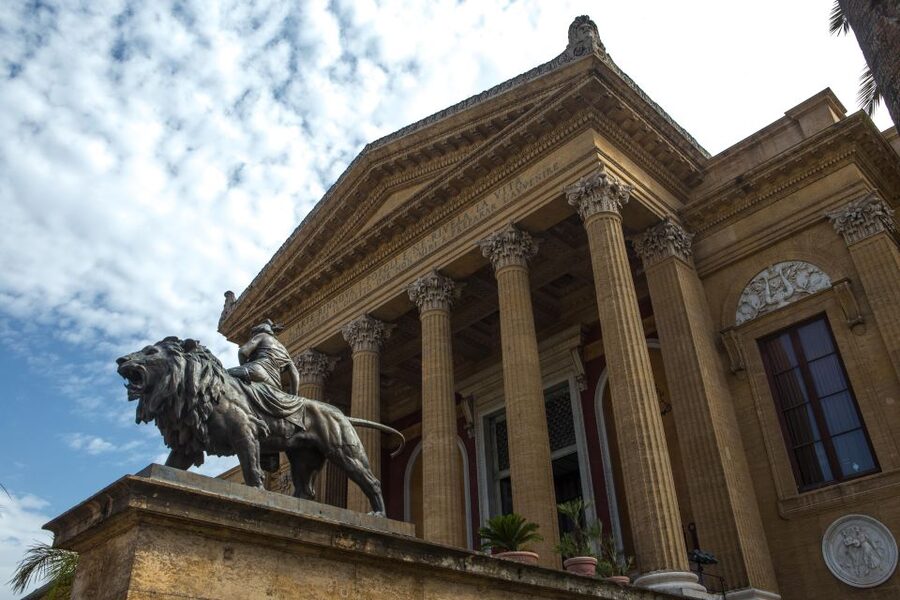
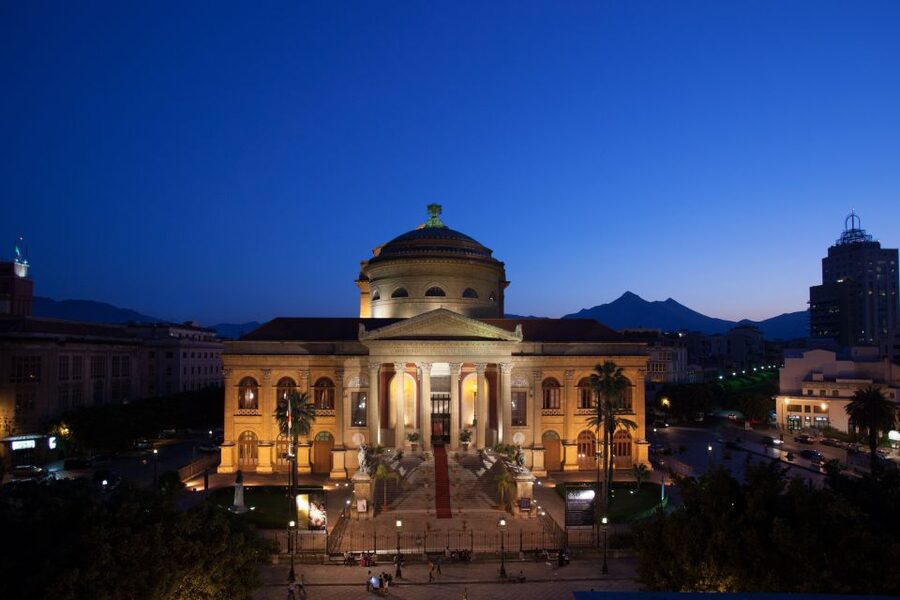
The tour description includes breathtaking views of Palermo from the building’s top, and that’s one of the stops that adds extra value. It gives you orientation in the city, plus a sense of how this theatre sits in the bigger Palermo picture.
Even if you’re not obsessed with city panoramas, this part helps connect inside and outside. After you’ve looked at ornate interiors, stepping back with a view makes the whole building feel like a landmark, not just a fancy room.
If you’re trying to fit several stops into a day, this is also the sort of moment where you can take photos fast and keep moving without feeling like you lost time.
Languages and guide style: what to expect on your tour
The guided tour is available in Italian, French, English, Spanish, and German. In practice, many tours are described as delivered through more than one language, sometimes with the guide presenting in turns, and sometimes the group splits.
That can be totally fine, and it can even help you enjoy the visual stops twice, once while the guide speaks in one language and again while the room is still fresh in your mind. But it also means pacing might feel rushed to some people, especially in a large theatre where time is always tight.
Guide names that came up include Daniele and Martha. Both were praised for engaging delivery, with Daniele described as professional and fascinating, and Martha described as a great guide.
Duration, group size, and why short tours can still be worth it
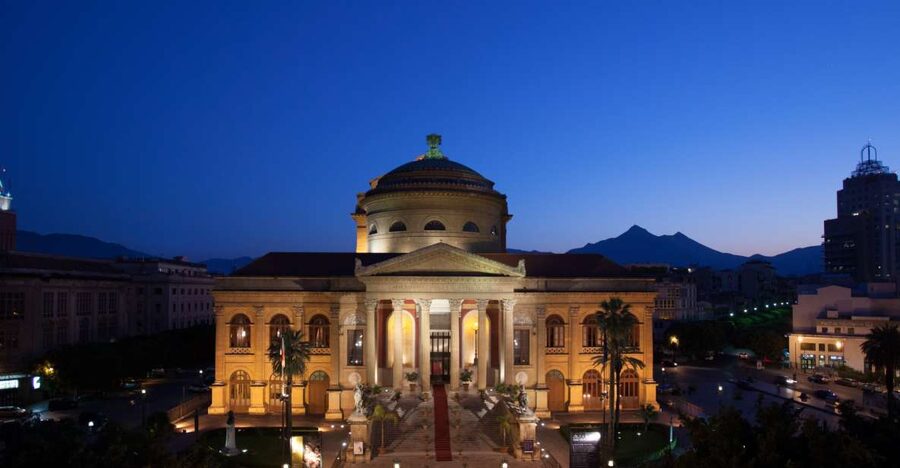
The tour is sold as a 40-minute guided visit. In real life, some people reported it running around 30 minutes, others just under an hour, depending on the exact tour and what’s happening that day.
This matters because you’re in a working opera house. You want enough time to see the public rooms properly, but not so much time that you feel trapped waiting. Most comments suggest the pace is generally good, with time for photos in the key areas.
Group size also influences how it feels. Some people described groups under 20 people, while others noted larger groups (around 40) and a sense that the guide had to move people along. If you prefer a slower, more conversational tour, try an earlier time slot when the theatre is less likely to be running overlapping groups.
Price value: why $14 can be a good deal in Palermo
At about $14 per person, this is one of the more cost-friendly ways to see Teatro Massimo without committing to a full evening ticket. You get access to the interior highlights, plus explanations that connect design elements to opera function.
Could it be longer? Yes, and a few people wanted more room time and more spaces. But compared to many paid tours of major monuments, you’re getting a working, ornate theatre interior plus stage context in a short window.
If you’re deciding between a theatre tour and adding another attraction, I’d use this rule: if you want something visual and atmospheric that doesn’t take half a day, this is strong value.
Best time to go and how to plan around the theatre schedule
Tours run between 9:30 AM and 5:30 PM, with the last tour starting at 5:00 PM. If you want the best chance of seeing rehearsals, your odds are often better earlier in the day when schedules are underway, but you can get lucky anytime.
The theatre’s daily rhythm affects access and lighting. That means you should keep expectations flexible. If the auditorium is darker due to lighting work, you still get the architecture and the guide’s explanation. If stage access is limited, you still get the staging context and the main interior rooms.
Practical tips before you go
A few small planning notes can make the tour feel smoother.
First, exchange your GetYourGuide voucher at the Teatro Massimo ticket office. People described this as easy, and that means less time stuck in paperwork and more time actually inside the theatre.
Second, wear comfortable shoes. Even though it’s not a long walk overall, you’ll move through multiple rooms and possibly up to viewpoints. Palermo is not the place for sore feet when you’re also trying to look up at ceilings.
Third, keep your camera ready but don’t rush. The best photos are often taken right after the guide points out what you should notice, especially in the royal box area and during auditorium stops.
Should you book this Teatro Massimo guided tour?
Book it if you want a focused look at one of Palermo’s most iconic interiors, and you like the idea of learning how a theatre is built for opera, not just admiring it from the outside. The combination of foyer, auditorium, royal box, and stage context is exactly what makes the tour feel worthwhile even when it runs short.
Skip or adjust expectations if your main goal is full backstage access or a long, slow museum-style visit. Some days limit stage access and behind-the-scenes areas, and the tour can feel quick.
If you’re in Palermo for a few days and want one high-impact cultural stop that fits into a manageable time block, this is a smart choice.
FAQ
How long is the Teatro Massimo guided tour?
The tour is offered as a 40-minute guided visit. Some people report it can run closer to 30 minutes, or just under an hour depending on the day.
How much does it cost?
It’s listed at $14 per person.
Where do I meet for the tour?
You exchange your GetYourGuide voucher at the Teatro Massimo ticket office.
Are hotel pickup and drop-off included?
No. Hotel pickup and drop-off are not included.
What languages is the tour available in?
The tour is available in Italian, French, English, Spanish, and German.
When do tours run?
Guided tours run between 9:30 AM and 5:30 PM, with the last tour starting at 5:00 PM.
What areas of the theatre will I see?
You should expect to visit the foyer and the auditorium, plus other opulent rooms such as the royal box area, the Coat of Arms, and the Pompeian Rooms. The tour also includes a stage visit and explanations about how opera staging works.
Is food or drinks included?
No. Food and drinks are not included.
What if the auditorium or access is affected by rehearsals or lighting?
Because it’s an active opera house, what you can access can depend on what’s happening that day. Some tours coincide with rehearsals, while others may have lighting sessions or limited access to certain areas.
More Guided Tours in Palermo



More Tours in Palermo
More Tour Reviews in Palermo
Not for you? Here's more nearby things to do in Palermo we have reviewed





Palermo City & Market Tours, compared.
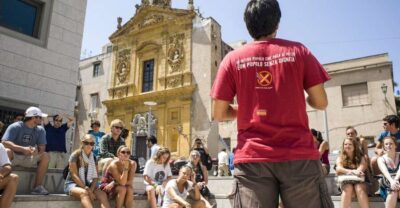 ★ 4.8Palermo: NO Mafia Walking TourFrom $402,431 reviews
 ★ 3.9Palermo: Hop-on Hop-off Bus Tour 24-hour TicketFrom $172,410 reviews
 ★ 5.0Palermo Original Street Food Walking Tour by StreatyFrom $832,105 reviews
 ★ 4.2Segesta, Erice and Salt Pans Full-Day Excursion from PalermoFrom $821,791 reviews
 ★ 4.2From Palermo: Monreale and Cefalù Half-Day TripFrom $711,354 reviews
 ★ 4.9Palermo: Street Food and History Walking TourFrom $541,294 reviews
 ★ 4.2Palermo: Agrigento and the Valley of the Temples Day TourFrom $771,240 reviews
 ★ 5.0Palermo No Mafia walking tour: discover the Anti-mafia culture in SicilyFrom $391,011 reviews