
Reviewed · PALERMO CITY & MARKET TOURS
Palermo Tour: Magnificent Mixture Of Architectural Styles
Palermo’s old streets explain the city. In just 2 hours, you’ll move through the historic core where Teatro Massimo and the Palermo Cathedral sit within a wider story of Arabic-influenced architecture and everyday local life.
What I like most is the way the route hits big anchors, then keeps you in motion through real neighborhoods. You also get a properly guided experience, with standouts like Roberta and Marilou noted for flexibility and deep local-world context. One thing to plan around: it’s a brisk walk, and royal tombs tickets are not included, so if you want those specific interiors, budget time and extra cost.
Key highlights worth your attention
- Teatro Massimo stop with context on why it matters, plus how it fits Palermo’s architecture mix
- Arabic-origins neighborhood streets that show how the city’s past still shapes today
- Capo Market visit for an up-close look at Palermo’s market energy and layout
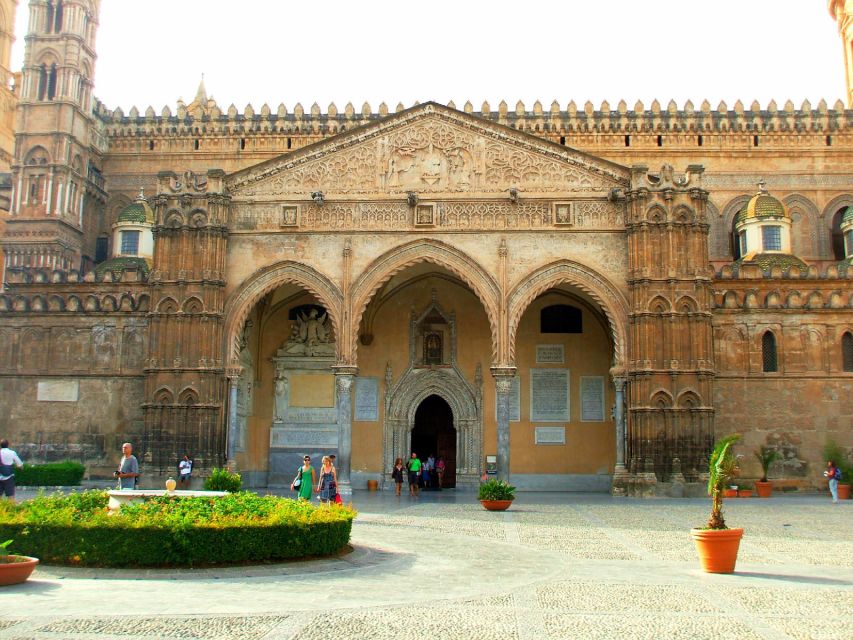
- Palermo Cathedral viewing of the remains of Frederick II of Swabia and family
- Vucciria open market pacing that lets you keep walking without turning the tour into a food crawl
Where Your Walk Starts, and How You’ll Navigate the Center
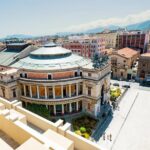
The tour begins at Piazza Ruggiero Settimo square, right in front of the Politeama Theater, near the statue. This is a helpful starting point because it’s a natural junction where main streets meet, so you can get oriented fast before the walking really ramps up.
From there, you’ll head along Via Ruggero VII, often described as the living room of Palermo. That phrase is useful because it tells you what to pay attention to. Don’t just watch buildings. Watch where people gather, where shops cluster, and how foot traffic funnels into wider squares. Palermo’s historic center can feel maze-like on your own, so having a guide to steer you through the turns makes a big difference.
You’ll also pass through Via Principe di Belmonte, with historic shops that help you connect architecture to daily commerce. This is a tour that doesn’t treat streets like scenery. It treats them like systems that still work.
You can also read our reviews of more tours and experiences in Palermo.
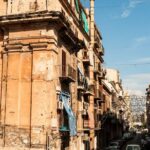
Via Ruggero VII to Principe di Belmonte, the “Real Palermo” Thread
A good walking tour gives you landmarks. A great one gives you the logic behind the landmarks. This route does that by threading together classic streets with the city’s most important public spaces.
Via Ruggero VII is a strong choice because it’s direct enough for the early part of the walk, yet lively enough to set the tone. You’ll get the sense that Palermo isn’t arranged for postcards alone. The street feels designed for people to show up, browse, and talk.
Then Via Principe di Belmonte adds the shopping layer. Even if you don’t plan to buy anything, this stretch helps you see how historic storefronts sit inside the larger urban layout. It’s also where the architecture mix starts to register. You’re not just moving from one monument to the next. You’re moving through a layered city.
Practical note: this is an outdoors walking route. Wear comfortable shoes. Even if you love sightseeing, you will likely feel it after about an hour.
Teatro Massimo, Why This Lyric Theater Is a Big Deal
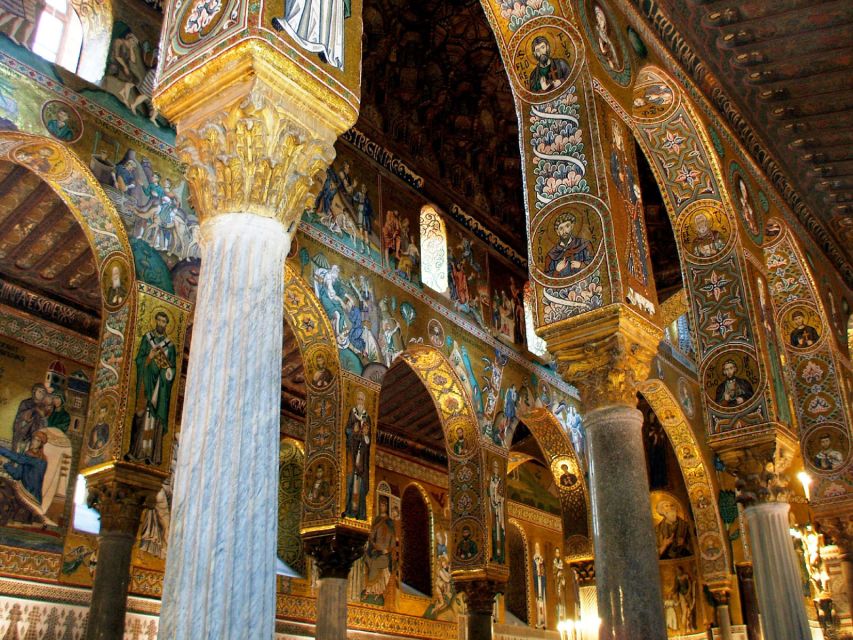
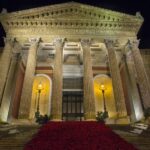
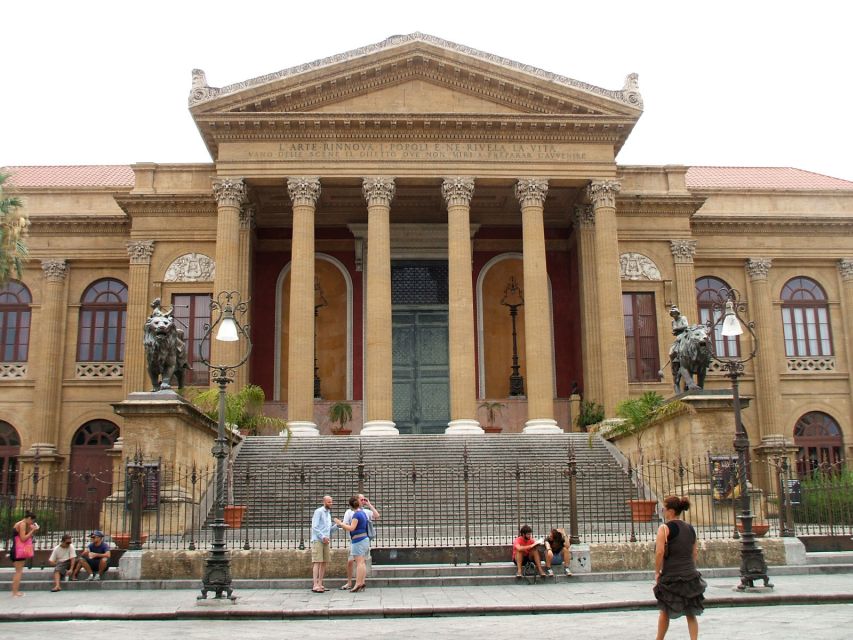
Next you’ll arrive in front of Teatro Massimo, described as the largest lyric theater in Italy and the third largest in Europe. Even if you’re not a theater person, this stop works because it’s not only about size. It’s about how a major civic building shapes a neighborhood’s identity.
Standing near a landmark like this, you’ll get a clearer sense of scale. Streets that seemed narrow a few blocks back suddenly look different when you measure them against a massive public structure. That’s part of the value here. Architecture becomes more understandable when you see how it organizes space.
The tour also uses Teatro Massimo as a hinge between the wider city and the historic core that comes next. You’ll finish the early urban corridor feeling like you’ve crossed from daily city life into the stage where Palermo’s past is more visible.
If you care about details, pay attention to how the theater’s surroundings hold space. The sidewalks, the sightlines, and the way people approach the building all communicate how the area is used.
Into the Arabic-Origins Neighborhood Toward Capo Market
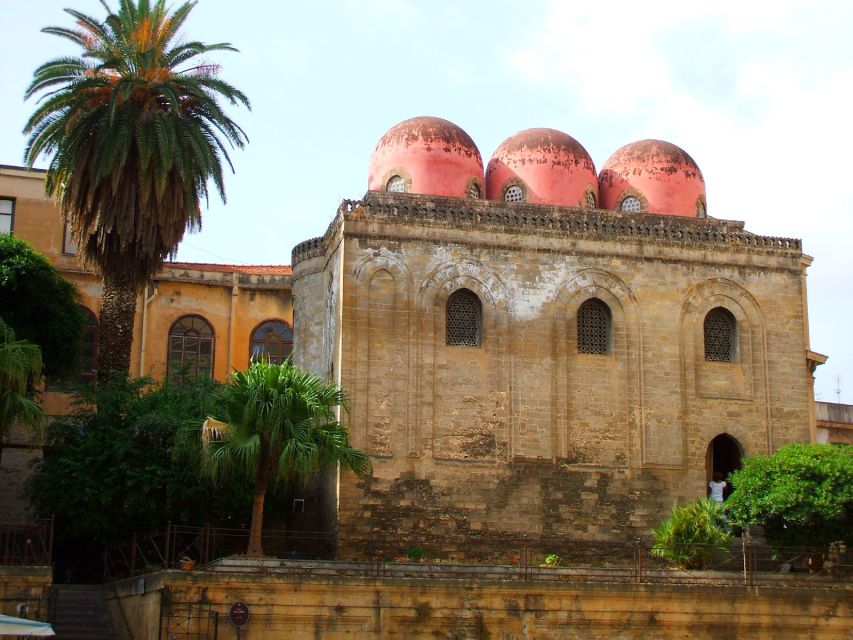
After the theater, you’ll head along alleys and streets tied to Arabic origins until you reach Capo Market, the most famous market in Palermo. This is where the tour earns its title, Magnificent Mixture Of Architectural Styles, because the neighborhood style shifts from grand to intimate.
What to look for here is not just a single building type. It’s the texture of the area: how streets tighten, how you move from open space into side lanes, and how storefronts and markets sit right on pedestrian routes. The route makes the architecture feel practical, like it was built for movement and daily activity, not just for looking.
Capo Market is the next anchor. A market stop on a walking tour can go two ways. It can become an unstructured free-for-all, or it can be a quick orientation to how the space works. Here, Capo Market is treated like a snapshot of Palermo’s local rhythm.
Even if you skip purchases, you’ll still get value by watching how stalls cluster and how people navigate. That is often what you want from a market visit, especially on a compact tour.
Palermo Cathedral, Frederick II, and the Meaning of the Stop
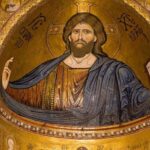
From Capo Market, the walk continues toward the Palermo Cathedral, where remains of Frederick II of Swabia and his family are kept. This is one of the tour’s clearest “why it matters” moments because it connects architecture to a specific historical thread you can actually remember.
The guide’s framing is what makes this stop more than a quick exterior glance. A cathedral is usually photographed. This route encourages you to connect the building to the people associated with it, especially when the tour highlights Frederick II of Swabia and family by name.
If your interest is architecture, look at how sacred buildings visually dominate their surroundings. If your interest is history, focus on how one site can carry a long legacy. Either way, it helps to slow down for a few minutes and take in the building’s presence before moving on.
Important consideration: ticket royal tombs are not included. That means you may only get what you can see without that additional ticket, or you may have the option to go further if you choose and pay separately. Either way, plan your expectations so you are not surprised.
Vucciria Open Market, Then Back to San Domenico Square
After the cathedral, the tour visits Vucciria, an historic open market. Like Capo Market, Vucciria adds the everyday side of Palermo, and it helps balance the heavy hitters you saw earlier.
Here’s the practical part: markets can tempt you into spending time and money that the tour budget and timing may not cover. Since this tour is a fixed two-hour walk, I’d treat Vucciria as a look, not a commitment. Enjoy the atmosphere, spot the layout, and decide on your own whether you want to follow up with food or shopping after the tour ends.
You’ll then return to Piazza San Domenico square. From there, the tour loops back to the meeting point, so you don’t have to figure out your route home. It’s a tidy circle that makes planning easier, especially if you want to use the rest of the day for beaches, neighborhoods further out, or just lingering in one area you liked best.
What the Private, 2-Hour Format Means for Your Day
The tour lasts 2 hours. That’s a sweet spot for a first look at Palermo’s center, but it also means the pacing is focused. You will see multiple major stops, which is exactly the point. Just remember that this is not a sit-down, slow-photos kind of tour.
Because it’s a private group, your experience should feel more flexible than large group tours. Reviews highlighted flexibility and an attentive approach, including a guide who can adapt and still keep the core route intact.
Languages are wide: Spanish, English, French, German, Italian. That matters more than people think. When a guide can match your language, you get clearer explanations, and the architectural mix becomes easier to understand quickly.
Also, there’s no transportation or pickup or drop-off included. You’ll meet at the square and then walk. That’s normal for this style of tour, but it’s worth noting if you’re planning connections to other activities.
Price and Value for Up to 25 People in One Group
The price is $344.39 per group, up to 25. At first glance, that number sounds high if you’re comparing it like it’s per person. But the structure is per group, and it’s a licensed guide experience with multiple major stops.
Here’s the value logic I use: you’re paying for (1) guided interpretation, not just walking, (2) a tight route that covers several key areas efficiently, and (3) time saved on figuring out what to see and in what order.
If you’re traveling with family or friends and can fill a group, the cost per person can become reasonable fast. If you’re traveling solo or as a small pair, you may feel the price more. In that case, compare it to the cost of standalone entry tickets or the time you would spend researching and walking without a guide.
One more note: tickets royal tombs are not included. That can affect total spend if you decide to go beyond what’s visible without a separate ticket.
Guide Quality Is the Real Upgrade Here
What stands out most from the feedback is the guide experience itself. Reviews praised deep knowledge and a welcoming, flexible style. They also mention guides adding more personal context, and it sounds like the route includes some side streets and lesser-known moments beyond typical sightseeing checklists.
Two named examples show up: Roberta and Marilou. The common theme is that the guiding felt attentive, not generic. For you, that means you’re more likely to understand what you’re looking at while you walk, instead of just collecting pictures.
Also, don’t underestimate the advantage of a licensed guide for a compact route. In a place like Palermo, where street patterns can be confusing, a guide helps you stay oriented and keep your time efficient. You’ll still have the freedom to wander later, but you’ll start with a strong foundation.
Who This Tour Suits Best (and Who Might Want Something Else)
This tour is a great fit if you want:
- A first-time introduction to Palermo’s historic center in a short window
- A guided look at major architecture, including Arabic-influenced areas, plus markets
- A route that balances monuments with everyday city life
It may not be ideal if you want:
- A long, unhurried crawl with lots of museum-style time inside
- A fully self-directed plan where you pick every stop on your own
If you’re traveling with limited time, this is the kind of tour that helps you get oriented fast and then decide what to revisit on your own afterward.
Should You Book This Palermo Architectural Styles Tour?
I think you should book it if you value efficiency plus explanation. The stops make sense together: you start with big civic architecture at Piazza Politeama, pass through major city arteries like Via Ruggero VII, hit Teatro Massimo, then shift into Arabic-origins streets toward markets at Capo and Vucciria, and finish with the Palermo Cathedral and Frederick II connection.
If you’re the type who likes to understand what you’re seeing as you go, the licensed guide and multilingual options are a real advantage. And if you’re traveling with others, the group price up to 25 can be a smart way to spread the cost.
Just go in with two clear expectations: it’s a 2-hour walk, and royal tombs tickets are not included. If you’re okay with those constraints, this is a strong way to experience Palermo as a mix of styles, streets, and lived-in places.
FAQ
What is the duration of the Palermo walking tour?
The tour lasts 2 hours.
Where does the tour start?
It starts at Piazza Ruggiero Settimo square, in front of the Politeama Theater next to the statue.
Where does the tour end?
The tour ends back at the meeting point.
What are the main stops on the route?
You’ll see Teatro Massimo, the Capo Market area, the Palermo Cathedral (with remains of Frederick II of Swabia and family), and the Vucciria open market, along the way returning near Piazza San Domenico.
Is this tour private?
Yes, it is a private group.
What languages are available?
The live guide is available in Spanish, English, French, German, and Italian.
What’s included in the price?
A licensed guide is included.
What is not included?
Ticket royal tombs are not included, and tastings, lunch, and dinner are not included. Transportation and pickup or drop-off are also not included.
How much does the tour cost?
The price is $344.39 per group, up to 25.
Do I need to buy tickets in advance for the royal tombs?
Ticket royal tombs are not included, so if you want them, you’ll need separate tickets.
Is there a cancellation option?
Yes, you can cancel up to 24 hours in advance for a full refund.
More Tours in Palermo
More Tour Reviews in Palermo
Not for you? Here's more nearby things to do in Palermo we have reviewed



Palermo City & Market Tours, compared.
 ★ 4.8Palermo: NO Mafia Walking TourFrom $402,431 reviews
 ★ 3.9Palermo: Hop-on Hop-off Bus Tour 24-hour TicketFrom $172,410 reviews
 ★ 5.0Palermo Original Street Food Walking Tour by StreatyFrom $832,105 reviews
 ★ 4.2Segesta, Erice and Salt Pans Full-Day Excursion from PalermoFrom $821,791 reviews
 ★ 4.5Palermo: Teatro Massimo Opera House Guided TourFrom $141,573 reviews
 ★ 4.2From Palermo: Monreale and Cefalù Half-Day TripFrom $711,354 reviews
 ★ 4.9Palermo: Street Food and History Walking TourFrom $541,294 reviews
 ★ 4.2Palermo: Agrigento and the Valley of the Temples Day TourFrom $771,240 reviews