
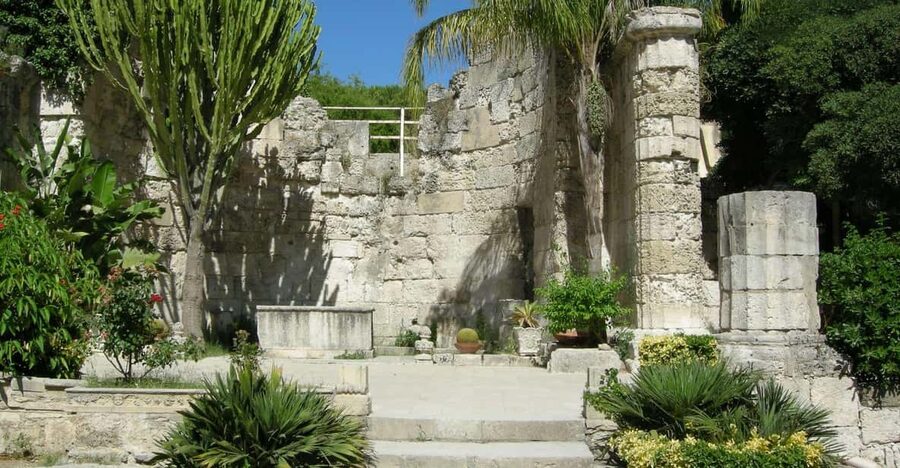
Reviewed · SYRACUSE & ORTIGIA TOURS
Syracuse: Greek Theater and Neapolis sunset tour
Sunset turns Neapolis into living theater. In just 2 hours, you get a guided walk through Syracuse’s ancient heart, with the orange and gold light making every stone seem freshly staged.
I love how the route mixes big-ticket monuments with story-rich stops, from the Latomie quarries to the Ear of Dionysus cave. I also love the payoff at the Greek Theater, where the view frames the harbor and you can spot key structures like the Nymphaeum Fountain in that last warm sun.
The only real consideration is pace. You’ll cover several sites in short guided segments, so if you want long, quiet time at one location, this may feel a bit fast.
Key highlights worth your time
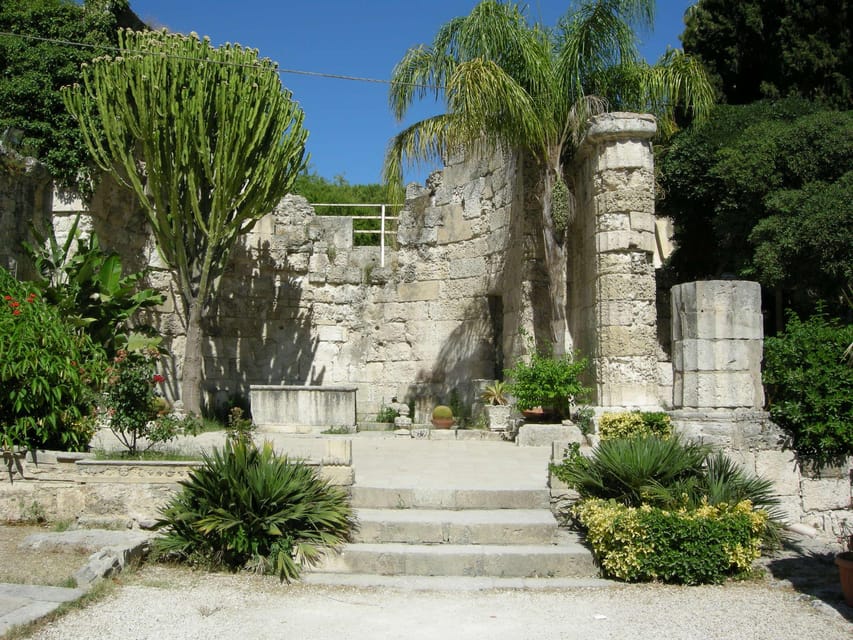
- Latomie del Paradiso at sunset, when the ancient quarries turn into natural garden mood
- Ear of Dionysus acoustics, explained with the myths around Dionysus
- Greek Theater panorama, including the harbor framed in golden light
- Roman Amphitheater gladiator stories, tied to Syracuse under Roman rule
- Practical guide-led flow, with the park entrance ticket handled for you at the meeting point
Why this Syracuse sunset route feels different
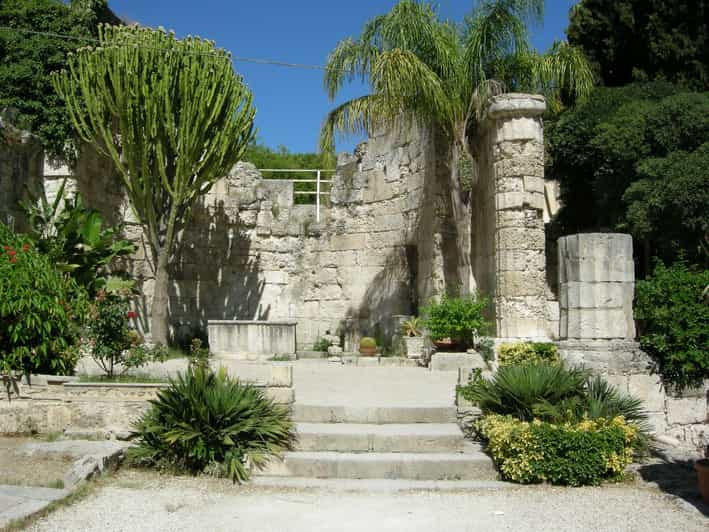
A sunset tour works best when the sites already have atmosphere. Neapolis does, because you are walking through places built for myth, performance, and power. Add dusk and everything shifts, not just the lighting, but the mood of the stories your guide connects to each stop.
This is one of those tours where you don’t only look, you learn how to read what you’re seeing. The Latomies are not just ruins, they are a set of ancient stone quarries that later became something like a natural garden. The cave is not just a hole in the wall, it is the Ear of Dionysus, tied to legend and known for its mysterious acoustics.
And then, just when you think it’s all heavy stone and shadows, you step into the open-air dramatic settings again at the Greek Theater and the Roman Amphitheater. The timing matters. At this hour, the sky colors make the architecture easier to interpret, especially the curves, terraces, and levels you might otherwise miss in full daylight.
You can also read our reviews of more evening experiences in Syracuse



Price and value: is $46 fair for 2 hours?
For $46 per person, you are paying for two things that matter on an efficient short tour: a guided route and the entrance ticket to the Neapolis Archaeological Park. That means you are not juggling tickets, lines, or figuring out where to go first after you arrive.
Two hours is also a sweet spot in Syracuse. It is short enough to fit into a day that already includes other stops in Ortigia or the rest of the city. Yet it is long enough to cover multiple “signature” Neapolis sights rather than just one or two.
Could it be cheaper if you DIY it? Sure, but DIY usually costs time and nerves, especially when you want to understand what you’re looking at. This tour is built for clarity: quick guided segments at each major site, then you move on before fatigue sets in. If you like your archaeology served with context, the value makes sense.
Meeting point and getting in without ticket stress
You meet the guide in front of the Neapolis entrance gate, on the Via Romagnoli or Viale Augusto side. Plan to arrive about 20 minutes early. That early buffer helps, because you’ll get sorted and ready before the group heads inside.
A small but meaningful convenience: the guide provides the park entrance ticket directly at the meeting point, and the tour is designed to skip the ticket line. Even if you are comfortable navigating on your own, this is still a real win on a busy day.
The tour runs in Italian and English. It can be carried out at the same time for the two languages, so you can pick the language that fits you best and expect the guide to tailor the explanations accordingly. If you’re traveling with someone who prefers English or Italian, it’s nice to know the tour is set up to support both.
Neapolis Archaeological Park: the “home base” stop
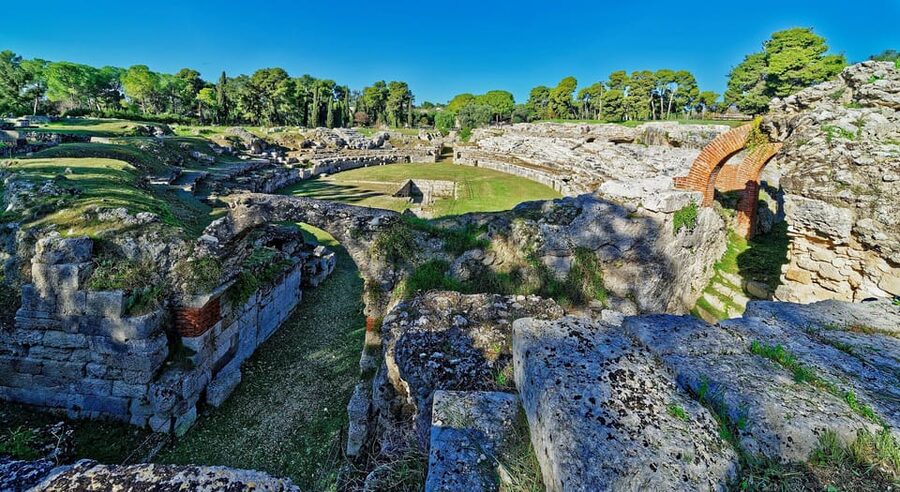
The tour starts with a guided visit to the Neapolis Archaeological Park area for about 20 minutes. This first stop is where you get your bearings fast. You learn what this zone represents in Syracuse’s long timeline, and you set expectations for how myth and real history overlap in this landscape.
Even if you know a little ancient Greek already, Neapolis can feel like a puzzle at first. A good first briefing helps you connect the next stops into a single story rather than a checklist of monuments.
The practical part also matters: this initial segment is a controlled start. You are not wandering around trying to figure out where the group is going. The guide keeps the pace smooth and ensures you head into the Latomies and cave without losing time.
Latomie del Paradiso: ancient quarries that feel like gardens
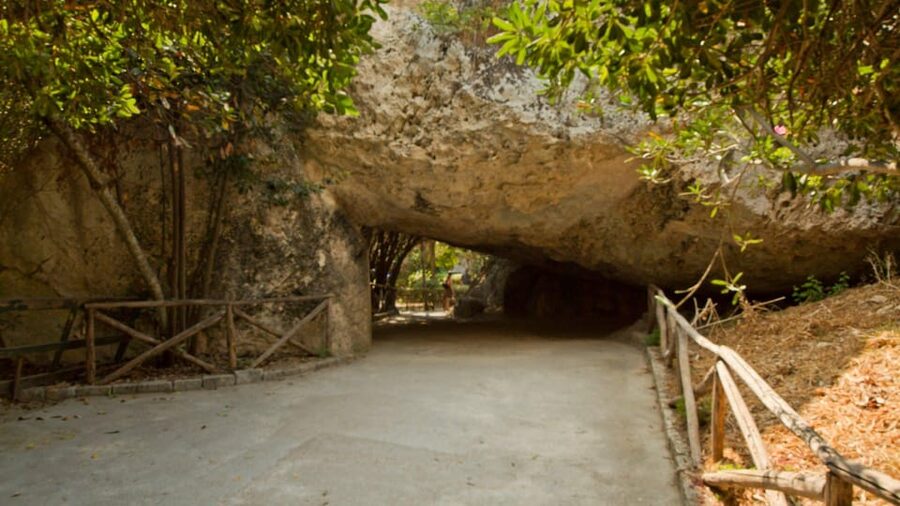
Latomie del Paradiso is one of the most memorable stops because it changes your sense of scale. These are ancient stone quarries, made by human effort at a massive scale. Over time, nature took over parts of that work, turning them into an eerie, pleasant-feeling space.
At sunset, the light behaves differently in the quarries. Shadows stretch. Surfaces that looked flat in daytime start to show texture. And the mood helps you understand why these places became part of the region’s legends.
You’ll get a guided walkthrough for about 20 minutes here, with explanations tied to dark secrets and the tyrant Dionysus. Even if you’re not an expert on Syracuse, it helps to hear the story in the exact setting where the story is meant to live.
One practical note: quarries and cave-adjacent areas can mean uneven footing. Go slow and keep an eye on the ground, especially as light fades.


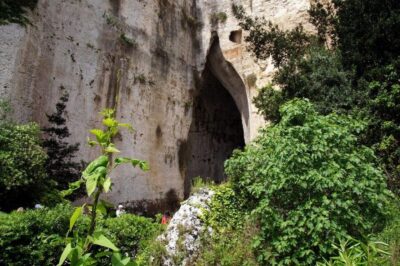
Ear of Dionysus: the cave with the myth plus the sound
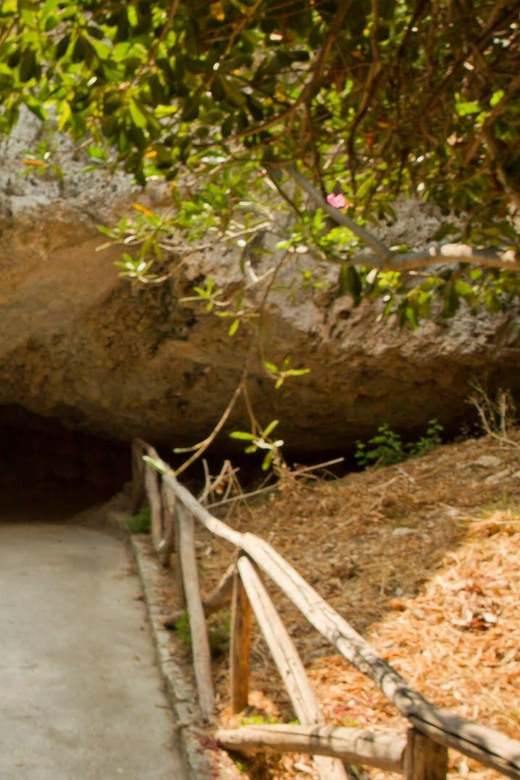
Then you move to the Ear of Dionysus for another guided 20-minute stop. This is the kind of site that makes you pay attention to what you’re hearing, not just what you’re seeing.
The Ear of Dionysus is described as a legendary cave with mysterious acoustics, which is exactly what you want from a guided experience. Without context, it can turn into a “look at the cave” photo stop. With the guide’s explanation, you start noticing how the space seems designed for effect.
The myth around Dionysus is a major thread. You’ll learn about the tyrant Dionysus and his intrigues, and the warm sunset colors help the story land. The cave feels like it belongs to rumor and theatrical tension, not just geology.
This is also where you’ll appreciate a clear guide. In the feedback from past visitors, the guide Francisco is singled out for offering lots of details about the monuments. That type of storytelling matters here, because the Ear of Dionysus is more meaningful when the guide connects myth, setting, and the known reputation of the acoustics.
Greek Theater: views, the Nymphaeum Fountain, and Roman-era echoes
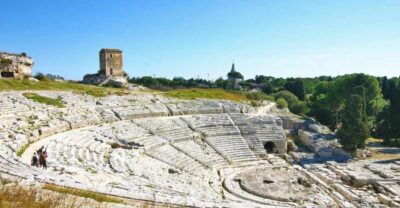
Next comes the Greek Theater of Syracuse, another guided 20-minute visit. The Greek Theater isn’t only about ancient performance architecture. It’s about the view you get from it.
Your guide shows you the Nymphaeum Fountain and helps you understand the panorama over the great harbor. At sunset, the harbor and the city tones line up. It becomes easier to see how the theater would have dominated the surrounding area and why it was a natural stage.
This is a great stop for photographers, but it’s also a great stop for people who just want to understand why people built the way they built. You can hear, through the explanations, how theater was social power as much as entertainment.
Drawback to flag: since you’re moving through stops quickly, you might not have long to linger in your own spot for the perfect photo angle. If you care about that, arrive early to the meeting point and be ready to act fast at the Greek Theater, once you’re in place.
Altar of Hieron II and the feel of power at dusk
From the Greek Theater area, you also take in the Altar of Hieron II as part of the story your guide ties together. It’s presented as a majestic testimony to Syracuse’s glorious past, and the timing is key.
At dusk, monuments like this can feel more solemn and political than you expect. In daylight, they can seem like “part of the complex.” In the fading light, they look like deliberate statements.
The Altar’s inclusion here also helps you avoid the common tourist trap: only seeing the obvious big-name ruins. You get a more rounded picture of what the complex meant to the city, not just the places for performances.
Syracuse Roman Amphitheater: gladiator tales in real stone
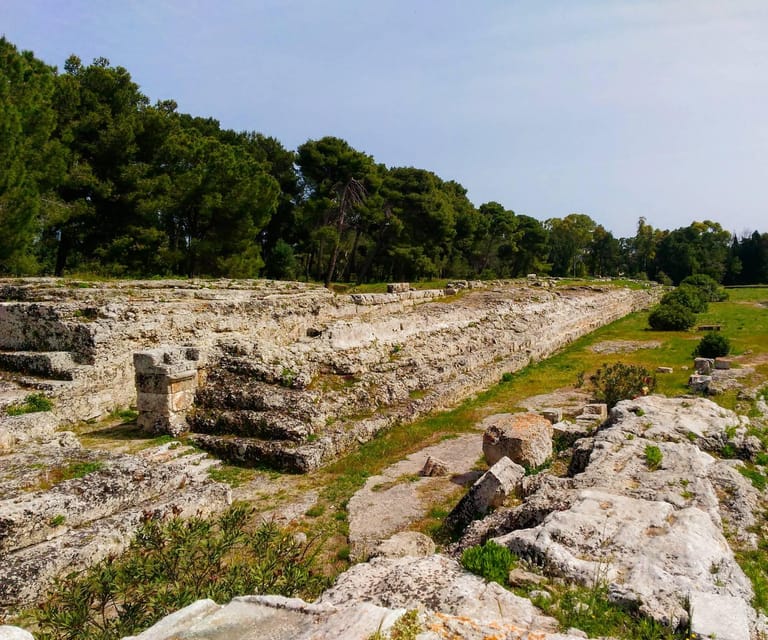
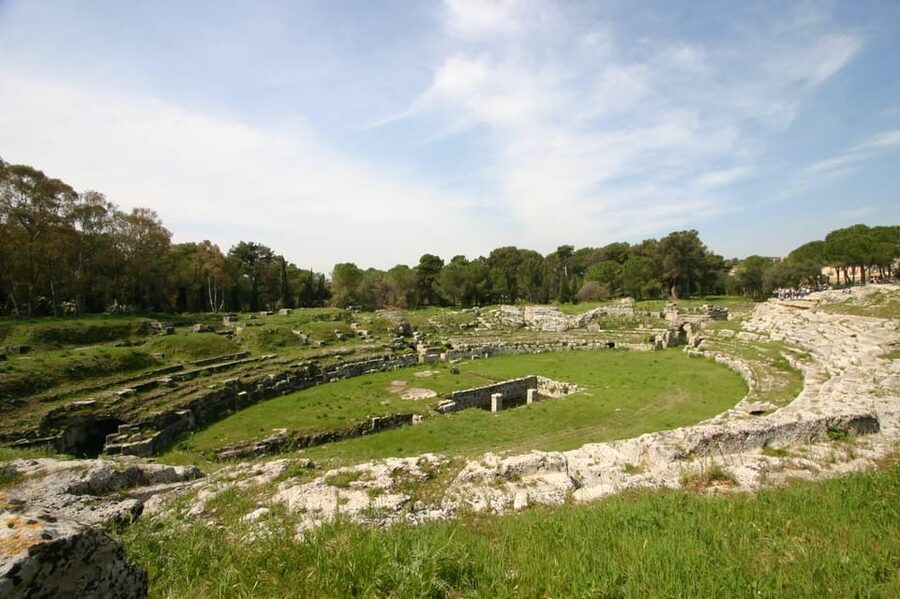
The final major stop is the Roman Amphitheater. You visit it with a guide for about 20 minutes, and the emphasis is on the secrets of gladiatorial games and how Syracuse functioned under Roman rule.
This is where the tour’s theme clicks for many people. You start with Greek legends tied to Dionysus, then you end with Roman entertainment and power. The shift isn’t random. It shows how the city’s identity layers over time, with one culture building over another.
Sunset helps here too because the amphitheater’s light and shadow effect turns the seating and stage spaces into a kind of moving scene. Even if you know the basics of Roman spectacle already, the setting makes the explanations feel more grounded.
One more practical point: the amphitheater is still outdoors, so watch the ground and plan for temperatures dropping after the sun goes down. If you’re starting in midday heat, this is usually a welcome change.
How group experience usually feels (and how to make it better)
This tour runs through multiple stops with guided time built in, not a slow sightseeing crawl. That has a benefit: you get a coherent route and learn the “why” behind what you see.
To get the most out of it, I recommend doing two things:
- Be ready with comfortable shoes. You’re switching between caves, stone paths, and open-air steps.
- Listen actively for transitions. The guide is explaining connections between sites, not only describing each monument separately.
If you get a good guide, the difference is huge. Past feedback highlights guides who are friendly and prepared. Francisco, in particular, is mentioned as especially detailed and informative, which is exactly what you want for the Ear of Dionysus and the gladiator-themed Roman Amphitheater stop.
Who should book this tour
You’ll likely enjoy this if you:
- Want a focused 2-hour plan in Syracuse that still covers several major Neapolis sights
- Like myth and story linked to real architecture
- Prefer guided explanations over trying to self-interpret everything
This is less ideal if you:
- Want lots of free time to wander without structure
- Need long quiet photo sessions at just one monument
Should you book the Syracuse Greek Theater and Neapolis sunset tour?
I think this is a strong choice for most visitors doing Syracuse for the first time, especially if you care about context. The tour covers Neapolis’s core monuments, uses the sunset timing for atmosphere, and keeps the pace efficient without skipping the signature stops like the Latomie del Paradiso, Ear of Dionysus, Greek Theater, and Roman Amphitheater.
If you’re choosing between a short guided option and a DIY plan, the extra value here is the guide. You’re not just walking among ancient stones. You’re learning how the myths of Dionysus and the story of Roman rule fit into the same physical setting. That’s what makes this feel more than a collection of views.
FAQ
Where does the tour start?
You meet the guide in front of the Neapolis entrance gate, on the Via Romagnoli or Viale Augusto side.
What is the duration of the tour?
The tour lasts 2 hours.
How much does it cost?
It costs $46 per person.
What language options are available?
The live tour guide is available in Italian and English.
What is included in the price?
The price includes the entrance ticket to the Neapolis Archaeological Park and a guided tour of the Neapolis Archaeological Park.
Is the ticket line skipped?
Yes, it is designed to skip the ticket line.
Do I need to buy the park ticket in advance?
No. The entrance ticket is provided directly by the guide at the meeting point.
When should I arrive at the meeting point?
Arrive at the meeting point about 20 minutes before the start time.
Is the tour wheelchair accessible?
Yes, the tour is wheelchair accessible.
What if my plans change?
There is free cancellation up to 24 hours in advance for a full refund, and you can reserve now and pay later.
More Evening Experiences in Syracuse

More Tours in Syracuse



More Tour Reviews in Syracuse
Not for you? Here's more nearby things to do in Syracuse we have reviewed








Syracuse & Ortigia Tours, compared.
 ★ 4.7Syracuse: Boat Trip of Ortigia Island and Sea CavesFrom $23937 reviews
 ★ 4.7Syracuse: Boat Tour with Captain Mirko, Snorkeling & CavesFrom $35746 reviews
 ★ 5.0Tour of the island of Ortigia and exploration of sea caves with baths.From $24668 reviews
 ★ 4.7Siracusa: Ortigia Boat Tour with Marine GrottoFrom $45617 reviews
 ★ 4.9Siracusa: Ortigia & Sea Caves Speedboat Tour with Swim StopFrom $34499 reviews
 ★ 5.0Boat tour of Ortigia Island and sea cavesFrom $24407 reviews
 ★ 4.6Catania: Syracuse, Ortigia, and Noto Tour with BrunchFrom $112404 reviews
 ★ 4.7Syracuse: Neapolis Archaeological Park Small Group TourFrom $26350 reviews
Browse the lists this tour appears in