
Reviewed · SYRACUSE & ORTIGIA TOURS
Syracuse: Neapolis Archaeological Park Small Group Tour
Syracuse ruins sound different when you know why. This small-group or private tour of Neapolis Archaeological Park is built around story, starting in the rock-cut quarries and ending with Roman architecture. You get the kind of guided route that helps ancient places click together fast, especially the Ear of Dionysius and the Greek Theater viewpoints over the bay.
I love that the stops are paced so you can actually take it in, not just rush from one stone to the next. You also get time in the Latomie areas and the grotto sequence, where the setting, echoes, and plant-filled quarry spaces make the history feel real. The only real drawback to flag: the live guide language is Italian, and while very small shared groups can sometimes run in two languages, you should expect Italian as the default.
Key things I’d plan around
- Ear of Dionysius: you get the echo and shape explained inside the quarries
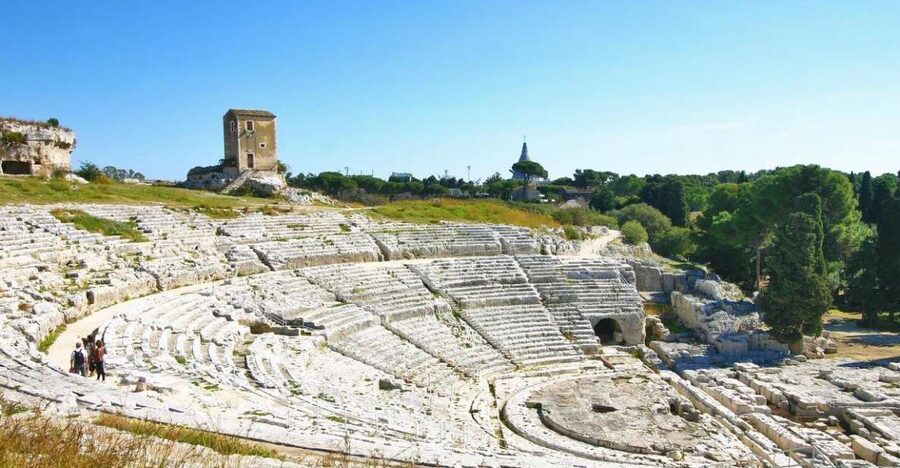
- Greek Theater views: pause for the town and bay picture from the seating area
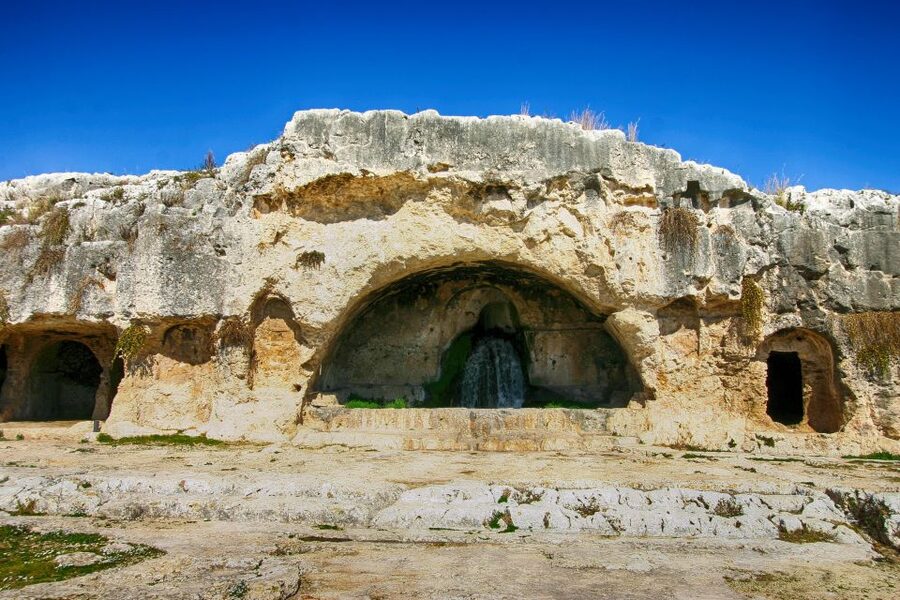
- Latomie del Paradiso + Grotta dei Cordari: two rock-cut quarry stops back to back
- Tight 1.5-hour loop: enough to feel the park, but not enough to wander forever
- Radio receivers for large shared groups: handy if you’re farther from the guide
- Multiple starting points at Largo Anfiteatro: meeting place depends on your option
Neapolis Archaeological Park in 90 minutes: the smart route
If Syracuse is your base for exploring eastern Sicily, this tour is one of the easiest “big payoff” choices. Neapolis is compact compared with some other archaeological zones, but it still has a lot going on. The best part here is how the route moves from Greek to Roman without making you feel lost.
You start at the park entrance gate and walk a defined circuit that hits the park’s signature points: the rock-cut quarry landscapes, the Ear of Dionysius, the Greek Theater, then the Altar of Hieron II and the Roman amphitheater. In 1.5 hours, that is a full, focused overview, with enough guided time at each stop that you understand what you’re seeing.
This is also a good “first visit” tour. If you go on your own, you can see the ruins, but you often miss the why. With a guide, you get the connections between architecture, geography, and daily life. And with the echoes and quarry setting, you’re not just reading stone, you’re experiencing it.
You can also read our reviews of more tours and experiences in Syracuse.
Meeting at the park: choose shared or private, then match your pace
You can pick between a shared group and a private tour. That choice matters more than you might think.
A shared group is great if you want to meet other people and keep the cost low. The tour is walking-based, and you’ll likely get a comfortable group size because the park stops are short and structured. If you’re on the larger shared group option, radio receivers are available, which can make the tour much easier when sound carries across open areas.
A private tour is the better fit when you want more conversation time, a slower pace, or a group that likes to ask questions. The program also notes wheelchair accessibility, so private is often easier to manage if someone in your group has mobility needs, though you should still pay attention to your own comfort level with uneven, rock-cut terrain at quarry and grotto stops.
One small practical note: the meeting point may vary based on what you book, and the starting options include Largo Anfiteatro, 2. Plan to arrive a few minutes early so you are not rushing in at the gate.
Latomie del Paradiso: the quarry walk that makes the site feel alive
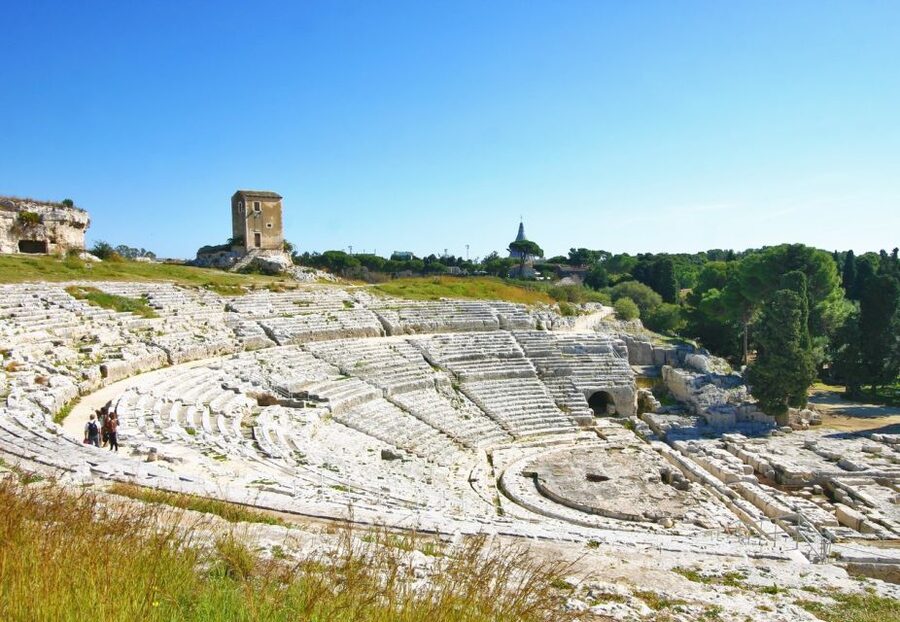
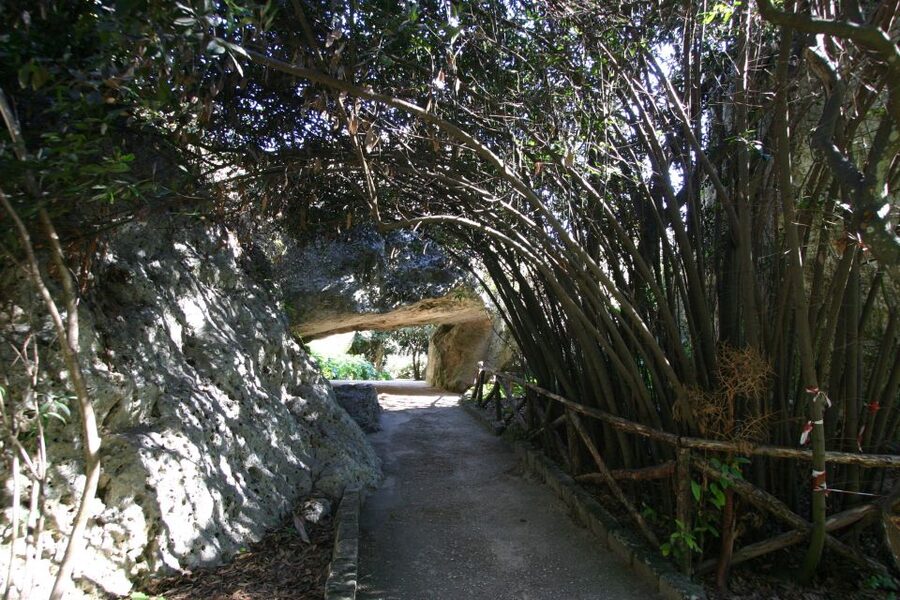
The tour kicks off with Latomie del Paradiso, a guided visit timed at about 15 minutes. This matters because the park is not just about theaters and monuments. The quarries are part of why Neapolis is so unforgettable.
You are walking in a space that was shaped into stone, and the tour frames it as more than a backdrop. Expect explanations tied to archaeological importance and how the rock-cut environment worked over time. One of the quiet benefits of this stop is that you also get the “small details” feeling: local flora and the way plants grow in these quarry spaces. That contrast, rock and green, is one of the reasons people remember the Latomie areas even after the photos fade.
What to consider: quarry terrain can be uneven and can feel hotter in sun. If you visit in summer, bring water and wear grippy shoes. If it has rained recently, slow down on the walk and keep an eye on footing.
Grotta dei Cordari: move from open quarry to a more enclosed feel
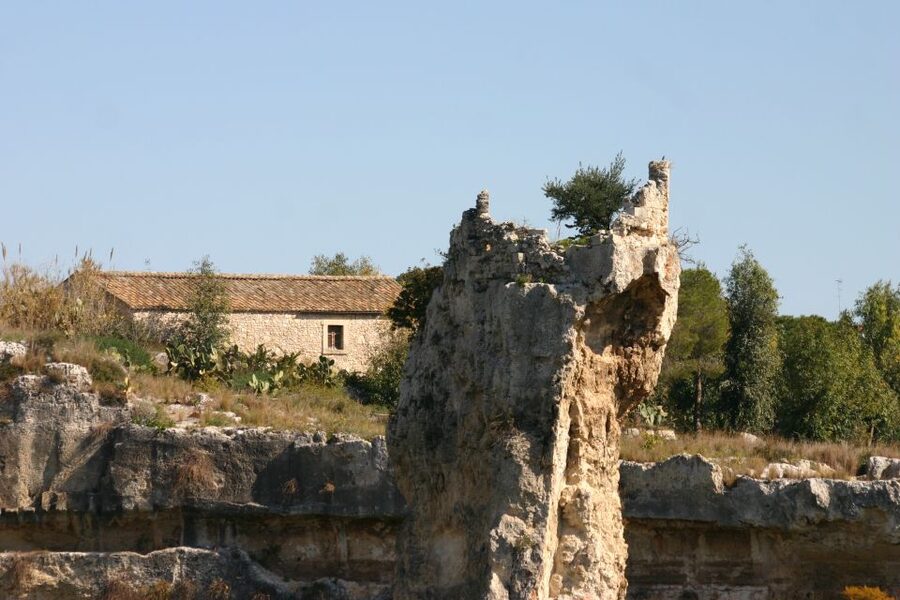
Next is Grotta dei Cordari, also guided for about 15 minutes. This is where the tone shifts. A grotto stop changes your sense of space, and it also helps you build the story that leads into the Ear of Dionysius.
The tour structure is smart. By the time you reach the Ear, you already understand you are moving through a landscape that was carved and reused. That makes the Ear feel less like a single oddity and more like a feature of the wider quarry system.
This stop also sets expectations for how the guide talks. You get the kind of explanation that points out what you might otherwise overlook, like how the site’s geometry affects sound and experience.
Ear of Dionysius: the echo you came for, explained well
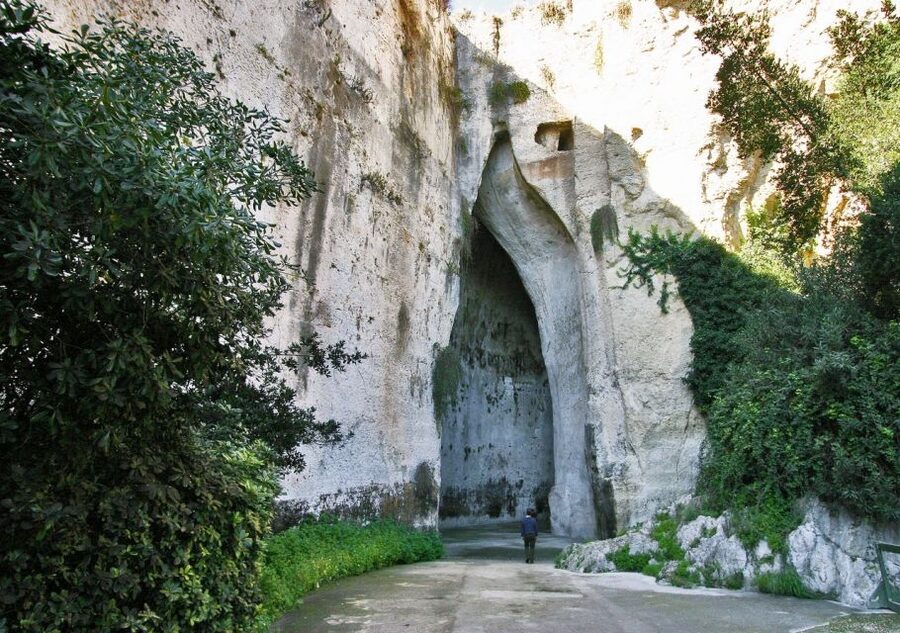
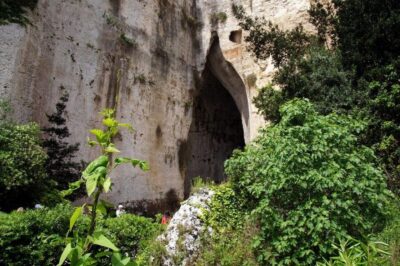
Now comes the headline: the Ear of Dionysius, guided for about 15 minutes. This grotto is famed for its shape and for echoing sounds, and the tour time is long enough that you’re not just told a story and moved along.
The best way to enjoy this moment is to slow your thinking down. Instead of scanning for the next view, stand where the guide suggests and let the acoustics do their job. Even if you are not the type who loves ruins, this is the one spot that can turn a stop into an experience.
I also like that the guide’s framing tends to connect the Ear back to the larger quarry context, so it doesn’t feel random. You walk in with curiosity, then you leave with a sense of how this place fits into the larger Greek story in Syracuse.


Greek Theater and the bay views: where stone meets atmosphere
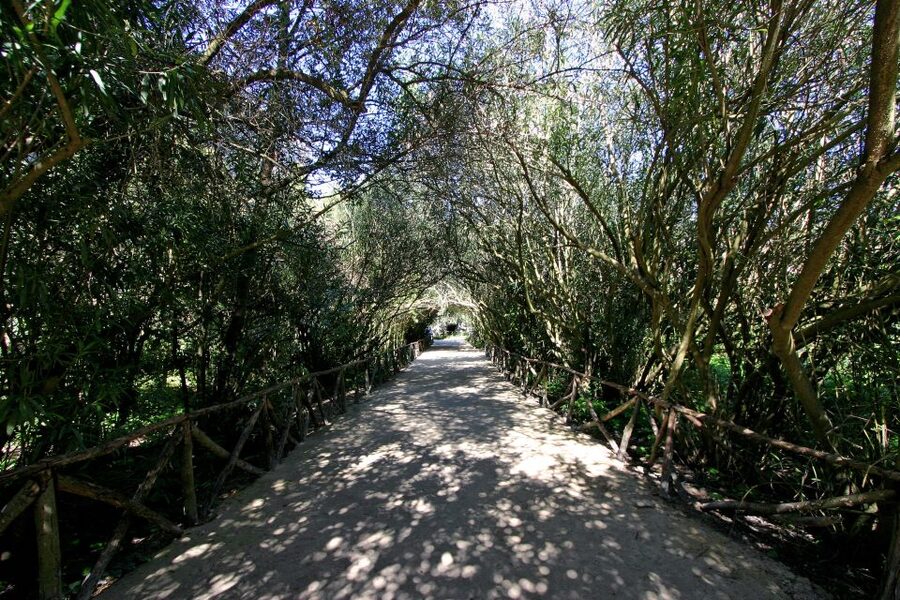
The Greek Theater is the biggest guided segment, about 30 minutes. That longer time makes sense because you get both a viewing experience and an architectural story.
From the theater area, you can see views of the town’s bay, and this is one of those moments where your brain stops treating the site like an exhibit and starts treating it like a real place. The seating area is built into the landscape, and the guide helps you picture why that location mattered.
This stop is also where I find a good guide makes the biggest difference. You could read about ancient performance spaces, but hearing the explanations while you are physically in the theater changes how it lands. People often ask questions here, because you can compare what you see in stone to what you know about modern performance spaces and public gatherings.
What to consider: the theater is exposed. If the sun is strong, plan for shade breaks. Also, this stop includes a lot of standing and looking around, so give your legs a little respect.
Park photo stop, then the shift to Roman Syracuse
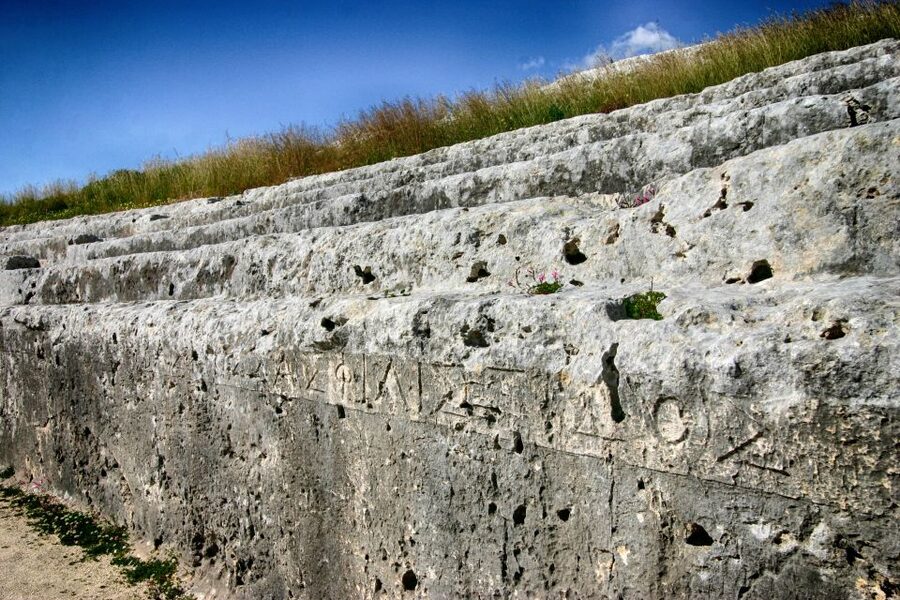
After the Greek Theater, you get a short photo stop, about 5 minutes, at the Neapolis Archaeological Park area. It is brief, but it gives you a chance to capture a wider scene without losing the guided flow.
Then the tour moves toward the Roman layer of Syracuse.
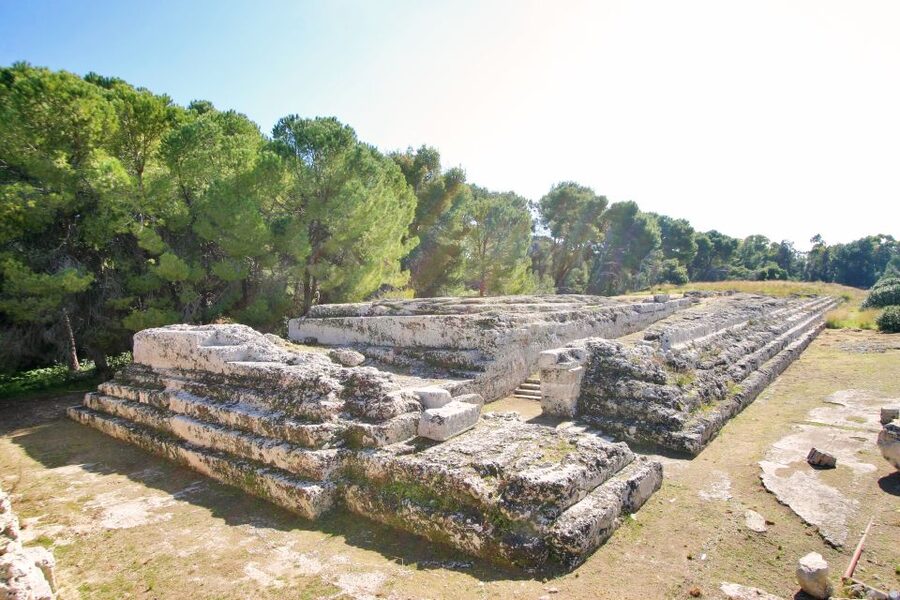
Altar of Hieron II: a quick, meaningful stop
The Altar of Hiero II gets about 10 minutes with the guide. It is not the biggest stop visually, but it is important for understanding how sacred space and civic life blended in ancient Syracuse. If you want a tour that gives you the full timeline, this is the kind of stop that helps.
Roman amphitheater: the ending that ties the story together
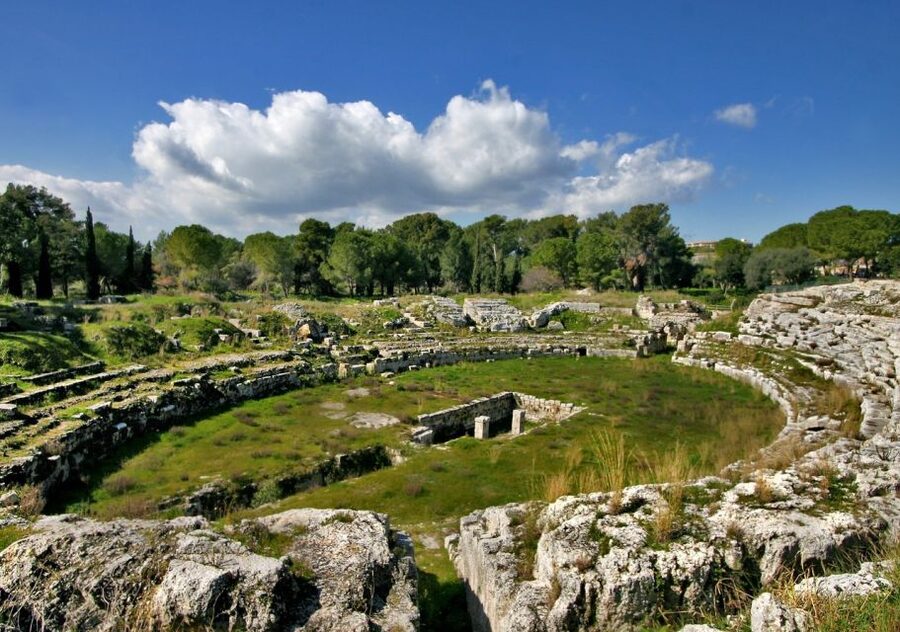
Finally, you visit the Syracuse Roman amphitheater, guided for about 15 minutes. The tour ends here because Roman additions and adaptations help show how Syracuse kept evolving after Greek prominence.
Roman amphitheaters are different from Greek theaters in purpose and design details, and the guide helps you notice those differences. Even if you are tired from the walking, this ending is a strong “check the timeline” moment.
Price and value: why 26 dollars can be a bargain here
At $26 per person for a 1.5-hour guided walk, this is priced like a practical add-on rather than a big splurge. For that money, you’re paying for two things: a structured route and someone licensed to explain what you’re looking at.
The value depends on what you select regarding tickets. Entry tickets are included if you choose the option that includes them. If your booking option does not include entry, you may need to purchase them separately, so double-check at checkout.
Also, pay attention to group format. If you’re in a larger shared group, you get radio receivers, which can noticeably improve the experience. That is not a small perk in a stone park where sound does not always carry well from a guide at the front.
So, is it worth it? If you care about context, yes. If you only want a casual walk and don’t care about explanations, you could visit on your own. But the itinerary here is built for guided payoff, especially the Ear and the quarry stops.
Who this tour fits best
This one is ideal if you:
- Want an efficient first look at Neapolis Archaeological Park in a short window
- Like story-driven guides who connect Greek and Roman Syracuse
- Prefer structured walking over self-guided uncertainty
- Want to hear about why the site matters, not just what it is
It may be less ideal if you:
- Need the tour in English as a strict requirement (the guide language is Italian, with rare two-language cases for very small shared tours)
- Want lots of wandering time on your own after the guided portion. This tour is short and focused.
Practical tips to get more from the walk
Here’s what I’d do to make the day smoother:
- Bring a passport or ID card, since it’s required for the tour
- Wear shoes with grip. You’ll be in a walking circuit that includes quarries and grotto-like areas
- If you join a shared group and sound is a concern, use the radio receivers if provided
- Plan your photo timing around the Greek Theater. The bay views are a highlight and are easier to enjoy when you are not rushing
- Ask your guide questions as you go. People tend to have the most curiosity once they are standing in the theater or facing the Ear
One extra mindset tip: ancient sites are often a bit uneven, and parts can vary in feel depending on weather. If it has rained or is humid, go slow, take breaks, and let your guide set the rhythm.
Should you book Syracuse Neapolis: the decision call
Book this tour if you want the park’s highlights explained in real time, and you like a tight loop that covers Greek and Roman Syracuse without guesswork. The Ear of Dionysius plus the Greek Theater bay views alone make it worth considering, and the guided quarry sequence helps the experience feel complete.
Skip it only if you already know the history well enough to guide yourself, or if Italian is a dealbreaker for your group. Otherwise, for $26 and 1.5 hours, this is the kind of structured sightseeing that tends to leave you with clearer memories, not just photos.
FAQ
How long is the Syracuse Neapolis Archaeological Park tour?
The tour duration is 1.5 hours.
Is this tour shared group or private?
You can choose between a shared group tour or a private tour.
What language is the tour guide?
The live tour guide language is Italian. In rare cases with very small shared group tours, explanations could be in two languages.
What sites are included on the route?
The tour includes Latomie del Paradiso, Grotta dei Cordari, the Ear of Dionysius, the Greek Theater, a photo stop, the Altar of Hieron II, and the Roman amphitheater.
Are entry tickets included?
Entry tickets are included if you select the option that includes them.
Are radio receivers provided?
Radio receivers are available only for the large shared group tour option.
Where do I meet the guide?
The meeting point may vary depending on the option booked. Starting options include Largo Anfiteatro, 2.
What should I bring?
Bring a passport or ID card.
Is the tour wheelchair accessible?
Yes, the tour is wheelchair accessible.
Is there free cancellation?
Yes, you can cancel up to 24 hours in advance for a full refund.
More Tours in Syracuse
More Tour Reviews in Syracuse
Not for you? Here's more nearby things to do in Syracuse we have reviewed




Syracuse & Ortigia Tours, compared.
 ★ 4.7Syracuse: Boat Trip of Ortigia Island and Sea CavesFrom $23937 reviews
 ★ 4.7Syracuse: Boat Tour with Captain Mirko, Snorkeling & CavesFrom $35746 reviews
 ★ 5.0Tour of the island of Ortigia and exploration of sea caves with baths.From $24668 reviews
 ★ 4.7Siracusa: Ortigia Boat Tour with Marine GrottoFrom $45617 reviews
 ★ 4.9Siracusa: Ortigia & Sea Caves Speedboat Tour with Swim StopFrom $34499 reviews
 ★ 5.0Boat tour of Ortigia Island and sea cavesFrom $24407 reviews
 ★ 4.6Catania: Syracuse, Ortigia, and Noto Tour with BrunchFrom $112404 reviews
 ★ 4.6Syracuse: Pillirina, Ortigia, and Sea Caves Tour by BoatFrom $47348 reviews
Browse the lists this tour appears in