
Reviewed · MONREALE & NORMAN PALERMO TOURS
Tour Cappella Palatina e palazzo Reale: patrimonio Unesco
Palermo’s golden mosaics grab you fast. This 1 day guided walk centers on the Royal Palace of Palermo and the Palatine Chapel (UNESCO), where Norman power meets Byzantine, Islamic, and Romanesque artistry in one place. I especially like that the palace is not just a pretty monument, it’s a working history lesson in stone, built up over centuries.
Two things I really love: the chapel’s mosaics are jaw-dropping even when you think you have seen it all, and the palace itself feels like a timeline of Sicily’s rulers, from the Normans to later political chapters. One thing to consider before you go: the tour is Italian only, and your entrance ticket for the palace and chapel is not included in the price.
Key Points Before You Go
- UNESCO at the heart of Palermo: Palatine Chapel inside the Royal Palace complex
- Golden mosaic focus: Byzantine-style walls plus a striking Islamic muqarnas ceiling
- Frederick II in the story: the palace connects to his era, including the Sicilian Poetic School
- Guide names matter: reviews highlight guides like Fabrizio and Claudio for clear, engaging storytelling
- Few spots to sit: there are limited areas to rest during parts of the visit
- Dress code rules: avoid shorts, short skirts, and sleeveless shirts
A UNESCO Masterpiece Inside a Living Royal Complex
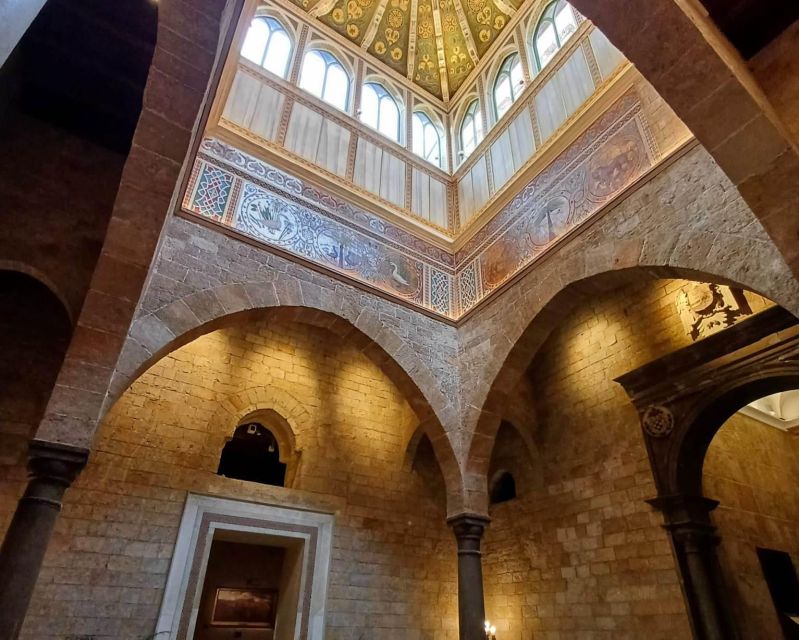
The Royal Palace of Palermo, also called Palazzo dei Normanni, is one of those rare sites where you’re not just looking at architecture, you’re looking at layers of control. Over 2,700 years of history sit under the same roofline and courtyards, because this place kept getting rebuilt as Palermo’s power shifted.
When you arrive, you’re stepping into a royal residence that started as a fortified castle and then expanded heavily when the Norman kings made it their main base. Later rulers used it again and again: it even served for a period as a court tied to the Inquisition, then later as the seat of the Viceroy and the Sicilian Parliament. That matters because the palace is not static. It feels used, claimed, adapted.
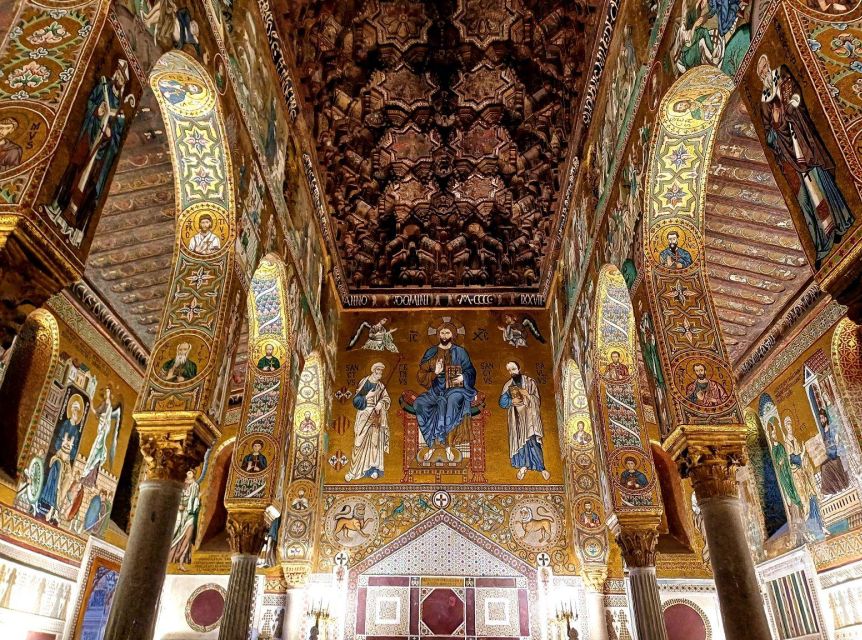
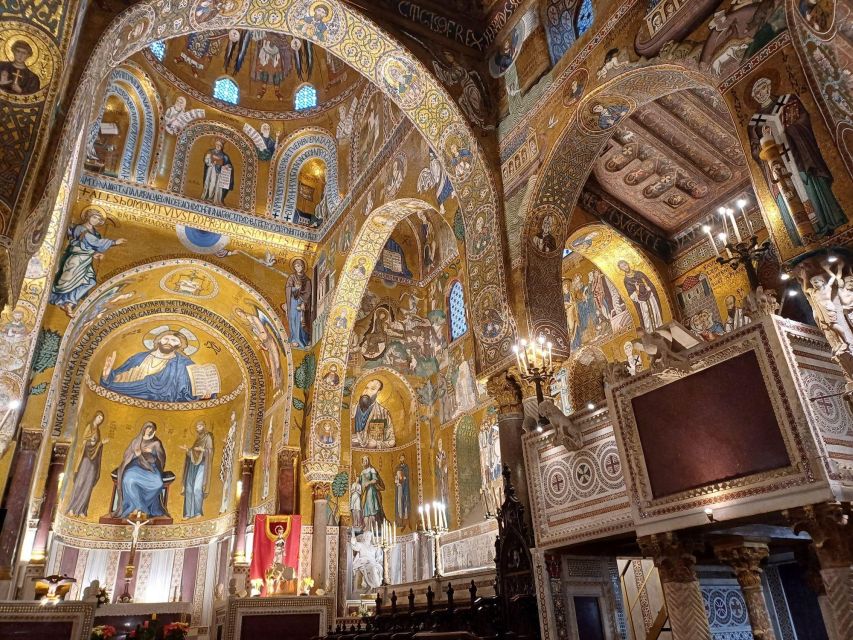
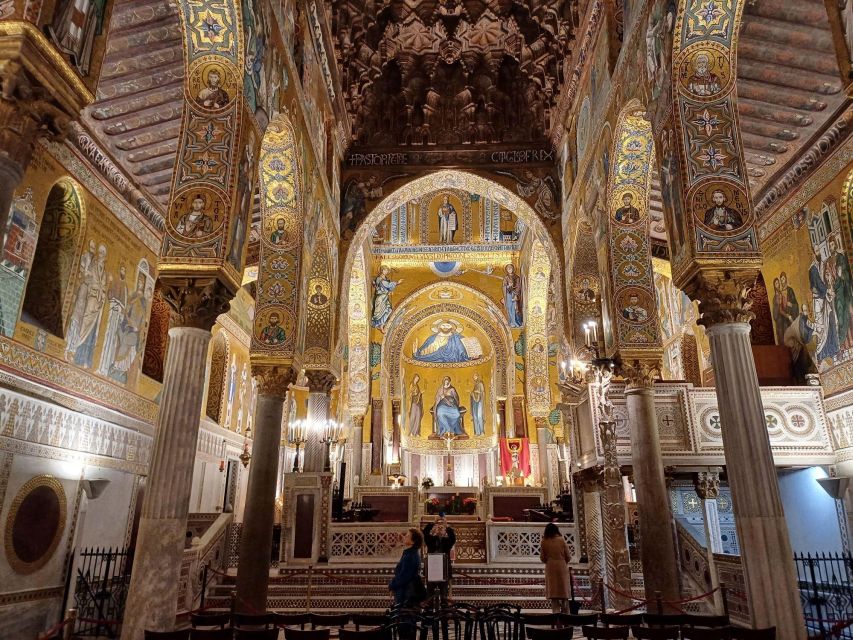
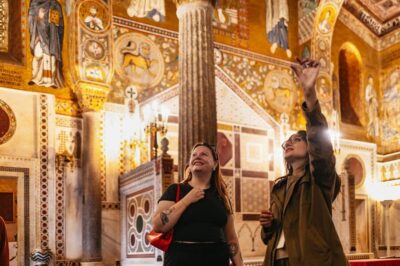
The Palatine Chapel is the moment everyone remembers. Guy de Maupassant famously called it the most beautiful church in the world, and you’ll see why. The space mixes visual languages from across the Mediterranean, and it doesn’t feel random. It feels intentional, like the builders wanted power to look divine.
You can also read our reviews of more tours and experiences in Palermo.

Meeting Point, Tour Flow, and What Your Guide Will Do
Your meeting point is in front of the ticket booth kiosk (Davanti alla Biglietteria), about 100 meters from the entrance to the palace. This is useful information because palace access can be a bit confusing if you head straight to the main gate without checking where the tour gathers.
You’ll travel through the palace areas with a professional guide who works in Italian only. Reviews consistently praise the guides for being prepared and engaging, with names like Fabrizio and Claudio showing up in feedback for clear explanations. If you’re comfortable with Italian, you’ll get a lot more out of the mosaics and the rooms than you could from a quick audio guide.
Tour flow is built around two priorities: first, getting you oriented in the palace as a historical machine, and second, steering you to the chapel so you understand what you’re seeing. Since the entrance ticket is separate, the visit typically starts with getting your ticket sorted and then moving inside as a group.
The Palazzo Reale: 2,700 Years Compressed Into Rooms
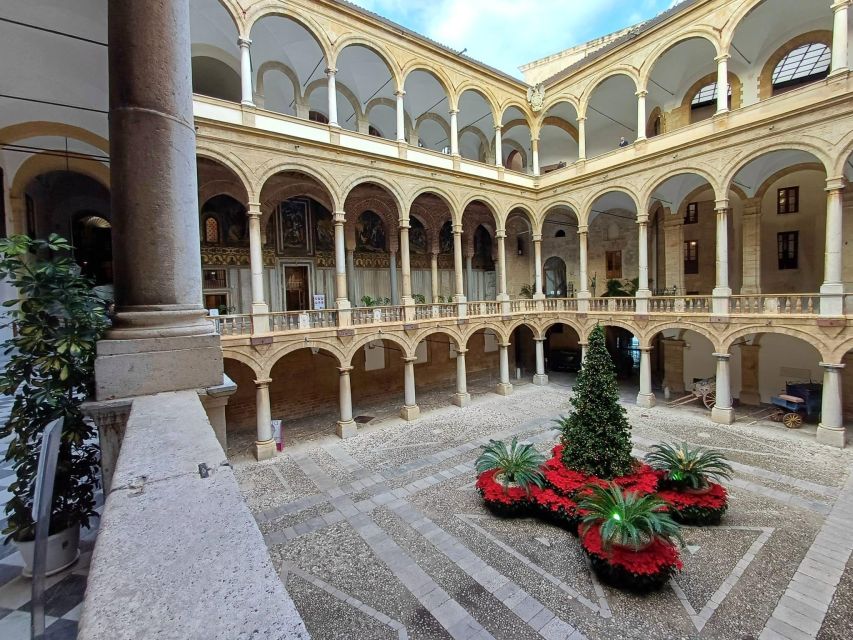
Inside the Royal Palace, you’re essentially walking through a “seat of power” story written in design. It started as a fortified structure, and after Palermo’s founding it was renovated and expanded by the Norman kings, who made it the core of their court and administration.
A big reason this tour is worth it is that a guide helps you connect details to the bigger timeline. Instead of seeing a hall as just a hall, you start to recognize why certain spaces existed and how different rulers used them.
You also get a guided look at notable palace elements that visitors often miss if they go too fast. The palace is described as hosting and protecting the Palatine Chapel, like a precious object kept safe. And within the palace, you’ll hear how Frederick II ties into this site. Frederick II is central to the palace story, including the period when it hosted the Sicilian Poetic School. That’s not just a poetry footnote. It’s a hint that the court wasn’t only about governing, it was also about culture, language, and prestige.
You may also learn about the palace being used at different times by later authorities, including the Viceroy and the Sicilian Parliament. Even if you only remember one takeaway, let it be this: the palace kept reinventing itself to match the people in charge.
Cappella Palatina: Why the Golden Mosaics Feel Like a Different World
The Palatine Chapel is the main event, and it’s built for impact. It was constructed in 1140 by Roger of Hauteville, the first king of Sicily. That date matters because it places the chapel at a moment when Norman rulers were consolidating power and wanted art to broadcast legitimacy.
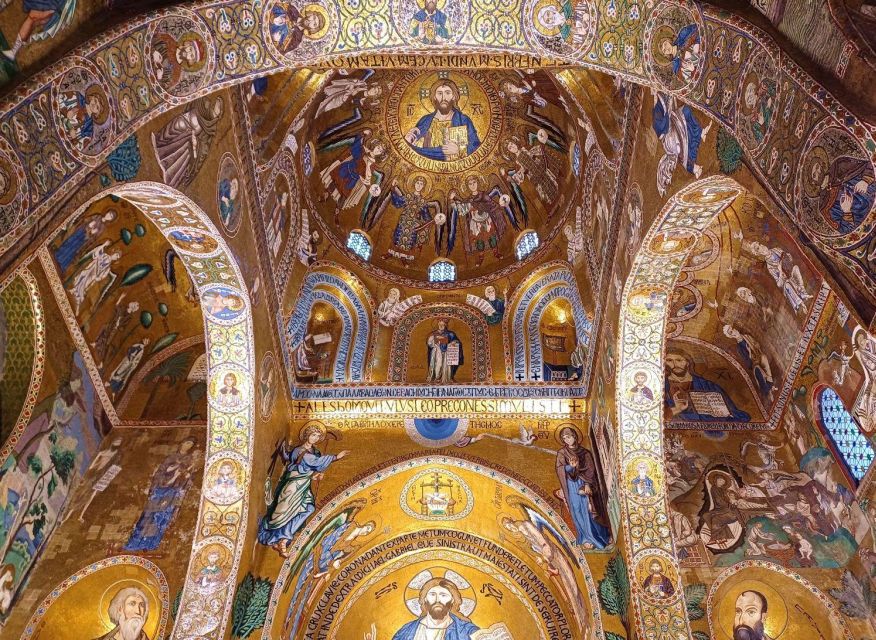
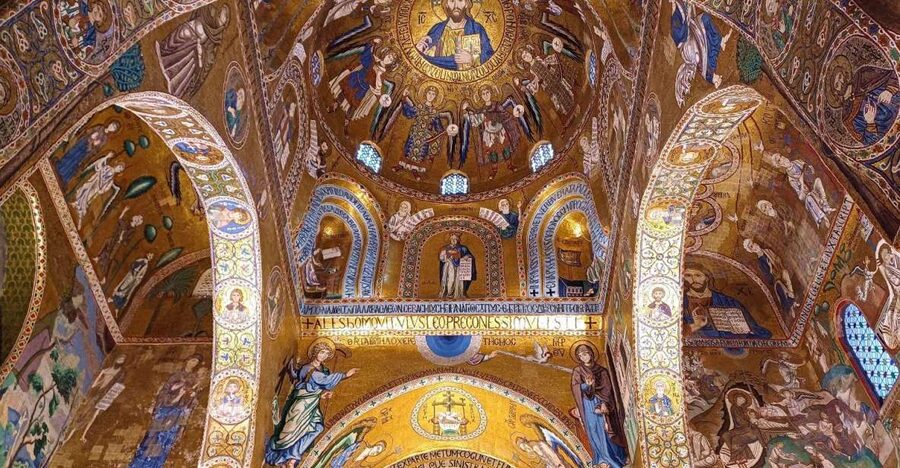
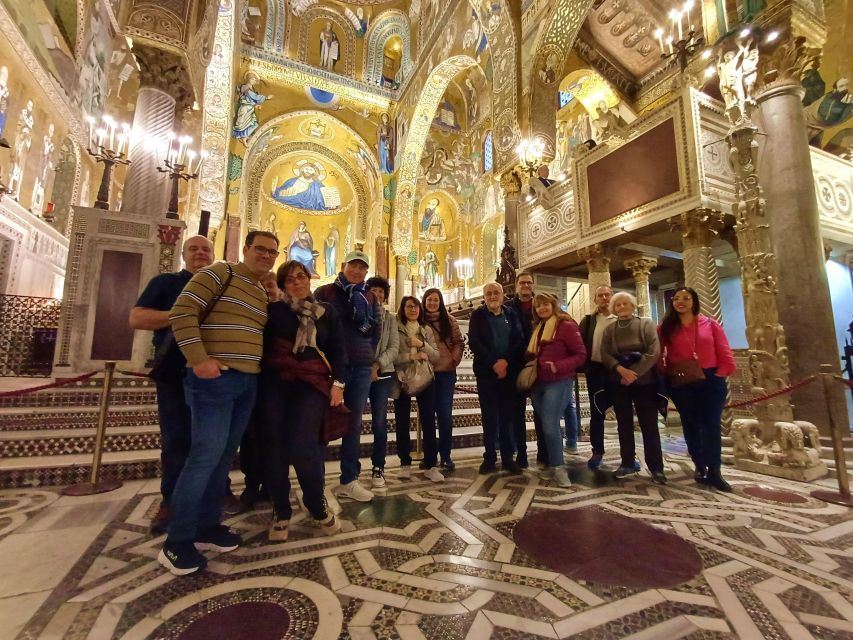
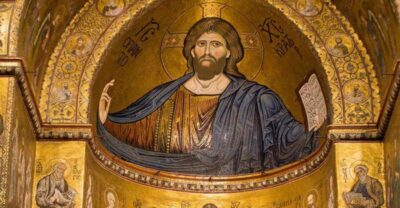
Inside, the chapel’s look comes from a mix of influences that work together instead of fighting. You’ll see Byzantine mosaics covering the walls, and the ceiling uses Islamic muqarnas designs. Muqarnas are the kind of architectural detail that can feel almost unreal because the surface seems to fold into geometry. Then there’s the marble floor with inlays that reflect a Romanesque tradition.
Here’s what I find practical and useful: it’s easy to stare at mosaics without noticing patterns, but the guide helps you read the room. You learn how the decoration communicates status and sacred authority, not just decoration for decoration’s sake. The result is that the chapel becomes understandable, not only beautiful.
If you’re taking photos, give yourself time. The chapel has a layered feel, so even a few extra minutes can help you capture something meaningful rather than only a bright blur of gold.
The Chinese-Style Queen Chamber, and What It Signals
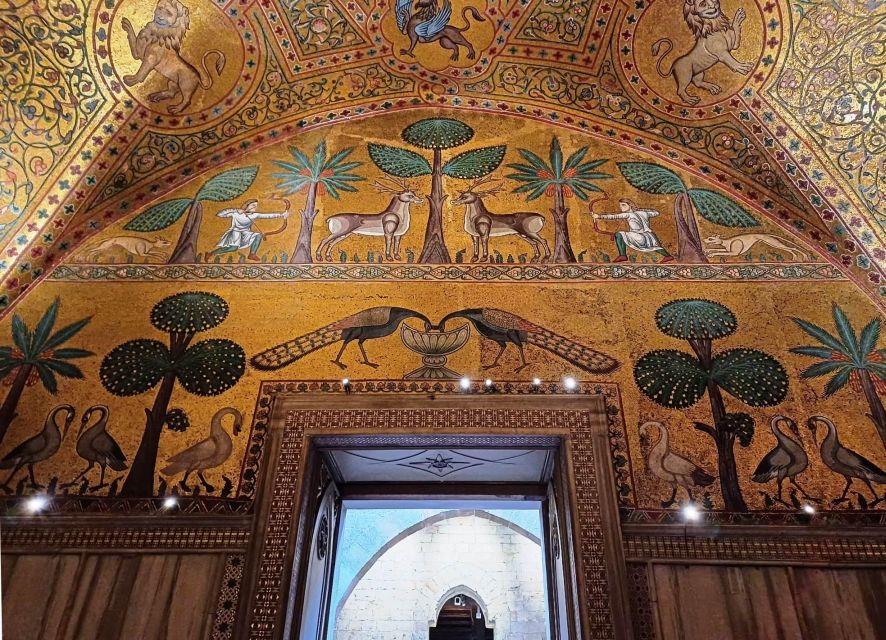
One of the highlights included in the tour is the Chinese-style queen chamber. Even with just that label, you get an important point: Palermo’s royal spaces weren’t sealed off from the wider world. This is a palace that absorbs influences and repackages them into court culture.
I like including this stop because it nudges you away from thinking of medieval Sicily as isolated. It was connected, and the palace reflects that in the way rooms were designed and named. You’re not just moving from one decorated room to another, you’re seeing how rulers used style to project reach.
Frederick II’s Palace Era: More Than a Name on a Sign
The palace is closely tied to Frederick II, the king and emperor who amazed the world. During his time, the palace became part of a cultural machine that included the Sicilian Poetic School.
This is a key reason to choose a guided visit. Without context, Frederick II can turn into a name you forget after you leave. With context, he becomes a lens. You start noticing how courts attracted talent and how artistic and intellectual life supported political identity.
If you like history that has consequences, this is the kind of connection that works. Frederick II’s era isn’t presented as a random chapter, it’s woven into what this palace was for, who used it, and why the palace mattered beyond ceremonies.
Ticket Rules and Entrance Timing, Without the Headache
One of the most important practical details: the entrance ticket is not included in the guided tour. You need a separate ticket to enter both the Palace and the Palatine Chapel.
You can buy tickets at the Royal Palace ticket office or through the official website online. I strongly recommend buying ahead if you can, because this is a busy UNESCO site and you don’t want your tour experience to stall while you hunt for the right ticket window.
Also, keep in mind the practical goal of a guided visit here. You’re paying for a guide to make the palace readable. If you arrive late or without the ticket ready, you lose momentum and you spend energy solving logistics instead of seeing the art.
What to Wear: Dress Code Is Real at This Site
There are clear clothing rules: no shorts, no short skirts, and no sleeveless shirts. It’s the kind of restriction that can turn into a frustrating last-minute problem if you’re traveling in hot weather.
Plan for it like a museum visit with strict boundaries. If you’re in Sicily during warm months, that usually means bringing a light layer that covers shoulders and knees, or wearing pants and a shirt with sleeves.
Pacing and Comfort: Expect Mostly Standing and Walking
From feedback, one real consideration is that there are very few rooms where you can sit for long. If you don’t handle standing well, you might feel it during parts of the visit.
So go in with the right expectations. Think of this as a walking tour plus indoor viewing, not a sit-down museum session. If you’re the type who needs frequent breaks, bring water if allowed by local rules and consider the timing of your visit so you’re not worn out before you reach the chapel.
Language Only in Italian, and How to Make It Work
The tour guide service is only in Italian. This can be a deal-breaker if you rely on English explanations, but if you can follow basic Italian, you’ll still benefit a lot from a guide who knows exactly what to point out.
Here’s a tip that helps even if your Italian is limited: focus on the visual order the guide uses. When someone explains mosaics, pay attention to directions and transitions, not only to every word. The guide’s job is to connect the room to the meaning, and you can catch that through repeated references to the major elements, like wall mosaics, the ceiling muqarnas, and the marble floor inlays.
If you speak little Italian, you might still enjoy the art, but the tour’s true value comes when you can understand the story while you’re inside.
Value for Money: Is $14 a Good Deal?
At $14 per person, you’re not paying for the palace ticket. You’re paying for a guided experience with a professional guide service in Italian. That’s important for judging value, because the overall cost depends on your entrance ticket purchase.
That said, $14 is often a good value for a UNESCO site like this because:
- You get interpretation that helps the mosaics and rooms make sense
- You get a structured visit instead of wandering
- You benefit from a guide who can explain connections like the Norman kings and Frederick II
In other words, the tour price is the “how to see it” component. If you’re the kind of traveler who reads plaques and still feels confused, a guide like Fabrizio or Claudio can turn the visit into something you remember for years.
If you hate standing, or you cannot do Italian, then it may not feel like a bargain. In that case, you might prefer an option that matches your language needs and pacing comfort.
Who This Tour Suits Best
This is a great match if you want:
- A guided UNESCO visit focused on Cappella Palatina mosaics
- A clear historical storyline, including Norman Sicily and Frederick II
- A structured tour with a guide who points out what matters
It’s less ideal if:
- You need an English-language guide
- You require lots of seating during the visit
- You’re traveling with outfits that might violate the dress code
If you’re on a Sicily first trip and you want one “must book” cultural stop in Palermo, this is one of the strongest choices on the list.
Should You Book This Tour?
Yes, if you can do Italian and you’re comfortable with a mostly standing, inside-and-out palace experience. The combination of the Royal Palace setting plus guided interpretation of the chapel’s mosaics is exactly the kind of pairing that turns a famous site into an actually memorable one.
Book it with two practical checks first: plan your entrance ticket separately, and make sure your clothes follow the no shorts, no sleeveless rule. If those boxes are easy for you, this tour is good value and a smart way to see why Palermo’s royal chapel is still a legend.
FAQ
What is included in the guided tour?
The tour includes a tourist guide service with a professional tour guide. The entrance tickets for the palace and Palatine Chapel are not included.
Is the entrance ticket included in the price?
No. You need an entrance ticket to enter the Royal Palace and the Palatine Chapel, and it must be purchased separately.
Where is the meeting point?
You meet in front of the ticket booth kiosk (Davanti alla Biglietteria), about 100 meters from the entrance to the palace.
What language is the tour guide?
The tour takes place only in Italian.
What should I wear?
Shorts, short skirts, and sleeveless shirts are not allowed.
How long is the experience?
The experience is listed as lasting 1 day.
How much does the tour cost?
The price is listed as $14 per person, not including the entrance ticket.
Can I buy entrance tickets online?
Yes. The entrance ticket can be purchased at the Royal Palace ticket office or online on the official website.
Is it wheelchair accessible?
The information includes both that it is wheelchair accessible and also that it is not suitable for wheelchair users. You should confirm on-site access before going.
What are the cancellation and booking options?
You can cancel up to 24 hours in advance for a full refund, and there is a reserve now and pay later option.
More Tours in Palermo
More Tour Reviews in Palermo
Not for you? Here's more nearby things to do in Palermo we have reviewed





Monreale & Norman Palermo Tours, compared.
 ★ 4.2From Palermo: Monreale and Cefalù Half-Day TripFrom $711,354 reviews
 ★ 4.7Palermo: Norman Palace and Palatine Chapel Tour with TicketsFrom $82298 reviews
 ★ 4.8Palermo: Cappella Palatina and Palazzo dei Normanni TourFrom $45214 reviews
 ★ 3.5Monreale And Cefalù Half Day ExcursionFrom $7783 reviews
 ★ 5.0The Godfather Origins of Mafia: Corleone & Visit Monreale DuomoFrom $29873 reviews
 ★ 4.5Palermo: Norman Palace & Palatine Chapel – Small Group or PrivateFrom $8173 reviews
 ★ 4.6Capuchin Catacombs and Monreale Cathedral Private TourFrom $24963 reviews
 ★ 4.5Private Monreale, Cefalù & Castelbuono Tour, from Palermo areaFrom $29350 reviews
Browse the lists this tour appears in