
Reviewed · SICILY COOKING & PASTA CLASSES
From market to Table Cooking lesson with a local in Sicily
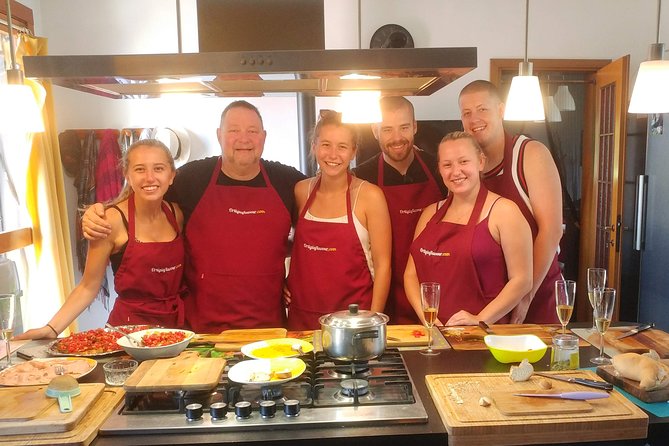
Cooking with locals beats cooking demos. You start in Ortigia, shop for seasonal ingredients, then cook and eat together at Letizia and her family’s home.
I especially like the market-to-table flow, because it explains why the best Sicilian cooking starts with what is in season. I also like the hands-on feel, with real roles in the kitchen, plus a full sit-down meal at the end.
One thing to consider: this is a small group experience, max 7 people, and it runs about 4 hours from your 10:30 am meet-up, so you should plan around a focused, no-rushing morning.
Key things to know before you go
- Small group size (max 7) means you get time to ask questions and actually cook, not just watch.
- Meet at the Temple of Apollo in Ortigia, an easy landmark to find and a great start to your morning.
- Market shopping for seasonal ingredients is built into the lesson, so you learn what to buy, and what to skip.
- Garden-to-table touches show up when you pick herbs and peppers directly from the family’s outdoor space.
- A real family meal at the end keeps the experience relaxed, social, and genuinely satisfying.
- English offered, plus an included meal, so you can follow the steps without translating cooking terms in your head.
From Temple of Apollo to Ortigia market: how the morning starts
Your day kicks off in Ortigia at the Temple of Apollo (Tempio di Apollo), in the 96100 Syracuse area. You meet in front of the temple, and the start time is 10:30 am, so you can plan a smooth morning before lunch cravings hit.
This matters because Ortigia is one of those places where you can easily drift into “just looking around” mode. Starting at a clear landmark helps you stay oriented. And once you’re moving, you get a practical reason to explore: the market is not a stop on the way, it’s the lesson’s foundation.
Pickup is offered, so if you’d rather not navigate the quick local routes on your own, you can likely simplify your arrival. You’ll end back at the meeting point when the experience wraps, which is handy if you want to keep exploring Syracuse right after.
You can also read our reviews of more shopping tours in Sicily

Market shopping for seasonal Sicilian ingredients (the part that changes everything)
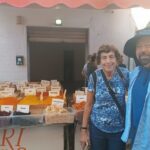
The core of this experience is shopping first, then cooking what you bought. You head to the market with Letizia and her family, and you learn how they choose ingredients for Sicilian cooking, not just which items look good in a photo.
What I like most about this is the logic. Seasonal buying is not a fancy idea, it’s the difference between a “good pasta” day and a “wow, that’s the flavor I came for” day. You’ll see how vendors, freshness, and ripeness all affect taste, especially for produce and seafood.
Based on what you’ll do in this class, you’re likely to come across the types of ingredients that define Sicily:
- Fresh herbs and vegetables, sometimes pulled straight into the cooking later
- Local cheeses, including samples that come with family connections
- Olives and pistachios, common Sicilian pantry staples that show up in everyday meals
- Fish and ingredients that reflect what’s available during your visit
Also, the market part is where you hear context. Letizia’s family talk about how different cultures that passed through Sicily helped shape the flavors you eat today. That puts the dishes into a bigger story, so you understand the why, not just the how.
If you’re the kind of traveler who likes to eat well without relying on a restaurant menu roulette, this market segment is a big win. It gives you a checklist you can use later, long after the class is over.
At the family country home: gardens, cheese tastings, and cooking roles
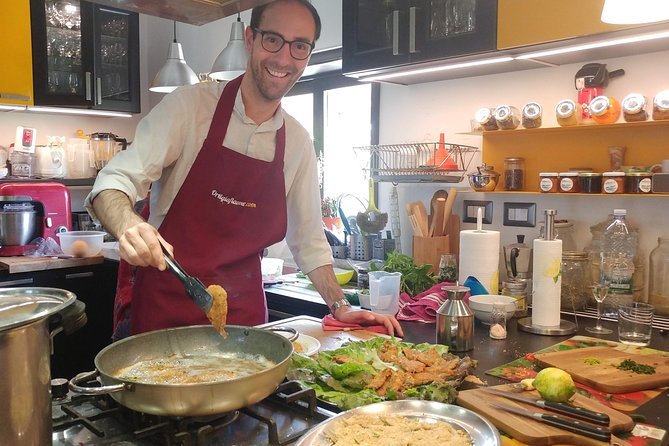
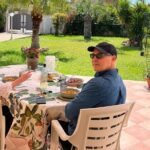
After the market, you head to the family home. The setting is part of the magic here: you’re not in a commercial cooking school. You’re in a real family space, where the kitchen feels lived in and the day feels unforced.
Freshness shows up quickly. In several experiences like this, you can pick fresh herbs and peppers from the family’s garden, then use them in the recipes. That small detail changes everything, because herbs taste different when they’re just cut. It’s also a nice “hands-on” moment that breaks up the shopping-to-cooking transition.
You’ll likely start with small tastings while people gather and ingredients get organized. In the experiences people describe, you get samples of local cheeses (including some made by family), along with simple Sicilian things like pistachios and olives. There’s also often a drink involved, and at least some groups mention Prosecco during the meal setup.
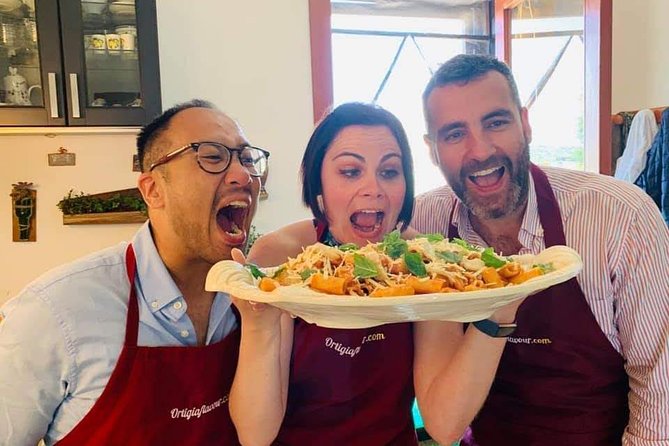
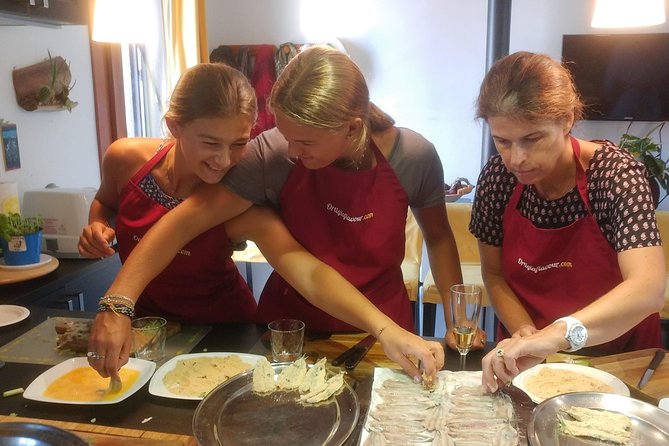
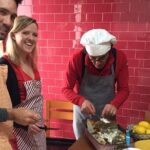
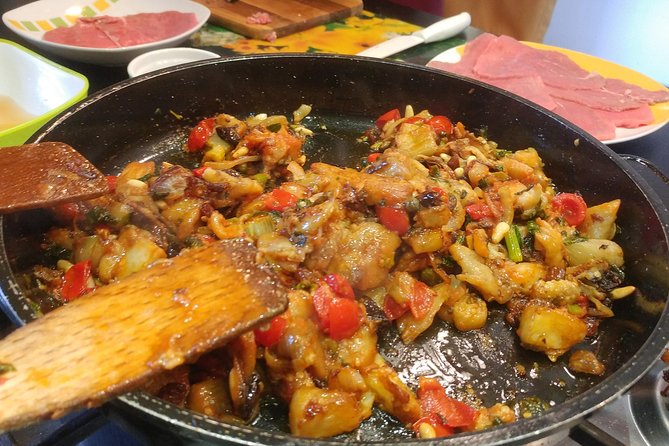
Then comes the actual cooking. You’re not stuck doing one task the whole time. You get to participate, with roles that make sense as the dishes come together. Depending on the exact day’s menu, you may work on things like fresh pasta and other classics.
This is where the hosts really matter. Letizia and her family make the kitchen feel friendly rather than performative. If you’re nervous about cooking, don’t be. The vibe is more “learn together” than “test your knife skills.”
The Sicilian dishes you’ll learn and the meal you’ll share
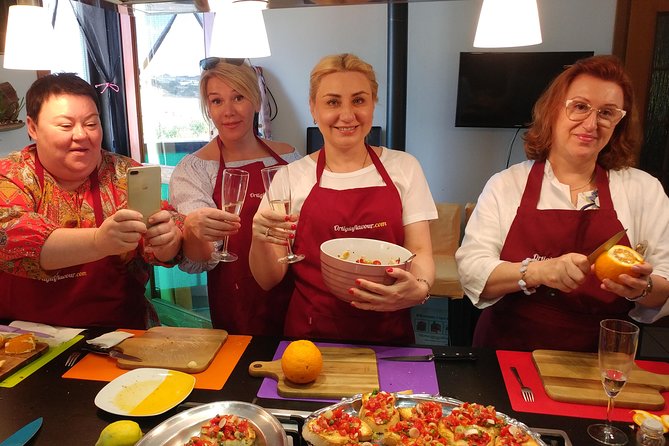
The whole point is to make a Sicilian feast and then eat it together. People come away talking about the variety, and also about how much of the meal is made from scratch.
From what you can expect in this experience, you might learn a mix of pasta, starters, and seafood, with dessert at the end. Common examples include:
- Fresh pasta, made by hand during the class
- Bruschetta, built with Sicilian flavors
- Calamari, which ties to the island’s fishing heritage
- Caponata, a beloved Sicilian dish that often shows up in home cooking
- Stuffed mussels, when the menu includes shellfish
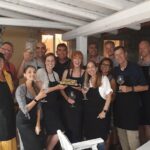
Then you share the meal in a dining area as everything finishes. Several groups mention enjoying white wine with lunch, which fits the relaxed family rhythm. And dessert often lands on something typically Sicilian, like homemade strawberry gelato.
Here’s why I think this structure works so well for most visitors. If you do a cooking class where you only make one item and then stand around, you’re left with half a feeling. Here, the learning and the eating stay linked. You cook, you taste along the way, and then you sit down to a full result.
Practical tip: if you’re sensitive to gluten or have strict allergies, you should ask ahead. The class includes homemade pasta and other wheat-based items, and the setup is family-style rather than industrial kitchen precision.
What you actually learn, beyond recipes
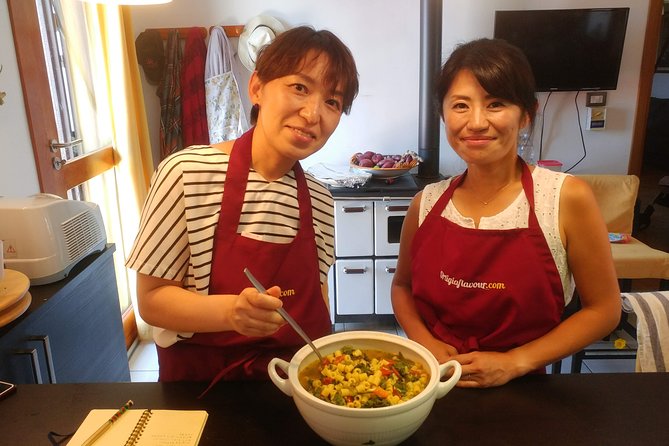
This lesson isn’t just about following steps. It’s about understanding Sicilian ingredients and the choices behind them.
You get real-world training in a few areas:
- How to identify quality in the market, especially for produce and seafood
- How herbs, vegetables, and pantry staples work together in Sicilian cooking
- How local cooking reflects layers of history, because Sicily is an island shaped by many arrivals
The recipes themselves are part of the education, but the bigger takeaway is how to shop and cook with seasonality. That’s the skill you can repeat at home, even if you can’t recreate an Ortigia garden.
And you learn by doing. That’s the difference between a tasting-only experience and a real class. Here, you chop, mix, shape, and cook. Even if you don’t remember every step perfectly later, your hands will remember the flavor logic.
Also, the group size helps a lot. With max 7 people, you don’t get lost in the background. You can ask what something means, or why an ingredient is being used in that moment.
More Sicily island tours, Etna days, coastal boat trips, and food experiences to compare

Logistics that keep the day low-stress
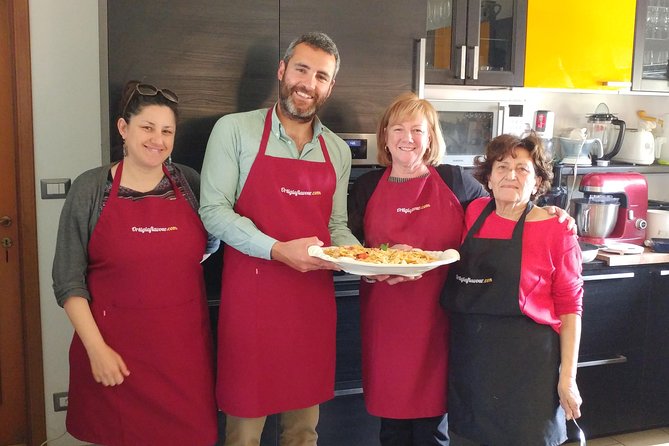
This runs for about 4 hours, which is a sweet spot: long enough to learn, cook, and eat, but not so long that you lose your whole day to the experience.
You start at 10:30 am and meet at the Temple of Apollo. That timing helps. You get your market and kitchen time while the morning is still pleasant, and you finish with lunch, so you don’t need to hunt for food right after.
Pickup is offered, and you’ll receive a mobile ticket. Those two details matter if you’re trying to keep your mental load down while traveling. You already have enough to think about, like where the parking is and how streets connect.
One more practical note: since the experience is small and centered on one group, you should show up on time. If you’re late, you’ll miss the first ingredient discussions, which are the whole point.
Price and value: what $163.88 gets you in real terms
At $163.88 per person, this isn’t a budget cooking class. It also isn’t a tourist-cheap knockoff. The value comes from what’s included and what the experience actually delivers.
Here’s the value equation I see:
- You get a market shopping component, which includes time and guidance for choosing ingredients.
- You cook with a local family at their home, with a max group size, so the instruction is more personal.
- You share a full meal you helped make, and it sounds like the day often includes local cheese tastings and wine or Prosecco during the meal.
- You learn multiple dishes and techniques, not just one simple recipe.
If you’ve ever paid for a cooking class where you end up eating something similar to what you could make at home, this one is different. The market-to-table approach helps you understand the ingredients, and the family home setting adds authenticity you cannot fake in a rented room.
Also, it’s booked about 61 days in advance on average, which usually signals strong demand. If you want a specific date, don’t wait until the last minute.
Who this is for (and who might want a different style)
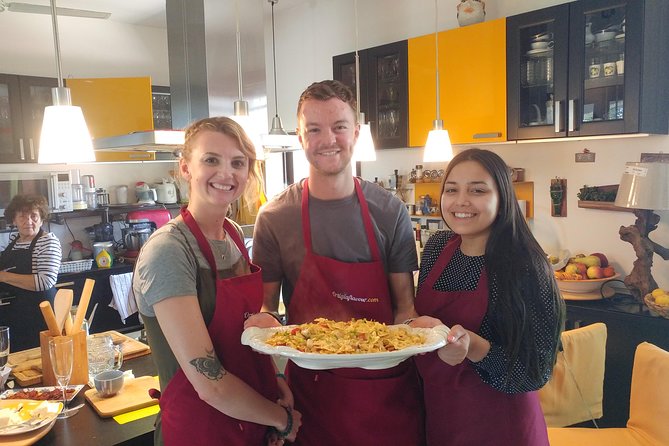
This experience is a strong match if:
- You want hands-on Sicilian cooking rather than just watching
- You enjoy markets and want to learn what locals look for
- You like meals that feel social and family-run
- You want to understand the culture behind the food, not just memorize recipes
It might be less ideal if:
- You’re not interested in market shopping or seasonal ingredients
- You need lots of free time in the middle of the day
- You prefer large-group tours with constant “on to the next thing” energy
For most travelers in Sicily, though, this hits a sweet spot. It’s not a checkbox. It’s a focused food day that also teaches you how to think like a local shopper.
Should you book? My take on Ortigia Flavour
If you care about food as part of your travel story, I think you should seriously consider booking this class. The market start, the family home setting, and the hands-on cooking make it feel like something you can’t really recreate from a restaurant meal alone.
My decision rule is simple: if you want more than recipes, and you want to learn the ingredients and culture that drive Sicilian cooking, this experience is worth it. The small group size keeps it friendly, and the fact that you sit down to a real shared meal means you leave full, not just informed.
Just go in with the right mindset: it’s a cooking-and-eating morning. Come hungry, arrive on time, and wear clothes you don’t mind smelling like garlic for a while.
FAQ
Where does the cooking lesson start?
You meet in front of the Temple of Apollo (Tempio di Apollo), in the 96100 Syracuse, Italy area.
What time does it start?
The start time is 10:30 am.
How long is the experience?
It lasts about 4 hours.
Is the class offered in English?
Yes, the experience is offered in English.
Is pickup available?
Yes, pickup is offered.
How many people are in a group?
The experience has a maximum of 7 travelers.
What do we do before cooking?
You visit a market first to buy seasonal ingredients, then you cook them together at the family home.
Is the meal included?
Yes. You eat the meal together at the end of the class.
Is free cancellation possible?
Yes. You can cancel up to 24 hours in advance for a full refund.
Are service animals allowed?
Yes, service animals are allowed.
More Markets in Sicily
More Shopping Tours in Sicily
More Tour Reviews in Sicily





Not for you? Here's more nearby things to do in Sicily we have reviewed




Sicily Cooking & Pasta Classes, compared.
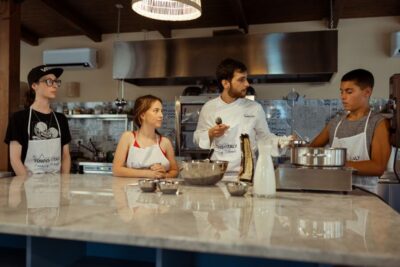 ★ 4.9Palermo: Pizza and Gelato Cooking Class with Dinner and WineFrom $71951 reviews
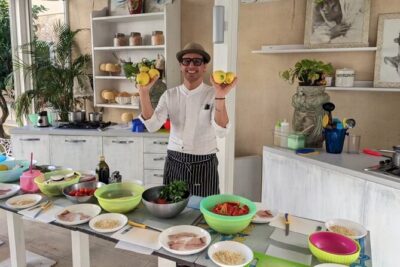 ★ 5.0Seaview Cooking Class & Taormina local flavors with Chef MimmoFrom $157665 reviews
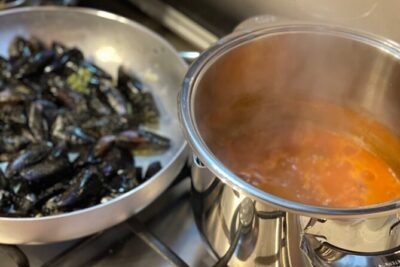 ★ 5.0COOKING CLASS in Taormina at Chef Massimo HOUSE!!From $185543 reviews
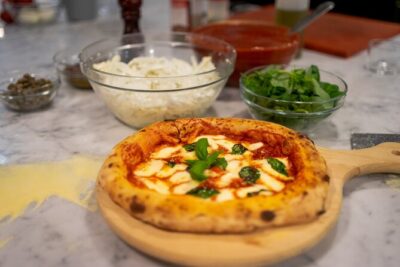 ★ 5.0Palermo’s Delight: Unleash the Secrets of Pizza and Gelato MakingFrom $60497 reviews
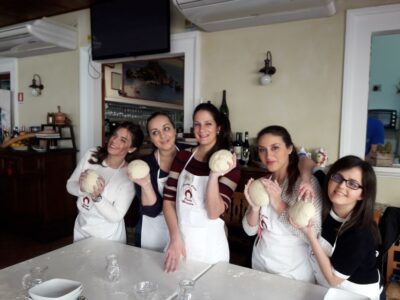 ★ 4.8Taormina: Half-Day Pizza Making ClassFrom $88353 reviews
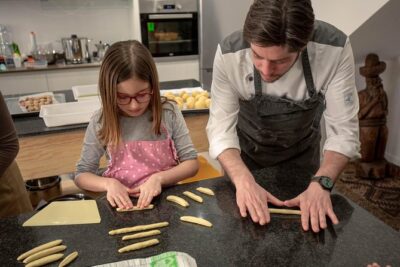 ★ 5.0Sicilian Cooking ClassFrom $118289 reviews
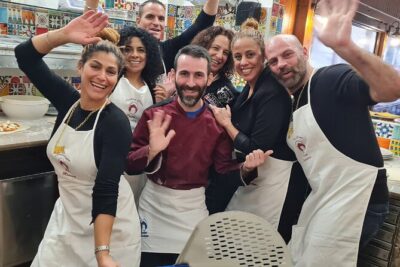 ★ 5.0Pizza Cooking ClassFrom $90225 reviews
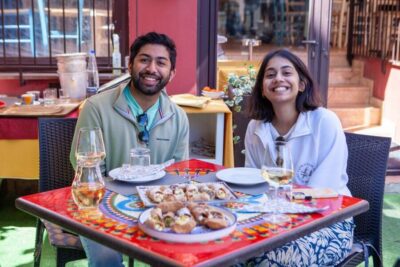 ★ 4.9Taormina: Cannolo Cooking Class with Completion CertificateFrom $77212 reviews
Browse the lists this tour appears in