
Reviewed · MOUNT ETNA VOLCANO TOURS
Etna Bike Tour – Cycling in Sicily
Cycling up Etna is real work.
You’ll ride one of Europe’s most famous active volcano routes from Giardini Naxos, with a guide who handles the turns and timing as you climb toward Rifugio Citelli. The payoff is huge: volcanic roads, steady regroup points, and big altitude gains on a route that feels built for road bikes, not paperwork.
I especially loved two things. First, the small group size (max 8) keeps the pace steady without the pressure of waiting around every corner. Second, I like that you’re on a full carbon road bike with helmet and pedal choices, and the guides, like Greta and Luigi, run things with patience for slower riders too.
One consideration before you book: this ride is tough, and gearing can make or break your comfort. A couple of riders noted the setup can feel harder if you need extra low gears for the steepest sections, so if you’re unsure, ask about gearing before you go.
Key highlights worth knowing
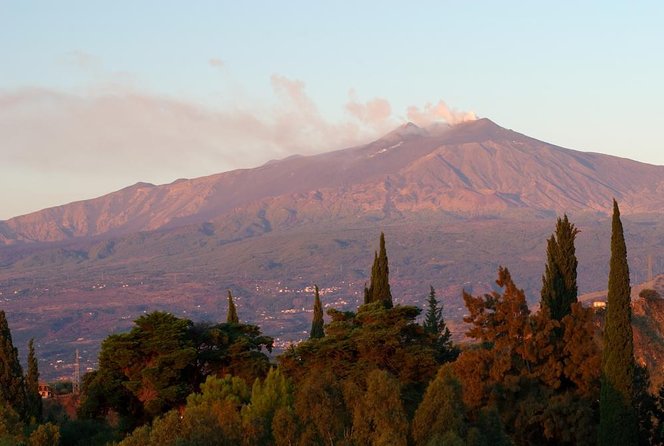
- Max 8 riders means more rider time with the guide and less stop-and-start chaos
- Full carbon road bikes with helmet and pedal options (flat pedals included)
- Volcanic mineral water stops help you keep going on a long climb
- Route built for road cyclists: steady climbs, then a descent back toward Naxos
- Guides like Greta, Marco, Luigi, and Manuela tend to keep the experience organized and supportive
Where this Etna bike ride starts and how the day feels
Most Mt. Etna tours start with a car ride, but this one feels different because you begin in Giardini Naxos and start pedaling right away. The meeting point is Via Recanati 26, 98035 Giardini Naxos (and yes, it’s near public transportation). The activity runs Monday through Sunday, with opening hours listed as 9:00 AM to 1:00 PM, and it typically lasts about 4 hours.
That timing matters. A Mt. Etna climb can turn into a long day if the group is too big or if nobody manages pacing. Here, the small group size (max 8) and a private guide help keep the ride moving with fewer bottlenecks, so you can focus on effort and breathing instead of stress.
You can also read our reviews of more cycling tours in Sicily
The bike setup: carbon road ride, helmets, and pedal choices
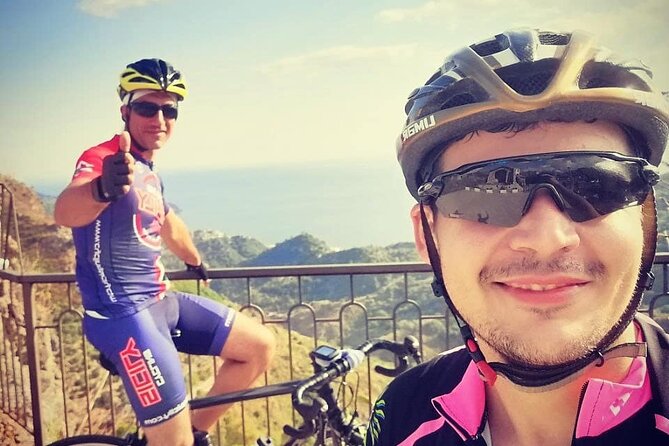
You’re not just renting a bike and hoping for the best. You get a full carbon road bike, plus a helmet. Included pedal options are flat pedals, and the bike spec is listed with Shimano and Look components, which is reassuring if you care about how the bike actually feels under load.
You’ll also want to think about one practical detail: chainring and cassette comfort on steep grades. Some riders found the bike gearing a bit demanding, especially for regular fitness levels doing the hardest climb. If you know you prefer lower gearing, check your fit and gearing expectations before you commit, or plan on a steady grind at your own cadence.
From Giardini Naxos toward Catania: warm-up miles that matter
The climb begins at the headquarters in Giardini Naxos. After bikes are set up and the itinerary is explained, you start pedaling heading toward Catania for about 5 km in a lowland area. This first section is your warm-up and, honestly, your chance to get your legs and breathing organized.
Then the route turns into more work. You’ll hit a soft hill with gradients roughly between 5% and 10% for another 5 km. Road bikes handle these grades well when your cadence is smooth, so I recommend staying disciplined here. If you sprint early, the volcano will collect the bill later.
Passing Fiumefreddo di Sicilia, reaching Piedimonte Etneo, and building altitude
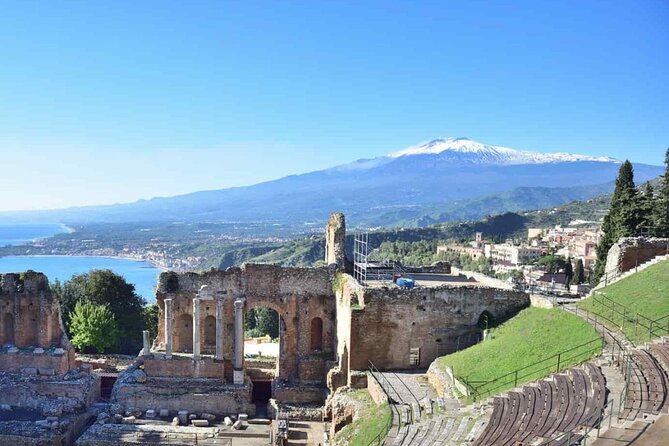
As you continue climbing, you pass above Fiumefreddo di Sicilia. This part is where the ride starts to feel noticeably “Etna.” The air can change, the road feel tightens, and the sense of scale ramps up.
The climb continues to Piedimonte Etneo, a town built on an ancient lava flow on the northeastern face of the volcano. That’s more than a trivia point. When you ride these areas, the ground under you has a story, shaped by old lava, road building, and generations of people living with an active volcano.
By the time you reach Piedimonte Etneo, you’re about 10 km in and around 350 m D+. That D+ detail is important because it tells you you’re already climbing more than you might expect before the route really challenges you. You’ll keep accumulating effort, and the guide keeps things structured so you’re not guessing what’s next.
Mount Etna Wine Road: steady grind, volcanic water, and the real climb plan
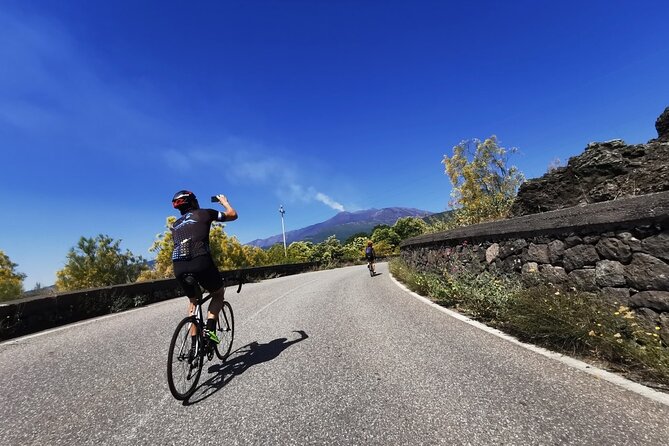
After your first tough climb, you reach about 18 km and roughly 800 m D+. Now you’re on what’s described as the Mt. Etna Wine Road, running along the northern volcano slope from the eastern side. Even if you’re not trying to be a wine expert, this is a smart route concept. Vineyards and established road corridors often mean smoother guidance and more predictable riding than random backroads.
You’ll also do a practical stop here to refill bottles with fresh volcanic mineral water. That’s not just a nice gesture. It helps on a ride where you’re climbing for a long stretch. One rider shared how the guide kept fluids flowing, including using local water sources, and that kind of planning makes a difference when temperatures rise.
This is also where you should settle into your rhythm. If you’re the type who needs a target, use this phase for controlled power rather than chasing others. With a small group, it’s easy to get swept into someone else’s tempo, then suffer later.
The slope of Bartali & Coppi to Rifugio Citelli
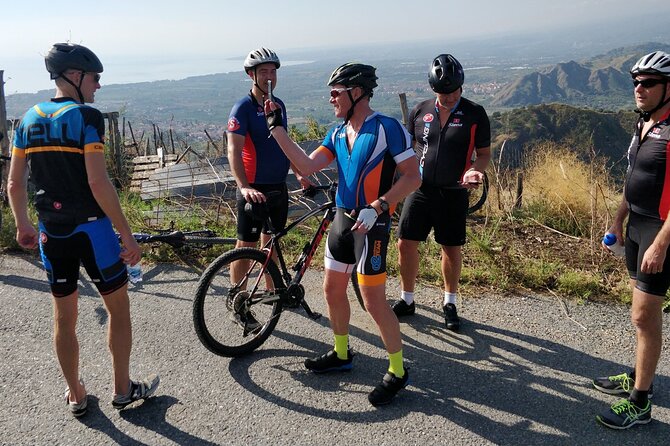
Now comes the signature section: the last big ascent called the slope of Bartali & Coppi. You climb from about 827 m above sea level up to around 1,750 m, ending at Rifugio Citelli. That is a big vertical jump, and it’s the heart of why people book this tour.
What I like about this design is that it’s simple to understand once you’re riding it. Warm up low, build altitude through towns and volcanic roads, then commit to a final climb to a clear endpoint. When you see the ascent goal, you can plan your effort like a cyclist, not like a tourist hoping the view shows up before your legs quit.
Also, you should plan for a proper rest at the top. One rider noted coffee and cake at the top, which is exactly the kind of reward that makes the hardest climbing feel worthwhile. It’s not a luxury hike stop. It’s fuel for riders, the kind that helps you recover before the descent.
Downhill back toward Naxos: the part you’ll feel in your legs
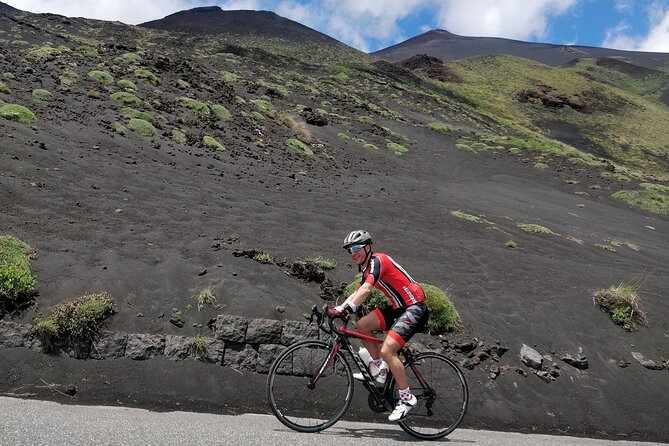
After reaching Rifugio Citelli, the tour includes a downhill back toward the return area. Descents can be fun, but they also change your body. Even if you’re excited for the speed, your thighs and knees may feel strained after climbing that long.
This is where having a guide helps again. On volcano roads, traffic patterns and road conditions can vary. A guide who knows the route can also manage safe group spacing so nobody gets stressed about riding too close or too far.
If the day runs hot, remember that dehydration can sneak up. Even if you think you drank enough, take a moment on the descent to check how you feel. A steady pace and smart recovery beats a last-minute sprint every time.
Pacing, heat, and what to pack for a 4 hour Etna effort
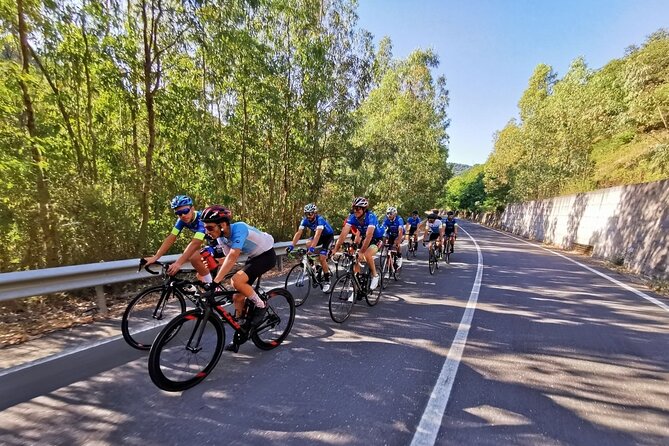
This ride asks for moderate physical fitness, and “moderate” here should not mean “casual.” You’re climbing significant vertical, and you’ll likely spend a chunk of the ride working at a steady effort. One rider described riding in very hot conditions, and the guide’s fluid support helped a lot.
Here’s what I’d bring, based on how this style of climb typically plays out:
- Snack backup in case you personally need more fuel than water alone
- A plan for hydration, not just a hope you’ll drink enough during stops
- Light layers for temperature changes as you gain altitude
One more pacing tip I strongly recommend: if you’re comfortable at long climbs but not at steep accelerations, tell your guide early. Riders who were patient with their own conditioning tended to finish stronger. If you want to avoid cramps near the end, don’t let group tempo pull you into a higher effort than you can sustain.
Value for money: why this price can make sense on Etna
The price is listed at $162.03 per person for about 4 hours. That can sound high if you compare it to self-guided riding, but self-guided Mt. Etna cycling has real costs: navigation stress, time lost finding parking or safe turnoffs, and the risk of pacing yourself poorly.
Here, you get a private guide, full carbon road bike, helmet, and included pedals, plus a small group structure. For a volcano climb, that’s not just convenience. It’s risk management and time efficiency, and it’s why I think the value works for most riders who want to do Etna without extra headaches.
Guides and group dynamic: how this stays enjoyable for different fitness levels
A lot of Mt. Etna rides attract riders with different climbing strength. The best tours handle that with regroup points and sensible pacing.
I liked what stood out in real guide behavior from multiple names tied to the experience: Greta was described as very patient with a slower rider, Luigi combined strong organization with fluid support, and Marco kept things smooth while staying informative. Leonardo was also named in one account, where the main feedback was more about planning expectations, like bringing extra food and making sure the group pace matches each rider’s conditioning.
For you, the practical takeaway is simple. If you want to enjoy Etna rather than just survive it, use the pre-ride chat to calibrate your pacing. A good guide will help you stay in the ride, not sprint to the front and crack.
Who should book this Mt. Etna cycling tour?
This tour is a strong match if you:
- Want a guided road bike climb on Mt. Etna with small group energy
- Have moderate fitness and feel comfortable riding sustained uphill gradients
- Like structured days with clear goals, warm-up, climb segments, and an endpoint at Rifugio Citelli
- Prefer not to handle navigation, road decisions, and regrouping on your own
It may not be the best fit if you:
- Are new to road biking and want something purely easy
- Need very low gears and are concerned the bike gearing might feel hard
- Expect frequent fueling stops beyond water, like a full snack-lunch rhythm
Should you book the Etna Bike Tour?
If you’re excited by a real road cycling challenge with strong support, I’d say book it. This is exactly the kind of experience that benefits from a guide and a small group, because the route includes major climbs, clear targets, and the reward of coffee and cake at Rifugio Citelli.
Just go in with the right mindset. Bring your own extra snacks, plan hydration, and set a realistic pace from the first warm-up miles. If you do that, you’ll come away with an Etna climb you actually remember for the ride, not for the stress.
FAQ
How long is the Etna bike tour?
It lasts about 4 hours.
Where does the tour start?
The meeting point is Via Recanati 26, 98035 Giardini Naxos ME, Italy.
What is the maximum group size?
The tour has a maximum of 8 travelers.
What fitness level do I need?
The tour is listed as suitable for travelers with moderate physical fitness.
What bike and safety gear are included?
You get a full carbon road bike and a helmet.
Are pedals included, and can I choose them?
Yes. The tour includes pedals, and the listing states flat pedals. It also notes Shimano and Look.
Is private transportation included?
No, private transportation is not included.
What language is the tour offered in?
It is offered in English.
What is the weather requirement?
The experience requires good weather. If it is canceled due to poor weather, you will be offered a different date or a full refund.
What are the cancellation terms?
You can cancel for a full refund if you cancel at least 24 hours before the experience starts. If you cancel less than 24 hours before, the amount you paid will not be refunded.
More Cycling Tours in Sicily
More Tours in Sicily
More Tour Reviews in Sicily
Not for you? Here's more nearby things to do in Sicily we have reviewed





Mount Etna Volcano Tours, compared.
 ★ 4.8Catania: Mount Etna Morning or Sunset Day Trip with TastingFrom $704,028 reviews
 ★ 4.7Mount Etna: Guided Volcano Summit Hiking Tour with Cable CarFrom $1243,784 reviews
 ★ 4.8Catania: Sunset Jeep Tour of Mount Etna and Lava Flow CavesFrom $712,113 reviews
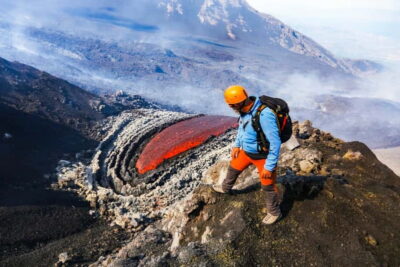 ★ 4.7Mount Etna: Trek to 3000m with cable car and jeepFrom $621,978 reviews
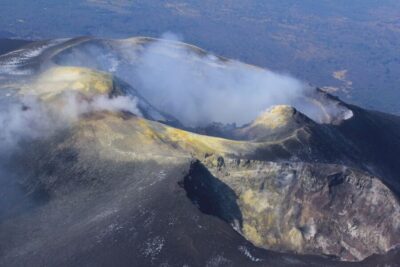 ★ 4.8Mount Etna: Summit Crater Trek with Cable CarFrom $771,875 reviews
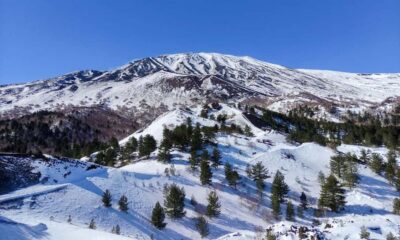 ★ 4.8Etna and Alcantara Gorges Full-Day Tour with LunchFrom $1051,766 reviews
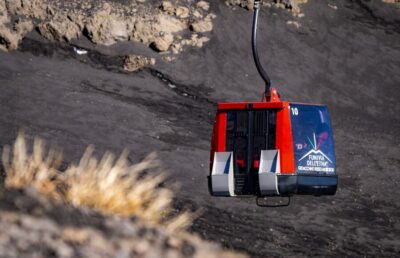 ★ 4.3Mount Etna: Roundtrip Cable Car and 4×4 Bus TicketFrom $971,602 reviews
 ★ 4.7Etna Volcano: South Side Guided Summit HikeFrom $671,545 reviews
Browse the lists this tour appears in