
Reviewed · MOUNT ETNA VOLCANO TOURS
Etna Special Dawn Excursion
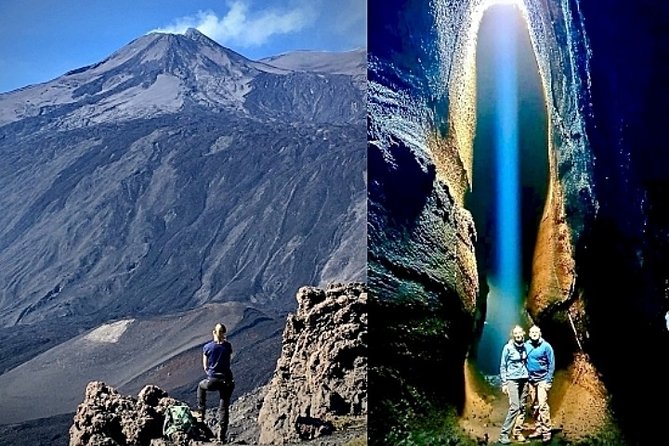
Dawn on Etna starts before your alarm. This 4:00am trek from Rifugio Citelli, led by Etna3340, is built for real volcanic walking, not a quick photo stop. You hike in a guided group with safety gear and a route chosen on the day for conditions and fitness.
I love how the guide adapts the effort in real time, including the vertical drop (often 300 to 1,100 meters) and whether you can push high up toward Pizzi Deneri. And you get something you do not get on “easy Etna” days: big, early light over the craters, where the terrain really feels otherworldly.
The one drawback is simple: this is not a casual hike. It asks for strong physical fitness, it can involve steep, rugged walking, and lunch or breakfast are not included, so you need to plan your energy.
Key things I’d highlight before you go
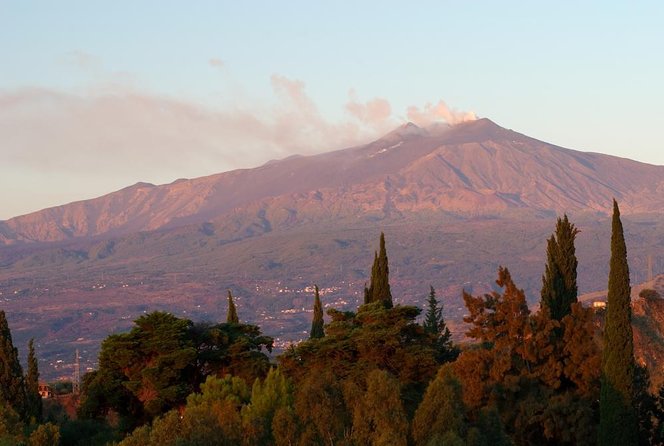
- North side focus for high altitude goals: the day’s plan is aimed at reaching as high as possible near Pizzi Deneri.
- A guide who changes the route on the spot: distance (6 to 12 km) and vertical drop (300 to 1,100 m) depend on weather and volcano activity.
- Dawn start with night walking needs: you’ll be moving before sunrise, with helmets and headlamps used for visibility.
- Descent on volcanic sand: expect sand underfoot on the lower parts, which affects pacing and footing.
- Small group size (max 8): fewer people usually means you can keep your head in the hike, not in crowd control.
- Safety and gear included: sticks, helmet, backpack, and k-ways are provided.
Why this Etna dawn hike feels different from most Etna tours
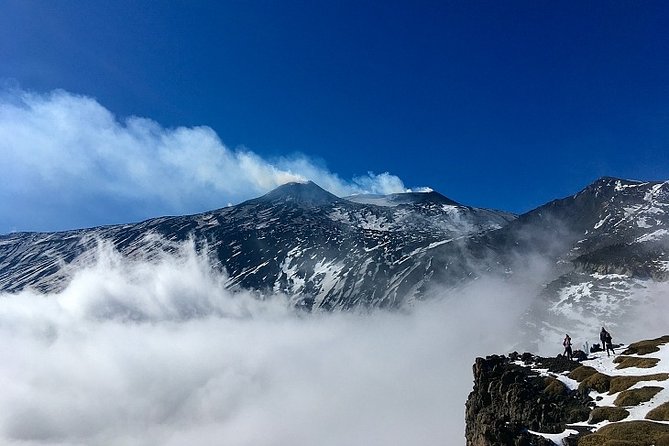
Etna at dawn hits different. The timing matters. When you’re climbing in the dark and then watching sunrise arrive higher up, you get a slow shift from cold, quiet air to warm light that turns the volcanic ground dramatic.
This tour also has a practical edge: you are not on a fixed route no matter what. The guide decides the difficulty based on Etna’s current conditions and your group’s sporting level. That matters on an active volcano, where access can change and altitude limits can apply.
Finally, it is a geology lesson you actually do with your legs. The guides behind Etna3340, including people like Antonio, Andrea, Sofia, and Gino, are known for explaining what you are seeing in clear, down-to-earth terms, with safety in mind and plenty of real anecdotes.
You can also read our reviews of more tours and experiences in Sicily.

Meeting at Rifugio Citelli and starting at 4:00am
Your morning begins fast. You meet at Rifugio Citelli on Via Mareneve, in Sant’Alfio (CT), with a 4:00am start. That early meeting time is not just for drama. It gives you a chance to climb before full daylight and catch the moment when sunrise lights up the higher slopes.
Because you are going out so early, you should expect cold at the start, then milder conditions as the sun rises. In past seasons, the start has been described as chilly and a bit windy, then warmer once the sun comes up. Dress for layers you can manage, not one single outfit you regret in the first 15 minutes.
You’ll also be in a small group, with a maximum of 8 travelers. That helps because the guide can actually match the pace to the slowest person, instead of herding everyone at a tourism speed.
The route the guide chooses: vertical drop, distance, and rugged ground
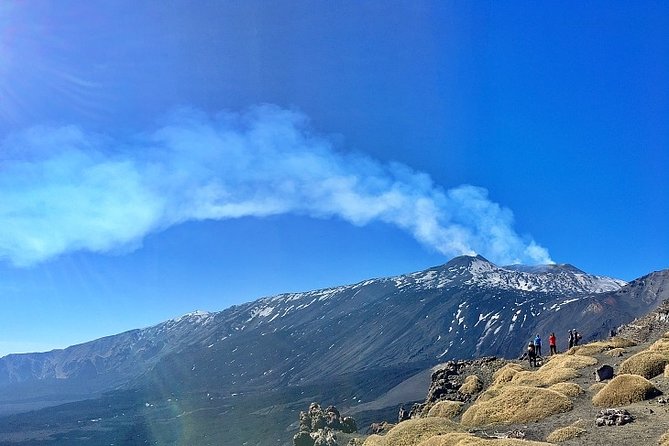
Here’s what makes this hike feel “serious,” in a good way. The route is not a gentle walk through a paved viewpoint trail. It’s rugged, steep in places, and often described as a lunar-like environment.
Your hike typically falls in these ranges:
- Time: about 5 to 7 hours, depending on conditions
- Distance: about 6 to 12 km
- Vertical drop: about 300 to 1,100 meters
- Altitude range: from around 1,800 meters up to as high as 2,847 meters
The key point is that the guide decides the plan during the excursion, and not from a desk the night before. They align the itinerary with the slowest participant and may shorten the distance or limit the maximum altitude if conditions require it or if altitude access limits apply.
That flexibility can be frustrating if you love strict itineraries, but it’s also the reason this tour is one of the best ways to see Etna on the North side when access is possible. The goal is to get up near Pizzi Deneri (2,847 m) when the day allows it, positioned near the foot of the imposing summit area on the North-East side.
What you’ll do as the hike unfolds, step by step
Think of the day as a climb, then a long descent in volcanic sand, with sunrise and crater views layered on top.
The night portion: get moving with real visibility
Because the start is at 4:00am, you are hiking before full sunrise. You’ll rely on your guide’s safety setup, and you should expect headlamps to be used so you can see your footing on uneven, volcanic ground.
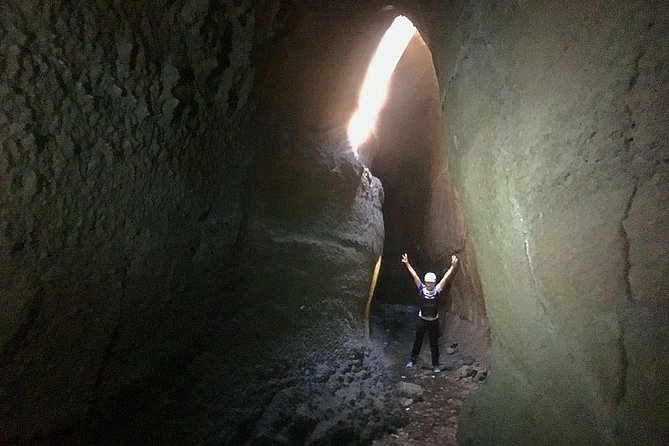
In some versions of the hike, a lava tunnel visit can happen when conditions and access allow. If that is part of your route, it’s a good moment to slow down and focus, since tunnels and dark spaces are not where you want to rush.
The ascent: steep, rugged walking and constant route reading
As you climb, the terrain stays uneven. This is where your cardio and balance matter. The guide constantly reads the ground, the wind, and the volcano activity level.
If you are the type who gets nervous on steep slopes, take comfort in the fact that the guide’s whole job here is adapting. The plan is not to “beat” Etna, it’s to move safely while still getting you the best possible views that day.
Sunrise and the higher viewpoints
Sunrise is the headline. People describe the sunrise view over the sea at altitude as almost silent and surreal, with a feeling of being far from everything. When the sky clears, the colors shift fast, and suddenly you can see why Etna has drawn artists, scientists, and dreamers for centuries.
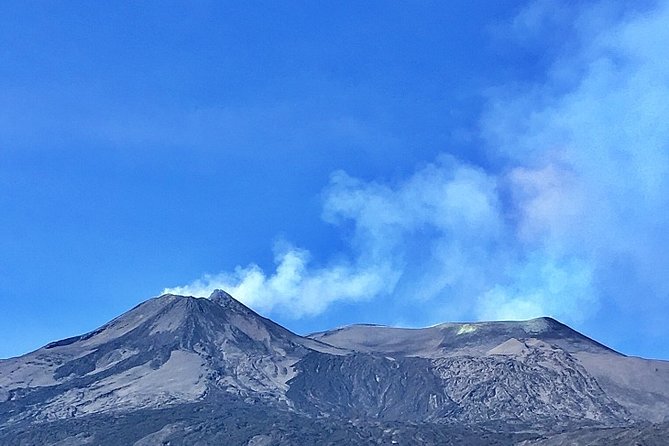
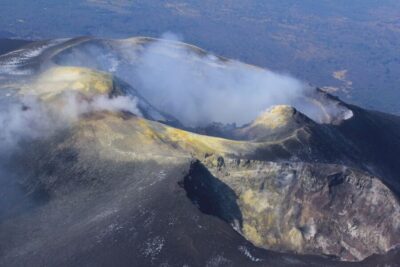
This hike is aimed at the North-East crater area from the North side, so you’re not just looking at a mountain in the distance. You’re getting positioned in the terrain where you can appreciate the scale of the summit zone.
The descent: where the sand changes everything
After the high point, you descend. And the descent is often on volcanic sand. That sounds simple until you do it. Sand changes how your feet grip, how your ankles feel, and how your pacing works.
For this reason, I strongly recommend walking poles if you have them. Your tour provides sticks, but you still need to use them well. Shorter steps help. Stay light on your feet. Treat it like controlled hiking, not a running descent.
Guides and safety: what’s included and why it matters on an active volcano
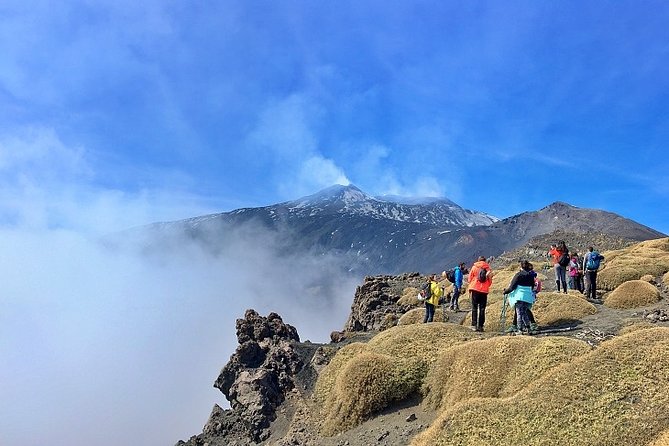
This is one of those tours where the gear is not just “nice to have.” Etna is active and conditions can change. That means safety gear and guide knowledge are not optional extras.
What’s included:
- sticks
- helmet
- backpack
- k-ways (rain protection)
On the night portion, guides also provide equipment like helmets and headlamps, so you can move safely in low light. In past groups, Antonio, Sofia, Andrea, and Gino have been specifically praised for professionalism, attentiveness, and making sure everyone feels safe and comfortable.
The biggest safety benefit is not the helmet. It’s the guide’s decision-making. Because the itinerary and maximum altitude can change during the hike, you want someone who is calm and flexible, not someone who is locked into a rigid plan. That adaptability is repeatedly called out as a strength.
The pace question: what to expect if you get tired or slower
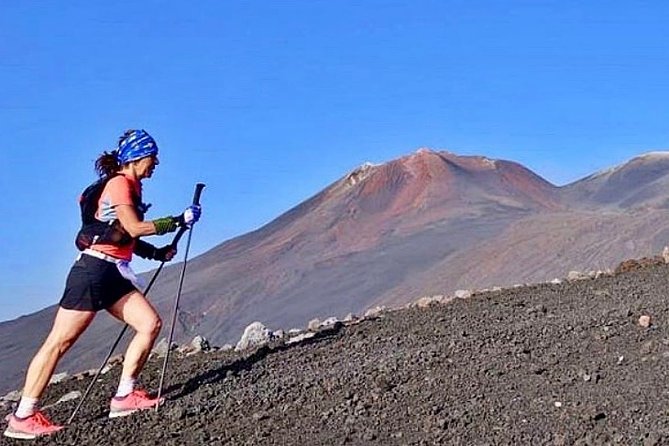
I’m going to be straight with you. Most people who love this excursion love it because it feels focused, challenging, and rewarding. But a few people have flagged a possible issue: the hike can feel too fast if breaks are minimized.
The tour design is meant to keep the pace aligned with the slowest participant. Still, the terrain and the excitement of the moment can push energy levels higher than ideal. If you have any doubt about your stamina, tell your guide early. Your group size is small, and guides can adjust.
Practical pacing advice from my perspective:
- Start conservative. You are hiking in the cold early on, then you warm up. Overdoing the first stretch is a common way to suffer later.
- Don’t ignore footing. On volcanic sand, speed is the enemy of stability.
- If you need a sip of water, ask. Hydration matters when you are moving for hours.
Price and value: is $157.57 worth it?
For about $157.57 per person, you are paying for a guided hike in rugged volcanic terrain, for hours, with included safety gear. You are also paying for the guide’s flexibility, which includes adjusting altitude and distance based on real-time conditions.
Is it cheap? No. But you are not paying for a bus ride and a short stroll.
You do need to factor in what is not included:
- breakfast and lunch are not included
That means the real cost is your planning. Pack or plan food for before the hike and bring what you need for your personal energy strategy. If you show up unprepared, you can end up paying extra in the moment, and nobody enjoys that.
Where the value gets strong is for active travelers who want Etna more like a hike than a museum. If you’re fit enough for steep, rugged walking and you care about seeing Etna at high altitude toward Pizzi Deneri, the price starts to make sense.
Who this Etna Special Dawn Excursion is best for
This tour is best for:
- travelers with strong physical fitness
- people who like steep, rugged walking and can handle volcanic sand
- anyone who wants a sunrise experience, not just a daytime viewpoint
- small-group travelers who prefer less crowd noise and more guide attention
It can also fit into family travel, since the minimum age is 12. However, because it’s demanding, I would only bring kids if they are truly comfortable with sustained uphill effort and they can follow safety instructions without rushing.
If you want an easy Etna day, or if you have mobility limits, this one is likely not the right fit based on the required fitness level and rugged course.
Should you book the Etna Special Dawn Excursion?
I’d book it if you check these boxes:
- You can handle a long hike, about 5 to 7 hours.
- You are comfortable with steep and uneven terrain.
- You want the best chance at high North-side views near Pizzi Deneri and a real sunrise moment.
- You like learning from guides who explain the volcano in a practical way, not just recite facts.
I would skip or look for an easier Etna option if:
- you are not confident with early starts and cold, dark walking
- you want a casual pace with lots of breaks by default
- you don’t want to manage food needs since breakfast and lunch are not included
If you do book, prepare for a hike that feels like a serious adventure, then plan your recovery after. Your legs will know it, but the payoff is the kind of Etna morning that sticks with you.
FAQ
How long is the Etna Special Dawn Excursion?
It runs for about 5 hours, and the hiking itself is described as roughly 5 to 6 hours on rugged routes. The exact timing can vary depending on route, altitude limits, and conditions on Etna.
What time does the tour start?
The start time is 4:00am.
Where do we meet?
You meet at Rifugio Citelli, Via Mareneve, 95010 Sant’Alfio (CT), Italy. The tour ends back at the same meeting point.
How difficult is the hike?
It requires strong physical fitness. The hike can include steep slopes and rugged walking on a lunar-like volcanic terrain, with a vertical drop of about 300 to 1,100 meters and a walking distance of about 6 to 12 km, depending on the day.
Is breakfast or lunch included?
No. Breakfast and lunch are not included.
What safety gear is included?
The excursion includes sticks, a helmet, a backpack, and k-ways (rain protection). Headlamps are used for low-light night portions based on how the hike is described in guidance and equipment notes.
What altitude can the hike reach?
The route is decided on the day, but it can go from around 1,800 meters up to a maximum of 2,847 meters above sea level, depending on conditions and access limits.
Is there a minimum age?
Yes, the minimum age to participate is 12 years old.
What happens if Etna conditions or weather make the hike unsafe?
This experience requires good weather. If it’s canceled due to poor weather, you’ll be offered a different date or a full refund.
What is the cancellation window for a full refund?
You can cancel up to 24 hours in advance for a full refund, based on the experience’s local time.
More Tours in Sicily

More Tour Reviews in Sicily
Not for you? Here's more nearby things to do in Sicily we have reviewed






Mount Etna Volcano Tours, compared.
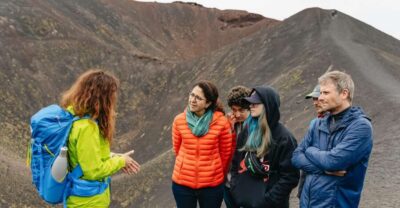 ★ 4.8Catania: Mount Etna Morning or Sunset Day Trip with TastingFrom $704,028 reviews
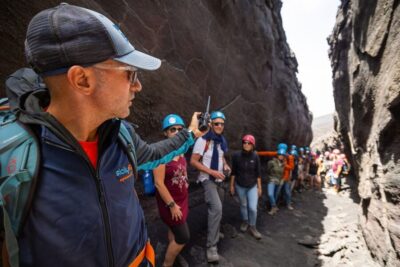 ★ 4.7Mount Etna: Guided Volcano Summit Hiking Tour with Cable CarFrom $1243,784 reviews
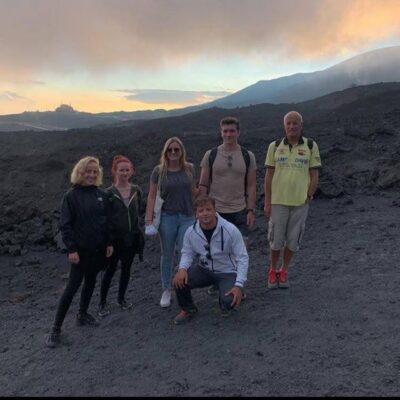 ★ 4.8Catania: Sunset Jeep Tour of Mount Etna and Lava Flow CavesFrom $712,113 reviews
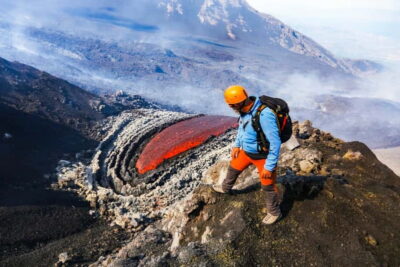 ★ 4.7Mount Etna: Trek to 3000m with cable car and jeepFrom $621,978 reviews
 ★ 4.8Mount Etna: Summit Crater Trek with Cable CarFrom $771,875 reviews
 ★ 4.8Etna and Alcantara Gorges Full-Day Tour with LunchFrom $1051,766 reviews
 ★ 4.3Mount Etna: Roundtrip Cable Car and 4×4 Bus TicketFrom $971,602 reviews
 ★ 4.7Etna Volcano: South Side Guided Summit HikeFrom $671,545 reviews