
Reviewed · MOUNT ETNA VOLCANO TOURS
Etna Sud tour
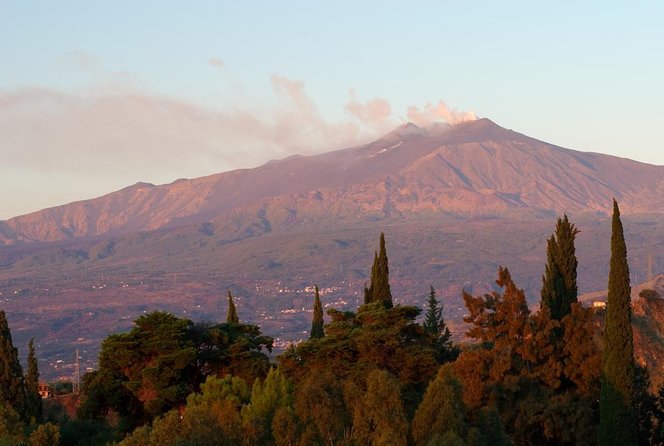
2700 meters on Etna feels unreal. This Etna Sud tour takes you into the volcano’s southern areas, with a cableway ride up past extinct craters and newer lava fields, plus time in Valle del Bove for big views. You also get stops tied to caves and hot-crater terrain, so it is not just look-from-a-distance sightseeing.
I love the small group format, capped at 10 people, which helps you hear the guide and move at a human pace. I also love that the route climbs to about 2000 and 2700 m, where you can actually see how life survives at the edge, including the rare plants that manage extreme cold, heat, wind, and dry ground.
The main drawback to plan for is physical and weather reality. You need moderate fitness, and hiking at this altitude is not permitted for women over 3 months pregnant. Also, the tour requires good weather, so you might need a different date if conditions are poor or if conditions change near the upper areas.
Quick hits before you go
- Small group, maximum 10 travelers means more personal guiding on busy Etna days.
- Cableway up to about 2000 to 2700 m puts you where the geology is obvious, not just theoretical.
- Lava bombs and fresh lava fields are part of what you learn to spot during the climb.
- Rare high-altitude plant life is something you discuss where it actually grows.
- Valle del Bove stop is 1 hour and includes a free admission segment.
- Mobile ticket keeps everything simple once you arrive at Nicolosi.
How the day starts near Nicolosi (and why the meeting matters)
The tour meets at Ristorante La Cantoniera Etna in Nicolosi, right by P.le Cantoniera. The timing window is Monday to Sunday from 9:00 AM to 9:30 AM, so you’ll want to plan your morning based on that. Once you check in, the day is structured so you reach the higher zones in daylight, when views and visibility are at their best.
Etna days run on logistics, not just romance. If you’re staying in Catania or nearby, build in buffer time for the drive up the volcano roads. That way you don’t arrive frazzled, because the day includes a lot of time where your breathing and legs will notice the altitude.
The tour ends back at the same meeting point. That sounds basic, but it matters: it reduces stress and helps you sync your schedule for lunch and the rest of your Sicilian day.
Another practical plus: confirmation comes within 48 hours of booking, if there is availability. So if you’re traveling in shoulder season or juggling other plans, you get enough time to adjust your schedule without guesswork.
You can also read our reviews of more tours and experiences in Sicily.
Riding the cableway to Etna’s upper zone
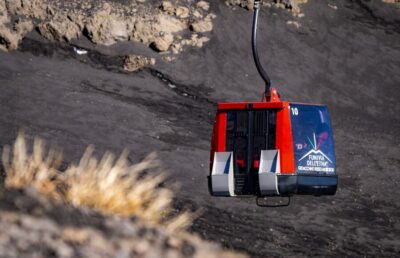
Your first big phase starts once you reach the ski station area. From there, you go up the volcano slope by cableway. This is one of the smartest parts of the tour for many people. It trades some grinding uphill for getting you to the altitude where the geology and the extreme-environment plants are actually visible.
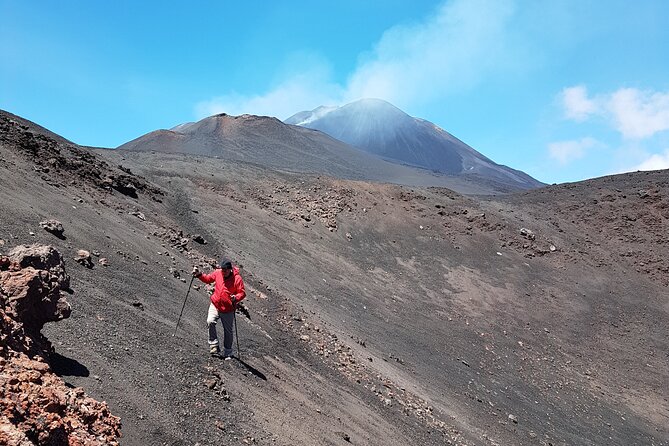
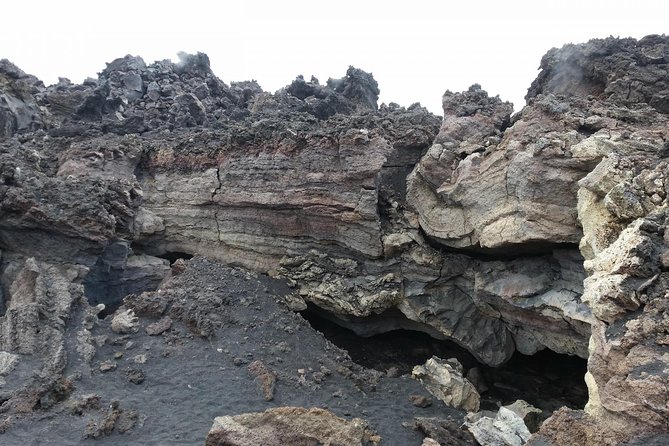
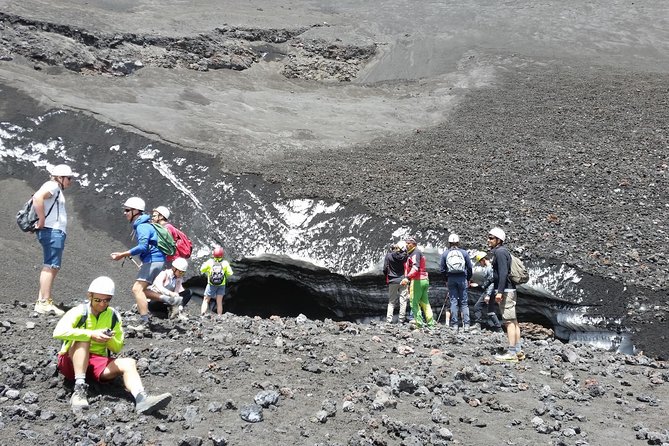
As you climb, you move through layers of Etna’s story. At the higher elevations, you come across old extinct craters and also lava fields from more recent eruptions. That contrast is what makes Etna feel like a living museum. The ground is not a single uniform “volcano rock.” It’s different textures, different ages, and different colors that tell you where lava flowed and what conditions were like.
Around the 2000 m and 2700 m zones, the guide points out the plants that survive where conditions are brutal. Think extreme temperatures in both winter and summer, dry soil, and strong wind. You are not walking through a forest garden. You’re learning to recognize life that has adapted to a place that constantly tries to erase it.
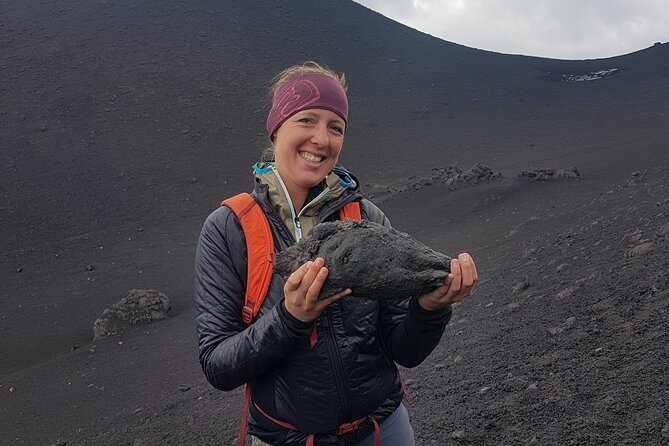
One neat detail: you learn to look for lava bombs, rounded rocks that differ in color and density compared to the surrounding material. It’s one of those “once you know, you can’t unsee it” observations. Even if you’re not a geology nerd, it makes the landscape feel less random and more readable.
Mount Etna terrain: craters, lava colors, and what to look for
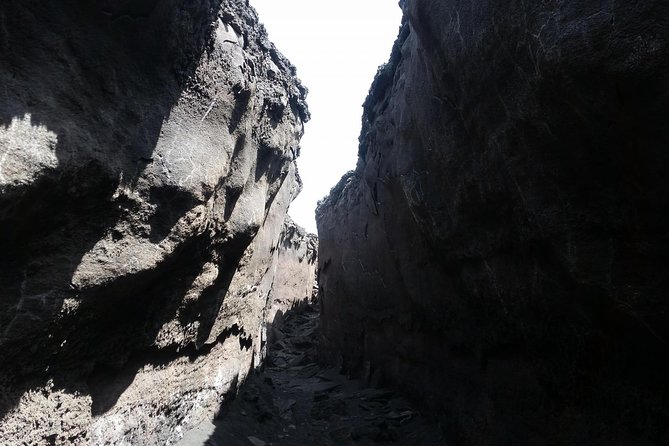
At the highest accessible parts of the day, the setting becomes stark. Craters and solid lava flows show shades of black, grey, and red, and vegetation is scarce. That’s not a disappointment. It’s the point. Etna’s ongoing activity prevents normal plant growth patterns from taking hold.
You’ll spend time observing how volcanic material changes from one patch to the next. Pay attention to color shifts and rock textures, because those are often the clues the guide uses to explain what happened and when. If you like learning by sight, this part lands well.
If you’re into the science side, you’ll probably enjoy how the guide ties together eruption history and what you see today. Some guides, like Claudio, have a background in explaining Etna’s geology clearly, and he is noted as speaking German, Italian, and English. That matters on a volcano day. Small details can get lost fast if you can’t ask questions or if explanations get too technical.
Also, don’t treat it as pure standing around. The day involves enough walking and changing elevations that you should wear footwear that’s comfortable on rocky, uneven ground. This is why “moderate fitness” is not a random label. You’ll feel it, even if you’re not doing a hardcore hike.
Valle del Bove in one hour: the view stop that balances the day
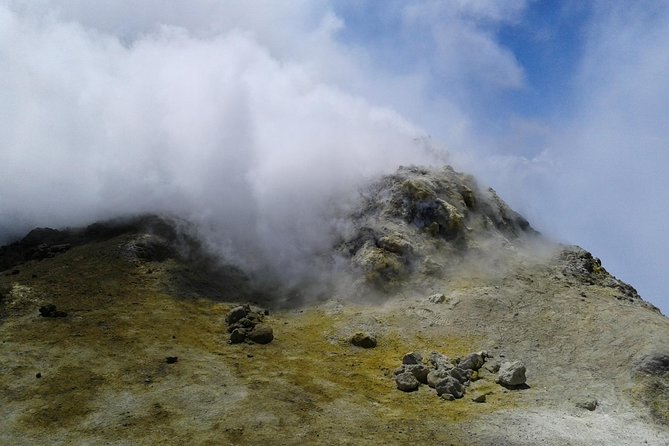
After the Etna ascent time, the itinerary brings you to Valle del Bove for about 1 hour. The attraction here is obvious: you go for the amazing view. But it’s not just a photo break. This is where the volcanic structure starts to “click” in your head.
Why? Because once you’ve been surrounded by craters and lava texture up high, it helps to step back and look at the bigger shape of the terrain. Valle del Bove gives you that wider context. It’s a chance to connect the rocks you studied with the larger valley form, and to understand how Etna’s eruptions have shaped the geography.
The admission at this stop is listed as ticket free, which is a nice small value bonus. More importantly, it keeps the day moving without extra paperwork steps.
Plan on spending your hour actively. Bring your eyes for the terrain lines. Look for where the valley walls cut across the material. If your guide points things out, follow their cues. This is one of those stops where listening slightly improves the scenery ten times over.
Guides and small-group dynamics: why this tour feels different
Etna can be chaotic if you do it on your own. Signs change, access changes, and the language barrier can make you miss the best explanations. This tour’s small group size helps with all three.
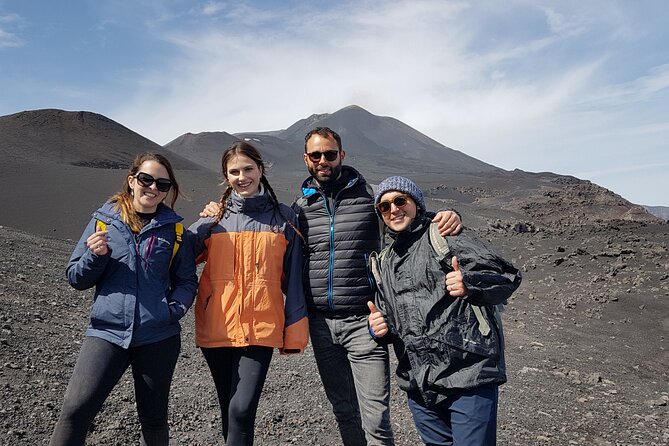
With a maximum of 10 travelers, you get a better chance to ask questions and to hear answers. In the past, guides such as Giuseppe, Claudio, Christian, Sebastian, and Gianpaolo have led tours, and the consistent theme in their guidance is clear, detailed explanation. If you’re traveling with friends who want both views and facts, this format often satisfies both.
I especially like how guides shape what you notice. You start the day thinking volcano equals lava and smoke. By the time you reach the high zones, you’re looking for plants that survive extreme conditions, tracking differences between lava flows, and spotting rounded lava bombs that tell you about explosive activity.
There’s also a safety element that comes from doing a guided day with a clear pace. The tour asks you to share special needs in advance, including allergies, heart disease, pressure problems, and walking difficulties. That tells you they plan for real bodies, not just theoretical hikers. I appreciate that kind of practical attention on a volcano, where conditions can change quickly.
What you’ll realistically pack for a 6 to 7 hour Etna day
This tour runs about 6 hours (with it described as 6 to 7 hours overall). That’s a long chunk of time at high altitude, and the day starts early enough that you might not have eaten enough if you forget breakfast.
Pack for a day that mixes cableway movement and walking on rough ground. Comfortable shoes matter. Layers matter even more. At the higher elevations, it can feel colder or windier than you expect, and the guide’s talk about plants at 2000 to 2700 m is your hint that this is real extreme-condition terrain.
Don’t forget sun protection. High altitude plus strong Sicily sun is a combo that can sneak up on you. Even if you think you’ll shade under a jacket, the bright, open volcanic zones don’t play along.
If you’re sensitive to altitude, go easy with exertion. The tour is not a gentle stroll, but it’s also not a marathon. Listen to your body, take breaks when the group stops, and hydrate.
If you’re traveling with anyone who has health conditions, the tour asks you to tell them in advance about things like allergies or heart and pressure issues. Do that early, before the day, so the guide can tailor the pace and plan.
One more “pack it mentally” tip: the itinerary can shift depending on activity and access. One past tour story mentioned that upper areas were closed due to eruption activity, but the day was still special with the guide adjusting what was possible. So if Etna is active, keep a flexible mindset.
Price and value: what $271.76 is buying you
At $271.76 per person, this is not a budget grab. The value is in three places.
First, you are paying for getting to altitude with cableway access and guided interpretation of what you see. You’re not just collecting photos. You’re learning how to read lava colors, recognize lava bombs, and understand why only a few plant species survive at 2000 to 2700 m.
Second, you’re buying time efficiency. A volcano day that climbs into the high zones tends to eat half a day or more even when you self-plan. Here, the structure is built so you hit the meaningful points without wasting your morning.
Third, you’re buying a small-group experience. A group capped at 10 changes the quality of attention. If you care about explanations and you want time for questions, that’s where the money goes.
Is it worth it? If you want the volcano day without the stress of figuring out what to see and how to interpret it, yes. If you just want a quick scenic stop and you don’t care about geology or plants, you might decide this is more than you need.
Should you book the Etna Sud tour?
Book it if you want a guided Mount Etna day that reaches the key upper zones, includes time for Valle del Bove views, and teaches you how to notice details on volcanic ground. I also think it’s a strong pick for travelers who like small-group pacing and clear explanations, especially since guides such as Claudio, Giuseppe, Christian, and Sebastian have a track record of sharing information in a way that makes the day feel grounded, not random.
Skip it or switch plans if you can’t do moderate walking, if altitude limits your comfort, or if you are in the pregnancy window where hiking at this altitude is not permitted. Also consider whether you’re flexible enough for a weather-dependent tour. When conditions are poor, the tour may need to change dates.
If you do book, plan your day around being outside for hours. Bring layers, solid shoes, and sun protection. Then show up ready to look closely at a place that changes faster than your camera settings.
FAQ
Where is the Etna Sud tour meeting point?
The tour meets at Ristorante La Cantoniera Etna, P.le Cantoniera, 95030 Nicolosi CT, Italy.
What time does the tour start?
The available start window is 9:00 AM to 9:30 AM, Monday through Sunday.
How long is the Etna Sud tour?
The tour runs about 6 hours, with the overall duration listed as approximately 6 to 7 hours.
What group size should I expect?
This tour has a maximum of 10 travelers.
What ticket type do you use?
You get a mobile ticket.
What can I expect on the main Mount Etna part of the tour?
You reach the volcano slope by cableway from the ski station area, passing old extinct craters and lava fields from more recent eruptions, with time around about 2000 m and 2700 m.
Is Valle del Bove included, and how long is it?
Yes. Valle del Bove is included for about 1 hour, and admission at this stop is listed as free.
Is the tour okay for everyone physically, and does pregnancy matter?
You should have moderate physical fitness. Hiking at this altitude is not permitted for women over 3 months pregnant.
What if the weather is bad or I need to cancel?
The experience requires good weather. If it’s canceled due to poor weather, you’ll be offered a different date or a full refund. You can also cancel for a full refund up to 24 hours before the experience starts.
More Tours in Sicily

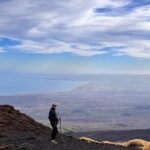
More Tour Reviews in Sicily
Not for you? Here's more nearby things to do in Sicily we have reviewed




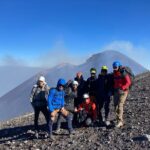


Mount Etna Volcano Tours, compared.
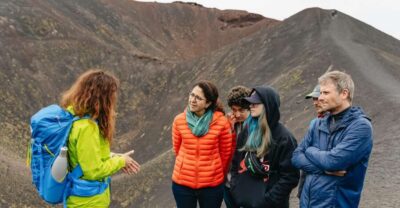 ★ 4.8Catania: Mount Etna Morning or Sunset Day Trip with TastingFrom $704,028 reviews
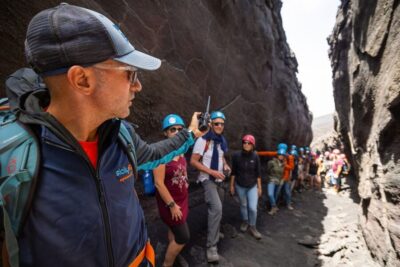 ★ 4.7Mount Etna: Guided Volcano Summit Hiking Tour with Cable CarFrom $1243,784 reviews
 ★ 4.8Catania: Sunset Jeep Tour of Mount Etna and Lava Flow CavesFrom $712,113 reviews
 ★ 4.7Mount Etna: Trek to 3000m with cable car and jeepFrom $621,978 reviews
 ★ 4.8Mount Etna: Summit Crater Trek with Cable CarFrom $771,875 reviews
 ★ 4.8Etna and Alcantara Gorges Full-Day Tour with LunchFrom $1051,766 reviews
 ★ 4.3Mount Etna: Roundtrip Cable Car and 4×4 Bus TicketFrom $971,602 reviews
 ★ 4.7Etna Volcano: South Side Guided Summit HikeFrom $671,545 reviews