
Reviewed · MOUNT ETNA VOLCANO TOURS
Etna, Summit Craters
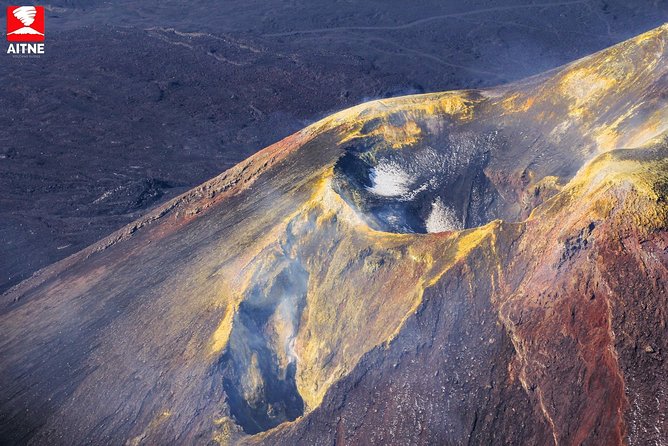
Etna is the view, and the work. This half-day hike takes you up into Sicily’s active-volcano zone, from the Torre del Filosofo area to the crater rims where you can spot Bocca Nuova and chase 360-degree summit views. I like that you get a real crater itinerary, not just a quick walk on the outskirts.
Two things I’m genuinely happy about: you’re given hiking equipment (trekking boots, jacket, helmet), so you can travel lighter, and the route focuses on major Etna features like the Voragine and the North East Crater. One thing to plan for though, the “Etna summit hike” price is only part of the story, because the cable car and the 4×4 segment up to 2900 m are excluded.
Guides also matter here, and the operation runs with a small group size (max 15). Still, expect a hike that can feel intense because conditions change fast on an active volcano, with wind and sometimes restricted access to the highest points.
Key Highlights You’ll Feel on This Etna Hike
- Bocca Nuova at 3250 m: an iconic crater rim stop, the kind of place that makes the word volcanic feel personal
- North East Crater reach, up to 3329 m: a steep but short climb to a true high point
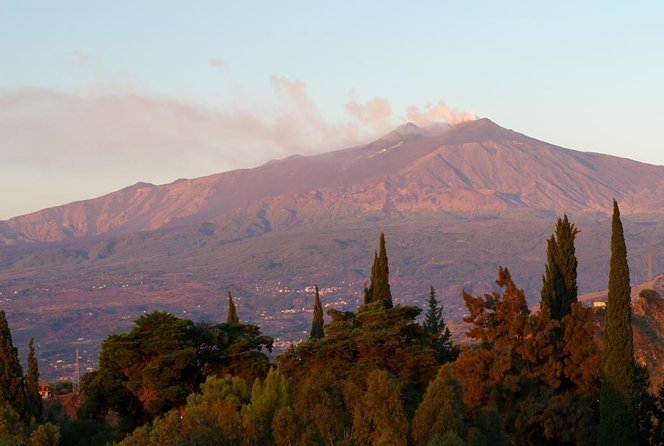
- 360-degree panorama from the crater zone: when visibility is good, you may even catch the Aeolian Islands to the north
- Equipment included: trekking boots, jacket, helmet, plus help from the guide on what to do next
- Transport to 2900 m is extra: the cable car plus 4×4 are excluded and can significantly change your final spend
- Weather and access can shift: the program can change based on volcanic activity and rules on the day
Etna Summit Craters: Why This Hike Feels Different
If you like volcanoes from a museum distance, this is not that. Etna gives you the real thing: ash, scoria, crater rims, and that constant sense that the mountain is alive and paying attention.
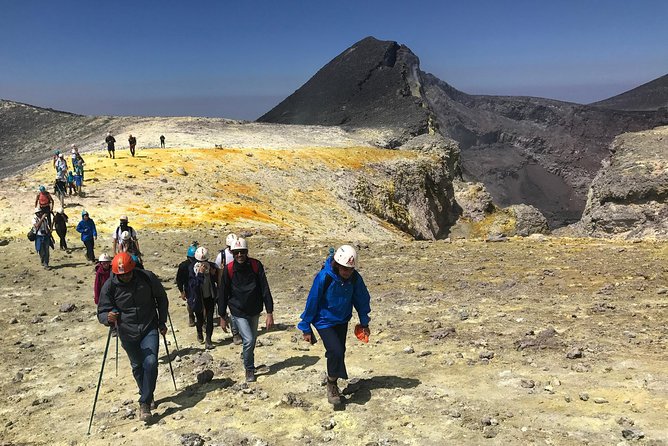
What I like about this specific outing is the flow. You start with a lift by cable car and 4×4 to get you high fast, then you do the walking section where the craters actually live in front of you. The pace is built for a crater hike, not a casual stroll, and the viewpoints make the effort feel earned.
And yes, you can get wind up there. You can also get cold. On top of an active volcano, weather is not a suggestion. It’s a running character in the story.
You can also read our reviews of more tours and experiences in Sicily.
Getting Up: Cable Car and 4×4 to Torre del Filosofo (2900 m)
The day starts with a big altitude push. You take the cable car and then a 4×4 up to about 2900 m in the Torre del Filosofo area. From there it’s about a 1.5-hour uphill walk to the edge of the Central Crater.
Two practical takeaways for you:
1) Because this transport segment is excluded from the base price, don’t assume your ticket is the full bill. Budget extra for the cable car and the 4×4 portion up to 2900 m.
2) If the day is windy or the route changes, you still have a built-in advantage. Getting high early means less time fighting fatigue and more time seeing crater features.
Also, plan for the possibility that payment methods can be picky on the mountain side. Some people report cash being required for the extra transport, so it’s smart to have money ready before you arrive at the starting area.
The First Big Payoff: Walking to Bocca Nuova and the Central Crater Rim
After you leave the 2900 m drop-off point, you work your way uphill for around 1.5 hours to the crater edge. This is where Etna becomes loud without making a sound.
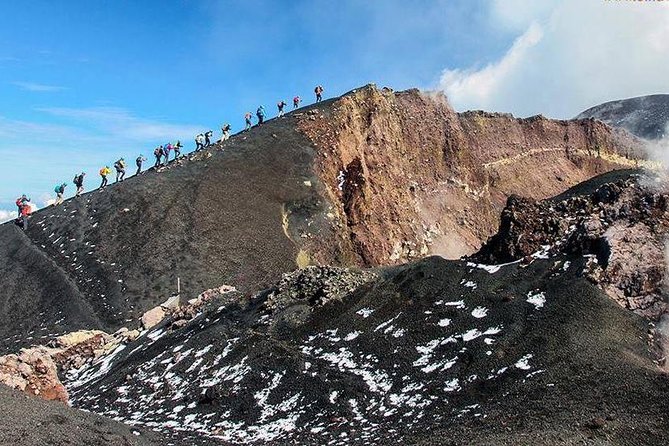
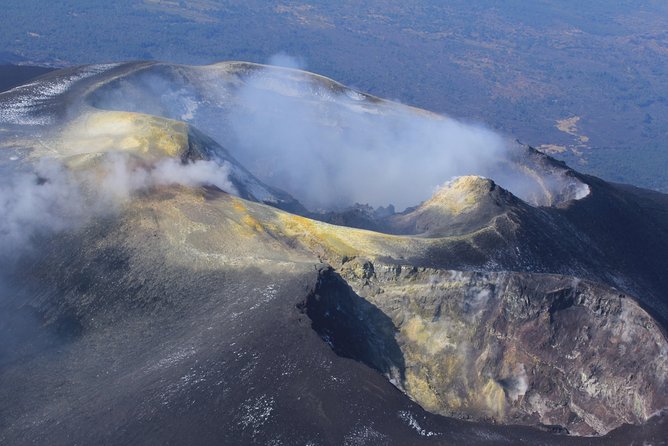
Your key crater moment is Bocca Nuova, located around 3250 m, and it’s often described as one of the most impressive crater sights on the volcano. When you reach the rim, you’re not just looking at a hole in the ground. You’re looking into a system that drives Etna’s activity, including paths for gas, heat, and future changes.
A couple of real-world considerations:
- The rim area can be windy, and winds can make the uphill section feel harder than it looks on paper.
- Visibility matters. If clouds drift in, you might get a more dramatic, moody crater view than a perfectly clear panorama, but you still get the main crater stops.
Around the Craters: Voragine, Then the North East Crater Push
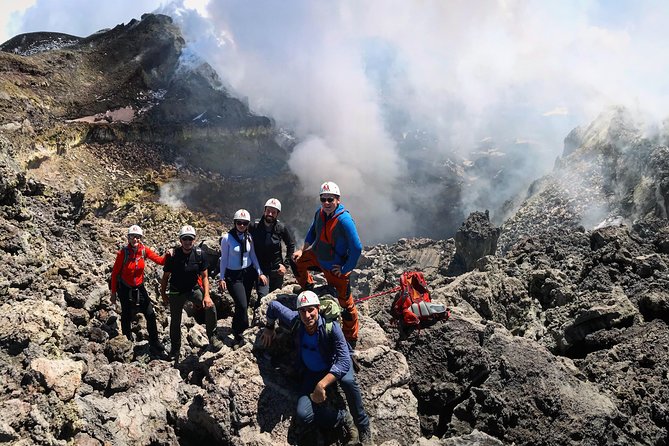
From Bocca Nuova you move around to the edge of the Voragine, often called the heart of the Central Crater. Then comes a steep but short climb to the North East Crater, formed in 1911, reaching about 3329 m.
This is the moment that turns the hike into a summit experience, even though it’s not a long grind to the top. It’s steep, it’s active, and it’s short enough that your legs can recover if you keep a steady pace.
When you reach the top, you can wander for 360-degree views. If the weather cooperates, you can sometimes see the Aeolian Islands to the north. That optional island view is weather-dependent, so don’t build your whole day around it. Still, when it happens, it’s a neat “bonus” that makes the extra height feel worth the transfer.
You’ll also feel the reality of altitude. Even if you’re fit, crater rims can make your breathing work a bit harder.
Valle del Bove Descent: Ash, Scoria, and the Volcano Amphitheater
Then it’s down. The route follows a long descent over ash and scoria on a steep but comparatively easy slope, passing through the Valle del Bove. This is described as a massive volcanic amphitheater, about 8 km long and 4 km wide.
This part is tricky in a different way than the ascent:
- Going down on loose volcanic material works your quads and your balance.
- The ground can be uneven, and footing matters more than speed.
- Wind and shifting weather can also make the descent feel longer than expected.
On some days, the route takes people through the return to the cable car station around 2500 m. Total time varies with conditions, group pace, and any on-the-day adjustments due to volcanic activity.
If you want a simple way to mentally prepare: think of the hike as one main climb, one crater summit-style push, and then a long descent where careful steps beat brave ones.
Equipment, Gear, and What You Actually Need to Pack
One of the best value parts of this experience is that equipment is included. You should expect trekking boots, a jacket, and a helmet as part of the tour.
That matters because it changes what you carry from home. You can show up with normal clothes and let the provided gear handle the mountain basics. Still, you should plan like the mountain can run cold and windy.
Here’s what I recommend you bring, based on the conditions people report:
- A warm layer or hoodie under the provided jacket, because it can be cold even in warmer months.
- A face covering. Gas can be strong at the top, and people suggest using a buff or a mask, often described as an FFP2-type. This is especially helpful when emissions hit your throat and make breathing feel uncomfortable.
- Snacks and water. Don’t treat this like a 2-hour hike. The total day can stretch, so come prepared to eat without panic.
And if you know you’re sensitive to height or altitude pressure, consider staying in a nearby hotel the night before. That little adjustment period can help you feel more human on crater day.
Price and Logistics: Where the Money Changes
The listed price is $84.69 per person, but the tour cost is not the full experience cost. The big extra items are:
- Round-trip cable car
- 4×4 up to 2900 m
Those transport costs are excluded from the base price, and multiple people report that the mandatory transport segment can add a large amount to the bill, sometimes in the range of roughly 60 to 78 euros per person depending on what’s required on the day. Some people also quote the funicular portion alone around 50 euros per person.
So here’s the practical “value math” I’d use if you’re deciding:
- If you already plan to buy the transport anyway and you want a guided route to the crater rims, the guide and equipment can be great value.
- If you hate surprise add-ons, this might feel annoying because the most expensive logistics are not included in the base ticket price.
One more logistics note that can affect your day: some people report that the extra transport payment may be cash-only. Build time for an ATM stop rather than assuming you’ll solve it at the last minute.
Guides, Group Size, and Safety on an Active Volcano
This is a small-group hike with a maximum of 15 travelers. That’s good news because crater terrain is not a place for chaotic lines. It’s also a place where the guide’s decisions affect what you can safely do.
Guide quality shows up in consistent ways in the feedback tied to this outing. People often praise guides like Marco, Vincenzo, Davide, Simone, Fabio, Nino, Giuseppe, Mario, Massimo, and Umberto for:
- pacing that works for the group
- keeping people safe on steep or windy sections
- sharing real information as you move crater to crater
In other words, you’re not just following a route tape. You’re with someone who adapts to conditions.
Also, understand that because Etna is active, the itinerary may adjust. That can mean stopping a bit lower than the absolute highest target, depending on rules in effect that day.
How Wind, Weather, and Summit Access Work in Real Life
This is the part you should take seriously when you’re planning your day.
The program depends on weather and on rules that govern access to crater areas. Sometimes you can reach the published higher points. Sometimes volcanic activity or regulations can restrict access, and you’ll stop around 3000 m or a similar altitude instead of going all the way to the very top.
If this happens, the trip can still be worthwhile because you’ll still see major crater zones, but the “true summit” promise becomes a flexible target. That’s why it’s smart to go in expecting crater time, not a guarantee of the highest step.
Wind is another major variable. If the wind is ripping, the climb can feel harsher and the crater rim can become uncomfortable fast. A good guide helps the group find shelter when possible while still hitting the main sights.
Fitness Level, Altitude, and Who Should Think Twice
The tour asks for moderate physical fitness. In practice, you’re doing:
- a 1.5-hour uphill walk after reaching 2900 m
- a steep but short climb to the North East Crater
- a long descent over ash and scoria
If you’re used to hiking, you’ll probably feel the challenge but manage it. If you’re mostly a city walker, this can test you.
Two “think twice” flags from the provided info:
- This is not recommended for people with asthma problems.
- It’s not designed for everyone who wants a relaxed walk, especially on windy days.
One more practical note: bring a calm mindset. If you feel pressure at altitude, you might make a worse decision. It’s better to be honest about your limits early so the guide can suggest the right approach.
Should You Book Etna Summit Craters with AITNE?
Yes, I think you should consider booking if you want a guided crater hike on one of Europe’s highest active volcano zones and you like the idea of seeing Bocca Nuova, the Voragine, and the North East Crater in one outing.
Book it if:
- you’re comfortable paying extra for the transport segment to get high fast
- you can handle steep walking, uneven volcanic ground, and possible wind
- you’re prepared for the day to change based on rules and volcanic conditions
Skip it or look for an easier Etna option if:
- you have asthma issues
- you want a low-effort hike
- you hate surprise costs and can’t tolerate the idea of the cable car and 4×4 being paid separately
If you do book, show up with a face covering, water, and warm layers. Then let the guide handle the route decisions. On Etna, that’s how you turn a tough hike into the kind of memory you’ll still talk about months later.
FAQ
What does the tour price include for the Etna Summit Craters hike?
The price includes the guide and the hiking equipment, such as trekking boots, a jacket, felapt, and a helmet. The cable car and 4×4 transport up to 2900 m are excluded.
What costs are excluded for getting up to 2900 m?
The round-trip cable car and the jeep or 4×4 up to 2900 m are not included in the $84.69 base price. You should plan to pay for that transport separately on the day.
How long is the Etna Summit Craters hike?
It runs about 5 hours approximately. Actual time can vary based on conditions and group pace.
What fitness level do I need?
You should have a moderate physical fitness level. The hike includes uphill walking, a steep climb to the crater area, and a descent over ash and scoria.
Is this tour recommended if I have asthma?
No. It is not recommended for travelers with asthma problems.
What if access to the very top is restricted due to volcanic activity or weather?
Access can change based on volcanic activity and the rules in effect, so the program may not always reach the very top. In that case, you may be stopped at a lower altitude instead.
More Tour Reviews in Sicily
Not for you? Here's more nearby things to do in Sicily we have reviewed






Mount Etna Volcano Tours, compared.
 ★ 4.8Catania: Mount Etna Morning or Sunset Day Trip with TastingFrom $704,028 reviews
 ★ 4.7Mount Etna: Guided Volcano Summit Hiking Tour with Cable CarFrom $1243,784 reviews
 ★ 4.8Catania: Sunset Jeep Tour of Mount Etna and Lava Flow CavesFrom $712,113 reviews
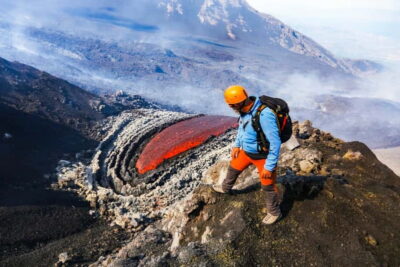 ★ 4.7Mount Etna: Trek to 3000m with cable car and jeepFrom $621,978 reviews
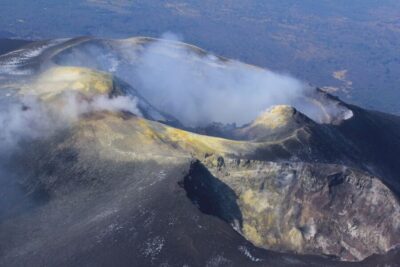 ★ 4.8Mount Etna: Summit Crater Trek with Cable CarFrom $771,875 reviews
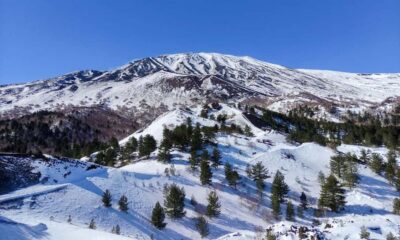 ★ 4.8Etna and Alcantara Gorges Full-Day Tour with LunchFrom $1051,766 reviews
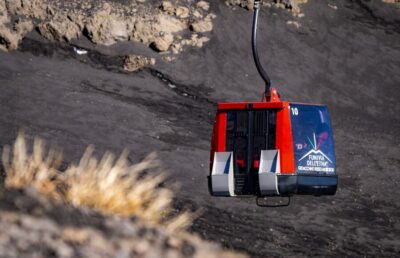 ★ 4.3Mount Etna: Roundtrip Cable Car and 4×4 Bus TicketFrom $971,602 reviews
 ★ 4.7Etna Volcano: South Side Guided Summit HikeFrom $671,545 reviews
Browse the lists this tour appears in