
Reviewed · MOUNT ETNA VOLCANO TOURS
Excursion to the top of Etna |For good walkers (transport services not included)
Etna’s summit zone is in-your-face geology. I love the small group size and how the licensed volcano guide watches the changing gases, wind, and ground heat. The big catch is that this is a serious hike up at altitude, with a rocky, steep descent that can also trigger dizziness in sensitive people.
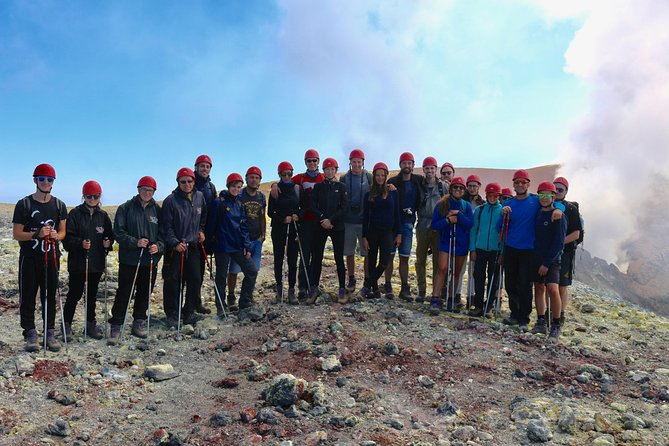
After a morning start in Nicolosi, you ride in authorized 4×4 vehicles to around 2,750 m, then switch to walking over lava, ash, and volcanic material. The goal is the crater-rim area when conditions allow, plus wide, high views that can even include the sea from the upper cone points.
This is for strong walkers who understand the pace and the altitude challenge. The route can vary day to day due to activity and weather, and it’s not a good fit if you have breathing issues or hypertension, or if you are pregnant after the third month.
Key highlights worth planning for
- A licensed volcano guide who monitors volcanic and weather conditions constantly
- Helmets and trekking poles included for rough, unstable terrain
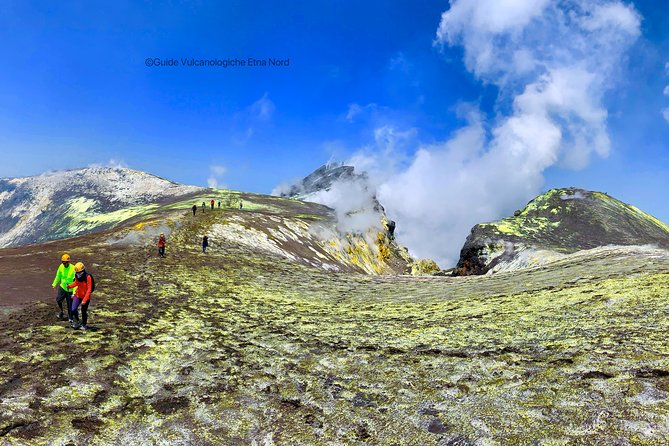
- A real summit-cone walking experience over lava, ash, and volcanic bombs
- Crater rim time when conditions allow at North-East, Voragine, Bocca Nuova, or South-East zones
- Sea views from high points when visibility cooperates
- A maximum of 10 people, so you are not just a number in the group
Etna’s crater zone, up close and personal
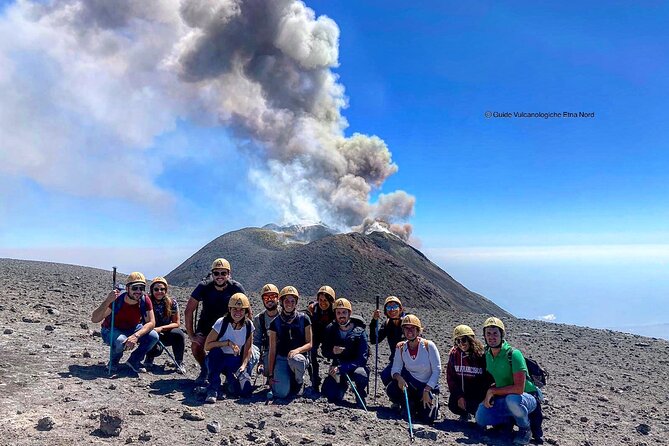
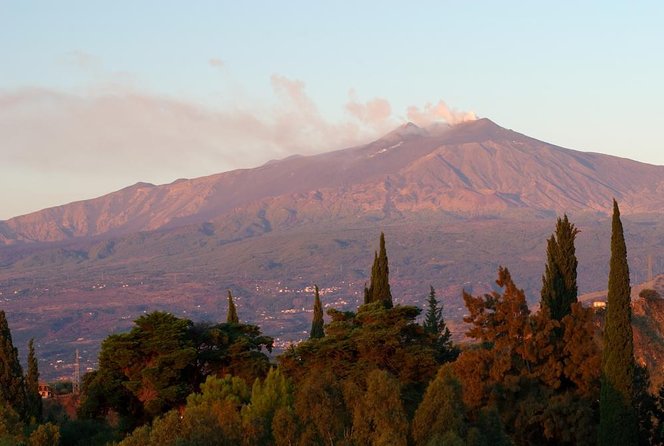
Mount Etna is Europe’s tallest active volcano, and this hike aims right at the active summit zone. That matters because you are not just looking at Etna from far away. You are walking across ground that was shaped by recent eruptions, and your guide helps you connect what you see, like mineral colors and fumarole activity, to the forces heating the volcano from below.
I also like the way the day is built around uncertainty. Etna is active, so the route can change. On some mornings, you might be aiming for one crater area, and on others the guide adjusts based on gas, wind, and ground heat. That is not just safety theater. It is the whole point of hiking here, because the mountain changes constantly.
You can also read our reviews of more tours and experiences in Sicily.
Nicolosi meetup, timing, and the real start of the day
The meeting point is Esagonal Piazzale Funivia Etna, Sud, in Nicolosi, and the start time is 8:30 am. The experience runs about 5 hours plus, with a common return window back to the meeting point around 1:30 to 2:30 pm, depending on volcanic and weather conditions.
Transportation from your accommodation is not included, so you will want a plan for getting to the meeting area. The good news is that it’s near public transportation, and many people either drive and park for the day or combine local transit with a short onward connection.
Parking is extra: about 5 euros for the whole day on weekdays, and about 8 euros on Sundays and public holidays. If you are flying in with limited mobility or time, get your ground plan nailed early, because you are starting at 8:30 am and delays can throw off the whole mountain schedule.
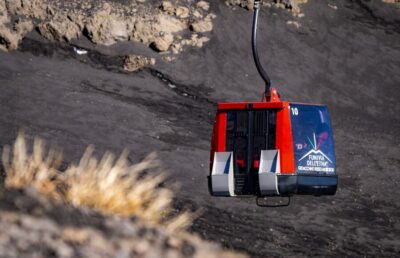
One more cost to understand: the cable car is not included. If you use it, budget about 52 euros per person for a round trip from 1,900 m to 2,500 m. That can matter if you are trying to save energy, reduce altitude exposure, or adjust how you approach the starting elevation.
The ride up, then the hike begins: terrain you feel in your legs
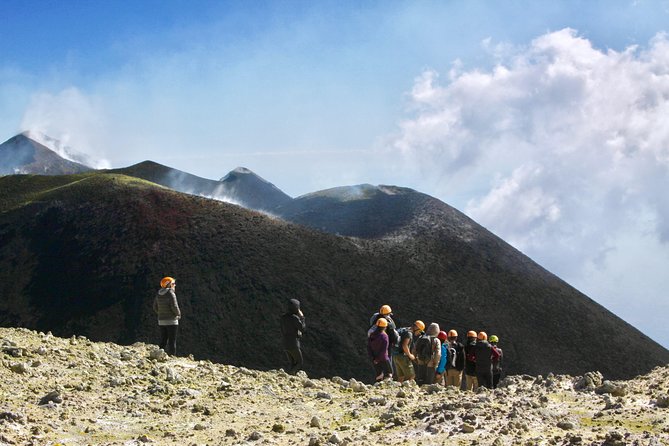
A key part of the day is the authorized 4×4 ride to roughly 2,750 m. That does two helpful things. First, it gets you high fast so you can spend your energy on the walking where the views and volcanic features are. Second, it reduces the amount of time you are fighting road travel instead of crater travel.
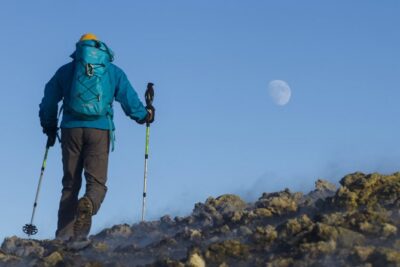
Then comes the hike itself. Expect about 12 to 13 km of walking, with roughly 600 m of ascent and around 6 km of descent, generally lasting 5 to 6 hours total. Trails can climb to around 3,300 m, and sometimes up to about 3,380 m when conditions allow. That is where altitude can start to show up even if you are fit, especially because the surface is rough and uneven.
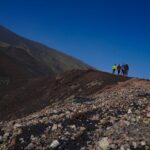
The terrain is not “trail for everyone” terrain. You are crossing desert-like lava fields, ash, and volcanic material. It can also be inconsistent and unstable, with loose ground that changes as you step. This is exactly why helmets and trekking poles are included. Poles help you control balance on steep, irregular descents, and helmets protect you from the kinds of debris that can exist around active volcanic zones.
And yes, the hike can cause dizziness for some people. If you are prone to motion sickness, vertigo, or dizziness at heights, take the guidance seriously. The route can include walking along crater edges, so you want your mind and body to be steady.
Crater rims, fumaroles, and the crater names you might hear
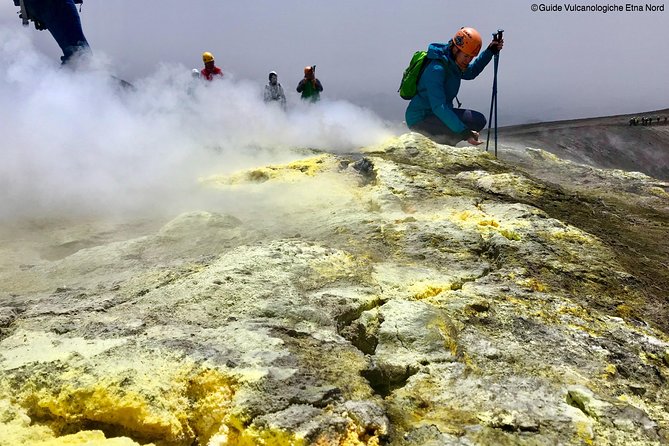
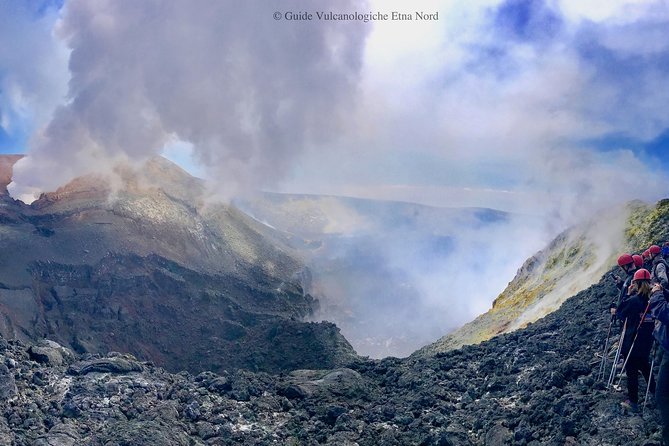
The main “wow” moment is aiming for the rim of one or more summit craters, depending on what is safe and visible that day. The crater areas you might reach include North-East, Voragine, Bocca Nuova, and South-East. You might not hit the highest point every time, because safety and conditions drive the plan.
What makes this experience valuable is the constant interpretation from your guide. You are not just looking at smoke. You are learning how fumaroles behave, how mineral colors show different geothermal processes, and how eruptions leave physical clues on the ground. If you like understanding how landscapes are made, this is geology in motion, not a museum explanation.
Also pay attention to visibility and wind. Routes vary daily because of gas, wind, and ground heat. On a clear day, the views can be huge, including sea views from the highest points on the summit cone. In one case, a traveler noted they could even spot Stromboli in the distance. You should treat that as a bonus, not a guarantee, but it’s a reminder that the high-altitude line of sight can be spectacular.
One more practical note. If your route brings you close to an observatory point, you might be able to use a bus option to help with a steep return segment. That is not something I would count on, but it’s good to know as a potential relief if your legs feel cooked by the descent.
What the guide and included gear really do for you
The experience includes a licensed volcano guide and insurance in case of accidents. It also includes equipment that changes the hike from “hope you packed the right stuff” into “you can focus on walking and paying attention.” You get trekking poles and helmets, plus trekking shoes, warm jacket, extra socks, and an extra backpack.
Those details matter. At altitude, your body runs hotter and cooler in weird cycles, and volcanic zones are exposed to wind. Warm layers help you stay functional. Extra socks and a backpack are practical because ash and rough terrain can make footwear feel grim faster than you expect.
My favorite included element is the safety mindset. The guide monitors volcanic conditions and weather constantly, and the route can be adjusted or interrupted if conditions change enough to undermine group safety. That means you might not get every crater-rim outcome you hoped for, but you are not going to be pushed through questionable terrain just to hit a checkbox.
It also helps that the group is capped at 10 travelers. You get enough space for the guide to check in on people, and you are less likely to get stuck behind someone moving slowly over unstable ground.
Fitness and health considerations you should not skip
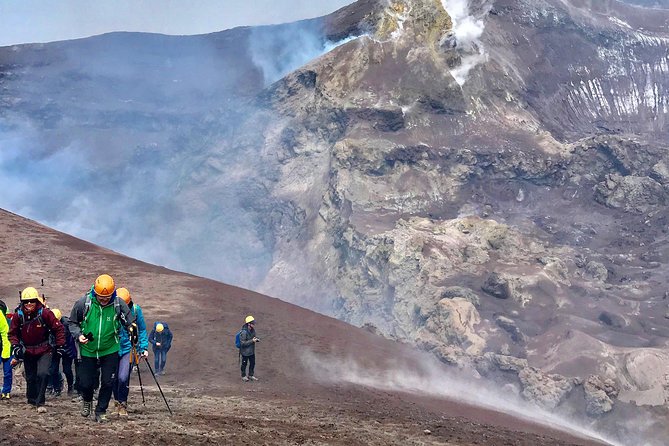
This tour is explicitly for good walkers and for people in good physical health. That includes a strong physical fitness level, because you are walking 12 to 13 km at high altitude over difficult ground. It also includes medical realities: it’s not recommended for people with breathing issues or hypertension.
A few extra “read this twice” details:
- Pregnant women who have passed the third month are not allowed to join.
- Contact lenses are not recommended because exhaled volcanic gases and ash can cause problems.
- Hat and gloves are not included, and they are recommended in autumn, winter, and spring.
Even if you are healthy, altitude can still hit. The route is high, and fatigue can sneak up fast. Plan to move at a steady pace from the start, and tell your guide about your health conditions if there is anything you want them to watch.
Price and value: what $129.40 buys on Etna
At $129.40 per person, you are paying for more than a guided walk. You’re paying for a licensed volcano guide, entry to Mount Etna, insurance, and the key hike gear. That is the core value here: someone trained to read volcanic conditions and keep the group safe, plus the equipment that helps you stay balanced and protected on rough terrain.
But the day also has extra costs, so you should price it realistically:
- Cable car (optional), about 52 euros per person round trip
- Lunch bag, not included
- Transport from your accommodation, not included
- Parking, about 5 euros weekdays and about 8 euros Sundays and public holidays
- Hat and gloves in cooler seasons, not included
If you already have strong walking ability, you can think of this price as fair, because you are buying expertise plus safety gear. If you expect the mountain to be a casual stroll, you might feel surprised by the workload. The right mindset turns the cost into a sensible way to access an active crater zone without improvising gear or safety.
Who should book this Etna hike, and who should not
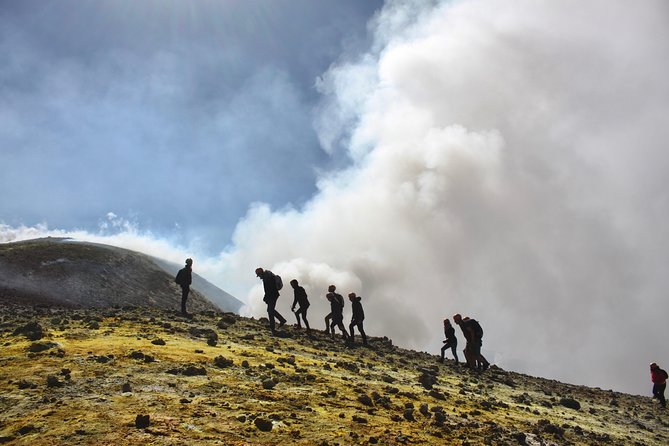
This is ideal if you are an active traveler who enjoys hands-on learning. If you like geology and you want to stand near volcanic features, this tour delivers, especially with a guide who explains what you are seeing while you hike.
It’s also a good choice if you prefer a small group. With a maximum of 10 people, you can ask questions and get attention during the climb.
Skip it if any of these apply:
- You know you struggle with altitude or dizziness, especially at crater edges
- You have breathing issues or hypertension
- You are pregnant after the third month
- You do not have the stamina for a steep, rocky descent and a long, high-altitude walk
- You are relying on the day being easy. This is rough terrain, at elevation, in a volcanic active zone.
If you are the type who shows up ready to work for the view, you will probably feel like the day was worth it.
Should you book this guided hike to Etna’s crater zone?
I’d book this if you want a true summit-zone hike, not just a viewpoint stop. The combination of small group size, a licensed volcano guide, and included helmet and poles makes it feel serious, but still well-managed.
I would hesitate if you want a leisurely nature walk, or if your health conditions make high altitude and uneven ground risky. Also, accept that the route can change, so your exact crater-rim target may depend on the day’s volcanic and weather conditions.
If you plan well, bring the right seasonal basics like a hat and gloves when needed, and come prepared for a real hike, this is the kind of Etna experience that gives you more than photos. It gives you the sense of standing where the volcano is doing its daily work.
FAQ
How long is the Etna excursion?
It lasts about 5 hours 30 minutes on average. The hike itself is typically 5 to 6 hours, and you usually return to the meeting point between about 1:30 pm and 2:30 pm depending on conditions.
What time does the tour start, and where do I meet?
The start time is 8:30 am. You meet at Esagonal Piazzale Funivia Etna, Sud, 95030 Nicolosi CT, Italy, and the activity ends back at the same meeting point.
Is lunch included?
No. A lunch bag is not included.
What gear is included for the hike?
You get trekking poles, trekking shoes, helmets, a warm jacket, extra socks, and an extra backpack. Hat and gloves are not included, and they are recommended during autumn, winter, and spring.
Is transportation from my hotel included?
No, transport service from your accommodation is not included. The meeting point is near public transportation, and there are parking costs if you drive.
Can the route change on the day?
Yes. The excursion can vary or be interrupted if volcanic, environmental, or climatic conditions change in a way that affects safety. The activity also requires good weather, and it could be offered on a different date or refunded if cancelled for weather reasons.
More Tours in Sicily

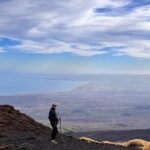
More Tour Reviews in Sicily
Not for you? Here's more nearby things to do in Sicily we have reviewed




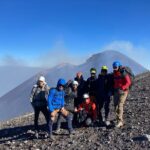


Mount Etna Volcano Tours, compared.
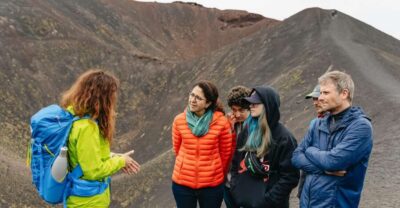 ★ 4.8Catania: Mount Etna Morning or Sunset Day Trip with TastingFrom $704,028 reviews
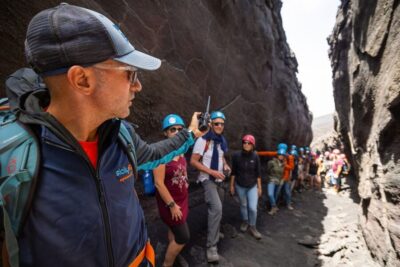 ★ 4.7Mount Etna: Guided Volcano Summit Hiking Tour with Cable CarFrom $1243,784 reviews
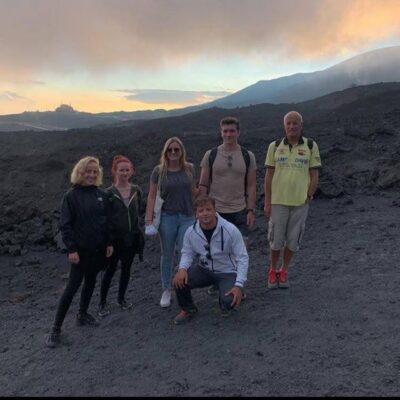 ★ 4.8Catania: Sunset Jeep Tour of Mount Etna and Lava Flow CavesFrom $712,113 reviews
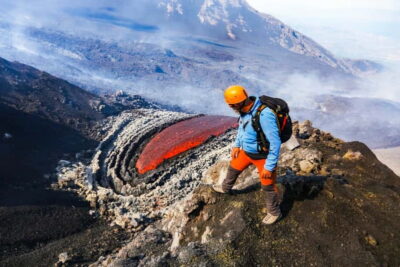 ★ 4.7Mount Etna: Trek to 3000m with cable car and jeepFrom $621,978 reviews
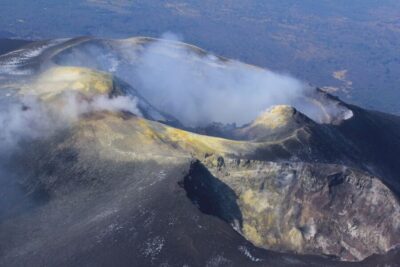 ★ 4.8Mount Etna: Summit Crater Trek with Cable CarFrom $771,875 reviews
 ★ 4.8Etna and Alcantara Gorges Full-Day Tour with LunchFrom $1051,766 reviews
 ★ 4.3Mount Etna: Roundtrip Cable Car and 4×4 Bus TicketFrom $971,602 reviews
 ★ 4.7Etna Volcano: South Side Guided Summit HikeFrom $671,545 reviews