
Reviewed · PALERMO CITY & MARKET TOURS
Palermo, a tour of unique monuments and colorful markets
Palermo’s center tells stories at every corner. This guided walk strings together major monuments and real street-level life, from ghost lore to UNESCO architecture, in about three hours. I especially like how the guide keeps things practical, with clear explanations and constant readiness with tips. I also love the way the route mixes big-name sights like Teatro Massimo and the Cathedral with Palermo’s markets, so you get a feel for daily life, not just postcard views.
One thing to consider: it depends on good weather. If rain hits, the plan can shift, and you may need to go on a different date.
Key highlights you’ll feel fast
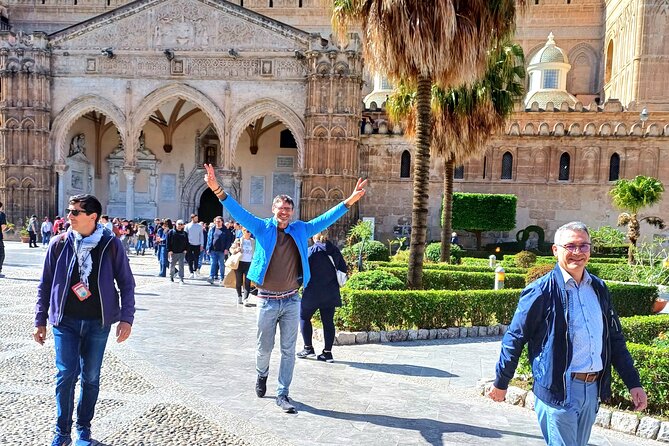
- UNESCO Cathedral of Palermo (Norman-Arab style): built in 1185, tied to the kingdom of Sicily, with royal tombs inside
- Teatro dell’Opera dei Pupi UNESCO connection: a quick look at Palermo’s legendary puppet tradition
- Mercato del Capo, Arab-origin market: time to stop for Palermitan street food along the way
- Secret-sect legend stops: a stop connected to the Beati Paoli, with darker stories about justice and revenge
- Quattro Canti and Piazza Pretoria: two iconic squares, one centered on cross-road symbolism and one framed by historic buildings and the famous fountain
Starting at Piazza Giuseppe Verdi, then letting Palermo lead
Your tour begins at Piazza Giuseppe Verdi, right where you can easily connect with buses and other transit. It’s a smart start point. You’re in the core right away, which matters in Palermo, where neighborhoods can feel like different worlds.
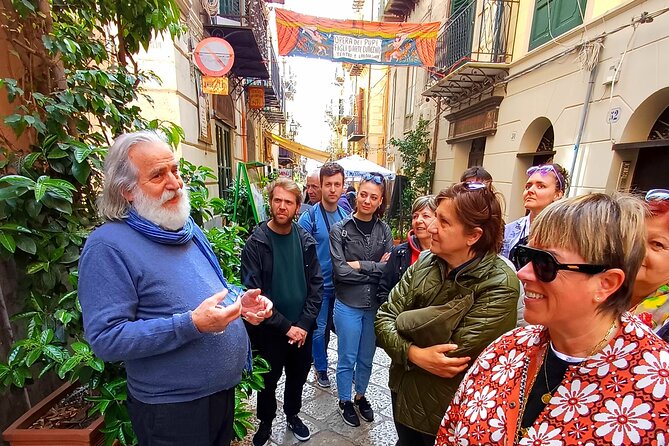
From the first minutes, you’ll notice the style of this walk. Stops are short, but not rushed. You get enough background to make each place feel connected. And because the group is capped at 20 travelers, the guide can actually answer questions while you’re moving.
This is the kind of route that helps you get your bearings fast. You’ll walk through key “anchors” of central Palermo, then end in the middle of it all at Quattro Canti. That ending location is handy, because it’s close to plenty of cafés and easy to branch out afterward.
You can also read our reviews of more tours and experiences in Sicily.

Teatro Massimo, ghost legend, and the Florio story
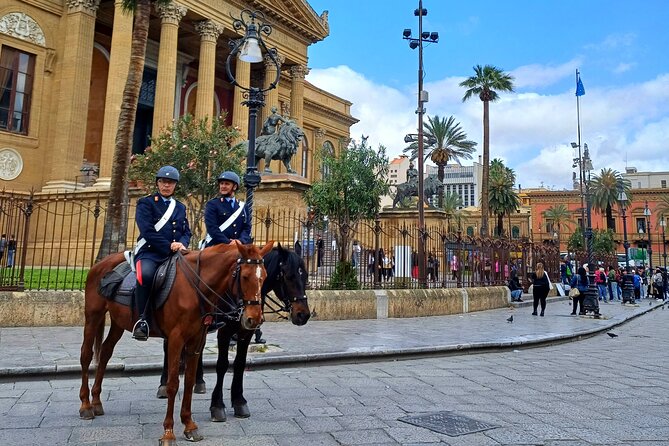
One of the first big impressions is the area around Teatro Massimo, the largest opera house in Italy. Even from outside, it’s the kind of structure that makes you slow down. You’ll get context on Palermo’s belle époque and how the Florio family shaped the city’s prestige.
And then comes the fun part: the guide shares the legend of the theater’s ghost. It’s not just a spooky add-on. The legend helps you understand why famous buildings in Palermo come with layers of folklore, not only facts. If you enjoy hearing the “why do people say that” version of a place, you’ll like this.
Practical tip: wear comfortable shoes here. You’re standing and walking through a lively central area, and the tour keeps a steady pace across the main sights.
Piazza Olivella and Sant’Ignazio, a baroque palate cleanser
Next up is Piazza Olivella, a scenic baroque square. It’s a good “reset” stop after the scale of Teatro Massimo. Baroque squares work like outdoor rooms. You see how churches, façades, and street angles guide your line of sight.
You’ll also pass the church of Sant’Ignazio and the National Archaeological Museum area. Even if you do not go inside, this is useful. It helps you connect the city’s art and architecture to the places where Palermo remembers its own past in a tangible way.
This stop is about atmosphere and quick orientation. You get just enough time to look up, frame a photo, and move on with a better sense of where you are.
Puppet opera at Teatro dell’Opera dei Pupi, UNESCO heritage in miniature
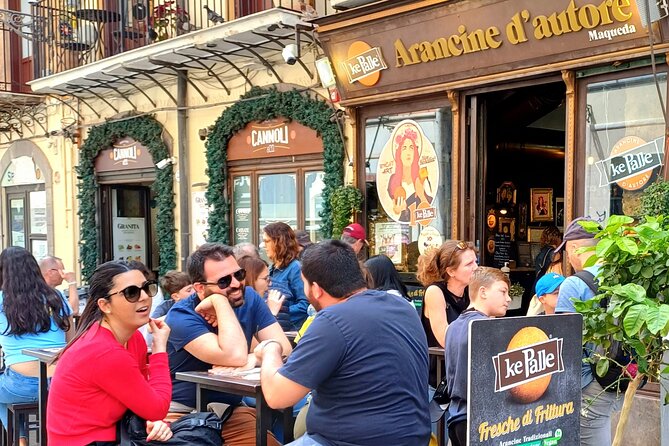
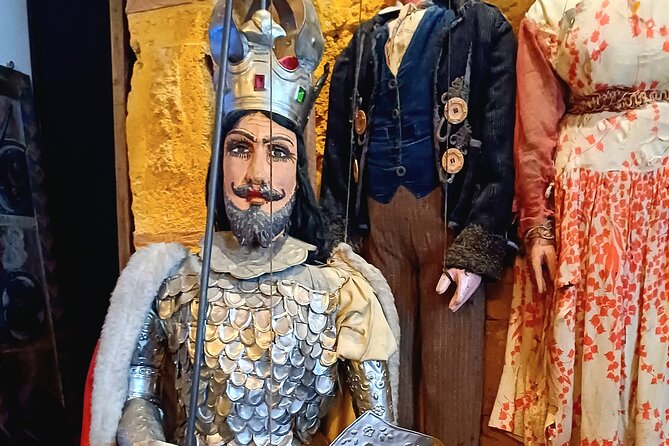
A standout stop is the Teatro dell’Opera dei Pupi, described as the most famous puppet opera theatre and also connected to UNESCO heritage. This is one of those sights that can be easy to miss if you only chase the biggest churches and cathedrals.
What you’ll appreciate is the contrast. Palermo isn’t just monumental architecture. It’s also performance traditions, craft, and local storytelling. The puppet opera tradition is part of that identity, and you’ll get just enough explanation to make the idea click before you move on.
The stop is brief, but it’s timed well. When you move from puppet theatre to market streets later, the whole day starts to feel like one story, not a checklist.
Ancient walls, Porta Carini, and walking into Capo
Before you reach the market zone, you’ll see a glimpse of Palermo’s old walls, the kind built in the 1500s, plus Porta Carini, an ancient city gate. This is the moment where the tour shifts from showpiece sights into “how the city used to work.”
Seeing a gate while you’re about to enter a market makes sense. Markets were not random. They sat inside a defensive and organized city fabric. The guide’s explanation here helps you understand why the Capo area feels the way it does today.
You’ll then move into the market district, following the tour’s logic: first the urban structure, then the living streets.

Mercato del Capo: street food time in an Arab-origin market
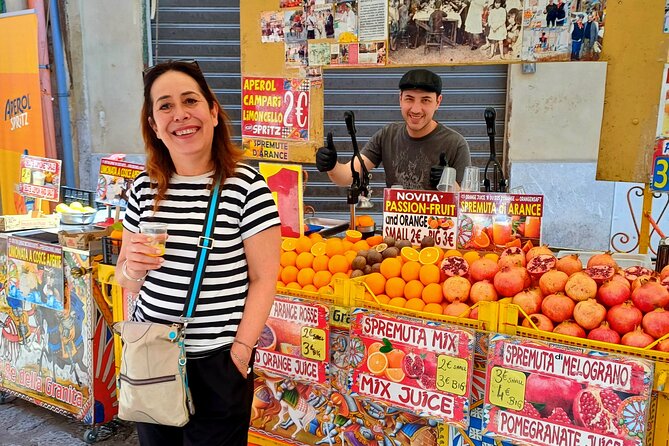
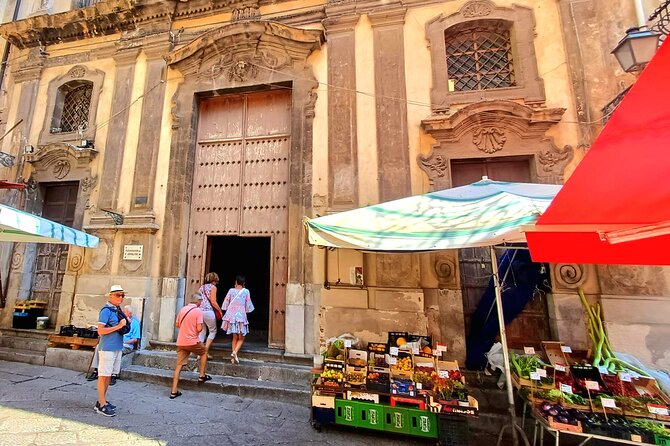
Now for the heart and noise of the day, Capo Street Market (Mercato del Capo). This is described as an ancient Arab market, and that context matters. It turns the place from a generic market stop into a living continuation of Palermo’s layered influences.
You’ll get about 25 minutes here, and the best part is that there’s a free stop to taste Palermitan street food. That word free is important, but it doesn’t mean food is included. It means you get a chance to pause and choose what you want.
What to do: bring your appetite and keep it simple. Pick one savory bite, maybe something sweet if you still have space, then keep moving. Markets can be intense, and your best tasting strategy is to avoid overplanning and just follow the guide’s general directions.
Also, keep an eye on the nearby area around the Fontana della Vergogna, mentioned as close to the markets of Ballarò and Vucciria. Even if you just catch it from the route, the water feature gives you a strong visual landmark that helps your brain map the neighborhood.
Grotta dei Beati Paoli, the darker side of Palermo legends
After the market energy, the tour takes a turn into mystery at the Grotta dei Beati Paoli. This stop is tied to the ancient secret sect of the Beati Paoli, known for stories about avenging wrongs suffered by poor people in earlier centuries.
Whether you take the legend literally or as folklore, it does something valuable. It shows how Palermo’s public spaces carry emotional history, not just dates and rulers. The guide’s framing helps you connect the legend to social themes, so it doesn’t feel like random spooky storytelling.
This stop is short, around 10 minutes, but it adds spice to the day. If you like tours where the guide gives you more than plaques and facts, this is where you’ll feel that.
Cattedrale di Palermo: UNESCO, Norman-Arab style, and royal tombs
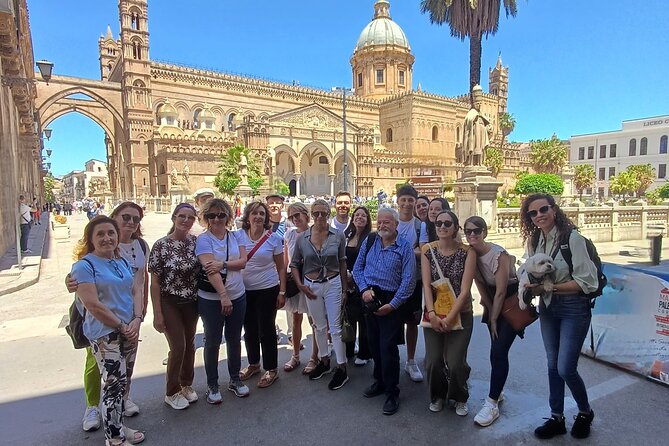
One of your biggest anchor points is the Cattedrale di Palermo, a UNESCO site. The tour highlights that it was built in Norman Arab style in 1185, and that it’s tied to the foundation of the kingdom of Sicily.
Inside, the cathedral is known in this context for housing the tombs of the first kings of Sicily. That’s a strong reason to plan your visit around when you go and how long you can look.
Important practical detail: entry is included if there are no religious services. So expect that sometimes the cathedral experience can be adjusted based on what’s happening that day. Even with that limitation, you still get valuable guidance on what to look for and why it matters.
Tip for photos: keep your phone camera ready, but also take time to look with your eyes. This is the kind of interior where details reward slower attention.
Via Vittorio Emanuele, the oldest street that ties the day together
Next comes Via Vittorio Emanuele, described as Palermo’s oldest street. This is the kind of walk that works even if you are not stopping every 20 seconds. A major “old street” is like a backbone. It connects plazas, churches, and the flow of city life.
You’ll get about 15 minutes here, which is enough to notice how building fronts and side streets build a pattern. The guide helps you see the connections, so the street stops feeling like a corridor and starts feeling like a timeline.
If you’ve ever toured historic centers and felt like everything was disconnected, this part helps fix that problem. You start to understand how central Palermo developed into what you see today.
Quattro Canti and Piazza Pretoria, the photo moments that also explain the city
The tour wraps at Quattro Canti, the center of ancient Palermo. This square is known for being bright and scenic, full of symbolism. It’s the cross-road moment you’ve been walking toward the whole time.
Right before that ending, you’ll also stop at Piazza Pretoria. The centerpiece is the famous Renaissance fountain, described as extraordinary and surrounded by historic buildings, including the convent of Santa Caterina, where many of the most famous Sicilian desserts were born.
This is one of those stops that works even if you’re not a dessert person. You’re using it to understand place. Palermo likes to place its culture in the open, where squares and buildings become social stages.
Practical photo advice: if the light is harsh, step slightly back and catch the symmetry lines. These squares can look dramatic from one angle and plain from another. A good guide’s perspective helps you pick the better spot quickly.
Price and value: why 34.83 makes sense for this route
At $34.83 per person for about 3 hours, this tour is priced like a value-focused guided walk. You’re paying for more than a route. You’re paying for interpretation: legends, context, and guidance that makes each stop meaningful.
What makes the value stronger than a simple self-walk?
- A professional, authorized, certified guide
- Free entry to the Cathedral when there are no religious services
- Information and assistance for transport, gastronomy, and further visits
Group size also matters. With a max of 20 travelers, it stays conversational instead of turning into a fast herd.
If you are staying only a short time in Palermo, this format is efficient. You see major central highlights plus market life, without spending your whole day figuring out what matters.
Timing, walking pace, and how to prepare
The tour starts at 10:30 am. That time is smart for two reasons. First, you have more daylight for the outdoor squares. Second, you avoid the late-day rush feeling that can make markets harder to enjoy.
The stops are mostly short, often 10 to 20 minutes, with one longer market window. That means you should plan your day so you are not jet-lagged or dragging. If you want a slow museum deep-dive day, this is not it. This is a guided route meant to connect the dots fast.
Bring water, and keep your pockets organized. Market zones are active and you’ll be moving in and out of crowds. If you plan to taste street food, keep some cash or a card ready, because the tour gives you time to buy, not a meal included voucher.
Who this Palermo monuments and markets tour is best for
This tour is a strong fit if you want:
- A walkable highlights route through central Palermo
- A mix of architecture and street life, not only museums
- Legends and social context, including the Beati Paoli story and the Teatro Massimo ghost legend
- A guide who stays available for questions and practical suggestions
It may not be the best match if you want long interior time in each building. Cathedral and museum-type stops are shorter by design. You get orientation and key facts, not a deep archive session.
If you like “see it, then understand it,” this one works.
Should you book this Palermo center tour?
Book it if you want an efficient, guided introduction to central Palermo with real-market energy and major landmarks. The route does a nice job of balancing big sights like the UNESCO Cathedral with the lived-in streets of Mercato del Capo. The 3-hour timing is realistic, especially if you’re trying to fit Palermo into a tight schedule.
Skip it or pair it with something else if you know you only like slow, lingering visits where you can spend an hour or two in one place. This tour is about connections and context, then moving on.
One last check: if you’re planning for the day’s weather, keep a flexible mindset. The experience requires good weather, and Palermo can surprise you.
If you choose to go, show up ready to walk, take notes only in your head, and let the guide’s mix of legends, facts, and street-level pointers steer your day.
More Tours in Sicily



More Tour Reviews in Sicily
Not for you? Here's more nearby things to do in Sicily we have reviewed





Palermo City & Market Tours, compared.
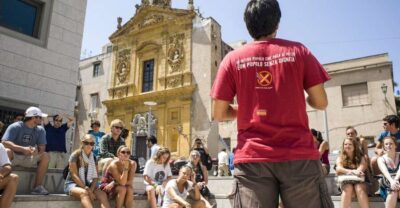 ★ 4.8Palermo: NO Mafia Walking TourFrom $402,431 reviews
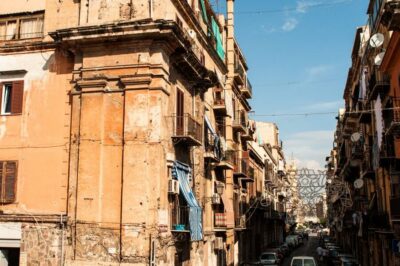 ★ 3.9Palermo: Hop-on Hop-off Bus Tour 24-hour TicketFrom $172,410 reviews
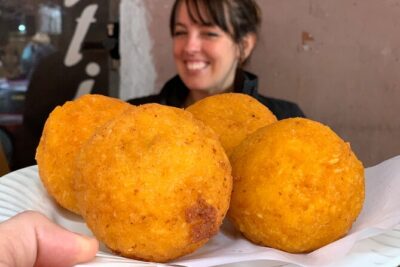 ★ 5.0Palermo Original Street Food Walking Tour by StreatyFrom $832,105 reviews
 ★ 4.2Segesta, Erice and Salt Pans Full-Day Excursion from PalermoFrom $821,791 reviews
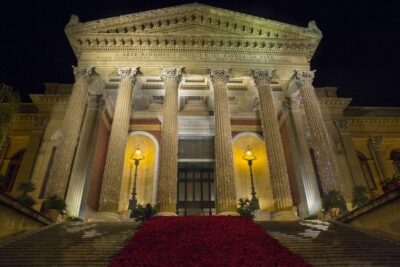 ★ 4.5Palermo: Teatro Massimo Opera House Guided TourFrom $141,573 reviews
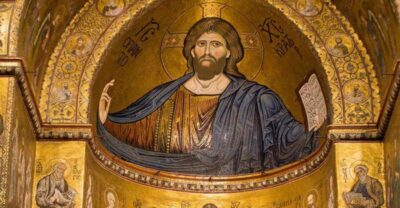 ★ 4.2From Palermo: Monreale and Cefalù Half-Day TripFrom $711,354 reviews
 ★ 4.9Palermo: Street Food and History Walking TourFrom $541,294 reviews
 ★ 4.2Palermo: Agrigento and the Valley of the Temples Day TourFrom $771,240 reviews