
Reviewed · PALERMO CITY & MARKET TOURS
Palermo: Anti-mafia Bike Tour
Palermo’s anti-mafia message moves at bicycle speed. This 3-hour ride is a living tribute to Falcone e Borsellino, using the city itself as a classroom, with routes through old alleys and even the harbor docks. Two things I really like are how you get to see parts of Palermo most people skip, and how the guide ties the story to real grassroots action through Addiopizzo.
One thing to consider: this isn’t a sit-and-snap tour. You’ll cycle in an urban setting, sometimes on roads open to cars, and it’s not a good fit if you have back or heart issues, are pregnant, or use a wheelchair.
Top things to know before you pedal in Palermo
- Tribute with a purpose: The route connects the memory of Falcone and Borsellino to how Sicilians organized against the Mafia.
- Old town plus outskirts: You ride through pedestrian-friendly areas, then link to bike paths that reach the suburbs.
- Anti-mafia groups in motion: You learn how Addiopizzo and Libera work, and why volunteering matters.
- Harbor views built into the route: Expect scenic pass-by moments near the docks, plus photo stops.
- A guide who makes it personal: One guide, Stefano, shared a childhood connection to the bombings, which makes the message stick.
Palermo’s anti-mafia story, told by movement not monuments
Palermo can feel like two cities at once. There’s the postcard you came for, and then there’s the truth you can’t ignore. This bike tour leans into the second part, using motion to keep the experience from becoming heavy in a lecture way. You’re not just hearing names and dates. You’re being shown how fear and resistance shaped everyday neighborhoods.
The heart of the tour is the story around Giovanni Falcone and Paolo Borsellino. Their murders in the early 1990s pushed Sicilians to respond, not with slogans only, but with organized, street-level pressure. That message matters because it reframes Palermo from a past tragedy into an active struggle. And the guide keeps bringing you back to the idea that change is built by many ordinary people, not only famous heroes.
What I like most is the balance. You do talk about violence and the wounds Palermo is still healing from. But the tone stays focused on civic response and local agency, including today’s young volunteers. If you’re the kind of traveler who wants history that makes you think, this fits. If you only want a highlight reel, it might feel too meaningful.
You can also read our reviews of more cycling tours in Palermo
Starting at Social Bike Palermo, and how the ride stays manageable
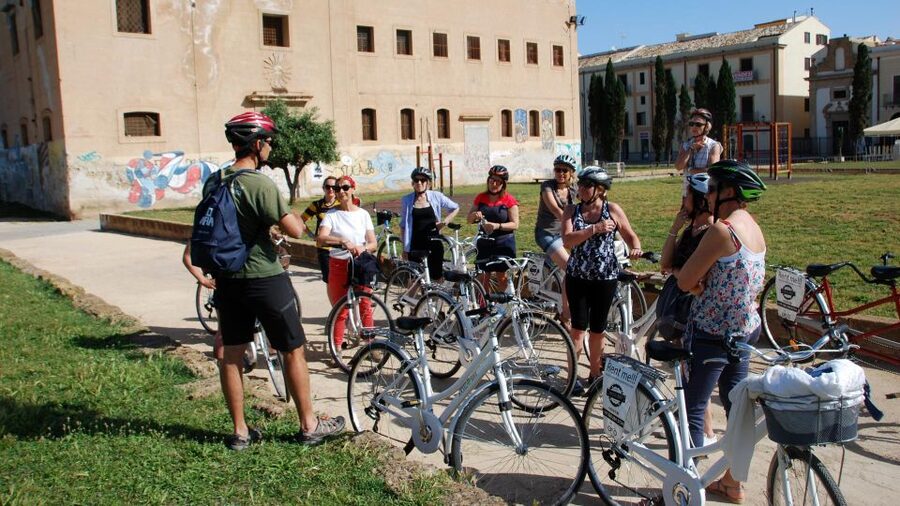
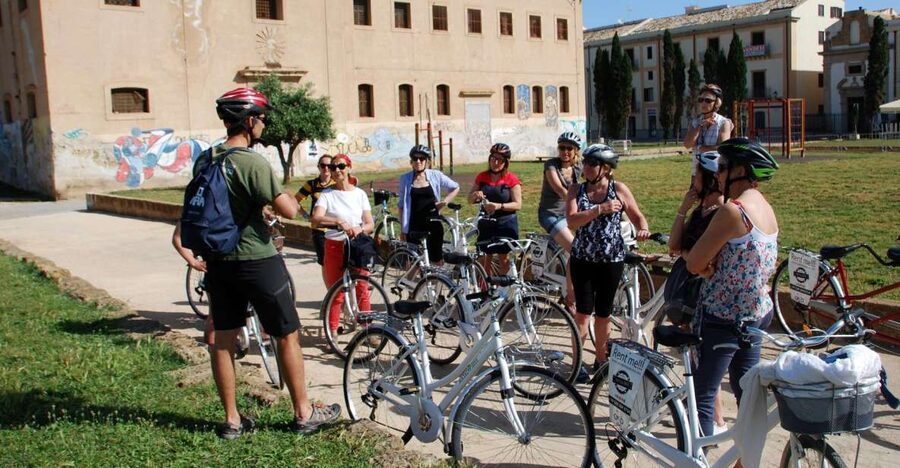
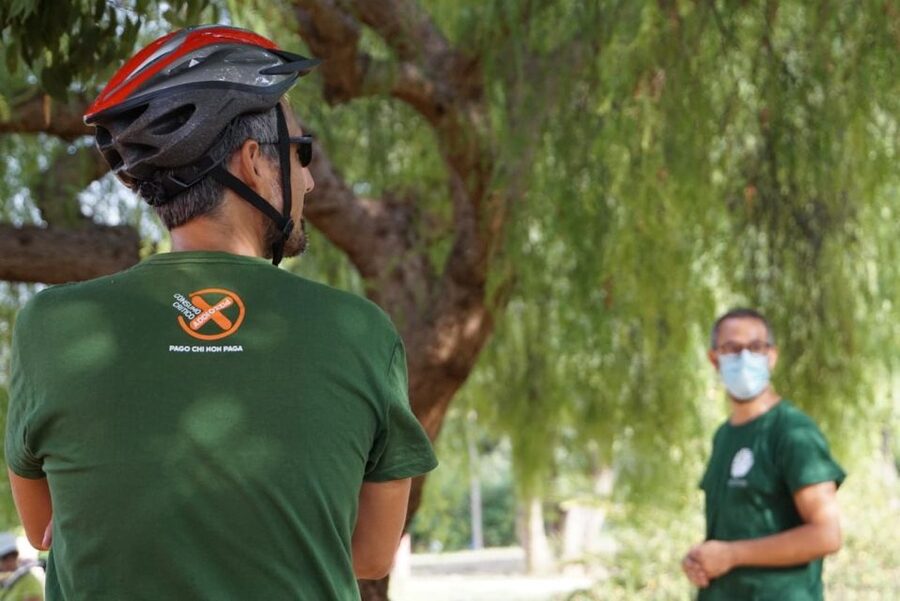
You meet at Social Bike Palermo and your starting point is Discesa dei Giudici, 13. Arrive about 15 minutes early so you can get your bike sorted and start with the group. The guide will wear a NO MAFIA backpack or an Addiopizzo t-shirt, so it’s easy to spot the right people.
Before you roll, there’s a 20-minute safety briefing. This isn’t filler time. It matters because the tour rides mostly on bicycle paths and bike lanes, but you should expect some stretches on roads open to vehicular traffic. The company notes that the ride is designed for participants comfortable cycling in an urban environment, and you’ll want to take that seriously. If your cycling comfort is low, you may spend more energy worrying than enjoying.
The setup is simple and practical. You get a bicycle and a helmet, plus a live guide in English and Italian. You don’t get bottled water or snacks included, so plan on grabbing a drink and a small bite before or during breaks. The pacing is built around the 3-hour duration, with multiple guided segments and stops that keep you from overheating your attention.
Also, if you’re traveling with little ones, there are infant seats available. That’s a nice detail for families trying to do more than just museums.
Piazza Magione: a guided look at Palermo’s street-level texture
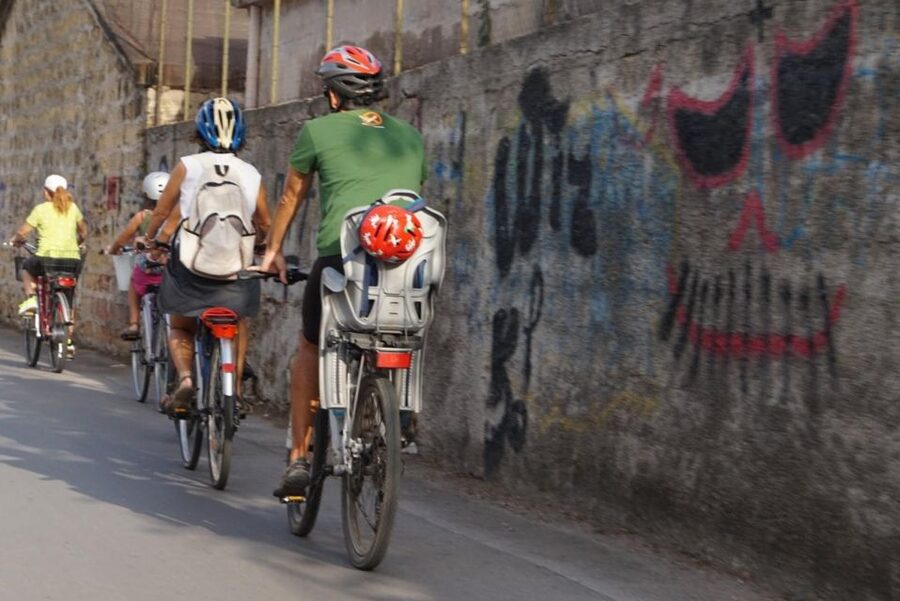
One of the first real stops is Piazza Magione, with a 20-minute guided tour. This is where you start shifting from just riding to understanding how the city’s layout connects to the bigger story.
Think of it as orientation through place. A square like this is a natural gathering point, and in Palermo that matters. Public space is where community identity shows up, and it’s also where political and social pressure can land. Your guide uses these stops to explain why ordinary life became a battleground of sorts, and how resistance took shape when people decided they would not stay quiet.
A practical benefit here is timing. You’re still fresh and adjusting to the bike and group pace. So it’s an efficient moment to absorb the theme of the tour before you move into narrower streets and longer scenic sections. If you’re prone to zoning out on tours, this early structure helps.
Potential drawback: if you’re expecting constant motion with no pause, you might notice the tour is stop-and-explain. That’s not a bad thing. It just means your watch will matter more than usual.
Scenic pass-by moments, harbor docks, and photo stops you’ll actually use
The middle of the tour includes a 15-minute sightseeing pass-by with scenic views, followed by a 20-minute photo stop. Then there’s another 20-minute guided segment and more photo time later. In other words, the route is designed to give you views, not just explanations.
One of the tour’s highlights is riding by the docks of the harbor. This matters because the harbor connects Palermo to movement, trade, and daily life. It’s the kind of area that can quietly communicate a lot about a city. When the guide ties that setting back to the anti-mafia story, you get a stronger mental map of where power operated and how communities pushed back.
The photo stops are also useful because Palermo rewards slow looking. You’ll be in tight streets, then suddenly there’s open space near the water. Those contrasts are hard to appreciate if you’re always pedaling flat out. Here, you get those moments on purpose, and the guide’s timing helps you not miss the best angles.
A small tip: Palermo can change lighting fast, especially near the coast. If you’re photographing, keep your camera ready around the guided pauses. The tour plan includes photo stops, but the best shots can still be about timing.
Pedaling into the suburbs: why the outskirts are part of the story
After you get the old-town feel, the tour moves outward. The experience highlights suburbs of Palermo and explains how the city is healing from Mafia violence that peaked with major massacres in 1992. The route uses bike paths and bike lanes to connect to the outskirts, which keeps the experience more comfortable than you might expect for a city ride with real political weight.
Why include the suburbs? Because organized resistance is not only something that happens in historic centers or tourist-perfect streets. If you want the full picture of how Addiopizzo and other groups became active, you need to see the city beyond the postcard walls. Neighborhoods outside the core still hold the daily context of fear, family ties, and community organizing.
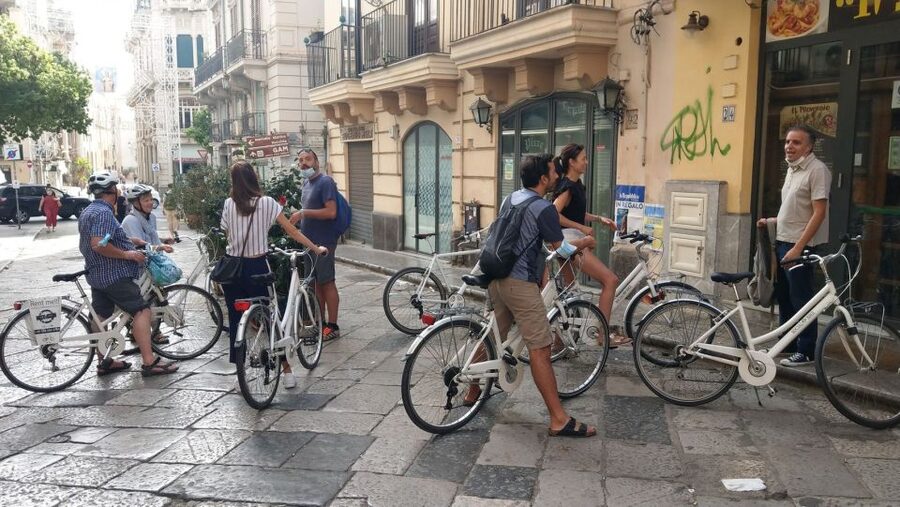
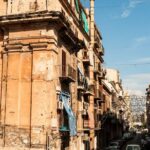
You also get to ride through pedestrian areas of Palermo’s old town, which changes the rhythm. In some parts you’ll feel like you’re slipping through alleys with pedestrians nearby. Elsewhere, you’ll be on stretches that feel more structured, thanks to bike paths. That mix keeps the ride interesting and helps you understand Palermo as a living place, not a stage set.
One consideration: because the route includes cycling on roads open to traffic, the “suburbs” portion may feel more intense than the old center. If you’re a nervous rider, tell yourself it’s okay to take your time at the slower stops.
Addiopizzo and Libera, explained while you pedal
This is where the tour becomes more than sightseeing. The guide focuses on the grass-roots anti-mafia movement Addiopizzo, and you learn how campaigners were inspired to take collective action. The story doesn’t stay stuck in the past. It points to what’s happening now and how young people keep pushing for change through volunteer networks like Libera.
What I appreciate is how the tour presents these groups as tactics, not just names. You hear about community pressure, public commitment, and the idea that action has to be local to be effective. The city itself becomes part of the explanation. As you ride past different kinds of streets and neighborhoods, the concepts of solidarity and accountability feel less abstract.
The most memorable part for me is the human element from the guide experience. One review singled out a personal connection shared by Stefano, saying he grew up as a child living in a building across from one of the bombings. That kind of detail doesn’t just add emotion. It helps you understand why anti-mafia organizing is not theoretical for many people in Palermo. It affects daily routines, family memories, and long-term views of safety and justice.
If you’re looking for an experience that gives you something to talk about at dinner, this section delivers. It turns what could be heavy information into a clear story of how citizens fought back.
Break time, food tasting, and why the pacing works for real vacations
The tour plan builds in breaks and stops at several points, not just one mid-ride pause. You’ll have a 40-minute break time paired with a guided tour, then another 15-minute photo stop. There’s also a 15-minute break time before a 20-minute food tasting.
That structure is practical. It means you don’t have to keep your full attention for all 180 minutes straight. Instead, the ride alternates between movement, explanation, and recovery. It also gives you time to absorb what you just learned, which is crucial when the topic is trauma and civic resistance.
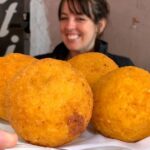
The food tasting is a nice way to end on a grounded note. It keeps you in Palermo mode, not history museum mode. You’re still in the same theme, but the city returns to being a place of everyday life. If you’re someone who struggles with tours that feel all talk and no taste, this helps.
What to bring back to your own plans: since bottled water and snacks are not included, treat break time as your chance to get what you need. Even if you buy nothing else, you’ll likely want water. And comfortable clothes matter because you’ll be moving for hours, stopping, and starting again.
Price and value of this Palermo anti-mafia bike tour
At about $45 per person for 3 hours, this is priced like a serious local guided experience, not a budget scooter loop. The value comes from three things you actually get: a bicycle, a helmet, and a tour guide. That’s important because the route is story-driven, and bike time without a good guide tends to turn into just transport.
It also hits the sweet spot for travelers who want more than the center. The highlights promise riding through the old alleys and the harbor docks, plus exploring the suburbs. That means you’re covering more variety in a short window, and you’re doing it in a way that feels active but not strenuous.
The only “value” downside is what you bring yourself: water and snacks are not included. That’s normal for this kind of tour, but it’s worth budgeting a few euros, or planning to eat before you meet. Also, the tour requires an urban cycling comfort level. If you’re not there, the tour may not feel like value, because you’d spend the time stressed.
In the reviews, the theme is consistent: the guidance is informative, the staff feel friendly, and the bike format makes it possible to reach meaningful sites beyond the core.
Who should book this, and who should skip it
This Palermo: Anti-mafia Bike Tour fits best if you want:
- A meaningful theme that goes beyond sightseeing
- Local street-level context on how Palermo responded to Mafia violence
- A bike route that mixes old-town pedestrian areas with bike paths reaching the outskirts
- A guide who connects places to people, including anti-mafia organizing today
It’s also a strong pick if you like learning from a guide who brings detail and personal connection. One review mentioned that the guide’s childhood perspective across from a bombing site made the change story feel real, not abstract. Another said the tour was enjoyable even for a whole family, which hints at a clear, structured delivery rather than an overly intense approach.
Skip it if you:
- have back problems, heart problems, or are pregnant
- use a wheelchair
- aren’t comfortable riding in an urban environment with mixed traffic
If you’re a confident cyclist who can handle city stops and starts, you’ll likely find this easier than you expect, especially since the tour uses bike paths and lanes most of the time.
Should you book this Palermo anti-mafia bike tour?
Yes, if you want Palermo to make sense beyond monuments. The route, the theme, and the mix of old town, harbor views, and suburb riding give you a fuller picture of how the city is healing and organizing. The combination of Falcone e Borsellino, Addiopizzo, and modern volunteering through groups like Libera turns the tour into something you can carry with you.
Maybe not, if you want a purely scenic ride with minimal emotional context, or if you aren’t comfortable cycling on a city route with occasional roads open to cars. Also, remember to bring your own water and snacks, since those aren’t included.
If your goal is a guided experience that’s both active and human, this one is a strong choice.
FAQ
How long is the Palermo: Anti-mafia Bike Tour?
The tour lasts 3 hours.
Where do I meet for the tour?
Meet at Social Bike Palermo, near public transportation. The starting point is listed as Discesa dei Giudici, 13.
What is included in the ticket price?
Your ticket includes a bicycle, a helmet, and a tour guide.
What languages is the tour available in?
The live tour guide speaks Italian and English.
Is the route completely traffic-free?
No. The ride is mostly on bicycle paths and bike lanes, but you should expect some roads that are open to vehicular traffic.
What should I bring with me?
Bring comfortable shoes and comfortable clothes. Bottled water and snacks are not included.
Who is the tour not suitable for?
It is not suitable for pregnant women, people with back problems, people with heart problems, and wheelchair users.
More Cycling Tours in Palermo

More Tours in Palermo
More Tour Reviews in Palermo
Not for you? Here's more nearby things to do in Palermo we have reviewed



Palermo City & Market Tours, compared.
 ★ 4.8Palermo: NO Mafia Walking TourFrom $402,431 reviews
 ★ 3.9Palermo: Hop-on Hop-off Bus Tour 24-hour TicketFrom $172,410 reviews
 ★ 5.0Palermo Original Street Food Walking Tour by StreatyFrom $832,105 reviews
 ★ 4.2Segesta, Erice and Salt Pans Full-Day Excursion from PalermoFrom $821,791 reviews
 ★ 4.5Palermo: Teatro Massimo Opera House Guided TourFrom $141,573 reviews
 ★ 4.2From Palermo: Monreale and Cefalù Half-Day TripFrom $711,354 reviews
 ★ 4.9Palermo: Street Food and History Walking TourFrom $541,294 reviews
 ★ 4.2Palermo: Agrigento and the Valley of the Temples Day TourFrom $771,240 reviews
Browse the lists this tour appears in