
Reviewed · PALERMO CITY & MARKET TOURS
Palermo: Art and Architecture Walking Tour
Palermo rewards slow walking. I love how this small-group tour keeps the pace human, and I love getting inside the Capella Palatina area with the right historical context. One tradeoff: entrance tickets to the monuments are not included, so you will budget a bit extra once you confirm which sites require payment.
What makes the experience especially worth your time is the way it stitches together Palermo’s layers, from earlier civilizations through the Arab-Norman era and into modern street life. You’ll also hear the legend of St. Rosalie, which helps you understand why certain rituals and faces matter here. If you hate walking, or if you expect big-group convenience with zero rules, this isn’t the format for you.
Key Things I’d Prioritize Before You Go
- Small-group size so you can actually hear the guide and see what you’re looking at
- Skip-the-line access with a separate entrance strategy at key monuments
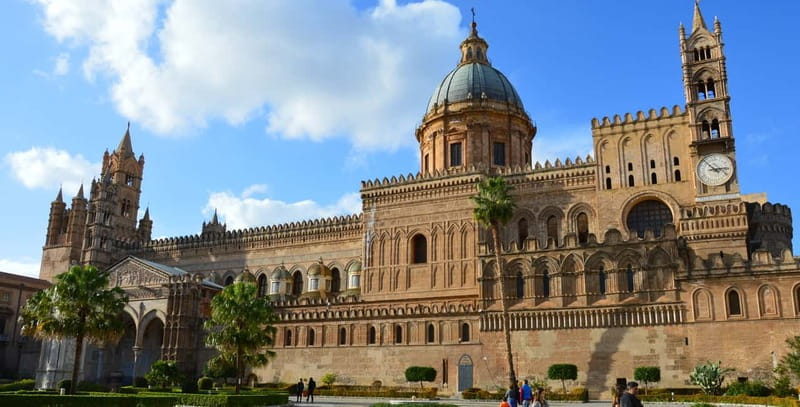
- Capella Palatina plus Palermo Cathedral, two of the city’s most important stops
- Fontana Pretoria and Quattro Canti, packed into photo-friendly windows
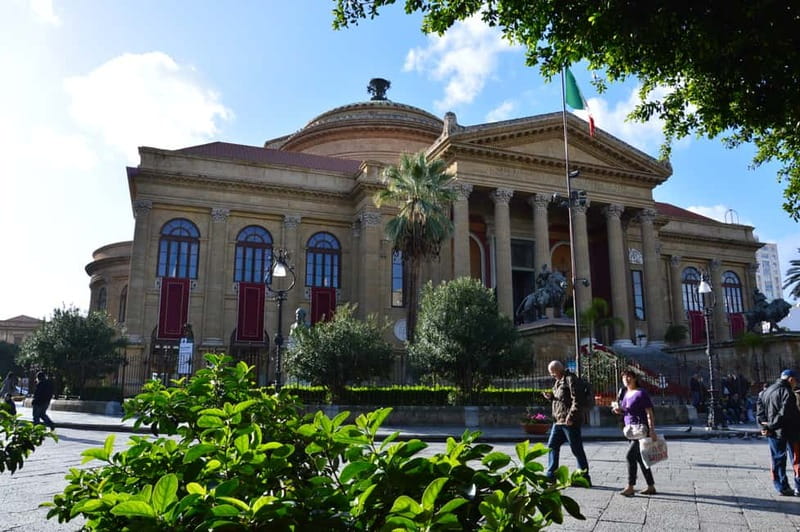
- Teatro Massimo as a grand finale, not just a quick pass-by
- Licensed guide in multiple languages, with headsets when needed
Why This Palermo Art and Architecture Tour Feels Made for Real Sightseeing
Palermo can overwhelm you fast, because the city is layered. One corner looks classic, the next looks medieval, then a church facade flips your understanding again. This tour is designed to help you keep those layers straight without rushing you into “museum sprint” mode.
Two things really stand out for me. First, the guide format. You get a licensed guide, and when groups run larger, you use headsets, which makes a huge difference when you’re outdoors and the city is loud. Second, the route is built around big visual hits that also teach you how to read the buildings, not just where they are.
There’s also a practical win: you’re not stuck in long lines with huge crowds. You’ll use a separate entrance at major sites, so you spend your energy looking instead of waiting.
You can also read our reviews of more walking tours in Palermo

3 Hours, Real Stops: How the Route Keeps Its Promise
This activity is listed at 3 hours, so you need to think of it as a focused half-day rather than a leisurely stroll all over Palermo. That’s not a downside if you’re smart about planning. You get a tight sequence of landmarks, but you also get enough time at each one to absorb the why, not only the what.
The schedule moves in a way that makes sense for walking. You start near the Politeama area, then you work your way toward Cathedral-area highlights, with short but meaningful pauses for photos along the way. Each stop has a mix of quick orientation and time for a guided look.
Two small timing notes that matter. Some monuments have rules on bags and clothing, so I recommend showing up prepared. Also, the sun in Sicily can be sharp, so bring what the tour suggests, sunglasses and a sun hat, plus sunscreen.
Politeama District and Teatro Politeama: Getting Oriented Fast
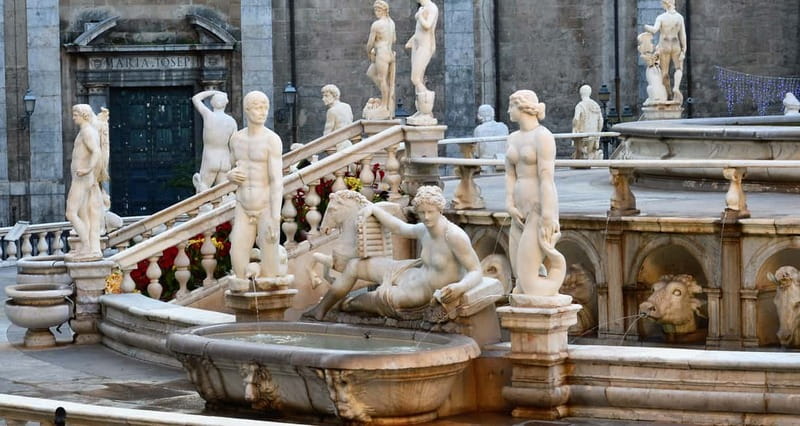
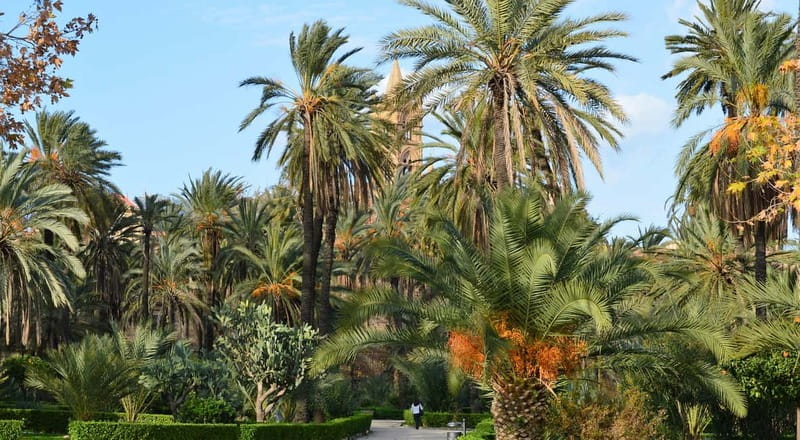
You have two possible start points: Teatro Politeama Garibaldi or Villa Bonanno. Either way, you’re starting in an area that helps you frame what Palermo looks like day to day, not only the postcard zone.
This matters because the guide doesn’t treat buildings like isolated objects. The walk through the Politeama sestiere (district) is your runway. You’ll spot iconic theater architecture along the way, including Teatro Politeama. It’s a useful warm-up because it puts you in the right mindset for what comes later with Teatro Massimo.
You’ll also get a sense of how Palermo’s “street rooms” work. The city is made of corners, facades, and changing streets that feel like chapters. Early on, that can be confusing. This start point helps you keep your bearings.
Capella Palatina: Arab-Norman Splendor You Can Actually Understand
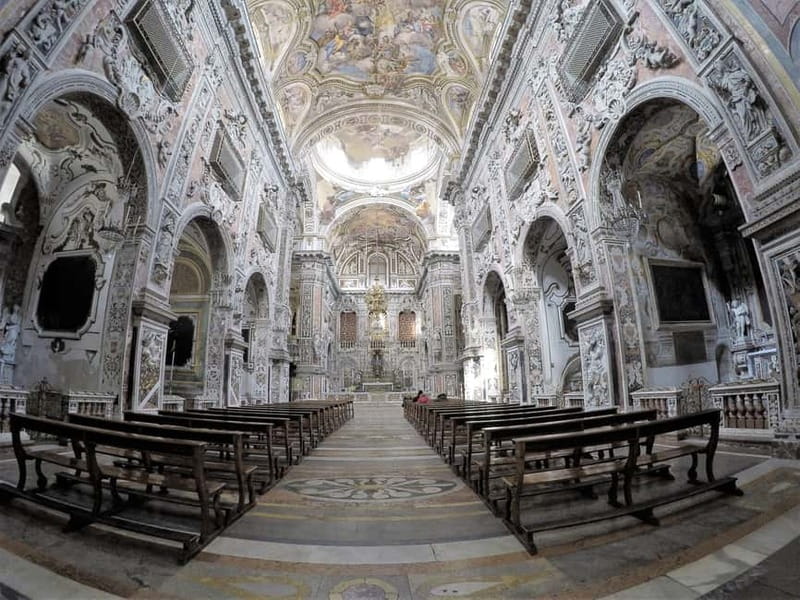
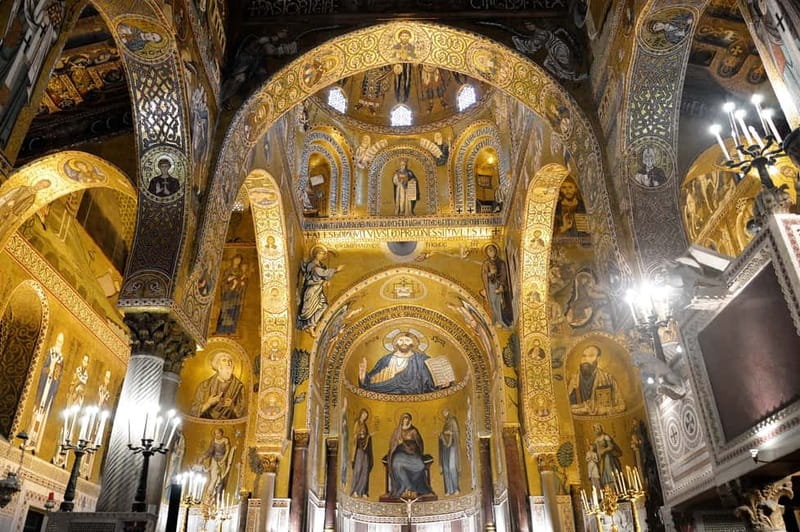
One of the best parts of the tour is how it uses Capella Palatina in the Palazzo Reale area as a turning point. You’re not just looking at a chapel and moving on. The guide connects the site to the Arab-Norman era, and that connection makes the architecture feel less like decoration and more like a conversation between cultures.
When you’re standing inside, you’ll be better able to notice what makes the chapel distinctive. The tour also connects it to religious rites at the time, which helps you understand why particular details were designed the way they were. That is the difference between a quick sightseeing glance and a “now I get it” moment.
If you’re the type who likes to see why buildings look the way they do, this stop is a highlight. The chapel is one of the easiest places to feel the payoff of a good guide, because the history is written in the space.
Fontana Pretoria and Quattro Canti: Sicily’s Geometry Meets Storytelling
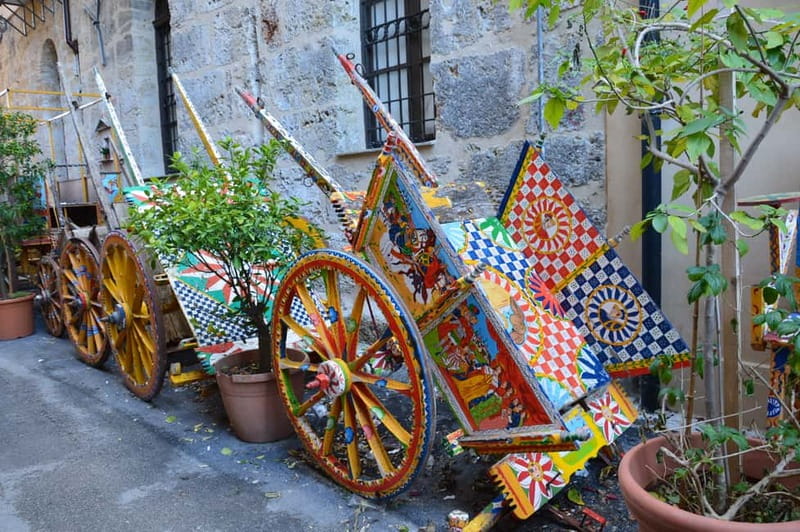
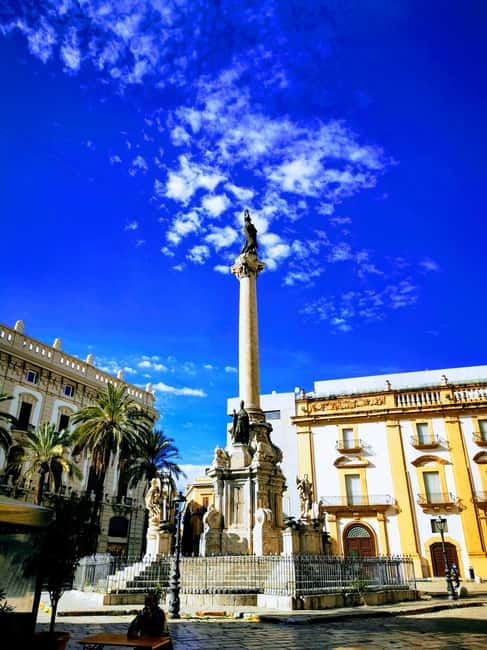
After you build context at the Palazzo-Reale-linked area, the tour shifts into street-level landmark sightseeing with Fontana Pretoria and Quattro Canti.
Fontana Pretoria
The fountain stop is short, but it’s timed for maximum impact. You get a photo stop and a guided look, about 15 minutes here. What makes this worth it is how the guide treats it as more than a pretty landmark. You learn what you’re seeing and how the fountain fits into Palermo’s planned city image.
Even if fountains are not your top interest, this one helps you understand Palermo’s love of scale and display. It’s an example of how art and politics mix in public space.
Quattro Canti
Then you hit Quattro Canti, again with photo time plus guided context. This is the kind of place that looks straightforward until you realize it’s built with strong planning. The guide’s explanation helps you read it as a crossroads design, not random scenic architecture.
If you want a quick win for understanding the city layout, this is a solid stop. It also makes your photos better because you know what lines and corners you’re capturing.
Palermo Cathedral Facade: Gothic to Renaissance to Baroque, All at Once
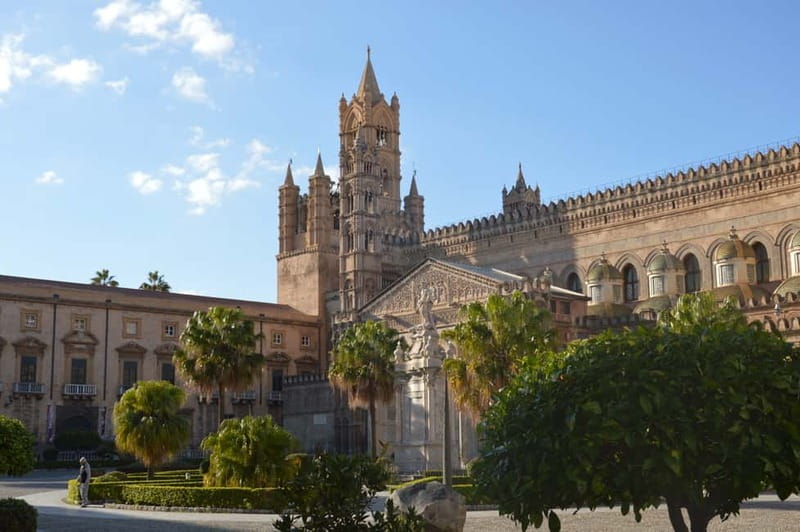
This is the anchor stop, and you’ll spend about one hour at Palermo Cathedral. The tour focuses on the most impressive part first, the facade. What makes it special is that it reflects multiple architectural styles, from Gothic through early Renaissance and Baroque.
Standing in front of a cathedral like this can feel like staring at a puzzle. The guide helps you sort the pieces. You learn what you’re seeing and why it changed over time. That turns the facade into a timeline you can walk along with your eyes.
This is also where the legend of St. Rosalie becomes important. The guide’s story gives you the emotional and cultural reason behind why she is central to Palermo. Even if you don’t think you care about religious legends, this part makes sense of the city’s identity, because it explains how beliefs shape public life.
One practical tip: plan to spend your energy here. This stop is both visually powerful and mentally rewarding, so don’t overpack your day with other heavy activities right before or after.
Teatro Massimo Finale: The Big Opera House Feel, Without the Rush
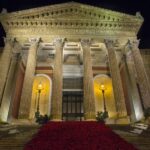
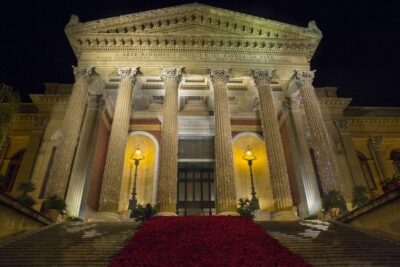
The tour finishes with a look at Teatro Massimo, one of Europe’s largest opera houses. You get a photo stop and then guided time, about 29 minutes.
What I like about finishing here is the mood shift. Palermo can be dense with stone and detail. Teatro Massimo adds space and grandeur. You’re reminded that the city isn’t only medieval churches and old streets. It has a modern civic identity too.
Also, a big opera house is a great place to appreciate architecture as performance space. Even if you never see a show, you leave with a sense of the scale the city was building toward.
The walk ends back at the area you started around, with a listed finish at Teatro Politeama Garibaldi. That makes it easier to transition to lunch or your next plan.
Skip the Line, Entrance Fees, and the €3 Rules You Should Know
This is one area where planning helps you enjoy the tour instead of managing surprises.
The tour includes skip the line through a separate entrance for the key monuments. That is genuinely valuable in Palermo, where queues can eat up your morning. You also get licensed guiding and, depending on group size, headsets so you can hear clearly.
But entrance tickets are not included. Entrance to monuments is generally something you pay directly to your guide prior to departure. Also, there are specific €3 reservation fees tied to free entrance rules. For people entitled to free entrance, there is a €3 per person reservation fee. And on the 1st Sunday of each month, entrance to monuments is free of charge, but you still pay a €3 per person fee for booking and headsets.
So here’s the practical mindset: budget for monument entry, and assume small fees exist even on free days. The upside is that the guide can handle the flow so you don’t waste time figuring it out on your own.
Guide Quality: Why Names Like Maria, Diana, Roberta, and Francesca Matter
Good architecture tours live and die by the guide. And this one seems to consistently deliver that human factor.
I paid attention to the guide styles described by other guests, and a few names came up often: Maria, Diana, Roberta, and Francesca. The shared theme is clarity plus adaptability. For example, Roberta is praised for managing a tough weather situation and for keeping elderly parents comfortable, including having access to elevator and seating when needed. Francesca is praised for flexibility, especially for older visitors, and for connecting the architecture to everyday Palermo through streets and market-style stops.
You can use this to your advantage when you book. If you care about understanding the city rather than just collecting photos, prioritize the small-group format and look for a guide who communicates with pace and patience.
Practical Stuff That Can Make or Break Your Walk
Here’s what you should do before you show up.
Wear and pack smart
Bring:
- Comfortable shoes
- Sunglasses
- Sun hat
- Sunscreen
Not allowed:
- Shorts
- Oversize luggage
- Backpacks
Also, large bags and backpacks are not permitted inside monuments. That matters because it can affect how much you can carry once you enter.
Respect the flow inside monuments
These spaces can be tight. If you’re traveling with parents, teens, or anyone who moves slower, plan your route pace with the guide. The tour format is set up to handle all ages, and the guide experience described by guests suggests they can help you manage it.
Who This Tour Is Best For (And Who Might Skip It)
This tour is a strong match if:
- You want a fast, high-utility way to see Palermo’s main art and architecture without losing time
- You prefer small-group listening, with a guide who can explain context at each stop
- You care about the “why” behind styles, especially the Arab-Norman era and the cathedral facade mix
- You want a route that ends in a practical spot for food and next steps
You might consider a different format if:
- You have very limited mobility and would rather have a plan designed around fewer stops
- You hate paying extra at monuments, since entrance tickets are not included
- You want a long, wandering day with no structured stops
Should You Book This Palermo Art and Architecture Walking Tour?
If your goal is to get oriented and then feel confident about what you’re looking at, I think this is a good value for Palermo. Yes, you pay extra for entrances, and yes, you need to follow the site rules about what you can carry and wear. But the payoff is that you get skip-line access, meaningful guided time at the big monuments, and clear explanations that help the city click.
If you are short on time, or if you want to see Palermo’s highlights without doing the guesswork, this one fits your trip style. I’d book it as one of your first major Palermo activities, so the rest of your days feel easier to navigate.
FAQ
How long is the Palermo Art and Architecture Walking Tour?
The duration is listed as 3 hours. Starting times vary, so you’ll need to check availability for your date.
Is this tour private or group-based?
It’s described as a private group tour. The price is per group up to 5.
What’s included in the price?
The tour includes a licensed guide. It also includes headsets to hear your guide clearly for groups larger than 15 participants.
Are entrance tickets to monuments included?
No. Entrance tickets to monuments are not included, and entrance fees are paid directly to your guide prior to departure.
Where does the tour start and end?
You can start at Teatro Politeama Garibaldi or Villa Bonanno, depending on the option booked. The tour finishes back at the meeting area, with the itinerary listing Teatro Politeama Garibaldi as the finish point.
What should I bring, and what is not allowed?
Bring comfortable shoes, sunglasses, a sun hat, and sunscreen. Shorts, oversize luggage, and backpacks are not allowed, and large bags or backpacks are not permitted inside the monuments.
More Walking Tours in Palermo

More Tours in Palermo
More Tour Reviews in Palermo
Not for you? Here's more nearby things to do in Palermo we have reviewed




Palermo City & Market Tours, compared.
 ★ 4.8Palermo: NO Mafia Walking TourFrom $402,431 reviews
 ★ 3.9Palermo: Hop-on Hop-off Bus Tour 24-hour TicketFrom $172,410 reviews
 ★ 5.0Palermo Original Street Food Walking Tour by StreatyFrom $832,105 reviews
 ★ 4.2Segesta, Erice and Salt Pans Full-Day Excursion from PalermoFrom $821,791 reviews
 ★ 4.5Palermo: Teatro Massimo Opera House Guided TourFrom $141,573 reviews
 ★ 4.2From Palermo: Monreale and Cefalù Half-Day TripFrom $711,354 reviews
 ★ 4.9Palermo: Street Food and History Walking TourFrom $541,294 reviews
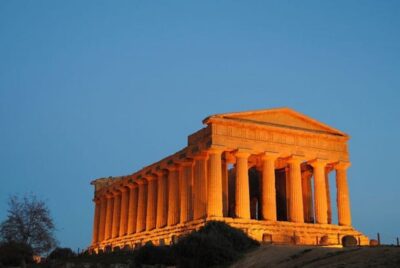 ★ 4.2Palermo: Agrigento and the Valley of the Temples Day TourFrom $771,240 reviews
Browse the lists this tour appears in