
Reviewed · NOTO, MODICA & RAGUSA BAROQUE TOURS
Ragusa Ibla: Walking Tour with Local Guide
Sicily’s Baroque streets pack a lot. This Ragusa Ibla walking tour kicks off at the Portal of San Giorgio and moves through gardens and churches with a licensed guide in about two hours. I love the way it explains what you’re actually looking at, like the St. George and dragon carving on a portal that survived a disaster that reshaped the town.
My favorite part is the Ibleo Garden, Ragusa’s oldest garden, where shade and fountains cool things off before the religious stops. It also gives you a viewpoint feeling, since the garden overlooks the Irminio Valley and the Iblei Mountains, even while you’re still walking around town.
One tradeoff to plan for: the tour stays focused on Ibla, so if you want the broader view from Ragusa Superiore, you may need to add that separately before or after.
Key things you’ll notice on this Ragusa Ibla walk
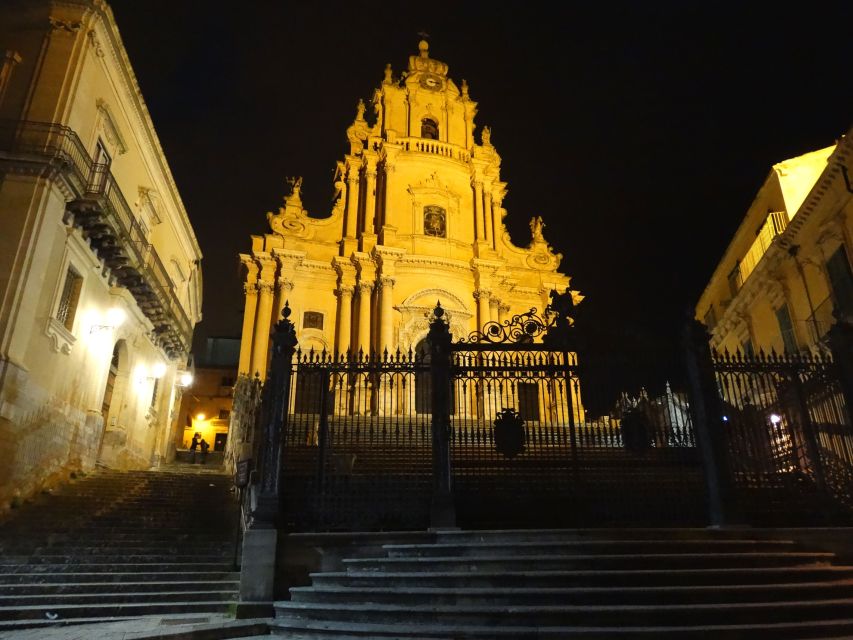
- Portal of San Giorgio in Gothic-Catalan style, with light pink stone and St. George vs. the dragon
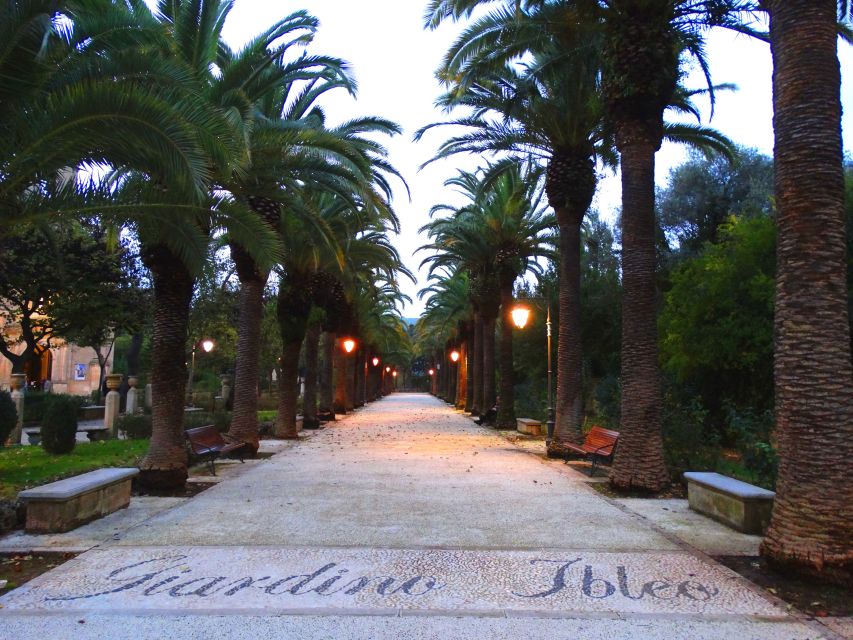
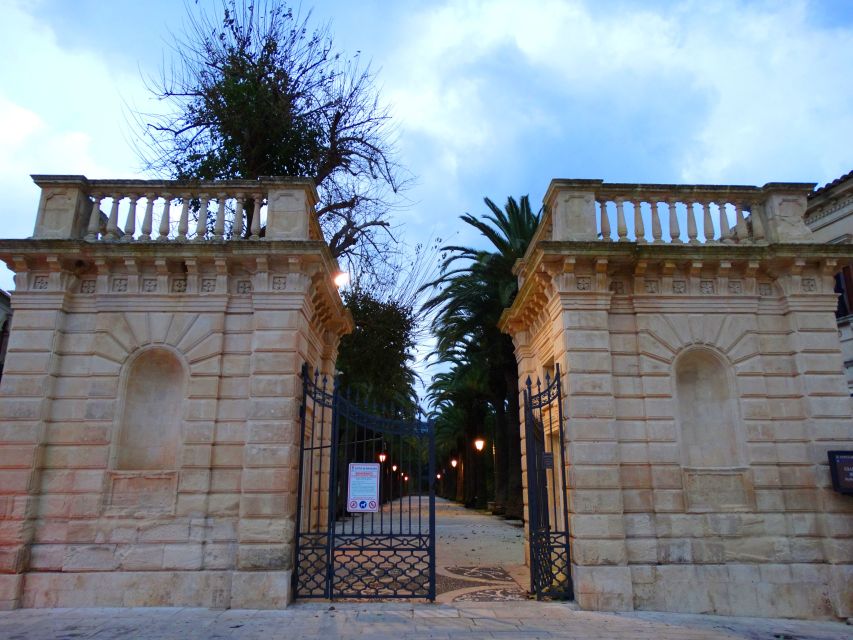
- Ibleo Garden, Ragusa’s oldest, with a palm-tree entrance and fountains including one shaped like Sicily
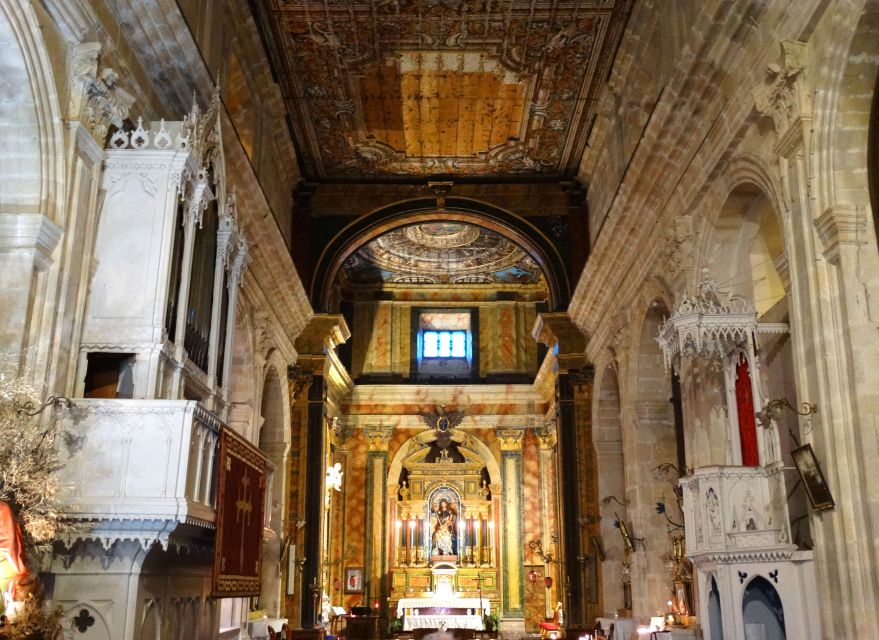
- Church of San Giacomo built on an ancient temple, with a striking wooden ceiling and Corinthian columns
- Conversation Circle (Caffè dei Cavalieri), a nineteenth-century neoclassical meeting place
- San Giorgio Cathedral, reached by an imposing staircase and filled with 18th-century Sicilian art
Portal of San Giorgio: start where Ragusa’s story resets
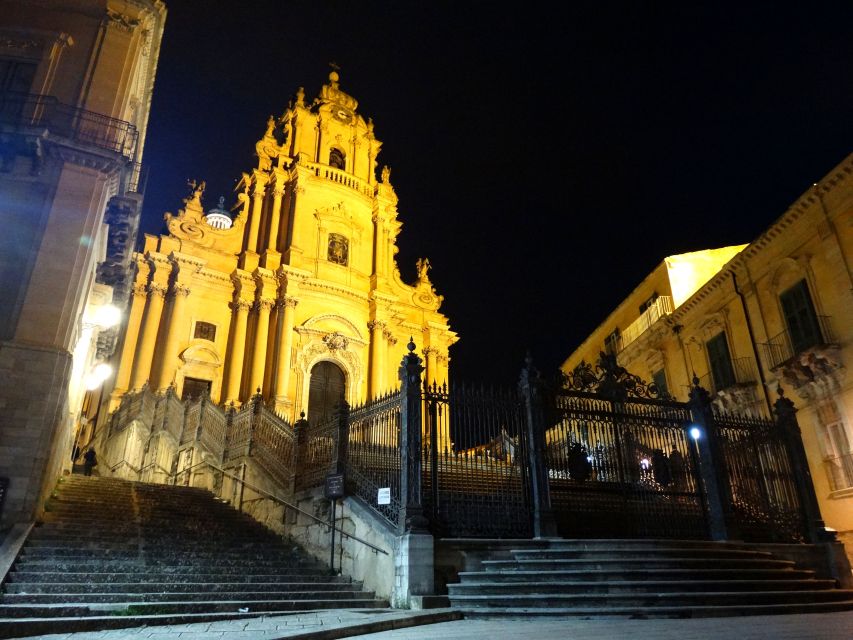
The tour begins at the Portal of San Giorgio, on Via dei Normanni, in front of the restaurant Risìu. Look for the licensed guide badge worn around the neck so you can spot the right person fast. Since this is a private group and runs about two hours, you’ll want to arrive a few minutes early so you’re not rushing at the start.
What makes this opening stop matter is the “why” behind it. This portal is described as the only architectural element that survived the earthquake that destroyed the town. That detail changes how you look at the stonework. It’s not just pretty. It’s a physical survival marker, a part of Ragusa that literally made it through.
The portal itself is light pink stone in a Gothic-Catalan style. In the center, you’ll see the fight between St. George and the dragon. That theme comes back later in the cathedral too, so starting here helps you connect the religious art dots instead of treating each stop as a separate photo op.
You can also read our reviews of more walking tours in Ragusa
Ibleo Garden: the calm pause before the churches
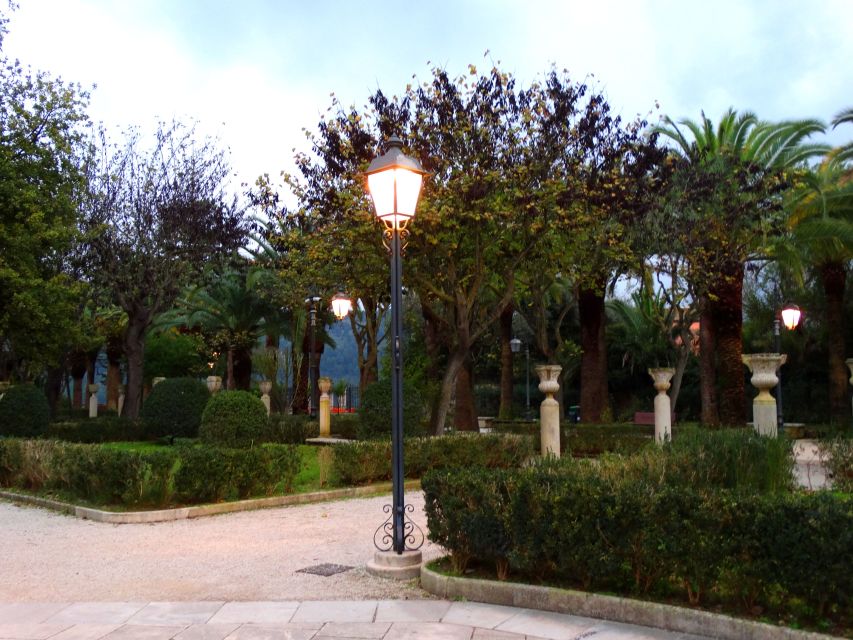
A few steps from the portal, the walk brings you into the Ibleo Garden, Ragusa’s oldest garden, built in the nineteenth century. The garden overlooks the Irminio Valley and the Iblei Mountains, so it feels like a breath of air even if you’re still inside a city walking route.
One detail I like for planning is the entrance design. You’re welcomed by an avenue of 50 palm trees and an elegant balcony that borders the garden. That gives you an immediate sense of occasion, as if the garden was meant to be approached, not just stumbled upon.
Inside, the garden is described as an oasis of peace and relaxation, with shade and exotic plants. You’ll also see several fountains, including one shaped like Sicily. There’s even a monument to the fallen of the Great War, plus some churches within the garden. It’s a mix of leisure and memory, which is exactly the kind of contrast that makes a short tour feel layered instead of repetitive.
Then you move from the garden calm into Church of San Giacomo, which sits on an ancient temple. The interior is where the guide’s explanations help most, because the description points to several big visual elements: a wooden ceiling, Corinthian columns, statues, and precious paintings. Even if you’re not a church expert, those features give you clear “look here” anchors, and the ancient temple setting makes the building feel like part of a much older continuity than you might expect.
Baroque alleys and palaces: how the street becomes the attraction
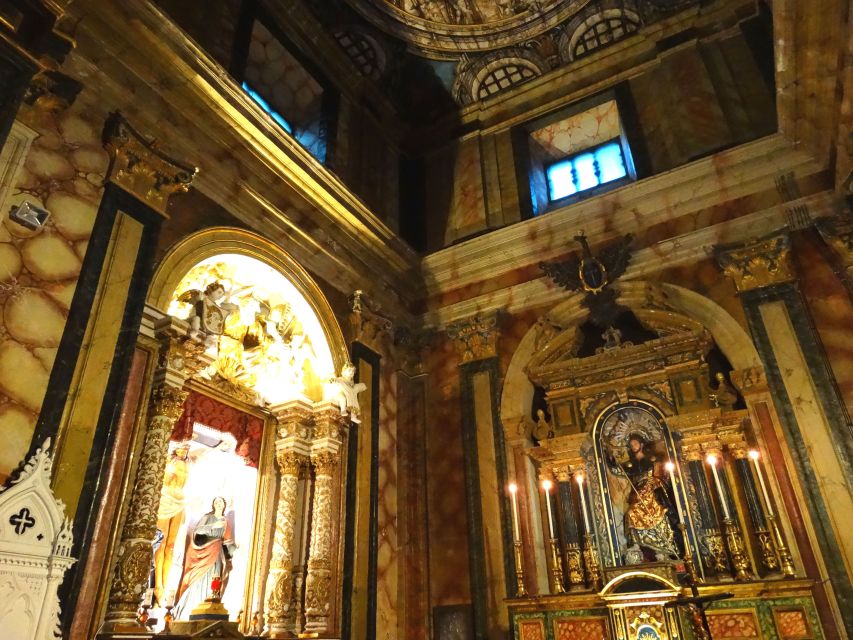
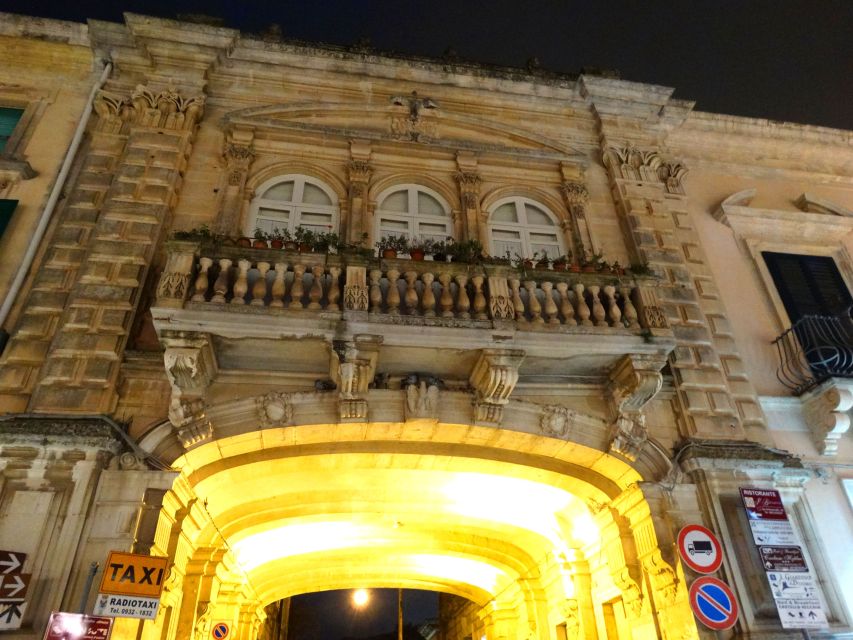
After the garden, you return to the historic center and start moving through the late Baroque style of Ibla. This part is less about one single monument and more about what you notice as you walk: alleys lined with elegant Baroque-style buildings and palaces with distinct balcony details.
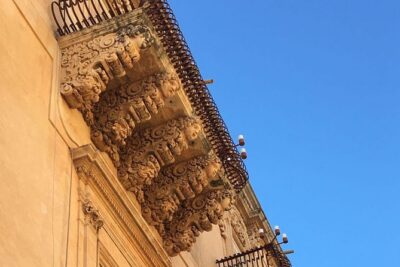
Outside those palaces, you’ll see balconies supported by typical Baroque-style masks. That’s a fun visual clue for you while walking, because it gives you something specific to hunt for as you pass building fronts. In places like this, the “street view” can feel random until you learn a motif, then suddenly every corner has a reason.
This is also where the tour leans into everyday Ragusa culture. You’ll pass Sicilian ceramics shops and artisan workshops where the famous Sicilian carts are still made. You’re not just visiting monuments. You’re seeing what keeps local craft traditions alive in the same lanes where Baroque churches rise.
A licensed guide helps here because the value is in interpretation. Instead of just reading the storefronts from the sidewalk, you get context that ties the craft shops and decorative facades to the same place and same time period.
Conversation Circle (Caffè dei Cavalieri): a break in style and a peek at social life
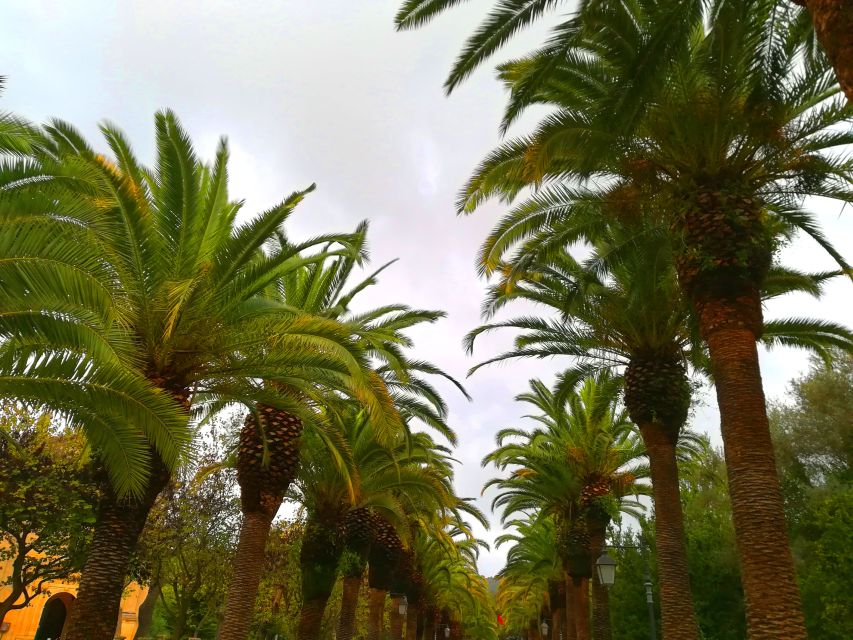
One of the most interesting stops is the Conversation Circle, also called Caffè dei Cavalieri. It’s an elegant neoclassical building wanted in the nineteenth century by the nobles of Ragusa as an exclusive meeting point.
Even though it’s a coffee-house reference, it’s not really about caffeine. It’s about social architecture, the kind of place where elites gathered and status mattered. The tour notes that from the outside you can see hints of the richer interior through details like frescoes and the ceiling elements, plus mirrors that reflect a more nineteenth-century atmosphere.
This stop works because it gives you a counterweight to the religious buildings. After seeing portals, chapels, and cathedrals, you get a sense of how the upper class lived their day-to-day in public spaces. If you like understanding how power and culture showed up in buildings, this is a highlight.
Church of S. Giuseppe and the walk toward the main square
As you continue along the main street leading to the Cathedral, you visit the Church of S. Giuseppe. The description flags two standouts. First is the facade, which is said to be similar to the cathedral, in Baroque style. Second is what’s inside, especially the floor of colored majolica.
Colored majolica floors are the kind of detail you can miss if you’re rushing, so the guide’s timing matters. This stop is a useful warm-up for the next big moment, because it prepares your eye for Baroque visual richness. It also keeps the tour varied: street level outside views, then a quick focus on interior design.
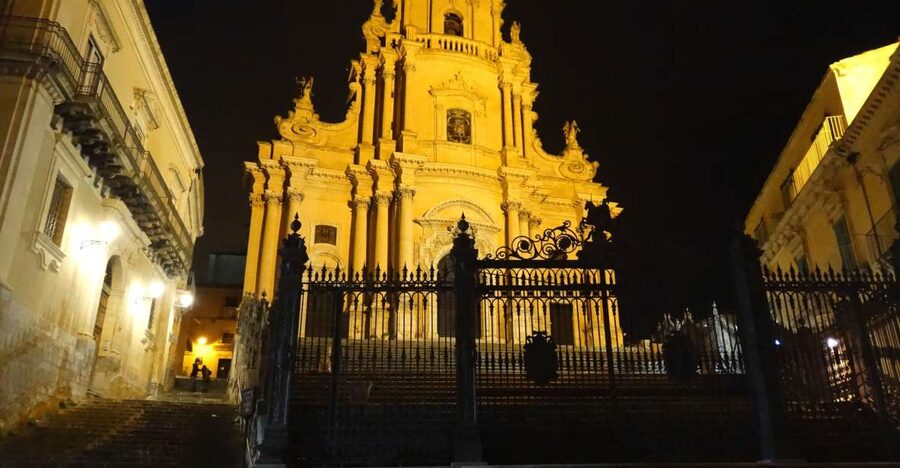
At this stage of the walk, you’ll also feel the route steering you upward toward Ragusa’s symbolic religious center. The tour ends at the Cathedral of San Giorgio, preceded by an imposing staircase in the highest part of the main square. Even if you don’t care about architecture, the stairway approach is the moment that turns the walk into a proper finale.

San Giorgio Cathedral: 18th-century art and St. George on horseback
The Cathedral of San Giorgio is the tour’s closing anchor, and it’s built for dramatic arrival. You reach it by climbing the imposing staircase in the highest part of the main square, which is exactly why the guide starts earlier at St. George imagery at the portal. You get a story arc, not just a list of sites.
Inside, the tour highlights the paintings of eighteenth-century Sicilian masters. That matters because it tells you to focus on a particular period, instead of trying to interpret everything at once. You’ll also see a large pipe organ, which is another big visual and auditory feature even if you don’t hear it playing.
The last noted focal point is the statue of St. George on horseback with his reliquary. That ties right back to the dragon scene at the portal. In practice, it helps you connect the saint’s imagery across two different kinds of spaces, public stonework and interior sculpture.
When the tour wraps, you return back to the meeting point at the portal area. Since it’s only two hours, you won’t feel like you’re spending the whole day in transit or doing endless detours. It’s a tight loop designed to get you oriented in Ibla fast.
Price and pacing: what $389.70 per group really buys you
The price is listed as $389.70 per group, up to 15 people, and the tour runs about two hours. Since it’s a private group, your cost becomes far more reasonable when you fill the group. At the full cap of 15, that’s roughly $26 per person. If you’re a smaller group, the per-person cost rises, but you still get a licensed guide plus a structured route through the main Ibla highlights.
That’s the value angle here. You’re not paying for someone to walk beside you. You’re paying for interpretation at the key stops: the Gothic-Catalan portal detail, the Ibleo Garden overview, the Church of San Giacomo interior elements, the meaning behind Caffè dei Cavalieri’s noble origins, and the Cathedral’s specific art and statuary.
Pacing is another part of value. Two hours is enough time to see the portal, the garden, a major interior church, several street-level highlights, and the cathedral. You won’t get a long, slow museum-style experience, but you do get a high density of the most “Ibla” sights, and the guide’s route keeps it coherent.
One practical planning point: this tour does not include food or drink. So if you’re the type who likes to end with coffee or a pastry, plan to do it afterward on your own.
Who this Ragusa Ibla tour suits best, and who should skip it
You’ll probably love this if you want a first-time, structured introduction to Ragusa Ibla without guessing what matters. It’s especially good if your group enjoys Baroque architecture and religious art, because the route connects motifs like St. George across multiple stops.
It’s also a solid choice for friends or families who want control over the language and the pace. The tour is a private group and the guide can work in Italian, English, French, or Spanish. That flexibility is handy if your party has mixed language needs.
The one reason I’d consider skipping or supplementing is the limitation mentioned in the route focus. The tour is centered on Ibla and ends back at the portal area. If you’re chasing viewpoints from Ragusa Superiore, you might want to add that on your own, since the tour does not include an extended climb beyond Ibla for a higher panorama.
Should you book this Ragusa Ibla walking tour?
Book it if you want an efficient, guide-led overview of Ibla’s signature places, with strong interpretation at the portal, the Ibleo Garden, and the Cathedral of San Giorgio. It’s also a good value move for groups, because the price is per group up to 15, not per person.
Skip it or plan something extra if you need more time in one spot, or if Ragusa Superiore views are your top priority. In that case, treat this as the Ibla foundation, then add a separate outing for the higher viewpoint you’re looking for.
If you like walking routes that end with a payoff, this one is built for that. You start with the symbol that survived, you take a calmer garden interlude, and you finish at a cathedral that makes St. George feel like the town’s guiding theme.
FAQ
How long is the Ragusa Ibla walking tour?
It lasts about two hours.
Is this tour private?
Yes. It is a private group.
Where do we meet the tour guide?
You meet at the Portal of San Giorgio on Via dei Normanni, in front of the restaurant Risìu. The guide will have a visible license badge.
Where does the tour end?
The tour ends back at the meeting point near the Portal of San Giorgio.
What is included in the price?
A licensed tour guide is included.
What is not included?
Transfer or pick-up drop-off is not included, and food and drink are not included.
What languages are available for the live guide?
The guide is available in Italian, English, French, and Spanish.
Can I cancel or reserve without paying right away?
You can cancel up to 24 hours in advance for a full refund, and you can reserve now and pay later.
More Walking Tours in Ragusa
More Tours in Ragusa
More Tour Reviews in Ragusa

Not for you? Here's more nearby things to do in Ragusa we have reviewed
Noto, Modica & Ragusa Baroque Tours, compared.
 ★ 4.6Catania: Syracuse, Ortigia, and Noto Tour with BrunchFrom $112404 reviews
 ★ 5.0Syracuse, Ortigia and Noto walking tour from CataniaFrom $129273 reviews
 ★ 4.7From Catania: Neapolis of Syracuse, Ortygia, and Noto TourFrom $130234 reviews
 ★ 3.9From Catania: Syracuse, Ortygia, and Noto Tour140 reviews
 ★ 4.8Noto, Modica and Ragusa: The Baroque Tour from CataniaFrom $124133 reviews
 ★ 4.4Catania: Noto, Modica and Ragusa Ibla Baroque TourFrom $101106 reviews
 ★ 4.3From Taormina: Syracuse and Noto Guided Day Trip by BusFrom $68101 reviews
 ★ 4.5Syracuse, Ortygia & Noto small group Tour from Catania with lunchFrom $12698 reviews
Browse the lists this tour appears in