
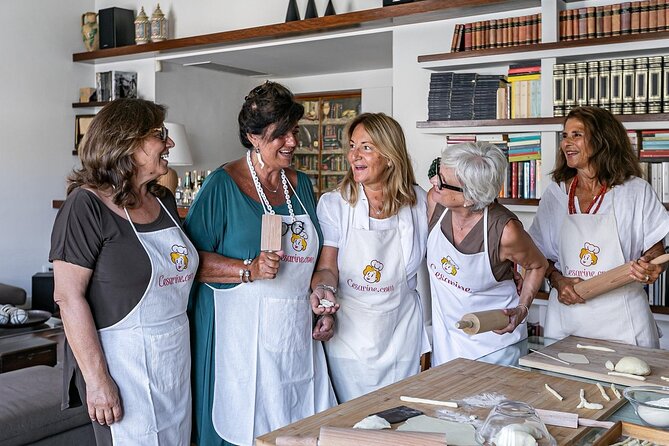
Reviewed · PALERMO CITY & MARKET TOURS
Share Your Pasta Love in Local’s Home in Palermo
Fresh pasta in a real Palermo kitchen. I love how this class turns a simple meal into hands-on cooking with a local host in their own space.
I also like that you are taught how to make fresh pasta dough and shape classic Sicilian styles, not just cook from a recipe card. One possible drawback: you only have about 1.5 hours, so if you want a super slow, super detailed lesson, you might feel a bit rushed.
The experience is intimate, with a maximum of 10 people, and it follows a warm rhythm: a welcome bite, then work at the counter, then sit down for what you made. You will learn three traditional pasta dishes with classic sauces, and the class ends with lunch or dinner served with wine over the meal. If you hate any kind of mess, be aware, pasta making means flour on sleeves and sticky dough on your fingers.
Key Highlights You Should Know Before You Go
- A local home cooking class in Palermo, not a restaurant demo
- Three pasta dishes plus classic sauces, shaped by your own hands
- Fresh pasta technique focus, especially dough texture and shaping
- Small group size, max 10 people, so you get real attention
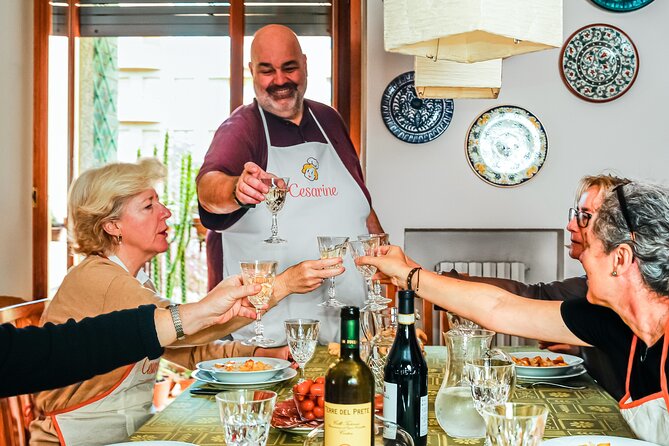
- Wine at the table, with a bottle shared per three people
A Palermo Welcome That Feels Like Being Let In
This kind of class works because it starts like a visit, not a performance. You get a traditional Italian-style welcome with a small appetizer and an aperitif as you meet your host and the other people in the group. It sets the tone fast. You are not standing on the outside looking in, you are stepping into someone’s kitchen workflow.
In Palermo, home kitchens can be compact and practical, and that’s a good thing for you. You’ll learn how pasta gets made day to day, with tools that make sense for real cooking, not studio lighting. Several classes are led by hosts such as Rosa Maria, Pina Liguori, Velia Figuccia, and Chef Antonio, and the common thread is the same: clear step-by-step teaching paired with lots of warmth.
The best part for me is the social pacing. You talk while you prep, you learn while you stir or knead, and you end by eating what you made, together at the table.
You can also read our reviews of more tours and experiences in Palermo.
Rolling Up Your Sleeves: Pasta Dough and Shaping Skills
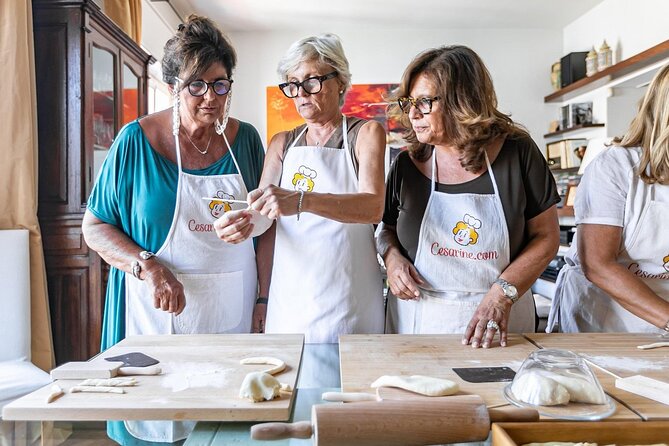
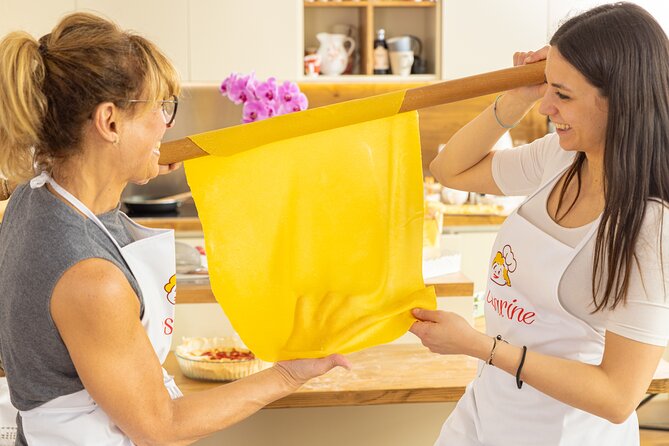
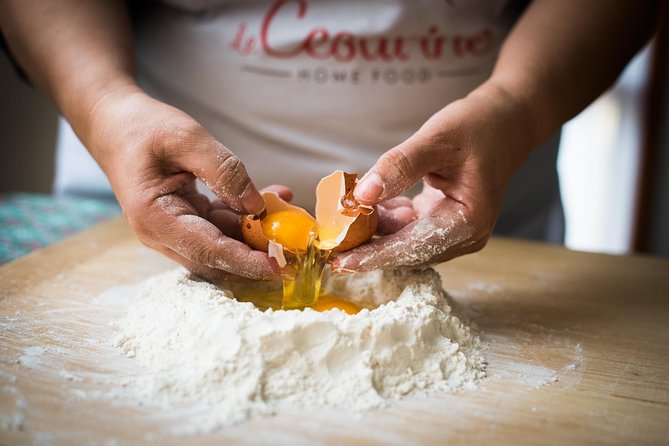
The heart of the experience is the pasta-making session. You mix, knead, and shape pasta under your host’s guidance, and the focus is on technique you can actually repeat later.
What you’ll practice
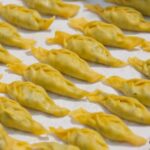
Expect to work with fresh dough and then move into forming pasta shapes. The exact menu can vary by class, but the style list includes classics such as busiate, ravioli, tagliatelle, gnocchi, and anellini, with options like scialatielli or fettuccine also mentioned in similar sessions. That variety matters, because you learn that pasta is not one skill. Dough, shaping, and sauce pairing are a set.
Why the teaching style is so useful
From the way hosts teach, the goal is texture awareness. You learn to judge dough by feel, not by blind timing. That is the difference between making pasta that is merely edible and pasta that tastes like it came from a proper Sicilian kitchen. Hosts are especially good at explaining what the dough should look and feel like as it comes together and how to adjust your work if it seems too dry or too sticky.
You’ll also pick up small “why this works” tips, like how to handle the dough so it stays smooth while you shape it, and how to time steps so you can actually serve dinner without chaos.
Practical reality check
This is a hands-on class. Flour happens. Dough can cling. Your hands may be a little messy. If you love food but hate getting involved, you may need to mentally shift from tourist mode to workshop mode.
The Three Dishes Plus the Sauce Lessons That Make It Sicilian
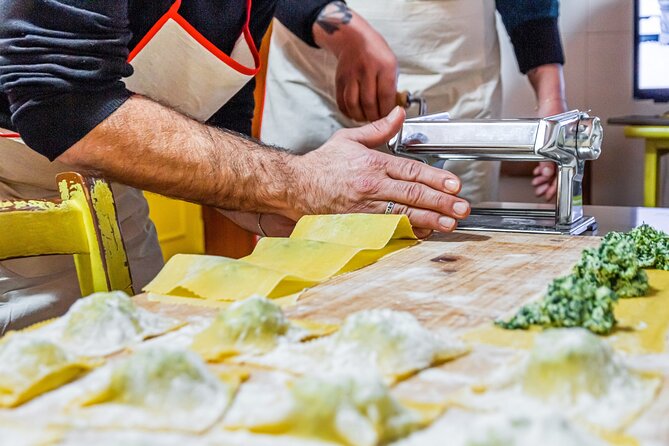
You don’t just make pasta. You make pasta with classic sauces, the kind Sicilians actually cook and eat. The class is designed around three traditional dishes, so you get a good spread rather than repeating the same shape three times.
Common pasta styles you can expect
Based on the class descriptions and real examples from the hosts:
- Busiate: a strong choice if you like sauce clinging and a lively bite
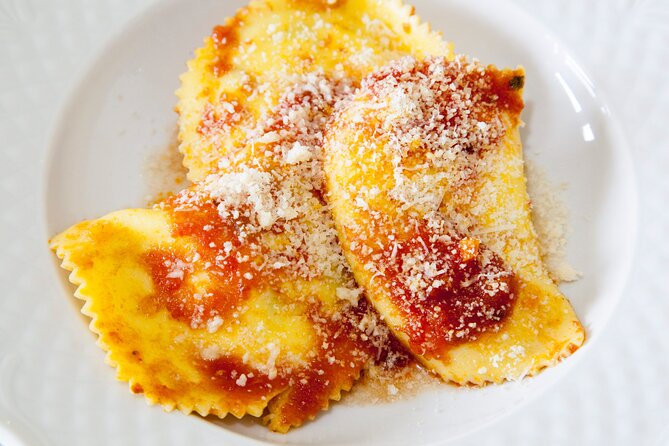
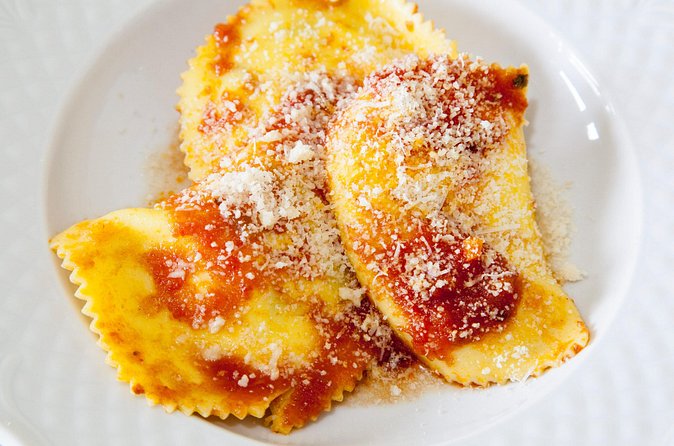
- Ravioli: folding and sealing skills, plus a satisfying finished result
- Tagliatelle or fettuccine: good for learning even thickness and comfortable rolling
- Gnocchi: a different technique from rolled pasta, often with a lighter, tender feel
- Anellini: small ring pasta that can be a fun shape challenge
Sauce work that helps you cook beyond the class
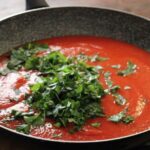
Sauce is where the regional identity shows up. One reason people rave about these sessions is the sauce teaching. You’ll learn approaches to classic tomato sauces and pairing pasta with regional ingredients. In some versions, you may also encounter lessons that include tomato sauce mastery, and hosts may build in extra touches like learning about local cheeses and wines.
You might even end with something sweet. Several classes in Palermo-style home kitchens add an easy tiramisu step or a simple variation as part of the finale. It isn’t guaranteed in the general outline, but it’s a realistic possibility based on what some hosts teach during the meal portion.
What you should watch for while cooking
Don’t rush the sauce while the pasta is still forming. The timing is part of the skill. Your host will likely keep you on track, but you’ll learn how to coordinate boiling, finishing, and sauce mixing so everything hits the table warm.
Eating What You Cook: Wine, Lunch or Dinner, and the Real Value
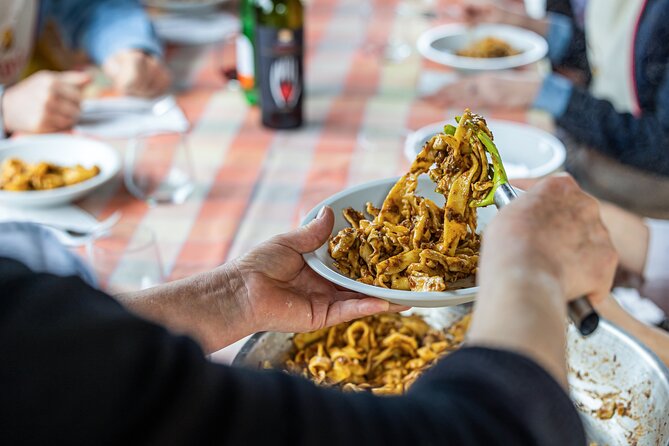
When it’s time to eat, the class stops being about learning and starts being about payoff. You sit down to taste the dishes you prepared, served as lunch or dinner, depending on the session timing.
Wine at the table
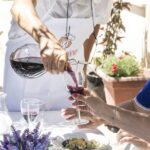
You toast with wine during the meal. The class format shares wine by bottle, with one bottle per three people. That’s not just a perk. It changes the vibe. It turns the meal into a proper Italian sit-down, not a quick tasting.
The view and the setting matter
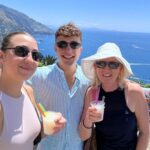
One review experience described a meal on a balcony with sweeping mountains and sea views. Not every apartment will have that exact scene, but the main idea is consistent: you are eating in a real home setting. For you, that means fewer crowds, less noise, and more conversation than you’d get in many group food tours.
What you get from eating together
You’ll understand why the sauce decisions you made while cooking work. It’s one thing to follow a technique, and another to taste the results straight after you finish. This is also where people ask questions, swap tips, and start comparing how each dish turned out across the table.
Price and Logistics: Why $95.18 Can Still Feel Like a Deal
At $95.18 per person for about 1.5 hours, this isn’t a bargain snack. It’s priced more like a guided experience with real labor and real ingredients.
Here’s how you should judge value:
- You’re paying for instruction in fresh pasta, not just a meal
- You’re paying for ingredients and wine included with the session
- You’re paying for a small group setup (up to 10 people), which usually means more attention
- You leave fed, and you also leave with techniques you can try at home
If you compare it to a restaurant meal alone, you’d be spending money for food only. Here, you’re paying for food plus the skills. That’s why the class rate starts to make sense if you actually want to learn.
Logistics are also straightforward. The class has a mobile ticket and English is offered. It starts and ends back at the meeting point in central Palermo, and it’s near public transportation, which keeps your day simple.
Who Should Book This Palermo Pasta Class (and Who Should Think Twice)
This class is a strong match if you:
- want a small-group food experience where you do the work
- love regional Italian cooking and want to learn techniques you can repeat later
- enjoy chatting with your host and learning from a family-style approach
- like food that comes with real context, not just a mouthful and a stamp
It might not be your best fit if you:
- want a large, scripted sightseeing tour with lots of walking and monuments
- dislike hands-on activities like kneading dough or shaping pasta
- prefer quick tastings over learning time
Age flexibility looks good, too. One set of experiences included a six-year-old in the class and described it as a blast, which suggests the kitchen approach can adapt when needed. Still, it’s a kitchen environment with hot food and flour, so you’ll want to use common sense with kids.
Practical Tips So Your Class Goes Smoothly
A few things will help you get the most out of the 1.5-hour format.
Wear for comfort
Choose clothes you can tolerate getting flour on. Long sleeves are handy, but avoid anything you hate to stain. You’ll be working with dough, and clean-up is part of the deal.
Keep your hunger level ready
You’ll snack at the start with an appetizer and aperitif, then you work, then you eat. Don’t schedule something huge right before this. You want your appetite to show up at the table.
Ask about what to fix
If your dough feels off, ask right away. Hosts tend to teach by demonstrating and then having you practice. The sooner you correct a texture issue, the better your final pasta will turn out.
Plan for memory, not just photos
You’ll get plenty to eat, but your real takeaway is what the host taught you about dough feel, shaping, sauce timing, and pairing. That’s the stuff you’ll use long after your Palermo trip ends.
Should You Book This Palermo Pasta Class?
Yes, if your goal is authentic Palermo cooking you can recreate. This experience is built around fresh pasta techniques, classic sauces, and a shared meal in a real home setting. The small group size and the fact that you make multiple pasta styles keep it from feeling like a one-note cooking demo.
Book it especially if you want something different from the typical sights-and-souvenirs day. You get time with a host, you learn hands-on, and you eat what you made with wine.
If you only want a light tasting, or you hate mess and hands-on work, consider a simpler food tour. Otherwise, this is the kind of experience that turns a trip into a skill you carry home.
FAQ
How long is the Palermo pasta class?
It runs about 1 hour 30 minutes (approx.).
What language is the class taught in?
The class is offered in English.
What dishes will we make?
The class focuses on fresh pasta and includes three traditional pasta dishes with classic sauces. Examples listed include busiate, ravioli, tagliatelle, gnocchi, and anellini.
How many people are in the group?
The class has a maximum of 10 travelers, keeping the experience small and intimate.
Where does the experience start and end?
It starts in Palermo, Palermo Province of Palermo, Sicily, and ends back at the meeting point.
Is there free cancellation?
Yes. You can cancel for a full refund if you cancel up to 24 hours in advance of the experience start time.
More Tour Reviews in Palermo
Not for you? Here's more nearby things to do in Palermo we have reviewed



Palermo City & Market Tours, compared.
 ★ 4.8Palermo: NO Mafia Walking TourFrom $402,431 reviews
 ★ 3.9Palermo: Hop-on Hop-off Bus Tour 24-hour TicketFrom $172,410 reviews
 ★ 5.0Palermo Original Street Food Walking Tour by StreatyFrom $832,105 reviews
 ★ 4.2Segesta, Erice and Salt Pans Full-Day Excursion from PalermoFrom $821,791 reviews
 ★ 4.5Palermo: Teatro Massimo Opera House Guided TourFrom $141,573 reviews
 ★ 4.2From Palermo: Monreale and Cefalù Half-Day TripFrom $711,354 reviews
 ★ 4.9Palermo: Street Food and History Walking TourFrom $541,294 reviews
 ★ 4.2Palermo: Agrigento and the Valley of the Temples Day TourFrom $771,240 reviews
Browse the lists this tour appears in