
Reviewed · COOKING CLASSES
Sicilian cooking experience with a local chef
Siracusa tastes better when you cook it. This small-group Sicilian cooking class in the city focuses on real food moments, starting with a market walk and ending with a table lunch you helped make. I especially like how the chef connects ingredients to the flavors you’ll eat, not just the recipe steps.
I also like the full arc of the meal, from a welcome aperitif to fresh pasta and a proper Alla Norma. One consideration: a couple of past experiences suggest some steps may be prepared in advance or the pace can feel rushed, so if hands-on time is your top priority, you’ll want to choose your moments and ask what you’ll be doing.
Market and Menu, in 2 Hours (With a Small Group)
You’re looking at about two hours, for up to 8 people, in English, with a mobile ticket. The meeting point is Largo XXV Luglio, 13, in Siracusa, and the experience ends back there. It’s a good setup if you want a lively, practical class without spending your whole day in a kitchen.
Key Takeaways Before You Go
- Market samples and ingredient shopping in Siracusa, so you taste what you’ll cook.
- Welcome aperitif with bruschetta, cheeses, cold cuts, and Sicilian wine.
- Fresh pasta focus, including tagliatelle and ricotta-filled ravioli.
- Alla Norma training, with fried aubergines, tomato sauce, and salted ricotta.
- Cannoli finale, finishing with ricotta cream at the table.
You can also read our reviews of more cooking classes in Sicily
Where You Start in Siracusa (And Why the Location Matters)
You meet at Largo XXV Luglio, 13, 96100 Siracusa SR, Italy. That matters more than it sounds, because Siracusa food culture is tied to where people shop and snack, not just where restaurants serve plates. Starting in the center helps you get oriented fast, then you move like locals through the market rhythm.
This is also one of those classes where “where you begin” shapes the whole day. You’re not only learning recipes in a vacuum. You’re learning how ingredients show up in Syracuse life, and then you cook from there.
The Market Walk: Samples, Shopping, and Learning by Taste
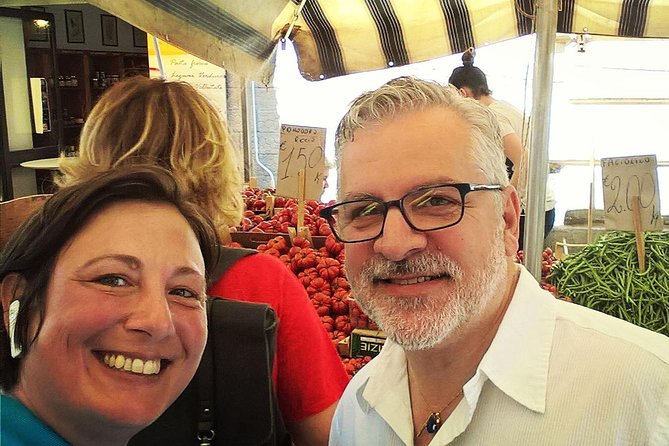
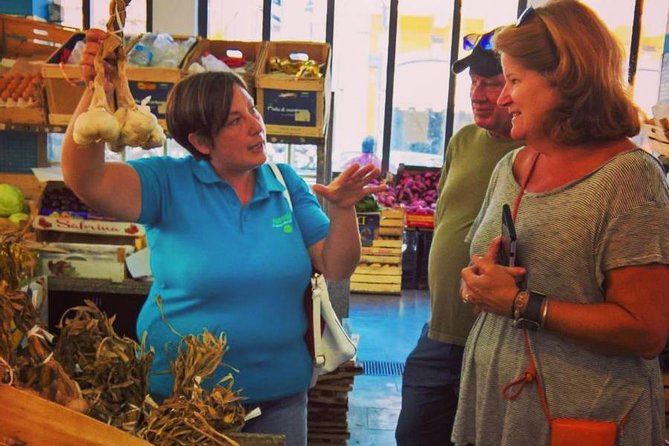
The market portion is one of the strongest parts of this experience. You get guided sampling before you shop, and the point is simple: taste first, then buy with context. In particular, one chef-led day included stops for things like Italian cheese, caponata, and a ricotta-filled croissant, plus a glass of wine.
You’ll also buy ingredients for the lunch you’ll cook. Based on what’s been shared from real class experiences, that can mean items like fresh fish of the day and vegetables, depending on what’s at its best at that time. I like this approach because it turns your shopping into part of the lesson, not just a quick stop on the way to the kitchen.
What to watch: markets move at a local speed. If you tend to get overwhelmed in busy areas, give yourself a little extra buffer before the class so you can enjoy it instead of rushing to keep up.
Aperitif First: The Sicilian Wine and Snack Warm-Up
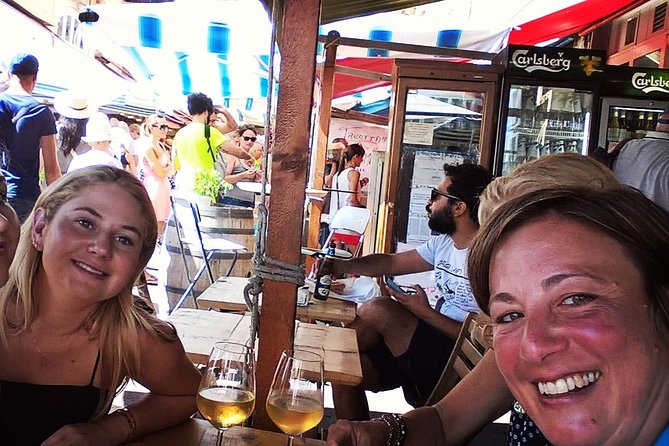
The class starts with a welcome aperitif. Expect bruschetta, cheeses, cold cuts, and a good glass of Sicilian wine before you start working dough. This is more than a nice greeting. It gets you in the right mood for the food you’re about to make, and it helps you settle in with your group.
This format works well if you’re traveling with limited time. You’re not waiting until the end to enjoy a Sicilian flavor moment. You get it right away, then the kitchen work follows.
In the Kitchen: Fresh Pasta, Ricotta Filling, and Real Technique
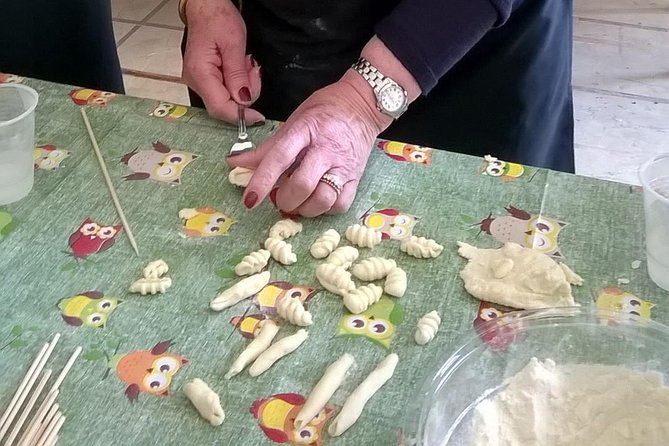
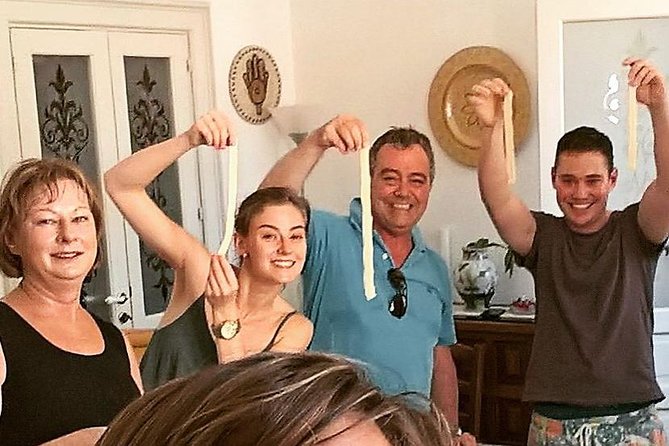
Once you’re in, the class focuses on fresh pasta. The menu plan includes tagliatelle and ravioli filled with ricotta. In practice, you can expect to work hands-on with the dough at least in key steps, since the goal is to produce what you’ll eat at lunch.
I like that this class doesn’t stop at one pasta shape. It’s a wider skill set, even if you’re not trying to become an Italian nonna overnight. If you want to impress yourself later, ravioli with ricotta is the kind of dish that feels like a win because it’s both familiar and still a little special when you do it from scratch.
One consideration, based on mixed feedback: a couple of past experiences described more prep done ahead of time than they expected, like pasta dough being handled already and some dessert components prepared before participants started. Another detail from a slower, rushed pacing complaint was that rolling and timing sometimes felt tight, leading to less finishing of your own components than you might hope.
So here’s the practical advice: if your personal goal is maximum hands-on pasta time, arrive ready to work quickly and ask your chef early how much each person will do. If your goal is mainly tasting, learning the structure, and leaving with a great lunch, you’ll still likely enjoy the experience.





Alla Norma Sauce: Why This One Feels Like Sicily
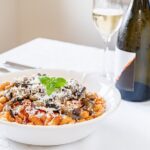
Then comes Alla Norma, one of the most iconic Sicilian dishes out there. You’ll prepare the sauce with fried aubergines, tomato sauce, and salted ricotta. The key here is balance: the aubergines bring depth and a soft, savory texture, while the tomato ties everything together, and the salted ricotta adds that unmistakable tangy hit.
This part is valuable because it teaches you how Sicilian flavor patterns work. It’s not just cooking, it’s learning the logic of the dish: vegetables treated with care, dairy used strategically, and tomato kept front and center.
Also, Alla Norma is a dish where small differences show up fast. If the chef keeps the aubergines crisp and flavorful, you’ll feel it instantly. If your timing is tight, you might not get to control every stage, but you’ll still understand what matters.
Cannoli: The Sweet Finale With Ricotta Cream
Next, you’ll make the classic Sicilian dessert, Cannolo (often spelled cannoli). The plan is to prepare cannolo with ricotta cream. This is typically where the “wow, I made that” effect lands for most people, because cannoli is a celebratory food, not everyday bread-and-butter cooking.
Here’s what to keep in mind if you’re expecting a full scratch-from-the-start cannoli: some experiences shared that the shell dough or filling might be partially prepared in advance, and participants might do the rolling or assembling rather than every single prep step. That’s not automatically bad, but it can change how hands-on it feels.
If you love pastry and you want to learn the process deeply, watch for when the chef is teaching versus when you’re simply doing the final assembly. If it’s more assembly-focused, you’ll still end up with a dessert that tastes like the real deal, because the flavor comes from the ricotta cream and the classic structure.
Sitting Down to Eat: Lunch as the Real Payoff
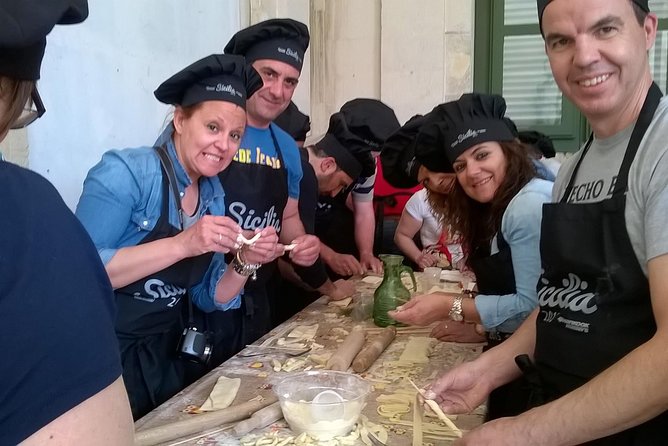
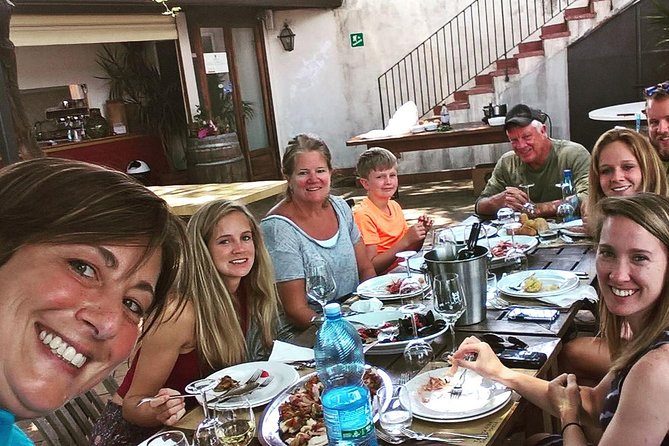
The experience ends back at the table. You and your group share what you made, including the pasta and Alla Norma sauce, plus cannoli. This is one of the biggest reasons to pick this kind of class rather than a cooking demo. You get a meal you understand, not just a show you watch.
Also, eating together changes the vibe. It turns the kitchen class into a social hour with food at the center. That matters in Sicily, where long tables and casual conversation are part of how the culture works.
If you’re a foodie who enjoys learning but also wants a good sit-down meal without paying a restaurant price for the whole experience, this structure is a strong match.
Price and Value: What $162.20 Buys You
At $162.20 per person for about two hours, this isn’t a budget class. The value is in three places.
First, you’re paying for an expert local chef plus guided market time, including samples and ingredient shopping. Market-based cooking is more work for the organizer than a kitchen-only class, because you’re moving people, tasting, and selecting ingredients along the way.
Second, you’re paying for a small group size, up to 8. That usually means less time waiting and more personal attention. That fits the high rating and recommendation rate the experience has earned.
Third, you get the payoff meal. You’re not leaving with only notes. You’re leaving with lunch, and you’re eating what you worked on.
Now, the value can feel different if your expectation is full hands-on from start to finish. If a portion of dough or components are already prepared, you might think, for the price, I wanted to do more. That’s the main reason the few lower scores mentioned a mismatch between expectation and actual hands-on level.
My take: if you treat this as a chef-guided Sicilian food experience with learning through taste and key steps, the price can feel fair. If you want to do every prep step yourself, you should ask questions before you book or be mentally flexible.
Pace, Group Size, and Hands-On Level: Know What You’re Signing Up For
With a group cap of 8, this class should feel personal. But pace depends on group energy and how your chef chooses to manage time. Some reports describe rushing, including taking over tasks when the group was slow, like pasta finishing and cannoli component prep.
So how do you protect your experience?
- Eat the aperitif slowly, then jump in with confidence so you don’t feel behind once dough work starts.
- If you’re a slow and careful cook, tell the chef at the start that you want to do more steps yourself and ask where your time will be most useful.
- If you’re fine with shared teamwork, you’ll probably enjoy it more, because the best classes often trade perfect control for speed and shared results.
There’s also a weather note. The experience requires good weather. If that happens to be an issue, you’ll likely need to be flexible with date changes offered in case of poor weather.
Who This Class Suits Best in Sicily
This is a great choice if you want a Siracusa-focused food experience that feels local, not generic. I think it fits best for:
- Food lovers who like learning from a chef, not just eating.
- People who enjoy markets and want to connect what they buy with what they cook.
- Travelers who want a small-group class in English, without a large crowd.
- Couples and friends looking for a shared activity that ends with a real lunch.
It may feel less perfect for you if you’re very strict about hands-on control, where you must complete every prep task yourself. In that case, still book if the market and overall meal are your priorities, but set expectations accordingly.
Practical Tips for a Smooth Day at Largo XXV Luglio
First, plan to arrive a few minutes early so you can find the start point without stress. The meeting address is very specific, and the experience does not mention extra pickup.
Second, bring comfortable shoes. Market sidewalks and kitchen movement often mean standing and walking more than you expect.
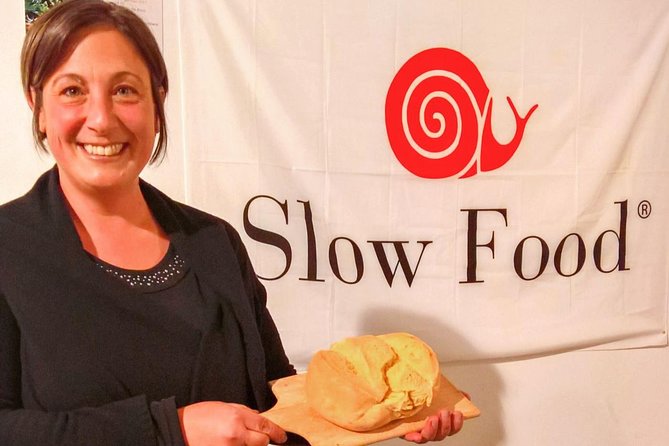
Third, go in with a curious attitude. A big part of the value is the chef’s stories about ingredients and the city. One class description highlighted a chef, Alessia, who shared deep familiarity with Siracusa food culture, including work at the street market since a young age and her current role running her own class.
Finally, remember the course is around two hours. That’s a tight window for pasta, sauce, dessert, and lunch together, so speed and teamwork are part of the deal.
Should You Book This Cooking Class in Siracusa?
I’d book it if you want a market-to-table Sicilian day with a local chef, a small group, and a meal that you helped create. The high recommendation rate and strong satisfaction points make it especially appealing for first-time pasta makers and anyone craving Alla Norma and cannoli made the traditional way.
I would hesitate only if your top requirement is maximum hands-on, step-by-step control with no pre-prep. In those cases, the class might feel more like guided teamwork than a total do-it-yourself workshop.
If you’re flexible, hungry, and excited about Siracusa food culture, this is a very solid use of a couple of hours in Sicily.
FAQ
How long is the Sicilian cooking experience?
It lasts about 2 hours.
Where is the meeting point in Siracusa?
You meet at Largo XXV Luglio, 13, 96100 Siracusa SR, Italy. The activity ends back at the meeting point.
What is the maximum group size?
The class has a maximum of 8 travelers.
Is the experience offered in English?
Yes, it is offered in English.
What do you do at the start of the class?
You start with a welcome aperitif that includes bruschetta, cheeses, cold cuts, and Sicilian wine.
What dishes will I prepare?
You’ll prepare fresh pasta such as tagliatelle and ricotta-filled ravioli, make an Alla Norma sauce with fried aubergines, tomato sauce, and salted ricotta, and prepare cannoli with ricotta cream.
Will I eat what I cook?
Yes. You end the experience at the table and share the dishes prepared together.
Is there free cancellation?
Yes. You can cancel for a full refund up to 24 hours in advance of the experience’s start time.
Is it ever canceled due to weather?
Yes. The experience requires good weather, and if it’s canceled due to poor weather, you’ll be offered a different date or a full refund.
More Cooking Classes in Sicily
More Tour Reviews in Sicily
Not for you? Here's more nearby things to do in Sicily we have reviewed






Cooking Classes, compared.
 ★ 4.9Palermo: Pizza and Gelato Cooking Class with Dinner and WineFrom $71951 reviews
 ★ 5.0Seaview Cooking Class & Taormina local flavors with Chef MimmoFrom $157665 reviews
 ★ 5.0COOKING CLASS in Taormina at Chef Massimo HOUSE!!From $185543 reviews
 ★ 5.0Sicilian Cooking ClassFrom $118289 reviews
 ★ 5.0Pizza Cooking ClassFrom $90225 reviews
 ★ 4.9Taormina: Cannolo Cooking Class with Completion CertificateFrom $77212 reviews
 ★ 4.9Taormina: Sicilian Cooking Class & Market TourFrom $107212 reviews
 ★ 5.0Sicilian Cuisine Cooking Class in PalermoFrom $125208 reviews
Browse the lists this tour appears in