
Reviewed · PALERMO CITY & MARKET TOURS
Small group Pasta and Tiramisu class in Palermo
Fresh pasta and tiramisu, in a real Palermo home.
This small group workshop is a great way to step off the main sightseeing loop and into a local kitchen, where you make dishes you can actually recreate later. I especially like the hands-on coaching from your Cesarine host, plus the built-in meal tasting with prosecco, soft drinks, and snacks. One thing to consider is that the meeting location can be a little tricky to find, so save the contact info and plan a few extra minutes.
I also love the vibe: you are not watching from the sidelines. You are rolling, mixing, assembling, and then sitting down together to eat what you made.
With a maximum of 12 travelers, you get enough attention to ask questions and troubleshoot as you cook, even if your table is full of different skill levels.
Quick hits before you go
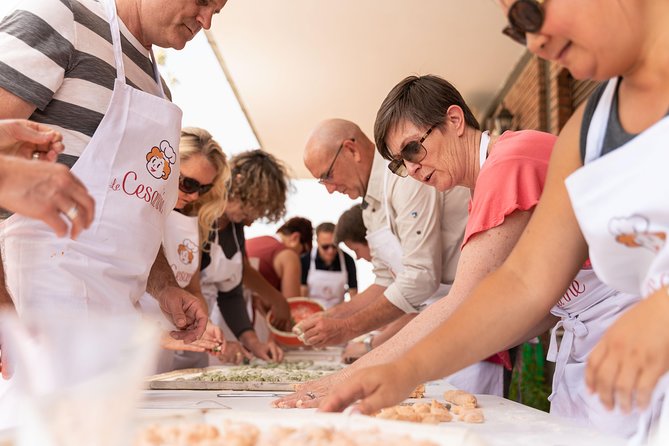
- Cesarine-led home cooking in a carefully selected Palermo house, not a public kitchen
- Pasta and tiramisù practice plus the chance to learn multiple pasta styles
- Complimentary prosecco, soft drinks, and snacks with the meal tasting
- Recipe value: you go home with techniques to recreate at home
- Small group size (12 max), so you can actually get help while you cook
- English offered, and hosts adjust when needed, including gluten allergy cases
Half-day cooking in a Palermo home, not a tourist kitchen
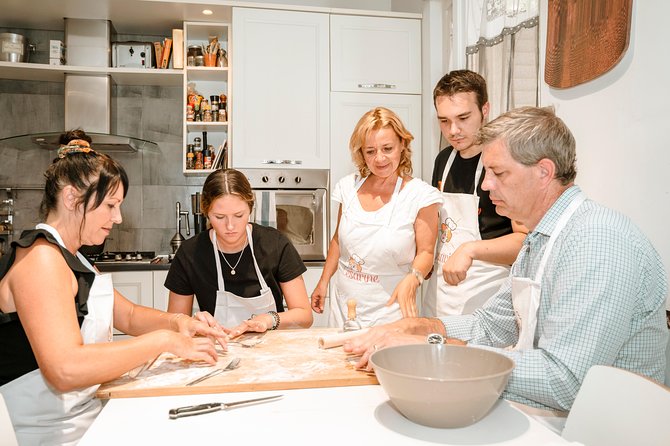
Palermo has no shortage of food stops, but this experience hits a different note. Instead of ordering your way through the city, you get your hands on the basics Italian cooks rely on: dough, timing, sauce consistency, and the last-minute steps that make a dessert feel finished.
The class runs about 3 hours, so it works well as a “reset” moment in the middle of your trip. Do it on a day when you are ready to slow down, focus, and eat. The structure is simple: you arrive, meet your host, cook together, then taste the meal at the end. You start in Palermo and return back to the meeting point when you are done.
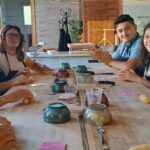
What makes it feel authentic is the setting. You cook in a local home with a Cesarine host, who shares family-style methods instead of teaching from a script. Several hosts in Palermo share personal touches, from the way they explain ingredients to how they set the table once the cooking is underway.
More Sicily island tours, Etna days, coastal boat trips, and food experiences to compare
What you make: pasta, tiramisù, and the tricks behind good results
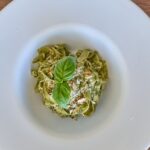
The headline is Pasta and tiramisù, and that is exactly what you should expect to experience. The sample menu lists pasta as the main and tiramisù as the dessert, but the real value is in the techniques, not just the final plates.
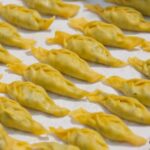
In practice, you will often work on more than one pasta format. Many people describe making two different types of pasta, then finishing with a personalized tiramisù. You may see formats like ravioli, fettuccine, or other fresh pasta shapes depending on the host and what they teach that day. Some classes even mention three dishes, meaning you might spend more time on sauce variety, dough style, or a specific Sicilian twist.
Here’s what you should pay attention to while cooking, because this is where the “take-home skill” lives:
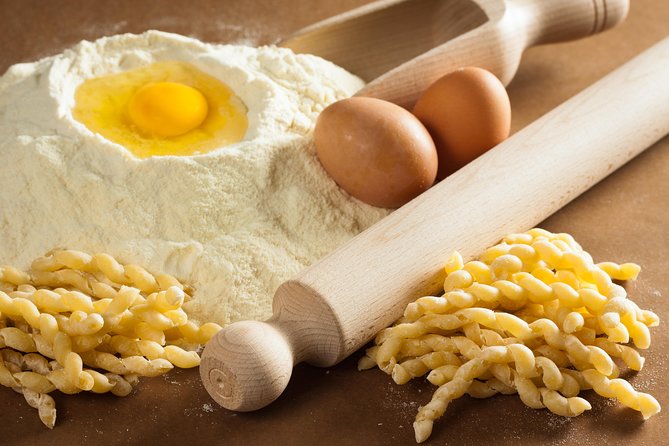
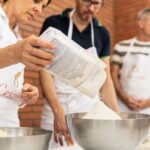
- Flour and dough feel: One of the best lessons is understanding how flour types behave and how egg and flour combine into dough you can roll. Even if you never roll pasta at home often, you will learn what the dough should look and feel like.
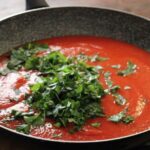
- Sauce timing: Fresh pasta is only half the story. Hosts usually explain when to add ingredients and how to get the sauce to coat properly, not just simmer vaguely.
- Assembling tiramisù steps: Tiramisu is all about structure and texture. The key steps are chilling time and layering technique, and you should get a clear run-through so you can repeat it later.
If you are planning a meal afterward, think like this: you will cook, then you will eat what you made. Eat light earlier in the day, so you can actually enjoy everything without feeling stuffed on dessert.
Your Cesarine host: why the home setup matters
The Cesarine concept is simple, and it matters. This is not a faceless cooking school. Your host welcomes you like part of the day, shares family methods, and usually makes space for questions while you work.
The way hosts teach can be a big deal, and the stories from Palermo highlight a few patterns:
- Hosts tend to explain not only the steps, but why they matter, like how they choose basil or olives when they are available.
- You get help during the hands-on steps, not after a mistake is already baked into the result.
- Conversation is part of it. More than one host is described as funny, warm, and patient, which helps if you are traveling with kids or if you just want an easy, friendly pace.
Names you may run into based on previous classes include Francesca, Alice, Antonio, Pina, Agata, Rosa Maria, Giovanni, and Gianpiero. You should not expect the exact same menu or the same kitchen setup every time, but these names show the mix of teaching styles you might encounter. For you, that means the experience can feel personal, not like a factory tour.
One practical plus: accommodating food needs. At least one family described getting support for a gluten allergy, including gluten-free pasta learning. If you have an allergy or dietary restriction, tell the provider as early as possible so the host can plan.
The cooking flow: what happens after you arrive
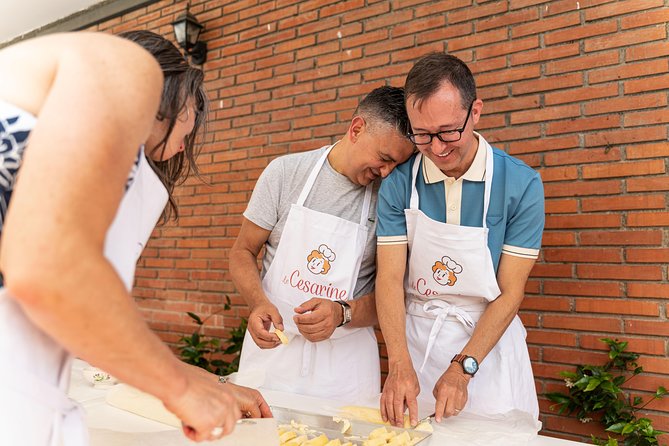
You should expect a smooth, step-by-step flow that matches your skill level. While exact steps vary by host, most classes follow a rhythm:
- Welcome and intro in the home kitchen. You typically get an overview of what you will cook and what the key techniques are.
- Hands-on pasta work. You mix, shape, and cook fresh pasta portions. Some days focus on one pasta style, but many people describe two pasta types made with different sauces.
- Tiramisù assembly. You work through the dessert build, and then it needs chilling time. That chilling time is part of the experience, since it gives your host a chance to set up the food tasting.
- Aperitivo and tasting meal. You sit down and enjoy the food you made, often with appetizers, prosecco, and soft drinks included.
A few details that make the meal part enjoyable: hosts commonly set up the living room or dining table so you can eat together, not just sample on the fly. Some kitchens also include outdoor options like a terrace, which can be lovely in Palermo if the weather cooperates.
Timing-wise, the class runs about three hours, so you should treat it as half-day programming. You will not just taste a bite and leave. You cook, eat, and linger briefly.
Drinks, snacks, and the tasting portion
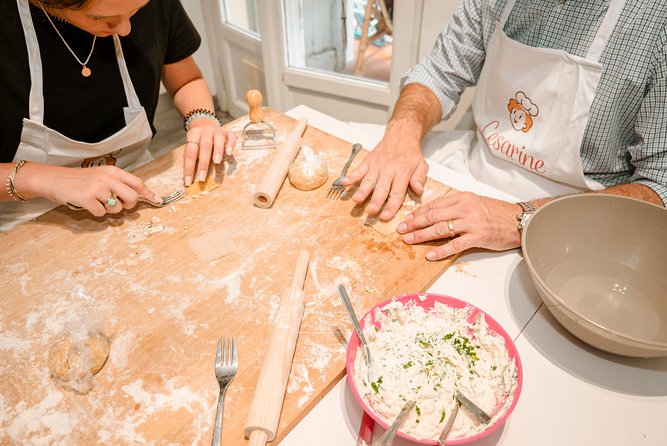
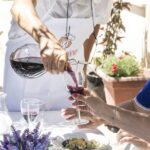
This is where the class becomes more than cooking. You get complimentary prosecco, soft drinks, and snacks, plus a proper meal tasting of what you cooked.
That included drink list matters because it shifts your pace. You are not racing to finish cooking and then heading out. You get a chance to enjoy what you made, talk with your host, and relax. If you like food plus a social table, this format usually lands well.
One practical tip: if you drink alcohol, you still have to walk in Palermo afterward. The class itself ends back at the meeting point, but your next plans should factor in a relaxed, post-cooking energy level.
Also, plan for how full you will be. Multiple people recommend eating a light lunch before class because the tasting is generous. Think of it as a meal with dessert, not a snack session.


Finding the place: how to avoid the stressful part
Small group home classes are wonderful, and they also come with one recurring challenge: the exact location can be hard to spot. One common piece of advice from past participants is to be ready to contact your host quickly, especially if the exterior details in photos do not match the building you see on the street.
Here is what I recommend you do to keep the arrival part easy:
- Save your host contact details as soon as you get them.
- Give yourself a few extra minutes before the start time.
- If the meeting address is ambiguous, message rather than wandering.
Because the class happens in someone’s home, being punctual matters. Try to arrive calm. Once you are inside, the whole experience tends to feel like family hospitality.
Price and value: what you get for $163.27
At $163.27 per person, this is not a budget activity. But it often compares favorably to alternatives if you care about learning plus eating.
Here is what you are paying for, in plain terms:
- A private home kitchen experience with a host guiding you step-by-step
- Hands-on cooking time rather than a quick tasting
- Included drinks and snacks with the meal you cook
- Food education you can repeat at home through the techniques you learn
- Small group size (12 max), which usually means more attention during the hands-on parts
If you compare it to dinner plus cooking instruction elsewhere, the value improves because you are doing more than eating. You are learning how to execute dishes like fresh pasta and tiramisù, and those are not trivial recipes to get right.
The small downside is variability. Some people describe a class where they learned lots from scratch, while one negative report claimed the pasta and tiramisù were more prepped than expected. That does not mean it is the norm, but it does mean you should check what is promised about making fresh pasta during booking. Your best move is to ask the provider what parts you will be actively cooking.
Who this class is best for in Palermo
This class works especially well for you if any of these are true:
- You want a break from museum mode and want a sensory activity: touch, smell, taste.
- You like small group tours and can handle a shared kitchen table vibe.
- You travel with family. Several people booked with kids and described hosts as patient and welcoming.
- You want an authentic, local-home experience without needing perfect Italian.
- You care about bringing something home besides photos, like a recipe and technique you can repeat.
It is also a strong choice if you are a couple. Cooking side-by-side, then eating together, naturally turns into a shared experience. The size of the class helps here too, since you are not stuck with a huge group energy.
If you are traveling solo, it can still be a good fit. One report described a solo participant enjoying the class with a host whose English was quite good. Even if you are the only one at your table, the structure stays the same.
A balanced reality check: what to consider before booking
I love cooking classes in theory. In real life, a few things can shape your outcome, so I want you to go in with eyes open.
- The lesson depth can vary by host and kitchen setup. Many people describe making pasta from scratch and learning multiple pasta styles. One negative experience mentioned boxed pasta and an already prepared tiramisù, which is the opposite of what the headline suggests. To protect yourself, confirm the hands-on expectations when booking.
- Location can be slightly stressful. The home setting is the point, but that also means you need to find a door, not a big public venue. Save contact info and plan extra time.
- You will eat a lot. This is not a light snack. If you have a tight dinner plan right after, schedule something flexible or go for a slow evening.
If you handle those three points, your odds are excellent. The class has a very high rating based on lots of experiences, with most descriptions praising the hosts, the teaching, and how delicious the food is.
Should you book this Palermo pasta and tiramisù class?
If you want a Palermo experience that feels lived-in, not staged, I think you should book it.
Book it if:
- You want hands-on cooking and a chance to learn techniques, not just watch.
- You are happy to eat a full meal with dessert, including prosecco and snacks.
- You like small groups and the idea of being welcomed into a local home.
Skip it or at least ask extra questions if:
- You are very strict about making every component from scratch, every time.
- You hate the idea of finding an address in a residential area and think you might run late.
My final advice is simple: treat this class like a centerpiece activity. Plan a lighter day, save your host contact info, and go in ready to learn. When it clicks, it is one of those experiences you remember because you can recreate it back home.
FAQ
How long is the Palermo pasta and tiramisù class?
It lasts about 3 hours (approx.).
How many people are in the class?
The class has a maximum of 12 travelers.
Is the class offered in English?
Yes, it is offered in English.
Where does the class take place?
It is held in carefully selected local homes in Palermo.
What food and drinks are included?
You get complimentary prosecco, soft drinks, snacks, and a meal tasting of what you cook.
Will I learn pasta and tiramisù recipes?
Yes. The experience focuses on making pasta and tiramisù, and the workshop is described as teaching classic Italian recipes you can recreate at home.
Is there a mobile ticket?
Yes, a mobile ticket is included.
Where is the meeting point?
The start is in Palermo, PA, Italy, and the activity ends back at the meeting point.
What is the cancellation policy?
Cancellation is free. You can cancel up to 24 hours in advance for a full refund.
When will I receive confirmation?
You receive confirmation at the time of booking.
More Workshops & Classes in Palermo
More Tour Reviews in Palermo
Not for you? Here's more nearby things to do in Palermo we have reviewed




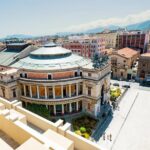

Palermo City & Market Tours, compared.
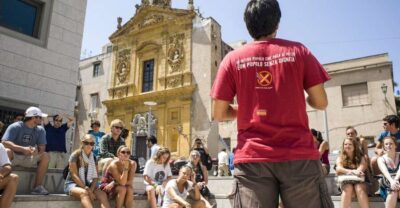 ★ 4.8Palermo: NO Mafia Walking TourFrom $402,431 reviews
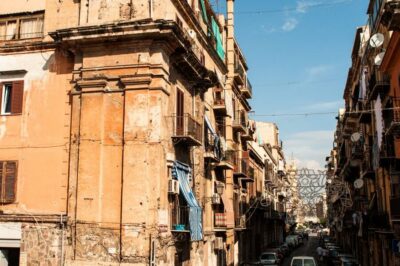 ★ 3.9Palermo: Hop-on Hop-off Bus Tour 24-hour TicketFrom $172,410 reviews
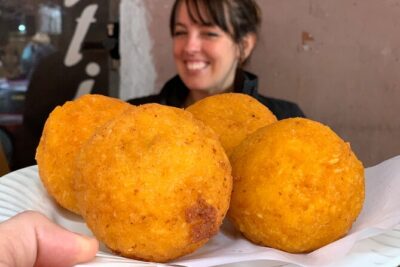 ★ 5.0Palermo Original Street Food Walking Tour by StreatyFrom $832,105 reviews
 ★ 4.2Segesta, Erice and Salt Pans Full-Day Excursion from PalermoFrom $821,791 reviews
 ★ 4.5Palermo: Teatro Massimo Opera House Guided TourFrom $141,573 reviews
 ★ 4.2From Palermo: Monreale and Cefalù Half-Day TripFrom $711,354 reviews
 ★ 4.9Palermo: Street Food and History Walking TourFrom $541,294 reviews
 ★ 4.2Palermo: Agrigento and the Valley of the Temples Day TourFrom $771,240 reviews
Browse the lists this tour appears in