
Reviewed · SICILY SNORKELING & DIVING TOURS
Underwater Archaeology Course
Sicily teaches underwater archaeology in a very real way. This 5-hour underwater archaeology course mixes a short classroom history with hands-on search and measuring practice, then follows it with two underwater training sessions and a structured shore-side debrief.
What I like most is how practical the work feels. You practice the same core techniques used in underwater research, then you leave with tools to document what you find, including fieldnotes and drawings. Second, I appreciate the value packing: full equipment rental, a digital underwater archaeology manual, museum entry, and even free underwater photo and video.
One consideration: good weather matters. If conditions are poor, the experience can be rescheduled or refunded, so plan for flexibility.
Key Highlights You’ll Actually Feel During the Course
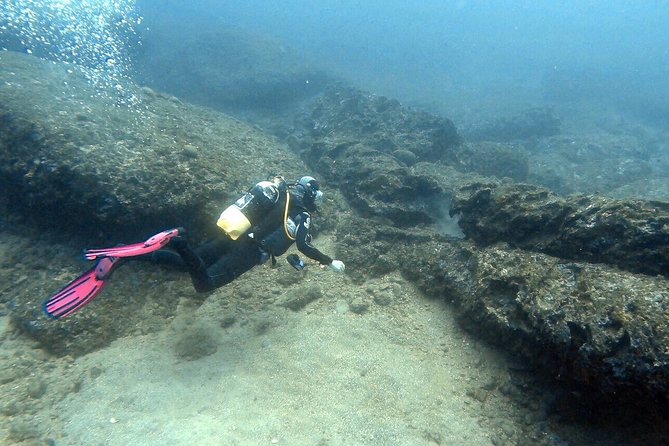
- Two underwater practice sessions to turn classroom skills into real muscle memory
- Fieldnotes and drawings during the shore debrief, so your learning sticks
- Full equipment rental plus special archaeology instruments and gear
- Digital underwater archaeology manual for review and practice after you return
- Museum fee included, so you get context instead of just a ticket and a wave-off
- Max 15 people, which helps the teaching stay personal
Why Sicily Is a Great Place to Learn Underwater Archaeology
Sicily isn’t just a pretty backdrop here. You’re learning underwater archaeology because the area has a long relationship with maritime life, ruins, and seafaring history, and the course is built to connect that story to field methods. Instead of treating the ocean like a theme park, the program frames it like a research environment where evidence matters.
You also get a history intro in the classroom, including a brief background on underwater archaeology and where it started as a discipline. That matters because underwater work is not just about seeing cool things. It is about measuring, recording, and interpreting without damaging what you’re observing.
And then the practical part comes fast. You’re not waiting days to try the real techniques. Within the same half day, you go from terminology and basic procedures to underwater search and measurement practice. That quick switch is a big reason the course feels efficient and fun, not slow and lecture-heavy.
You can also read our reviews of more tours and experiences in Sicily.


Classroom Time: Search and Measuring Basics You Can Use
The course starts with standard research methods for underwater archaeology diver training. In plain terms, you learn how researchers locate and record sites, and how they use measurement and documentation to turn observations into fieldwork data.
This classroom segment also includes a short history of underwater archaeology and its origin. I like this structure because it gives you a framework for why the technical steps exist. When you understand the goal, the tools make sense. When the tools make sense, you follow the instructions more carefully.
You should expect a teaching pace that supports new learners. The program says most travelers can participate, and that lines up with the way the material is presented: core techniques, then immediate application. If you are the type who needs to see how something works in the real world, this course does a good job of keeping you moving from concept to practice.
The Underwater Training Sessions: Practice That Builds Confidence
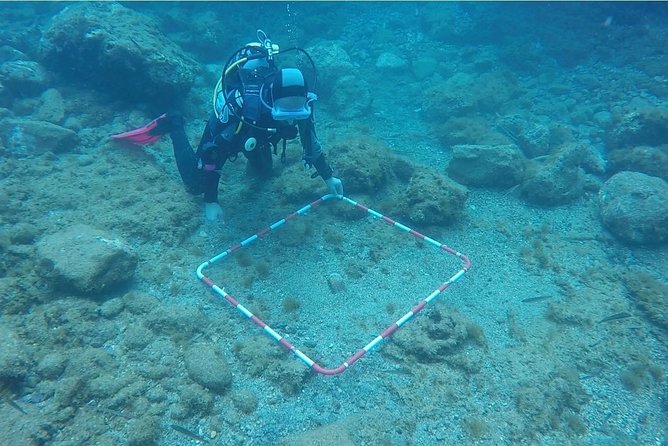
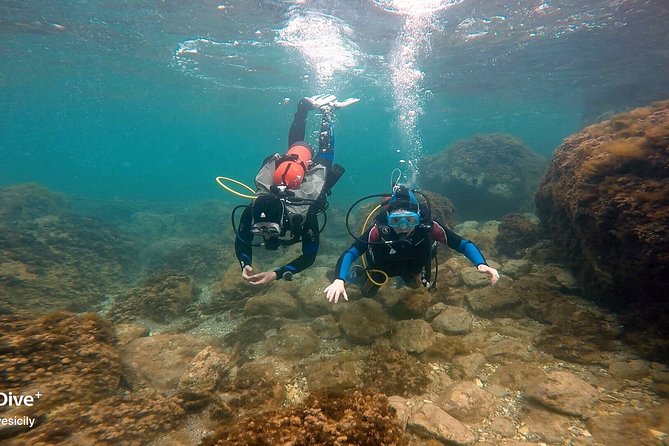
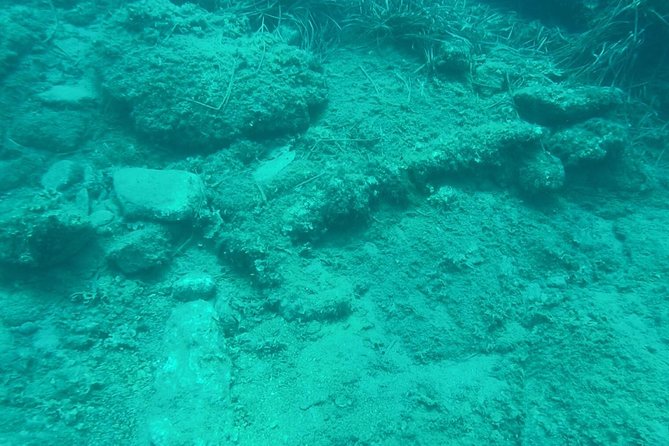
After the classroom portion, you head into the water for two underwater training sessions. This is where you practice the same standard search and measuring techniques you learned on shore.
Here’s what you can take away from the way the course is described: you are not just doing a scenic swim. You’re doing practice that mirrors what underwater archaeology researchers do. That typically means careful observation, structured movements, and attention to how you record what you see.
The program also includes a wonderful underwater heritage experience. That means there is time for you to connect the techniques to something meaningful beneath the surface, not just repeat exercises without context. It is the difference between learning methods and learning why those methods matter.
On top of that, free underwater pictures and video are included. That’s a practical perk, because you can use your photos and footage as a reference for what you learned, and as a way to remember the specific conditions and what you focused on underwater.
Shore Debrief: Fieldnotes and Drawings, Not Just a Quick Wrap-Up
When you come back on shore, you get a detailed debriefing. This is a key part of the course because underwater archaeology is record-keeping. If you only do the water practice and skip documentation, you lose the whole point.
You prepare fieldnotes and drawings to document your fieldwork. Even if you are not an artist, the goal is to translate your underwater observations into a format that can be studied later. In a real research project, documentation helps others understand what you found and how you interpreted it.
This shore session also helps you connect the dots between technique and results. The instructors can guide you on what your recordings should include and how to think about your measurements and observations. For many people, this is where the experience becomes more than a fun activity. You leave with a sense of how archaeologists turn sea-floor clues into credible records.
What’s Included in the Price, and Why It Matters
The listed price is $270.39 per person for about 5 hours. For Sicily, that price is competitive if you value the included gear and the time you get with structured instruction.
Here’s what is included:
- Full equipment rental
- The digital underwater archaeology manual
- Use of special underwater archaeology instruments and equipment
- Archaeological museum fee entrance
- Free underwater pictures and video
- Pick-up and drive back from your hotel
That bundle matters because underwater training usually adds up fast once you consider equipment, access fees, and guided instruction time. Here, you don’t have to chase those details. The museum entrance being included is a smart touch, because it gives you context on land before you apply methods in the water.


What’s Not Included: Plan for the PADI License Fee
The PADI license fee is not included, listed around 65€. The course also says a PADI certification card is issued upon completion.
So think of it this way: you are paying for the course experience, and you may still need to cover the licensing cost tied to the card. If you are comparing total trip costs, budget for that additional fee so you are not surprised later.
Small Group Size and Timing: How This Course Feels in Real Life
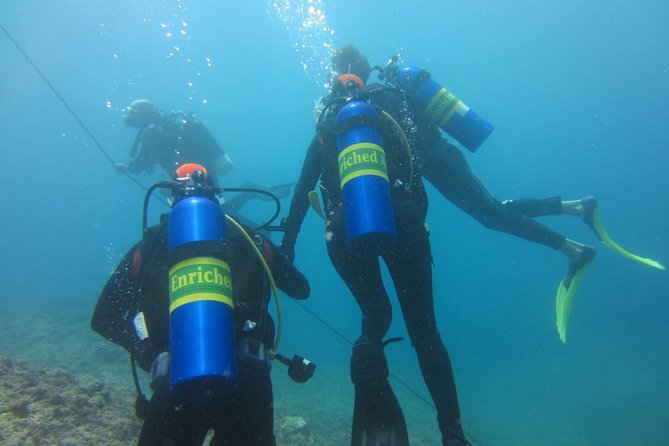
The group size is capped at 15 travelers. That tends to be the sweet spot for a course like this. You still meet people and share the day, but you are less likely to feel like one face in a crowd while you are learning precise techniques.
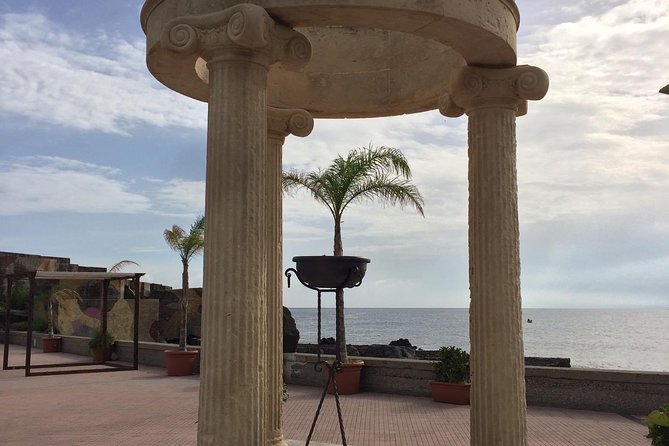
The duration is about 5 hours, and the meeting point is at Porto di, 98035 Giardini-Naxos ME, Italy. The activity ends back at the meeting point, and you also get pick-up and drive back from your hotel.
Why that matters: you spend less time figuring out transportation and more time on the actual learning. Also, because it ends where it starts, your logistics stay simple for the rest of your day.
Weather, Comfort, and Practical Expectations
This experience requires good weather. If it’s canceled due to poor weather, you will be offered a different date or a full refund. That means you should avoid booking the rest of your day too tightly, especially if your Sicily schedule is packed.
The course also notes that a lot of travelers can participate. But participation still depends on the conditions on the day and your comfort with the water environment. The best move is to ask the operator what the day’s plan looks like before you go, especially if you have any concerns about health, mobility, or comfort in open water.
Who Should Book This Course (and Who Might Hesitate)
This course is a strong fit if you want:
- A hands-on introduction to underwater archaeology methods
- A structured half day instead of scattered lessons
- A solo-friendly activity where the group stays small and teaching-led
- A mix of history, practical skills, and documentation
It might be less ideal if you hate flexible plans due to weather. It also may not suit you if you’re looking only for a casual sightseeing experience. This is built around search, measuring, and recording.
One more thing I like from the tone of the course feedback: people seem to love it as a solo trip idea. If you’re traveling alone in Sicily, this kind of short, guided format can be easier than trying to piece together a complicated schedule on your own.
Should You Book This Underwater Archaeology Course in Sicily?
If your goal is to learn something real, this is a good booking. The value comes from the combination: classroom basics, two underwater practice sessions, a shore debrief focused on documentation, and included equipment plus museum entry plus free underwater media.
I’d book it if you want a guided way to understand underwater archaeology as a field, not just a one-time activity. I’d hesitate only if your schedule is rigid or you know you cannot handle weather changes.
If you’re even a little curious about how underwater archaeology turns observations into credible records, grab your spot early and plan your day around the 5-hour window. With a max group size of 15 and all the gear handled, it’s the kind of course that lets you focus on learning instead of logistics.
FAQ
How long is the Underwater Archaeology course in Sicily?
The course runs for about 5 hours.
Where does the experience start?
It starts at Dive Sicily – Naxos & Taormina, Porto di, 98035 Giardini-Naxos ME, Italy.
What is the price per person?
The price is $270.39 per person.
Is there pick-up from my hotel?
Yes. Pick-up and drive back from your hotel is included.
What’s included in the price?
Included are full equipment rental, a digital underwater archaeology manual, special underwater archaeology instruments and equipment, a museum fee entrance, and free underwater pictures and video.
Is a PADI certification card issued?
Yes. A PADI certification card is issued upon completion.
What is not included in the cost?
The PADI license fee is not included, around 65€.
How many people are in the group?
The experience has a maximum of 15 travelers.
What happens if weather is bad?
This experience requires good weather. If it is canceled due to poor weather, you will be offered a different date or a full refund.
More Tour Reviews in Sicily
Not for you? Here's more nearby things to do in Sicily we have reviewed










Sicily Snorkeling & Diving Tours, compared.
 ★ 4.7Syracuse: Boat Tour with Captain Mirko, Snorkeling & CavesFrom $35746 reviews
 ★ 4.6Catania: Cyclops Coast Cruise with Appetizer & SnorkelingFrom $70670 reviews
 ★ 5.07 hours Boat trip to Lampedusa lunch, SUP and SnorkelingFrom $86453 reviews
 ★ 4.5Snorkeling Tour Coast to Coast Taormina and Isola BellaFrom $50223 reviews
 ★ 4.9Catania: Gulf Scuba Diving Tour with Marine BiologistFrom $82212 reviews
 ★ 5.0Palermo: Full-Day Snorkeling Boat Tour with Lunch and WineFrom $124196 reviews
 ★ 4.9Naxos: Taormina Boat Tour with Snorkeling and ProseccoFrom $51185 reviews
 ★ 5.0Diving for patented diversFrom $157175 reviews
Browse the lists this tour appears in