
Reviewed · MOUNT ETNA VOLCANO TOURS
Volcanological excursion of the wild and less touristy side of the Etna volcano
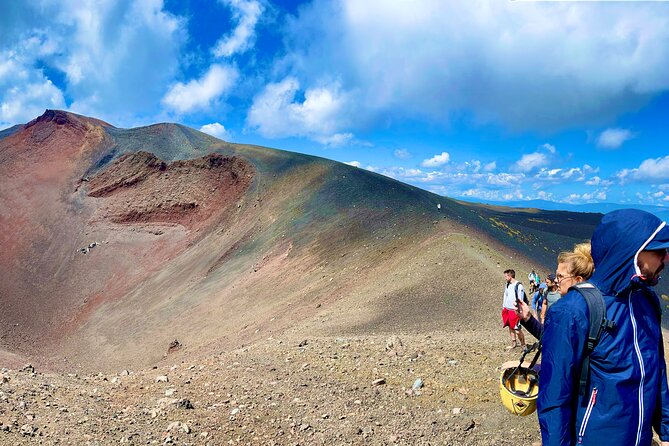
Etna’s north side hits different. This guided volcanology excursion puts you on the wild ground around Etna’s craters, far from the busiest southern routines. I like the contrast you get right from the start, dense forest rubbing up against fresh lava from the 27 October 2002 eruption.
I also love how the tour feels genuinely volcanological, not just sightseeing. You ride up with authorized vehicles, then walk crater edges with a licensed volcanologist guide, and you get to ask questions when you actually stand on the terrain (not later, not in a bus lecture). People in groups have had guides like Pepe, Linda, Poldo, Vincenzo, and Domenico, and the common thread is clear explanations that stay practical.
One thing to think about: this is a real hike. It climbs to high elevation terrain, it can feel dusty and windy, and the route around crater edges can trigger dizziness for susceptible folks, so come ready in both fitness and mindset. Also budget extra for parking and a separate 4×4 contribution on the mountain.
Key things I’d plan for before you go
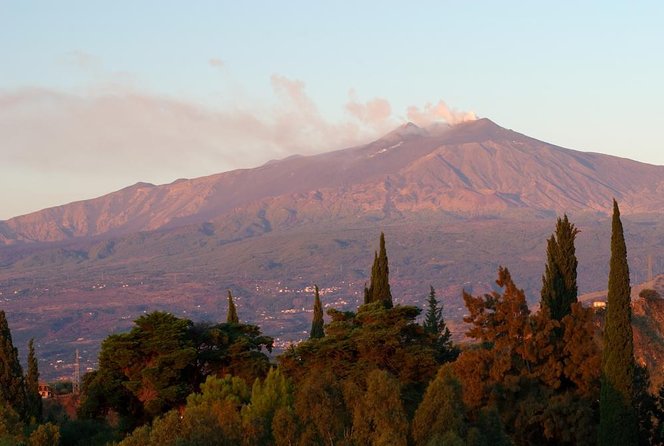
- Etna Nord, not the crowds: you spend time on the less touristy northern flank, with more space around the craters.
- 2002 eruption terrain: you’ll see lava fields and even ruins tied to the October 27, 2002 eruption.
- Craters and faults you can walk near: deep craters, eruptive fractures, and the dramatic north-flank fault.
- Licensed volcanologist guidance: you’re on crater ground while you learn, guided by professionals.
- Hike about 7 km on volcanic soil: good shoes help a lot, and you should expect uneven, inconsistent ground.
Why the North Side of Etna Feels Different
Etna is famous, but the north side has a different rhythm. You start at Piano Provenzana, around 1,800 meters. From there, dense pine forest and rugged lava terrain sit close together, so the volcano feels less like a distant mountain and more like an active neighbor.
What makes this tour work is the pacing. You’re not rushing from viewpoint to viewpoint. You’re going up, then walking through the actual volcanic surfaces where the guide can point out what happened and why it matters. The scale is real too. On clear days, your view from the upper areas can stretch from Catania toward Syracuse, and across the Nebrodi, Peloritani, Madonie, and even the Aeolian Islands and Calabria.
That mix of science and scenery is what I’d chase if you want Etna to feel alive, not packaged.
You can also read our reviews of more tours and experiences in Sicily.
Piano Provenzana at 1,800 m, your practical launchpad
Your meeting point is at CHIOSCO BAR MARENEVE DI FERRARO Etna nord, Piano Provenzana, Via Provenzana, 95015 Linguaglossa CT, Italy, with a 7:45 am start. The idea is simple: meet early, get into the rhythm, and use Piano Provenzana as the gateway to the higher north routes.
Piano Provenzana is the northern tourist station at about 1,800 meters above sea level. It’s a spot with small shops, cafés, and restrooms, plus paid parking in blue-striped spaces. In the cold season it’s a ski station, so it’s built for visitors. In summer it becomes a starting point for guided hikes and excursions.
But what you’re really there for is access control. From Piano Provenzana, you can’t just wander off on your own. The area is within active lava terrain linked to the October 27, 2002 eruption, which destroyed earlier tourist facilities like restaurants, hotels, ski lifts, and trails. Authorized 4×4 vehicles and licensed guides keep the route safe and official.
If you’re thinking, This sounds like logistics, yes. But it’s also why this part of Etna feels less crowded. You’re not mixing with every casual driver who wants a quick photo.
The 4×4 drive through Crateri Sommitali terrain
After a short briefing at Piano Provenzana, you head out by authorized vehicles along the panoramic north road. This is the “get you above the ordinary” portion. The drive crosses forest and wide lava fields from the 27 October 2002 eruption, and you’ll pass visible remnants from the old tourist station. One detail that sticks: you may see a semi-buried hotel roof, sitting there like a reminder that Etna keeps moving the furniture.
Along the way, the route is meant for geology eyes. You pass craters over 40 meters deep, eruptive fractures, and broad summit-lava flows. The guide points out how new life starts to colonize older rock too, with hardy pioneer plants appearing where you’d expect nothing.
You’ll also see INGV monitoring stations on the stark terrain. That matters because it keeps the experience grounded in real observation, not just myths or dramatic storytelling.
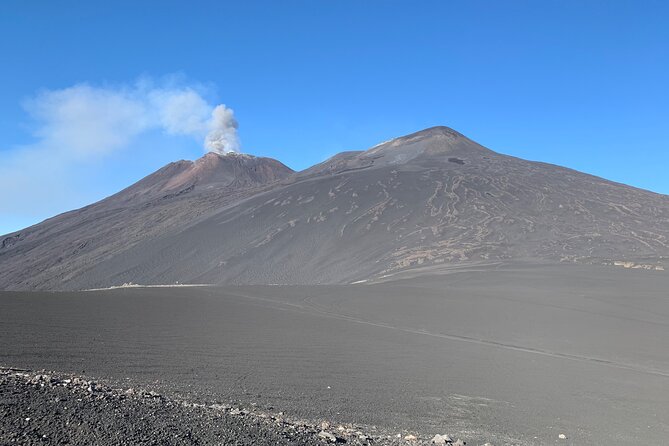
The view from the end of this drive is the reward. You reach Piano delle Concazze (about 2,860 m) near the Etna Nord Volcanological Observatory. From here, on clear days, you can scan a lot of eastern Sicily and beyond, which turns the volcano into a “from here to there” geography lesson.
Piano delle Concazze views that make the whole day click
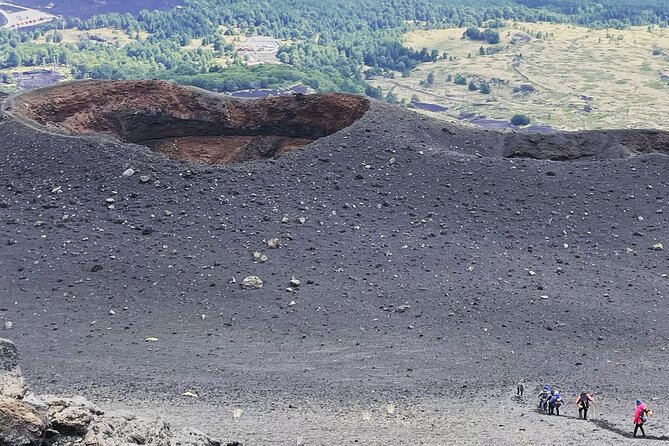
Piano delle Concazze sits close to the observatory area, and it’s a smart place to pause. At around 2,860 meters, you get a bigger sense of scale, not only of Etna, but of the whole island view pattern.
Here’s what you should watch for when your guide points it out:
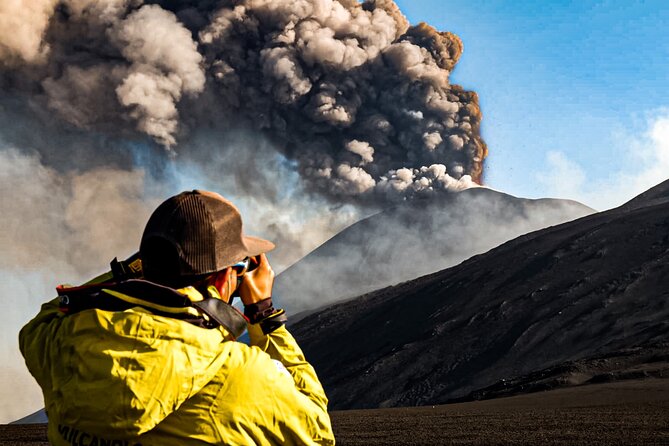
- how the summit craters steam and how active zones shape the landscape
- how far the visibility can stretch when the weather cooperates
- the way the northern flank looks greener in some bands, then sharply cut by fresh lava in others
This is one of those moments where you stop thinking only in terms of Volcano Tour, and start thinking in terms of active systems. A lot of people describe this part as breath-taking, and I get it. The terrain is stark, but the sight lines are wide.
The 7 km hike across crater edges and lava history
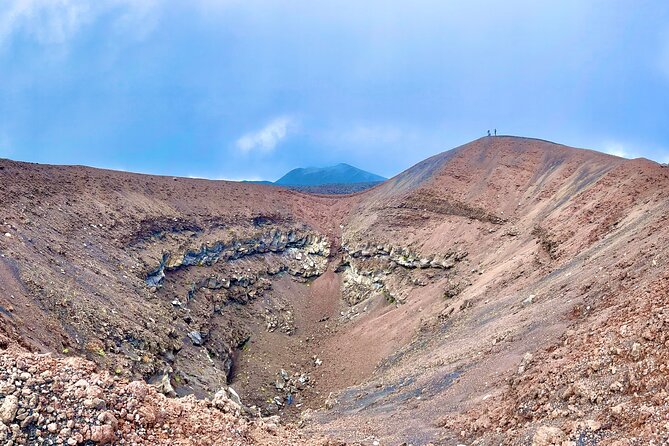
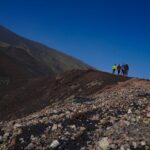
The main walking portion is where this tour earns its name as a wild north excursion. You board authorized 4×4 vehicles and climb to the highest point allowed, often around 3,000 meters when the summit is closed. Above you, active craters can fume, so you’re walking with the source of the landscape still in motion.
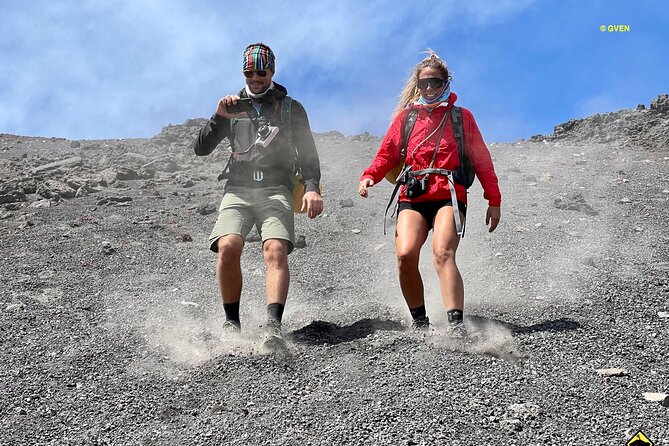
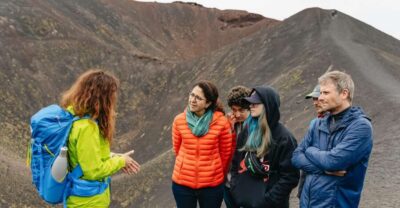
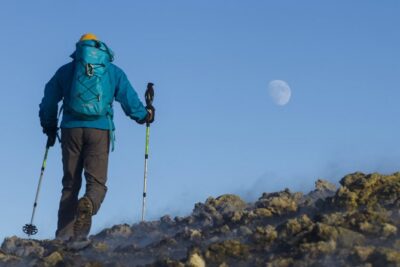
Then the hike begins. The walk is about 7 km and takes roughly 2 hours on foot, so good fitness matters. You’ll cover a stark plateau of fresh lava and ash. You also move along crater edges, which is exactly why the tour warns about dizziness for susceptible individuals.
What you visit on the hike is where it gets truly volcanic-geek satisfying. You can expect to see:
- craters connected to eruption periods including 2002, 1911, 1923, 1874, 1879, 1809, 1646, 1614, 1624
- the dramatic north-flank fault
- ancient lava tubes
- pioneer plants colonizing the new volcanic ground
The ground itself is not “nice trail dirt.” It can be inconsistent and unstable volcanic soil, so proper trekking shoes matter more than usual. The guide leads you, and the route follows the areas that make sense for safety and observation.
One practical note from real experience on this kind of terrain: bring water, because you may not have much shade. A hat is also a smart idea, since sun exposure can get intense once you’re above the forest bands.
And yes, you’ll spend time walking in volcanic dust. That’s why the tour specifically recommends not using contact lenses, since gases and ash can irritate eyes.
Guides on Etna Nord: science that answers your questions
This is the part I’m most likely to judge. On Etna, it’s easy to waste time with generic explanations. Here, the guidance is built around licensed volcanologists and active field context.
I liked the way guides keep questions in the loop, because you’re not stuck waiting until the end for an answer. Names that come up often include Pepe, Linda, Poldo, Vincenzo, and Domenico. Even without knowing who you’ll get, you can expect a similar style: clear explanations of how the volcano works, plus history tied to what’s visible under your feet.
You should also notice how the route is “readable” when the guide talks. The craters and fractures stop looking like random holes in a gray plain and start looking like a timeline of events. When you see deep craters and eruptive fractures and then learn what created them, Etna feels less like an icon and more like a living process.
Gear, comfort, and safety on dusty volcanic terrain
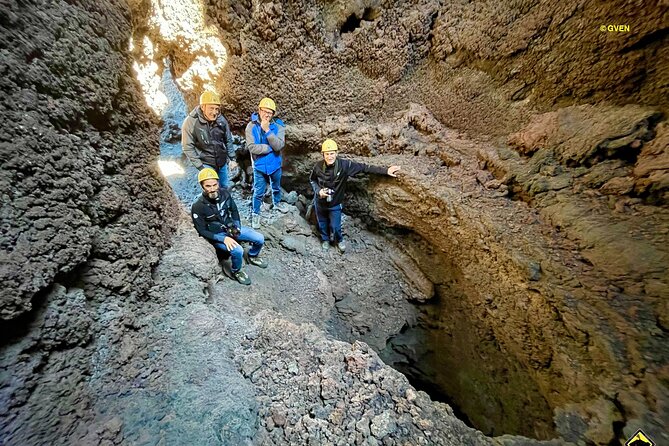
This tour is thoughtful about equipment. You’re provided:
- trekking poles
- trekking shoes
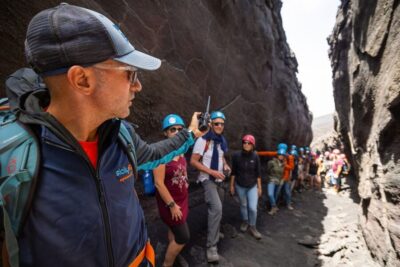
- helmets
- a warm jacket
- extra socks
- an extra backpack
You also get accident insurance, which is a big deal on uneven volcanic ground.
That said, there are a couple things that are not included. A windbreaker is not provided, and you should bring one. Even if you feel warm at the start, summit zones and open crater areas can change fast.
Also, plan for breathing and eye comfort. Volcanic gases and ash are part of the reality here. The guidance is straightforward: avoid contact lenses, and if you’re sensitive to dust, plan accordingly. (Bring your own comfort tools if you usually need them.)
Lastly, the tour explicitly warns that dizziness can happen on crater edge routes. That doesn’t mean “don’t go.” It means you should be honest with yourself about motion, height sensations, and how your body handles exposure.
Price and logistics: what $71.20 covers, and what to budget for
The listed price is $71.20 per person, and the day runs about 4 hours 30 minutes. It’s booked fairly in advance (often about 38 days), so if you’re traveling in peak season, don’t treat it like a last-minute plan.
Here’s the value side:
- You get a licensed volcanological guide.
- You get serious equipment (shoes, helmet, poles, jacket, socks), which saves you from buying and lugging gear.
- You get insurance in case of accidents.
- You get entry/admission to Mount Etna.
But you should also budget extra, because the day has mountain-only costs:
- Parking: €5 for the entire day on weekdays, €8 on Sundays and public holidays.
- A 4×4 vehicle fee paid on the spot: €50 per person, described in two mountain segments (from 1800 m to 2800 m, and from 2800 m to 2500 m).
- Transport service from your accommodation is not included.
If you’re calculating your real total, don’t forget those fees. Still, even with extras, the structure makes sense. You’re paying for authorized vehicle access, guide expertise, and the gear to walk on volcanic soil safely.
What to pack and how to avoid dumb mistakes
Pack like you’re going to walk on unstable ground at altitude, not like you’re going to a scenic viewpoint.
Bring:
- A windbreaker (not included)
- A small stash of essentials you can keep in the provided backpack
- Water, and a plan to refill when you can (Piano Provenzana has spots to refill bottles)
- Sun protection. Hat helps, since shade can be limited in exposed volcanic areas.
Consider:
- No contact lenses, based on the tour guidance about ash and gases.
- Leave jewelry and anything precious. Dust happens, and volcanic dust gets everywhere.
Timing-wise, start early. The 7:45 am start helps you beat crowds and gives you more stable conditions. It also fits the pace: drive up, crater stops, then the walk, then back down to Piano Provenzana.
Who should book this wild north Etna excursion
This works best for you if:
- you want the wild, less-touristy north side
- you like geology and want explanations while standing on real volcanic features
- you’re comfortable with a hike of about 7 km on uneven volcanic soil
- you’re traveling in a small group (maximum 20 people), which keeps the experience calmer and more question-friendly
It might not be the best choice if you:
- have cardio-vascular or breathing problems, or hypertension (the tour strongly discourages it)
- get easily dizzy on crater edge walking
- avoid physical activity because the day includes a sustained ascent and crater-edge walking
Good news: the gear support is real. Trekking poles, shoes, and a warm layer are included, and guides help keep the route safe.
Should you book this Etna Nord volcanology tour?
If you want Etna the way it feels when it’s doing what it does, this is a strong pick. The north side gives you breathing room, the observatory-area views reward the climb, and the hike puts you right where the science makes sense.
Book it if you’re excited by craters, faults, and the 2002 eruption terrain, and you’re ready for a real walk. Skip it if you want easy strolling or you know crater-edge exposure and dust are likely to be a problem for you.
If you do book, plan your budget for parking and the on-the-spot 4×4 fee, show up early at Piano Provenzana, and treat the day like a hike first and a photo day second. That mindset makes the volcano feel unforgettable, not overwhelming.
FAQ
What time does the tour start, and where do we meet?
The tour starts at 7:45 am at CHIOSCO BAR MARENEVE DI FERRARO Etna nord-Piano Provenzana, Via Provenzana, 95015 Linguaglossa CT, Italy. It ends back at the meeting point.
How long is the excursion?
The duration is about 4 hours 30 minutes.
Is the tour offered in English?
Yes. The tour is offered in English.
What is included in the price, and what do I have to pay on top?
Included: a licensed volcanological guide, trekking poles, trekking shoes, helmets, a warm jacket, extra socks, an extra backpack, accident insurance, and entry/admission to Mount Etna. Not included: parking (about €5 weekdays, €8 Sundays and public holidays) and a 4×4 vehicle fee paid on the spot (50€ per person), plus a windbreaker and transport from your accommodation.
What gear should I expect to receive?
You should receive trekking poles, trekking shoes, helmets, a warm jacket, extra socks, and an extra backpack.
How fit do I need to be?
You should have moderate physical fitness. The route includes ascent and walking along crater edges, which can cause dizziness in susceptible individuals. It also includes a walk of about 7 km, and volcanic soil can be uneven.
What if the weather is bad?
This experience requires good weather. If it’s canceled due to poor weather, you’ll be offered a different date or a full refund. You also have free cancellation up to 24 hours in advance for a full refund.
More Tours in Sicily

More Tour Reviews in Sicily
Not for you? Here's more nearby things to do in Sicily we have reviewed






Mount Etna Volcano Tours, compared.
 ★ 4.8Catania: Mount Etna Morning or Sunset Day Trip with TastingFrom $704,028 reviews
 ★ 4.7Mount Etna: Guided Volcano Summit Hiking Tour with Cable CarFrom $1243,784 reviews
 ★ 4.8Catania: Sunset Jeep Tour of Mount Etna and Lava Flow CavesFrom $712,113 reviews
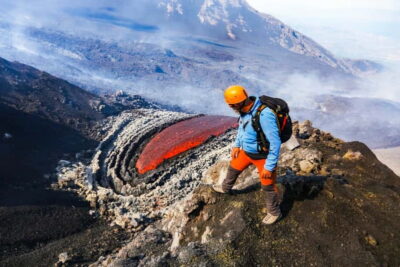 ★ 4.7Mount Etna: Trek to 3000m with cable car and jeepFrom $621,978 reviews
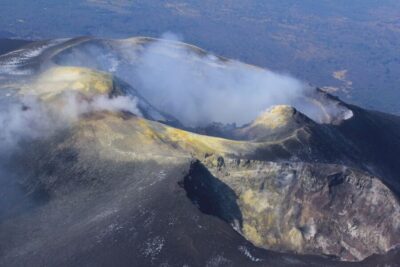 ★ 4.8Mount Etna: Summit Crater Trek with Cable CarFrom $771,875 reviews
 ★ 4.8Etna and Alcantara Gorges Full-Day Tour with LunchFrom $1051,766 reviews
 ★ 4.3Mount Etna: Roundtrip Cable Car and 4×4 Bus TicketFrom $971,602 reviews
 ★ 4.7Etna Volcano: South Side Guided Summit HikeFrom $671,545 reviews