
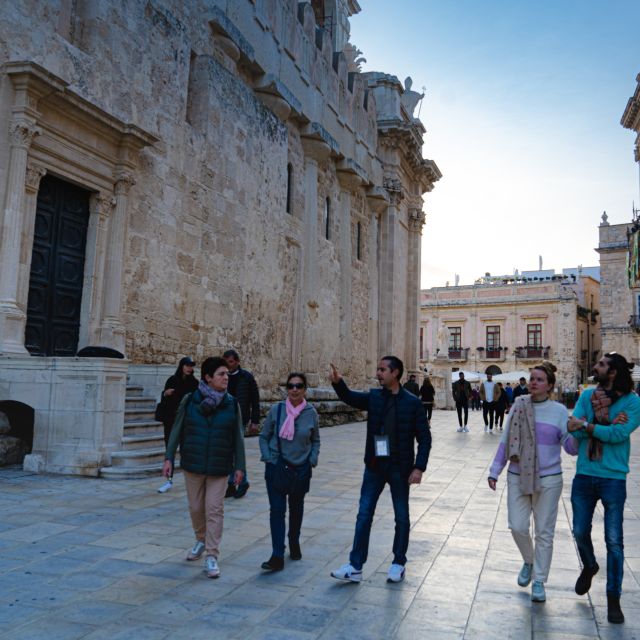
Reviewed · CATANIA CITY & FISH MARKET TOURS
From Catania: Neapolis of Syracuse, Ortygia, and Noto Tour
Neapolis makes history feel close, not dusty. I love the way this tour brings you face to face with Syracuse’s Greek Theatre and then carries you into the photogenic lanes of Ortigia. One thing to plan for, though, is a long day packed with walking and a pace that can feel a bit tight if you want extra time in every stop.
You’ll get a mix of guided interpretation and self-guided wandering. That means you can listen on the key story points, then move at your own speed inside the archaeological park, which is handy when you hit the moments you care about most. A small group size helps, but this still is not the kind of trip where you can park, relax, and linger for hours in one place.
Key things you should know before you go
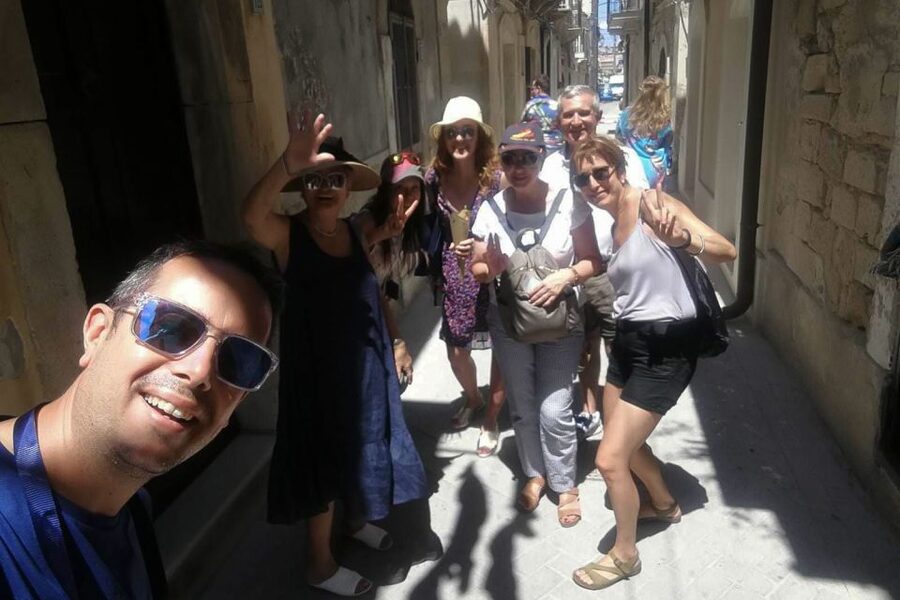
- Neapolis Archaeological Park is the core, with Greek and Roman ruins you can explore at your own pace
- Ortigia is the pay-off island, with the Arethusa fountain and the baroque grandstand around Piazza del Duomo
- Noto’s Sicilian Baroque is the visual shift, a UNESCO World Heritage town designed to feel like an outdoor art show
- You’ll see the Ear of Dionysius area, part of the latomie limestone caves near the theatre zone
- Expect a long, structured day, where timing between spots matters and lunch is on your own
- Guides like Nando and Lorena tend to be a standout, with energy, clear explanations, and real care for the group
From Catania to ancient Syracuse, start with the ruins
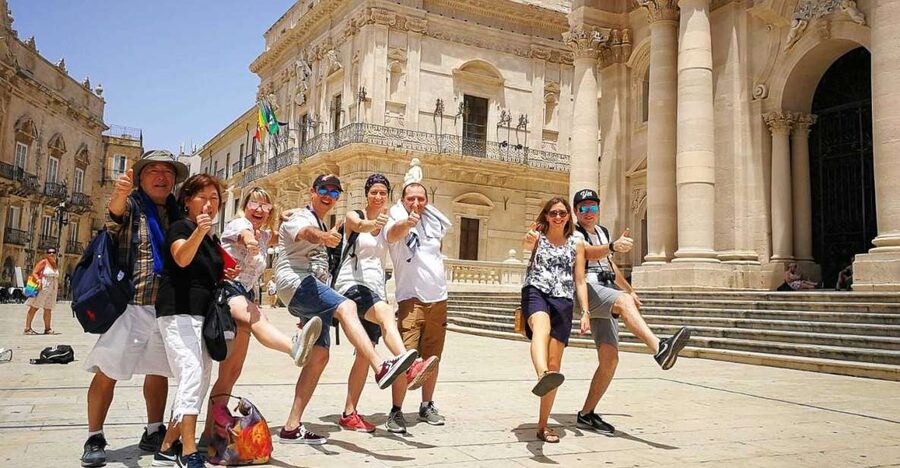
This is a classic “big Sicily hits” day trip, but it’s not just a bus tour. The real star is the archaeological landscape of Syracuse at Neapolis, which sits like a storybook map of Greek ambition, Roman reuse, and later Christian layers. You start in Catania, then you’re transferred by shuttle bus toward Syracuse, so you can spend your energy on site.
The timing matters because Neapolis and Ortygia each reward you differently. Neapolis is all about spacing. You want time to step back, look up, and orient yourself, especially around the theatre area. Ortygia is the opposite. It’s compact and street-level, so you’ll feel the atmosphere quickly once you arrive.
One practical note I’d listen to: the day can feel long. Even if you’re fit, you will be on cobblestones, in sun or wind, and moving between zones. If your “happy pace” is slower, you might want to bring the right expectations, plus some comfortable walking shoes.
You can also read our reviews of more tours and experiences in Catania.



Neapolis Archaeological Park: Greek Theatre cavea and Roman layers
Once you reach Neapolis, the trip turns into your own walk through one of Sicily’s most important ancient sites. You’re not stuck in a single guided circle. You get entry to Neapolis and then you can explore at your own pace, which is great because the park covers a lot of ground.
The Greek Theatre and its massive cavea
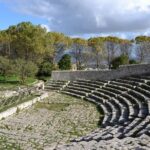
The highlight is the Greek Theatre, including the theatre’s cavea, described as the largest ever built by the ancient Greeks. Even if you don’t memorize dates, you’ll get the scale fast. Sit where people once sat, scan the stone tiers, then look out at how the land lays itself down toward the city.
This is one of those places where a guide explanation helps a lot. Without one, you still can enjoy it. With one, you start noticing how the Greeks designed spaces for viewing, acoustics, and civic life.
Latomie near the theatre, including the Ear of Dionysius
Nearby you’ll see the latomie area, including the limestone cave known as the Ear of Dionysius. It’s a striking concept. A cave shaped by limestone and used as a sort of prison landscape in ancient storytelling. If you like geology and odd historical legends, you’ll probably enjoy standing there and trying to picture how light and sound behave inside.
San Nicolò ai Cordari and the Christian layer
Near this same zone is the Christian Church of San Nicolò ai Cordari. That matters because it shows you Sicily didn’t freeze in ancient time. The site kept being reused and reinterpreted. When you’re walking around a major Greek and Roman park, you can forget the later centuries existed. This little landmark helps you hold the whole timeline in your head.




Roman imperial-age amphitheatre and more
After the theatre area, you’ll also see the Roman imperial-age amphitheatre and additional monuments across the park. Here’s a realistic consideration: sometimes specific structures are not available due to maintenance. If that happens, you’ll still see plenty, but your “checklist” might not match perfectly what you see on photos.
Bottom line: Neapolis is the part of the day that rewards curiosity. If you like reading stone and imagining how people lived in different eras, you’ll feel satisfied here.
Ortygia Island: Syracuse’s historic heart and the Arethusa fountain
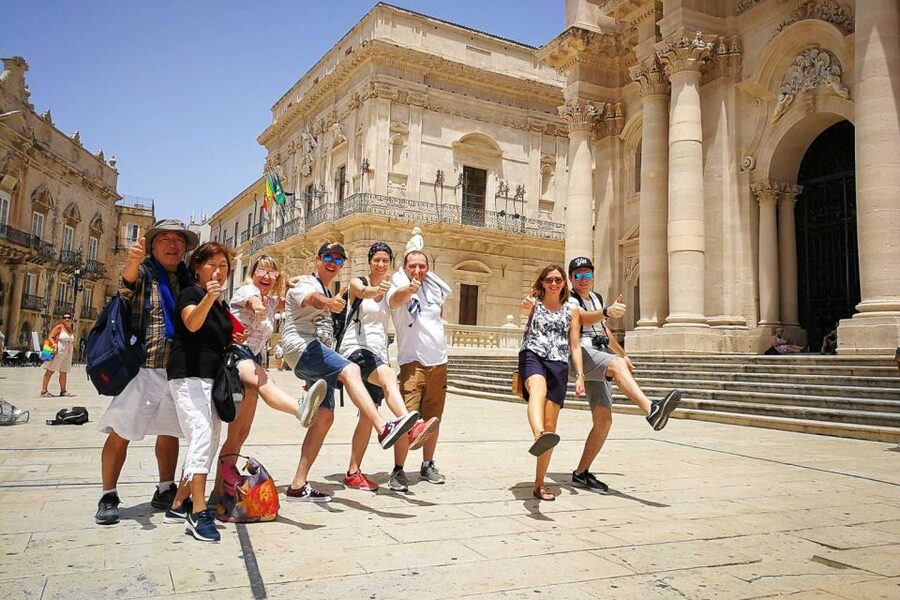
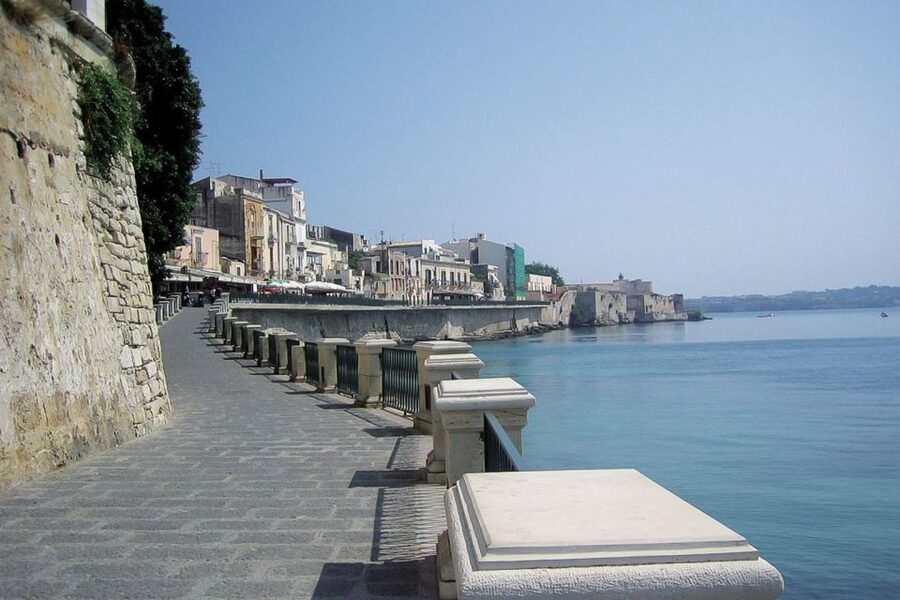
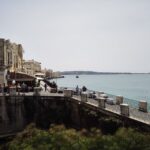
After Neapolis, the tour moves to Ortygia, the island at the eastern end of the Syracuse area. It’s separated by a narrow channel, and that separation is part of the feeling. Once you step into Ortygia, the vibe shifts from archaeological park scale to street-by-street human scale.
Ortygia is packed with layers: Greek temples, Christian churches, and the feeling of older street patterns that came through after different periods of rule. It’s the kind of place where you can look up at facades for a long time, then suddenly discover a small square that makes the whole day feel like it’s working.
Arethusa fountain and the Piazza del Duomo area
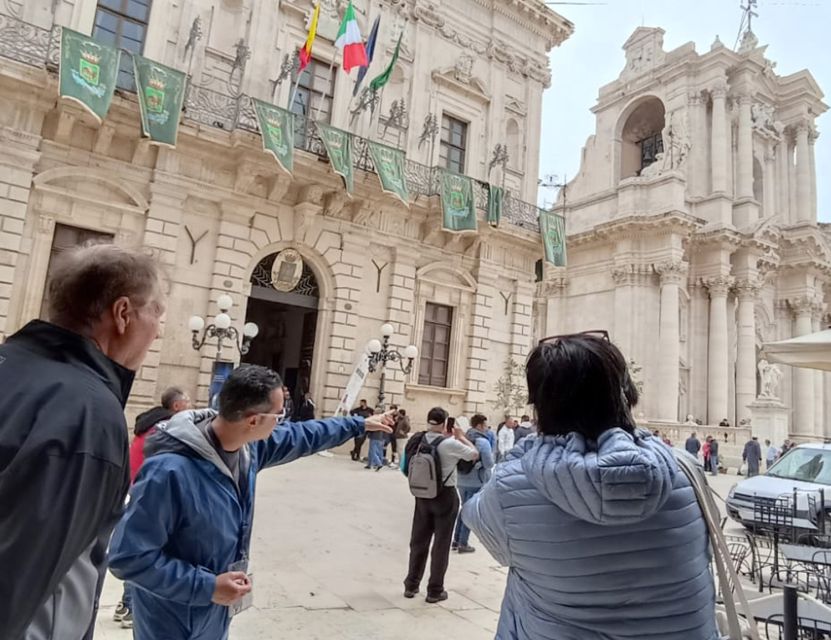
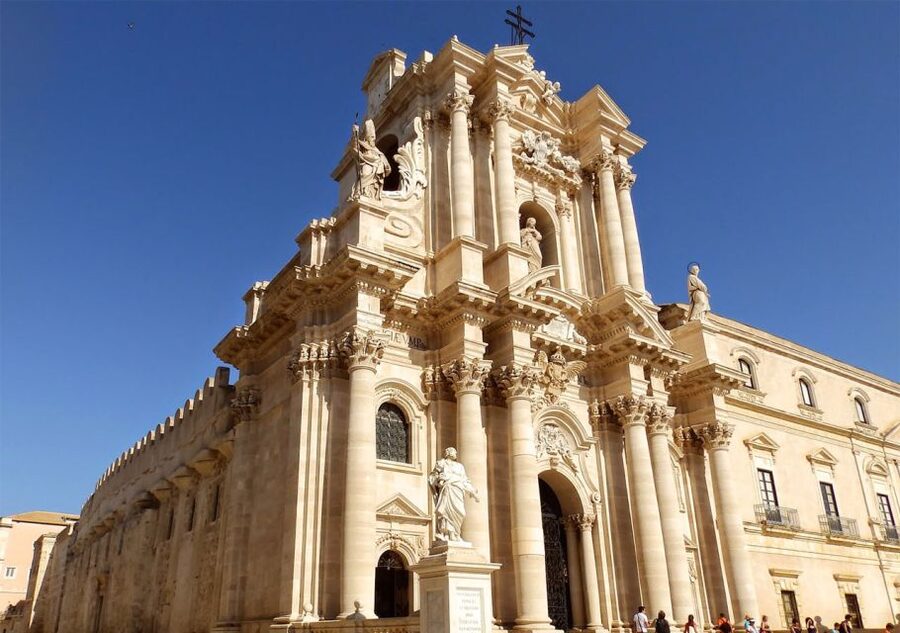
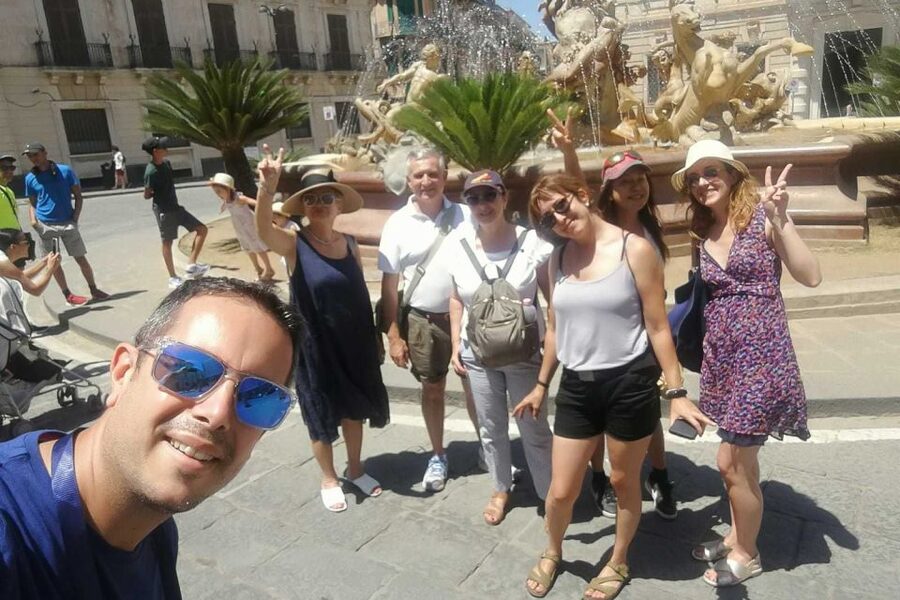
You’ll see the Arethusa fountain, which is one of the famous moments people look for when they’re in this part of Syracuse. Then the day focuses on Piazza del Duomo, where major baroque palaces surround the space, including the Beneventano del Bosco Palace and the Senate Palace.
This is one of those areas where the architecture is not just pretty. It tells you how power wanted to look after antiquity. The baroque style here has a theatrical way of presenting itself, especially when you’re walking at street level rather than viewing from a distance.
How long is enough for Ortygia?
You’ll have about 1.5 hours on the island. That’s enough to see the must-do highlights and enjoy the feel of the lanes, but it’s not enough to shop slowly and wander without thinking about time. I’d treat Ortygia like a “quality wandering” session, not a “get lost for hours” session.
If you want a boat ride around Ortygia, ask your guide if there are easy options available during your season. Some guides have been able to handle small detours when the timing works.
Noto’s Stone Garden: Sicilian Baroque in an open-air town
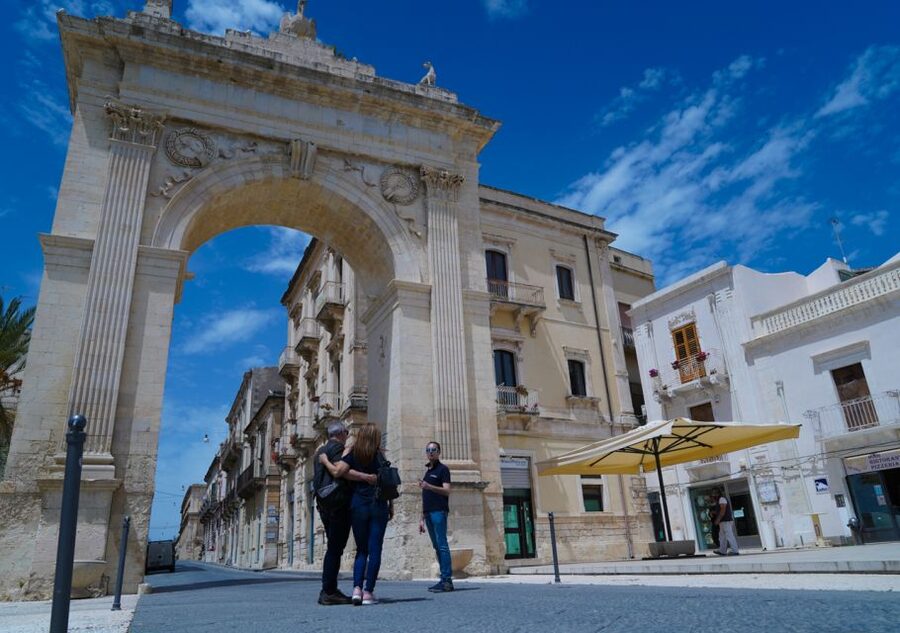
Then you head to Noto, a small town known for Sicilian Baroque architecture, recognized as a UNESCO World Heritage Site since 2002. This is where the tour changes gears visually and emotionally. Neapolis is about ruins and scale. Ortygia is about island streets and layered monuments. Noto is about surfaces, curves, and the sense that the whole town is dressed up.
You’ll “wander among baroque palaces” and spend time along Corso Vittorio Emanuele, which is a main street where the architecture becomes the attraction. The palaces and churches grouped together are often described as the Stone Garden, and that phrase starts making sense once you see the facades in sequence.
Guided time in Noto, then free walking
You’ll get a guided portion in the town, about 1.5 hours, which helps you understand what you’re looking at. After that, it’s on you to enjoy the street atmosphere. With baroque, context matters. Without it, you might see beauty but miss why it’s so distinctive.
Noto can also get crowded depending on the season and local events. If you’re visiting during a festival time, expect more people near key corners, and plan to accept that you might not get perfect photo angles at every stop.
The guides: why the story matters in Syracuse and Noto
This tour lives or dies by communication. The sites are big, and without a good explanation you can end up with a checklist. With a strong guide, you turn it into a story of how Sicily became what it is.
Guides associated with this experience have been singled out for their style and clarity. Names that show up in the guide stories include Nando, Lorena, Andrea, Salvo (and Salvatore), Francesco, Franco, and Floriana. What seems consistent is a friendly approach, solid storytelling, and a focus on helping the group get the most out of the day.
If you’re the type who likes asking questions, this is a good fit. A lot of the best moments in this tour happen at decision points, like where to spend your time inside Neapolis or what to prioritize on Ortygia.
Timing, transport, and the reality of a packed day
Let’s talk logistics in plain terms, because this is where many people either enjoy the day or feel squeezed.
Shuttle bus, pickup only in Catania
You’ll get hotel pickup and drop-off, but only for hotels and B&Bs in Catania. That matters because if you’re staying just outside the pickup zone, you might need to confirm details in advance.
The ride segments break the day into blocks. You spend around 1.5 hours on the way to Noto after pickup, plus additional drive time between stops. So yes, you do lose some time to transit, but it’s also the price of seeing three areas in one day.
On your own at Neapolis, then guided elsewhere
Neapolis is self-paced, but Ortygia and Noto are guided. That means your experience depends partly on how you choose to walk in the park. If you want structure, hang close at the beginning so you know where you are, then branch out.
Also plan your pace at Neapolis. The area is spread out, and it’s easy to overshoot your energy early.
Lunch is on your own
Lunch is not included, and it’s your expense. That’s not a deal-breaker, but it affects budgeting. If you want value, treat lunch like a small mission: ask your guide for what they consider a good local choice, not just the most convenient one.
If you skip the lunch plan and wait until you’re hungry and rushed, you can pay more than you hoped. Keeping your head clear helps.
What I think this tour is best for
This is a great choice if you want a high-impact day without the work of self-planning.
You’ll likely enjoy it if:
- You want Greek, Roman, baroque, and modern street life in one shot
- You like having a guide for the “why,” then freedom for the “what to look at”
- You’re comfortable with a long day and walking
You might not love it if:
- You want lots of unstructured time in one place, especially Noto or Ortygia
- You’re very sensitive to crowds or heat, since it can be long and busy depending on season
- You need step-free access, because this tour is not suitable for people with mobility impairments
Also, this isn’t a pets-on-board type of activity, since pets are not allowed.
Price and value: is $130.28 a bargain or just fair?
At about $130.28 per person, you’re paying for a full-day package: pickup, shuttle transport, a live multilingual guide, and Neapolis Archaeological Park entry. The big “value question” is whether those inclusions outweigh what you’d spend if you did it alone with taxis and separate tickets.
For most visitors, the money buys three things:
- Less stress. You don’t have to coordinate transport across three different areas.
- Time efficiency. The day is already scheduled to hit the big highlights.
- Guide storytelling. You get interpretation in Ortygia and Noto, plus navigation support where it matters.
What is not included is food and drinks, and the Neapolis portion is not a guided walk inside the park. So if you’re the type who likes a full guided experience everywhere, you may wish you had more explanation inside Neapolis.
Still, for a one-day Syracuse and Noto sampler, this is a strong deal.
A few practical tips to make the day smoother
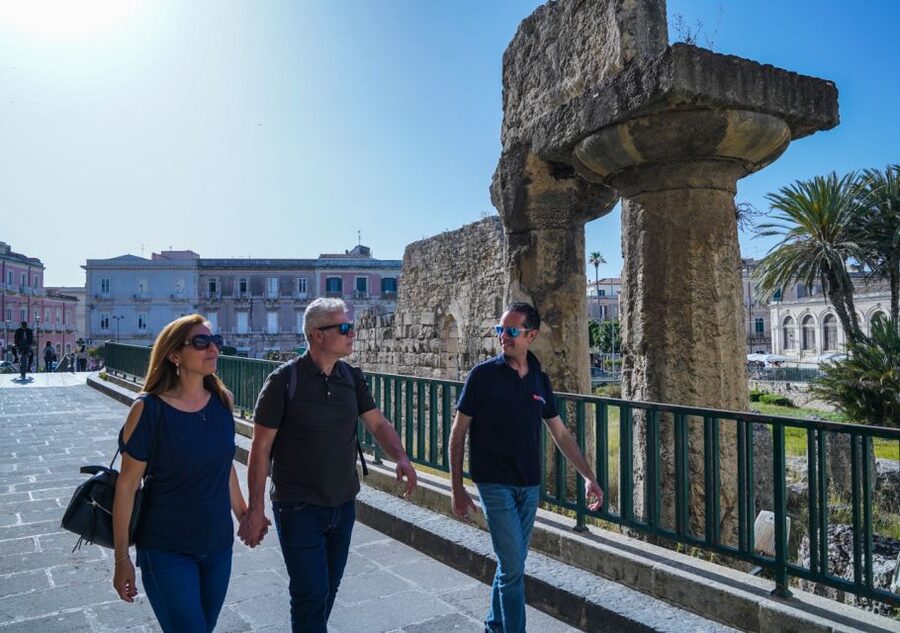
- Wear shoes you can handle on cobblestones and uneven ground. Your feet will thank you.
- Bring weather-appropriate clothing. Wind can whip around coastal areas, and sun can hit hard on exposed routes.
- At Neapolis, pick your top two or three sights first. Then fill in the rest. That way you never end up “speed-walking everything.”
- At Ortygia, prioritize the Arethusa fountain and the Piazza del Duomo palaces area. It’s the heart of the island experience.
- In Noto, walk Corso Vittorio Emanuele slowly enough to notice façade details, not just overall shapes.
Should you book this Syracuse, Ortigia, and Noto tour?
I’d book it if you want a one-day taste of Syracuse’s ancient world, plus the baroque charm of Noto, without needing to drive or plan every connection. The mix of self-guided freedom at Neapolis and guided storytelling in Ortygia and Noto is a smart structure, and the guide quality tends to be a major strength.
I’d think twice if you hate tight timing or need a relaxed, lingering schedule. This trip is full and structured, and you’ll get more out of it if you treat it like a guided highlight reel plus your own thoughtful walking moments.
If that sounds like your style, this is an excellent day to spend in Sicily.
More Tours in Catania
More Tour Reviews in Catania
Not for you? Here's more nearby things to do in Catania we have reviewed








Catania City & Fish Market Tours, compared.
 ★ 4.8Catania: Mount Etna Morning or Sunset Day Trip with TastingFrom $704,028 reviews
 ★ 4.8Catania: Sunset Jeep Tour of Mount Etna and Lava Flow CavesFrom $712,113 reviews
 ★ 4.9Catania: Mount Etna Trekking Trip off the Tourist PathFrom $781,351 reviews
 ★ 4.8Catania: Etna Sunset Tour with Pickup and Drop-offFrom $711,348 reviews
 ★ 5.0Mt. Etna and Taormina village full day tour from CataniaFrom $1181,155 reviews
 ★ 4.7From Catania: Mount Etna Sunset Tour with Tasting and CaveFrom $451,119 reviews
 ★ 4.8Catania: Etna Morning Excursion with Tasting and PickupFrom $67820 reviews
 ★ 4.9Catania: Amazing Etna Morning Tour with Pickup and Drop-OffFrom $81799 reviews
Browse the lists this tour appears in