
Reviewed · MOUNT ETNA VOLCANO TOURS
Piano Provenzana: Guided Mt. Etna Snowshoeing Trek
Snowshoeing on Etna is not a typical winter walk. You trade a paved trail for snow, lava, and crater views on Sicily’s most dramatic volcano.
What I like most is the volcanological guide service that turns scenery into real understanding, and the contrast of quiet forest snow against dark volcanic rock. A possible drawback: you need to be ready for a cold, uneven hike with basic rental gear and some steep spots, plus you must handle heights comfortably.
This is built for people who want something different from a standard ski day or a simple nature stroll. The route is short enough for many fitness levels, but the setting is still high and rugged. If you have respiratory issues, heart problems, or you’re not comfortable with exposure, this one is likely not a good match.
Key Things You Should Know Before You Go
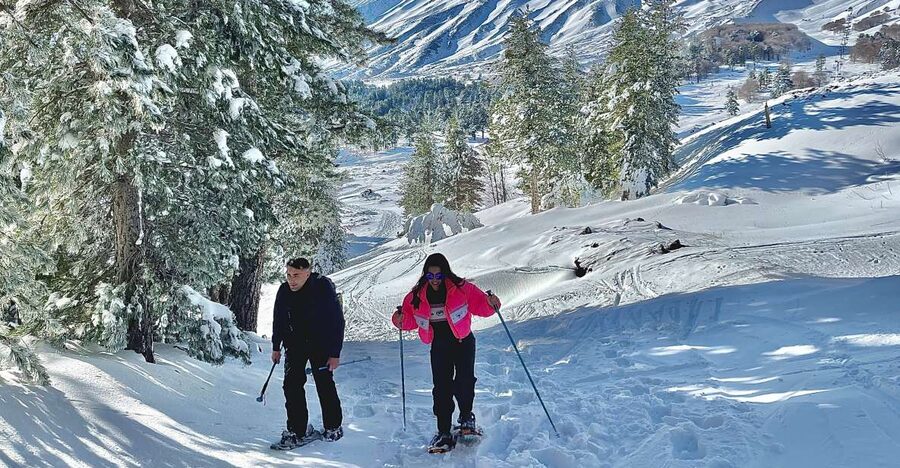
- Snow + dark volcanic rock contrast along a 5 km round trip
- Crater-focused viewpoints at around 2200 meters, with summit-crater vistas when conditions allow
- Lava flow terrain from Etna’s north side, including areas linked to the 2002 eruption
- Sea panoramas toward Giardini Naxos and Taormina, and possibly Calabria on clear days
- Guided volcanology moments at key stops, not just a walk with a casual explanation
Why Snowshoeing on Etna Feels Different from a Normal Winter Hike
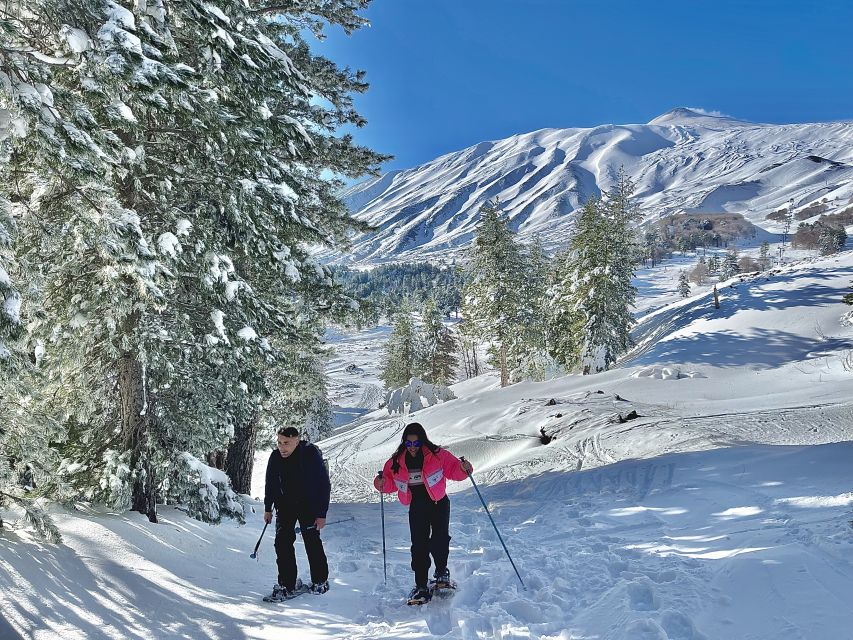
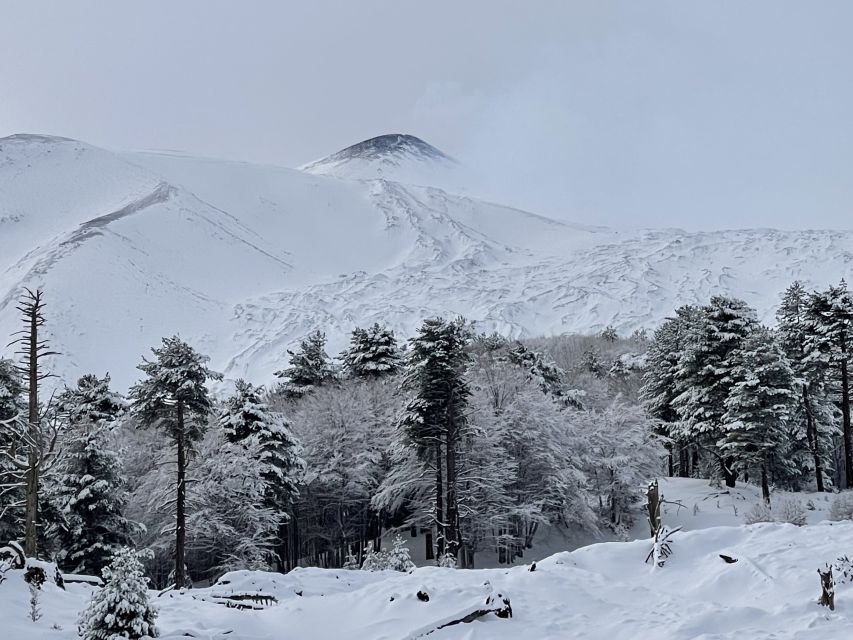
This trek works because the mountain does the storytelling for you. You start in a snowy forest on Etna, then the route gradually places you in the aftermath of volcanic activity, where dark rock and fractures replace the usual winter landscape. The result is a winter hike that feels like a living geology lesson, not just a workout.
You’ll also get a strong sense of altitude quickly. Starting around 1800 meters and reaching 2200 meters at the large side craters means your breath will notice the change, even though the hiking distance is only 5 km round trip. And because Etna is still active, the tour context stays real, with the volcano’s gases part of what you’re there to see.
One more reason it’s special: you’re not hiking for a single view. You get multiple photo chances, plus a guided explanation when the scenery turns most dramatic, which makes the landscape feel connected rather than random.
You can also read our reviews of more guided tours in Catania
Getting Set Up at Etna Nord, Piano Provenzana Trailhead
You meet your guide at the parking area near the active chairlift at Etna Nord in winter, outside Chiosco Bar Mareneve. Plan to arrive early enough to find a parking spot, because the meeting time can be brought forward to around 8:45 to 9:00 to deal with the crowding from skiers.
Once you’re there, the first part is all about getting ready safely. You’ll have a safety briefing for about 15 minutes and some free time at Piano Provenzana before the group moves into the more rugged volcanic sections. This is also when you’ll want to confirm your footing and gear fit, especially if you’re renting snowshoes.
Here’s the practical truth about the gear: the tour includes the volcanological guide service, but snowshoes and trekking poles are not included. They’re available for rent on site for about €12 per person. Trekking shoes can also be rented on the spot for €5 per pair, and you may need a warmer layer or wind protection, since the tour doesn’t provide a snack, bottled water, or a dedicated winter jacket.
If you want this to feel comfortable instead of cold and tense, come prepared with gloves and a hat. Gloves and hats are specifically not included, so show up with your own.
The 3-Hour Plan: 1800m Snow Start to 2200m Crater Views
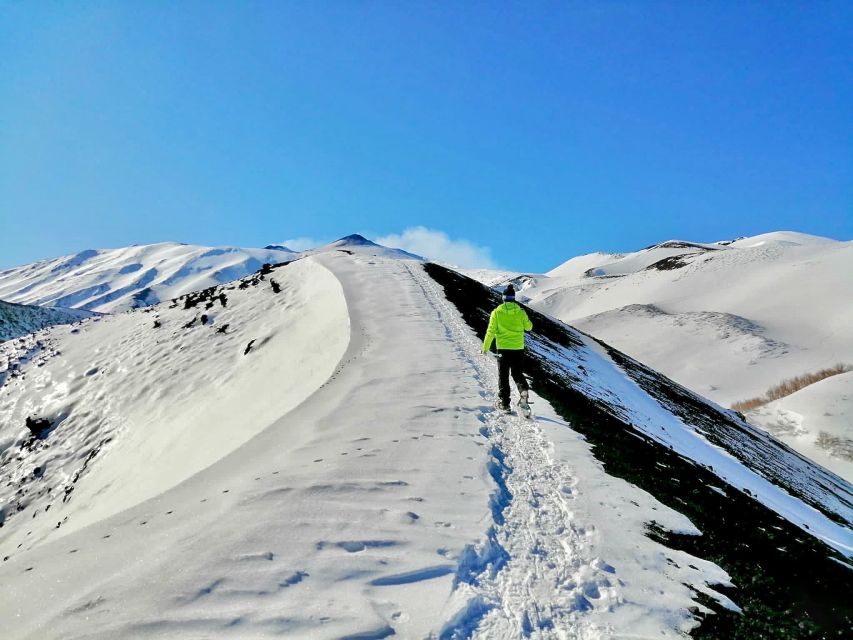
The walk is designed to be manageable in time: about 3 hours total. The distance is around 5 km round trip, with a total positive height difference of about 300 meters. In other words, it’s not a long hike, but it does take you into steep, uneven terrain where snowshoeing can slow you down.
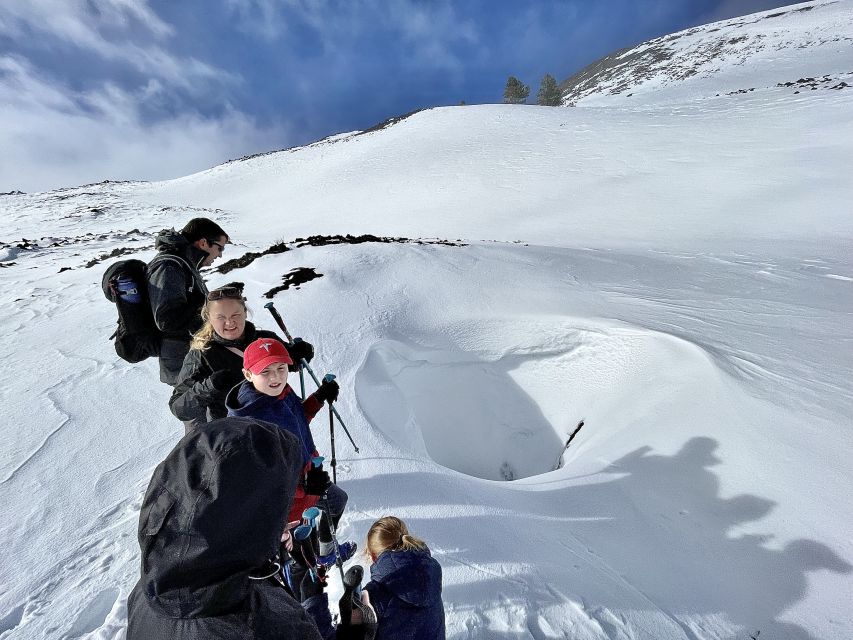
Your day flows in parts, with a mix of moving, pausing, and listening. You begin on the snowy trail environment around Piano Provenzana, where the forest setting helps you warm up and get your rhythm. Then the route shifts toward volcanic textures, where you’ll move past lava flows and through areas linked to past eruptions.
You also get multiple photo stops. One happens early (around 10 minutes), and another comes later after you’ve traveled deeper into the volcanic terrain. Those breaks matter, because crater areas and panoramic viewpoints are the kind of places where you want time to reposition your photos and simply look.
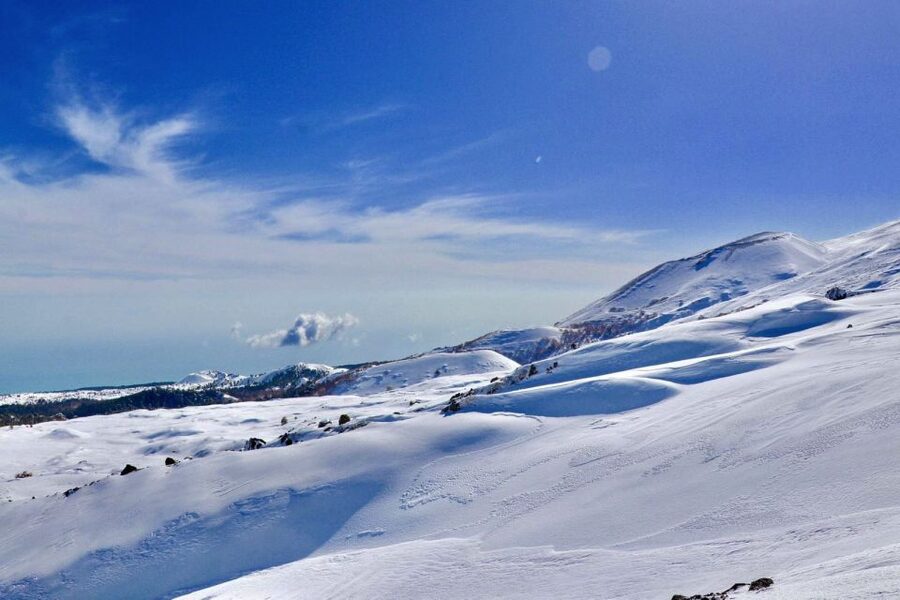
The top segment is where you earn the main payoff. At about 2200 meters, you’ll have the chance to admire the panorama of snow-covered Etna, including the crater area near the summit. You’ll also see how the volcano continues to release gases, which gives the view an extra layer of meaning.
Piano Provenzana, Lava Flows, and the 2002 Eruption Footprint
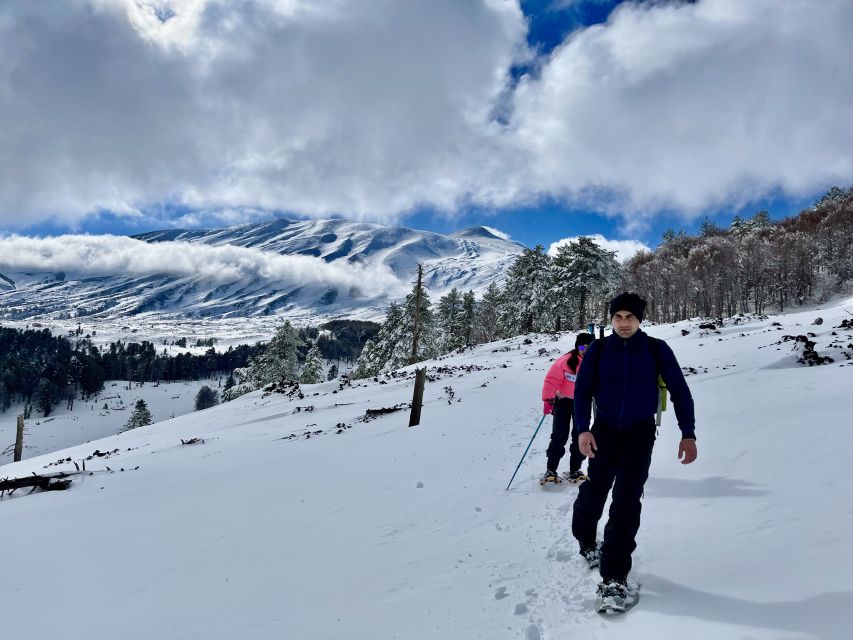
The hike is built around a clear theme: you’re walking through the aftermath of Etna’s north-side eruptions, where lava has reshaped the ground into something you can’t really recreate anywhere else. Along the way, you’ll cross lava flows and pass structures damaged or destroyed by lava flows, including the broad crater zones associated with the 2002 eruption.
This is where a guided volcanology component becomes genuinely useful. Without guidance, it can feel like you’re just trekking across dark rock. With a guide, you start connecting features you’re seeing, like fractures and lateral craters, to the way the volcano changed the terrain.
You’ll also get to visit and sightsee around the large crater zones. The group spends time observing and photographing the most dramatic sections, then pauses again with guided explanation before continuing. That pacing helps you avoid the common problem of a “fast tour” where you’re moving too quickly to understand what you’re looking at.
If you care about natural systems, this part hits hard. You’re not just seeing a view, you’re seeing evidence of how the landscape is built, broken, and rebuilt.
Photo Stops That Actually Make Sense, and Why Timing Matters
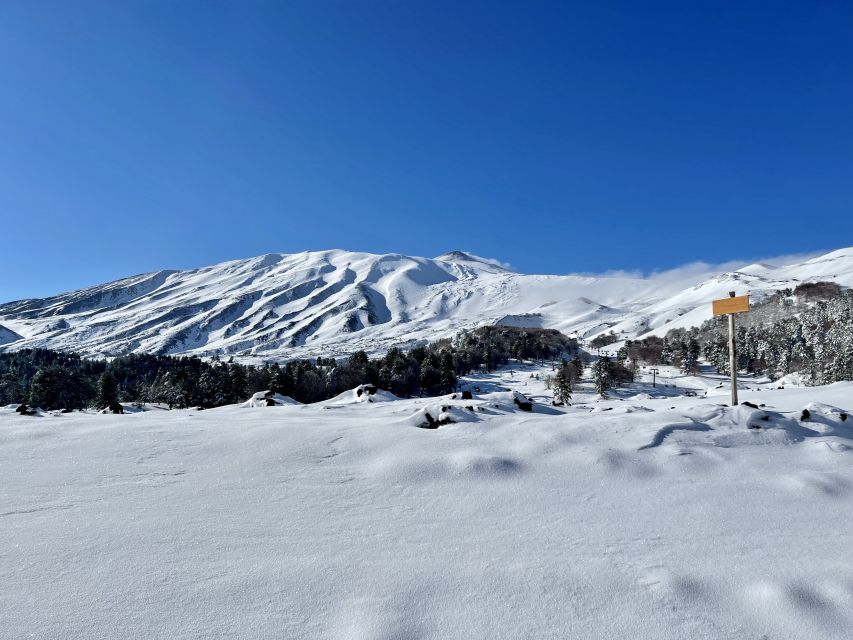
The schedule is short, so the photo stops are not random. They’re placed where the terrain shifts and where panoramas come into view. One early photo stop gives you time to frame the landscape before the route commits to the more volcanic ground. A later photo stop and sightseeing period gives you time to settle at the viewpoint areas.
What makes this tour feel efficient is that the pauses are tied to the most interesting geology. You’ll spend time where it’s worth slowing down, including areas with woods, lava flows, fractures, and lateral craters. Then the guide gives context so your photos capture something more than just impressive rocks.
Also, the tour can be more rewarding with good visibility. Along the route you can admire the sea toward Giardini Naxos and Taormina, and in clear conditions you can even see Calabria. If weather is poor, views can shrink quickly, but the volcanic terrain still gives you plenty to look at.
You can also read our reviews of more hiking tours in Catania
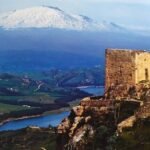
Panoramas from 2200m: Sea, Taormina, Calabria, and the Summit Craters
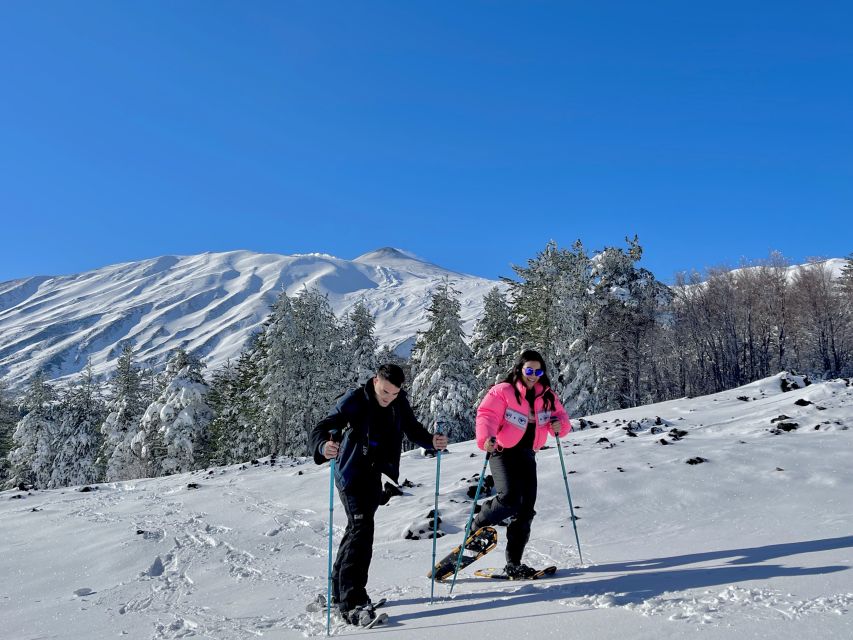
Reaching the higher crater areas is the moment when the whole hike starts to click. From about 2200 meters, you look out over snow-covered volcanic terrain, including the summit crater area of Etna. You also get the sense that you’re standing inside an active system, not on a static monument.
The big visual payoff is the combination of scale. You see dark volcanic structures below, snow on the ground, and then a wider horizon that can reach out toward the coast. On clear days, that means the line between volcano and sea becomes part of the experience, especially with Giardini Naxos and Taormina visible.
If visibility is good, the possibility of Calabria adds another layer of satisfaction, because it turns the view into a multi-region panorama. On days when clouds reduce visibility, you still get the crater vantage, but the horizon will be less dramatic.
Either way, this is where you’ll understand the “regenerating” feeling people talk about. It comes from that mix of fresh air, altitude, and a view that you can’t get from a regular viewpoint pull-off.
Guide Service, Languages, and How the Tour Stays Informative
This experience is anchored by a volcanological guide service, and that matters for how enjoyable it is. You’re not just hiking, you’re being taught what to notice. The guided segments are short but targeted, about 20 minutes at one point and additional guided explanation during the longer sightseeing section.
Language options are Italian, French, and English, so you can pick a tour that matches your comfort level. Even if your Italian is basic, you’ll still get plenty of structure from the guide’s explanations and the repeated photo and sightseeing pauses.
One review called out the guide as excellent, and that matches how this tour is designed: the guide is your bridge between “cool scenery” and “I understand what I’m seeing.”
Price and Logistics: What You’ll Actually Pay for the Experience
At $44 per person for about 3 hours, the base price feels reasonable for a guided, high-altitude snowshoe hike in a volcanic setting. But the real value comes from what’s included versus what you’ll likely rent.
Included:
- Volcanological guide service
Not included (items you should budget for):
- Snowshoes and trekking poles rental, about €12 per person
- Windbreaker rental, about €5 if needed
- Trekking shoes rental, about €5 per pair
- Snack, bottled water, and jacket are not included
- Parking ticket is extra (about €5 for weekdays, €8 on Sundays and public holidays)
So when you do your budget, think of the ticket as the guidance and the plan, then add the likely gear costs. If you already own proper winter hiking boots and cold-weather layers, you’ll keep costs down. If you need rentals, the hike still remains good value, just don’t assume it’s the only fee you’ll pay.
Who This Snowshoe Trek Is For, and Who Should Skip It
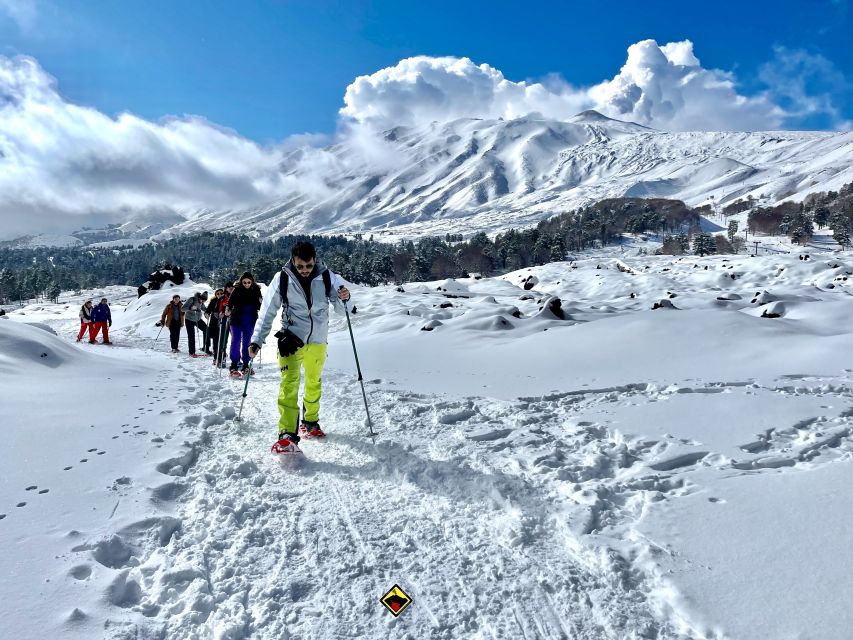
This is a winter hike with high altitude, uneven ground, and a setting that includes open crater viewpoints. That’s why the “not suitable” list is important.
Skip this trek if you have:
- back problems
- mobility impairments
- heart problems
- respiratory issues
- epilepsy
- high blood pressure
- recent surgeries
- low level of fitness
- fear of heights
Also, this is not just a “walk in the woods” because you’ll be moving across volcanic terrain. If you tend to get stressed by exposure or uneven footing, choose an easier Etna option instead.
On the positive side, this is a good fit if you want a structured experience, you can handle cold and moderate elevation change, and you want the guide to interpret crater and lava features. The short duration helps: you get the big volcanic payoff without committing to an all-day trek.
What to Bring, and the Small Things That Make or Break Comfort
The tour asks you to come prepared for winter. At minimum, pack warm clothing, a jacket, gloves, and a hat, plus breathable layers for hiking. Sunglasses help a lot in snowy conditions, and sunscreen is worth it even in winter because the brightness on snow can surprise you.
You should also bring:
- rain gear (weather can change quickly)
- long pants and comfortable clothes for outdoors
- change of clothes in case you get wet
- trekking gear and hiking shoes
Don’t bring the wrong footwear. High-heeled shoes, sandals or flip flops, and open-toed shoes are not allowed. This is about traction and protection, not style.
If you don’t have a windbreaker, you can rent one on site for about €5. And if you’re missing snowshoeing essentials, renting on site is available for snowshoes and poles, plus optional trekking shoes rental.
Should You Book Piano Provenzana Guided Mt. Etna Snowshoeing Trek?
I’d book this if you want a short, guided snowshoe hike that swaps generic winter scenery for lava, craters, and sea horizons. The route length and elevation gain are reasonable on paper, and the guided explanations give you a reason to pay attention beyond the photos.
Book it especially if:
- you enjoy geology and want the guide’s context
- you like winter panoramas with a dramatic horizon
- you’re comfortable hiking in snow and managing high-altitude cold
Skip or reconsider if:
- heights make you nervous
- you have any of the listed medical concerns like heart or respiratory issues
- you’re not ready to rent basic snowshoe gear and layer up for cold
If you’re on the fence, remember the planning-friendly basics: it runs about 3 hours, and you’ll start near Etna Nord chairlift parking at Chiosco Bar Mareneve in winter. The experience is led in Italian, French, and English, and the base tour price is $44, with rentals and parking paid separately.
FAQ
How long is the Mt. Etna snowshoeing trek?
The duration is about 3 hours.
Where do I meet the guide?
Meet your guide in the parking lot near the active chairlift at Etna Nord in winter, outside Chiosco Bar Mareneve (Piano Provenzana area).
Is the price ($44) the total cost?
The tour price covers the volcanological guide service. Snowshoes and trekking poles are rented separately on site for about €12 per person, and parking plus potential rentals like windbreakers or trekking shoes are also extra.
What is included in the tour?
You get a volcanological guide service.
What is the route like in distance and elevation?
The route is about 5 km round trip, with a total positive height difference of about 300 meters.
Do I need to rent snowshoes and poles?
Yes, snowshoes plus trekking poles are not included in the tour price, and they can be rented from authorized rentals on site (about €12 per person).
What languages are the guides available in?
The live guide is available in Italian, French, and English.
What should I bring for winter?
Bring warm clothing, gloves, a hat, sunglasses, hiking shoes, sunscreen, and weather-appropriate rain gear, plus long pants and comfortable outdoor layers. Gloves and hats are not included, so bring your own.
What footwear is not allowed?
High-heeled shoes, sandals or flip flops, and open-toed shoes are not allowed.
Is this tour suitable if I have mobility impairments or heart problems?
No. The activity is not suitable for people with mobility impairments or heart problems, and it is also listed as not suitable for several other medical conditions and for people afraid of heights.
More Hiking & Trekking Tours in Catania
More Guided Tours in Catania

More Tour Reviews in Catania

Not for you? Here's more nearby things to do in Catania we have reviewed

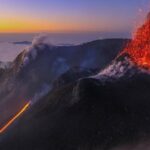
Mount Etna Volcano Tours, compared.
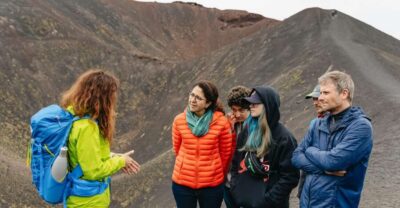 ★ 4.8Catania: Mount Etna Morning or Sunset Day Trip with TastingFrom $704,028 reviews
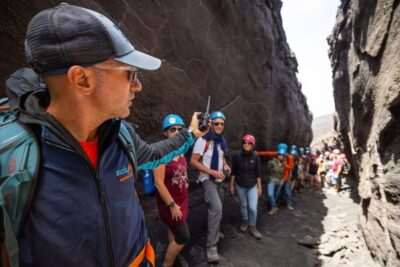 ★ 4.7Mount Etna: Guided Volcano Summit Hiking Tour with Cable CarFrom $1243,784 reviews
 ★ 4.8Catania: Sunset Jeep Tour of Mount Etna and Lava Flow CavesFrom $712,113 reviews
 ★ 4.7Mount Etna: Trek to 3000m with cable car and jeepFrom $621,978 reviews
 ★ 4.8Mount Etna: Summit Crater Trek with Cable CarFrom $771,875 reviews
 ★ 4.8Etna and Alcantara Gorges Full-Day Tour with LunchFrom $1051,766 reviews
 ★ 4.3Mount Etna: Roundtrip Cable Car and 4×4 Bus TicketFrom $971,602 reviews
 ★ 4.7Etna Volcano: South Side Guided Summit HikeFrom $671,545 reviews
Browse the lists this tour appears in