
Reviewed · MOUNT ETNA VOLCANO TOURS
Sunset Trekking on Mount Etna
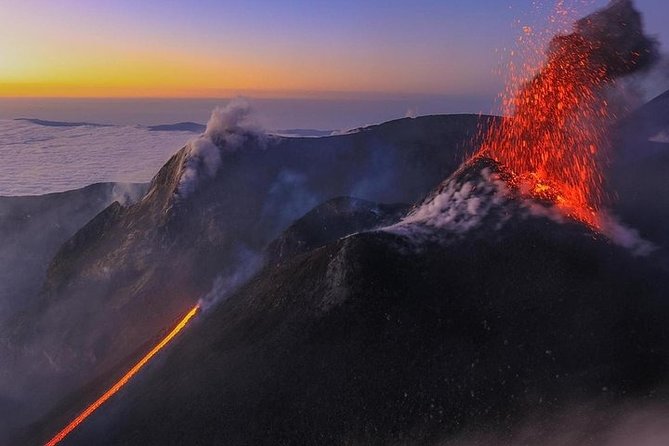
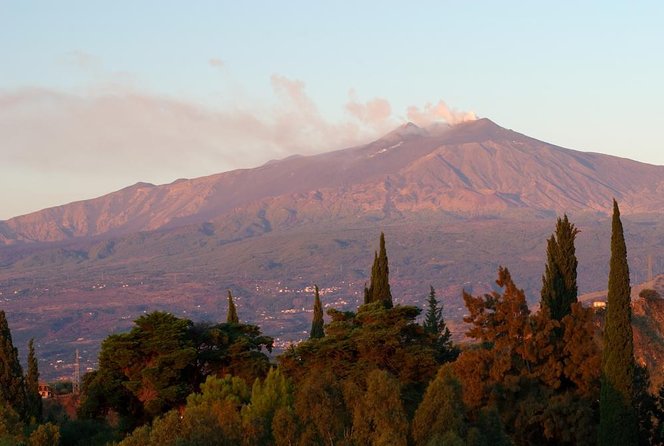
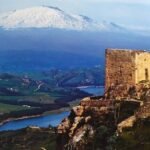
Etna changes fast when the sun drops. This half-day trek from Catania brings you through Etna villages with vineyards and orchards, then climbs toward the extinct-crater zone where views open up over old lava terrain. The best part is that you’re not just looking, you’re walking, and you get to step into a lava-flow cave with the gear to do it.
I especially love the mix of culture and geology: the guide’s talk about how Europe’s largest active volcano was born, plus the pass-by villages where people live, farm, and keep traditions. I also like the practical setup for the adventure, including helmets and torches for the cave part.
One thing to consider: it’s weather dependent. You’ll go out in the late afternoon, and if roads are icy or snowy in winter, the excursion may happen at lower altitudes.
Quick highlights before you go
- Extinct craters around 2000 meters, walked on soft, accessible terrain
- Lava-flow cave exploration with helmets and torches provided
- Etna villages route, passing vineyards and orchards on the way up
- Sunset timing from the crater edges for big view moments
- Easy-to-moderate trekking style, suitable for most travelers
- Air-conditioned vehicle pickup option for a smoother start
Etna in the late afternoon: what this experience really gives you
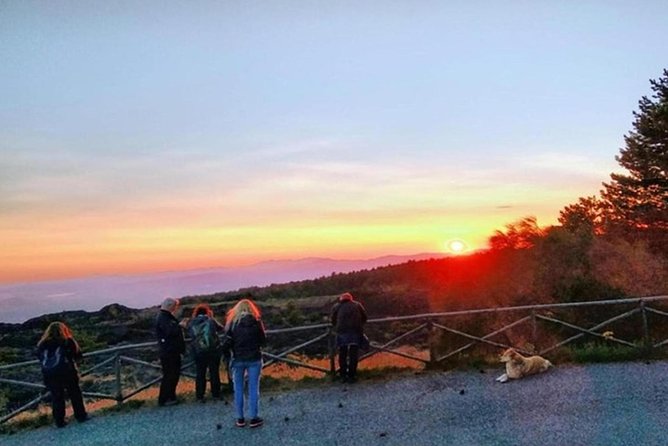
This is the kind of tour that works because it respects your time. You’ll leave Catania in an air-conditioned vehicle and spend most of the energy where it matters: walking around extinct craters at altitude and then going underground into a lava cave. The timeline is built for the late-day light, so the views from the crater edges feel more dramatic than a midday hike.
It also helps that the guide blends the “what you’re seeing” with the “why it exists.” You’ll get a story about the birth of Mount Etna, and you’ll notice the human side while passing through Etna villages. Vineyards and orchards are not just background. They explain why people settle here, how they use the slopes, and why the mountain still shapes daily life.
If you like tours where you can ask questions and the guide keeps things lively, this one has that energy. In one write-up, the guide Danila stood out for being high energy and genuinely engaged with the surrounding communities, not just the volcano facts.
You can also read our reviews of more evening experiences in Catania
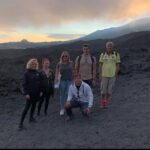
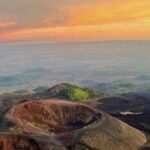
The ride up: Etna villages, vineyards, and orchards before the hike
Before you ever lace up your hiking shoes, you start with the slower part of the day. The drive takes you through characteristic Etna villages, and you can actually see the farming landscape changing as altitude increases. Vineyards and orchards appear along the way, which makes the whole volcano story feel grounded instead of abstract.
This section is valuable because it sets up context. When you later walk through old lava terrain and see different vegetation patches near the crater area, you’ll understand what you’re looking at: how the mountain’s activity created difficult ground, and how people adapted anyway. It turns the trek into a full route, not just a single viewpoint stop.
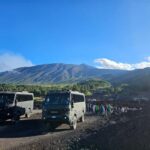
Expect the route to use a vehicle ride with time-saving “getting there” methods. The tour notes that activities are carried out with machines, including 4×4 off-road vehicles and/or minivans. Translation: you’re not hiking every meter from town, and you’re not stuck with slow public transport either.
Stop 1 on Mount Etna: extinct craters around 2000 meters
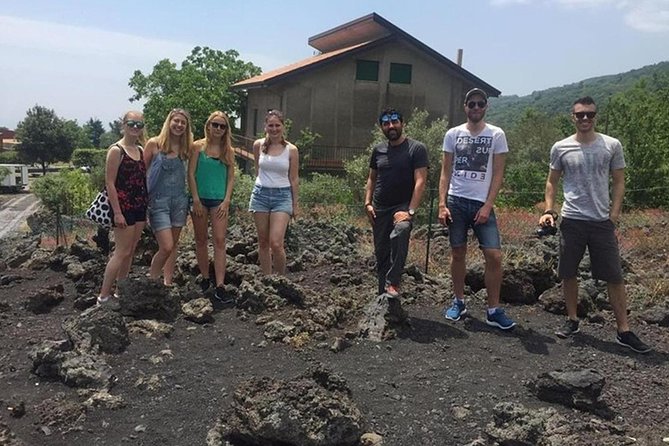
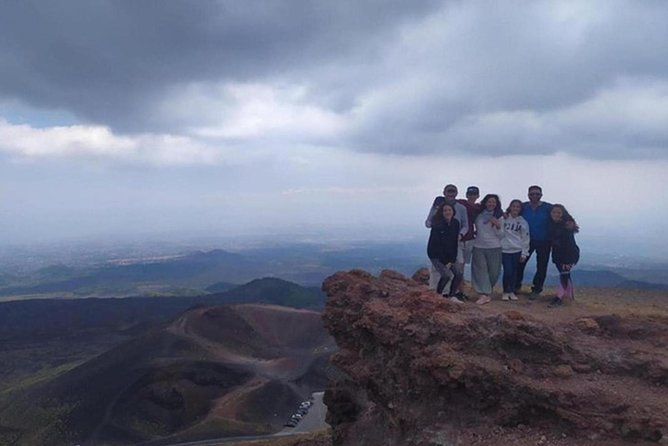
The main trekking portion focuses on extinct craters at about 2000 meters. This is labeled soft trekking and suitable for everyone, so you’re not signing up for a punishing climb. You’ll walk at a steady, comfortable pace while staying close to volcanic features formed by older activity.
You’ll notice a unique mix of terrain and plants as you move. The route includes lava flows beside birch, oak, and pine woods. That detail matters. It’s a reminder that volcanic rock does not stay barren forever. Life shows up in patches, and the mix of trees makes the crater edges feel less stark and more alive than you might expect.
The walk goes into the innermost parts of old extinct craters. Then you move toward the edge, where views open up in a way that feels like a reward rather than a chore. If you’re chasing that “I’m really up here” moment, this is where you get it.
Practical tip: wear proper hiking shoes. You’re on uneven ground and lava rock can be slippery, especially near shade or after cold nights. Bring a jacket too, because crater areas can feel cooler than Catania even in pleasant seasons.
The cave tour: a lava-flow underworld with helmets and torches
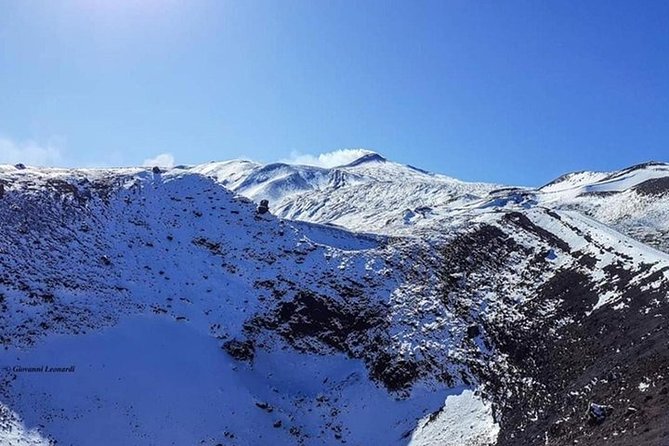
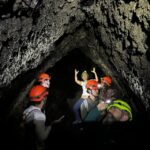
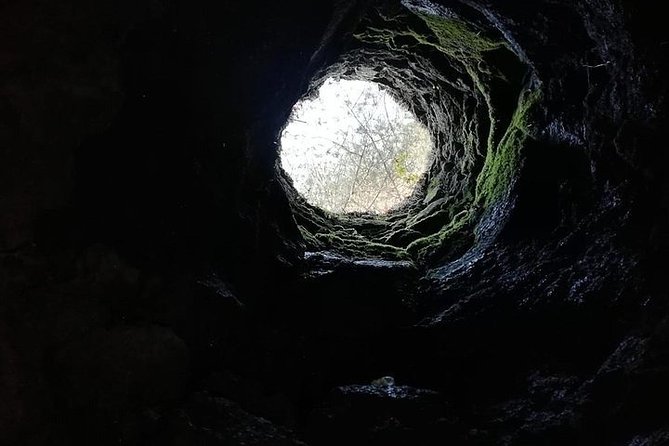
The highlight for many people is not outside. It’s underground. You’ll explore a lava flow cave formed during an eruption. The cave is equipped like a speleologist setup, meaning you get helmets and torches supplied by the tour.
Why this part is so worth it: you experience volcano geology on a different scale. Outside, you read the shape of the land. Inside, you feel the structure of the lava flow itself. The tour notes that these caves were created by lava flows and still have special properties, so you’re not just doing a generic “walk into a dark tunnel” moment. You’re exploring a real volcanic feature with the right gear to do it safely and comfortably.
The cave experience is also where the late afternoon timing starts to feel useful. When you’re back outside after the cave, you’re still in the window for sunset light. And even if you don’t see a dramatic red-orange horizon the whole time, the crater views still come with a softer, warmer tone than harsh midday sun.
What to expect physically: the cave part adds a different kind of effort. You might need to move carefully with torchlight and keep track of your footing. That’s why hiking shoes matter so much here.
How the guide ties it all together (Danila’s role)
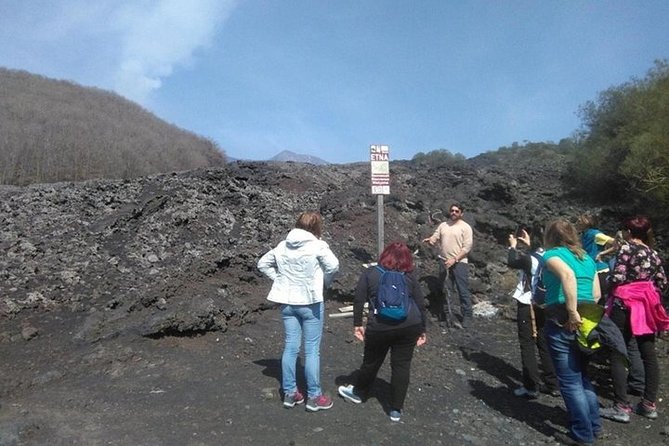
A good volcano guide does two jobs: explains the science in plain language and connects you to the people living around it. Danila, mentioned in one of the top ratings, was praised for both being knowledgeable and keeping the energy high. Even better, he shared his experience with the surrounding communities, so the tour feels like it has roots.
That matters because Mount Etna is not only scenery. It’s a working environment with farms, villages, and a culture shaped by living next to an active volcano. When the guide weaves the village stops together with the extinct crater walk and the lava cave, the tour becomes easier to understand and harder to forget.
If you’re the kind of traveler who likes asking questions, this tour format is good. You’ll be moving through several settings in a short window, and a lively guide makes those transitions feel natural.
You can also read our reviews of more hiking tours in Catania

Transportation and timing: why the 3:30 PM to 4:00 PM start matters
The meeting window runs Monday to Thursday, with pickup around 3:30 PM to 4:00 PM. That timing is ideal for a sunset trek because you’re not scrambling late in the day. You have enough daylight for the crater walk and still catch the warmer late-day light from the edges.
This schedule also helps with logistics. The tour includes a private transportation setup and uses an air-conditioned vehicle. You’re not trying to figure out transport on your own, and the tour includes pickup offered, which is a big deal if you’re staying in Catania and don’t want to stress about getting everyone to the mountain.
The day flows like this: drive out and pass the village areas, do the crater walk, then do the lava cave section. Lunch is not included, so you’ll want to plan a light meal or snack before departure. Late afternoon hikes can feel long if you’re hungry, and you don’t want to hunt for food while you’re trying to focus on footing in the cave.
What’s included, and why it’s part of the value
For $98.90 per person, you get more than a walking tour. Included items help protect your time and comfort:
- Helmets and torches for the cave exploration
- Air-conditioned vehicle
- Private transportation
The tour also includes the admission ticket for the crater and main area, with about 4 hours attached to the Mount Etna portion. That’s a key value point. Guided access plus the cave gear saves you from sourcing equipment on your own. It also makes the experience smoother, especially if you don’t travel with hiking gear or headlamps.
What’s not included is lunch, so budget a meal plan. Also, you’ll bring your own hiking shoes and jacket. The tour provides the safety equipment for the cave, but it doesn’t replace the basics of what you wear on the ground.
Overall, the price makes sense when you consider how specialized the cave segment is. A torch-and-helmet cave walk is not something most casual tours can replicate without proper gear and management.
Difficulty level: soft trekking, but still real walking
The trek is described as soft and suitable for everyone. That’s reassuring. Still, “easy” does not mean “no effort.” You’re at altitude, moving across uneven volcanic terrain, and spending time both outside and inside a cave.
A smart approach is to treat it as a comfortable hike with careful steps. If you can handle regular walking and don’t mind slowing down for footing, you’ll be fine. If you struggle with stairs or have mobility limitations, you’ll want to consider that the route includes cave movement and crater walking, which can involve uneven ground.
You should also plan for the temperature shift. Even when Catania feels warm, crater zones can feel cooler, and the jacket requirement is there for a reason.
Weather and altitude adjustments in winter
If you’re traveling in winter, the tour notes a real possibility: due to adverse weather conditions, ice, or snow on the roads, the excursion could take place at lower altitudes. That’s not a downgrade in spirit. It’s a safety adjustment so you still get a meaningful outing.
What I like about this is that it sets expectations clearly. You’re not promised “we go to the same height no matter what.” You’re promised an outing that can adapt to conditions, which is exactly what you want for mountain travel.
Pack accordingly. If temperatures drop, your jacket becomes more important. If roads are icy, you might get a different route plan that stays safer while keeping the core experience.
Who this tour suits best
This tour is a great match if you want an active way to experience Mount Etna without committing to a strenuous climb. It also suits you if you enjoy guided storytelling, not just sightseeing.
You’ll likely enjoy it if:
- You want a late-day, sunset-friendly schedule
- You like geology plus real human context from nearby villages
- You want a cave experience with proper gear provided
- You prefer private transportation with pickup from Catania
You might skip it if you’re looking for a purely lounging viewpoint tour or if you cannot handle uneven ground and cave movement.
Should you book Sunset Trekking on Mount Etna?
If you like your travel with a balance of walking, views, and something a bit unusual like a lava cave, I think you should book. The value is strong because the price includes transport, the crater access ticket, and the cave gear (helmets and torches). That lowers friction, which makes it easier to enjoy the day instead of managing equipment.
One last check before you decide: confirm you’re comfortable with soft trekking and cave walking, and plan to bring the basics (hiking shoes and a jacket). If that sounds like you, this is a memorable way to see Mount Etna when the mountain looks its best.
More Hiking & Trekking Tours in Catania
More Evening Experiences in Catania


More Tour Reviews in Catania
Not for you? Here's more nearby things to do in Catania we have reviewed



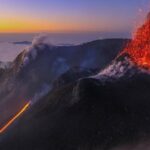
Mount Etna Volcano Tours, compared.
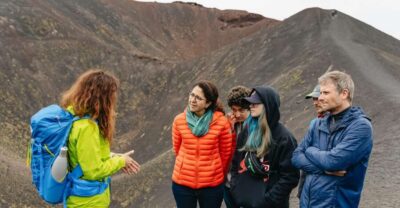 ★ 4.8Catania: Mount Etna Morning or Sunset Day Trip with TastingFrom $704,028 reviews
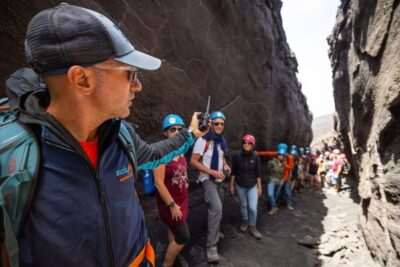 ★ 4.7Mount Etna: Guided Volcano Summit Hiking Tour with Cable CarFrom $1243,784 reviews
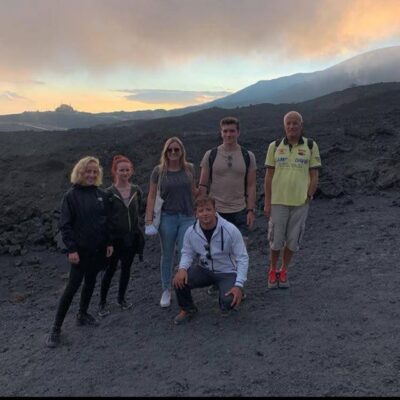 ★ 4.8Catania: Sunset Jeep Tour of Mount Etna and Lava Flow CavesFrom $712,113 reviews
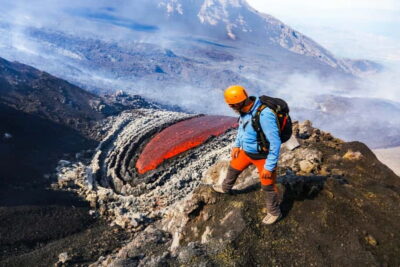 ★ 4.7Mount Etna: Trek to 3000m with cable car and jeepFrom $621,978 reviews
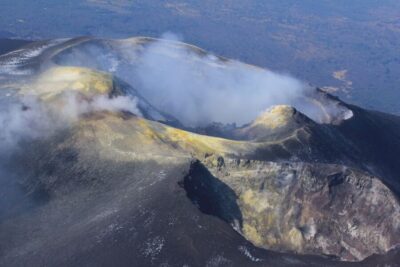 ★ 4.8Mount Etna: Summit Crater Trek with Cable CarFrom $771,875 reviews
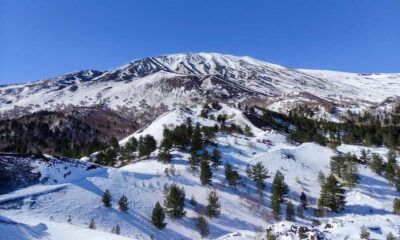 ★ 4.8Etna and Alcantara Gorges Full-Day Tour with LunchFrom $1051,766 reviews
 ★ 4.3Mount Etna: Roundtrip Cable Car and 4×4 Bus TicketFrom $971,602 reviews
 ★ 4.7Etna Volcano: South Side Guided Summit HikeFrom $671,545 reviews
Browse the lists this tour appears in