
Reviewed · FARMS
Slowlife Family Farm: From Garden to Table
Bread starts in a garden.
On Slowlife Family Farm, a 4-hour visit in Sicily moves from the vegetable rows to the table, with cooking built around milling wheat to pasta and ingredients you gather yourself. I especially love how hands-on it feels, not like a staged demo. The hosts, including Jess and Carlo, make it feel personal, and you’ll learn why their off-grid slow food life matters.
Two things I like a lot: you get an archaeological tour right on the property, and you also taste local products through olive oil and wine. A practical consideration: it’s not suitable for people with mobility impairments, and there’s enough walking on uneven ground that comfortable shoes are a must.
You’ll start at Via Malta, 7, 96100 Siracusa, in a small group limited to 10. Bring a sun hat and water, and plan to get in touch first, since the calendar may not be updated and start times can be customized.
Key things to know before you go
- Rare organic varieties: You’ll see local vegetable varieties and taste them when they’re in season.
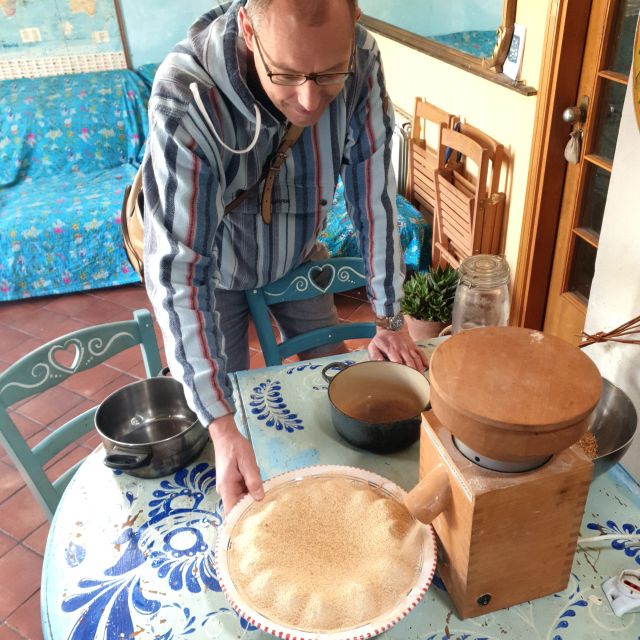
- From wheat to pasta: You learn the step-by-step process, including milling with modern tools.
- Olive oil and wine tasting: You taste local products that the farm supports through partner producers.
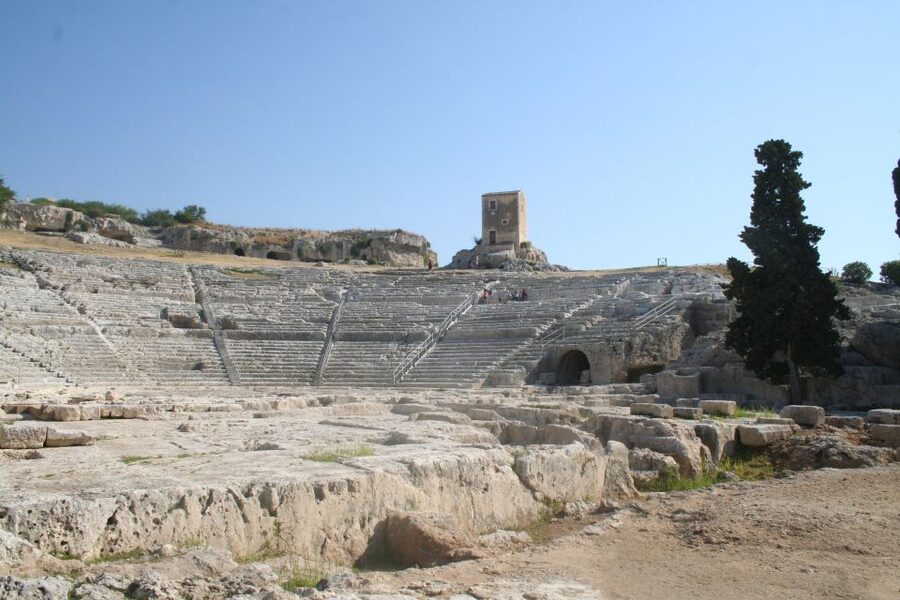
- Archaeology on the farm: You tour the site where archaeologists found Greek and Roman altars used over 2500 years ago.
- Wild edible plants: A nature guide helps you recognize edible plants for your Sicilian lunch.
From Garden Rows to Pasta Dough in 4 Hours
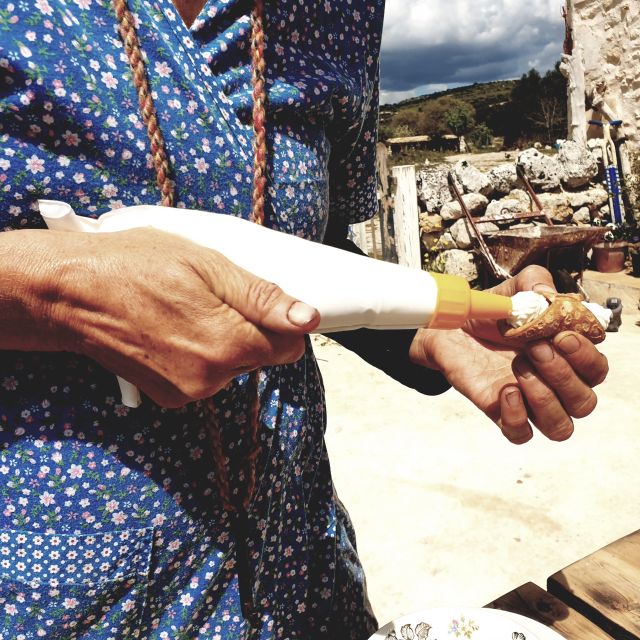
This is the kind of food experience that starts before you reach the kitchen. You begin by seeing how the farm grows and protects local vegetable varieties, including slow food favorites that aren’t common at every market stall. The idea is simple, then surprisingly deep: when you understand how food arrives, you appreciate what’s on the plate.
The cooking portion is built around a core theme, from milling wheat to pasta. You don’t just watch someone cook. You learn how wheat becomes pasta, and you get to connect the dots between the farm, the pantry, and the meal you prepare together. That chain of effort is part of why this feels satisfying, not just tasty.
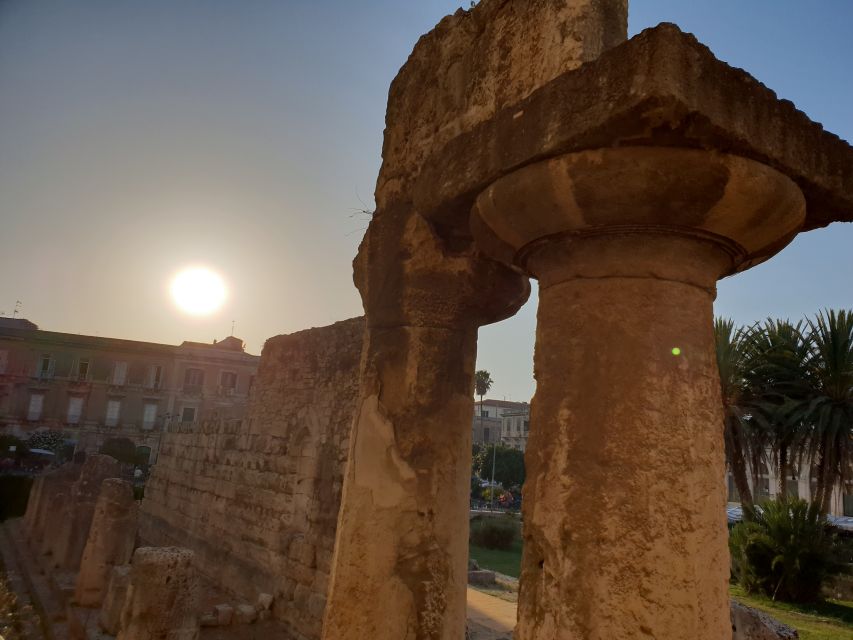
This also works well if you like stories with specifics. The farm is described as a sacred site for over 2500 years, with Greek and Roman altars found by archaeologists. So you’re not only learning about food. You’re walking through a landscape that has been used and respected for a very long time.
At the same time, keep your expectations aligned with the format. It’s a 4-hour small-group experience, not a full-day retreat. You’ll fit a lot in, and the pace is active.
You can also read our reviews of more tours and experiences in Syracuse.
Meet at Via Malta, Then Follow the River-Canyon Setting
Your meeting point is Via Malta, 7, 96100 Siracusa, and the tour ends back there. You should plan your day so you can make that start time, because this type of farm experience depends on everyone arriving together for the walk-through and cooking session.
Transport is on you. The tour does not include taxi or pickup and drop-off. That’s a key detail for planning: if Siracusa is your base, you’ll want to figure out how you’ll get to the meeting point and how you’ll return afterward.
Once you’re with the guides, the setting is part of the lesson. The farm is inside one of Sicily’s famous canyons, with a stunning river running through it. You’ll have time to swim and submerge in the river area, plus there’s mention of an ancient lagoon area that adds to the unique feeling of the place. Even if you skip the water moment, the shade from the trees and the river sound help you relax into a slower rhythm.
Group size matters here. Limited to 10 participants, it’s much easier to ask questions, follow directions during cooking, and actually get time with the guides instead of watching from the back.
Also note the practical heads-up: you’re asked to contact the local partner before booking because the calendar may not be updated. If you need a particular start time or want to adjust the meeting point based on where you’re staying, reaching out early helps.
Archaeological Stops on the Farm You Can Actually Walk Through
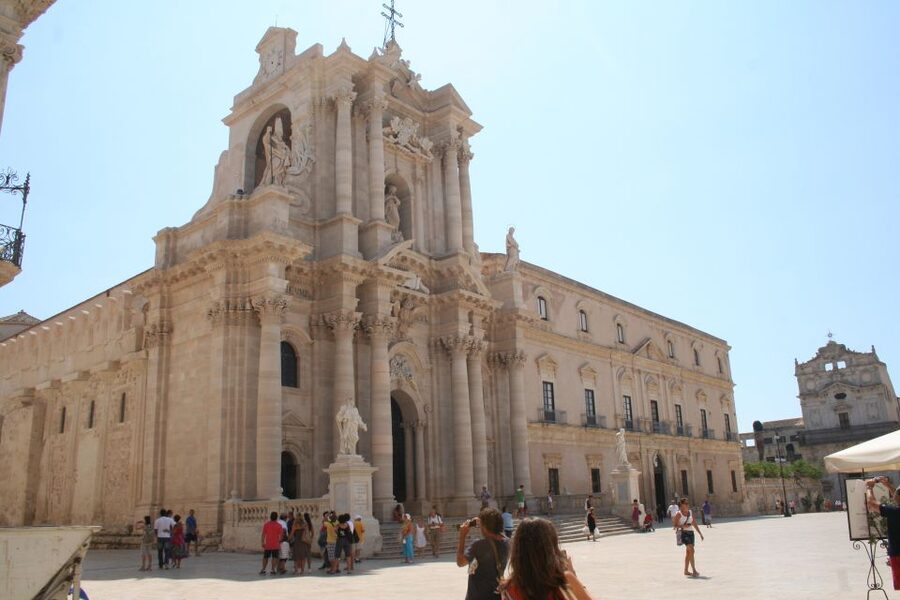
One of the strongest parts of this experience is the archaeology that lives right on the property. You’ll have a licensed historical guide leading an archaeological tour of the farm areas, so you’re not guessing what you’re looking at.
The big idea: this has been a sacred site for more than 2500 years. Archaeologists found altars used by Greeks and Romans. Standing in a place like that changes how you think about farming and food. It’s not just “pretty land” anymore. It becomes a long-running human story, with people choosing this area for reasons that likely included water, shelter, and workable terrain.
During the visit, you’ll also see the farm’s ancient water mill, which is under restoration. That matters because it ties the food theme together in a very physical way. Wheat milling is part of the cooking class, but here you can see the technology and labor behind it, even while the mill is being restored.
If you’re the type who enjoys history but hates museum lectures, this is a strong compromise. You get context while moving through the space. You’ll ask questions, and the guide can point out what to watch for as you go.
The only caution is physical, not intellectual. The farm is not described as accessible for mobility impairments, so treat the walk and site navigation as active. If you have limitations, message the operator first and get a clear sense of how much uneven ground and walking is involved.
The Cooking Class: From Milling Wheat to Pasta
The cooking class is the heart of the day. You’ll take part in a session built around from milling wheat to pasta. The farm uses modern tools for milling, but the lesson is about the process, not just the outcome. You’ll see the path from grain to dough, and then you’ll cook and prepare the meal together.
This is one of those experiences where the details make the difference. Milling is slower and more hands-on than most people expect. You get to understand why pasta quality starts with what happens before the boiling pot. And you’ll come away with an appreciation for local grains and a respect for the time it takes to produce them.
The farm also emphasizes its relationships with local producers. You’ll visit a historical food and wine pantry, which helps explain how staples were stored and used. It’s not just a backdrop. It’s part of understanding how food systems work in this region.
A small-group format helps here. With a limit of 10 participants, you’re more likely to get practical guidance during the cooking. That makes it feel like you’re learning a skill, not just standing near a counter.
If you’re a beginner in the kitchen, this is still likely to work because the learning is process-based, not chef-performed. Just be ready for an active 4-hour block, including walking time plus water time if you want it.
Garden Harvest, Rare Varieties, and Wild Edibles for Your Lunch
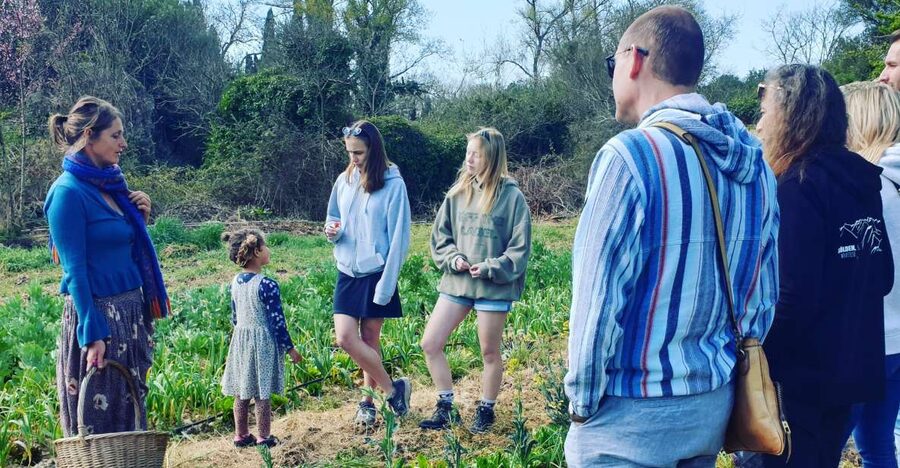
What makes this experience feel truly Sicilian is the combination of cultivated ingredients and wild edibles. You’ll explore the organic vegetable garden and learn the farm’s gardening strategies. This is where you see the farm’s role as guardians of local varieties, with research focused on slow food protected vegetables.
One standout example is the Giant Onion of Giarratana. It’s described as an endemic variety that can grow over 2 kg. When it’s in season, you may even taste it, and it’s traditionally baked directly on an open fire. Even if you don’t get onion tasting that day, knowing the story gives context to what you’re seeing and eating.
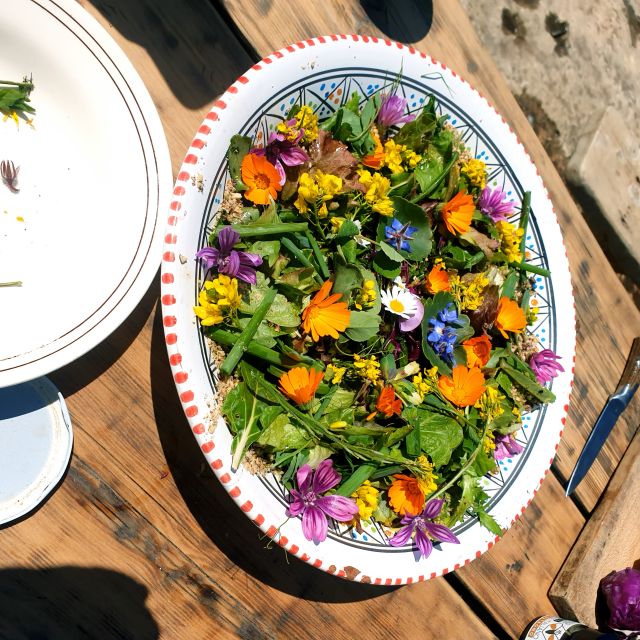
You’ll also have a qualified nature guide for edible wild plant recognition. That’s a key part of why the lunch feels more like a foraging-meets-cooking lesson. Instead of vague “try this leaf” moments, you’re learning recognition with guidance. Then you use what you’ve gathered, along with garden ingredients, to build the Sicilian lunch you prepare together.
This is exactly the kind of activity that changes how you shop afterward. If you’ve ever wondered why certain flavors show up repeatedly in Sicilian cooking, this answers it at the source. You’ll taste the difference between ingredients you grow and ingredients you only buy.
The only note is seasonal uncertainty. You might see and taste certain vegetables only when they’re in season. That’s normal for a working farm. If you’re traveling in a specific month and really care about a certain crop, it’s worth asking when you reach out.

Olive Oil and Wine Tasting That Fits the Slow Food Theme
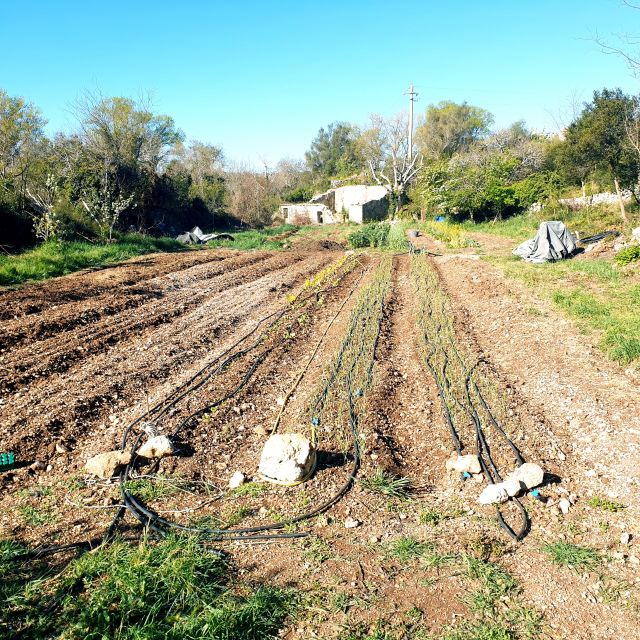
Food on this farm is not only about technique. It’s also about relationships. The experience includes local wine tasting and local olive oil tasting, tied to supporting local wheat, olive oil, and wine producers.
Why this matters for your day: tastings can feel like an add-on in some cooking classes. Here, they connect to the farm’s slow life philosophy. Olive oil and wine are part of the region’s everyday table culture. Tasting them on-site, in the context of garden-to-table production, makes those flavors feel earned rather than served.
You’ll visit the historical food and wine pantry as part of the included experience. That setting helps you understand what storage and selection meant before everything was shipped and standardized. It’s also an easy way to bridge the farm story into the meal story.
You’ll likely appreciate the pairing of farm ingredients with regional staples. When your lunch includes ingredients you gathered, and your tasting introduces products from local partners, the meal stops being a single event. It becomes a system.
If you’re sensitive to alcohol or prefer to limit it, you can always mention that when the tasting starts. The data does not specify tasting volume, so your best move is to ask for a lighter pour if needed.
Price and Logistics for a Small-Group Farm Day
The price is listed at $164.26 per person, for 4 hours. That’s not cheap, but you’re paying for multiple things happening in one block: guided archaeological touring, garden learning, a cooking class with milling to pasta, wild edible plant recognition, and both olive oil and wine tastings.
So where does the value land?
You get:
- A licensed historical guide for the archaeological tour
- A qualified nature guide for wild plant recognition
- Access to the organic vegetable garden
- A visit to the historical food and wine pantry
- Olive oil tasting and local wine tasting
- A cooking class built around milling wheat into pasta
The tour does not include transport. That’s a real cost consideration if you’re staying outside Siracusa or far from the meeting point. Also, no entrance tickets are included in the tour cost. The experience notes you skip the ticket line, but tickets are still something you should clarify when you contact the partner, so you don’t arrive surprised.
Timing-wise, check availability because start times can vary. The calendar might not be updated, so contacting the local partner before booking is a smart move. If you want a specific start time, this matters.
Group size is limited to 10 participants. In practice, that usually means better interaction with guides and less time waiting around.
For who this price makes sense: if you want both history and food, and you prefer active learning over passive watching, this is likely strong value.
Who This Experience Suits Best (And Who Might Prefer Something Else)
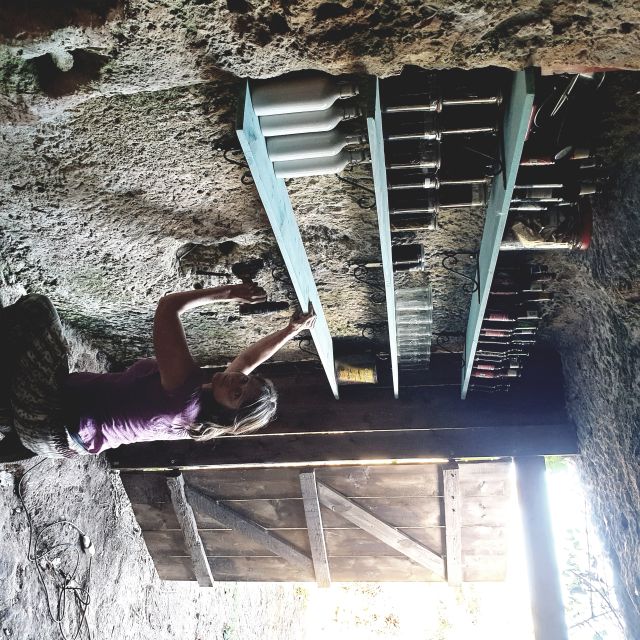
This tour fits best if you want a food day that feels like a life practice, not a performance. The farm is off-grid and slow food oriented, and the philosophy shows in the way the visit is structured around gardening, milling, and tasting. If you enjoy hands-on learning, you’ll likely feel satisfaction in making the meal with your own hands, from grain to plate.
It also suits people who like learning about local varieties. You’re not just tasting generic vegetables. You’re seeing rare varieties and learning why they matter.
If you’re traveling with kids, the data does not spell out age suitability. But the process-based format can work well for curious kids who like food and nature. Just keep the walking and the lack of mobility accessibility in mind.
Who might find it less ideal:
- If you have mobility impairments, it is not suitable.
- If you dislike walking in sun or uneven terrain, plan accordingly and consider another tour style.
- If you want a long, sit-down meal without much movement, this may feel too active for your taste.
Should You Book Slowlife Family Farm From Garden to Table?
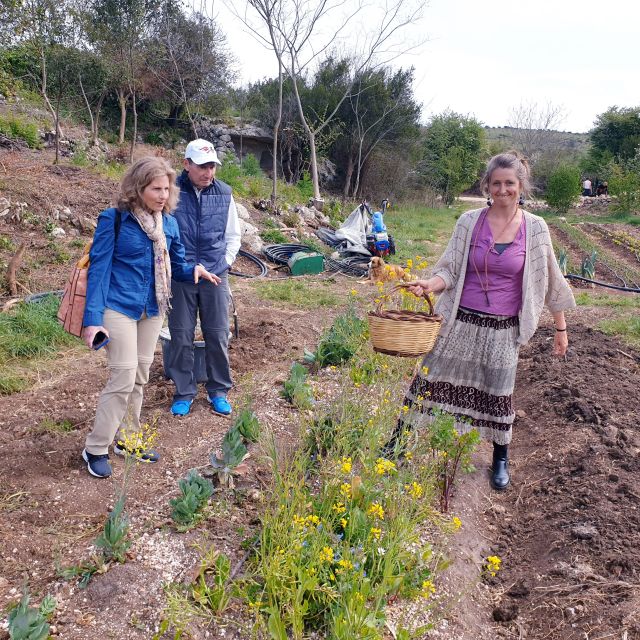
I’d book this if you want an authentic Sicily that’s not just “eat and leave.” This is a working farm experience where the themes line up: rare vegetables, milling wheat into pasta, wild edible plant learning, and then a Sicilian lunch you help prepare. Add the archaeology on the property, and it becomes more than a cooking class.
Book it with one clear plan in mind: you’ll arrive wearing shoes for real walking, and you’ll bring a sun hat and water. Then you’ll lean into the process and ask questions. This kind of experience gets better when you treat it like participation, not sightseeing.
If your main goal is convenience, you might hesitate. Transport is not included, you need the right meeting point in Siracusa, and entrance tickets might be something you handle separately. Also, since the calendar may not be fully updated, contact the local partner so your timing matches your trip.
FAQ
Where does the tour start and end?
It starts at Via Malta, 7, 96100 Siracusa. The experience ends back at the same meeting point.
How long is the Slowlife Family Farm tour?
The duration is listed as 4 hours.
What languages are offered?
The live tour guide is available in English and Italian.
How big is the group?
It’s a small group with a maximum of 10 participants.
What’s included in the price?
Included are a licensed historical guide for the archaeological tour, a qualified nature guide for edible wild plants recognition, the organic vegetable garden visit, the historical food and wine pantry visit, local wine tasting, local olive oil tasting, and the cooking class from wheat to pasta.
What is not included?
Transport (taxi or pick up and drop off) is not included. Entrance tickets are also not included in the tour cost.
What should I bring?
Bring comfortable shoes, a sun hat, and water.
Is the tour accessible for mobility impairments?
No, it is not suitable for people with mobility impairments.
Can start times or meeting points be changed?
Yes, tour start times and dates can be customized, and an alternate meeting point may be decided based on your accommodation. You should contact the local partner in advance.
More Tour Reviews in Syracuse
Not for you? Here's more nearby things to do in Syracuse we have reviewed





Farms, compared.
 ★ 4.0Alcamo Farm Animals and Aromatic GardenFrom $4245 reviews
 ★ 5.0Catania: Pozzo di Gaspare Farm Guided Tour with TastingsFrom $4134 reviews
 ★ 5.0Visit to the olive grove, oil tasting and lunch at the farmFrom $7831 reviews
 ★ 4.6Catania: Guided Tour of Etna with Farm Visit & Food TastingFrom $8130 reviews
 ★ 5.0Food Experience at our Farm in Noto HillsFrom $14817 reviews
 ★ 5.0Noto: Farm to Fork in Sicily – Cooking Class in a FarmFrom $16915 reviews
 ★ 4.9Noto: Highlights Experience tour Cooking from Farm to ForkFrom $1588 reviews
 ★ 5.0Etna private tour in 4×4 & Sicilian food farm experienceFrom $1507 reviews
Browse the lists this tour appears in