
This is one of those rare tours that starts with local shopping and ends with you cooking in a home kitchen. You’ll visit Palermo’s historic Capo street market, pick ingredients like a regular, then head to a charming apartment inside the XVII-century Palazzo Asmundo nearby Capo and Ballarò. Along the way, the cooking focus is very practical, and the cultural context makes the food make sense.
I especially like that the class is centered on Sicilian staples you can actually replicate later. You’ll make a starter of caponata, a main with busiate and pesto trapanese, plus cassata for dessert, with limoncello included as the finale. Another big win is the intimate feel, with a maximum of 25 people and a lot of attention in the kitchen, so the experience doesn’t turn into a theater show.
One consideration: the venue is a home apartment, and there are cats in the household. If you have allergies, plan around that, and ask what the setup is like during your session.
Key highlights worth your attention
- Capo street market shopping with guidance on what to choose and why
- A XVII-century home base in Palazzo Asmundo, near Capo and Ballarò
- Hands-on cooking with Sicilian dishes like caponata, busiate with pesto trapanese, and cassata
- Limoncello making plus a small bottle to take home
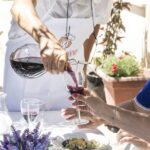
- Wine and conversation tied to how Sicilian cuisine evolved
- Small-group vibe, even though the official max is 25
Capo Market Shopping, the Way Locals Pick Ingredients
You start in Palermo’s historic core, meeting at Via Volturno, 78 at 9:30 am. From there, the tour moves to the Capo street market, a place where food shopping is social and seasonal. The point is not just to look around. You shop for the dishes you’ll cook, so your choices matter later.
I like this start because it trains your eye fast. You learn how Sicilian cooking is built on what’s in season and what works together, not on fancy theory. Expect a real walk through market stalls, with your host steering the ingredient list and explaining what makes certain items better for the recipes you’re making.
Practical tip: wear shoes you can walk in for a while. Market mornings are lively, and you’ll be moving. Also, bring water. Even a short market stop can add up when you’re tasting and carrying bags.
You can also read our reviews of more shopping tours in Palermo
Inside Palazzo Asmundo, a XVII-Century Apartment Kitchen Setup
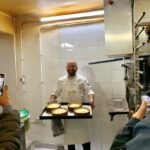
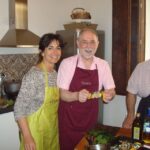
The cooking happens in a charming apartment inside an old building, Palazzo Asmundo, from the XVII century. That matters more than you might think. You’re not in a generic cooking school classroom. You’re in a lived-in space, the kind that makes the class feel like you got invited for lunch, not enrolled for a lesson.
The kitchen flow is designed for the group to cook together. From the way people describe the setup, aprons and the workspace seem to be ready when you arrive, and the host keeps things moving without turning it into a rush. The small-group feel is a consistent theme, and it helps you ask questions while you cook.
And yes, there are cats. In one account, two cats are mentioned clearly. Another says there’s an outdoor area where people can stay if cats are a concern. If you have allergies, don’t guess. Ask how the space works on your exact day, and whether you can spend time outside during breaks.
The Sicilian Menu, from Caponata to Busiate and Cassata
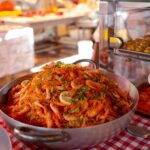
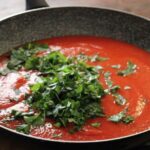
This experience is built around a three-dish rhythm. You’ll sample Sicilian classics, then cook versions of them in the home kitchen. Based on the menu provided, the starter is caponata, a vegetable stew salad that shows up everywhere in Sicily for good reason: it tastes better when the flavors have time to mingle.
The main is busiate with pesto trapanese. Busiate are a distinctive pasta shape, and pesto trapanese is very Sicilian in its attitude, often using ingredients that bring deep, savory flavor. In the class, you’ll work with the sauce and pasta together, so you’re not just watching. You’ll get your hands in it and learn how the sauce should cling and taste once it’s finished.
For dessert, you’ll make cassata, a typical Sicilian pie with ricotta cream. Cassata is one of those dishes that feels celebratory but is built on simple, understandable building blocks. In other sessions, people also mention eggplant caponata variations, a cheese platter at the start, and other savory dishes. If your session adds extras, the method stays the same: ingredients become steps, steps become flavor.
What you’ll actually learn: not just recipes, but process. The host explains what you’re doing while you do it, which helps you troubleshoot. If something looks too thick, too runny, or tastes flat, you’ll hear what to adjust and why.
Limoncello Class and the Take-Home Bottle
This is the part you’ll remember in the months after Palermo. You’ll make limoncello as part of the class and you’ll take home a small bottle as a souvenir. That takeaway is more than a cute ending. It’s a way to recreate the moment, and it’s useful for sharing with friends who only know lemon liqueur from bottles on supermarket shelves.
Limoncello also connects the practical and the cultural sides of the tour. Sicily’s food story includes how people preserve and flavor with local ingredients, especially citrus. During the limoncello step, the host’s explanations help you understand why this drink is tied to place, not just taste.
Practical tip: If limoncello is a must, confirm your session includes the bottle to take home when you book. The experience highlights that the bottle is included, but if you have any special needs (like traveling with it on carry-on rules), plan ahead.
Wine, Sicilian Food History, and the Names You Might Meet
Food classes can become awkward when the learning is only technical. Here, the tone is more human. People describe local wine and lots of conversation, and that social element matters because it keeps the class relaxed while you’re learning.
You’ll also get history and culture mixed into the cooking. Expect explanations about the evolution of Sicilian cuisine, and why the flavors you’re making are the way they are. In some sessions, a guide named Alex is mentioned for being both entertaining and educational. In the kitchen, Chef Patrizia is the name most strongly associated with hosting and teaching.
There are also references to Giuliana as part of the hosting team. In at least one account, the cats are named Nino and Bella. If you meet them, treat it as part of the charm, not a distraction. They’re there in the background, like household characters.
If you’re the type who likes to ask questions, this format rewards that. The host conversation tends to include small explanations while you cook, so you’re not waiting until the end for answers.
More Sicily island tours, Etna days, coastal boat trips, and food experiences to compare
Group Size, Pickup, and Timing: Planning Your Half-Day
The tour runs about 4 hours and starts at 9:30 am. It ends back at the meeting point at Via Volturno, 78. Pickup is available, but it’s listed as requested with an extra cost. If you’re staying near the center, you might find it easy to connect with public transportation anyway, since the meeting area is near transit.
The official cap is 25 travelers, but the real-life feel is often smaller, based on how people describe the experience. That’s a key reason the class can be hands-on. More people means more chaos. Here, the setup is meant to keep cooking and attention flowing.
Practical tip: since the tour includes a full lunch-style meal plus drinks, don’t schedule a heavy dinner right after. You’ll leave full and happy, and you’ll want the evening free to wander Palermo instead of hunting for food.
Price Value in Real Terms
The price is $207.84 per person for about four hours, and it’s typically booked around a month in advance. On paper, that sounds like a lot if you compare it to a casual lunch out. But you’re not paying just for food. You’re paying for market-guided shopping, instruction in multiple dishes, limoncello making, and a full meal with wine and conversation.
In practical value terms, you’re buying three things at once:
- An experience you can repeat: once you know how to make caponata, busiate with pesto trapanese, and cassata, you can recreate Palermo at home.
- Local access: you’re walking the Capo market with someone who knows what to choose.
- Hospitality in a home setting: the apartment style changes the pacing. It feels personal and relaxed.
If you’re someone who loves food but also likes to learn, this price can feel fair. If you only want to eat and don’t care about the cooking or limoncello, you might wonder if it’s worth it. The experience is built for the doers, not the spectators.
Who This Suits Best, and What to Watch For
This tour is a great match if you want a hands-on culinary day without dealing with restaurant noise. It also fits solo travelers. You’re part of a group, but the structure makes it easy to interact, ask questions, and help in the kitchen.
Families can work too. One account mentions kids as young as 3, 4, 6, and 12, and that the class was fun for them. Still, remember this is a walking-and-cooking experience. If your youngest can’t handle market walking and a home kitchen pace, you may want to consider how your child does in similar settings.
The main thing to watch for is the cats. If allergies are an issue, you should plan for alternatives like spending time outdoors if that’s offered during your session. The other watch-out is expectations around hands-on cooking and limoncello. The experience description includes both cooking and limoncello making with a take-home bottle. If limoncello is non-negotiable for your trip, confirm before you go.
Should You Book Siciliandays in Palermo?
If you want a Palermo food day that feels authentic and practical, I’d book this. The combination of Capo market shopping, hands-on Sicilian dishes, and a real limoncello step is a strong package. Add wine, conversation, and a home-kitchen setting in Palazzo Asmundo, and you get a memory that isn’t just photos.
I’d reconsider only if you want a fully hands-off, sightseeing-only activity, or if cats are a dealbreaker allergy-wise. Otherwise, this is the kind of tour that helps you understand Palermo through flavor, not just landmarks.
FAQ
How long is the cooking and limoncello class in Palermo?
It runs for about 4 hours.
Where do you meet for the tour?
The meeting point is Via Volturno, 78, 90138 Palermo PA, Italy, with the tour starting at 9:30 am.
Is pickup available?
Pickup is available on request, with an extra cost.
What is the tour limited to in group size?
The maximum group size is 25 travelers.
What dishes are included in the class?
The menu includes caponata (starter), busiate with pesto trapanese (main), and cassata (dessert), along with limoncello.
Do you make limoncello, and do you take any home?
Yes, limoncello is part of the class, and you take home a small bottle of homemade limoncello.
Is mobile ticketing used?
Yes, the tour uses a mobile ticket.
Is there a cancellation option if plans change?
Yes. Free cancellation is available up to 24 hours in advance for a full refund.
Is the meeting point near public transportation?
Yes, the meeting point is near public transportation.
More Shopping Tours in Palermo
More Tours in Palermo

More Tour Reviews in Palermo

Not for you? Here's more nearby things to do in Palermo we have reviewed



Sicily Street Food & Market Tours, compared.
 ★ 5.0Palermo Original Street Food Walking Tour by StreatyFrom $832,105 reviews
 ★ 4.9Palermo: Street Food and History Walking TourFrom $541,294 reviews
 ★ 4.9Palermo: Street Food Walking Tour with Local Guide & TastingFrom $52632 reviews
 ★ 5.0Palermo Walking Tour and Street FoodFrom $48617 reviews
 ★ 4.8Palermo: Small Group Night Street Food TourFrom $81589 reviews
 ★ 4.9Palermo: Street Food and Local Market Tasting TourFrom $81540 reviews
 ★ 4.9Palermo: Street Food Walking Tour at SunsetFrom $52492 reviews
 ★ 5.0Night Street Food Tour of Palermo with a Local -For real foodies!From $83486 reviews
Browse the lists this tour appears in