
Reviewed · PALERMO CITY & MARKET TOURS
Palermo: Half-Day Cooking Class & Market Tour
Cooking in Palermo beats eating out.
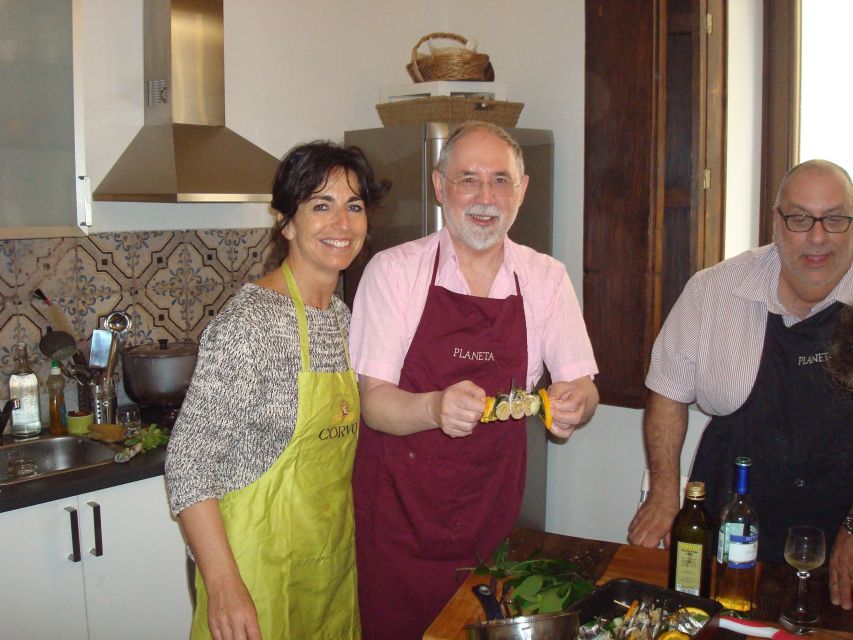
What I like most is the hands-on flow, from shopping the Capo market (meeting at Porta Carini) to returning to the kitchen to cook and eat together. I also love the size, a group capped at 8, which means real attention while you chop, stir, and plate. One drawback to consider: it is not suitable for people with mobility impairments, and you will be on your feet around the market area.
The chef-led format keeps things friendly and practical, and you leave with a sense of how Sicilians actually build a meal, course by course. In true Sicilian style, you’ll typically start with a starter, then a primo pasta, a second course with fish or meat, caponata, and a traditional Sicilian cake. If you are after an activity that is mostly sightseeing, this is more about food and culture through your hands.
Key highlights you should plan around
- Porta Carini meeting point, right at the Capo market entrance, so you get a real start in the neighborhood
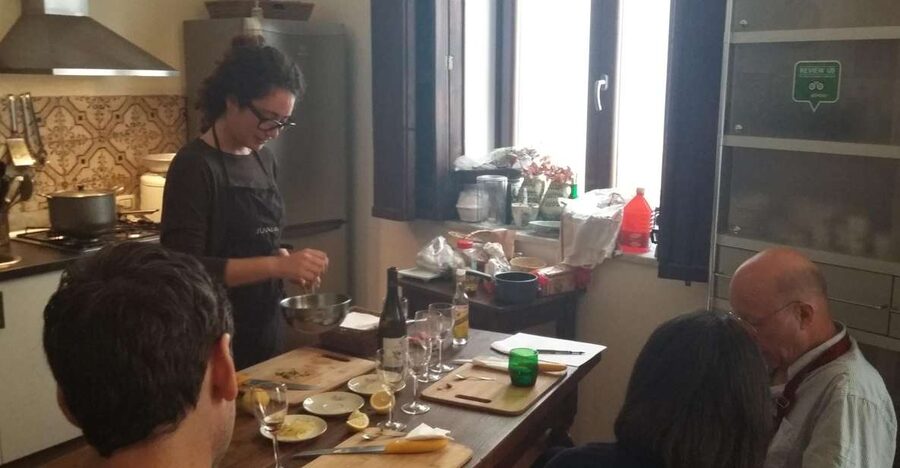
- Small group of no more than 8, which makes the cooking instruction feel personal
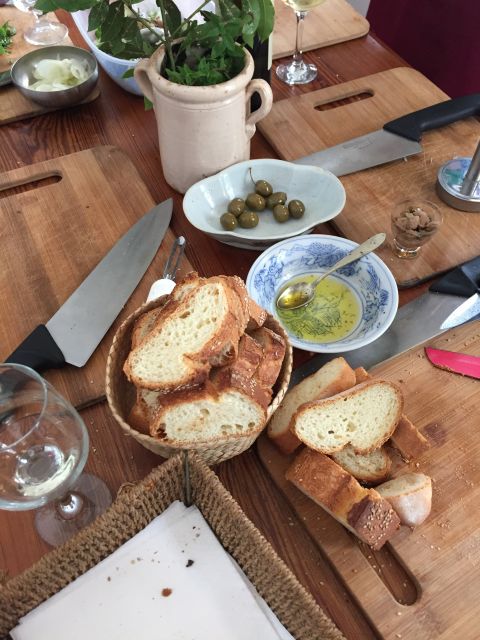
- A full 4-course Sicilian lunch plus wine tasting to match what you cook
- Market shopping with the chef, learning what to buy and why it matters in Sicilian cooking
- Classic meal structure: starter, pasta (primo), second (fish or meat), caponata, Sicilian cake
- Options for vegetarian and gluten-free menus, plus possible private classes on request
Palermo’s food lesson starts at Porta Carini
Palermo’s best cooking experiences start where the ingredients have stories. Here, you meet by Porta Carini, the entrance gate to the Capo Market, so you jump right into everyday Sicilian food culture instead of starting in a classroom.
What makes this setup work is the timing and the logic. You shop first, then cook those exact choices a little later, which helps you connect taste to technique. You also get a sense of the neighborhood while the city is still waking up, with the market as your reference point for what Sicilian cooks consider important.
You can also read our reviews of more shopping tours in Palermo
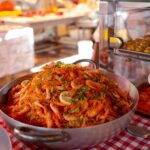
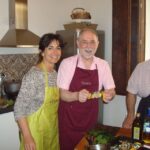
Capo Market or Vucciria: shopping with purpose, not just wandering
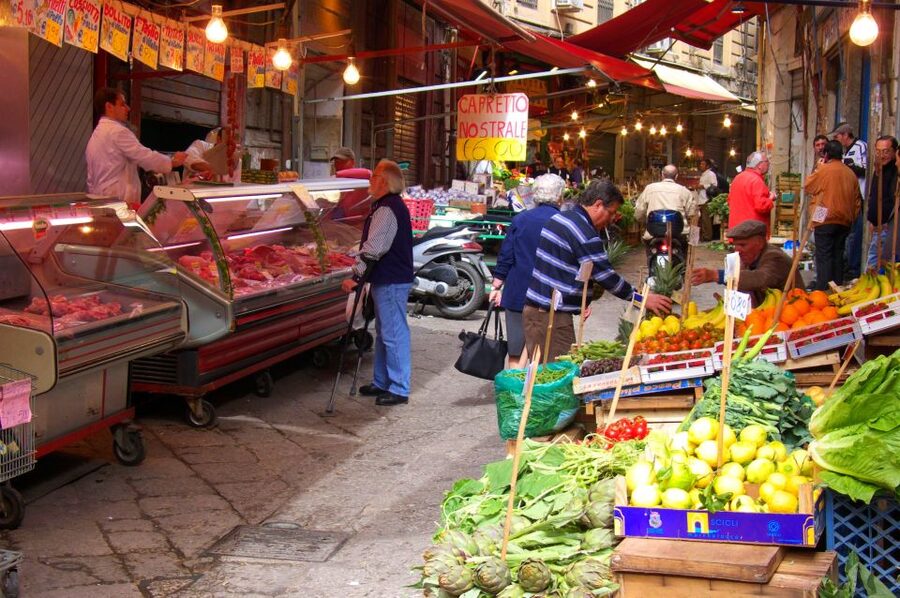
The chef takes you to Market Vucciria or Capo (depending on the session). This is not a “walk past stalls and take photos” moment. It is ingredient selection, with help on what to look for at the time of year and what each ingredient does in the final dish.
In a small group, you can actually ask questions and get answers that change your meal. The vibe I like here is that it feels like a real market trip, not a staged performance. In the process, you may also stop to taste local products like cheeses or small street-style bites, which gives your brain a flavor map before you cook.
Practical note: the market area can mean uneven ground and lots of foot traffic. I strongly recommend comfortable shoes, and I’d keep your phone in your pocket until the chef finishes the shopping part. You’ll get more out of the class if you focus on choices, not just scenery.
Back through Palermo: the cultural side of cooking
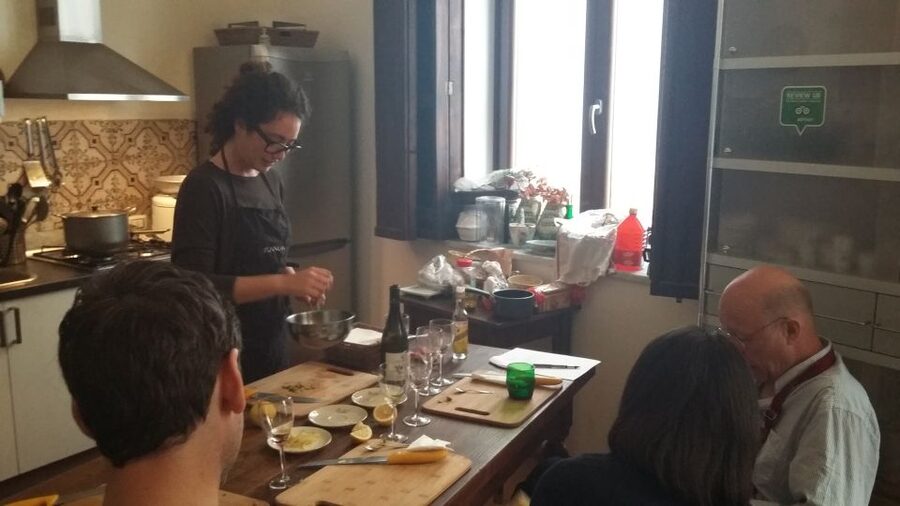
After shopping, you head back to the apartment to cook, and you also take in a beautiful view of ancient and Baroque Palermo along the way. That matters more than it sounds. You’re not stuck in one location for the whole half-day, and the walk helps connect the food to the city itself.
This is the part where you catch your breath and mentally switch gears. You go from selecting ingredients to thinking about how heat, timing, and technique turn those ingredients into something you can taste at the table.
It also helps that the group is small. With a tight crew, the route feels manageable, and you spend time together rather than waiting on a larger tour shuffle.
A chef-led kitchen at home: what you actually cook in 4 courses
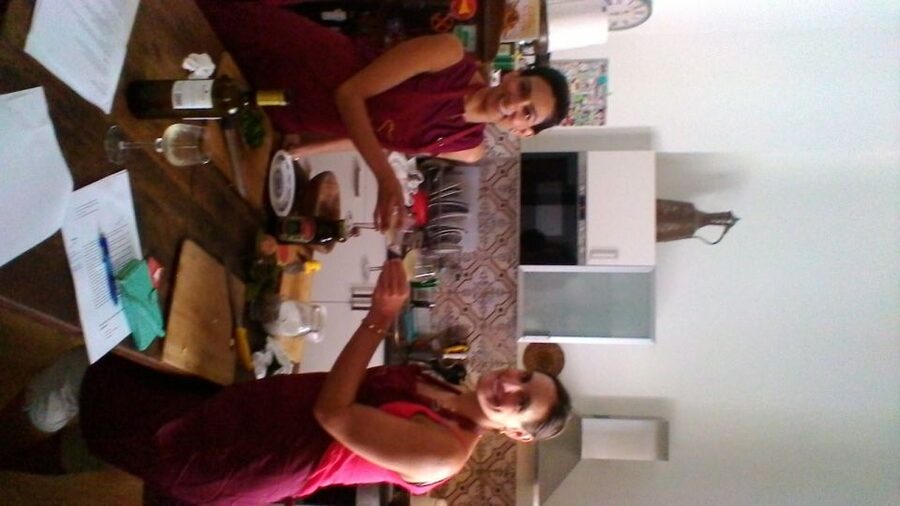
Most cooking classes tell you what to do. This one guides you through it while you’re making real decisions.
Starter first, because Sicilians build meals like a conversation
The class begins with a starter, then moves into the rest of the meal in order. That structure is smart for first-timers. You learn to taste and adjust early, then carry the same logic into the pasta and main course.
In many sessions, you start with simple, recognizable flavors, and the chef explains what makes them Sicilian. You’ll probably spend time on prep like chopping, seasoning, and balancing acidity, salt, and herbs.
More Sicily island tours, Etna days, coastal boat trips, and food experiences to compare
Primo: pasta you can understand and repeat later
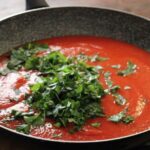
Next comes a primo pasta course. From the class style and the examples shared by previous participants, the pasta can include something like a red pesto style sauce. The key here is not memorizing a complicated recipe. It is learning the “why,” the handling of ingredients, and how the sauce should look and smell when it’s ready.
I like pasta as a teaching tool because it is forgiving. Even if your first try is not perfect, you learn the method well enough to make it again at home without needing a Sicilian kitchen and a local pantry.
Second course: fish or meat, cooked with Sicilian logic
After pasta, you move to the second course, which includes fish or meat. The class keeps this part traditional, and you’ll get guidance on cooking times and how to cook without overcomplicating.
One example from the experience description is breaded chicken, which suggests you might learn how to coat properly and then cook until crisp while keeping the inside tender. Even if your second course ends up different, the technique lessons tend to be transferable.
Caponata: the vegetable stew salad that anchors the meal
Then comes caponata, a vegetable stew salad made with eggplant, celery, green olives, and capers. This is a great Sicilian teaching moment because it explains how Sicilians love sweet, sour, and savory in the same bite.
You’ll probably hear a lot about how caponata should be cooked down and balanced, and why capers and olives matter. If you’ve never cooked eggplant beyond roasting it, this is often where the light bulb goes on.
Sicilian cake: the sweet finish you’ll want to remember
Finally, there is a typical Sicilian cake. In past sessions, the sweet has included cannoli with a handmade filling, which makes sense because cannoli is one of the most iconic Sicilian cakes. If cannoli is not on your menu, expect another traditional sweet finish that fits the flavor logic of the meal.
Dessert is also where you learn how Sicilian cooking treats the finish. Instead of a random sugar bomb, it is usually something shaped by tradition, texture, and a careful balance of sweetness.
Wine tasting that supports your meal, not just time fillers
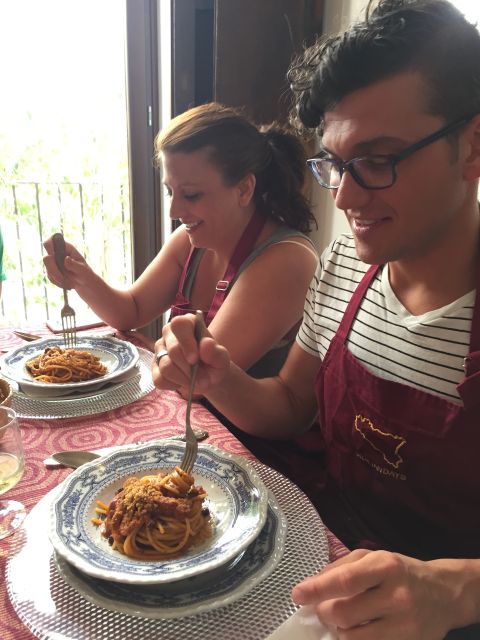
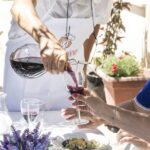
Along with lunch, you’ll taste Sicilian wines, and the class description says they are specifically chosen to pair with the courses. That pairing detail is valuable because it trains your palate to notice how wine changes how food tastes.
From participant feedback, you might see wines like Nero d’Avola, plus a general sense of multiple pours during the meal. Some people even mention homemade-style touches like limoncello, which adds to the Sicilian feel.
Even if you are not a wine expert, you can still get something out of this. Pay attention to which wine works with tangy caponata, which works best with the pasta sauce, and whether the second course needs something with more structure or less.
A small caution: if you’re planning to drive or do anything requiring sharp focus afterward, treat the wine seriously. Half-day classes are shorter than full-day tours, but you still have lunch with wine.
Getting real value from a small-group class (and not getting in your own way)
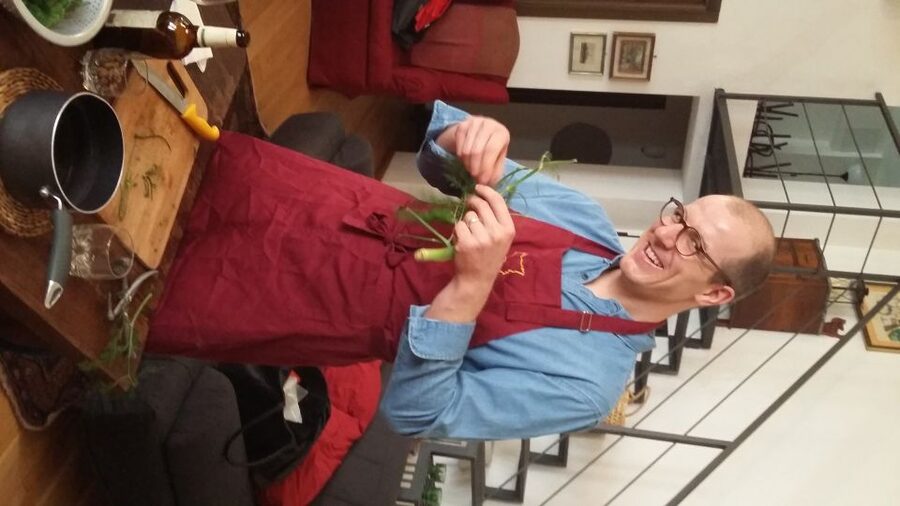
Because the group is capped at 8, you’ll likely cook alongside the chef rather than watching from across a counter. That is one of the biggest reasons this class scores so high.
Here’s how to make it work in practice:
- Ask questions early, while you are still picking ingredients and learning what “good” looks like.
- Decide how involved you want to be, then match your energy to the flow. Some steps need hands, others need tasting and timing.
- Taste as you go. Sicilian cooking is about balance, and the chef’s guidance often focuses on that.
I also like that the cooking pace feels casual and social. One of the best parts of these classes is the chance to chat with other food-minded people and hear how they experience the market and the dishes. You end up feeling like lunch isn’t a performance, it is a meal.
Dietary needs and who will enjoy this most
If you need it, vegetarian and gluten-free menus are available. That is a big deal in Italy, where bread and wheat show up everywhere. It also means you can participate without worrying that “pasta time” equals compromise.
This class is also a good fit if you want culture without museum energy. The food and wine theme is tied to local tradition, including the idea of walking through the market and seeing where people actually buy the basics.
It may be less ideal if you want a purely visual sightseeing day. There is some walking and a view along the way, but this is built for hands-on cooking and eating.
Price and logistics: is $203.91 worth it for 4 hours?
The price is listed as $203.91 per person for about 4 hours. On paper, that’s not cheap. But you’re not only paying for “a meal,” you’re paying for a chef-led instruction session plus market shopping plus lunch and wine.
For value, compare what you get versus what you’d pay on your own:
- Ingredient shopping with expert guidance saves time and reduces the guesswork on what to buy for Sicilian flavors.
- You cook a full course sequence, so your payment supports not just eating, but the teaching and the meal itself.
- Wine tasting means you get structured pairing, not random glasses.
The other value lever is the group size. A small group usually means more time with the chef, more personal attention, and less waiting. If you’ve ever taken a cooking class where you mostly watch, this small format is the antidote.
Where the price can feel heavy is if you are not into cooking at all. If your idea of fun is eating, you might still enjoy it, but the best outcome is when you are willing to participate, taste, and learn.
What to bring, what not to do, and comfort basics
Bring comfortable shoes. The market route and the kitchen work both mean you’ll be standing and moving.
Smoking is not allowed. Simple, but worth noting if you have tobacco habits during breaks.
Also keep expectations realistic about mobility. The activity is not suitable for people with mobility impairments, which likely means the market route and apartment setting are not set up for wheelchairs or limited walking.
Language support includes English, Italian, and French, so you should be able to follow along even if you only know a few phrases.
Should you book this Palermo cooking class?
Book it if you want a food-first day that teaches you something you can repeat at home. The combination of Capo market shopping, a small group, and a 4-course Sicilian meal with wine pairing is exactly the kind of experience that makes a city feel personal.
Skip it if you mostly want sightseeing, or if mobility is an issue for your group. Also think twice if you hate standing in busy places or you’re not willing to get involved in cooking.
If you’re the kind of traveler who likes to leave with recipes, taste memories, and a clearer sense of how locals eat, this class is a strong choice for Palermo.
More Shopping Tours in Palermo
More Tours in Palermo

More Tour Reviews in Palermo

Not for you? Here's more nearby things to do in Palermo we have reviewed



Palermo City & Market Tours, compared.
 ★ 4.8Palermo: NO Mafia Walking TourFrom $402,431 reviews
 ★ 3.9Palermo: Hop-on Hop-off Bus Tour 24-hour TicketFrom $172,410 reviews
 ★ 5.0Palermo Original Street Food Walking Tour by StreatyFrom $832,105 reviews
 ★ 4.2Segesta, Erice and Salt Pans Full-Day Excursion from PalermoFrom $821,791 reviews
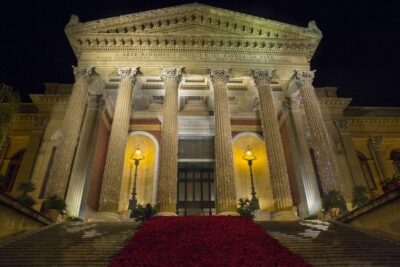 ★ 4.5Palermo: Teatro Massimo Opera House Guided TourFrom $141,573 reviews
 ★ 4.2From Palermo: Monreale and Cefalù Half-Day TripFrom $711,354 reviews
 ★ 4.9Palermo: Street Food and History Walking TourFrom $541,294 reviews
 ★ 4.2Palermo: Agrigento and the Valley of the Temples Day TourFrom $771,240 reviews
Browse the lists this tour appears in