
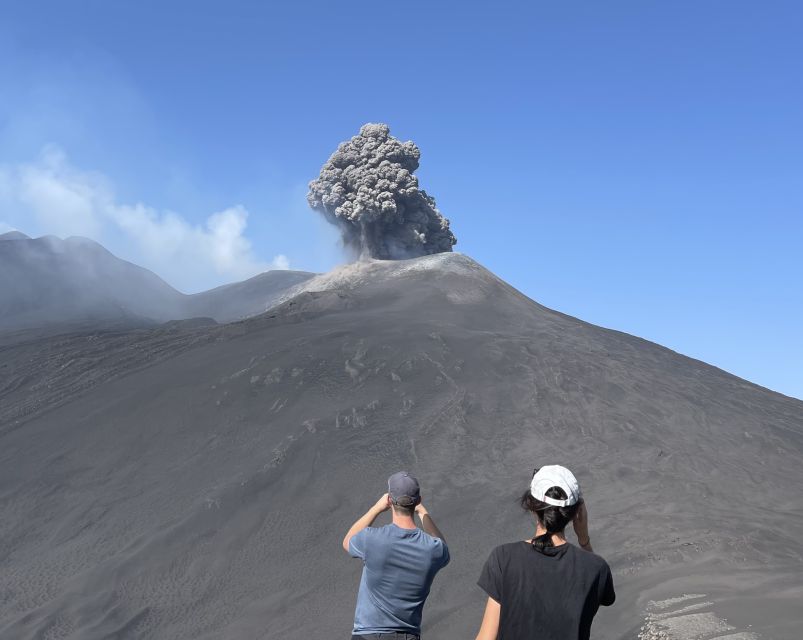
Reviewed · MOUNT ETNA VOLCANO TOURS
Special trekking on the most authentic and wild side of Etna
Etna on the north side is pure adrenaline, minus the chaos. This guided trek takes you beyond the usual stops, with a volcano expert leading you through craters, fractures, and lava features that look almost impossible to have formed so close together.
What I like most is the mix of science and real walking. You get a serious lesson in how the ground breaks open, then you’re actually moving along the edges of the largest craters on Etna’s north slope with helmet-on access to volcanic interiors.
One consideration before you book: this is high-altitude hiking near crater rims. If you get dizzy around heights, or you’re dealing with claustrophobia, heart or respiratory issues, or altitude problems, this trek is not for you.
Key highlights that make this Etna trek worth your time
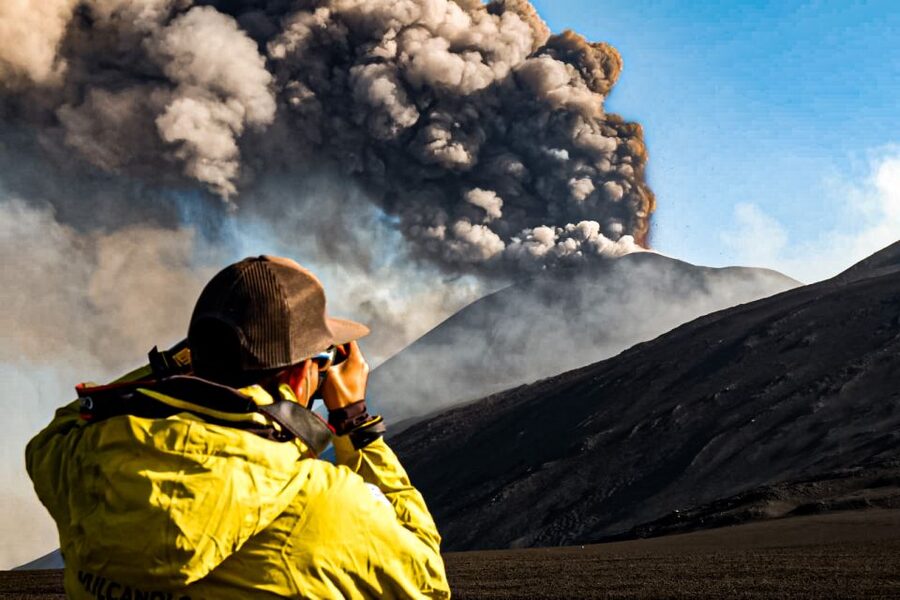
- Wild north slope routes that feel less crowded than the classic Etna areas
- Crater-edge walking with stops at rifts, ash slopes, and big explosive crater rims
- Helmeted access inside an intact volcanic cone chimney tied to the Feb 24, 1947 eruption
- Panoramic viewpoint around 2,900 meters with possible views toward Taormina and the Aeolian Islands
- A smart alternative if the summit craters close for volcanic-risk reasons
Why Etna’s north side trek feels wilder than the standard views
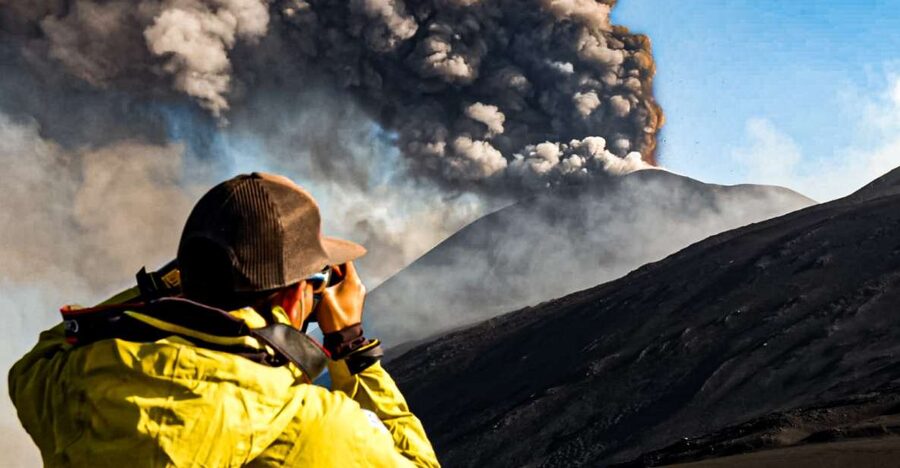
This is Etna’s attitude, not its postcard version. You’re on the less-frequented north side, so the walk stays focused on volcanic shapes that are more raw and broken-up than the smoother visitor areas.
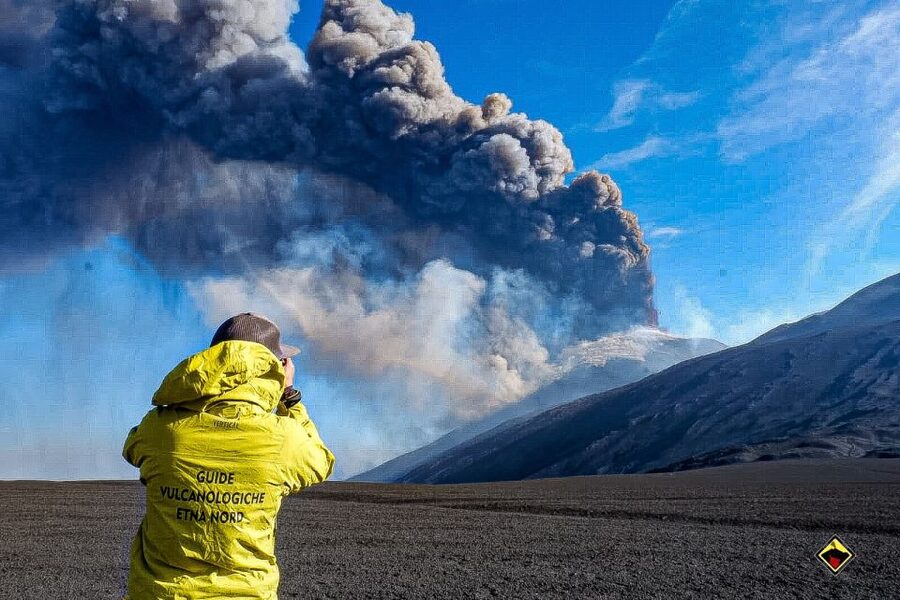
Two things make it especially compelling. First, you’re with volcanological guides who are authorized to lead people on active volcanoes and who run the route based on the communication rules used for volcanic-risk levels. Second, the itinerary is built around features you can see and touch with your own feet: fractures, cinder and ash slopes, and crater rims that force you to pay attention.
The panoramic payoff is real, too. Around the 2,900-meter stop, you can look down at recent lava flows and scan wide views across Sicily. If visibility is good, that includes the kind of distance that makes you feel high up in the best possible way, not just “tall.”
You can also read our reviews of more hiking tours in Catania
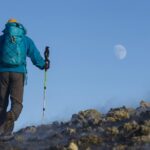
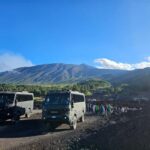
The day in motion: 4×4 climb, observatory altitude, then crater-edge hiking
The outing runs about 4 hours, and it uses a practical rhythm: high-altitude access first, walking second.
You start at the Chiosco Bar Mareneve near the winter chairlift parking area. The meeting point is the second house out of the four in the parking lot. Arrive a bit early so you’re not rushing while everyone checks gear and groups get set.
From there, you’re transferred by special 4×4 vehicles. The drive climbs from about 1,800 meters up to 2,800 meters, covering roughly 8 km of road. Your guide starts explaining the volcano while you’re still in transit, which helps the hiking make sense before you step onto the volcanic ground.
At 2,800 meters, you reach a volcanological observatory located at high altitude. Then the first short walk begins, taking you up to about 2,900 meters. You’ll pause at a panoramic viewpoint to take in the summit craters and the pattern of more recent lava flows. After that, you go back to the 4×4 and head to the north side crater area for the longer foot segment.
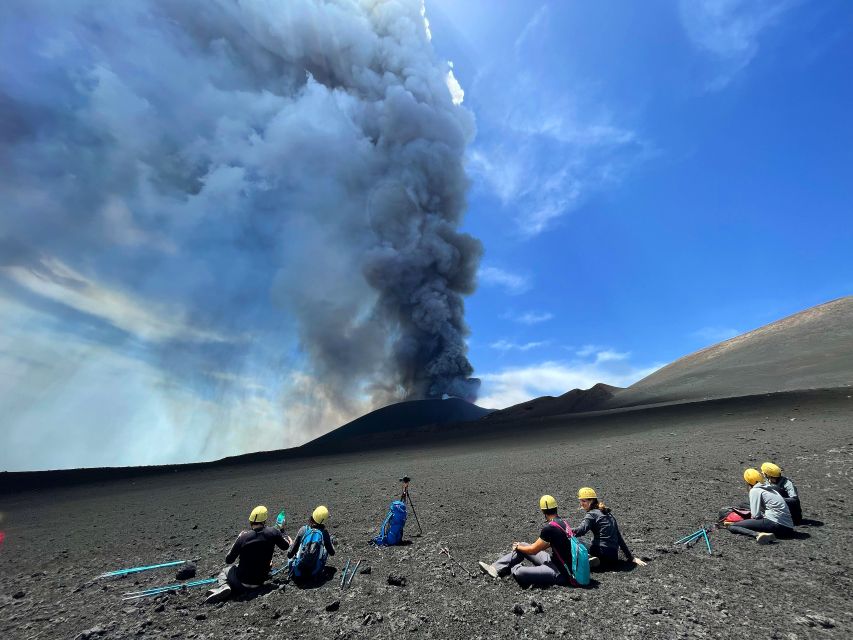
The longest part is then hiking on the north side crater edge routes. The walking route totals about 6 km, and it takes you among craters produced by multiple eruptions, including lateral ones, with descents over volcanic ash slopes. The final stretch heads toward Piano Provenzana, which gives the day a clear end point rather than a “just keep walking” feel.
What you actually see: rift fractures, the 1947 cone chimney, and lava mouths
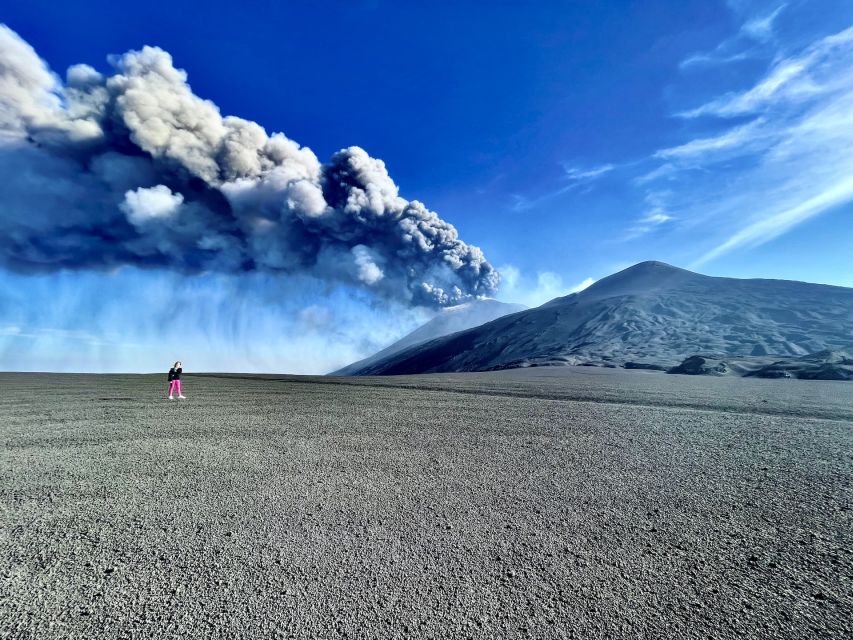
This trek is built around direct contact with volcanic forms, not just looking from a distance.
On the north side, you’ll visit the fracture often described as a rift. That matters because the rift is where you can see the ground’s story of splitting and shifting. Standing there, you start to understand why Etna’s eruptions can affect different areas rather than staying in one neat, isolated spot.
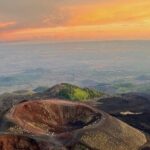
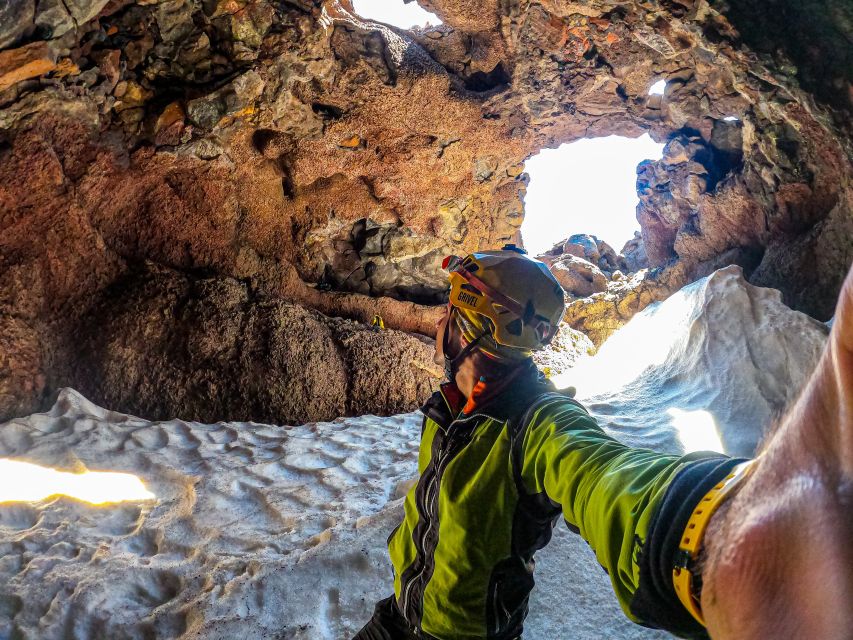
You also focus on the eruption linked to February 24, 1947. You’ll walk toward craters connected with that event and then, with protective helmets provided, you enter a volcanic-cone chimney that’s described as perfectly intact. That moment is exactly why this tour earns its top marks: you don’t just learn the volcano, you experience the space where the process happened.
After the chimney visit, you continue toward areas that include the mouths where lava flows originated. It’s the kind of on-foot encounter where you can almost see how the magma moved before it became rock.
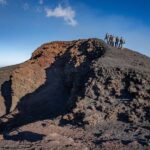
Then comes the crater-edge walking. You’ll travel along the rims of large explosive craters, and you’ll deal with slopes made of volcanic ash. The ash is not just scenery. It changes how you place your feet and how stable you feel, especially at altitude.
If you do this trek, go in expecting a lot of “how did it form” moments. The guide ties each section to how eruptions unfold, including lateral eruptions across many years, so the ground feels like a living textbook instead of random bumps and holes.
Panoramas from around 2,900 meters, plus the summit-crater risk plan
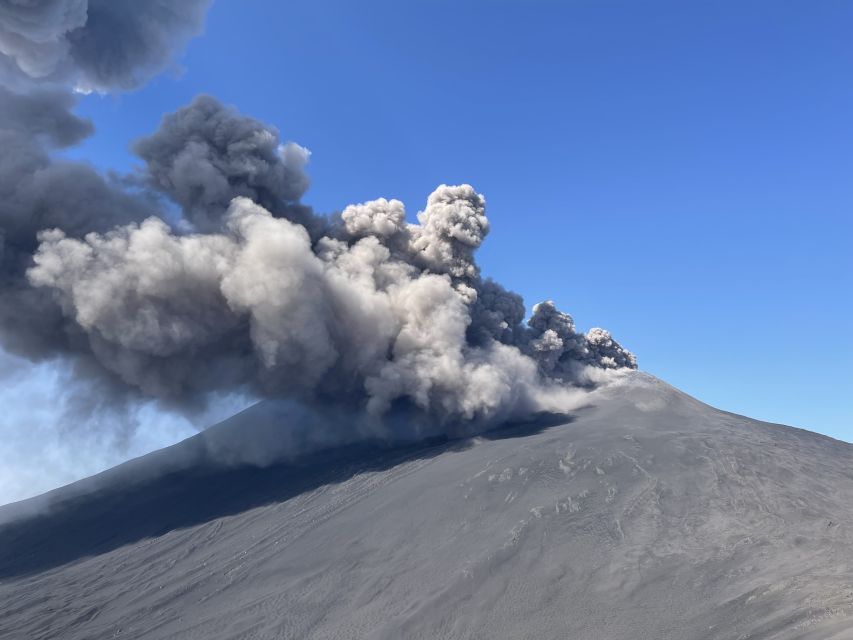
At the higher viewpoint around 2,900 meters, you get a look back at the summit craters and the pattern of recent lava flows. Visibility can vary with the weather, so you should treat this as a weather-dependent bonus rather than a guaranteed “see everything” moment.
The other smart thing here is risk planning. If summit craters are closed to the public due to volcanic risk, this route serves as a valid alternative. And even when closures happen, you still aim for the highest point that’s safely reachable with the guide team.
That’s not a small detail. It affects your experience in a big way. Instead of thinking you paid to come all this way and then got rerouted to something bland, you’re still walking crater terrain in a way that matches the safety limits in force that day.
You also get real-world context. The guide explains what’s going on during the route, including why certain areas may or may not be accessible. When you understand the why, a change in plan feels less like a disappointment and more like good decision-making.
Gear and comfort: what’s included, what you bring, and what to wear on volcanic ash
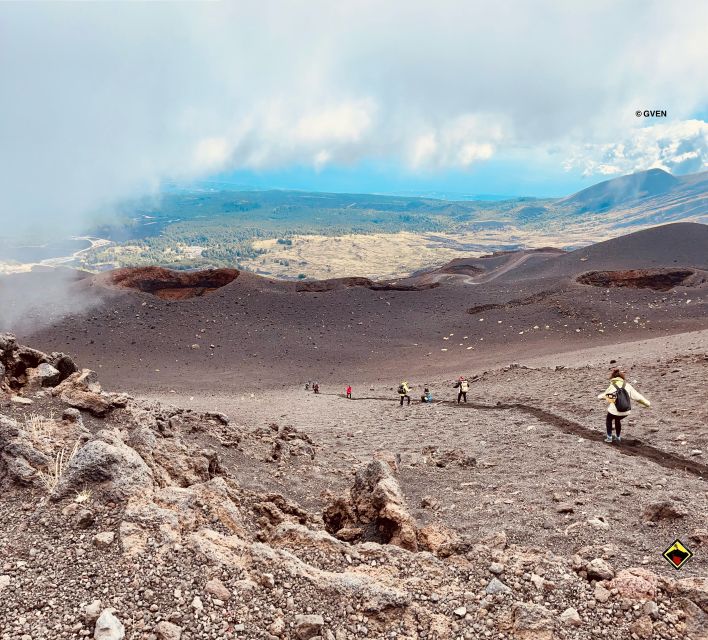
The operator provides a lot of the “don’t make me think” items. Included gear covers trekking poles, protective helmets, accident insurance, trekking shoes, warm jackets, extra socks, and a backpack. That’s a strong value piece because high-altitude trekking needs proper setup, not improv.
Still, you should bring your own essentials because they matter for comfort and safety. Pack a windbreaker, sunglasses, sunscreen, long pants, and comfortable clothes suitable for cold and wind. Bring snacks and drinks, since lunch and bottled water are not included. You’re also expected to bring your own packed lunch.
Rain matters, too. A K-way rain jacket is not included, so if rain is possible, consider bringing a lightweight waterproof layer. At altitude, a light drizzle can turn “fine” into “cold fast.”
Footwear is non-negotiable. Open-toed shoes, sandals or flip-flops, and high-heeled shoes are not allowed. If you have your own proper hiking shoes, use them. If you’re relying on provided shoes, still confirm they fit well before you leave the meeting area so you’re not dealing with blisters in ash.
One more detail: this route can cause dizziness for people sensitive to it because you’re walking along crater edges. If you know that’s you, think hard before you go.


Price and value: the $62.63 guide fee plus the on-spot vehicle charge
The listed price is $62.63 per person, but the money splits into two parts.
That price covers the guide service, and the included gear package. You’re also paying for the guide’s authorization and the safety execution with the volcanological team, plus the time spent managing groups and translating geology into something you can understand while you’re moving.
On top of that, you pay 50 euros per person on the spot for the 4×4 vehicles. That covers transfers from 1,800 meters to 2,800 meters, and then from 2,800 meters to 2,500 meters as the route shifts. There’s also a 3 euros parking ticket paid after the excursion.
So, the real value question is not just whether $62.63 is fair. It’s whether you want to spend the day walking crater terrain at altitude with an authorized volcanological guide and helmeted access to volcanic interiors. If your goal is active learning by foot, not just a scenic drive, this model makes sense.
If your priority is pure views with zero hiking, or you want a cheaper day trip with less vertical effort, you might prefer a more basic option. This one is priced for the work: altitude access, crater walking, and safety oversight.
Who this trek suits, and who should skip it for safety reasons
This is for moderately trained hikers who are comfortable walking at high altitude. You should also be prepared for uneven ground, ash slopes, and crater-edge sections.
It’s not suitable if you have mobility impairments, back problems, claustrophobia, vertigo, heart problems, respiratory issues, epilepsy, recent surgeries, or altitude sickness concerns. If you’re not a confident hiker, or your fitness is low, this will likely feel stressful.
I also treat the “fear factor” as practical info, not a scare line. If you’re afraid of heights, crater edges can be tough even with great guides. If you get dizzy easily, don’t force it.
On the plus side, group management helps. Groups are distributed by the number and language of participants, which keeps it from turning into a chaotic stampede.
For best fit, I’d book this if you want a genuine volcano experience on foot, you like science that’s explained while you’re standing in the evidence, and you’re okay with cold, wind, and a proper hiking day.
A simple checklist so you show up ready
Here’s what I’d do before you arrive at the Mareneve meeting point:
Bring
- Windbreaker, jacket, and layers that handle wind
- Sunglasses and sunscreen
- Long pants and comfortable clothes
- Snacks, drinks, and a packed lunch
- Hiking shoes that are closed and grippy
- Any extra socks you like, even though extra socks are included
Wear
- Closed, secure footwear only
- No alcohol in the vehicle
Gear notes
- Expect trekking poles and a helmet provided, plus warm jackets and a backpack
Then, once you’re there, keep it simple: arrive a bit early, listen to the guide briefing, and take your time at the crater edges. On ash slopes, rushing is how you lose confidence.
Should you book Guide Vulcanologiche Etna Nord on Etna’s north side?
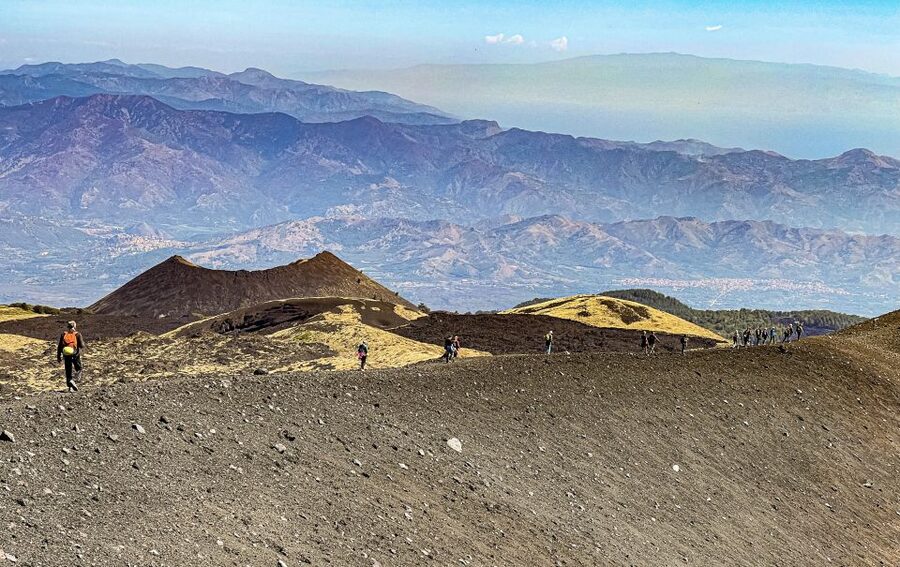
If you want the “wild Etna” version, this trek is a strong yes. The core reason is the combination of authorized volcanological leadership, real crater walking, and the chance to see volcanic structures up close, including helmeted interior access tied to the Feb 24, 1947 eruption.
I’d especially recommend it if you’re the type who likes understanding what you’re seeing, and you don’t mind hiking at altitude for a full half-day. The route is also designed as a backup plan when summit craters close, so you’re still doing something meaningfully volcano-focused.
I’d skip it if you know you struggle with heights, claustrophobia, vertigo, altitude issues, or respiratory or heart conditions. This is not the day to push through.
FAQ
How long is the Etna north-side trek?
It lasts about 4 hours. Starting times depend on availability.
What language is the live guide?
The live guide works in French, Italian, and English.
Does the price include the 4×4 vehicle transfers?
No. The $62.63 covers the guide service, while the 4×4 transfers are paid on the spot at 50 euros per person.
What is included in the tour package?
You get an authorized volcanological guide, trekking poles, protective helmets, accident insurance, trekking shoes, warm jackets, extra socks, and a backpack.
What extra costs should I plan for on the day?
You should budget 50 euros per person on the spot for the 4×4 vehicles and 3 euros for the parking ticket paid after the excursion. Lunch and bottled water are also not included.
Where do I meet the group?
Meet at Chiosco Bar Mareneve near the winter chairlift used by skiers. It is the second house of the four in the parking lot.
What should I bring for the hike?
Bring a windbreaker, sunglasses, snacks, drinks, sunscreen, a jacket, comfortable clothing, packed lunch, and long pants. Wear hiking shoes.
Who is the trek not suitable for?
It is not suitable for people with back problems, mobility impairments, claustrophobia, heart problems, fear of heights, vertigo, respiratory issues, epilepsy, altitude sickness, low fitness, or people without experience.
More Hiking & Trekking Tours in Catania
More Tour Reviews in Catania
Not for you? Here's more nearby things to do in Catania we have reviewed

Mount Etna Volcano Tours, compared.
 ★ 4.8Catania: Mount Etna Morning or Sunset Day Trip with TastingFrom $704,028 reviews
 ★ 4.7Mount Etna: Guided Volcano Summit Hiking Tour with Cable CarFrom $1243,784 reviews
 ★ 4.8Catania: Sunset Jeep Tour of Mount Etna and Lava Flow CavesFrom $712,113 reviews
 ★ 4.7Mount Etna: Trek to 3000m with cable car and jeepFrom $621,978 reviews
 ★ 4.8Mount Etna: Summit Crater Trek with Cable CarFrom $771,875 reviews
 ★ 4.8Etna and Alcantara Gorges Full-Day Tour with LunchFrom $1051,766 reviews
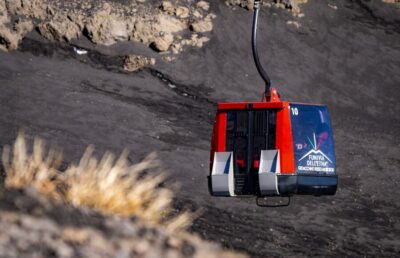 ★ 4.3Mount Etna: Roundtrip Cable Car and 4×4 Bus TicketFrom $971,602 reviews
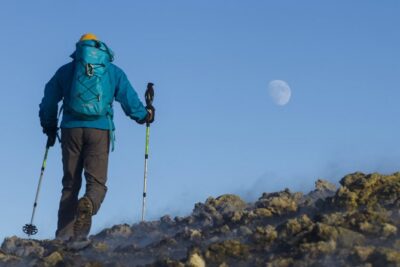 ★ 4.7Etna Volcano: South Side Guided Summit HikeFrom $671,545 reviews
Browse the lists this tour appears in