
Reviewed · SYRACUSE & ORTIGIA TOURS
Half Day Tour of Syracuse
Syracuse is two cities in one day, old and real. This half-day style plan lets you cover the big sights fast, but without feeling herded, with a local guide and a private pace that works for how you like to travel. I especially like the combo of the Neapolis archaeological area and Ortigia, because you see how Greek, Roman, and Christian layers sit side by side.
My other favorite part is the guide factor. On this tour, you get someone who can explain what you are looking at in plain terms, and even point out small details like wild spices during the walk. The main thing to consider is that entrance tickets are not included, so you should budget a bit more and plan for ticket time.
Key highlights to expect
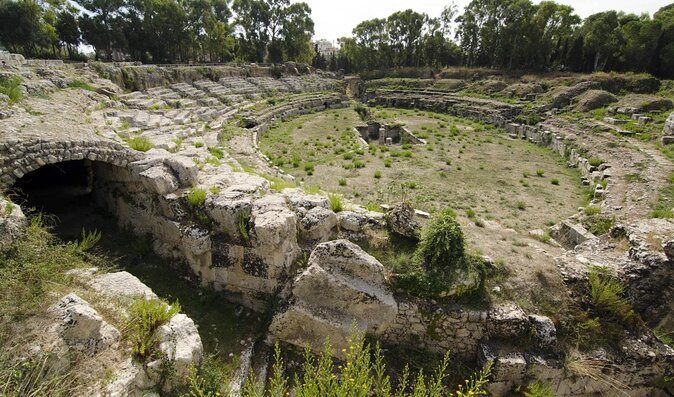
- Neapolis archaeological park in one focused visit, including the Greek Theatre and Roman Amphitheatre
- Dionysius’s Grotto and the quarry landscape, explained so it makes sense in context
- Ortigia’s core sites, including the oldest Temple of Sicily and the Cathedral
- Fonte Aretusa finish point, so your tour ends right where Ortigia feels most alive
- Private tour for just your group, which makes it easier to move at a comfortable speed
A 3-Hour Syracuse Plan That Actually Feels Relaxed
Syracuse, or Siracusa, is the kind of place where the ruins look like they belong to the skyline. What makes this tour a good match is timing. In about 3 hours, you connect Neapolis, the ancient park area, with Ortigia, the historic island center, so you do not lose days trying to stitch the city together.
The structure also helps you avoid a common problem. Many Syracuse visitors either rush the archaeology or spend all their time in Ortigia and miss how the two areas connect. Here, you get both, and your guide can point out the links while you are still fresh.
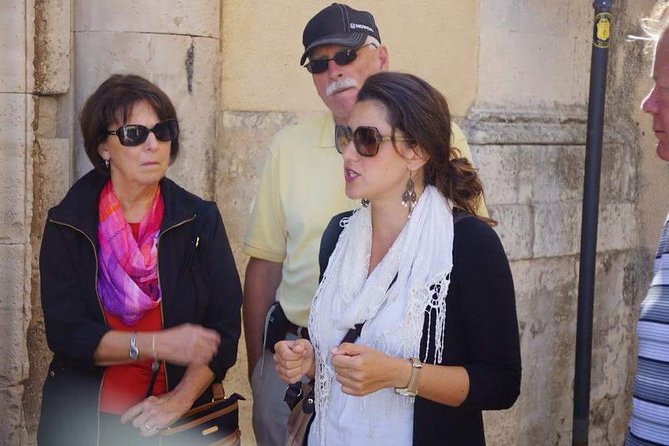
You should also know this is a private tour, meaning it is only your group. That matters more than people think, because you can ask questions, slow down when it is hot, and move around at a human pace instead of matching someone else’s schedule.
You can also read our reviews of more tours and experiences in Sicily.


Meet at Largo Anfiteatro, Then Step Into Neapolis
Your tour begins at Largo Anfiteatro, 2, 96100 Siracusa SR, a practical starting point for getting into the archaeological park area. From there, you transition into Parco Archeologico della Neapolis, where the big structures sit right in the landscape.
This first stretch is where the tour earns its name. Instead of treating the park like a checklist, your guide uses the visible remains to explain how ancient Syracuse worked, from public life to religion. You will get a sense of scale fast, especially when you face the big open-air spaces.
One of the strongest advantages here is clarity. When someone explains what you are seeing, the Greek Theatre does not just look old, it starts to feel functional, like it was designed for real crowds and real events.
Neapolis Must-Sees: Greek Theatre, Quarries, Hieron II, Roman Theatre
The Neapolis stop lasts about 2 hours, and the route is built around the highlights that usually take visitors the longest to piece together on their own.
Here is what you will focus on in this part of the park:
First, you visit the big Greek Theatre in Sicily. It is one of those sites where your brain instantly wants to imagine performances, debates, and ceremonies. Your guide helps you understand the setting and how the theatre fit into the ancient city.
Next, you move through the stone quarry area, including Dionysius’s Grotto. The word grotto can sound dramatic, but the real value is in how the site relates to the quarry landscape. It is the kind of place where a guided explanation makes the terrain feel intentional, not random.
Then come two more anchors. You see the sacrificial altar of Hieron II, which adds a spiritual and civic layer to the day. And you visit the Roman Amphitheatre, so you can compare how the culture and architecture shifted over time.
A nice detail from real-life experience is that guides here often slow down when conditions call for it. One guest noted the pacing was eased on a hot day, so you do not feel rushed through the park like a timed ticket ride.
Dionysius’s Grotto: Why This Quarry Stop Works
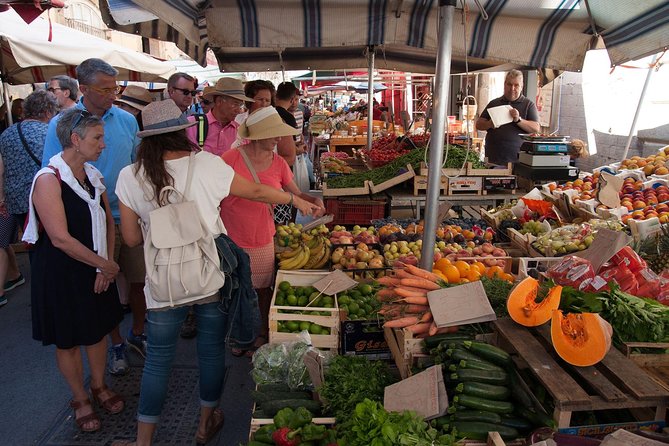
This is the part of the tour that surprises people in the best way. Dionysius’s Grotto is not just a photo stop. It is wrapped into the quarry story, and that makes it easier to understand why ancient Syracuse used this terrain the way it did.
When you have a guide, you also get better at looking. You start noticing shapes, levels, and how the space was carved and used. It stops being a dramatic legend and becomes a real physical setting connected to the city’s building life.
There is also a chance of catching public art or seasonal events at the park. One guest mentioned an open-air sculptural exhibition by Igor Mitoraj. You cannot count on it every day, but it is worth asking your guide if anything like that is on during your dates.
Ortigia in 1 Hour: Temple to Cathedral to Fonte Aretusa
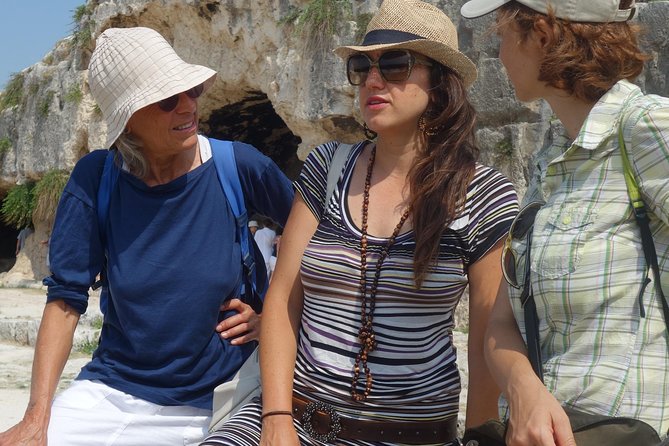
After Neapolis, you head to Ortigia, where the vibe changes from archaeological park to living historic island. This second stop lasts about 1 hour, which is short, but the tour keeps it focused on the sites that define Ortigia.
You start with the oldest Temple of Sicily. Even if you have seen other ancient temples in Italy, this one lands differently because of how it sits within the everyday life of Ortigia.
Then you move to the Cathedral, which is known for its mix of different architectural styles. You may not notice the layers at first glance, but a local guide can point out how the styles reflect different eras and the way Syracuse kept rebuilding and reusing important spaces.
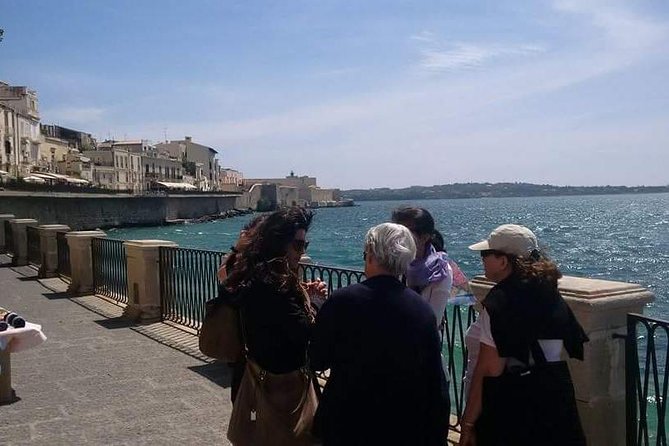
Finally, you finish at Fonte Aretusa, the freshwater spring that acts as a symbol of Ortigia. Your tour ends in front of the spring on the island, so you have an easy starting point for whatever you do next, whether that is wandering side streets or grabbing a late snack.
Even if you only have one hour in Ortigia on this plan, ending at Fonte Aretusa helps you feel grounded. You leave with a true landmark and a sense of place, not just a memory of ruins.
Why the Private Guide Matters in Syracuse
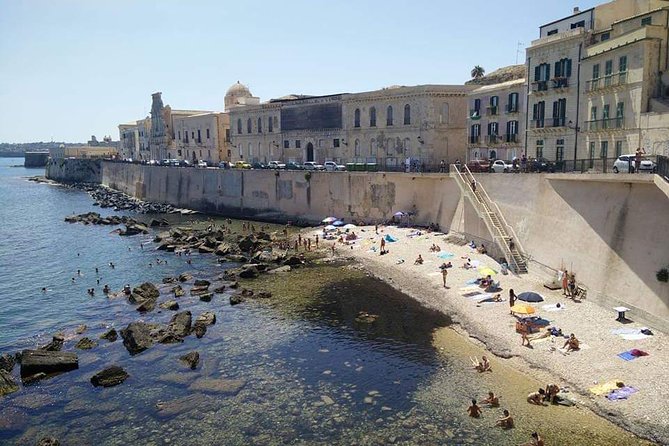
Syracuse rewards context. You can visit Neapolis and Ortigia on your own, but it is the guide’s role to translate what you see into something you understand.
In practice, that means two things you will feel during the tour. You get explanations that connect sites rather than repeating facts. And you get room for questions, which is especially useful if you care about how cultures overlap, Greek to Roman to Christian.
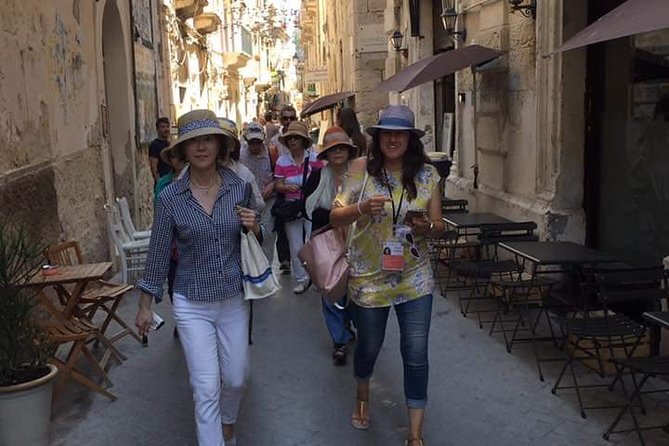
I also like that guides here do not treat the walking as a race. One guest shared that the tour was adjusted to interests, and another said the guide was personable and comfortable working with the group. That is the private advantage in a nutshell: you are not stuck with a single rigid route and tone.
One detail that stood out in real experiences is how guides pay attention to small nature moments too, like pointing out wild spices on the walk. It sounds minor until you realize you are learning how locals might notice the landscape, not just the big stones.
Language, Tickets, and What You Pay For
This tour runs in English, and you get a mobile ticket. That is helpful if you do not want to hunt for paper confirmations or figure out where you are supposed to be.
The price is $141.40 per person, for about 3 hours total. For Syracuse, that can be good value if you care about efficiency and interpretation. You are paying primarily for the local guide time and the private format, because the tour does not include entrance tickets.
So, what you should budget for:
Entrance tickets are not included. Snacks are not included. Private transportation is not included.
That last point matters for your planning. The tour is designed around meeting points and walking or local movement between areas, not around a driver picking you up and dropping you at every doorstep.
If you want lunch, you will need to plan your own timing. One guest noted the guide also provided restaurant recommendations, which is a smart bonus to have at the end of a tour, but it is still outside what the tour includes.
Timing and Weather: Plan for Heat and Good Conditions
This experience is described as requiring good weather. If it is canceled due to poor conditions, you should be offered another date or a full refund.
Syracuse can get hot, especially outside cooler months, and archaeological areas have limited shade. Even without any specific promises, you will likely appreciate a guide who adjusts pacing when the day turns warm. One guest specifically mentioned keeping a slower pace on a hot day, so you can take comfort that flexibility is part of the real-world experience.
Also, your finish point is at Fonte Aretusa. The information shared lists opening hours for Monday to Saturday, 10:00 AM to 4:00 PM (within the stated date range). If you are traveling during edge dates or unusual seasons, it is worth checking the exact situation for your day, especially if you are tightly scheduling other things.
A practical planning tip: this tour tends to get booked ahead. It is listed as averaging 66 days in advance, so if your travel dates are fixed or you are coming in peak season, you will likely have a smoother time booking earlier.
Who This Tour Fits Best (And Who Should Choose Something Else)
This is a strong fit if you want a guided overview that still feels personal. You will probably enjoy it most if you like structure but do not want to feel rushed through either archaeology or Ortigia.
It also fits well if you like asking questions and getting cultural connections explained. Several experiences emphasized the way the guide brings history alive, making it easier to visualize what Syracuse looked like in past eras.
A possible mismatch is if you want a long, slow deep study of every corner of the archaeological park. This plan gives you highlights, not the entire park at museum pace. It is ideal for a first visit, and you can always return later for more time on your favorite area.
Quick Practical Notes Before You Go
- Expect entrance tickets on you, since they are not included.
- Bring water and wear comfortable shoes. The sites involve walking through park paths and historic streets.
- Dress for the sun, especially in the afternoon in Ortigia.
- Service animals are allowed, and the tour is near public transportation.
Should You Book This Syracuse Tour?
If you want a smart, time-efficient way to experience Neapolis and Ortigia together, I think this is a solid choice. The private format and local guide make the difference between seeing stones and understanding them. And finishing at Fonte Aretusa gives you a great launch point for the rest of your day.
Book it if you are doing Syracuse as a short stop and you want the main sights without juggling tickets, timing, and translation on your own. I would also recommend it if you care about how cultures layered over time, because the tour is built to compare eras through specific sites.
Skip it or consider a different style tour if your priority is spending all day in the archaeological park or if you want included transportation and included admissions. In that case, you may end up spending extra planning time on logistics.
If you book early and go in with tickets sorted, you will get exactly what this tour promises: two iconic areas of Syracuse, guided, focused, and unhurried.
FAQ
How long is the Half Day Tour of Syracuse?
The tour lasts about 3 hours.
How much does the tour cost per person?
The price is $141.40 per person.
Is this a private tour?
Yes. It is a private tour/activity, and only your group participates.
What language is the guide?
The tour is offered in English.
Where do we meet, and where does it end?
You start at Largo Anfiteatro, 2, 96100 Siracusa SR, Italy. You end at Fonte Aretusa, 96100 Siracusa SR, in front of the Aretusa spring inside Ortigia.
Are entrance tickets included?
No. Entrance tickets are not included.
Are snacks and transportation included?
No. Snacks and private transportation are not included.
Is free cancellation available?
Yes. You can cancel for a full refund up to 24 hours in advance of the experience’s start time.
What happens if the weather is bad?
This experience requires good weather. If it is canceled due to poor weather, you will be offered a different date or a full refund.
More Tours in Sicily


More Tour Reviews in Sicily
Not for you? Here's more nearby things to do in Sicily we have reviewed







Syracuse & Ortigia Tours, compared.
 ★ 4.7Syracuse: Boat Trip of Ortigia Island and Sea CavesFrom $23937 reviews
 ★ 4.7Syracuse: Boat Tour with Captain Mirko, Snorkeling & CavesFrom $35746 reviews
 ★ 5.0Tour of the island of Ortigia and exploration of sea caves with baths.From $24668 reviews
 ★ 4.7Siracusa: Ortigia Boat Tour with Marine GrottoFrom $45617 reviews
 ★ 4.9Siracusa: Ortigia & Sea Caves Speedboat Tour with Swim StopFrom $34499 reviews
 ★ 5.0Boat tour of Ortigia Island and sea cavesFrom $24407 reviews
 ★ 4.6Catania: Syracuse, Ortigia, and Noto Tour with BrunchFrom $112404 reviews
 ★ 4.7Syracuse: Neapolis Archaeological Park Small Group TourFrom $26350 reviews
Browse the lists this tour appears in