
Reviewed · CATANIA CITY & FISH MARKET TOURS
Noto, Modica and Ragusa: The Baroque Tour from Catania
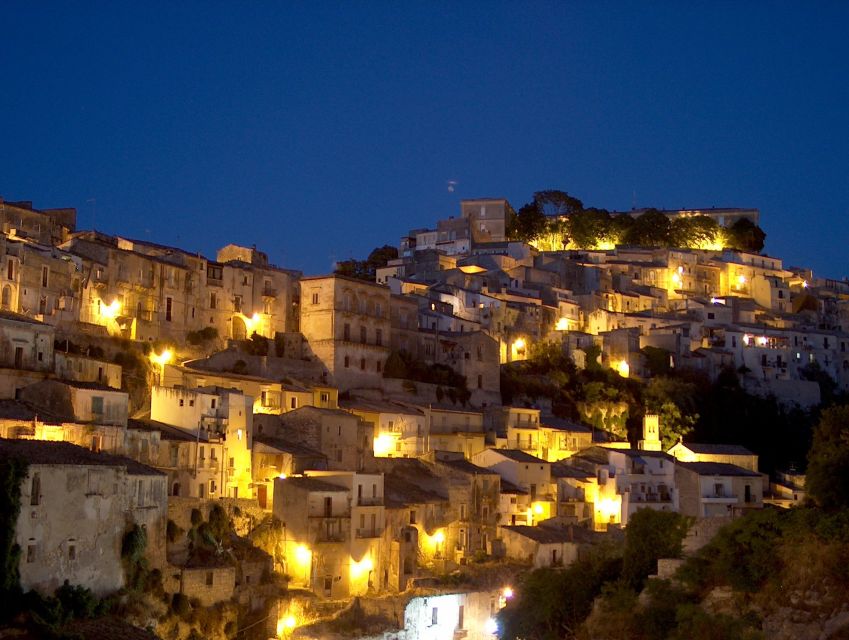
Three UNESCO towns in one Baroque day. I love how this tour gives you a guided walk in Noto plus time to wander on your own, and I love the stop at Modica’s oldest chocolate factory where you can taste the local dry chocolate. This is a practical way to see major late-Baroque highlights without trying to drive three towns across southeast Sicily.
The one real consideration is time pressure. With about 1.5 hours in each town and travel time between them, you will have to choose what you want most, especially if you’re hoping for long museum-style visits.
Key highlights you will feel fast
- Noto after the 1693 earthquake: rebuilt on Meti Hill and celebrated for its stone Baroque look
- Modica chocolate stop: a visit to the oldest chocolate factory in Sicily, with tastings built in
- Ragusa UNESCO late Baroque (added in 2002): churches and palaces that define the style
- Small group size (up to 8): easier conversation, more flexible photo stops
- Driver-first comfort: safe, confident driving so you can relax and look out the window
- Photo-friendly timing: stops near key façades for close-up pictures
Baroque in southeast Sicily, without the driving stress
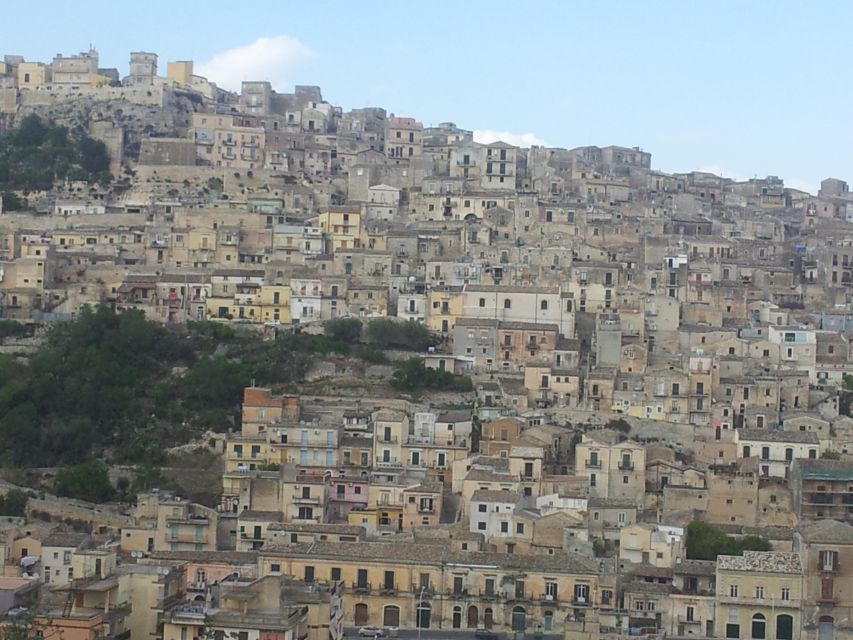
This is the kind of day trip that makes sense when you want art and architecture, but you do not want to spend your whole vacation steering through unfamiliar roads and tight parking lots. You get a full 8-hour loop built around three late-Baroque powerhouses: Noto, Modica, and Ragusa.
I like the structure because it feels balanced. You do not just ride by in a van, and you also do not get trapped in a lecture the whole time. The guide handles the big picture and then you have enough freedom to enjoy the details at your own pace.
It also helps that the tour runs as a small group limited to 8 people. That scale makes a big difference for comfort, questions, and even how easily your group can stop for quick photos.
You can also read our reviews of more tours and experiences in Catania.
Getting picked up from Catania, Aci Castello, and beyond
The tour uses two main pickup options in the Catania area: Aci Castello or accommodation pickup in Catania territory. It is also listed as pickup from your accommodation or port of call, which is helpful if you are not staying right in Catania city center.
If you are coming from Taormina, pickup is possible by demand, but it is subject to availability and can cost extra based on taxi or Uber fare. Before the day, you provide your full phone number (with international code) plus your hotel or B&B name and full address.
A practical tip: send your address clearly and double-check it. Street parking and pedestrian areas can slow things down, so the meeting point matters if your pickup point is tricky.
The vehicle is an air-conditioned car or minivan, and the tour includes parking fees, gas, and tolls. That is part of what you are paying for, and it keeps the day smooth.
The road time that shapes your expectations
This trip is built for one day, so the drive time is part of the experience. From your first pickup area, expect about 75 minutes to reach Noto, then roughly 45 minutes to Modica, about 15 minutes onward to Ragusa, and around 105 minutes back to Catania territory.
Translation for you: the best results come when you treat each town like a focused visit, not a slow day with hours of wandering and second-day discoveries. If you try to see everything like you would on a self-guided multi-day trip, the day will feel crowded.
The good news is that the driving is repeatedly praised. Guides such as Carmelo, Alessio, and Rustian come up in feedback for being careful, confident, and helpful with small comforts like letting you use the toilet or having a drink before the next segment.
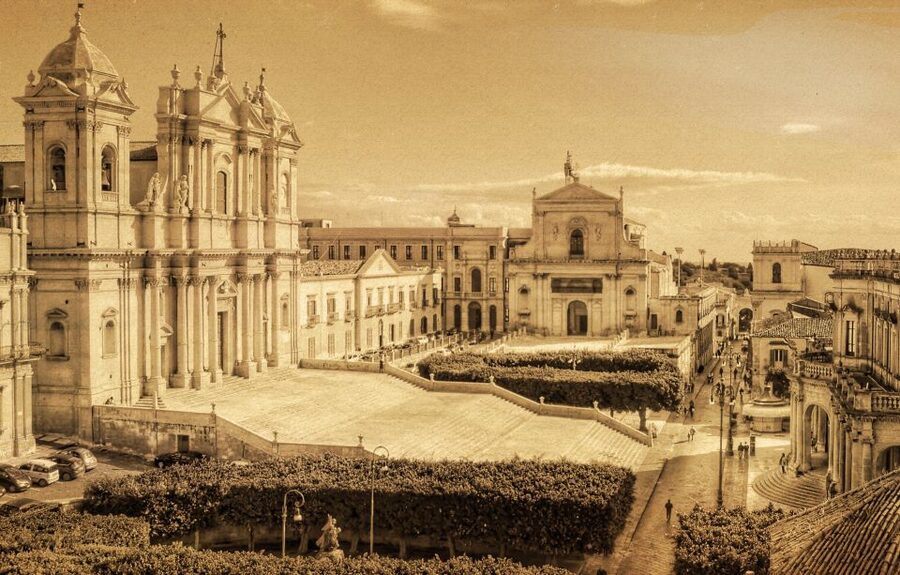
Noto, the Garden of Stone, rebuilt after 1693
Noto is the first stop, and it is easy to see why it earns a top billing role. This is the Baroque town often called the Garden of Stone, and the story behind it is part of the magic.
Noto was rebuilt after the devastating 1693 earthquake and re-established on Meti Hill. You also get a longer view of the place, since Noto’s origins date to the Early Bronze Age, even though much of what you see today reflects that late-Baroque reconstruction.
What you do on the ground is straightforward. You start with a guided tour of about 1.5 hours, then you have time to explore and take in the façades yourself. This mix works well because Baroque in Sicily can be visual overload fast, and having someone frame what to look for makes your walk more satisfying.
Where you will likely focus your attention
Noto’s late-Baroque character is mainly about dramatic stonework and unified street aesthetics. If your interest is photography, pay attention to viewpoints the guide can suggest. Many visitors rave about being parked near important churches so you can get close-up details instead of only distant skyline shots.
Possible drawback: the Noto time can feel short if you want to linger. If you love architecture, plan to pick your top couple of buildings and circle back later. Do not try to read every plaque and photograph every doorway in one pass.
Modica, cathedrals, palaces, and the oldest chocolate factory
Modica is where the day starts to feel extra fun, because the architecture continues but the stop includes a taste of something very Sicilian. You get time for a break and a guided tour (about 1.5 hours), which gives you the chance to reset after Noto.
Modica’s architectural heritage is tied to its late-Baroque monuments and religious sites. The highlights mentioned include the cathedrals of San Giorgio and San Pietro, plus palaces such as Palazzo Polara and Palazzo Napolino-Tommasi Rosso.
Then comes the reason many people remember this tour: Modica’s chocolate. You stop at the oldest chocolate factory in Sicily, and feedback points specifically to Antica Dolceria Bonajuto as the place people visit for tastings.
What makes this stop worth planning for is how it changes the pace. You go from reading stone façades to experiencing a local product that has its own story and texture. Dry chocolate like this is different from the smoother, creamier bars you might be used to, and the tastings are a low-effort way to bring Sicily home with you.
A helpful expectation-setter: you are not getting a full chocolate-making lesson here based on the provided info. It is more about the visit plus tasting, with free time for you to explore or grab lunch during the break segment.
Rain is another thing to keep in mind. One downside that shows up when the weather changes is that you may spend more time around food and indoor stops. That is not bad, but it can shift the balance away from long outdoor wandering.




Ragusa Ibla: UNESCO late Baroque you can walk through
Ragusa is the UNESCO stop, added in 2002 for its late-Baroque monuments. People tend to connect it with Ragusa Ibla, where the churches and palaces create that distinctive Sicilian Baroque rhythm of façades, arches, and dramatic angles.
Your time here is a guided tour of about 1.5 hours. If you want to understand the style quickly, this is the best place on the day to use your guide’s explanations. The late-Baroque “feel” is easier to grasp once you see multiple examples grouped closely.
The tour’s focus is on the late-Baroque religious and civic buildings, including cathedrals and palaces. Even if you are not a history buff, Ragusa reads well visually, because you can compare the shapes and ornamentation right in front of you.
What can limit your enjoyment is the same issue as all day trips: you might want more time. Some feedback notes that Ragusa’s visit could feel rushed if you are hoping for longer exploration or deeper architectural study. My advice is to use the guide time wisely, then choose one or two areas for your own slower walk.
What the best guides do differently on this route
One theme in the feedback is that the tour quality is strongly tied to the guide. Names like Carmelo and Alessio appear repeatedly, along with praise for how they drive and how they manage the flow.
The best-rated tours share a few habits:
- They handle the tough driving so you can relax and enjoy the views between towns
- They park near the key buildings so you can get close and take real photos
- They offer practical help, including making sure you have time for a drink and bathroom before the next stop
- They let the group explore on their own instead of rushing you like a checklist
That last one matters. When you feel like you are not being herded, you start noticing things. You read the shape of a balcony, the way a church façade transitions from base to ornament, the small variations that separate one Baroque look from another.
If you are the type who asks questions, this route is a good match. Multiple guides are described as enthusiastic and ready to explain how Sicilian life and history connect to what you see in the streets.
Pacing, photos, and how not to feel rushed
This trip can feel calm, but it can also feel tight depending on your expectations. The schedule gives you guided time plus enough freedom to wander, yet it is still one day.
Here is how to make it work for you:
- Pick one photo theme, like church façades or palaces, so you do not chase everything
- Take your first walk fast during guided time, then slow down with your top choices
- If you have a must-see building, mention it to your guide early so you can plan around it
Also, bring the right day-trip gear. You are walking in three towns on consecutive stop points, so comfortable shoes beat anything stylish. If you are going in hotter months, think about shade and water, because you will be outside more than you expect.
Rain happens too. The tour can be affected by weather conditions, and that can mean less outdoor time. It is still worth it when it rains, but you should be ready for a different feel to the day.
Price and value: what $124.61 buys you in real terms
At $124.61 per person, this is not a budget bus tour, but it is also not an all-day private driver situation. What makes it good value is what is included.
You get:
- Pickup and drop-off at your accommodation or port of call
- Air-conditioned transport by car or minivan
- An English-speaking driver/guide
- Gas, parking fees, and tolls
The items not included are just as important: meals and tickets. That means you should plan to pay for your own lunch or snacks if you want something more substantial than quick bites.
Now, the real value piece is opportunity cost. Doing Noto, Modica, and Ragusa in one day on your own means driving between towns, finding parking, and managing time on roads that can feel intense if you are not used to Sicilian traffic. Several people highlight that this is hard to do comfortably without local driving experience, and the tour removes that stress.
If you want a structured day with door-to-door pickup and photo-friendly stops, the price starts making sense. If you already have a car, love driving, and want to linger, then you could build a DIY day. But you would be trading comfort for control, and control comes with extra work.
Who this tour suits best
This is a strong fit if you want late-Baroque highlights and you prefer to focus on walking and photos, not logistics. The small group size makes it ideal for couples, solo travelers, and people who do not want to disappear into a large crowd.
It also suits you if you like guides who connect the dots. Many guests mention that the storytelling makes the architecture easier to appreciate, and the best guides bring you to viewpoints and close-up stops that you might miss on your own.
You might want a different option if:
- You hate being on a schedule
- You want deep museum time in each town
- You are expecting long, detailed lectures during the walks
This tour is more about seeing and understanding enough to enjoy, not about turning one day into three full independent sightseeing days.
Should you book the Noto, Modica and Ragusa Baroque tour from Catania?
I would book it if your priority is a high-impact late-Baroque day with low stress. The combination of Noto’s rebuilt stone Baroque look, Modica’s chocolate stop at the oldest factory in Sicily, and Ragusa’s UNESCO monuments makes this one of the more efficient ways to cover southeast Sicily in a single outing.
Book it with eyes open on pacing. If you love architecture and want hours in just one town, you may find 1.5 hours too short. But if you can live with a focused “see it, understand it, enjoy it” style of visit, this tour delivers.
One more tip: choose your must-see list before you get on the van. When you know what you want, the short windows turn into wins instead of rushes.
FAQ
How long is the Baroque tour from Catania?
The tour duration is 8 hours.
Where do I get picked up and dropped off?
Pickup options include Aci Castello and accommodation pickup in Catania territory. Drop-off is also at those two locations. Pickup from Taormina is available by demand, subject to availability.
What is the group size?
The tour is limited to 8 participants.
Which languages are available for the live guide?
The live tour guide is available in Spanish, English, and Italian.
Are meals and tickets included?
Meals and tickets are not included.
What if the weather is bad?
The activity can be subject to cancellation due to weather conditions.
More Tours in Catania
More Tour Reviews in Catania
Not for you? Here's more nearby things to do in Catania we have reviewed





Catania City & Fish Market Tours, compared.
 ★ 4.8Catania: Mount Etna Morning or Sunset Day Trip with TastingFrom $704,028 reviews
 ★ 4.8Catania: Sunset Jeep Tour of Mount Etna and Lava Flow CavesFrom $712,113 reviews
 ★ 4.9Catania: Mount Etna Trekking Trip off the Tourist PathFrom $781,351 reviews
 ★ 4.8Catania: Etna Sunset Tour with Pickup and Drop-offFrom $711,348 reviews
 ★ 5.0Mt. Etna and Taormina village full day tour from CataniaFrom $1181,155 reviews
 ★ 4.7From Catania: Mount Etna Sunset Tour with Tasting and CaveFrom $451,119 reviews
 ★ 4.8Catania: Etna Morning Excursion with Tasting and PickupFrom $67820 reviews
 ★ 4.9Catania: Amazing Etna Morning Tour with Pickup and Drop-OffFrom $81799 reviews
Browse the lists this tour appears in