
Reviewed · NOTO, MODICA & RAGUSA BAROQUE TOURS
Ragusa Ibla Walking and Photography Tour
Ragusa Ibla looks best through a camera lesson. This Ragusa Ibla walking and photography tour swaps the usual stop-and-listen rhythm for photo-focused breaks, with practical framing tips and help posing for yourself right in the town. I like that you get both: you learn where to stand for the landmark shots, and you also get a professional result for your own photo. One thing to consider, though, is that you mostly view buildings from the outside, so if you want interior visits, this is not built for that.
Two standouts for me are the finish with a professional portrait session and the way the guide helps you turn scenic views into repeatable phone or camera habits. Liina Salonen, a local guide with a real love for Ragusa, keeps things friendly and open, and you get moments of extra context from a native local guide, Carmelo, who shares customs from the area. The pace is relaxed overall, but you are still doing a real walk, so comfy shoes matter.
The price, about $52.34 per person, feels fair when you remember that the portrait is included and you are getting one-on-one style coaching while you walk. You might not need to spend extra money during the tour, since the plan stays outside most sights. My only practical heads up is to charge your phone or camera fully ahead of time, because the best shots happen fast in old streets with changing light.
Key highlights you can plan around
- A photo coach, not a museum lecture, with quick lessons timed to actual Ragusa Ibla viewpoints
- Pro portrait included, taken during the tour so you leave with both your own shots and a polished photo
- Mostly exterior stops, so you spend time framing and shooting instead of lining up or going inside
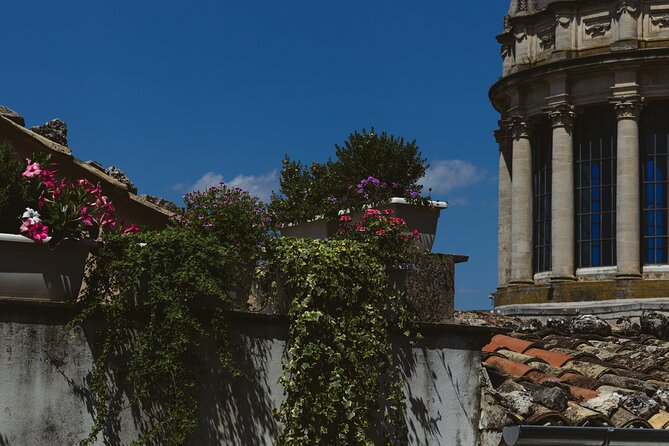
- Duomo views from strategic angles, including the Belvedere Solarino lookout for Duomo di San Giorgio
- Small group size up to 12, which helps the guide keep an eye on your angles and phones
Ragusa Ibla through a camera, not a checklist
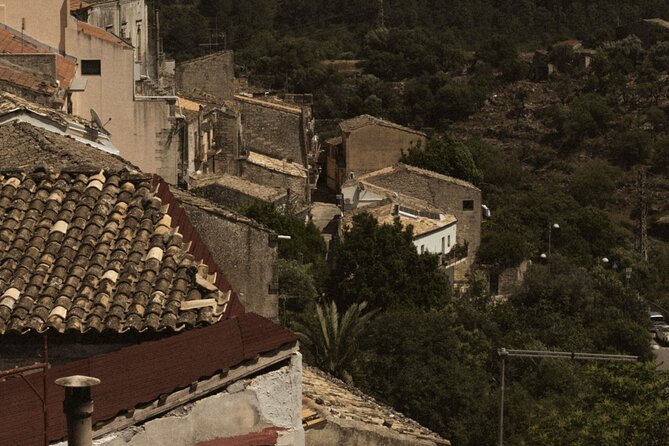
If Ragusa Ibla feels like it is made for photos, this tour is the way to make that happen. You are walking the historic town, but the focus is not a long talk about dates. Instead, the guide helps you see the place like a photographer, with quick instruction that you can use immediately.
I especially like how the route works as a steady sequence of “try this, shoot this” moments. You start with one of the town’s headline buildings, then you move through church fronts, bell towers, and palazzo facades. By the time you reach the final gardens area, you are already practicing stance, angle, and how to make buildings and yourself look good in the same frame.
That is also why the exterior-only plan makes sense. You avoid a tour that turns into standing around for entry lines. You trade that time for better control over where you stand and how you compose, which is the real secret to photos in tight Sicilian streets.
You can also read our reviews of more walking tours in Sicily


Price and value: what $52.34 buys you in real life
At $52.34 per person, this isn’t a budget photo workshop, but it also is not just a scenic walk with a guide. The key value is that you are paying for guidance plus a professional portrait that is included. You are also getting a bottleneck-free experience: the tour ends back at the start, and you are not sent off to figure things out on your own.
Another value point is that the guide teaches both sides of photography. You learn where to photograph landmarks, and you also learn how to photograph yourself so you are not stuck with awkward selfies at the edges of crowds. If you travel with a partner, this matters, because you can take “everyone is in it” photos without giving up the landmark view.
One more practical note: some stops list admission as not included, and a few are marked as not included. That does not automatically mean you will be paying during the tour, because the plan emphasizes seeing buildings from the outside. If you do want to enter a site later on your own time, that is when tickets might come into play.
Meeting at Piazza Duomo, and how the pacing actually works
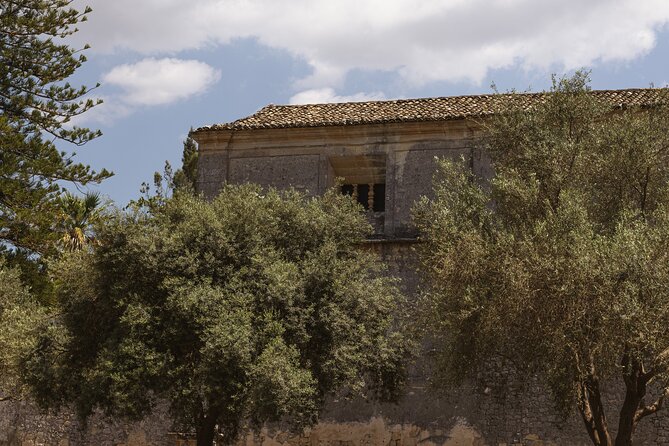
You meet at Piazza Duomo Trentasei, Piazza Duomo 36, Ragusa RG. The tour ends back at the same place, which makes it easy to plug into the rest of your day in Ragusa.
The schedule runs about 2 hours 30 minutes, give or take. The tour description says roughly 2 to 3 hours total, and it also notes about 50 minutes of walking. That split is important. You are not doing one long unbroken hike. You are moving for short stretches, stopping for photo setups, then moving again.
Group size is small, up to 12 travelers. That is a big deal for photography coaching, because it means the guide can correct your phone angle or help you choose a better viewpoint without rushing you.
Duomo di San Giorgio: shoot the exterior like you mean it
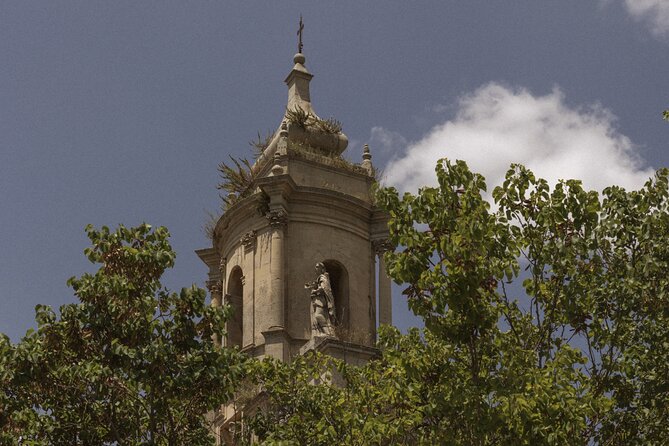
Your first landmark is the Duomo di San Giorgio. You do not enter, so your time goes toward the exterior, where architecture and light do most of the work.
At this stop, the guide focuses on how to photograph the building’s facade and key details from the right position. You will practice taking landmark shots without getting swallowed by the street. This matters because Ragusa Ibla’s charm can fool your eyes. The place looks postcard-perfect from one spot, but it can turn messy if you stand a few steps off.
If you are using a phone, the guide’s instructions are aimed at helping you stabilize and compose so the building looks intentional, not like it is tipping away. If you are using a camera, you still benefit, because the coaching is about viewpoint and framing, not gear.
Admission is not included for this stop, but you are not entering as part of the walk. So treat this as a “stand, compose, shoot, move on” moment.
Belvedere Solarino: the view that makes the Duomo click
Next you head to Belvedere Solarino, where you get a distinctive lookout over Duomo di San Giorgio. This is the kind of stop that instantly turns your photos from flat to dimensional.
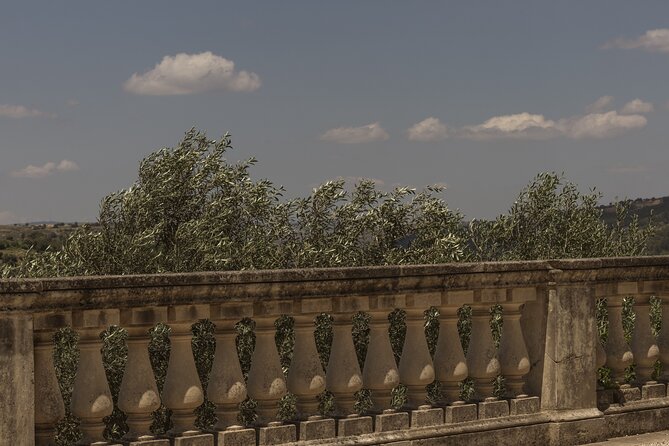
Here, the guide teaches you how to take photos of the Duomo from that viewpoint, with an emphasis on angles. In practice, this helps you learn a reusable skill: instead of guessing which direction looks best, you practice turning the view into a composition with a clear foreground, middle, and background.
This is a free stop, and it stays outside. That is good news if you want to avoid ticket purchases and just focus on getting the shot.
You can also read our reviews of more photography tours in Sicily
Chiesa exteriors, one by one: Santa Maria delle Scale to Santa Lucia
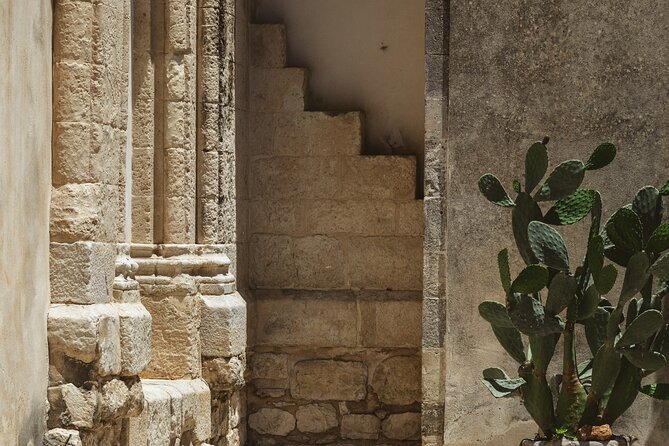
After the Duomo viewpoint, the tour flows into a sequence of church exteriors. You do not enter these churches, which keeps the pace light and keeps you focused on the photo assignments.
At Chiesa di Santa Maria delle Scale, you focus on the exterior details. Even without going inside, church fronts give you strong vertical lines and a chance to practice perspective. The guide points you toward what to emphasize so your image does not feel like a random pile of stone.
Then you move to Chiesa di Santa Lucia. This stop adds another photo ingredient: the beautiful views right next to the church. That combination is why this part of the tour works. You learn how to include the church and still capture the surrounding view, so your photos tell a story rather than only documenting a facade.
A practical takeaway from this exterior-only church run is that you stop thinking of churches as buildings you visit and start thinking of them as shapes you frame. That shift is what makes the rest of your trip easier, even after the tour ends.
The bell tower moment: Santa Maria dell’Itria and the best spot
One of the iconic stops is Chiesa di Santa Maria dell’Itria, especially for its bell tower. You again stay outside, but the guide zeroes in on the tower and teaches you how to photograph it in a flattering way.
This is where a good photography guide earns their keep. Towers can be tricky because they draw your eye upward, and it is easy to cut off the top or include too much street clutter. The guide shows you the best place to take a photo of the famous tower, so you do not waste your time hunting for the perfect spot alone.
If you are using a phone, you should expect guidance aimed at composition and phone handling. If you are using a camera, you still get value because the instruction is about where to stand and how to angle the shot, not just what setting to pick.
Palazzo Cosentini and Circolo di Conversazione: framing civic beauty
Not every stop is a church. Palazzo Cosentini and Circolo di Conversazione add a different kind of subject to your photo practice.
At Palazzo Cosentini, you focus on the exterior and the architecture. Admission is listed as not included, and since you are not entering, think of this as a facade framing exercise. Palazzos can be excellent photo material because they offer symmetry and repeating window patterns, which makes it easier to practice straightening your composition.
Circolo di Conversazione is another short exterior stop. The guide discusses its history and you photograph from the outside. This is a nice break in the route because you are switching subjects from religious facades to community architecture.
These shorter stops also help the tour feel efficient. You get a quick lesson, a quick shoot, then you keep moving without feeling like you are stuck in one place too long.
Final exterior circuit: small churches and Portale di San Giorgio
As you near the end, you hit a set of smaller exterior stops: Chiesa delle Santissime Anime del Purgatorio, Chiesa di San Giuseppe, and Portale di San Giorgio.
The pattern here is useful. You practice photographing “less famous” sights with the same approach you used for the headline buildings. That builds confidence, because you stop relying on only the most recognizable landmark.
For the Portale di San Giorgio, the guide focuses on photographing the portal area. Portals give you strong framing opportunities, like using the doorway shape as a natural border. Even if you are just doing casual travel shots, this kind of guidance helps you get images that look intentional.
Some stops are listed as free, others not included for admission. Since the tour keeps the focus on exterior viewing, you should not need to buy tickets for the tour itself.
Giardini Iblei portrait demonstration: getting a real photo of you
The tour’s finish is at Giardini Iblei. This is where the experience shifts from “learn to photograph” to “get photographed,” which is exactly what you want after a stretch of practicing.
You also get a good look at a church set within the gardens area, since it is part of the end point. Then the guide offers a brief portrait photography demonstration, and this is when you get nice photos taken of yourself.
This is the most valuable part for many people, because you leave with images you did not have to beg a stranger for. You also learn how to pose in a way that looks natural in a real setting, not like you are standing in a parking lot pretending you are on a movie set.
Expect this segment to take around 30 minutes. It is long enough for the guide to position you and help you get something you will actually want to keep.
Who should book this Ragusa Ibla photo walk?
This tour is a great match if you want two things at once: scenic Ragusa Ibla views and better photos without taking a photography degree exam.
It suits:
- People who mostly travel with a phone and want smarter, cleaner results
- Couples and friends who want photos that include everyone without awkward switching
- Visitors who are tired of traditional sightseeing routes and prefer skills-based guidance
- Anyone who enjoys architecture as a visual subject, not only as a history lesson
It might be less ideal if you want a deep interior church tour with long narration and ticketed access. The focus here is exterior photography and portrait results, so your time is spent on angles, not doorways.
The good news is that the tour still gives enough context to make the sights feel grounded. With local guides like Liina Salonen and Carmelo contributing, you get a town vibe, not just a photo drill.
Practical tips so you get the most from the coaching
You can make the tour easier on yourself with a few small moves.
First, bring charged gear. You are shooting for a couple of hours, and you will want your phone ready for the guide’s prompts. If you plan to use a camera, bring whatever you normally trust and make sure you have space for photos.
Second, wear shoes you can walk in for short stretches. The total walking time is about 50 minutes, but it is spread across steps between stops. Old stone streets can be slippery, especially after any damp weather.
Third, pay attention when the guide tells you where to stand. Many “bad photos” in Ragusa Ibla come from being just a little too close, too far, or slightly off to the side. The whole point of the tour is teaching you what that distance and angle should be.
Lastly, treat the portrait segment as a chance to try posing you would normally avoid. Once you see it done, it becomes easier to recreate for future travel photos.
Should you book the Ragusa Ibla walking and photography tour?
If you like Ragusa Ibla for its views and you want photos that look like you planned them, book this. The included professional portrait is a real advantage, and the guide’s focus on where to stand and how to frame makes the experience useful even after the tour ends.
Choose it if you want a small group walk, about two and a half hours total, with lots of short photo stops and a friendly local vibe. You will not be spending time on interiors, so you will get more shooting time and less downtime.
Skip it only if your top priority is entering buildings and doing a classic narrated sightseeing circuit. This one is for people who want to leave with great images, plus the know-how to keep getting them on your own across Sicily.
FAQ
What is the duration of the Ragusa Ibla walking and photography tour?
The tour lasts about 2 hours 30 minutes, and it is described as approximately 2 to 3 hours total.
How much walking is involved?
You will walk about 50 minutes in total, with plenty of stops along the way. The experience also notes about 1 hour of walking.
Will we enter the churches and buildings during the tour?
No. The walk focuses on the exterior views of the churches and landmarks, and you are not entering during the walk.
What is included in the price?
Included are all fees and taxes, a professional portrait, and bottled water. You also take photos yourself during the tour.
Where does the tour start and end?
You meet at Piazza Duomo Trentasei, Piazza Duomo, 36, 97100 Ragusa RG, Italy, and the tour ends back at the meeting point.
How many people are in each group?
The tour has a maximum of 12 travelers.
Can I cancel for free?
Yes. You can cancel up to 24 hours in advance for a full refund.
More Walking Tours in Sicily
More Tours in Sicily
More Tour Reviews in Sicily

Not for you? Here's more nearby things to do in Sicily we have reviewed






Noto, Modica & Ragusa Baroque Tours, compared.
 ★ 4.6Catania: Syracuse, Ortigia, and Noto Tour with BrunchFrom $112404 reviews
 ★ 5.0Syracuse, Ortigia and Noto walking tour from CataniaFrom $129273 reviews
 ★ 4.7From Catania: Neapolis of Syracuse, Ortygia, and Noto TourFrom $130234 reviews
 ★ 3.9From Catania: Syracuse, Ortygia, and Noto Tour140 reviews
 ★ 4.8Noto, Modica and Ragusa: The Baroque Tour from CataniaFrom $124133 reviews
 ★ 4.4Catania: Noto, Modica and Ragusa Ibla Baroque TourFrom $101106 reviews
 ★ 4.3From Taormina: Syracuse and Noto Guided Day Trip by BusFrom $68101 reviews
 ★ 4.5Syracuse, Ortygia & Noto small group Tour from Catania with lunchFrom $12698 reviews
Browse the lists this tour appears in