
Reviewed · MOUNT ETNA VOLCANO TOURS
Etna: Craters of the 2002 Eruption Trekking Experience
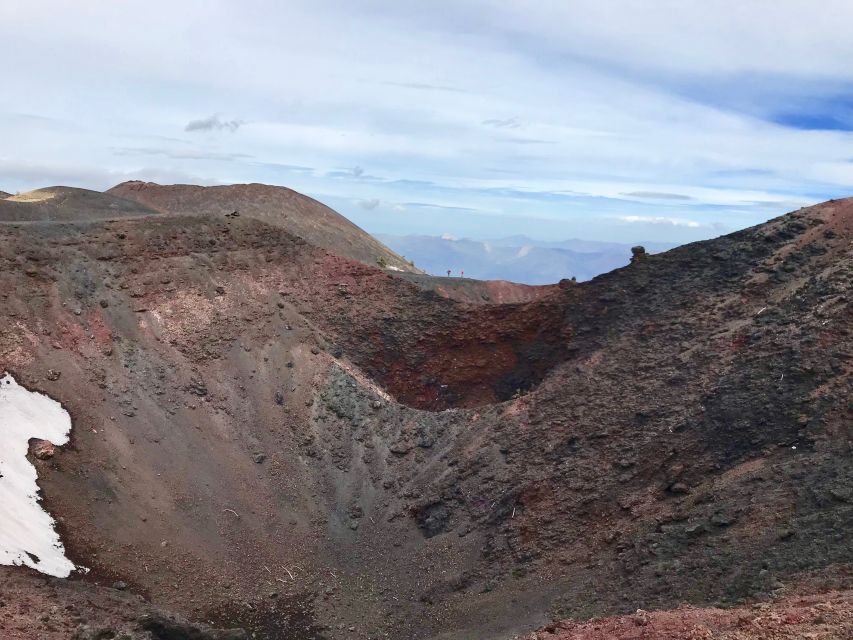
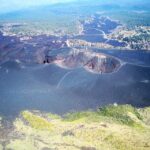
Etna has a way of making you look twice. On this 3-hour guided trek along Etna’s north side, you walk through forests, over lava flows, and up toward craters formed by the 2002 eruption, with views that stretch toward the Calabrian Coast. Two things I especially like: you get a close-up look at real volcanic features like Hornitos and eruptive fractures, and you learn how they connect to the volcano’s behavior over time. One thing to consider first is that the route needs medium physical training, and the rocky volcanic ground can feel unstable.
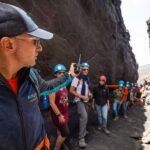
I also like the human touch of the guiding. Names like Daniele, Davide, and Vincenzo show up in the guide style people praise most, with clear explanations and a good mix of science and personality. If you get dizzy on crater edges or you freeze with heights, this one may test you, since parts of the hike involve walking near crater rims.
Key Highlights You’ll Actually Feel On This Hike
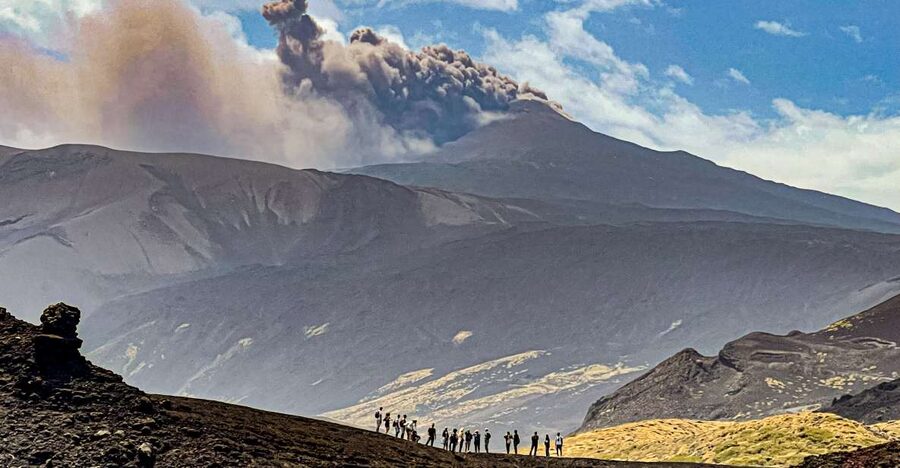
- 2002 eruption craters you can see and walk around, tied to what happened to the Piano Provenzana area
- Hotel dell Betulle ruins, the only visible structure left from that 2002 lava flow
- Hornitos and cinder cones, small-scale features that teach you how Etna builds itself
- Summit crater views, plus a return down through a sandy channel
- Smaller-group vibe, with the experience happening away from the biggest crowds
Etna’s 2002 Crater Trek: Why This Route Is Worth Your Time
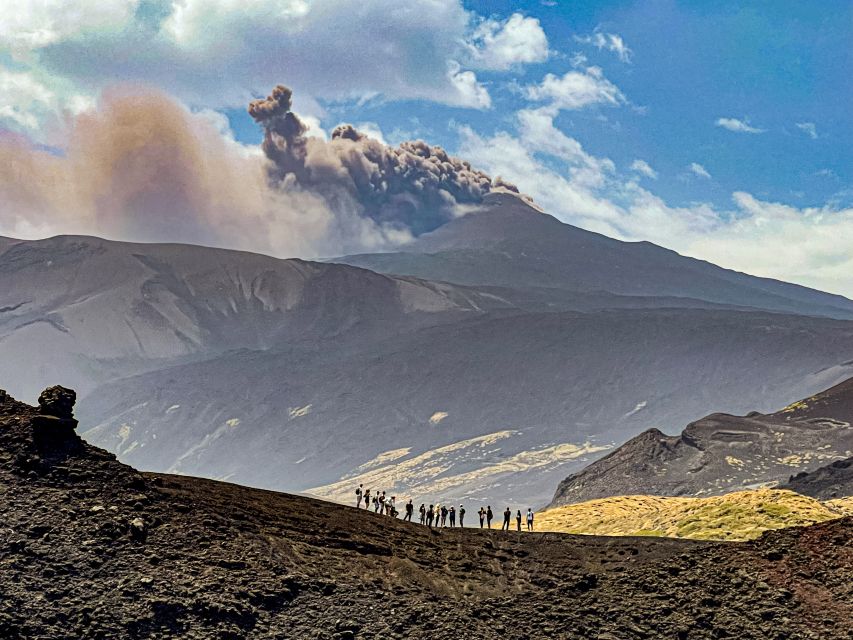
Etna is not just one big mountain. It’s a whole system of vents, fractures, lava channels, and repeated eruptions. What makes this trek stand out is that it focuses on one recent event, the 2002 eruption, and on how that eruption reshaped the north side.
You’ll be seeing volcanic forms that aren’t theoretical. Lava streams, eruptive fractures, and crater structures are what you look at, step by step. The payoff is that you start “reading” the mountain. You learn why certain shapes exist, and why the ground feels the way it does under your feet. It’s a guided walk, not a museum visit.
And it’s also a great fit if you want Etna without doing a marathon. You get a full arc in about 3 hours, from forest and trail sections to crater edges and summit areas.
You can also read our reviews of more hiking tours in Mount Etna
Where You Start: Chiosco Bar Mareneve, Not the Other One
The meeting point is easy to miss if you’re relying on memory. You should join at Chiosco Bar Mareneve, not Chiosco Bar Etna Nord in the lower parking lot. The correct spot is near the chairlift used by skiers in winter, and it’s the second house of the four present in that parking area.
This matters because parking, timing, and walking start earlier than you might expect. Arrive with buffer time, especially if you’re driving and need to park first. The tour keeps moving, and the guide will want everyone in position before the hike begins.
The Basic Loop: From Piano Provenzana Toward Summit Craters
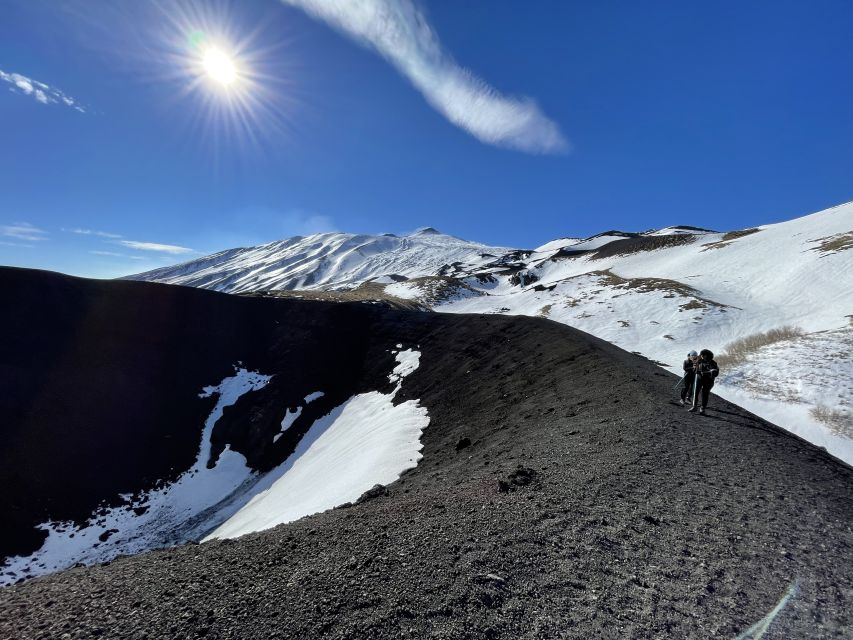
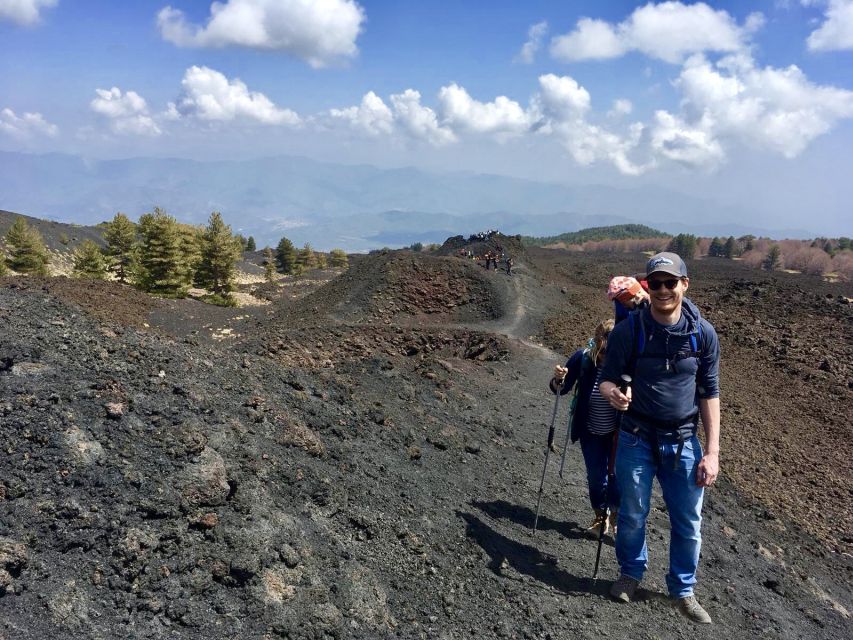
The trekking route begins along a dirt road that leads from Piano Provenzana toward the summit craters. This is a key part of the experience, because it’s the transition from “normal hiking trail” to “Etna terrain.”
Along the way, the guide helps you identify multiple volcanic morphologies, meaning the shapes and forms created by eruptions over time on Etna’s north side. One theme is especially emphasized: flank eruptions leave the strongest evidence here, including the most recent one that threatened the city of Linguaglossa.
What this feels like in practice is that you’re not just walking. You’re stopping, looking, and connecting what you see to the volcano story. It gives you a sense of cause and effect, instead of random photo stops.
The Hotel dell Betulle Ruins: A Real Ghost of 2002
One of the most memorable moments on this trek is the stop to see the ruins of the Hotel dell Betulle. It’s described as the only visible structure left from the 2002 lava flow.
This stop is valuable because it gives the eruption consequences in plain sight. You don’t need extra imagination. The ruins act like a timeline marker: this is what was there, this is what the lava did, and this is what survived.
A practical note: ruins spots can be windy, dusty, and exposed depending on the day. If you’re using sunglasses, bring them. If you’re sensitive to wind, bring the windbreaker even in mild weather.
Walking Through Volcanic Features: Hornitos and Cinder Cones
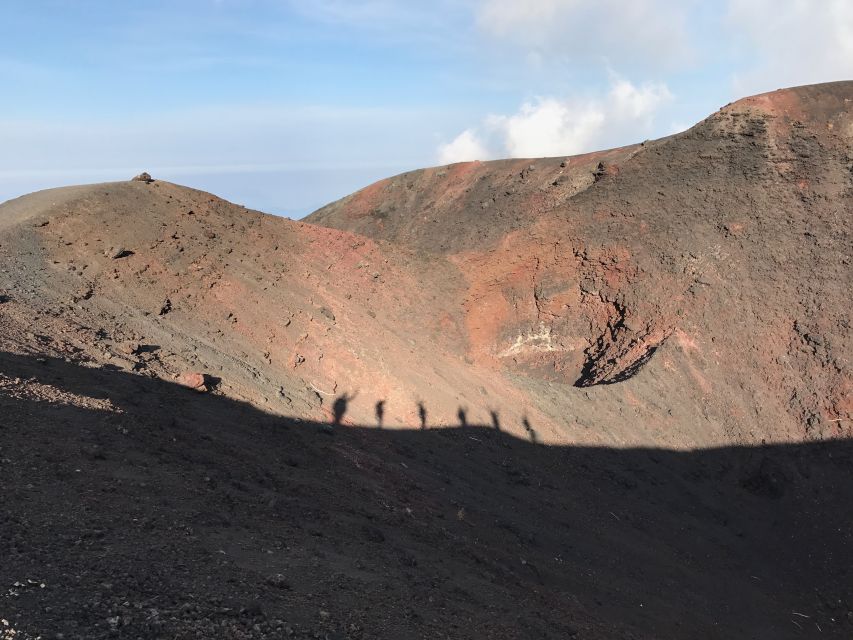
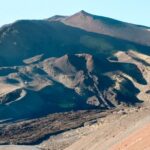
As the route continues, you’ll come to the structures called Hornitos. The guide explains the meaning, “small over,” and you’ll see how these features relate to eruptive activity. From there, the hike includes going up along cinder cones.
Why this is cool for you: Hornitos and cinder cones are on a scale you can understand while standing in them. Instead of only seeing the biggest crater theater, you get “middle-level” geology you can interpret during the hike. That helps you remember what you learned, because you’re seeing it in real size and real location.
Also, these sections build your confidence. If you can handle the climb and the uneven ground, it’s the part of the trek where your brain starts clicking into place: volcanic shapes are not random. They follow processes.
Views From the Eruptive Theater and the Calabrian Coast
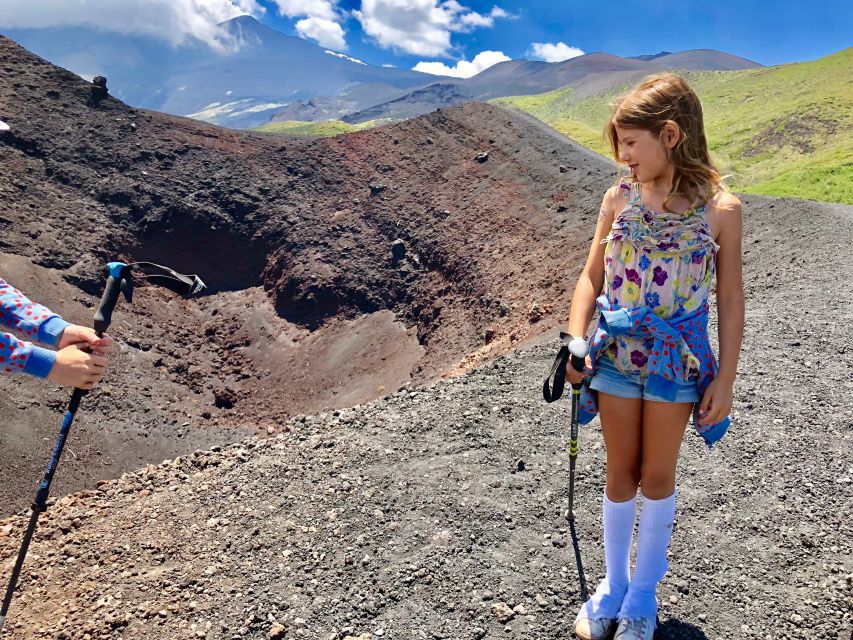
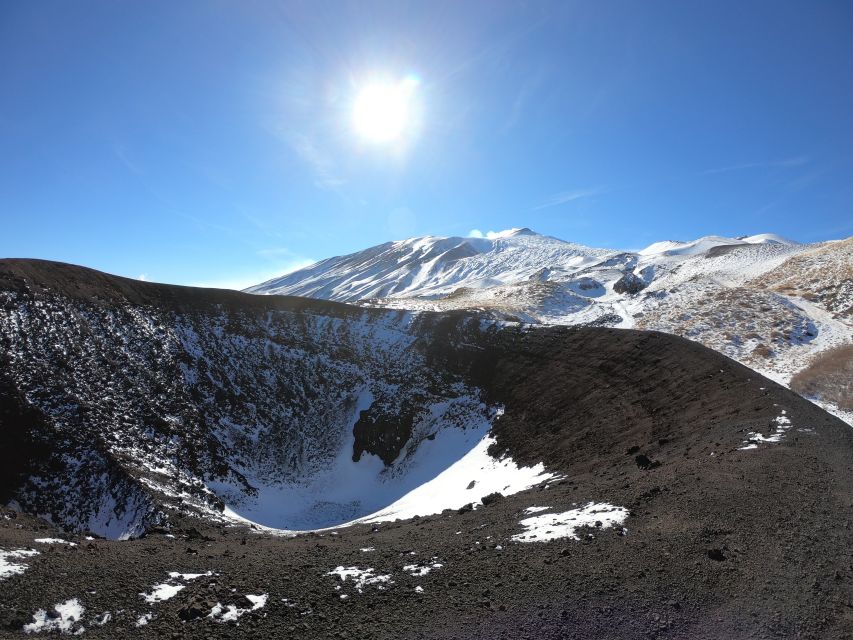
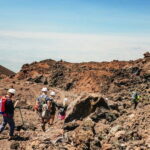
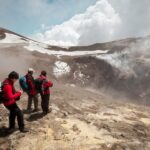
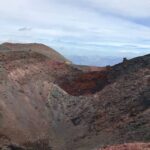
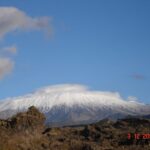
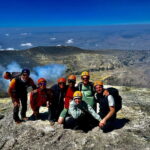
When you reach the summit area, you get the kind of view that makes your camera work harder than usual. The trek includes looking over the edge of the craters and admiring the eruptive theater, with the Calabrian Coast in view on clear days.
This is the “big Etna moment.” But it comes with a caveat. The route includes walking along crater edges, and it can cause dizziness for susceptible people. If you’re prone to vertigo, if you get panicky at heights, or if you know you react badly when you look down, this is the section where you’ll need to think carefully.
The guide can adjust the route based on conditions, but you should self-screen honestly. This is nature with gravity doing its job.
The Return: Inside a Sandy Channel Back to Start
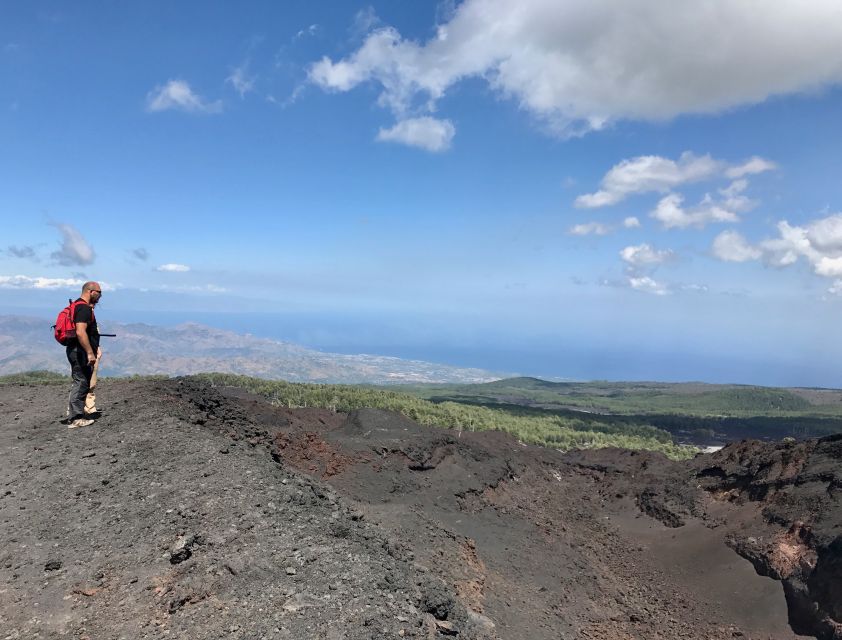
After time around the crater edge, the trek returns by going down inside a sandy channel to get back to the starting point. This part is important, because it’s different from walking on stable ground.
Sandy channels can be slippery and tiring on legs and knees, especially if it’s been windy or recently wet. Good shoes matter here. The tour also makes it clear that without adequate shoes, insurance may not cover you. That’s not a small detail, so treat footwear as part of the safety plan, not an afterthought.
If you’re wondering how hard it is: the trek is not described as a technical climb, but it is an ascent and walking on crater edges. In other words, you’ll feel it.
Pricing and Value: What $41 Includes, and What Costs Extra
The price listed is $41.00 per person, and the trek lasts 3 hours. The included items are an official volcano guide and insurance in case of accidents.
That’s a fair deal if you factor in two things:
- You’re paying for trained interpretation of volcanic features, not just access to a trail.
- Insurance coverage matters on uneven, volcanic terrain, especially when you’re close to crater edges.
But there are common extras you should plan for, because they can add up quickly if you show up unprepared:
- Trekking sticks are not included
- Parking ticket costs 3 euros for the whole day, paid after the excursion
- Snacks and bottled water are not included
- Trekking shoes can be rented on-site at €5 per pair (only if you need it)
- Windbreaker is not included
- During winter months (December, January, February, March), snowshoes are rented on-site for €12 per person
So, value here depends on your current gear. If you already hike a bit and have the right shoes and layers, you can keep costs controlled. If you need multiple rentals, you’ll want to budget ahead.
The Weather and Wind Factor: Bring a Windbreaker
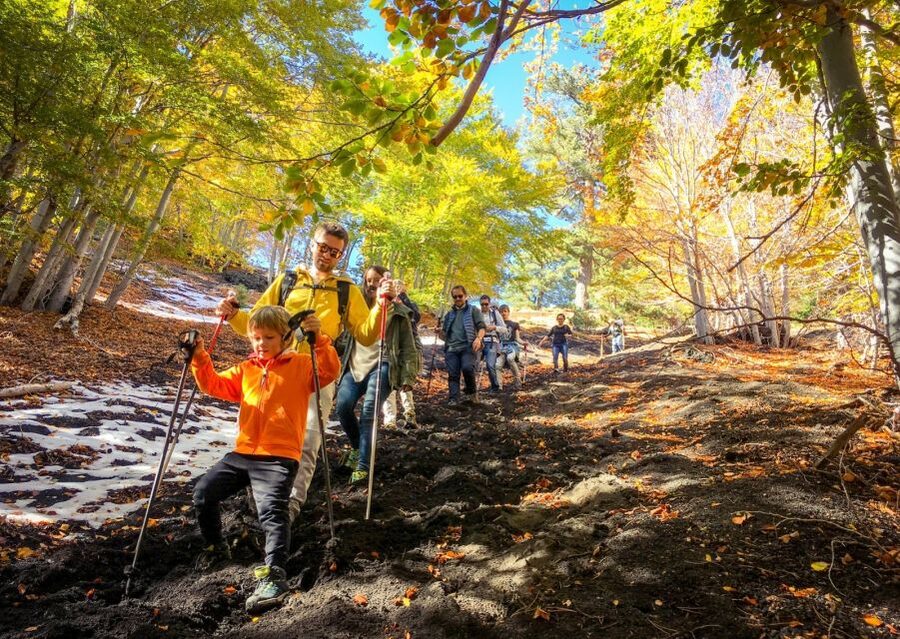
Etna weather can change fast, and the trek itself can be affected by volcanic or climatic conditions. That means you might experience variations in the route at the discretion of the guides.
One of the practical themes from people who did the tour is that wind can be an issue. I’d treat this as a reason to pack your wind protection, even if your forecast looks friendly. A windbreaker, sunglasses, sunscreen, and a jacket are specifically recommended.
Also, the tour operates with real conditions in mind, not a perfect itinerary spreadsheet. Guides may interrupt the excursion if conditions change, and they adjust based on what’s safest.
Who This Trek Fits (And Who Should Skip It)
This hike is reserved for hikers with medium training. That means you should be comfortable with walking for a few hours, handling uneven ground, and maintaining a pace that works for the group.
It is not recommended for people who do not participate in regular physical activity. It’s also not suitable for:
- Children under 6 years
- Pregnant women
- People with back problems
- People with mobility impairments
- People with heart problems
- People with vertigo
- People afraid of heights
- People with respiratory issues
- People with epilepsy
If you’re in your late 60s and you take it at a slower pace, the trek can still be doable, but you should expect it to be “work,” not just a stroll. One review notes it can feel pretty hard going for them, yet worth it.
And one more reality check: the volcanic soil can be inconsistent and unstable. The guide will keep you safe, but you need to watch your footing.
Group Size: Why It’s Not Guaranteed Every Day
The tour requires a minimum of 4 participants. That matters for planning. If you’re traveling in peak season, it’s less likely to be an issue, but in off weeks you might find fewer options.
The duration is 3 hours, and starting times depend on availability. So if you have tight plans that day, check timing before you lock everything else.
What Guides Do Best Here: Clear Science, Real Personality
The most highly praised parts of this experience are the guiding style and how safe people felt.
I like that different guides show up with a similar approach: explanations that connect the geology to the eruption story, plus personality that keeps the trek moving. Names that come up include Daniele, Davide, Vincenzo, and Niko. People especially enjoy it when the guide adds humor and also uses visuals from the real eruption, such as personal videos and pictures during the walk.
That matters because craters can feel confusing if you’re just looking at shapes. With strong guiding, your brain can organize what you see. You end the hike knowing why the mountain looks the way it does.
Gear Checklist That Keeps You Comfortable
Here’s what you should plan to bring, based on the tour guidance:
- Hiking shoes (and real traction, because volcanic ground can be unstable)
- Windbreaker
- Sunglasses and sunscreen
- Jacket and comfortable clothes
- Daypack
- Snacks and water
- Weather-appropriate layers
Not allowed items include high-heeled shoes, sandals or flip flops, baby strollers, luggage or large bags, skirts, and slippers.
If you’re trying to travel light, it’s still worth packing a layer for wind. You’ll thank yourself when you’re near crater edges.
Should You Book the Etna 2002 Crater Trek?
Book it if you want Etna with real context. This is a 3-hour guided hike focused on the 2002 eruption, and you get to see the 2002 footprint through lava features, fractures, and the Hotel dell Betulle ruins. If you enjoy geology that you can interpret on your feet, you’ll get a lot out of the stops and explanations.
Skip it if you’re worried about heights, dizziness, or you have medical limits like vertigo, heart or respiratory issues, or you’re dealing with back problems. The route includes crater edges and uneven volcanic ground, and the tour is not marketed for that kind of challenge.
If your goal is value, I’d say this is a strong pick at $41 because the guide and insurance are included. Just do the homework on your footwear and layers. Bring snacks and water, and plan for the parking ticket and any rentals you truly need.
If you’re ready for a hands-on Etna lesson, this trek is one of the more focused ways to experience the north side.
More Hiking & Trekking Tours in Mount Etna
More Tour Reviews in Mount Etna
Not for you? Here's more nearby things to do in Mount Etna we have reviewed
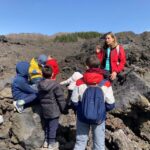
Mount Etna Volcano Tours, compared.
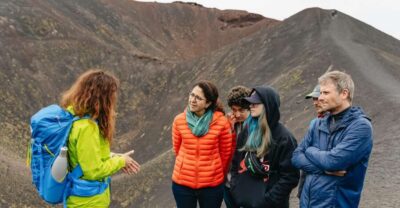 ★ 4.8Catania: Mount Etna Morning or Sunset Day Trip with TastingFrom $704,028 reviews
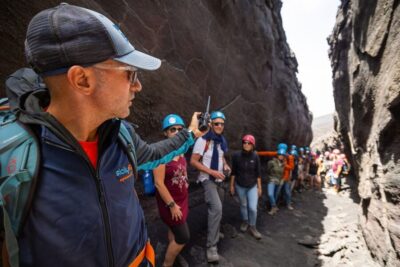 ★ 4.7Mount Etna: Guided Volcano Summit Hiking Tour with Cable CarFrom $1243,784 reviews
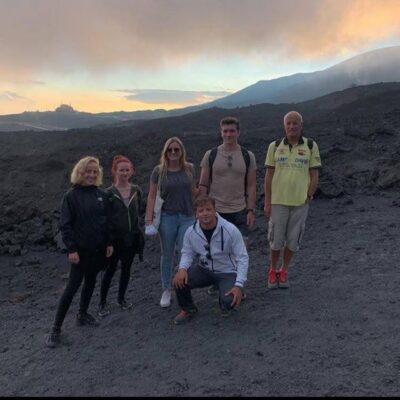 ★ 4.8Catania: Sunset Jeep Tour of Mount Etna and Lava Flow CavesFrom $712,113 reviews
 ★ 4.7Mount Etna: Trek to 3000m with cable car and jeepFrom $621,978 reviews
 ★ 4.8Mount Etna: Summit Crater Trek with Cable CarFrom $771,875 reviews
 ★ 4.8Etna and Alcantara Gorges Full-Day Tour with LunchFrom $1051,766 reviews
 ★ 4.3Mount Etna: Roundtrip Cable Car and 4×4 Bus TicketFrom $971,602 reviews
 ★ 4.7Etna Volcano: South Side Guided Summit HikeFrom $671,545 reviews
Browse the lists this tour appears in