
Reviewed · MOUNT ETNA VOLCANO TOURS
Mount Etna: Volcano Craters Hiking Tour
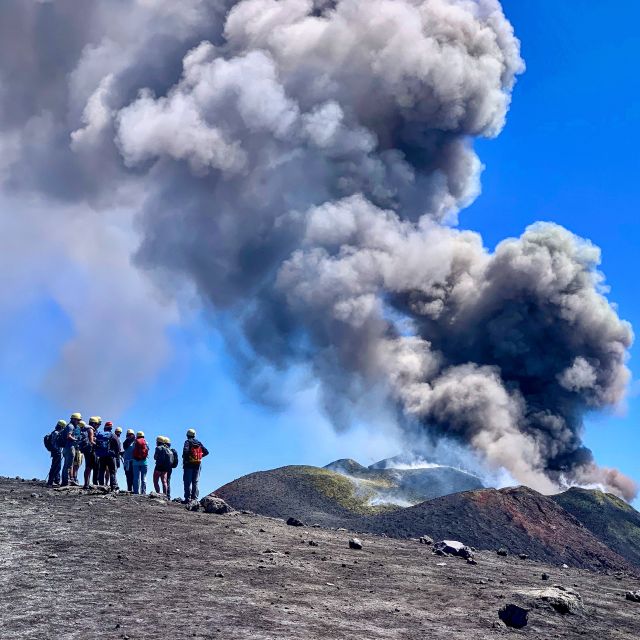
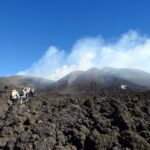
Walk on Etna’s steaming rock. This Mt Etna crater hike in Sicily is built around safety, with a guide, helmets, and a controlled route that keeps you away from the danger zone while you explore an active volcano. I love the chance to feel hot volcanic rock underfoot and get close to fumaroles spewing hot gases.
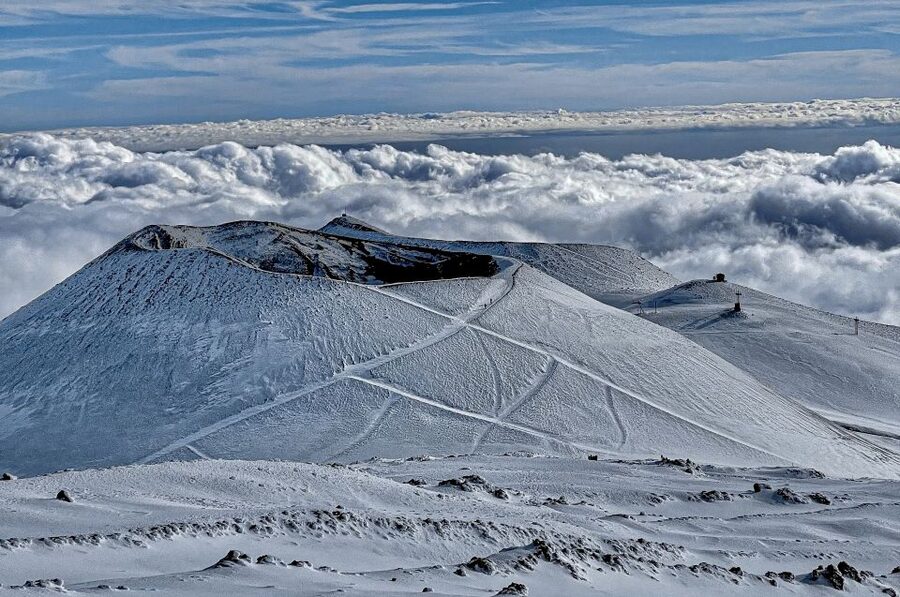
My favorite part is what you learn while you’re moving. The geology and volcanology explanations come from the licensed guiding team, and the timing of pauses makes it feel like a science lesson with serious scenery. You’ll be near the Southeast Crater and the 2002 craters, and the panoramic views at altitude make the effort feel real.
One big consideration: this hike is for trained hikers, with steep, uneven ground and crater-edge walking that can cause dizziness. If you have vertigo, heart or respiratory problems, recent surgery, epilepsy, or serious back issues, skip this one and choose an Etna experience that stays safer and lower.
Key highlights on this Mount Etna crater hike
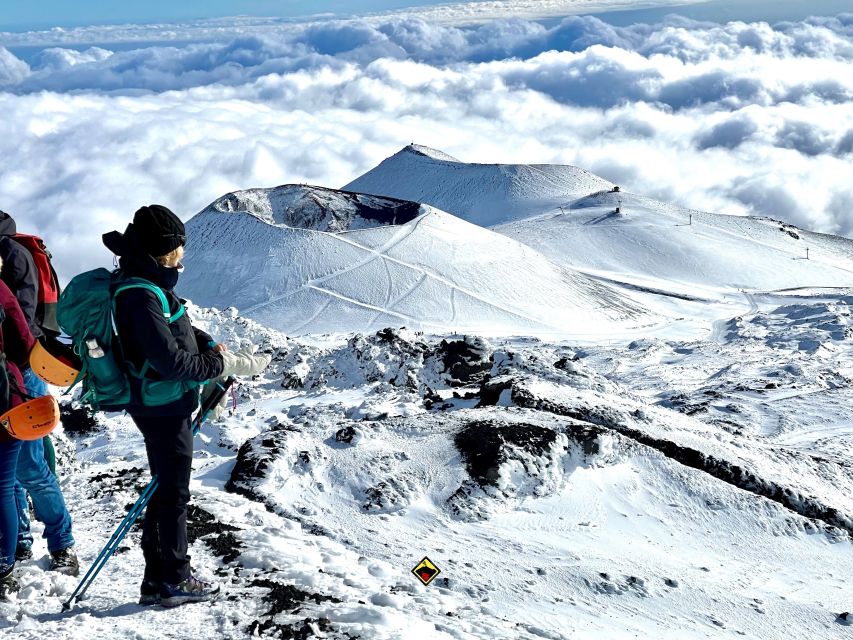
- Hot ground that steams under your boots, so it’s not just sightseeing
- Fumaroles up close, with the chance to touch hot gas emissions (guided)
- A high-altitude push to around 3,000 meters, with frequent stops for pace and explanations
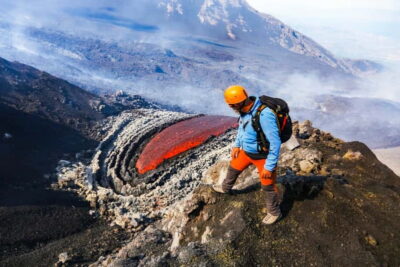
- Recent lava effects near the top, including still-steaming flows depending on conditions
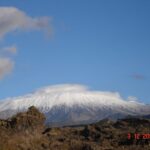
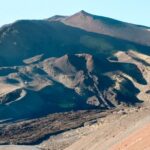
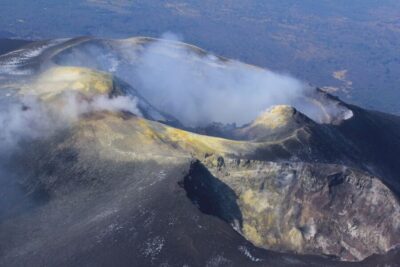
- A lunar-like volcanic setting, plus views from near the active crater area
- Poles, helmets, and warm jackets included, which makes winter conditions more doable
Mount Etna to about 3,000m: what the hike actually feels like
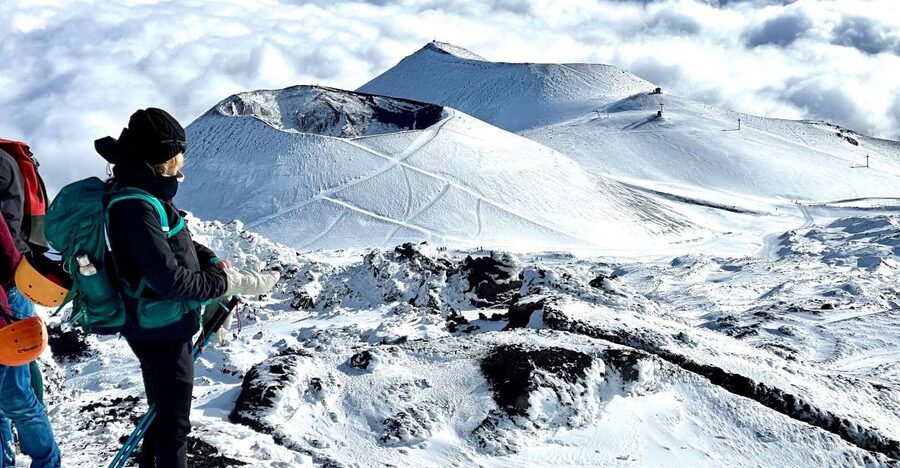
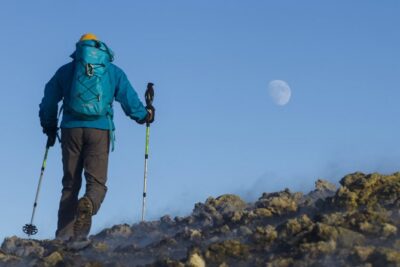
This is a hike on an active mountain, and you feel that from the first steps. One moment you’re climbing through volcanic terrain that looks otherworldly, the next you’re walking near areas where heat and gases are part of the air. The goal is not to “conquer” Etna, it’s to experience the volcano close-up while staying on the safe route your guide leads.
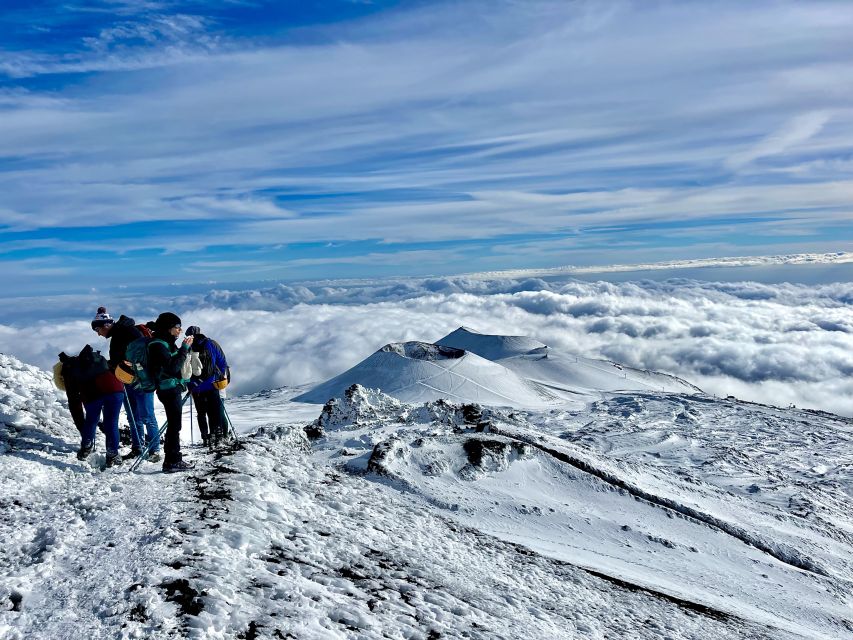
The altitude is the other reality check. You’ll climb up toward 3,000 meters, so your body needs a slower pace than a normal walk. Expect wind at the top too, especially in winter, and plan to dress for it even if Sicily’s weather looks mild down in town.
You can also read our reviews of more hiking tours in Mount Etna
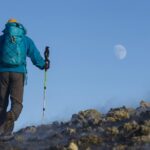
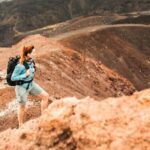
Cable car to 2,500m from the Esagonal area
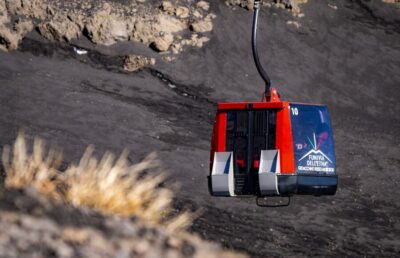
You start at the Esagonal area around 1,900 meters, and the route begins with a scenic cable car ride up to about 2,500 meters. That’s a practical advantage. It saves your energy for the crater walking part, and it also helps you reach the active zone without spending the whole morning climbing from sea level.
Cable car tickets are an add-on you pay on-site at the Funivia dell’Etna office just before departure. The line can get busy, so build a little patience into your morning. Also note that the tour provides warm layers like warm jackets, but you still need your own proper outer wind protection and layers for wind chill.
Barbagallo Crater time: guided walking with active-volcano cues
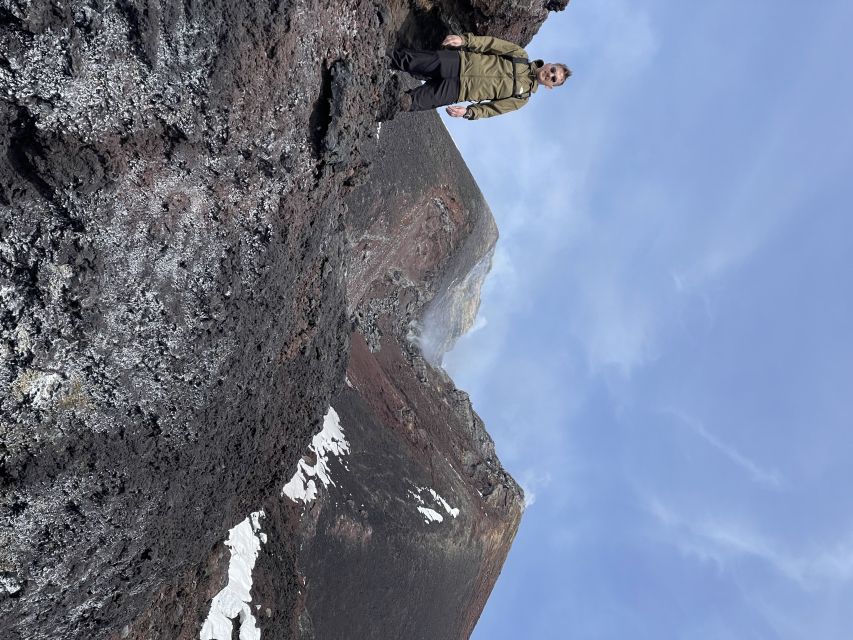
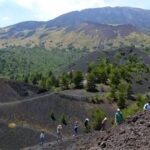
A major chunk of your time happens during the long guided segment tied to the Barbagallo Crater area. This is where the hike becomes more than a view stop. You’ll walk through volcanic ground, watch for signs of recent activity, and hear the geology and volcanology explanations while you’re actually seeing the evidence.
This portion also sets you up for the “science comes alive” feeling. As you move, the guide points out why the rock looks the way it does, and how the heat and gases relate to what’s happening underground. Even when you’re just walking, you’re learning, and that makes the terrain easier to understand.
Fumaroles, steaming lava, and the lunar terrain up near the craters
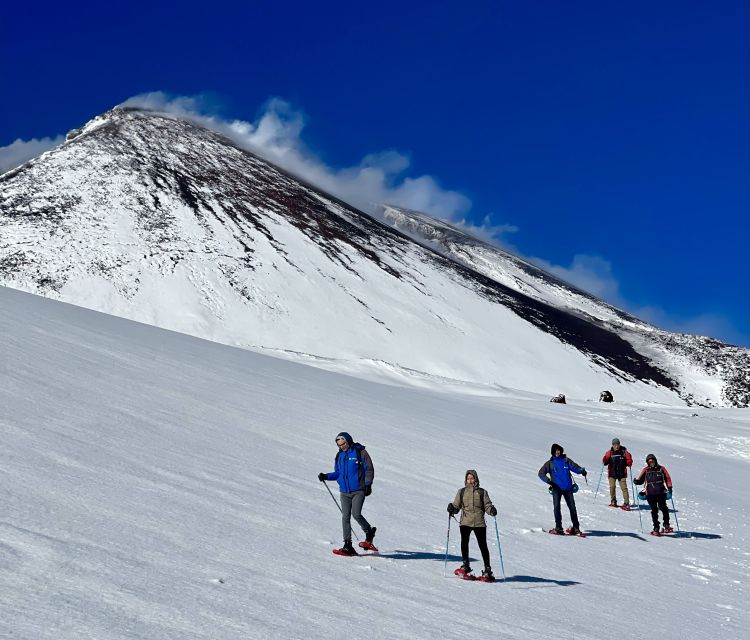
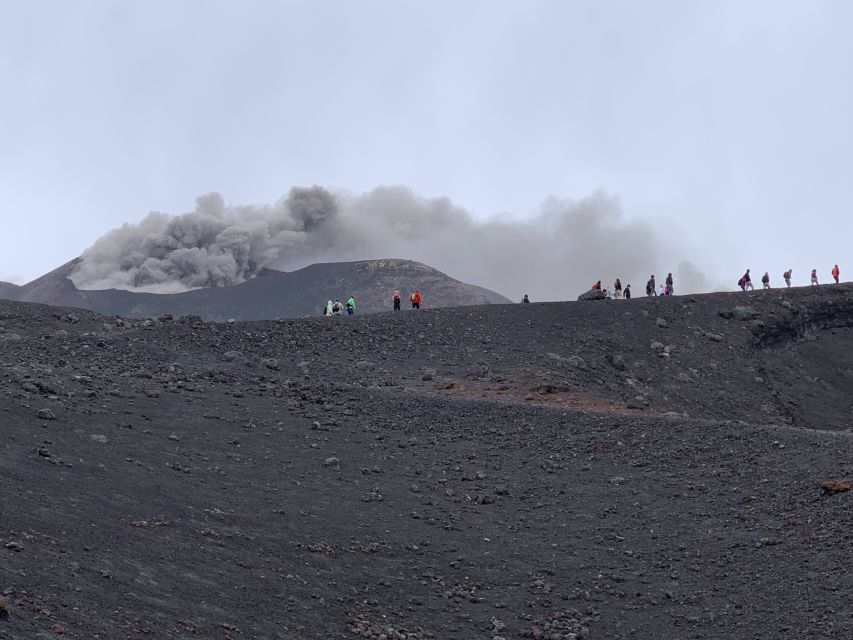
At the higher altitude zone, you shift from “watching Etna” to “standing close to Etna.” You’ll pass near still-steaming lava flows from more recent eruptions, and you’ll get instructions for meeting the fumaroles safely. One of the standout moments is the guided chance to be up close to hot gas emissions, including the chance to touch where it’s guided as safe.
This is also the part of the day that feels the most surreal. Between black volcanic rock and the harsh high-altitude air, the view can feel almost like a different planet. The guide’s commentary helps you connect it to real volcanic processes, so the experience doesn’t stay purely visual.
Practically, you’re walking along crater-edge terrain, which can be tricky if you don’t have the right footing skills. Even if the distance doesn’t sound huge, the ground can be uneven and the air can make you feel a little slower than usual. If you’re the type who gets anxious at heights or if dizziness hits easily, this is exactly where you should think twice.
Southeast Crater and the 2002 craters: photo time with real altitude pressure
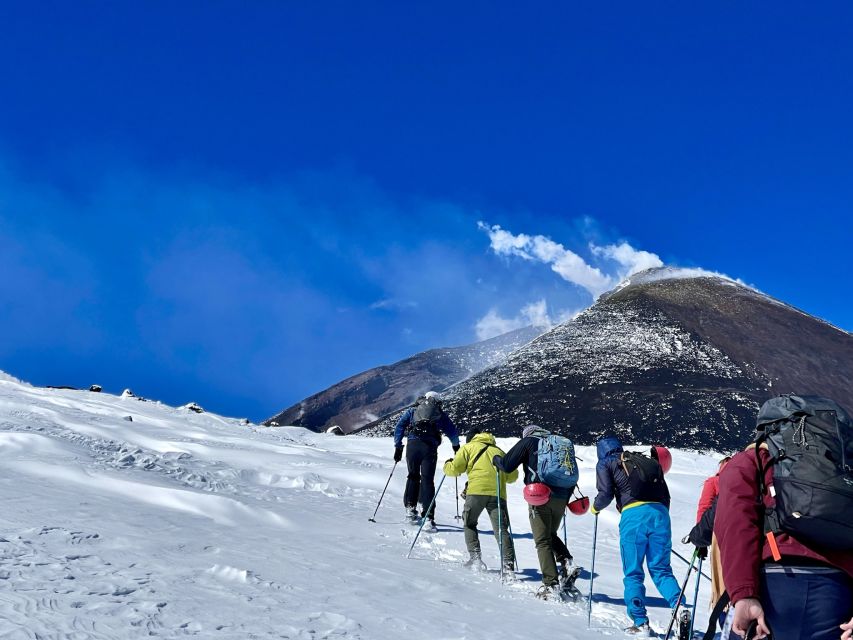
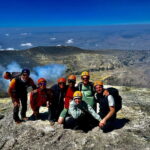
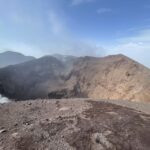
Your itinerary builds in time for photos around the crater area, including a photo stop period while you’re near Mount Etna’s upper terrain. Then, you reach the base of the active crater area at the moment, the Southeast Crater, and continue toward the large craters of 2002.
There’s a key detail here: the tour involves a scientific authorization that allows pushing past the 2750 meter limit to around 3,000 meters, but only if the group is doing well with altitude and the local rules for that day are satisfied. Translation: the guides are watching the group, not just chasing a summit photo.
The pay-off is that you’re close enough to appreciate what recent volcanic change looks like on the ground. The top area includes the hot and still-changing feel of an active mountain, not a tidy, museum-style volcano. You also get breaks built into the schedule, which matters on windier, colder days where standing still can drain warmth fast.
Valle del Bove and the ride back down: careful descent, quick reset
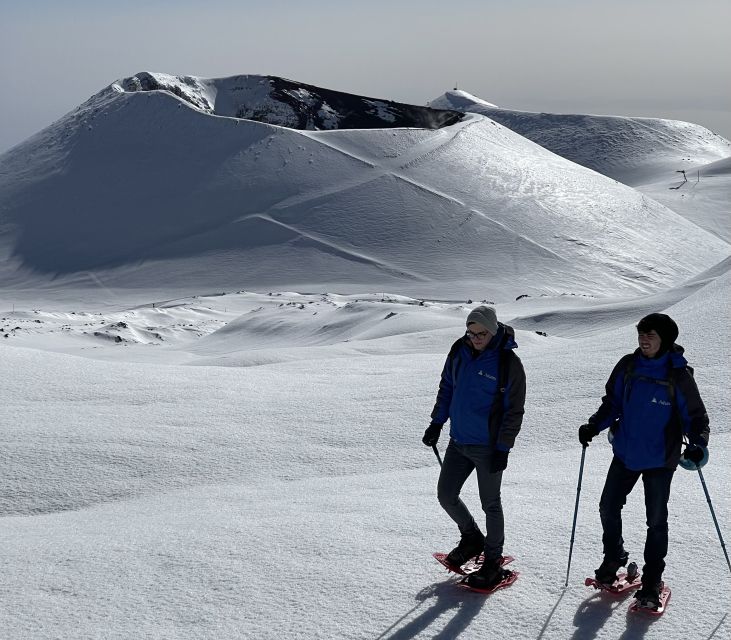
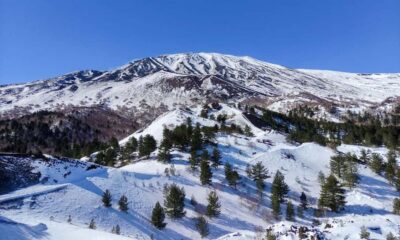
After your crater-area time and photos, the plan shifts toward getting back down efficiently. Winter conditions can change the walk, and the descent route can be snowy, so the ground can turn into a slip-and-slide if you’re underdressed or wearing the wrong shoes.
You’ll head down a path to the cable car station for the return. This is where you should take your time. Even when you feel strong going up, descending can be harder on knees and ankles, especially on loose volcanic surfaces. Your guide’s job is to keep you safe, but your job is to keep your steps deliberate.
Once you’re back from the cable car ride, the tour ends at the original meeting point near the Esagonal Bar parking area. That’s helpful because you don’t have to worry about finding a ride or navigating Etna after the hike. You can reset with food, water, and a change of clothes while you still feel the day’s energy.
The real value of this $28 price, plus the on-site fees
The headline price is listed as $28 per person, but the real budget picture includes what you pay on-site. Two big items stand out:
- Cable car tickets: €52 per person, paid on-site
- Volcanological guide service for scientific information: €30 per person, paid on-site
Here’s the important twist: if you do not pay the additional scientific-information fee, you will not be able to participate in the hiking activity. So when you compare value, treat that €30 as part of the true cost of joining the hike itself, not an optional extra.
Now for the good news. The tour includes practical items that can save money and hassle:
- Trekking poles
- Helmets
- Accident insurance
- Etna entry fee
- Warm jackets
- Trekking shoes
- A backpack
Because some of the big gear pieces are handled, you’re not forced to rent everything. Still, follow the rules and wear the right footwear anyway. And pack your own food and drinks since they’re not included.
If you’re budget-minded, do the math early. If your cable car and scientific fee totals stretch your trip budget, consider an Etna option that’s lower or longer on views. If you’re specifically after active-volcano, crater-close hiking with a guide and safety gear, this is one of the more focused ways to buy that.
Who should book, and who should skip this Etna trek
This tour is not for everyone. The hike is described as for trained hikers, and the route includes climbing and walking along crater edges. That combination can be a problem if you’re sensitive to heights or if you’re dealing with conditions that affect breathing, stamina, or circulation.
Skip it if you have any of the following:
- Children under 12
- Mobility impairments
- Vertigo
- Heart problems
- Respiratory issues
- Epilepsy
- High blood pressure
- People with back problems
- Recent surgeries
- People without hiking experience
- Low level of fitness
I also treat it as a no-go if you’re expecting a gentle, stroll-style nature walk. Even when the hike doesn’t feel like a marathon, the terrain and altitude make it more demanding than you might expect from the word hiking.
On the plus side, it can suit seasoned hikers who want a guided, safety-first route. It also works well for small-group energy, since the activity needs a minimum number of participants in total, usually keeping things from turning into a cattle-line situation.
What to bring for wind, cold, and crater-edge walking
Your packing list should be built around wind and cold at altitude. Bring a windbreaker, sunglasses, sunscreen, and comfortable long pants. Add layers you can adjust, plus snacks and drinks since food isn’t included.
Footwear matters a lot:
- No sandals or flip flops
- No open-toed shoes
- No high-heeled shoes
- You need the proper hiking shoes for insurance and safety
Gloves and hats are not included, so pack your own. And bring a change of clothes if you’re doing this in cooler months, because volcanic air plus sweat plus wind can leave you needing a quick reset after.
Also, don’t forget you’ll be issued or using trekking poles and a helmet, but you still need your own weather gear. Your body comfort is what keeps your footing calm.
Guides in action: how the best moments happen
The guides lead in Italian, French, and English, and that matters because the science explanations are part of the value. The best experience comes when you listen and ask questions while you pause. When the guide names what you’re looking at, you start to recognize the volcano’s logic in the rocks.
The names that show up often for this operator include Vincenzo, Fabio, Andrea Montemagno, and Nikkos. Across those guides, the common theme is professionalism and safety focus, with humor and clear communication mixed in so you don’t freeze into silence at the crater edge.
Pace is another quiet reason people love this hike. Even when the day is cold or windy, the schedule includes recovery breaks and photo moments so you don’t feel rushed. And since you’re walking at altitude, your pace should feel human, not like a forced march.
Should you book this Mount Etna volcano craters hiking tour?
Book it if you want an Etna experience that’s active, guided, and close to the volcanic action. You’re the right match if you hike regularly, handle uneven terrain, and can stand in cold wind without turning into a statue. You’ll also enjoy it if you love geology explanations, because the day is designed around understanding what you’re seeing.
Skip it if you’re hoping for a low-altitude nature walk, or if you have vertigo, heart or respiratory issues, mobility limits, or you’re not a trained hiker. The crater-edge walking and altitude are not the kind of challenge where you should gamble with your comfort or safety.
If you do book, plan your budget early for the on-site costs, wear proper hiking shoes, and dress like the top of a windy mountain is waiting for you, because it usually is. That’s how you turn a tough hike into one of those Etna days you remember for years.
FAQ
Where is the meeting point and where does the tour end?
You meet the guides in the parking lot in front of the Esagonal Bar. The tour ends back at the same meeting point.
How long is the Mount Etna volcano craters hiking tour?
The duration is listed as 5 hours.
What extra fees should I expect to pay on-site?
In addition to the base price, you pay on-site for the round-trip cable car tickets (€52 per person). You also pay an additional €30 per person for the volcanological guide service that provides the scientific information required to participate in the hiking activity.
What is included in the tour, and what do I need to bring?
Included items are trekking poles, helmets, accident insurance, Etna entry fee, warm jackets, trekking shoes, and a backpack. You should bring a windbreaker, sunglasses, change of clothes, snacks, drinks, sunscreen, long pants, comfortable clothes, and weather-appropriate layers. Gloves and hats are not included.
What languages do the guides speak?
The live tour guide provides narration in Italian, French, and English.
Who is this tour not suitable for?
The tour is not suitable for children under 12 and is also listed as not suitable for people with vertigo, mobility impairments, heart problems, respiratory issues, epilepsy, back problems, recent surgeries, high blood pressure, low fitness, or people without experience.
Can I cancel and get a refund?
Yes. Free cancellation is available up to 24 hours in advance for a full refund.
More Hiking & Trekking Tours in Mount Etna
More Tours in Mount Etna
More Tour Reviews in Mount Etna
Not for you? Here's more nearby things to do in Mount Etna we have reviewed
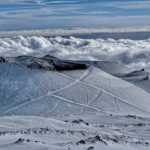
Mount Etna Volcano Tours, compared.
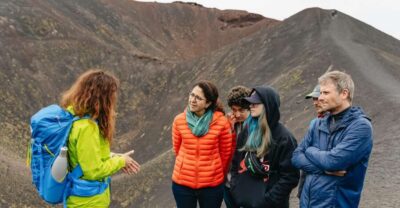 ★ 4.8Catania: Mount Etna Morning or Sunset Day Trip with TastingFrom $704,028 reviews
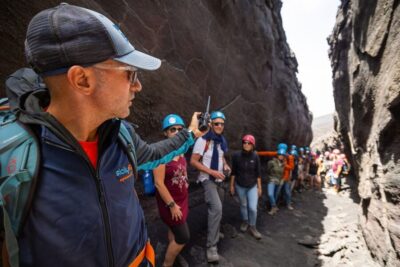 ★ 4.7Mount Etna: Guided Volcano Summit Hiking Tour with Cable CarFrom $1243,784 reviews
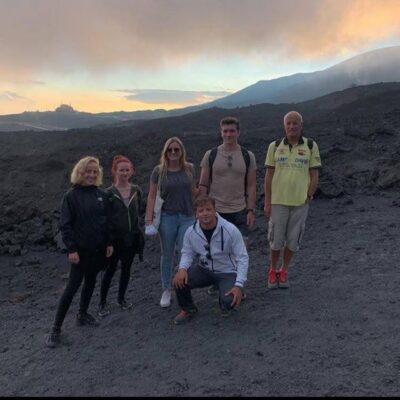 ★ 4.8Catania: Sunset Jeep Tour of Mount Etna and Lava Flow CavesFrom $712,113 reviews
 ★ 4.7Mount Etna: Trek to 3000m with cable car and jeepFrom $621,978 reviews
 ★ 4.8Mount Etna: Summit Crater Trek with Cable CarFrom $771,875 reviews
 ★ 4.8Etna and Alcantara Gorges Full-Day Tour with LunchFrom $1051,766 reviews
 ★ 4.3Mount Etna: Roundtrip Cable Car and 4×4 Bus TicketFrom $971,602 reviews
 ★ 4.7Etna Volcano: South Side Guided Summit HikeFrom $671,545 reviews
Browse the lists this tour appears in