
Reviewed · MOUNT ETNA VOLCANO TOURS
Etna North Sunset: Summit area & Craters of 2002
Etna at sunset feels almost unreal. This 3 hour Etna North excursion takes you up to the summit zone on 4×4 buses and then on foot, so you can stand close to the Craters of 2002 and watch the light change over the volcanic terrain.
I especially love the mix of vehicle access and real walking. You start at Piano Provenzana, roll in off road vehicles through lava and volcanic sand from the 2002 rift, then hike a rocky path of scoria and bombs toward a viewpoint around 2900 m.
One thing to consider: the ride can be very bumpy, and the guide’s English skill can vary by departure. If you get motion sick easily, or you need very precise English, plan accordingly.
Key Things You’ll Notice on This Etna Sunset Excursion
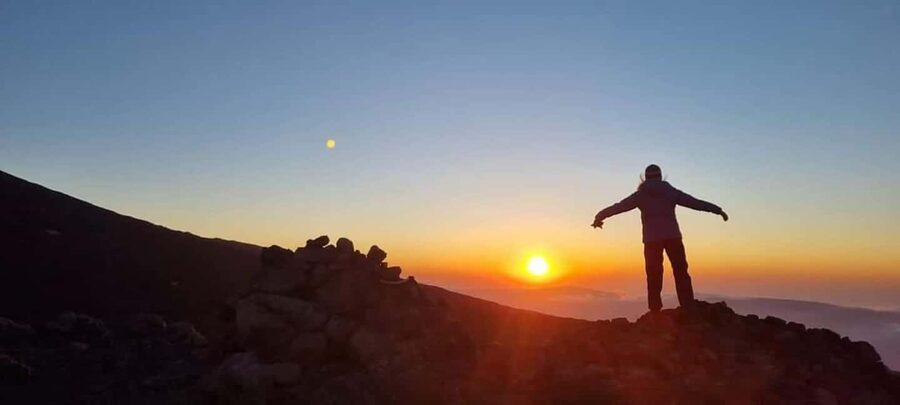
- North side at golden hour, with the summit area framed by Etna’s volcanic textures
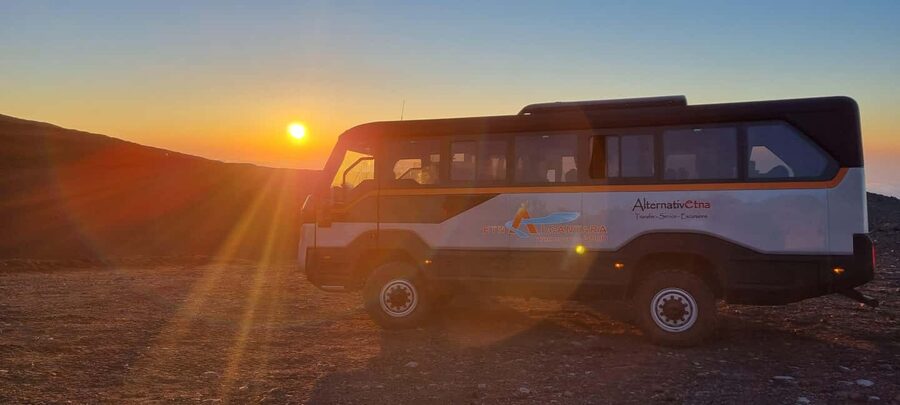
- Off road 4×4 transport that gets you to the high mountain zone faster than standard roads
- A hike through scoria and bombs, not just a viewpoint stop from a bus window
- North-East crater area near the observatory, where the volcano’s presence dominates
- Clear weather visibility can reveal the Lion and Bove valleys and crater ranges
- A guide who can make it fun, though communication quality may differ by group
Entering The Etna North Sunset Scene From Piano Provenzana
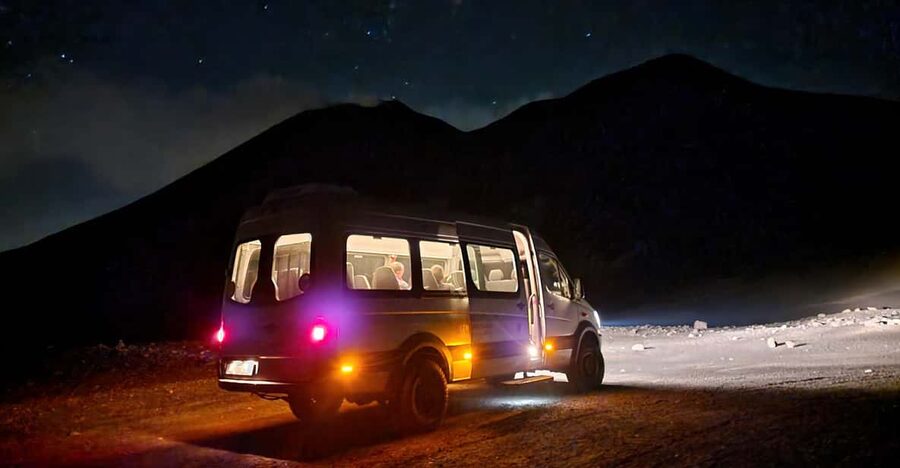
I like how this tour starts with the right vibe, calm and focused, right from the Piano Provenzana area. You meet at the operator office near the coordinates 37.79744338989258, 15.03928279876709, then the day shifts gears toward Etna’s higher world.
You’re going into the summit zone on a schedule that makes sense for sunset. That matters here, because Etna looks different at dusk, with the volcanic surfaces picking up warmth and shadow in a way that daytime photos can miss.
Even though the theme is geology, you do not need to know a thing about volcanology to enjoy it. The terrain does the teaching, and the views do the convincing.
You can also read our reviews of more evening experiences in Catania
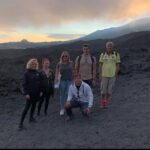
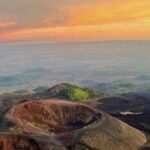
The 4×4 Bus Ride Up: Fast Access, Real Terrain
The main reason the 4×4 aspect is worth it is simple: it puts you near the action without turning the trip into a full day hike. You’ll travel by off road vehicle to a high mountain slope, moving through areas framed by lava and volcanic sand along the rift created in the 2002 eruption.
This is where you’ll feel Etna’s scale. The ground under you is not like trails back home, and the rock textures look fresh and sharp even when you’re just catching them between stops.
Now, a practical note. The ride is often described as rough, and it is genuinely not ideal if you get nauseous in vehicles over uneven terrain. The upside is that you get a much closer experience than you would from a normal road viewpoint.
The 2900 m Trail Segment and What Makes It Special
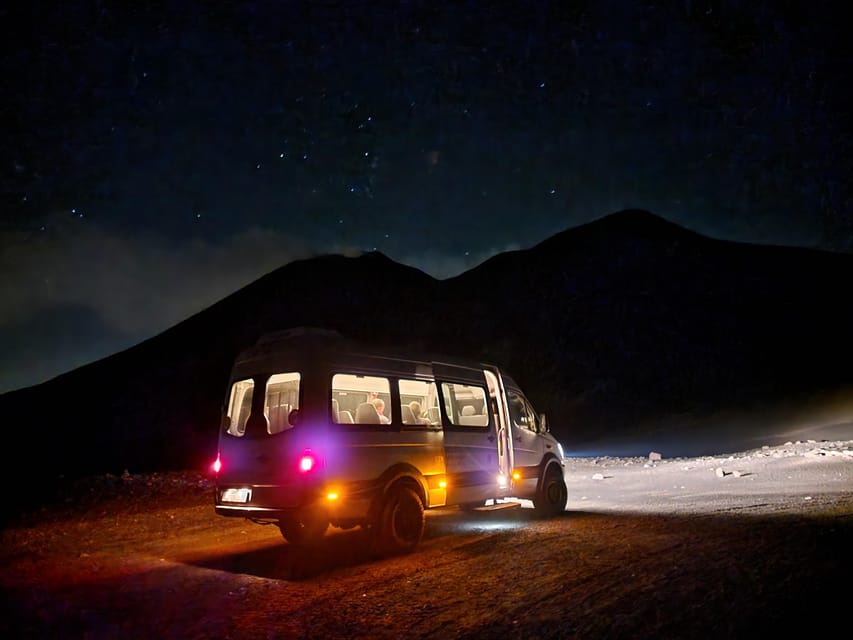
Once you’re dropped onto the mountain trail system, you’ll follow a path at around 2900 meters, then continue in a way that gradually leads you toward the crater zone. The tour is structured so you are not constantly on pavement, and you’re not waiting around either.
This is the part that makes the excursion feel active. You’re walking at altitude, moving through volcanic ground that can shift from gritty sand to darker rock.
Also, pay attention to footing. Even when the path is manageable, you are dealing with volcanic material that behaves differently than regular dirt. This is one of those moments where comfortable shoes stop being “nice to have” and become essential.
North-East Crater Area: The Observatory Zone Feeling
The highlight section of your route centers on the North-East crater area, where the volcano observatory is located. Reaching this part of Etna changes the way you look at everything, because the mountain stops being scenery and starts feeling like a working system.
At this stage, you’re already high, surrounded by the broad volcanic environment that dominates both the North-East and South-East crater areas. The tour description emphasizes “greatness” and “processes,” but even without the technical language, you can feel it in the geography.
This is also a good moment to slow down and take in the big picture. The crater zone gives you a view of how Etna’s different systems relate, rather than just seeing one smoking vent or one dramatic cone.
The Hike Up Through Scoria and Bombs to the Viewpoint
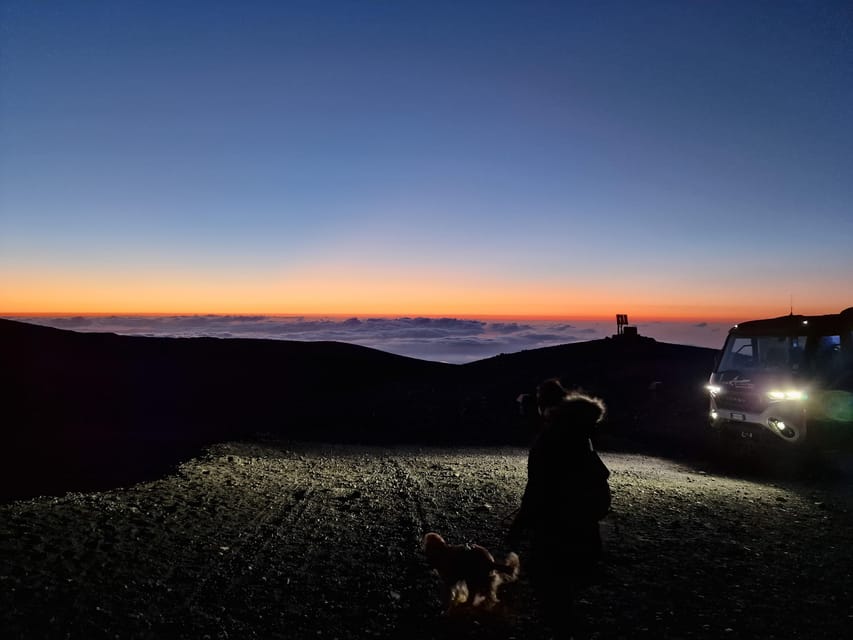
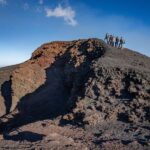
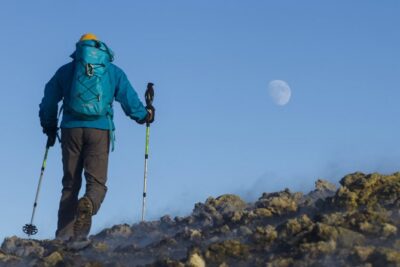
After you reach the crater area, the ascent begins on foot. You’ll hike along a path surrounded by volcanic scoria and bombs, and the total climb is about 300 meters before you arrive at the viewpoint.
This is not a long trek in distance terms, but it is a “work your legs” climb because you’re moving up through rocky ground at altitude. Keep your pace steady, take breaks when you need them, and watch where you place each step.
You’ll reach the viewpoint at roughly 2900 meters, which is where the tour’s most dramatic payoff begins. The stop is designed for absorbing the environment and the skyline, not just snapping a quick photo and moving on.


Sunset Waiting Time: Watching Etna Change Color
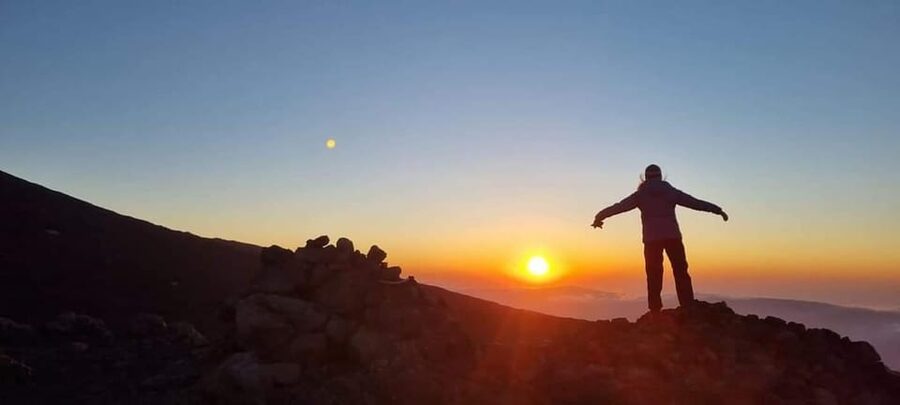
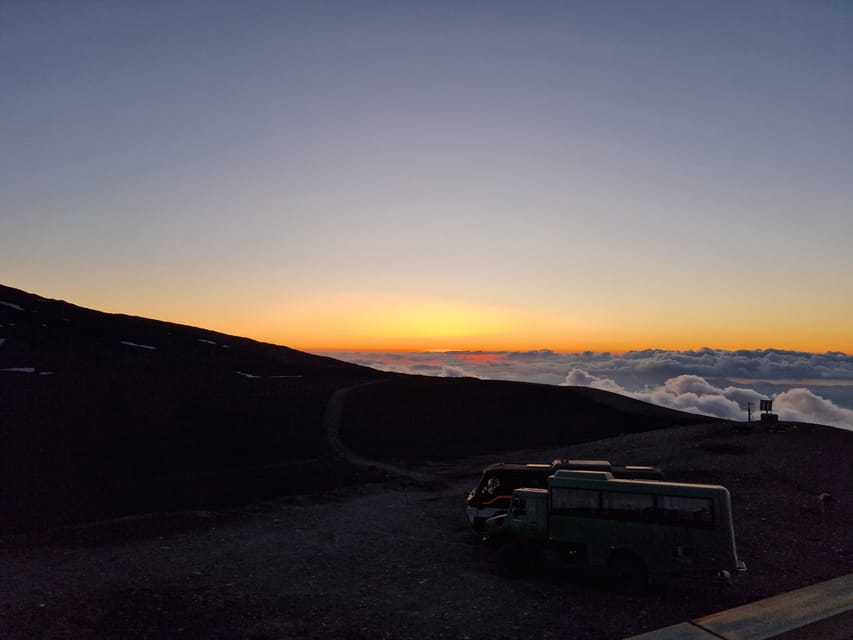
This tour is built around the moment when the crater zone turns theatrical. Once you get to the viewpoint, you’ll wait to admire the sunset and take in what the volcano looks like when the light angles flatten the landscape.
If the weather is clear, you can see both the Lion and Bove valleys. That specific detail is important because it explains why this viewpoint is more than a generic “big view.” You’re looking out from Etna toward recognizable valley lines, which gives your eyes a stronger reference point.
Even if clouds roll in, the experience often still works. Volcanic terrain does not lose its drama when it turns moody. In fact, shadows can make ridges and textures more defined.
The Best Part for Nature Lovers, Not Just Geology Fans
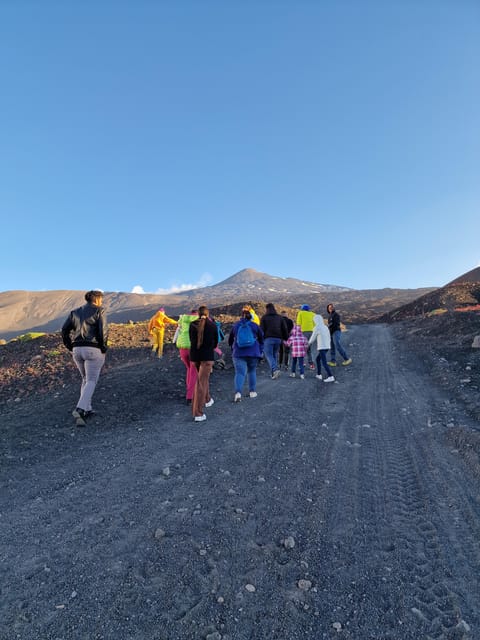
I like that the tour makes room for non-geology travelers. The focus is on nature and breathtaking landscapes, not on forcing you into technical vocabulary.
You get real proximity to the volcanic environment, including the lava and volcanic sand tied to the 2002 rift. That is the kind of detail that makes the whole thing feel grounded in a specific event, not just a general “volcano visit.”
And the walking component keeps it from being purely observational. You’re part of the route, which makes the views feel earned rather than delivered.
Guide Skills and Group Experience: What You Should Expect
A big factor in how smooth this tour feels is your guide. I’ve seen two patterns from real departures. In one case, the guide’s English was reported as difficult to follow. In other cases, the guide communicated with energy, taught a lot, and even brought humor into the day.
This doesn’t mean your tour will be bad or great, but it does mean you should set your expectations. If you’re traveling in English and you want very clear explanations, look for the English-language comfort level you usually need. If you’re flexible and curious, you’ll still enjoy the route, because Etna’s visuals do a lot of the heavy lifting.
As for pace, it’s not a slow stroll. You’re hiking uphill and working at altitude for part of the time. The group is likely mixed in interest levels, but everyone ends up focused on the same crater views once you’re at the top.
Practical Tips That Make a Real Difference
Here’s how to prepare so you enjoy the hike and the wait for sunset, instead of worrying about small things.
- Wear comfortable shoes with grip. The volcanic ground can feel uneven and gritty.
- Bring long pants for scoria and bombs terrain. Short layers just do not match the environment.
- Pack biodegradable sunscreen. The summit area sun can be strong, and you want something that won’t create extra waste.
- Bring a daypack for water and layers for late-day conditions.
Also, plan for the vehicle ride. If motion sickness hits you, consider bringing what helps you most. This tour involves off road travel over rough terrain.
Lastly, bring a camera mindset, not just a checklist mindset. The viewpoint is where you’ll want time. Use that stop to look for textures, crater lines, and the overall scale, especially when visibility is clear.
Getting Back Down: Piano delle Concazze to Piano Provenzana
The tour wraps up with the return drive. After the sunset viewing, you head back crossing Piano delle Concazze and then down to Piano Provenzana, where the excursion ends.
That downhill timing is part of why the trip stays at 3 hours. It’s a compact route, designed to deliver the crater access and sunset without turning into a whole day commitment.
If you want an Etna experience that fits into a tighter itinerary, this structure is a good match. You get altitude, crater proximity, and sunset views in a single focused outing.
Is This Tour Worth Booking for You?
I think this tour is a strong choice if you want Etna’s summit area without spending an entire day on transport. The combination of 4×4 access plus a real hike toward the crater viewpoint makes the experience feel direct and memorable.
You should think twice if you have motion sensitivity. The off road ride can be rough, and the altitude walk can be demanding, even though it’s not long in time.
It’s also a good fit for people who love nature and dramatic views, not only for the geology crowd. The route is built around the 2002 eruption landscape, crater area dominance, and the sunset payoff. If you enjoy standing in places where the environment looks like it’s still in the middle of a story, you’ll get a lot out of it.
FAQ
Where does the Etna North Sunset tour start?
The tour begins at Piano Provenzana, and you also meet at the operator office near coordinates 37.79744338989258, 15.03928279876709.
How long is the tour?
The duration is 3 hours.
How high do you go?
The excursion involves reaching the summit area around 2900 meters, with a hike that includes about a 300 meter climb toward the viewpoint.
What language is the live guide?
The live tour guide is available in English and Italian.
What should I bring for the hike?
You should bring comfortable shoes, biodegradable sunscreen, long pants, and a daypack.
Is the tour wheelchair accessible, and what about cancellation?
The tour is listed as wheelchair accessible. It also includes free cancellation up to 24 hours in advance for a full refund, and you can reserve with pay later.
More Evening Experiences in Catania

More Tour Reviews in Catania
Not for you? Here's more nearby things to do in Catania we have reviewed



Mount Etna Volcano Tours, compared.
 ★ 4.8Catania: Mount Etna Morning or Sunset Day Trip with TastingFrom $704,028 reviews
 ★ 4.7Mount Etna: Guided Volcano Summit Hiking Tour with Cable CarFrom $1243,784 reviews
 ★ 4.8Catania: Sunset Jeep Tour of Mount Etna and Lava Flow CavesFrom $712,113 reviews
 ★ 4.7Mount Etna: Trek to 3000m with cable car and jeepFrom $621,978 reviews
 ★ 4.8Mount Etna: Summit Crater Trek with Cable CarFrom $771,875 reviews
 ★ 4.8Etna and Alcantara Gorges Full-Day Tour with LunchFrom $1051,766 reviews
 ★ 4.3Mount Etna: Roundtrip Cable Car and 4×4 Bus TicketFrom $971,602 reviews
 ★ 4.7Etna Volcano: South Side Guided Summit HikeFrom $671,545 reviews
Browse the lists this tour appears in