
Reviewed · MOUNT ETNA VOLCANO TOURS
Mount Etna: Summit Trekking Tour
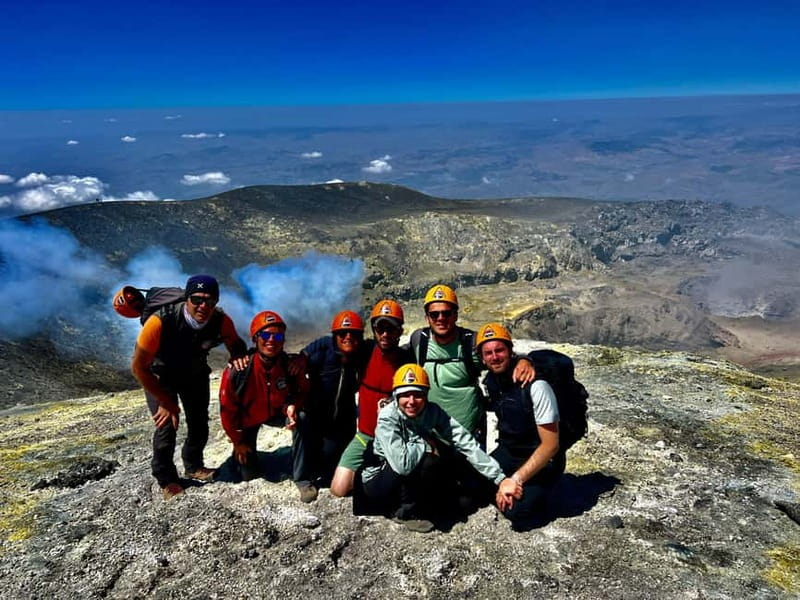
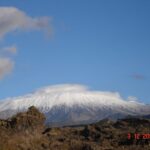
Etna feels close enough to touch. This north-side summit trekking tour combines 4×4 access with a guided hike to the summit craters at about 3,340 meters, far from the usual tourist flow. You also get big-scope views of Sicily, the Aeolian Islands, and the coast, all under the ever-changing rules of a living volcano.
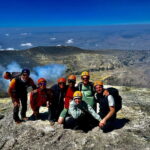
I love two things most: the small group size (limited to 10) and the way the team runs a tight setup with gear checks and safety time right at the start. Guides like Luca Cosma lead with clear explanations, and the included safety kit (helmet, jacket, hiking boots) makes it feel like you can focus on the climb instead of logistics.
The one drawback to plan around is that your exact route can shift due to volcanic activity and weather, so the “summit” part of the day may be adjusted. Also, while the tour lists 4.5 hours, some schedules can feel closer to a full half day on the ground, so build in buffer time.
Key points worth knowing
- North-side access via 4×4 gets you higher faster, then you earn the summit on foot
- Small group limit (10 people) keeps the hike manageable and the pace more human
- Cratere Centrale dell’Etna visit time means you’re not just passing through the summit area
- Views from around 3,400 m cover Sicily, the Aeolian Islands, and the Italian coastline
- Sand gully descent and Valle del Bove timing add variety beyond crater time
- Gear is included (helmet, jacket, hiking boots), so pack smart and travel light
Where the Etna day starts: Sole-neve Souvenirs to Piano Provenzana
Your tour kicks off at Sole-neve Souvenirs, a practical meeting spot with parking right at the shop. The plan is to meet, check in, then get a short but serious safety briefing before anything “adventure” happens. It’s a good approach, because Etna is not a theme park. Conditions can change fast.
From there, the group is shepherded toward the Piano Provenzana North starting area. You’ll see how they organize equipment and prep people for the hike, and that matters when you’re headed toward volcanic terrain. The biggest win here is simple: you get to start the day oriented, not guessing.
Also note the meeting works well if you’re self-sufficient for getting there, since hotel pickup isn’t included. If you’re driving or already in the area, this is straightforward.
You can also read our reviews of more hiking tours in Mount Etna
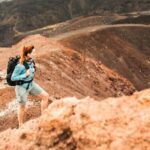
The 4×4 run on Etna’s north side: faster elevation, real off-road
Before the hiking starts, you’ll spend time on the Etna north side in an off-road vehicle. The day includes a brief off-road segment early on, then another on the back end to return to the starting point.
This off-road time is more than “transport.” It’s what makes this tour feel like a true Etna adventure instead of a long uphill slog from the base. It also helps you reach the trekking start around 2,900 meters, cutting the most grueling approach.
You should also understand the cost detail: the tour price does not include the Unimog 4×4 round trip ticket (listed as 50 EUR per person, paid in cash on the spot). So when you budget, think of your total as the tour price plus that extra on-arrival payment. The value is still strong if you like guided hiking plus provided safety gear, but it’s worth planning ahead so there are no surprises at check-in.
Stop-by-stop: what happens during the 4.5-hour trek experience
The itinerary is built around three phases: briefing and staging, crater-focused hiking, then viewpoints and descent. Even though the tour is guided, the volcano does the scheduling, so treat timing as flexible.
Stop 1, Starting location: Sole-neve Souvenirs
You meet at Sole-neve Souvenirs, then get oriented. This is the moment to confirm you’ve got what you need. The day asks for a daypack, weather-appropriate clothing, and cash.
Stop 2: Mount Etna sightseeing and safety briefing (about 20 minutes)
This block is short, but it sets expectations for what the terrain will feel like and how the group will move. You also get equipment checks here, which is one reason gear like helmet and jacket being included actually works in your favor.
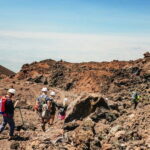
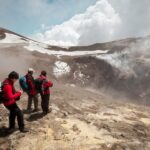
Stop 3: Off-road adventure (about 20 minutes)
This is your first taste of the off-road side of Etna. It also acts like a transition. Your body goes from “travel day” mode into “work mode” mode, without wasting time hiking just to reach the volcanic zone.
Stop 4: Hiking (about 100 minutes)
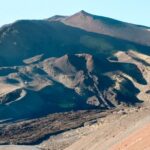
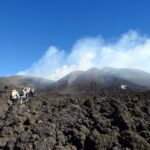
This is where the trek begins properly, after the group reaches roughly 2,900 meters. Expect volcanic ground underfoot, plus changes in footing that make trekking poles feel useful even if they’re not mentioned. The terrain is part of the point: you’re heading into the wilder, less typical Etna side, not following a single paved path.
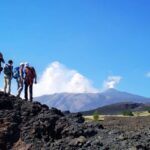
This is also where the views start to matter. If the weather clears, the group can look out over north and east Sicily, with the Aeolian Islands and the coast showing up when skies cooperate. You’ll feel why people call Etna Europe’s most active giant.
Stop 5: Cratere Centrale dell’Etna visit (about 1 hour)
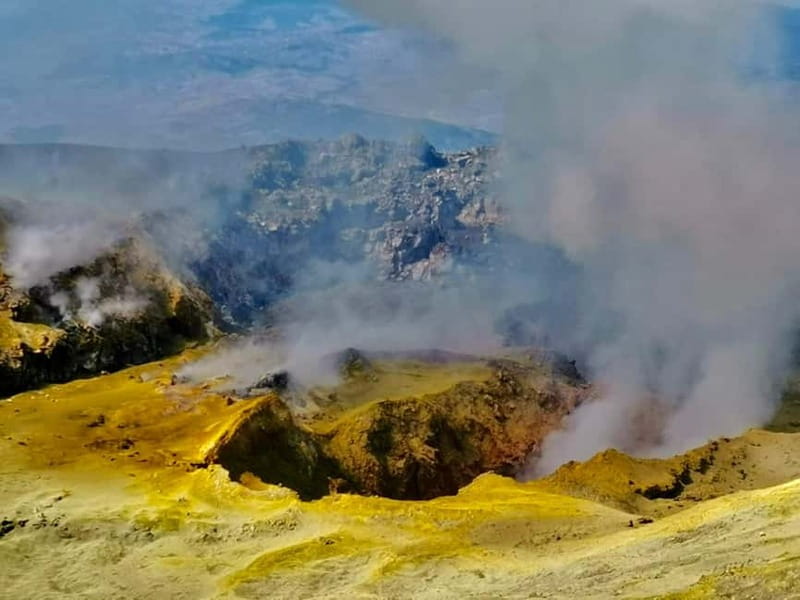
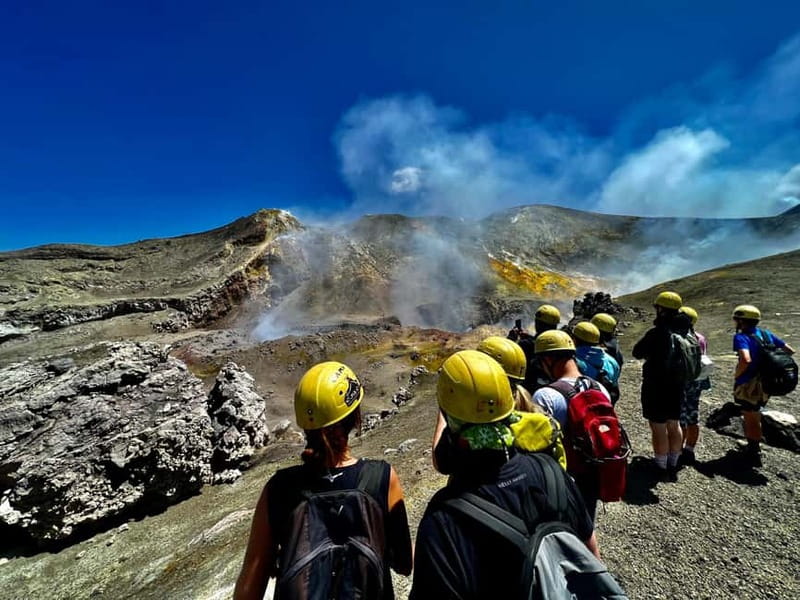
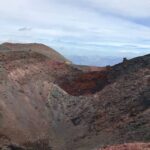
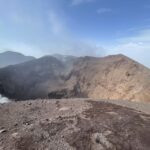
Here, the day turns “summit.” The group visits the Cratere Centrale dell’Etna with guided walking and time for scenic views along the way. This is the part you’ll remember because it’s not just looking at a volcano from a distance, it’s being close to the crater environment.
Guides also spend time explaining volcanology and what the terrain tells you. Luca is singled out in multiple accounts for being communicative and safety-minded, and that fits the reality of this stop: you’re in an active area, so staying with the group is the whole game.
Stop 6: Break time and picnic (about 1.5 hours)
You’ll get a break plus time for a picnic. Food and drinks are not included, so bring what you need. This stop is where you catch your breath, warm up if it’s cold, and take in the full summit area view before the descent.
This break matters because Etna can go from comfortable to windy fast. When the wind hits at altitude, your best strategy is to keep moving gently, then pause smartly.
Stop 7: Valle del Bove hiking (about 30 minutes)
After crater time, you’ll move toward the Valle del Bove area. The hike here is shorter, but it helps break up the day so you’re not only climbing and staring into one direction. It’s also the setup for the kind of dramatic “big valley” perspective people love about Etna’s north side.
Stop 8: Off-road adventure (about 20 minutes)
The final off-road ride brings you back to the starting point at Piano Provenzana and then to the meeting shop area. Think of it as the cooldown, not the main event.
The descent: sand gullies, Pizzi Deneri, and why the route matters
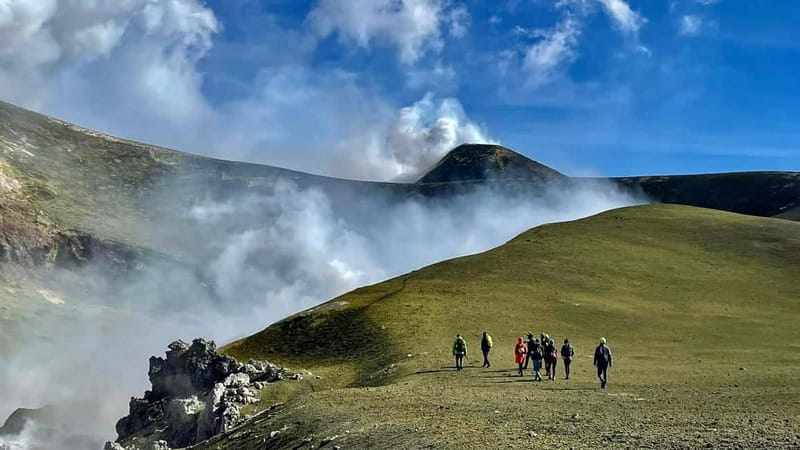
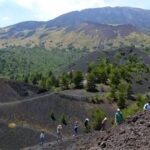
One of the most interesting parts of this day is the way you come back down. Instead of a simple return, the descent goes through sand gullies that lead toward the Pizzi Deneri area.
Pizzi Deneri is a key viewpoint because it gives you a majestic view over the Valle del Bove. Even if you think you’ve seen the best part at the summit craters, this viewpoint often lands as the “wait, wow” moment. It widens the whole picture of Etna and how the landscape was shaped.
Practically, sand gullies can be loose underfoot. Your guide’s job here is keeping the group in a safe rhythm. If wind is strong, balance takes more effort, so wear the sturdy hiking shoes you bring (they’ll provide boots, but still stick with footwear you trust).
Weather and volcanic activity: why your exact summit may change
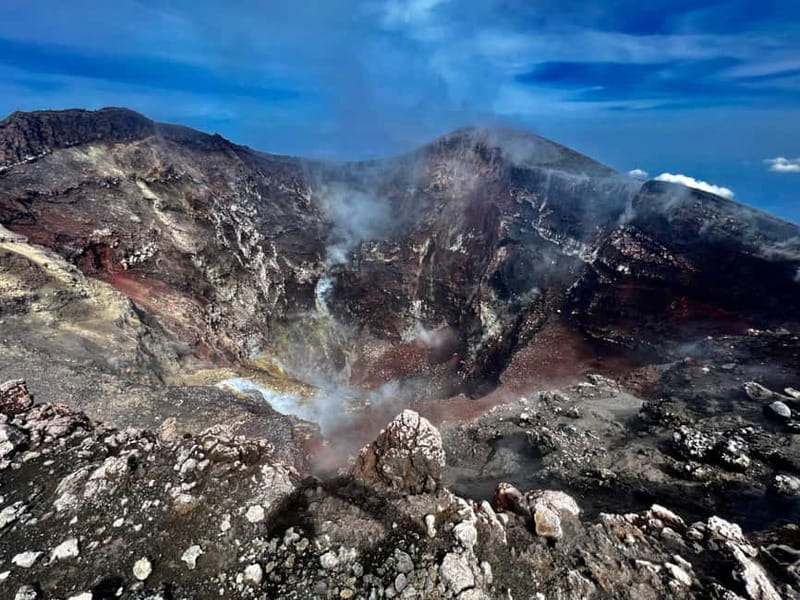
Etna is active, so this tour explicitly notes that the itinerary can be modified depending on volcanic activity and meteo conditions. That’s not a loophole, it’s the core reality of trekking on a live volcano.
Translation for you: if conditions are different that day, expect adjustments to how close you get, where the group spends more time, or how the route connects viewpoints. The good news is the structure is still the same: staged hike, crater area time when possible, then a return route that brings you back safely.
This also answers a question people often worry about. A volcano day can be variable, but you’re not on your own. The guiding is built for change.
What’s included, what costs extra, and what you actually need to pack
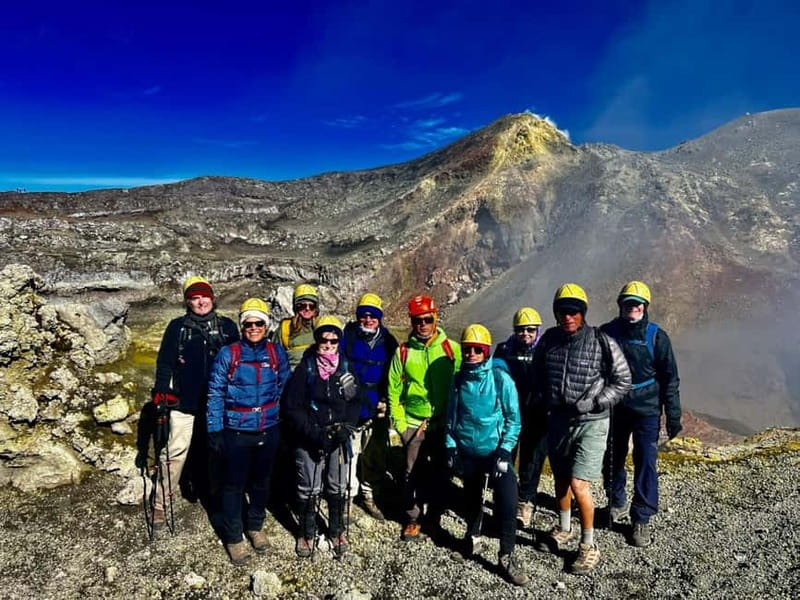
This tour includes a lot that makes it easier to show up prepared:
- Etna summit tour with a volcanological or alpine guide
- Hiking boots, jacket, helmet
- Insurance
- Safety equipment support via guide and team
Not included:
- Food and drinks (you’ll want to bring enough for the breaks)
- Unimog 4×4 round trip ticket (50 EUR per person, paid in cash on the spot)
- Hotel pickup
Because boots, jacket, and helmet are included, you can travel with less bulky gear. Still, don’t show up underprepared. Bring:
- Sunglasses and sun hat
- Daypack
- Hiking shoes
- Weather-appropriate clothing
- Cash
One more thing: alcohol and drugs are not allowed, which is exactly what you want for a cold, windy, technical environment.
Guide style on Etna: why the best days feel organized
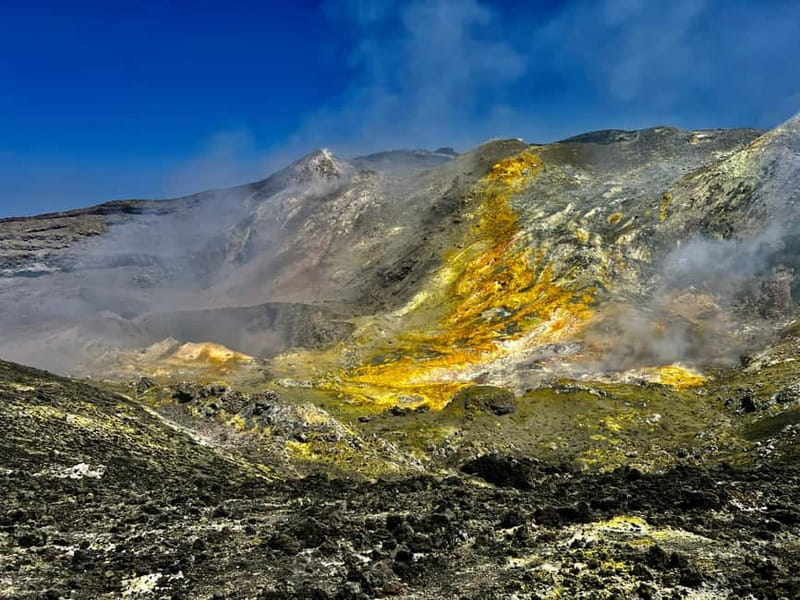
The most praised element across accounts is how the guides run the day. Luca Cosma is repeatedly linked with humor, communication, and safety attention. The team also checks on people’s well-being, adjusts pace when needed, and keeps explanations going so the hike feels like more than just exercise.
This matters on Etna because you’re in a special setting. When you understand what you’re looking at, even windy weather feels less annoying and more meaningful. And when the plan changes due to conditions, a good guide makes it feel like a smart decision instead of a disappointment.
Who this Mount Etna summit trek is for, and who should skip it
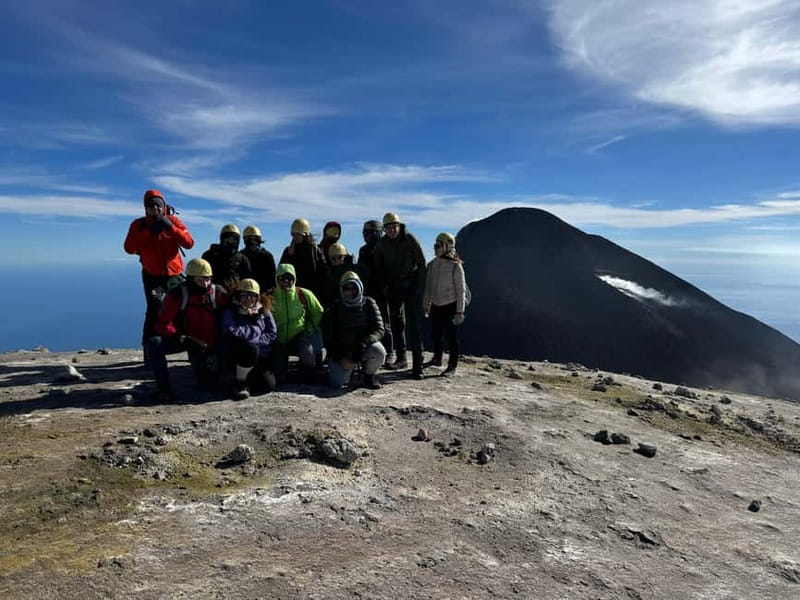
This isn’t a casual stroll. It’s trekking on volcanic terrain at high altitude, with time near summit craters.
It’s a great fit if you:
- Want an active volcano experience with a real guide
- Like off-road access and varied terrain
- Prefer small-group hiking over big bus tours
- Want views of Sicily, the Aeolian Islands, and the coast from high altitude
It’s not suitable for:
- Pregnant women
- People with heart problems
- People with low level of fitness
- People with respiratory issues
If you’re unsure, the safest approach is to honestly assess your endurance for a steep, sometimes windy hike at altitude, plus the possibility of route changes.
Price and value: $62.63 plus the on-spot 50 EUR ticket
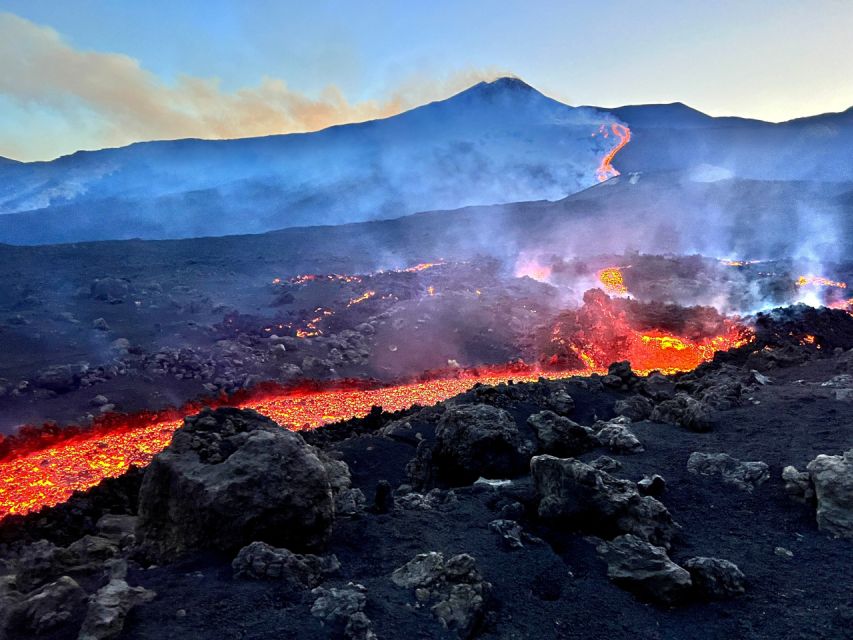
The listed price is $62.63 per person, and that includes guiding, insurance, and key gear like helmet, jacket, and hiking boots. That’s good value if you’d otherwise have to rent gear or pay for separate guiding.
But you should budget the extra Unimog ticket: 50 EUR per person paid in cash on the spot. So the real total is closer to the tour price plus that add-on.
When is it worth it? If you want a guided summit experience on Etna’s north side with small-group attention, plus access that gets you near the start altitude quickly. If you’re mainly trying to save money and can handle your own route, a self-guided plan might look cheaper. But then you’d be giving up the safety checks, equipment support, and crater-area guiding that makes this day work.
Should you book the Etna Summit Trekking Tour?
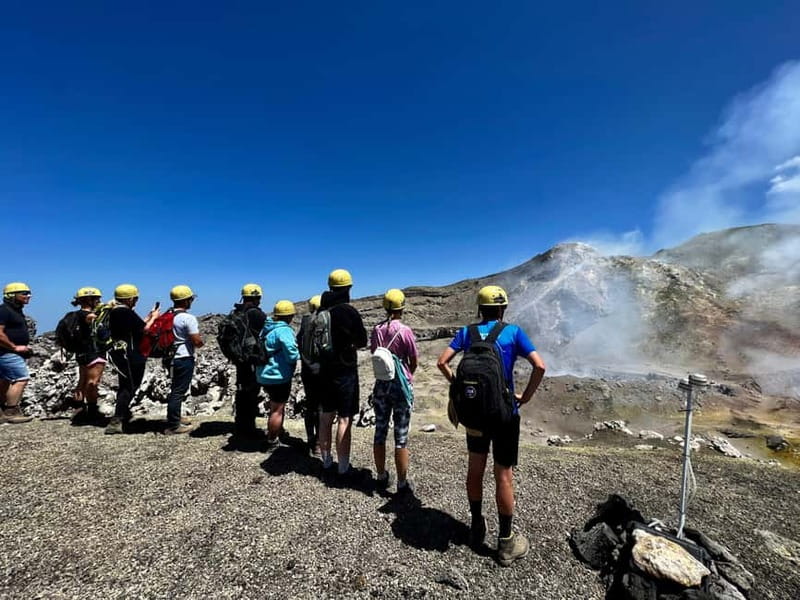
Book it if you want the real Etna experience: guided crater walking, volcanic terrain, and wide-ranging views, with a team that runs a tight safety-first day. The small group size and included gear help the whole outing feel less complicated than you might expect for a summit hike.
Skip it if you know you’ll struggle with altitude, steep uneven ground, or windy cold conditions. Also skip it if you need a fixed, guaranteed route regardless of weather and volcanic activity, because Etna’s rules can change what you do that day.
If you’re flexible, fit enough, and excited by the idea of getting close to active craters on a less-traveled side of Etna, this is exactly the kind of half-day adventure that adds a memorable chapter to a Sicily trip.
FAQ
Where do I meet for the Mount Etna summit trekking tour?
You meet at the Sole-neve Souvenirs shop, right at the meeting point. Parking is available at the start location.
How long is the tour and where do you end?
The activity is listed at 4.5 hours. It ends back at the meeting point.
What language is the guide available in?
The live tour guide is available in English, Italian, and French.
What is included in the price?
The tour includes the Etna summit tour, hiking boots, a jacket, a helmet, a volcanological or alpine guide, and insurance.
Do I need to bring food and drinks?
Food and drinks are not included. The day includes a break time and picnic, so bring what you plan to eat and drink.
Is the 4×4 transport fully included in the tour price?
An Unimog 4×4 round trip ticket is not included. It is listed as 50 EUR per person, paid in cash on the spot.
More Hiking & Trekking Tours in Mount Etna
More Tours in Mount Etna
More Tour Reviews in Mount Etna
Not for you? Here's more nearby things to do in Mount Etna we have reviewed
Mount Etna Volcano Tours, compared.
 ★ 4.8Catania: Mount Etna Morning or Sunset Day Trip with TastingFrom $704,028 reviews
 ★ 4.7Mount Etna: Guided Volcano Summit Hiking Tour with Cable CarFrom $1243,784 reviews
 ★ 4.8Catania: Sunset Jeep Tour of Mount Etna and Lava Flow CavesFrom $712,113 reviews
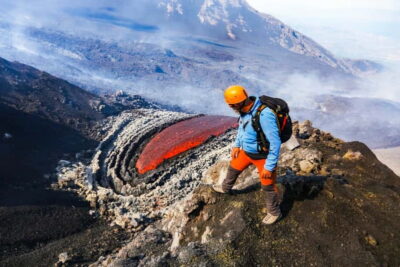 ★ 4.7Mount Etna: Trek to 3000m with cable car and jeepFrom $621,978 reviews
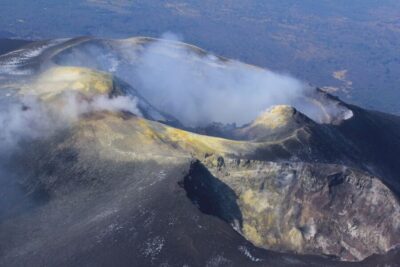 ★ 4.8Mount Etna: Summit Crater Trek with Cable CarFrom $771,875 reviews
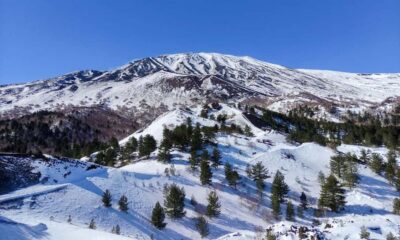 ★ 4.8Etna and Alcantara Gorges Full-Day Tour with LunchFrom $1051,766 reviews
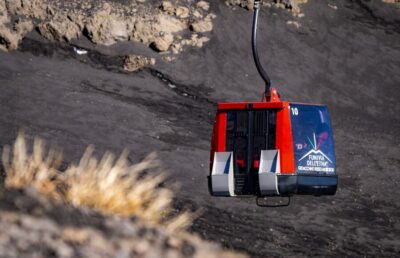 ★ 4.3Mount Etna: Roundtrip Cable Car and 4×4 Bus TicketFrom $971,602 reviews
 ★ 4.7Etna Volcano: South Side Guided Summit HikeFrom $671,545 reviews
Browse the lists this tour appears in