
Reviewed · MOUNT ETNA VOLCANO TOURS
ETNA VOLCANO: Excursion to the Craters of 2002
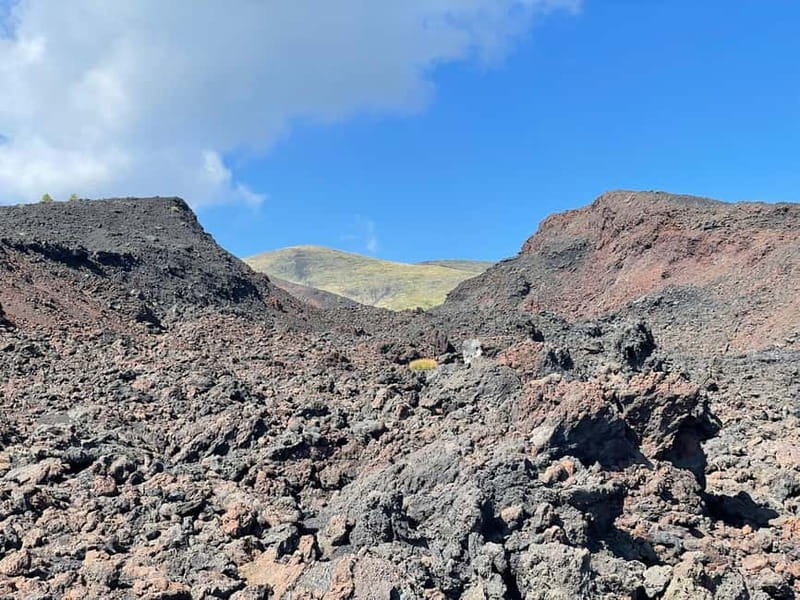
Etna does not do subtle. This short hike gets you walking right through the 2002 lava world and then up to the inactive craters for big Ionian-coast views. What makes it especially interesting is the mix of raw geology, like lava channels and crater edges, with quieter “Etna in recovery” moments, like the birch forest along the way.
I especially love how the volcanological guide turns the scenery into a story you can read with your own eyes, not just hear. I also like that the route is focused and realistic for a 2-hour experience, with a bit of incline but a trail that can work for many people. One thing to consider is that it does require solid physical prep, and it is not suitable if you have heart or respiratory issues.
Key highlights you will feel on this hike
- Walk the 2002 lava flow that reshaped the area around Piano Provenzana
- See the remains of Le Betulle, an old hotel destroyed by the eruption
- Step into Etna birch forest, where nature moves back into the volcanic aftermath
- Climb up via a lava channel, wide enough to notice the scale on foot
- Reach the edge of the last four inactive 2002 craters for photos and views
- Look out toward Giardini Naxos and Taormina, plus the Calabria tip on clear days
Starting at Piano Provenzana: the Etna north-side mood
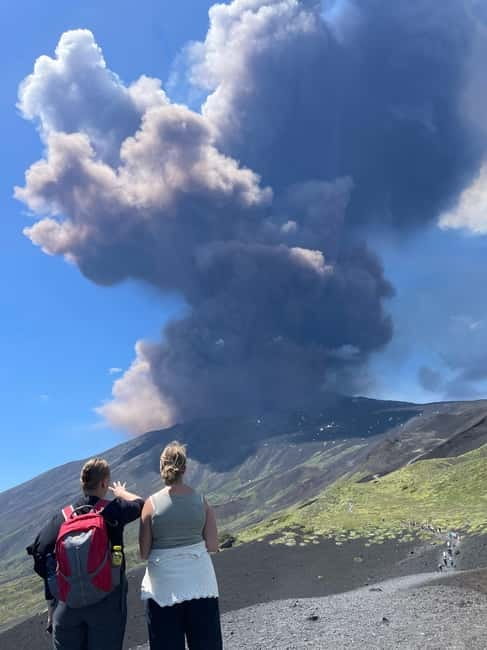
Your excursion starts on Etna’s north side, with the meeting point in front of Chiosco bar Etna Nord. From there, you’ll get oriented and then move to the Piano Provenzana area, where you’ll get a short briefing on what you’re going to see. It’s helpful because this kind of terrain rewards attention, not speed.
Right away, you’re in the volcanic setting. Even before you reach the craters, you’ll be walking and looking for the clues Etna leaves behind, lava textures underfoot and the way water and wind would have room to work later. This is a tour built around observation, not just sightseeing.
The timing is also practical. Expect a couple of short transfer segments during the 2-hour plan, plus photo stops and a main walk segment. That makes the day feel more like guided fieldwork than a long endurance trek.
You can also read our reviews of more tours and experiences in Catania.
The 2002 lava flow section: geology you can walk on
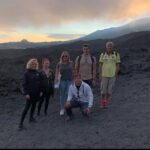
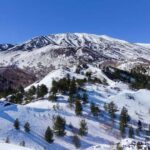
The route begins with a walk on the 2002 lava flow, the one that destroyed the square in this area. That detail matters because it turns the landscape into a timeline. You’re not looking at a “volcano exhibit.” You’re crossing the actual aftermath of an eruption that happened within living memory.
After a few hundred meters, you’ll see remains of an old hotel called Le Betulle, destroyed by the eruption. Even if you are not a history person, this stop lands, because it shows how quickly everyday life can be interrupted. The guide’s job here is key. You’ll want them to explain what you are seeing and why the terrain looks the way it does.
If you like learning from your feet, this is the best part of the tour. You’ll notice how lava solidifies, how the ground can be uneven, and how the trail guides you through it. Just remember, wear shoes you do not mind getting dirty, because this is not a clean-stone kind of walk.
Photo stop logic: quick views, then you keep moving
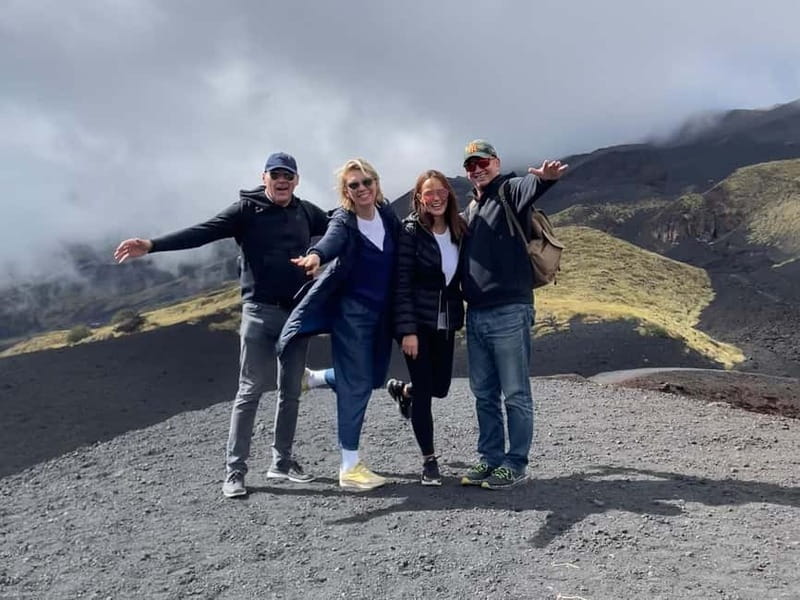
There’s at least one early viewpoint stop where the plan includes photo time plus a brief guided moment. This is not a long “stand and stare” break. It’s more like a calibration moment, helping you get your bearings so the later crater views make more sense.
Then there’s a longer transfer segment built into the schedule. In tours like this, transfers can sound like filler, but here they do something useful: they position you for the next step of the walk and keep the climbing in manageable chunks for a 2-hour format. You still end up with a real walking experience, not just a bus tour.
If you get motion sick easily, bring what usually works for you, and keep water handy. The plan includes multiple segments, so it helps to stay comfortable.
Etna birch forest: the calm break with real meaning
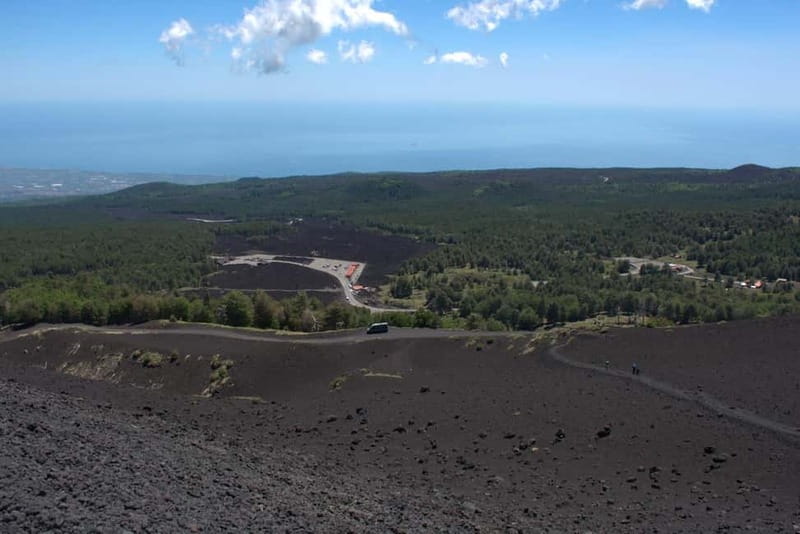
One of the most memorable parts is the walk through a magnificent forest of birch trees on Etna. You might expect volcano tours to feel harsh the whole time, but this section changes the tone quickly. The ground and air feel different once you’re among trees, even if you are still in volcanic territory.
This is also where the tour becomes more than a crater checklist. Walking through birch forest after lava is a visual lesson about recovery and survival. You can see how plant life finds a way to come back, even in places made difficult by eruption and lava flows.
For me, the value is not just the scenery. It’s how the guide can help you connect what you see in the forest with what you saw in the lava. When a volcanological explanation ties the story together, the whole walk feels like one continuous argument: nature reshapes the aftermath, bit by bit.
Bring your camera here. The contrast between volcanic ground and birch trunks gives you photos with story, not just pretty trees.
Lava channel climb: where the terrain tells its story
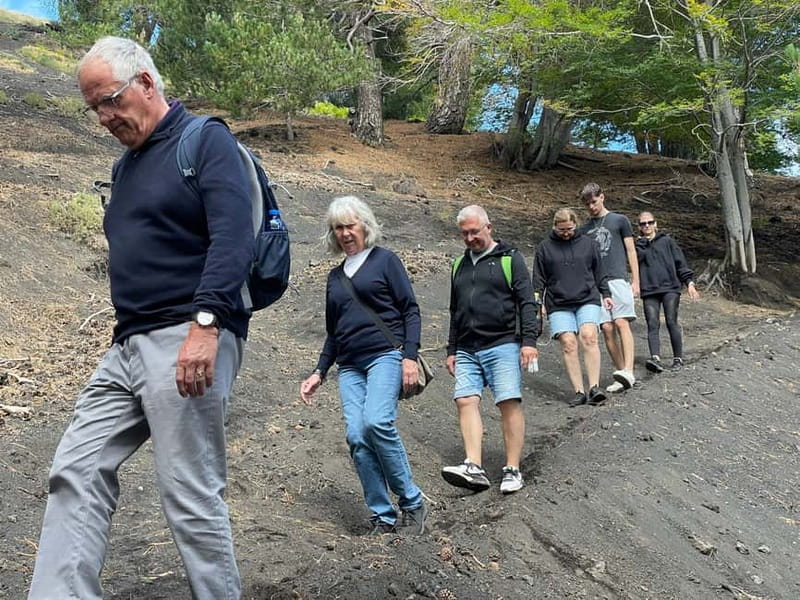
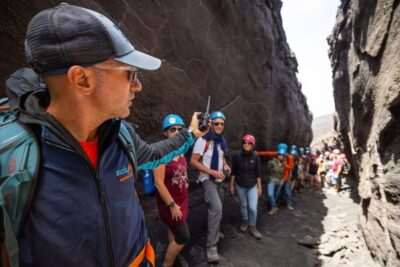
From the birch forest, the route continues into a climb passing through a lava channel a few dozen meters wide. That size matters. It’s large enough that you can actually grasp scale by walking alongside it, rather than just looking from a distance.
This is the moment where the tour earns its name. You’re not only going to crater edges. You are walking through the pathways lava used, the kind of features that help explain how flows move. The guide’s volcanology background is especially valuable here because it gives you a framework for what you’re seeing.
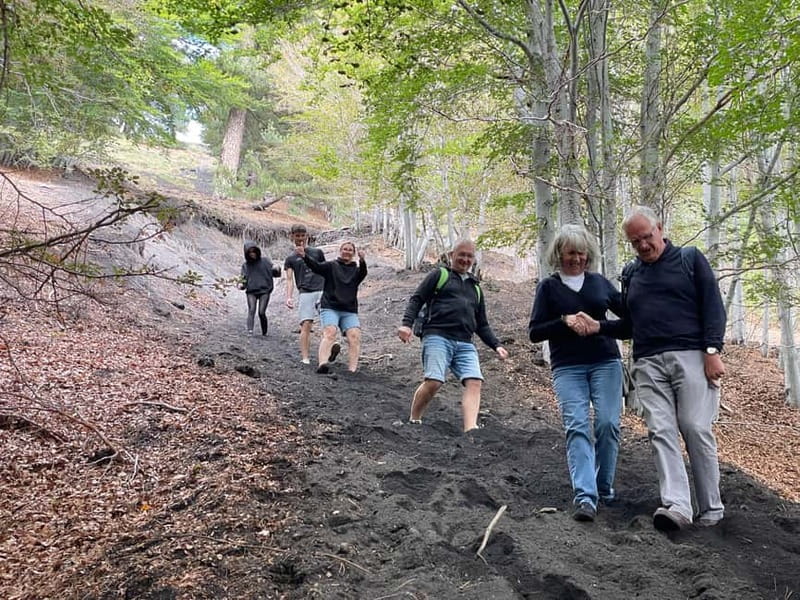
Plan for a bit of uphill effort. The walk is described as requiring fair physical preparation. At the same time, feedback from the experience points to a slight incline that can be suitable for many people. Translation: it’s not a hardcore summit, but you still need stable footing and enough stamina for sustained walking.
If you feel your breathing getting hard, slow down immediately and take your time. This is one of those tours where pacing is part of enjoying it.


The last four inactive 2002 craters: your main viewpoint moment
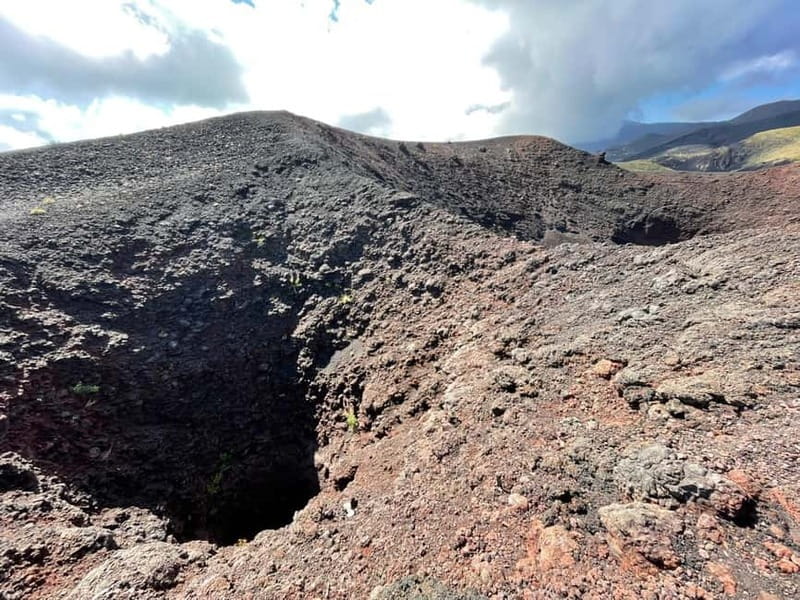
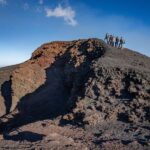
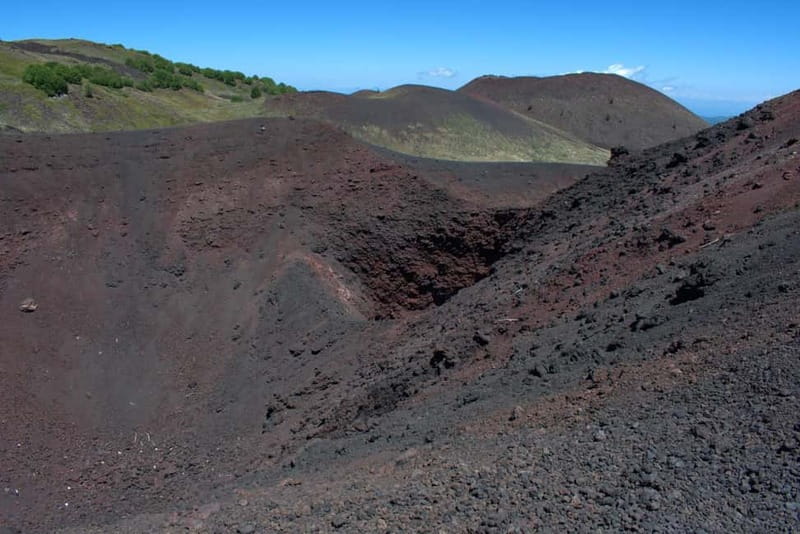
Once you reach the crater area, you’ll climb to the edge of the last four majestic inactive craters from 2002. This is your big payoff segment: photos, guided explanations, and the kind of stillness that makes it easier to look closely at the terrain.
Because they are described as inactive, the focus stays on observation. You’re looking at crater forms and using the guide’s explanation to connect what shaped them to what you walked through earlier, lava flows and the channel routes.
Take your time with this part. The plan includes photo time and guided tour moments here. Don’t rush, because the best crater photos come when you pause long enough to find a line of sight and then adjust for wind and light.
This is also where the views become a second storyline.
Ionian coast panorama: Giardini Naxos, Taormina, Calabria tip
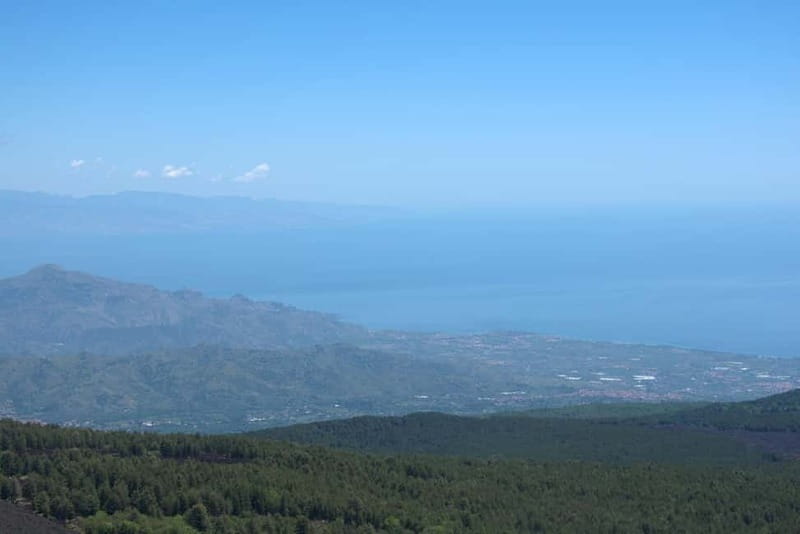
From the crater edge, you’ll admire views across the Ionian coast, including Giardini Naxos and Taormina. On clear days, you can also see the tip of Italy toward Calabria.
This is one reason I like this excursion even for people who are not hardcore hikers. You get a geology lesson and then you get the map feeling, where you can look out and understand where you are. The crater edge becomes a natural viewing platform, and the guide’s commentary helps you connect the distant landmarks to the terrain below.
If weather is hazy, you may still get good understanding of the shape and drop-offs around the crater area, but the long-distance views could be less crisp. Pack for comfort, not just for sun, because Etna conditions can change.
Timing and pacing: what the 2 hours really feel like
This excursion runs about 2 hours. The schedule includes transfers, photo stops, and a break segment that includes additional photo time and guided tour moments. That matters because the walk itself is the core experience, but you won’t be moving nonstop.
One practical takeaway: wear closed-toe shoes and expect uneven ground at least some of the time. Long pants are recommended, and a jacket can help, especially if you start in cooler conditions or find wind on the crater edge.
In terms of effort, think moderate. It is not described as a gentle stroll, but it is also not presented as a demanding mountaineering outing. If you are fit enough to walk uphill with short pauses, you’ll likely be fine.
What to bring (and what to skip) so you can enjoy the climb
You’ll have the best experience if you plan like you’re walking in volcanic terrain, not a city park. Bring:
- At least 1 liter of water per person
- Snacks
- Sunglasses and sunscreen
- Sun hat
- Camera
- Closed-toe shoes
- Long pants and a jacket
- Clothes that can get dirty, plus a change of clothes
A few items are explicitly not allowed, including swimwear and alcohol and drugs, and you should not wear costumes. Also, shoes indoors are not allowed, which likely applies to any brief stop inside a facility, but either way, stick to proper footwear.
For comfort, I’d also suggest bringing something easy to layer. Even within a 2-hour window, Etna’s conditions can shift between shaded forest and exposed crater views.
Price and value: $39.86 for a guide-led geology walk
At $39.86 per person for roughly 2 hours, this can be a strong value if you care about understanding what you’re seeing. You’re not just paying for views. The included volcanological guide and walking tour format turns the hike into an educational field walk.
The guide component is the difference-maker. A lava flow and crater edge are impressive on their own, but the practical value comes when someone explains the why behind the visible details. The experience includes a short briefing and repeated guided moments, so you get continuity instead of one explanation and then free roaming.
You also get a “high signal” route. You visit multiple key features in a short time: 2002 lava flow, the Le Betulle remains, birch forest, a lava channel, and the inactive crater edge. For many travelers, that makes the price feel fair because it uses your limited time on Etna efficiently.
Who should book this Etna craters excursion?
This is a great fit if you want a short, guided walk that mixes geology with nature. If you like the idea of seeing lava channels up close and then getting panoramic views, you’ll enjoy the structure.
It’s also a good choice if you want a friendly guide and clear explanations. The positive feedback you’ll find about the tour centers on how helpful the guide is, and that matters. On volcanic terrain, good guidance helps you stay safe, move confidently, and appreciate details you might otherwise miss.
That said, it is not suitable for people with heart problems or respiratory issues. It’s also not suitable for people over 287 lbs (130 kg), people over 70, and those who have altitude sickness concerns, pre-existing medical conditions, or recent surgeries. If any of those apply, choose a gentler option or ask for a different Etna experience.
Should you book this tour?
If your ideal Etna day includes hands-on walking, crater-edge viewpoints, and a guide who explains the story behind the ground, I think you should book it. This isn’t a long day, but it uses its time well, giving you the chance to walk through lava aftermath and then look out over places like Giardini Naxos and Taormina.
If you get winded easily, prefer very flat routes, or you’re worried about inclines, take that seriously. Even when a trail feels manageable, the tour still asks for physical preparation. I’d also book only if you can commit to closed-toe shoes, long pants, and enough water.
One last tip: plan your day so you can arrive calmly. On Etna, you’ll enjoy this more when you are not rushed, because the best moments are the ones where you stop, look, and let the guide connect what you see to what happened in 2002.
FAQ
How long is the Etna volcano excursion to the Craters of 2002?
The tour lasts about 2 hours.
Where does the tour start and end?
It starts in front of Chiosco bar Etna Nord and ends back at the same meeting point.
What is included in the price?
The tour includes a volcanological guide and a walking tour.
What languages are spoken on the tour?
The live guide speaks Italian and English.
What should I bring for this hike?
Bring sunglasses, sun hat, change of clothes, camera, food and drinks, sunscreen, a jacket, clothes that can get dirty, and closed-toe shoes. You should also bring at least 1 liter of water per person and snacks.
Are there items that are not allowed?
Swimwear, alcohol and drugs, and wearing a costume are not allowed.
Is this tour easy for everyone?
It requires fair physical preparation and has some incline. Closed shoes are mandatory and long pants are recommended.
Can I cancel for a full refund?
Yes, you can cancel up to 24 hours in advance for a full refund.
If you tell me your travel dates and fitness level, I can help you decide whether the 2-hour format matches your pace and whether to add a second Etna stop on the same day.
More Tours in Catania
More Tour Reviews in Catania
Not for you? Here's more nearby things to do in Catania we have reviewed

Mount Etna Volcano Tours, compared.
 ★ 4.8Catania: Mount Etna Morning or Sunset Day Trip with TastingFrom $704,028 reviews
 ★ 4.7Mount Etna: Guided Volcano Summit Hiking Tour with Cable CarFrom $1243,784 reviews
 ★ 4.8Catania: Sunset Jeep Tour of Mount Etna and Lava Flow CavesFrom $712,113 reviews
 ★ 4.7Mount Etna: Trek to 3000m with cable car and jeepFrom $621,978 reviews
 ★ 4.8Mount Etna: Summit Crater Trek with Cable CarFrom $771,875 reviews
 ★ 4.8Etna and Alcantara Gorges Full-Day Tour with LunchFrom $1051,766 reviews
 ★ 4.3Mount Etna: Roundtrip Cable Car and 4×4 Bus TicketFrom $971,602 reviews
 ★ 4.7Etna Volcano: South Side Guided Summit HikeFrom $671,545 reviews