
Reviewed · CATANIA CITY & FISH MARKET TOURS
From Naxos: Syracuse, Noto, and Catania Baroque Tour
Sicily, compressed into one perfect day. This tour strings together Syracuse archaeology and Noto baroque so you get two very different sides of eastern Sicily without the hassle of driving between sites yourself. I like that it is built around real places you can walk, look up at, and actually understand, with a live English or Spanish guide along the way.
The biggest watch-out is the mix of guided stops and self-paced city time. In practice, you will get a smart plan from your guide and then some time to explore on your own, which is great if you like freedom but less ideal if you want wall-to-wall narration for every step.
Key highlights and what they mean for you
- Neapolis in Syracuse: Greek Theatre, the Ear of Dionysius, and the Latomie give you context for what you are looking at.
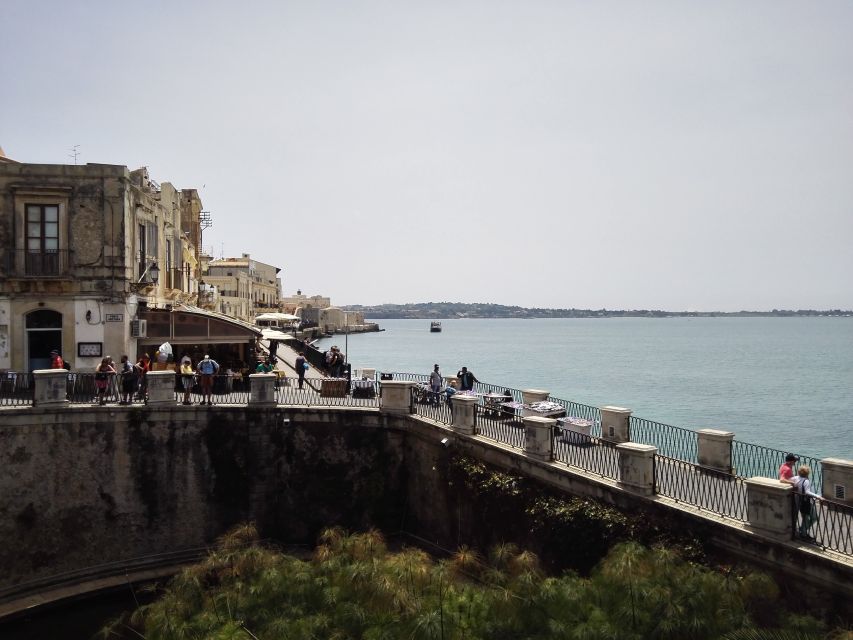
- Ortigia on foot: temple views, Duomo Square, and the Aretusa fountain make the walking part feel meaningful, not random.
- Noto’s dramatic baroque landmarks: Porta Reale and the Church of St. Francesco help you see the town’s design logic.
- A structured day across 3 towns plus Catania: you get a lot of variety in one 8-hour window.
- Private group up to 6: small group pacing usually means easier questions and a smoother day.
- Guides like Fabio and Ignazio set expectations early: the best version of this tour comes from a guide who tells you what to look for before you set off.
Why This Syracuse, Ortigia, Noto, and Catania Route Feels Worth It
If your Sicily plan has you based on the coast, this day tour is a practical way to see the major hits of eastern Sicily without building a logistics puzzle. You get round-trip pickup from Catania, Taormina, and Giardini Naxos, then you spend the day moving between iconic city centers and viewpoints.
What I like most is the way the route balances different kinds of beauty. You start with ancient ruins in Syracuse, then you shift to the island feel of Ortigia, then the soft gold drama of Noto baroque, and finally the city energy of Catania around Via Etnea and Santa Agata. It is a nice arc, not a list of disconnected stops.
The “private group” part matters too. This is priced per group up to 6, so you are not stuck in a huge crowd where your questions get lost and your walking speed becomes the guide’s problem.
Syracuse Neapolis: Greek Theatre, Ear of Dionysius, and Latomie
Syracuse is where the day earns its historical weight. The tour begins in the Neapolis area, the famous zone of ancient ruins that still shows how power and belief shaped the city.
You will focus on three highlights that each “explain” a different piece of Syracuse:
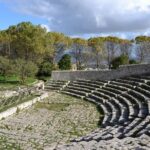
- The Greek Theatre: this is where you can grasp scale fast. Stand where the audience would have been and you start to understand why this space was so important.
- The Ear of Dionysius: it is one of those sites where a small detail becomes the story. Even if you have seen photos before, being there helps the acoustics and purpose make more sense.
- The Latomie: these quarry caverns and stonework areas help connect the city’s architecture to the landscape and to how people lived, worked, and repurposed spaces.
One reason this opening works is that you build momentum. After Neapolis, you are not starting cold in a new town. You already have the ancient Syracuse framework in your head, so Ortigia reads like a continuation rather than a totally separate day.
You can also read our reviews of more tours and experiences in Catania.



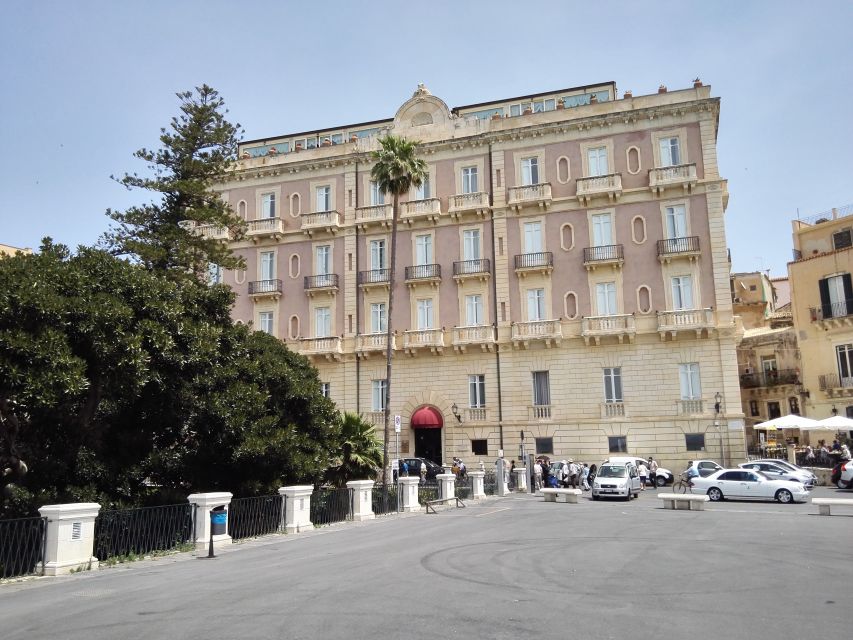
Ortigia Island Stroll: Apollo Temple, Duomo Square, and Aretusa
Ortigia is the part of the itinerary that tends to feel fun, even though you are still looking at heavy cultural layers. This is where the tour becomes more of a walking experience, with stops spaced so you can shift from ruins to viewpoints to cathedral squares.
You get a set of classic Ortigia anchors:
- The Temple of Apollo: you will see the structure and its setting, which helps you connect ancient religion to today’s streets.
- Duomo Square and the Cathedral of Saint Mary of the Immaculate Conception: the square gives you a sense of civic life, and the cathedral area is a big visual contrast to the ancient stone around it.
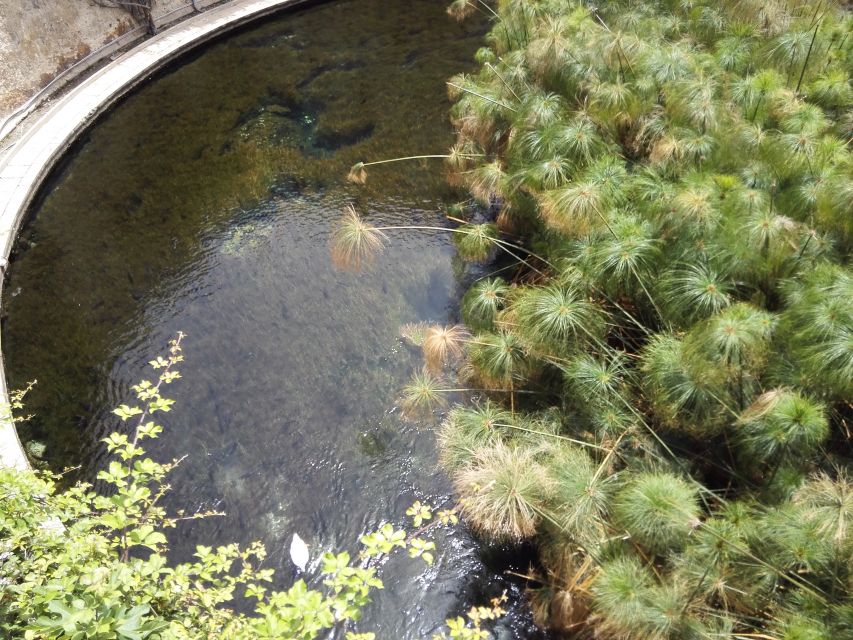
- Aretusa fountain: it is a simple stop, but it is one of those moments where Ortigia’s identity becomes easy to grasp. You can look, pause, and just take in the island atmosphere.
This section also benefits from what your guide does between stops. In the best versions of the day, guides like Fabio or Ignazio set you up with a short map of what matters so you are not just walking and hoping. You get told what to look for, where the best angles are, and how to connect what you are seeing to the story of the place.
Practical tip: plan for uneven walking on older streets. You do not need to overthink it, but comfortable shoes make the difference between a pleasant stroll and a day where your feet start complaining.
Noto’s Porta Reale, St. Francesco Steps, and Cathedral Power
Noto is where eastern Sicily shows off its baroque personality at full volume. The tour’s Noto segment is designed to help you understand baroque as more than decoration. Think of it as architecture with choreography: entrances, stairways, and facades that guide your eyes and your path.
You will start at Porta Reale, the grand entry that sets the tone. From there, the tour highlights the town’s baroque structure through key stops:
- Church of St. Francesco and its famous staircase: this is the kind of stop where you notice details once you know what you are looking for. It is also one of those spots where photos do not fully explain what feels dramatic in person.
- Palazzo Ducenzio: the civic side of Noto shows up here, reminding you that this was built for governance and public life, not only church worship.
- The Cathedral: as you move through the center, the cathedral helps tie the whole town aesthetic together into one focal point.
Noto is also a UNESCO-listed highlight in this part of Sicily. For you, that matters because it is one of those places where preservation and cultural identity are part of the experience. You are not just seeing pretty buildings, you are seeing a city planned to express power, faith, and prestige.
Practical tip: if you are sensitive to heat, Noto can feel sun-forward because it is a town you explore on foot. Go a little slower than you think you need to, and take breaks when you find shade.
Catania on Via Etnea: Baroque City Center and Santa Agata
Catania closes the loop by bringing you back to modern city life, but with that signature Sicilian baroque scale. After ancient Syracuse and baroque Noto, Catania can feel like a bigger canvas where the style keeps going.
The tour includes a panoramic tour of Catania and focuses on:
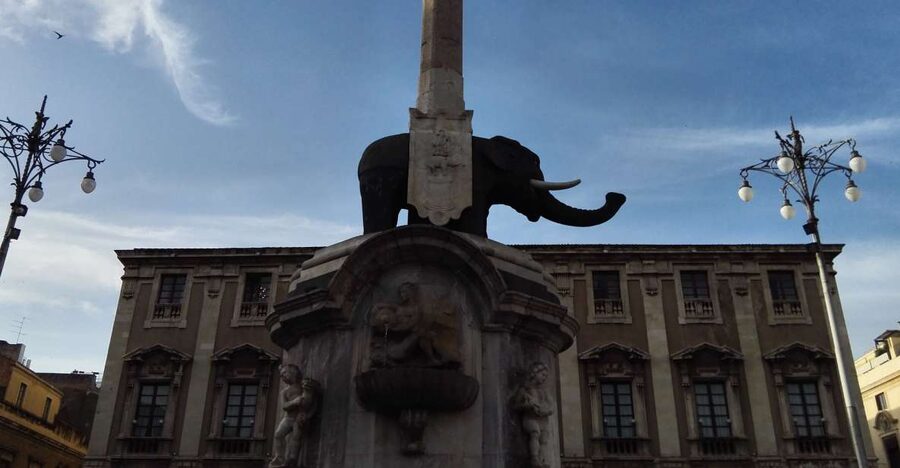
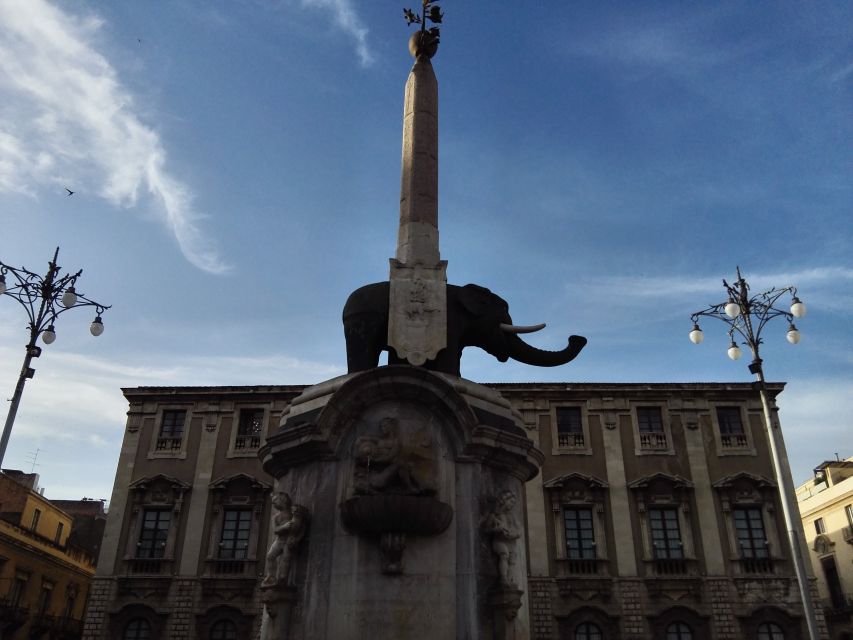
- Via Etnea: this is the street you use as your “spine” to understand the city. Even when you are just passing by, the arrangement of buildings helps you see how Catania grew into its present look.
- Baroque buildings in the city center: the point here is variety. You are not looking at one monument, you are seeing how baroque shows up across everyday streetscapes.
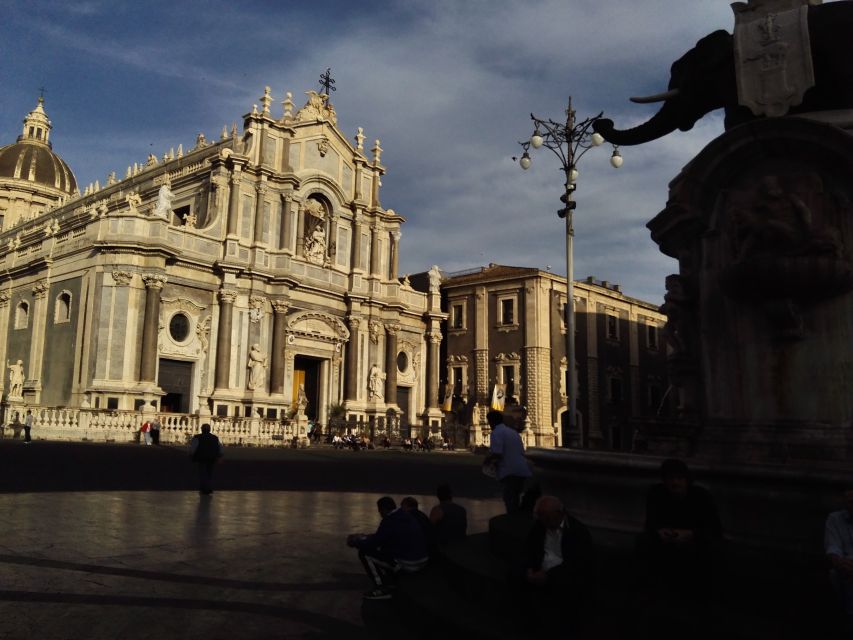
- Santa Agata Cathedral: the finale gives the day a clear visual endpoint, especially because the cathedral is a major anchor in the city.
If your goal is to leave Sicily with a strong mental gallery, the Catania segment helps you round it out. Without this portion, the day would feel like three set-piece towns. With it, you also understand what the region looks and feels like as an active destination.
How the Private Group Format Changes Your Day
This tour is a private group up to 6, and that affects more than comfort. Small groups usually mean the guide can adjust explanations on the fly, answer questions while you are standing at a viewpoint, and keep the day from turning into a hurry-up-and-hope schedule.
Price is listed as $677.54 per group up to 6. That is often where the real value question lives. If you travel as two or three, the per-person cost can be higher than a big group tour, but you also gain flexibility, faster back-and-forth with your guide, and less time lost to crowd management.
If you travel with family or friends, it can be a strong deal. With up to 6 people, you are effectively splitting transportation and guide time among a small unit, which makes this type of multi-city itinerary feel more reasonable.
Also, you have live guide support in English and Spanish, so you can match the tour to your language comfort. That matters when you are trying to make sense of ancient sites like the Ear of Dionysius or civic buildings like Palazzo Ducenzio.





Timing and Pace: What 8 Hours Really Means
The tour is listed as 8 hours, but start times can vary, so you need to check availability for your date. In practical terms, an 8-hour schedule across four distinct areas means you will not be able to slow down the way you might on a self-guided day.
A useful way to think about it: you get “anchor guided stops” plus “exploration windows.” That matches how the day is often run. You will have time to walk through places like Ortigia and Noto rather than being trapped in constant listening mode, and your guide should help you focus that independent time.
One consideration: if you want a lot of deep lecturing at every stop, this may feel like less guided coverage than you expect. The upside is you get to see more, and you can spend your free minutes where your interests are strongest.
Who This Tour Suits Best in Eastern Sicily
This is a good fit if you want variety without heavy planning. You love history and art, but you also want scenic city walking and baroque architecture that you can enjoy with your camera.
It is especially well suited for:
- People who are based in Catania, Taormina, or Giardini Naxos and want round-trip convenience.
- Travelers who like structured guidance but still want personal space to explore.
- Small groups who can share the group price and benefit from a more tailored day.
If you are traveling solo and your main goal is only one place, like Syracuse alone, you might feel tempted to do a smaller-focused option. But if your time is limited and you want the “greatest hits” of eastern Sicily, this route is designed for that.
Value for Money: Balancing Guide Time, Stops, and Transport
With multi-city tours, you are paying for three things: expert guidance, transportation between cities, and time efficiency. At $677.54 per group up to 6, this price tends to make sense when you compare it to the alternative.
If you had to rent a car or arrange multiple transfers and timed tickets on your own, the day can get complicated quickly, especially when you are moving between cities and trying to match sightseeing with travel time. Here, pickup and drop-off are included, and the day is planned to group major sites into a single schedule.
The “private group” factor also adds value. The guide can shape what you do with your time, which is important when your visits include both guided and independent parts.
For the best value, I would plan to go with a clear interest in both ancient sites and baroque towns. If that’s you, the day feels like more than sightseeing, it feels like an education delivered through monuments.
Should You Book This Syracuse, Ortigia, Noto, and Catania Tour?
Yes, if your Sicily trip wants one full-day hit list that still feels human and walkable. I like that the itinerary connects Neapolis in Syracuse to Ortigia’s temples and cathedral square, then jumps to the visual drama of Noto, and ends with Catania’s baroque city center and Santa Agata Cathedral.
Book it if you:
- want round-trip pickup from the main eastern Sicily bases,
- enjoy both ancient and baroque art,
- like a guide who helps you get your bearings early, then lets you explore.
Think twice if:
- you only want one town and would rather linger slowly,
- you prefer constant guidance with no independent walking time.
Bottom line: for a small group and a one-day window, this is a smart way to see a lot of eastern Sicily without turning your trip into a transportation project.
FAQ
What does this tour cover?
The tour covers Syracuse (including the Neapolis archaeological area), Ortigia, Noto, and ends with a panoramic tour of Catania, including stops such as Via Etnea and Santa Agata Cathedral.
How long is the tour?
The duration is listed as 8 hours. Starting times can vary, so you need to check availability for your date.
Where is pickup and drop-off included?
Pickup and drop-off are included at an agreed place, with round-trip travel from Catania, Taormina, and Giardini Naxos.
What languages are the guides?
The live tour guide is available in English and Spanish.
Is this tour private?
Yes. It is listed as a private group, priced for a group up to 6.
Is the tour wheelchair accessible?
Yes, the tour is listed as wheelchair accessible.
When should I be ready for pickup?
You should wait in the hotel lobby 10 minutes before your scheduled pickup time. The driver will hold a sign with your last name.
What is the cancellation policy?
Free cancellation is available up to 24 hours in advance for a full refund.
What is the cancellation and payment flexibility?
It includes reserve now and pay later, so you can book your spot and pay nothing today.
More Tours in Catania
More Tour Reviews in Catania
Not for you? Here's more nearby things to do in Catania we have reviewed








Catania City & Fish Market Tours, compared.
 ★ 4.8Catania: Mount Etna Morning or Sunset Day Trip with TastingFrom $704,028 reviews
 ★ 4.8Catania: Sunset Jeep Tour of Mount Etna and Lava Flow CavesFrom $712,113 reviews
 ★ 4.9Catania: Mount Etna Trekking Trip off the Tourist PathFrom $781,351 reviews
 ★ 4.8Catania: Etna Sunset Tour with Pickup and Drop-offFrom $711,348 reviews
 ★ 5.0Mt. Etna and Taormina village full day tour from CataniaFrom $1181,155 reviews
 ★ 4.7From Catania: Mount Etna Sunset Tour with Tasting and CaveFrom $451,119 reviews
 ★ 4.8Catania: Etna Morning Excursion with Tasting and PickupFrom $67820 reviews
 ★ 4.9Catania: Amazing Etna Morning Tour with Pickup and Drop-OffFrom $81799 reviews
Browse the lists this tour appears in