
Reviewed · MOUNT ETNA VOLCANO TOURS
Mount Etna: Ascent to 2800m by 4×4
A trip to Etna feels like stepping onto another planet. This 4×4 excursion from Piano Provenzana gets you up to about 2800m fast, then mixes a short walk with crater-edge views. I really like the combo of licensed volcanologist guidance and the practical pace, since it is only 2.5 hours but you still get the highlights.
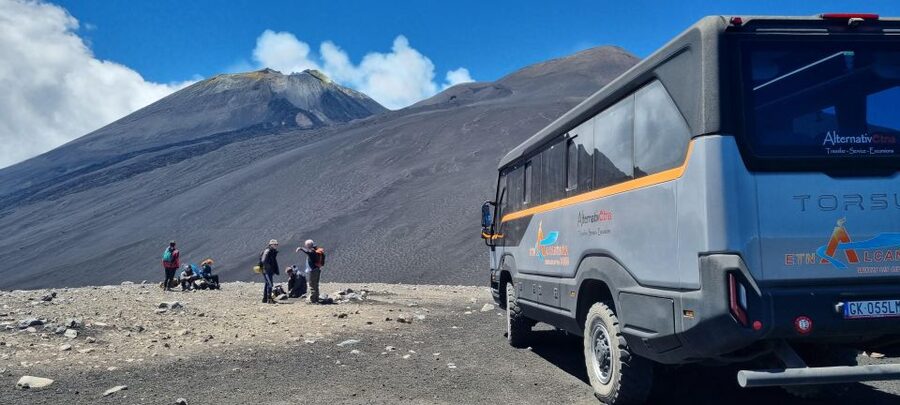
My other favorite part is the access. You ride a comfortable 4×4 bus on the unpaved road to Pizzi Deneri (2810m), then you move on foot just enough to feel the altitude and see the big features. The main consideration is that it can be cold up there, and the tour includes crater rim areas, so it is not the right match for everyone.
Key highlights worth waking up for
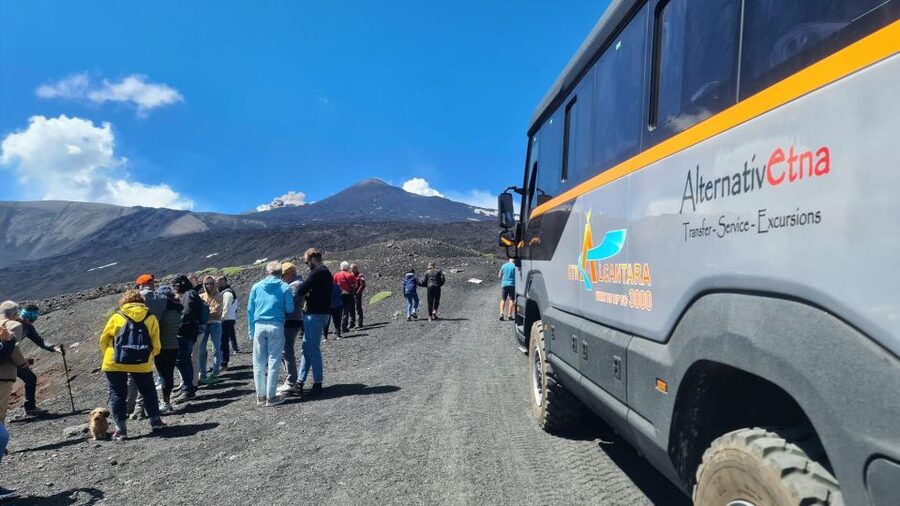
- 4×4 ride up to Pizzi Deneri (2810m), with time for serious views without a long hike
- Short trek up to around 2865m, adjusted to what the volcano is doing that day
- Valle del Bove viewpoint, looking down from the northeast crater area
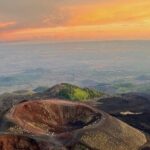
- Crater edge from the 2002 eruption, reached after a descent to 2200m
- Volcanologist guide with English and Italian, plus lots of room for questions
- Short, not tiring duration, ideal if you want Etna without half a day of hiking
Up the volcano in a real 4×4 bus
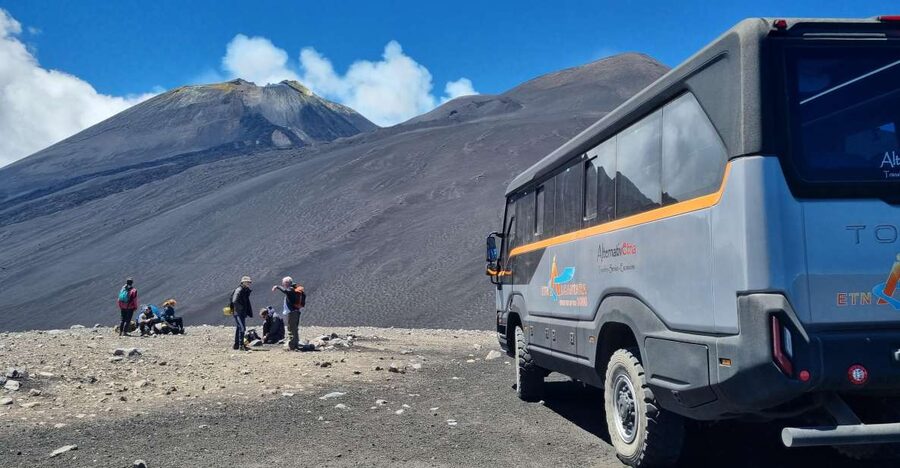
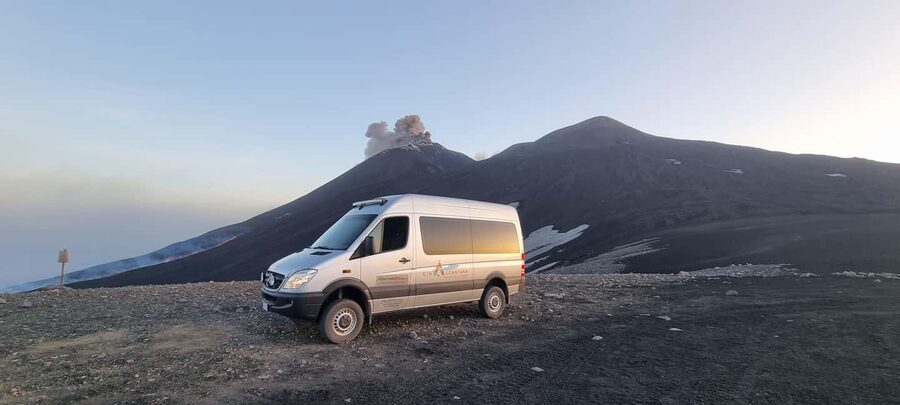
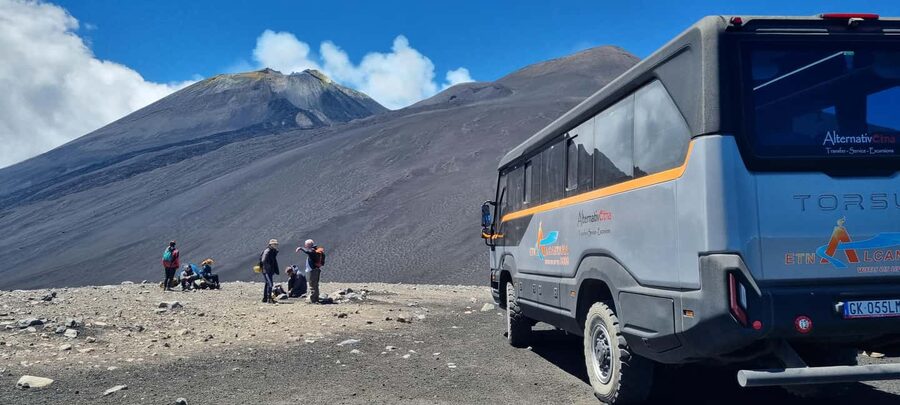
Mount Etna is huge, and the smart challenge is getting high enough to matter without spending hours grinding uphill. This tour solves that with a round-trip 4×4 transport that starts in Piano Provenzana on the north side of the volcano. You meet at the Alternativetna office, then climb via an unpaved road that helps you feel how rugged Etna really is.
You will notice the mood shift as you go up. People who usually worry about logistics stop worrying here, because the vehicle does the heavy lifting. One review specifically called out how fun the giant bus feels as an adventure, not just a shuttle. That is exactly the point: you are trading a long hike for a more hands-on, stop-and-look route.
At a glance, the timing also works. 2.5 hours is short enough that Etna does not swallow your whole day, but it still leaves room for a couple of walking stretches where the views and crater edges come into focus.
You can also read our reviews of more tours and experiences in Catania.
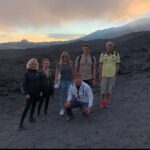
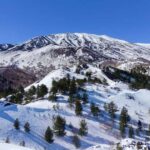
Piano Provenzana to Pizzi Deneri, 2810m of thin-air views
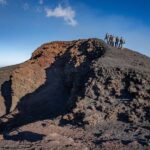
Your first big milestone is Pizzi Deneri, an astrophysical observatory area at 2810m. This is where the scenery starts looking alien. The high elevation turns the air sharper, and the terrain becomes a mix of old lava ground, crater rims, and long-distance views that seem to stretch forever.
Why this stop matters: it sets your mental map. From up there, you can actually connect what your guide is explaining to what you are seeing. A common pattern with Etna is that first-time visitors miss the structure because they can only see one direction at a time. Getting to a height near the top reachable by 4×4 helps you grasp the volcano as a system, not just a single peak.
A practical note: bring warm layers even in warmer months. In at least one October experience, it started snowing while people were up at altitude. Even if snow is not typical on your date, you can still expect cooler temps on the summit side and wind exposure near viewpoints.
The short trek to around 2865m and Valle del Bove
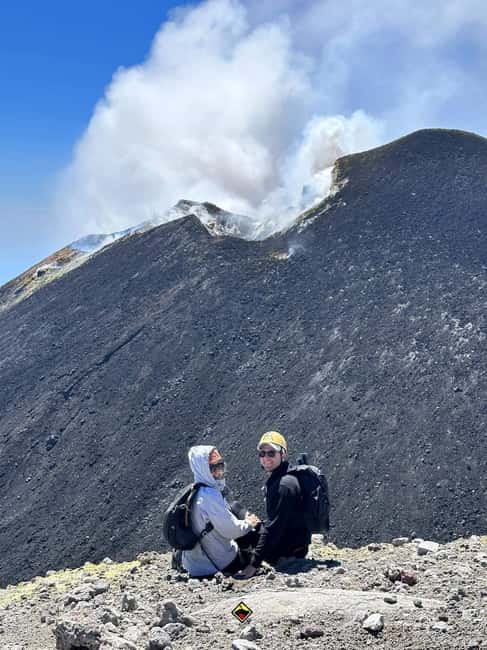
Once you reach about 2805m, you do a short trek up to roughly 2865m, depending on the volcano’s activity. That “depending” part is important, not vague. It means the tour can adjust to conditions in real time, which is exactly what you want near an active volcano.
This is not a long trek, but it is not nothing either. You are going up at altitude, and you are walking on uneven terrain. The goal is to get you to a viewpoint where the volcanic features make sense in one sweep.
The star here is a view of Valle del Bove beneath the northeast crater. When you look down from that angle, Etna’s scale clicks. Valle del Bove is one of those features where you can feel the volcano’s past behavior shaping the present. It also helps you understand why guides talk so much about both eruptions and the crater system.
You will likely spend time taking it in, and your guide will connect the dots as you look. In reviews, guides like Giuseppe stood out for speaking clearly in English, and for patiently answering questions. That matters on this trek because the questions tend to get more specific once you see the terrain up close.
Learning Etna from a volcanologist guide
This tour includes a licensed volcanological guide, and that is the difference between a pretty drive and real understanding. The guide’s job is to make sense of what you are seeing: old lava fields, crater edges, and the way Etna repeatedly reshapes itself.
In the reviews you can see the pattern. People praised guides such as Giuseppe and also mentioned others like Flavio and Sandi. What stood out was not just information, but how it was delivered. One person highlighted that Giuseppe spoke clearly and fluently in English, and another said the explanations made the current situation and the volcano’s history easier to follow.
I like this style of guide-led Etna tour because it keeps you from turning the experience into guesswork. You do not have to be a science person. You just need good curiosity and a willingness to listen while you look.
One extra perk: you will have time to ask questions. That is where the volcanologist really earns their spot. You can ask what you are looking at, what formed a certain area, or why the route goes where it does.
Descent to 2200m, then the 2002 eruption crater edge
After the higher viewpoint time, you head back down by 4×4 to 2200m. That descent matters because it breaks the altitude up, so the day does not feel like one long push. Then comes a short walk of about 20 minutes to reach the edge of the crater from the 2002 eruption.
This is one of the most compelling moments of the whole tour, because it gives you a close-up of a more recent chapter in Etna’s story. People mentioned the walk to the massive crater and being able to clearly see the marks of that eruption. It gives context to the guide’s explanations earlier, since you can compare what you heard with what you are seeing at the rim.
Important reality check: crater edges demand respect. One review suggested stronger safety awareness for people near the rim, and another praised the fact that the group felt safe and well-informed. That is your cue to do two things: listen during the safety briefing and stay within whatever boundaries your guide sets.
If you want the experience but you are worried about heights, uneven ground, or attention needed near the edge, this is the part where you should decide carefully.


Views over the Sicilian coast, done the efficient way
Etna is not just about volcanoes. From high points, you can see out toward the Sicilian coastline on clear days. Reviews also emphasized sweeping vistas reaching “out to the sea,” so the visual payoff is not limited to crater-level drama.
Why I think this is smart value: you get wide views without needing an all-day commitment. Even if you only have a short window in Sicily, this tour gives you a real sense of how Etna sits within the island, not just as a landmark far away from everything else.
Also, because your route includes multiple viewpoints, you get variety. You are not stuck staring at one photo-friendly angle. You look down, look across, then move to the crater edge for a more grounded view.
What to bring, and how to stay comfortable at 2800m
The tour lists a clear packing starter kit: sunglasses, hiking shoes, a daypack, and hiking pants. That advice is practical because the terrain and conditions can shift quickly at altitude.
Here is how I would use that list without overcomplicating it:
- Wear proper hiking shoes with grip. You are on volcanic ground, so footing matters.
- Bring sunglasses for glare. High elevation sun can feel sharper than expected.
- Use a small daypack for layers and water.
- Wear hiking pants, not shorts, because cold wind and uneven ground can make you regret your outfit.
Then add one personal comfort move based on actual experience from reviews: pack for cold. If it can snow while you are up there, you will be happier with warm layers than with wishful thinking.
Price and value: is $100 worth it?
At around $100 per person for a 2.5-hour experience, this is not the cheapest way to see Etna. But it is also not trying to be a bargain bus ride.
The value is in three things:
- You get transportation up and down on a 4×4, which is hard to replicate on your own without extra driving and guesswork.
- You get a licensed volcanological guide who can connect what you see to what it means, including the 2002 eruption area.
- The time is efficient. You do not need a half-day of hiking to reach the highest 4×4-accessible area and still do short walks.
If your goal is “see Etna well” rather than “spend hours working for a view,” this price starts looking reasonable.
Who should book this Etna 4×4 climb
This tour fits best if you want Etna but you do not want a long, strenuous day. Reviews also praised it as short and not tiring, while still feeling like you got the real atmosphere.
You will likely enjoy it if:
- You like guided interpretation and want a volcanologist’s explanations
- You want big views without committing to a long hike
- You are traveling with limited time in Sicily
- You prefer a structured route with stops rather than DIY driving
You should think twice if you:
- Have back problems, heart problems, or high blood pressure
- Are pregnant
- Need to avoid close proximity to crater rim areas, especially if you are unsteady on your feet
- Are traveling with very young children (the experience includes rim-adjacent walking, and one review suggested that children need special consideration)
One more note: the activity is listed as wheelchair accessible, which is a helpful detail. Still, because the itinerary includes short treks to viewpoints and crater areas, it is worth asking what the most realistic route is for your specific mobility needs before you go.
Should you book this tour or choose something else?
Book this tour if your priority is a high, crater-focused Etna experience in a short time, with expert guidance. The 4×4 ride to near the top reachable by vehicle, the quick trek up toward 2865m, and the crater edge from the 2002 eruption give you multiple “wow” moments without a marathon.
Skip it or switch plans if you hate cold, worry about heights, or need a more gentle, no-rim option. The itinerary includes active volcano terrain and crater edges, so you should match the tour to your comfort level.
If you do book, go in with one mindset: this is a guided adventure where good shoes and attention pay off. Listen carefully near the crater. Dress for temperature changes. Then enjoy the fact that in a small slice of time, you get both the geology lesson and the dramatic views.
FAQ
How long is the Mount Etna ascent to 2800m by 4×4?
The tour lasts about 2.5 hours.
Where do I meet for the tour?
You meet at the Alternativetna office.
What is the highest altitude you reach?
The route takes you up to around 2810m at Pizzi Deneri, and then includes a short trek up to about 2865m depending on volcanic activity.
Is there walking during the tour?
Yes. You do a short trek after reaching 2805m (altitude to about 2865m depending on conditions), and after descending to 2200m you reach the 2002 eruption crater edge with a short walk of about 20 minutes.
What is included in the price?
Included items are a licensed volcanological guide and round-trip transportation by 4×4 bus.
What languages are the guides?
The live tour guide is available in English and Italian.
What should I wear or bring?
Bring sunglasses, hiking shoes, a daypack, and hiking pants.
More Tour Reviews in Catania
Not for you? Here's more nearby things to do in Catania we have reviewed


Mount Etna Volcano Tours, compared.
 ★ 4.8Catania: Mount Etna Morning or Sunset Day Trip with TastingFrom $704,028 reviews
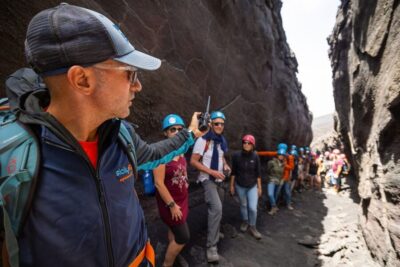 ★ 4.7Mount Etna: Guided Volcano Summit Hiking Tour with Cable CarFrom $1243,784 reviews
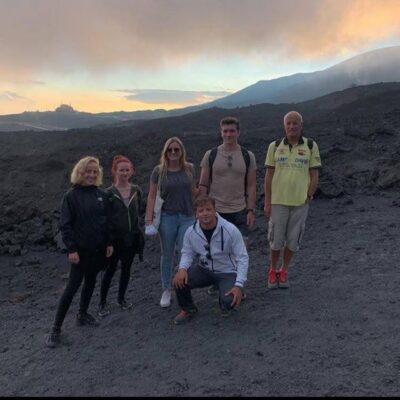 ★ 4.8Catania: Sunset Jeep Tour of Mount Etna and Lava Flow CavesFrom $712,113 reviews
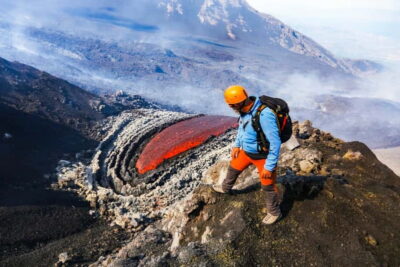 ★ 4.7Mount Etna: Trek to 3000m with cable car and jeepFrom $621,978 reviews
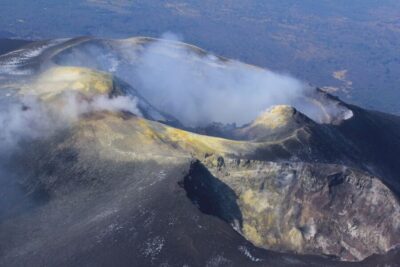 ★ 4.8Mount Etna: Summit Crater Trek with Cable CarFrom $771,875 reviews
 ★ 4.8Etna and Alcantara Gorges Full-Day Tour with LunchFrom $1051,766 reviews
 ★ 4.3Mount Etna: Roundtrip Cable Car and 4×4 Bus TicketFrom $971,602 reviews
 ★ 4.7Etna Volcano: South Side Guided Summit HikeFrom $671,545 reviews