
Reviewed · SYRACUSE & ORTIGIA TOURS
Archaeological Syracuse: Neapolis Park private tour
Neapolis Archaeological Park feels like time travel on foot. This private guide route strings together Syracuse’s biggest ancient stops, from the rock-cut quarries to theaters with real-world acoustics.
I love the mix of viewpoints and architecture, especially the bay panorama you get from Temenite Hill.
My second favorite part is how the tour slows down around the famous sites, so they make sense, not just look impressive. The Ear of Dionysius section is especially memorable when you hear how the place was used and what its shape does. One drawback to plan for: the Greek Theater is still used for performances, so during spring and sometimes summer you may see it covered for events.
Key things you will notice on this Neapolis Park tour
- Private, licensed guide who tailors the pace to your group and answers your questions
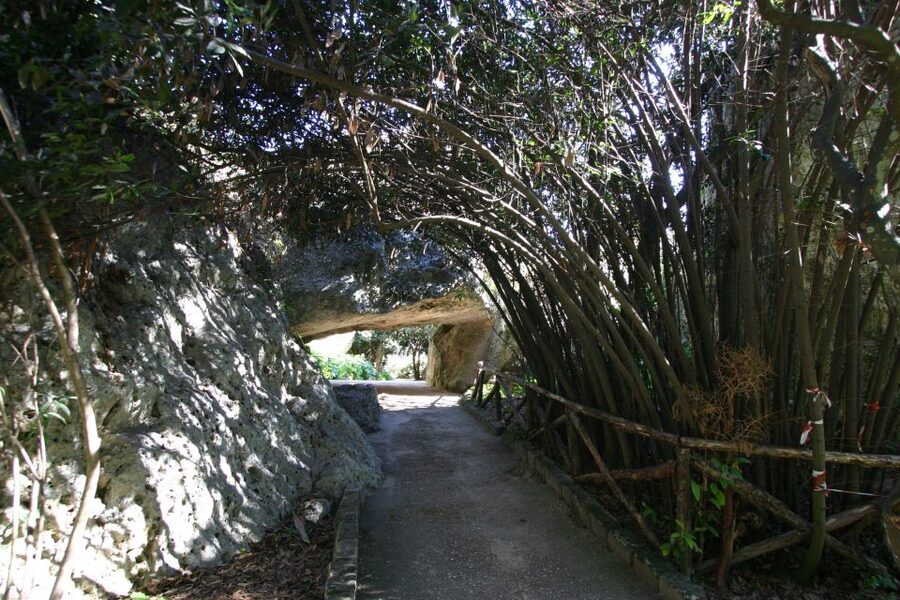
- Latomie del Paradiso quarry walk with striking stone walls and local flora
- Grotta del Salnitro stop, tied to how people made essential materials in ancient life
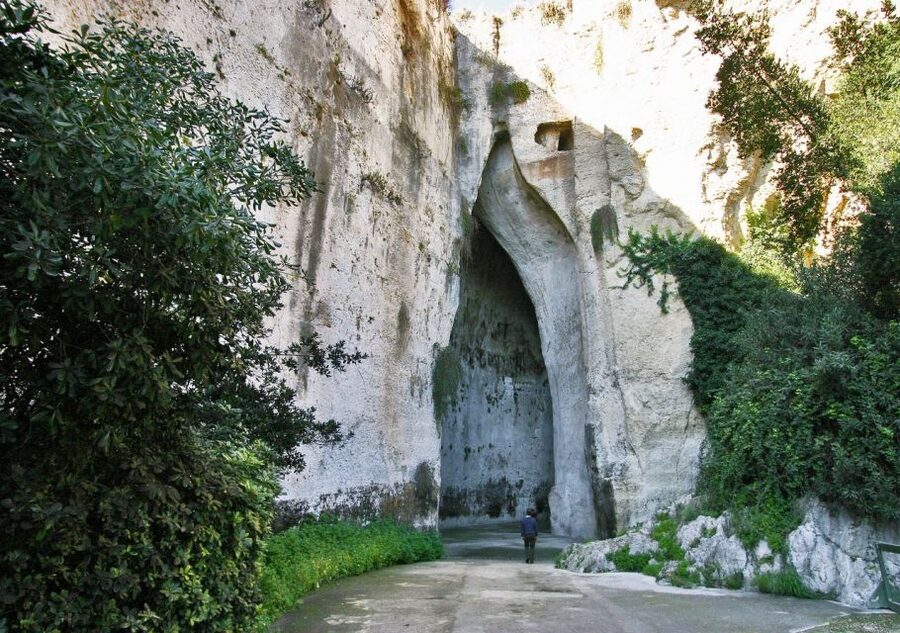
- Ear of Dionysius visit, famous for its shape and echo effects
- Greek Theater on Temenite Hill with Syracuse’s bay views and a sense of scale
- Roman Amphitheater ending with that lingering echo feel
Why Neapolis Archaeological Park is a smart way to see Syracuse
Syracuse can feel scattered if you try to “hit everything” on your own. Neapolis helps because it’s concentrated, walkable, and packed with layers, Greek first and then Roman. With a private guide, you do not just collect photos. You get the story behind what you are standing in front of.
You also get variety in a short stretch of time. You will go from quarry landscapes to performance spaces, then to ritual sites and back to an amphitheater. That rhythm matters because it keeps your brain engaged, and you start noticing patterns in how the ancients used geography.
You can also read our reviews of more private tours in Syracuse


Starting point at Largo Anfiteatro, 2, and meeting your guide
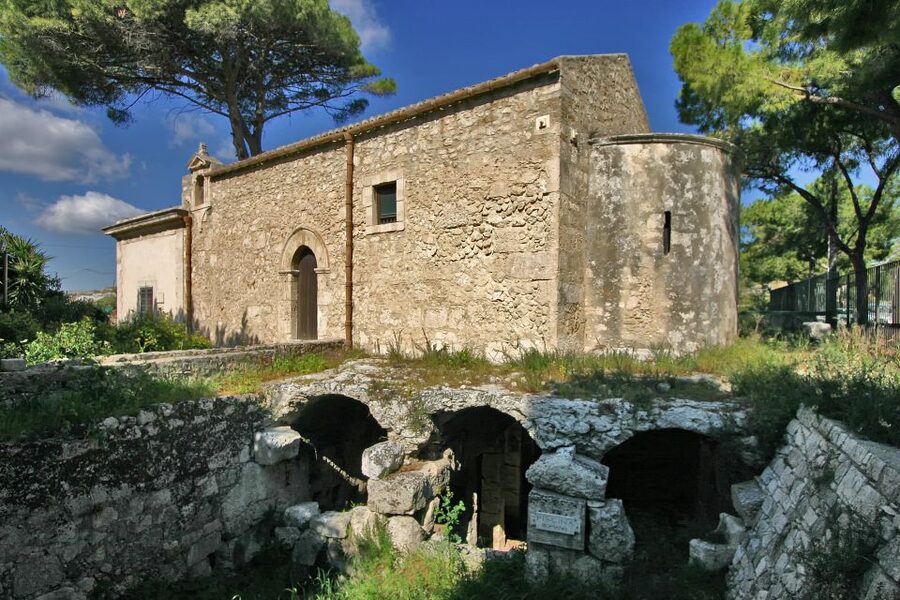
The tour begins at the Neapolis Archaeological Park main entrance gate area, with the meeting point at Largo Anfiteatro, 2. It’s near a small fountain, behind the medieval church of San Nicolò ai Cordari. Your guide carries a Hermes Sicily logo, so it is not a guessing game.
This matters for two reasons. First, Neapolis is busy and signs can be easy to miss when you are tired from the day. Second, a private tour only works if you start on time and walk smoothly from stop to stop, which is what this setup is designed for.
The tour runs about 105 minutes. It is a private group for up to 15 people, so the experience should feel controlled and not chaotic.
Latomie del Paradiso: the quarry walk that changes how you picture ancient Syracuse
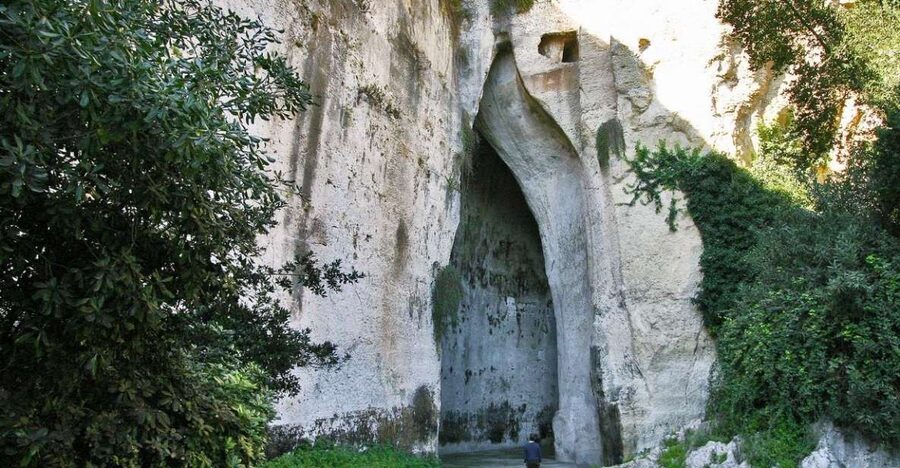
Your first major stop is Latomie del Paradiso, the ancient stone quarry. Expect a guided walk around roughly 15 minutes. The big payoff here is visual. The stone feels sculpted by time and human work, and the site’s vegetation gives you that rare mix of hard rock and living green.
What you will likely take away is how this quarry landscape shaped daily life. This was not a distant monument. It was part of the town’s working world, and later it became part of its legend. When your guide connects the “what happened here” to what you see in the stone, the place stops being just a scenic detour.
Practical tip: wear comfortable shoes. Paths inside the park are uneven in places, and you will be walking enough that stiff shoes will punish you.
Grotta del Salnitro: the practical side of the quarries
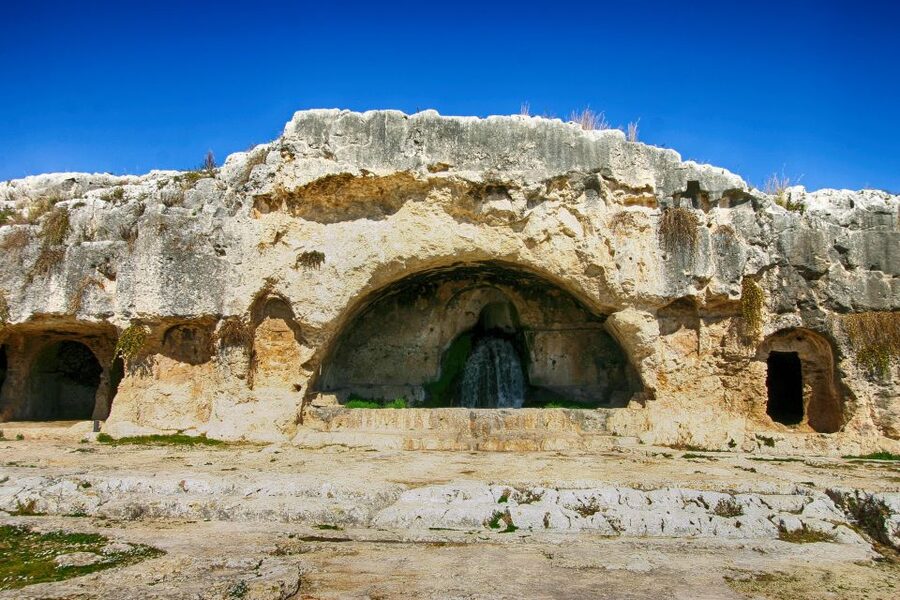
Next comes Grotta del Salnitro, again with about 15 minutes of guided time. This stop focuses on how different grottos within the quarry system were used. In ancient life, materials made in these areas were essential, and your guide helps put that into context without turning it into a dry lecture.
I like that this stop adds texture. After Latomie del Paradiso’s dramatic setting, Grotta del Salnitro brings the story back to work, craft, and resources. It also sets you up nicely for the next stop, because you start seeing the quarries as a whole network rather than isolated “must-see” spots.
Ear of Dionysius: acoustics you can actually test in your head
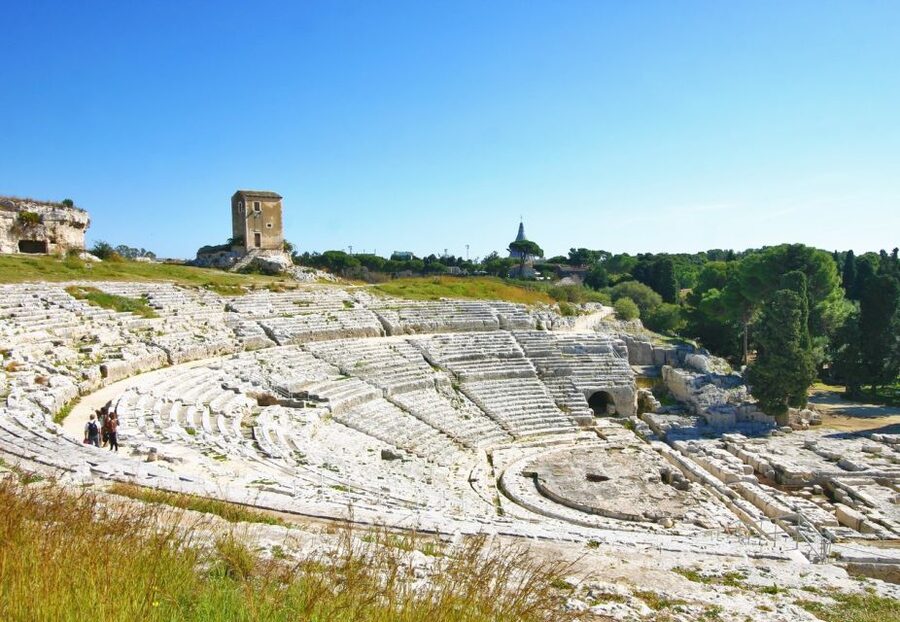
The star attraction is the Ear of Dionysius. You get around 15 minutes here, and this is one of those moments where the guide’s explanation can make your photos better, even if you do not take a single picture.
This grotto is known for its shape and the way sound carries and echoes. Your guide will explain what makes it special, and you will be able to connect the echo behavior to why people cared about the space. It is not just a weird cave curiosity. It is a piece of built environment that turns natural acoustics into an experience.
If you are the type who likes to understand how things work, you will enjoy this stop. Even if you do not, it still lands, because the scale and setting feel theatrical.


Greek Theater on Temenite Hill: views plus performance history
Then you head to the ancient Greek Theater, cut into the rock of Temenite Hill. This stop is guided for about 20 minutes. Here, you get both architecture and context.
First, the theater. You can stand in the space and imagine how performances would have looked and sounded. Second, the views. This is where the park becomes a Syracuse lookout. You get a clear sense of the town and the bay, which helps you understand why these sites were placed where they were.
One practical consideration: the Greek Theater is still used for classical plays and concerts. During spring, and sometimes summer, it can be covered for performances. So your view of the seating or stage area may look different depending on the schedule on the day you go.
Altar of Hieron II: the quiet pause after the louder sites
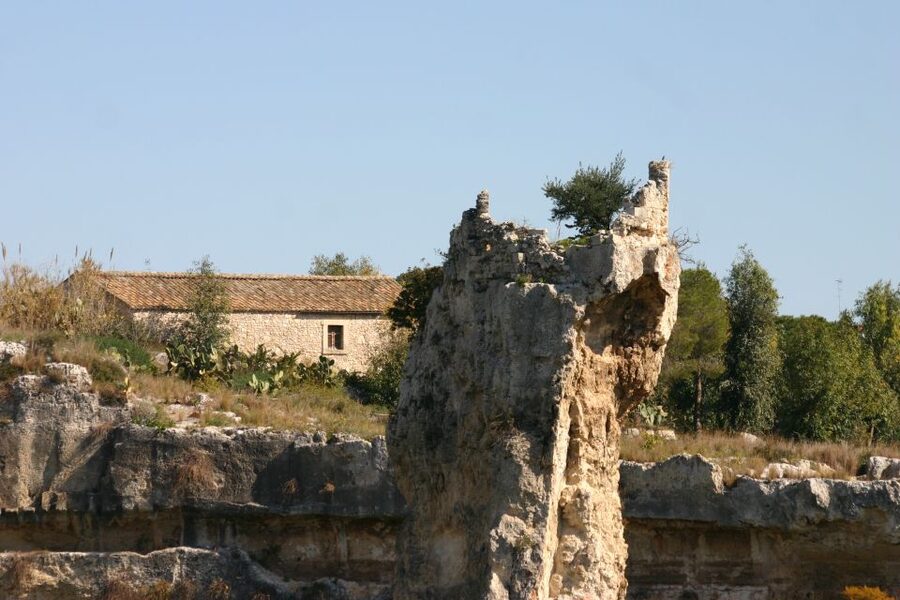
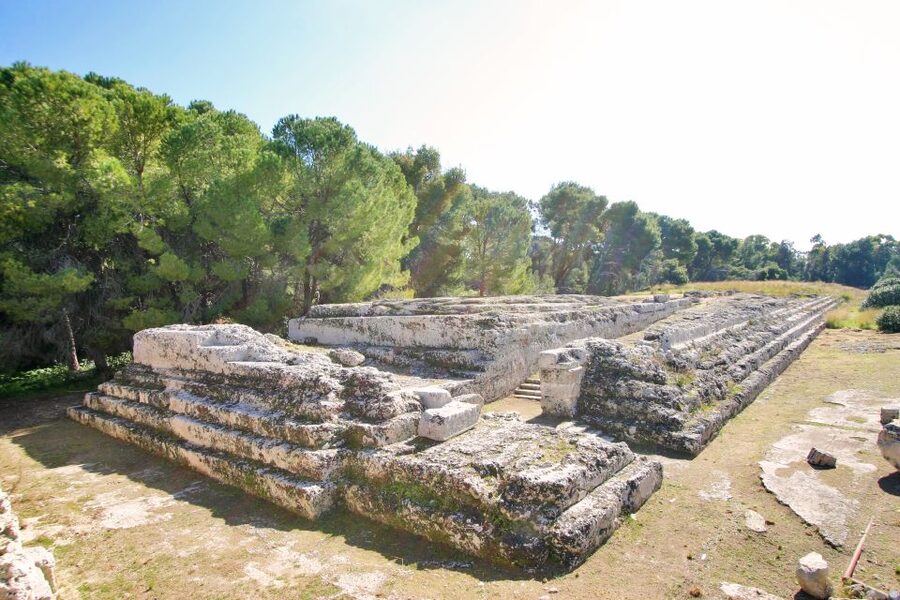
After the theater, the tour moves to the Altar of Hieron II, with about 15 minutes of guided time. This stop shifts the mood. Instead of performance and sound tricks, you get a religious and ceremonial perspective.
Even if you are not a religion-history nerd, this helps. It gives you the “why” behind how these spaces fit together. A city builds places for drama, for ritual, and for power, and Neapolis is basically all three.
This is also a good moment to slow down and notice surrounding stonework and how the altar sits within the park’s flow. You will appreciate it more if you let your guide’s explanation land before you rush to the final stop.
Syracuse Roman Amphitheater: echoes, stone, and the end of the story
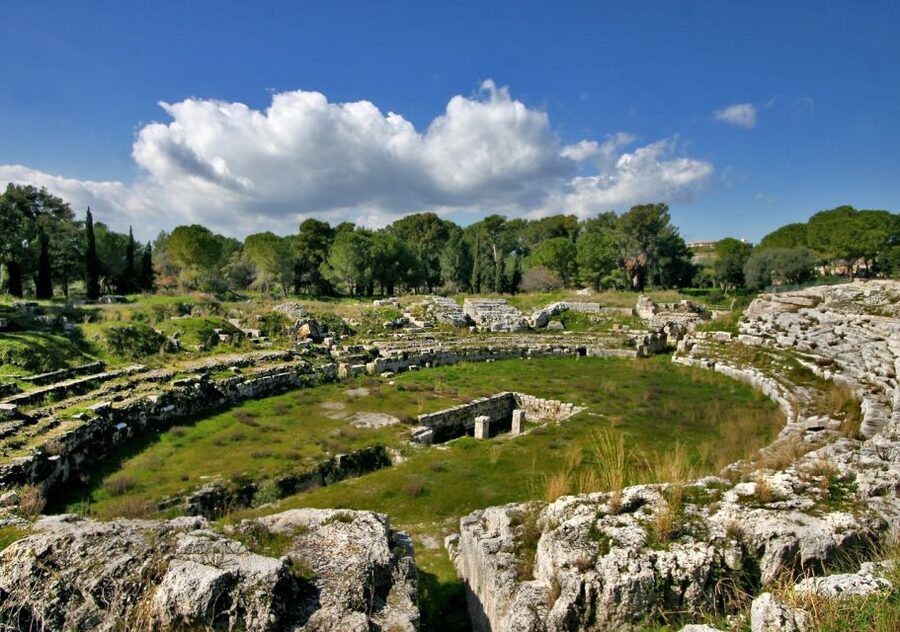
The last big highlight is the Syracuse Roman Amphitheater, guided for about 15 minutes. If you liked the Greek Theater section, this is a satisfying contrast. The Roman amphitheater brings a different era, and it is still about mass gatherings, visibility, and sound.
The amphitheater’s design is built for spectators, and that is exactly what you feel standing there. You get that sense of scale again, plus the added bonus of how sound can bounce around the stone. It is a fitting ending to a tour that began with rock-cut quarries and moved through Greek performance space, ritual, and finally Roman spectacle.
Extra areas that might be added when the park is open
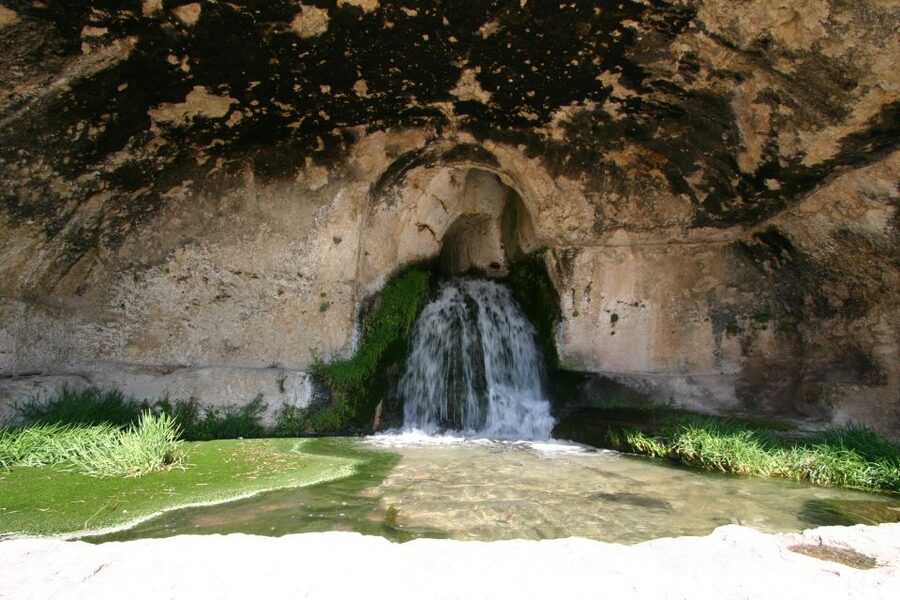
During the busier tourist season, some additional areas may be temporarily open. One example is the Santa Venera stone quarry. If it is available, you can ask your guide to extend the route.
This is not something you should bank on every day, but it is a smart perk when you want a longer walk and you enjoy quarry and grotto stories.
Price, value, and what the entry ticket situation really means
The price is $215.24 per group, up to 15 people, for about 105 minutes with a private licensed guide. That per-group pricing is the main value lever here. If you are traveling with family or friends, the guide cost becomes easier to justify than buying multiple individual tickets and trying to self-navigate.
One more key detail: park entry tickets are not included unless you choose the option with tickets. If you do not pick the tickets option, you purchase entry at the entrance.
There is also a free entrance note for visitors up to 17 years, but free entrance is handled only at the ticket office. If you use that route, bring an ID card or passport for registration.
If you want the smoothest day, choose the ticket option when available. If you are not sure, you can still buy on-site, but plan a little extra time at the start so you do not feel rushed.
Who this tour is best for
This private format is especially good if you:
- Want a guided walk through the major Neapolis sites without piecing it together yourself
- Like asking questions and hearing direct answers, not just reading signs
- Are traveling as a family or small group where pace and interests differ
- Prefer learning in English, Italian, or German rather than relying on audio apps
The tour is also marked wheelchair accessible, which is a big plus for anyone who needs step-free routing or easier movement through the park.
About your guide, and why the experience stays friendly
The biggest recurring theme from guides you might encounter with Hermes Sicily is that they keep the tone easy and the facts practical. People have highlighted guides like Eva and Ava for being pleasant company and answering questions well, not just reciting set lines.
That matters because Neapolis can feel overwhelming if you are reading quickly. A good guide turns the “wow” factor into understanding, especially around places like the quarries and the Ear of Dionysius, where shape and function matter.
If you care about getting the most out of every stop, come with one or two questions. Your guide is set up to tailor the tour to your preferences and interests, so you can steer the day a bit.
Should you book this Archaeological Syracuse Neapolis Park private tour?
Book it if you want the smartest way to connect the dots between Latomie del Paradiso, the Ear of Dionysius, the Greek Theater, and the Roman Amphitheater in a single, guided loop. The private pacing is worth it, especially if you hate waiting in lines or you want answers as you walk.
Skip it or reconsider if you are the kind of traveler who prefers wandering at your own speed with zero structure. Neapolis is impressive, but this tour is designed for interpretation, not casual strolling.
FAQ
FAQ
Where does the tour start?
The tour starts at the Neapolis Archaeological Park main entrance gate, with the meeting point listed as Largo Anfiteatro, 2.
How long is the private tour?
The tour duration is about 1.5 hours, or 105 minutes.
Is the price per person or per group?
The price is listed as $215.24 per group, for groups up to 15.
Are park entry tickets included?
Entry tickets are included only if you select the option tour + tickets. If you do not select that option, you purchase tickets at the entrance.
What languages are available for the live guide?
The live guide is available in English, Italian, and German.
Is the tour wheelchair accessible?
Yes, the activity is listed as wheelchair accessible.
What should I bring and wear?
Bring comfortable shoes for the walking portions.
Is anything prohibited during the tour?
Smoking is listed as not allowed.
Can you visit extra areas of the park?
During tourist season, additional areas may be temporarily open, such as Santa Venera stone quarry. You can request an extended exploration if your guide confirms it is accessible.
More Private Tours in Syracuse


More Tours in Syracuse
More Tour Reviews in Syracuse
Not for you? Here's more nearby things to do in Syracuse we have reviewed






Syracuse & Ortigia Tours, compared.
 ★ 4.7Syracuse: Boat Trip of Ortigia Island and Sea CavesFrom $23937 reviews
 ★ 4.7Syracuse: Boat Tour with Captain Mirko, Snorkeling & CavesFrom $35746 reviews
 ★ 5.0Tour of the island of Ortigia and exploration of sea caves with baths.From $24668 reviews
 ★ 4.7Siracusa: Ortigia Boat Tour with Marine GrottoFrom $45617 reviews
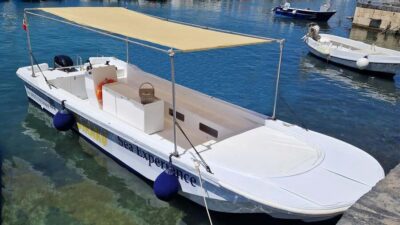 ★ 4.9Siracusa: Ortigia & Sea Caves Speedboat Tour with Swim StopFrom $34499 reviews
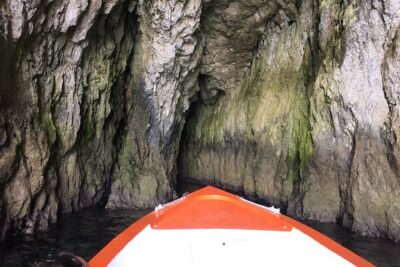 ★ 5.0Boat tour of Ortigia Island and sea cavesFrom $24407 reviews
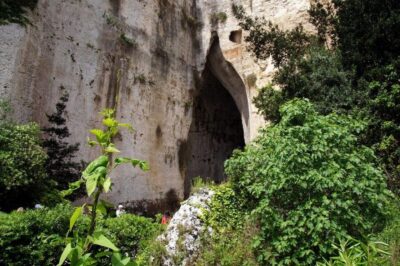 ★ 4.6Catania: Syracuse, Ortigia, and Noto Tour with BrunchFrom $112404 reviews
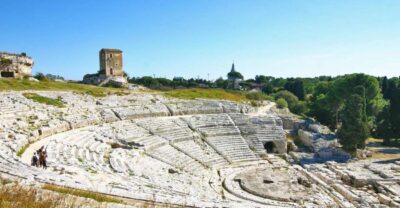 ★ 4.7Syracuse: Neapolis Archaeological Park Small Group TourFrom $26350 reviews
Browse the lists this tour appears in