
Reviewed · SYRACUSE & ORTIGIA TOURS
Syracuse: Ortigia Private Walking Tour
Ortigia is small enough to cover on foot, but packed enough to feel like three centuries happened at once. This private walking tour threads the story of Syracuse from Greek origins to baroque Sicily, with stops built around real places you can still see and touch. I love that it starts at the Temple of Apollo and ends where you naturally want to linger, with a sea breeze close by. The other thing I like: the guide keeps the walk relaxed and flexible, so you can slow down for questions instead of racing from photo spot to photo spot. The main thing to keep in mind is the cathedral dress code, no shorts or sleeveless tops, and shoulders need coverage.
If you want Ortigia in one efficient shot, this tour is a smart way to get your bearings fast. I also like the pacing choice, since you can go fully private with a licensed guide or choose a shared group option when available. One possible drawback, especially if you’re chasing interiors, is that admission fees are not included, so you’ll pay extra if you choose the optional cathedral visit.
Bold practical tip: Meeting is at the Apollo Temple area, and your guide will carry a Hermes Sicily Tours sign or logo, so you can spot them quickly.
Key Things I’d Prioritize on This Ortigia Tour
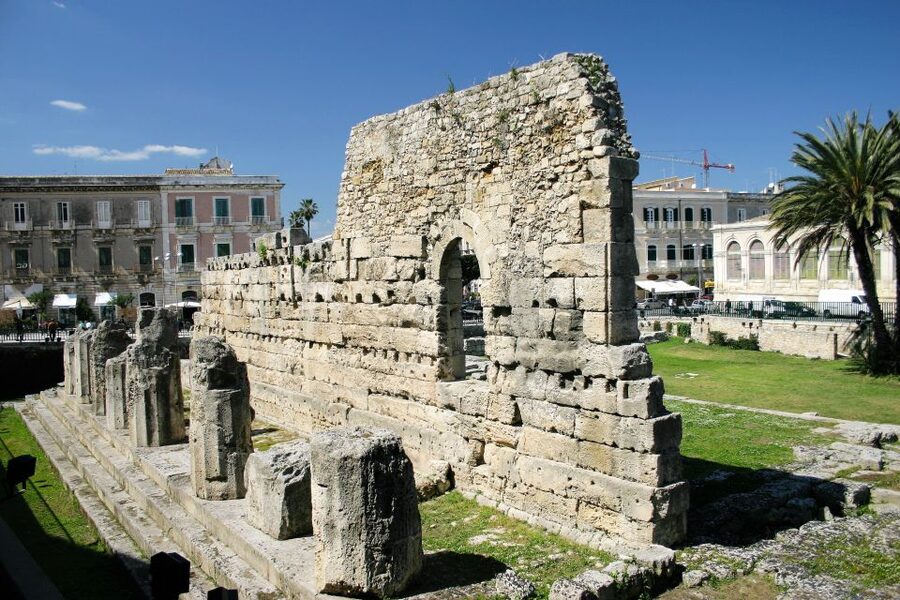
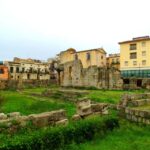
Apollo Temple sets the tone. You start in the right place, with a short history intro before the streets start throwing symbols at you.
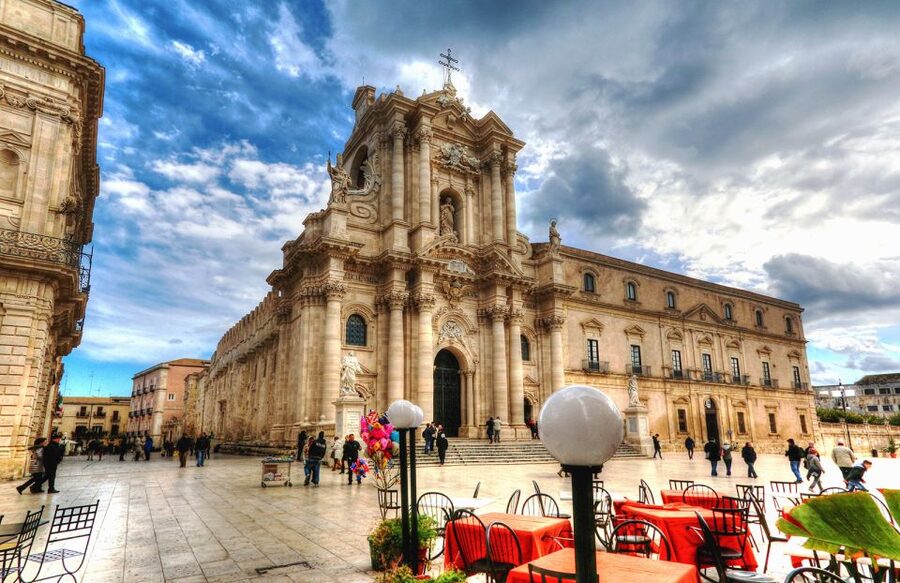
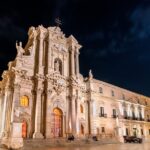
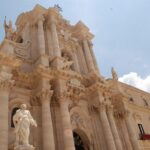
Cathedral Square is the real architectural shock. Bright limestone buildings plus a church that used to be something older.
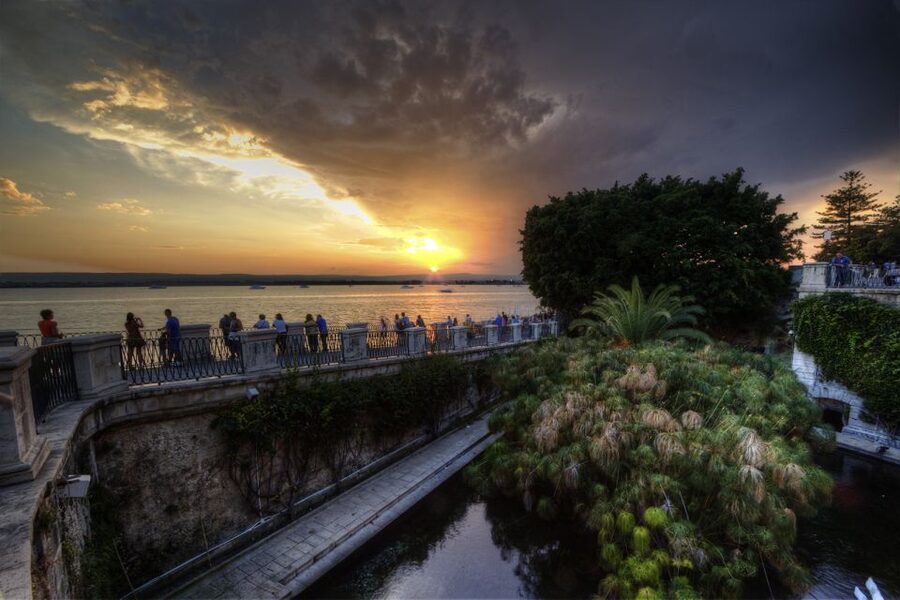
Aretusa Fountain connects myth to water. You’re told the story and then you see the clear spring reality.
Judaism Quarter to Via Maestranza shows how power moved. It’s not just monuments, it’s the city’s social map.
Panoramas and the sea are part of the lesson. You’re not stuck only indoors or only on one street.
Guides like Galina and Eva stand out for clarity. The consistent theme is detailed explanations and good flexibility.
Why Ortigia Works So Well on a Private Walk
Ortigia is the old heart of Syracuse, an island that feels like a living museum without being staged. The streets are narrow, the buildings are close, and the details matter, so a guided walk is a big upgrade over wandering alone with a map. Instead of trying to memorize dates and styles, you get a simple framework: who ruled, what they built, and what got reused.
This tour is built for people who want the main sights without turning their day into a sprint. It’s also ideal if you like asking follow-ups. A lot of people visit Ortigia and remember what they photographed. I think you’ll remember more of what you understood.
The tour runs for about 2 hours, which is short enough to fit into a full Syracuse day, but long enough to move beyond the first wow moment.
You can also read our reviews of more walking tours in Syracuse

Start at Largo XXV Luglio and Get Oriented at the Apollo Temple
Your tour meets at the Apollo Temple entrance area in Largo XXV Luglio, right where Ortigia’s story starts feeling ancient. Your guide will be holding a Hermes Sicily Tours sign or logo, and they wait between the small fountain and the benches in front of the temple.
I like this start because it prevents the usual Ortigia problem. If you begin randomly, you can feel like you’re just collecting landmarks. Starting here gives you a mental spine, so when the streets shift from one architectural style to another, it clicks.
Expect a short introduction to Syracuse’s history as the baseline. Then you walk on at a pace that feels more like a conversation with a local historian than a timed museum circuit.
Practical note: the tour is offered with guides who speak Italian, English, and German, so you’re not stuck in a language barrier while trying to understand the details that make Ortigia different.
Apollo Temple to Cathedral Square: When Greek Foundations Meet Baroque Italy
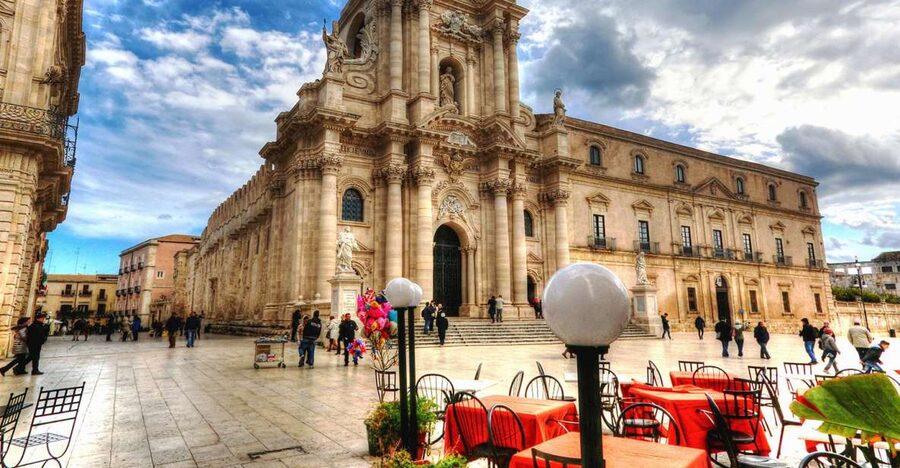
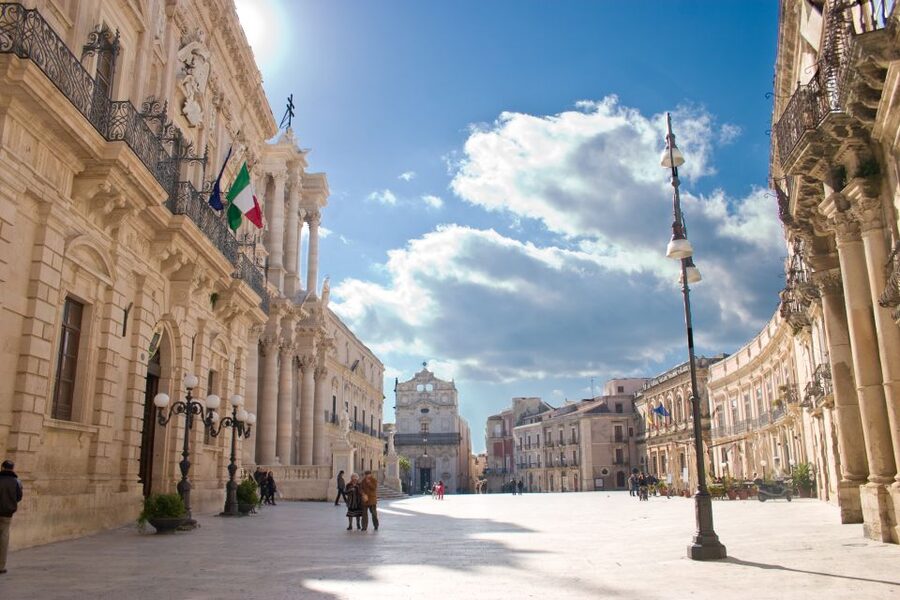
After a short walk, you reach Cathedral Square, and this is where Ortigia starts to visually explain itself. The buildings are built from bright limestone, and the square is surrounded by grand civic and religious architecture. You’ll see the town hall and other important palazzi, but the center of attention is the cathedral.
What I find most impressive is the layering. The tour sets up the key idea: the cathedral is the only church still in use today that was once a pagan temple. So you’re looking at a building that went through a cultural transformation, not a building that sits untouched in the past.
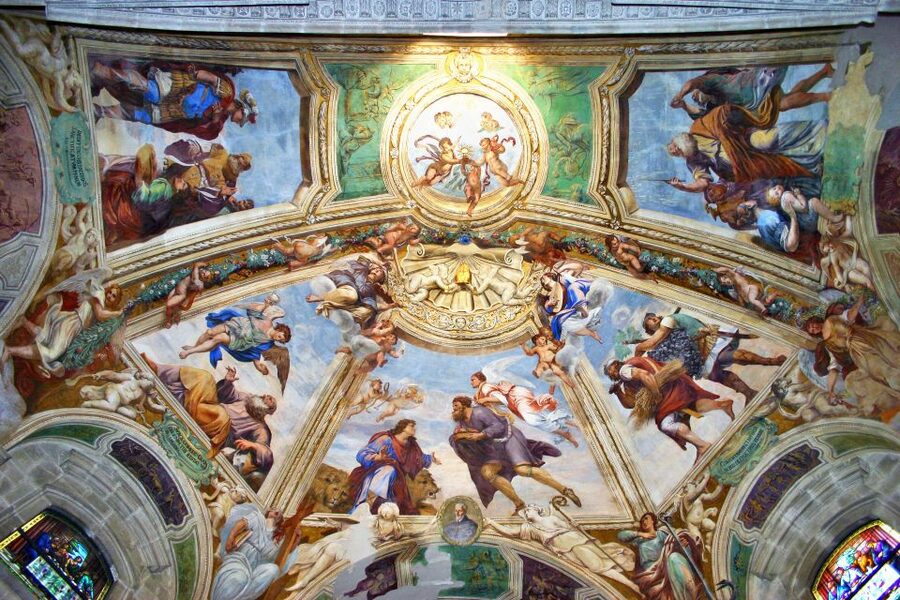
The cathedral interiors are optional, meaning you can choose whether to go inside. If you do, admission fees are not included, so you should budget a bit extra. Even if you skip the interior visit, the square itself is worth the stop because it helps you understand how Syracuse reworked older foundations into new identities.
Dress code matters here. For worship spaces, you’ll need your shoulders covered, and no shorts or sleeveless tops. This is one of those rules that can really change your experience, so plan your outfit accordingly.
Cathedrals Aren’t Just Pretty: How to Use This Stop Smartly
This is one of the stops where a guide makes the difference between seeing and understanding.
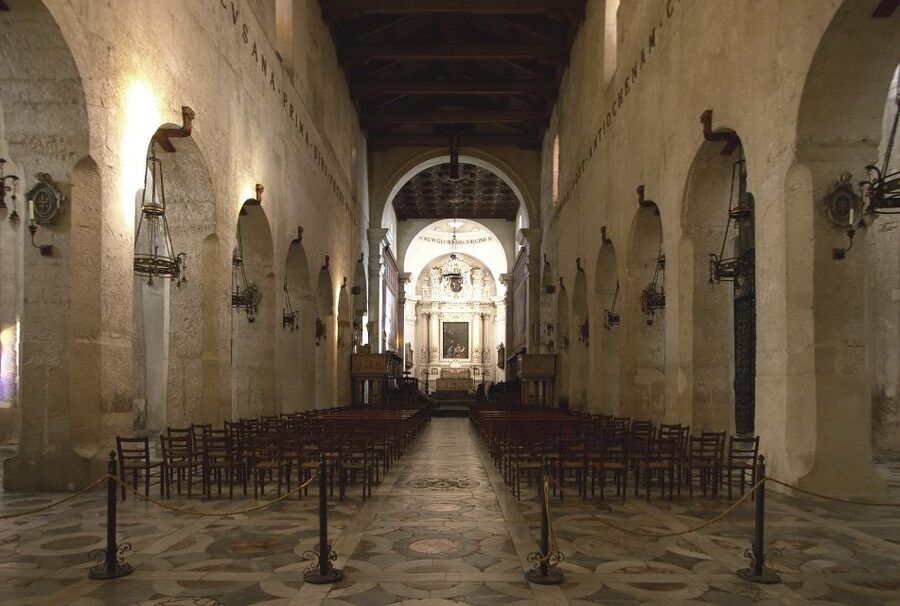
If you opt for the interior, the value is not just the “pretty church” factor. It’s the context you get beforehand, which helps you notice what’s original and what’s later work. The tour format also makes it easier to move at a comfortable speed, so you’re not rushing through details you actually want to look at.
If you skip the interior, you’ll still learn what to look for outside. You’ll walk away with a clearer mental map: where the older elements show up, how the styles differ, and why the site matters in Syracuse’s longer timeline.
One reality check: access can be affected by major events. I’d come prepared with flexibility, because on official days, entry and usual flow can change, and your guide may need to adjust the route to keep the tour enjoyable.
Aretusa Fountain by the Sea: Myth, Fresh Water, and Papyrus
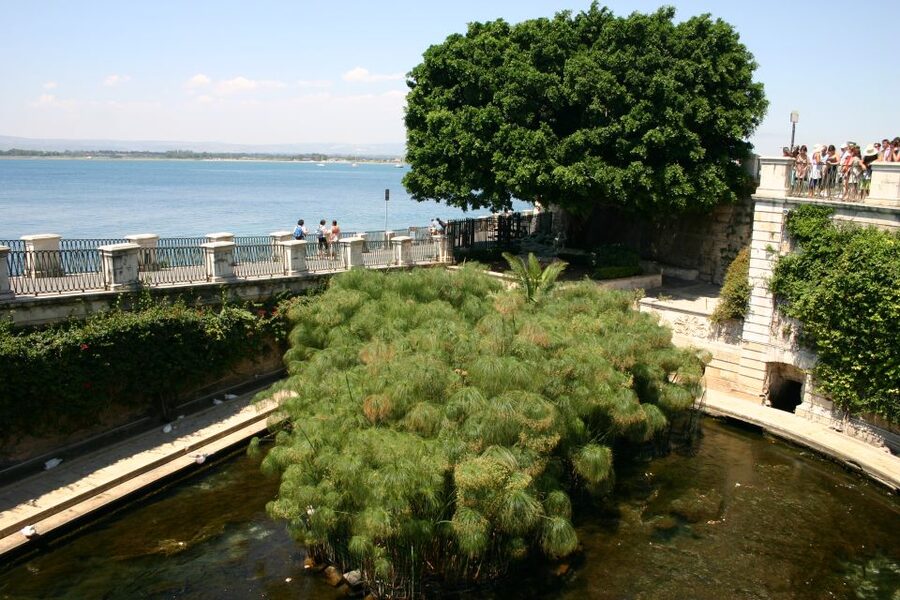
Then the tour heads toward Arethusa Fountain near the water. This stop has a great mix of story and place. You’ll hear the myth tied to the spring, and then you see something that makes the myth feel less like folklore and more like a tangible feature.
The tour also points out that the fountain’s clear freshwater supports papyrus growth. You’re told it was probably brought here when Archimedes lived in town, which is a surprisingly satisfying link between ancient science and something you can still see today.
I love this kind of moment because it pulls you away from buildings and into an element the Romans and Greeks cared about: water, cultivation, and landscape function.
After you pause and take photos, the walk continues through neighborhoods rather than backtracking straight to the finish.
You can also read our reviews of more private tours in Syracuse





Through the Jewish Quarter and Via Maestranza: Reading the City’s Social Map
On the way back, the tour passes through the Jewish Quarter and then Via Maestranza, a street known for the pompous homes of the town’s nobility.
This part of the route matters because it changes the kind of sightseeing you’re doing. Instead of only monuments, you’re learning the city as a system. Where do important families live? What areas show social separation? How does a street’s role reveal itself in the architecture and layout?
Even if you’re not a museum person, this kind of context makes Ortigia feel human. You start noticing the lived-in logic of the city: where people gathered, where status sat, and how the past keeps shaping daily space.
Archimedes Square, Diana Fountain, and the Ortigia Finish Point
Next up is Archimedes Square, where you’ll see the neoclassical Fountain of Diana. It’s a reminder of Syracuse’s glorious past, and it’s a good marker in the tour because the story starts to circle back to the big names tied to the city.
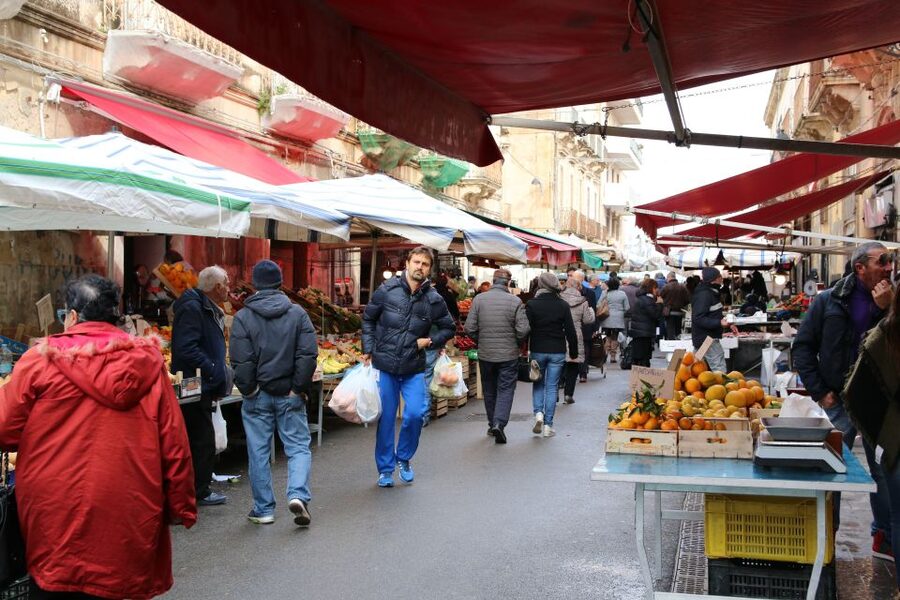
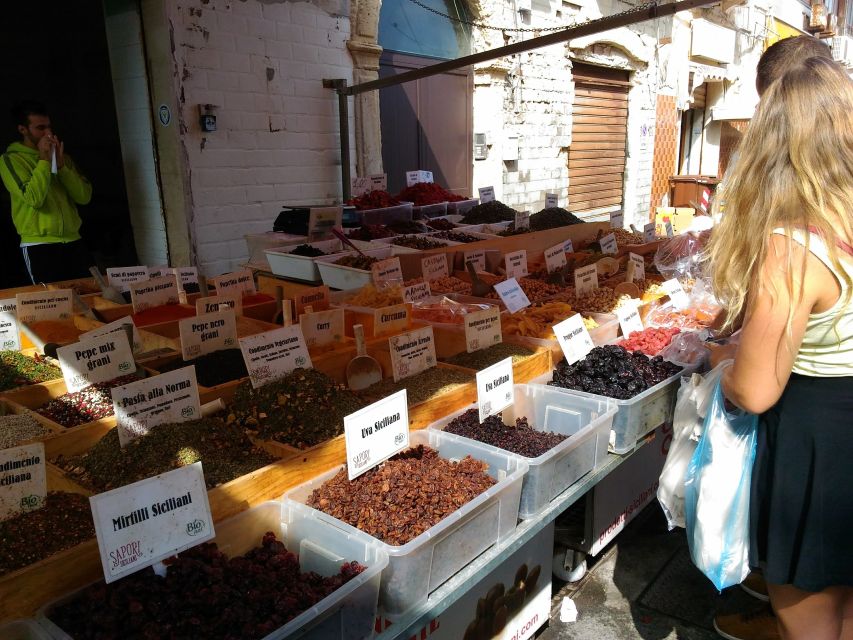
The tour ends at Piazza Archimede in the heart of Ortigia. There’s also a useful optional twist: you can ask your guide to end at the local fish and fruit market, which is great if you want to keep the walk going into real market life with colors, scents, and a sense of what’s happening right now.
One practical note for the market idea: the market is open only in the morning and on working days. If you arrive later in the day, you might find it closed, so don’t plan your whole afternoon around it.
Private Tour Value: Licensed Guide, Flexible Pace, and Group Size Up to 9
Let’s talk value, because $220.91 can sound high until you frame it correctly.
This price is per group up to 9 people, for a private walking tour. That’s the big advantage: if you’re traveling as a family or a small group, the per-person cost can drop quickly. And with a private format, you’re not forced into a one-size-fits-all pace.
You also get a licensed guide, which matters on tours where the difference between “interesting” and “understandable” is the quality of explanation. The tone is relaxed, and the itinerary is flexible, so you can spend a little longer at the cathedral or linger at the sea views if that’s what you care about.
If you’re solo or a couple, you may prefer the shared group option when available, but group tours have language limits and a fixed structure. Private gives you better control over your questions and timing.
Who This Tour Is Best For (And Who Might Want Something Else)
This is a great fit for you if you want:
- A focused Ortigia highlights walk without endless wandering
- Context that connects the Greeks, the baroque period, and later layers you can still see
- A guide who can answer follow-up questions, slow down when needed, and handle changing conditions
It’s also a strong choice if you’re not trying to do everything in Syracuse. At about 2 hours, it works nicely before or after other activities, like a longer meal stop or a self-guided stroll along the waterfront.
If you already know a lot about Syracuse’s architecture and you love reading alone, you might not need a guided format. And if you hate dress code rules, you may find the cathedral stop annoying unless you plan ahead with clothing.
Should You Book This Ortigia Private Walking Tour?
I’d book it if your goal is a smart, human-paced orientation to Ortigia. Starting at the Apollo Temple, walking to Cathedral Square, then heading to Arethusa Fountain gives you a clean storyline, and the city’s layers start making sense fast. If you care about architecture and want sea views without turning it into a long day, the timing is a good match.
Before you confirm, do two quick checks:
- Pack for the cathedral dress code so you can actually enjoy that optional interior moment.
- If you’re hoping to end at the fish and fruit market, plan around morning and working days.
Overall, this tour feels like a practical shortcut to understanding Ortigia, not just collecting photos.
FAQ
Where is the meeting point for the Syracuse Ortigia private walking tour?
You meet your guide at the Apollo Temple area in Largo XXV Luglio. The guide will have a Hermes Sicily Tours sign or logo and waits in the area between the small fountain on the right side and the benches in front of the temple.
How long is the tour?
The duration is 2 hours. Starting times depend on availability.
Is this tour private, or is there a shared group option?
It’s available as a private tour and also as a shared group tour when that option is available. Private tours can be booked around the year.
What languages are available?
The live guide is available in Italian, English, and German. Group tours are only available in English or Italian.
Are entrance fees included for the cathedral?
No. The optional cathedral interior visit is available, but admission fees are not included.
What dress code do I need for places of worship?
A dress code is required. No shorts or sleeveless tops, and shoulders must be covered for both men and women.
Is the market stop included, and when does it operate?
You can ask your guide to end at the local fish and fruit market. The market is open only in the morning and on working days.
Is the tour wheelchair accessible?
Yes, the tour is wheelchair accessible.
What is the policy if plans change?
The experience offers free cancellation up to 24 hours in advance for a full refund, and it may also be available with a reserve now and pay later option.
More Walking Tours in Syracuse


More Tours in Syracuse



More Tour Reviews in Syracuse
Not for you? Here's more nearby things to do in Syracuse we have reviewed





Syracuse & Ortigia Tours, compared.
 ★ 4.7Syracuse: Boat Trip of Ortigia Island and Sea CavesFrom $23937 reviews
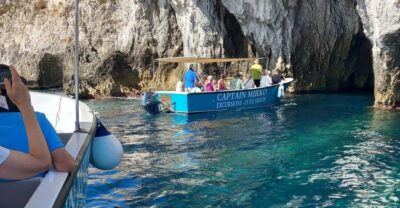 ★ 4.7Syracuse: Boat Tour with Captain Mirko, Snorkeling & CavesFrom $35746 reviews
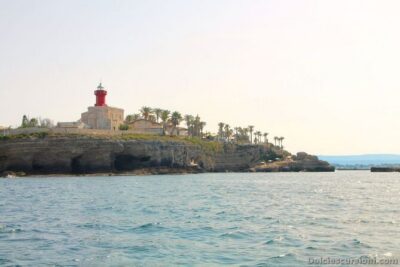 ★ 5.0Tour of the island of Ortigia and exploration of sea caves with baths.From $24668 reviews
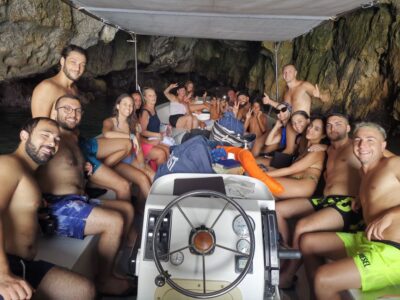 ★ 4.7Siracusa: Ortigia Boat Tour with Marine GrottoFrom $45617 reviews
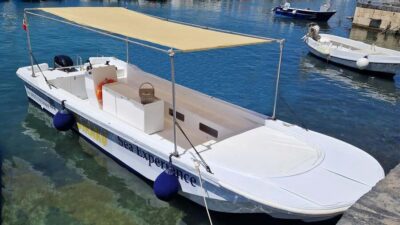 ★ 4.9Siracusa: Ortigia & Sea Caves Speedboat Tour with Swim StopFrom $34499 reviews
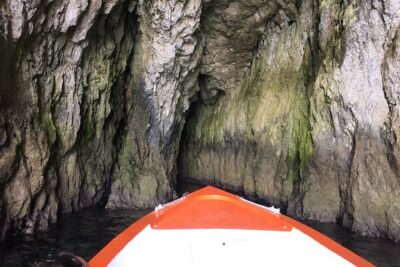 ★ 5.0Boat tour of Ortigia Island and sea cavesFrom $24407 reviews
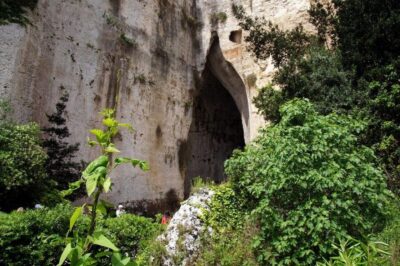 ★ 4.6Catania: Syracuse, Ortigia, and Noto Tour with BrunchFrom $112404 reviews
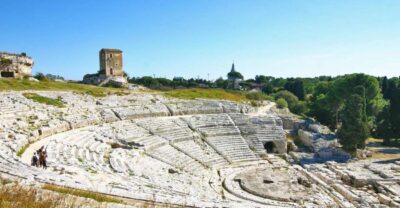 ★ 4.7Syracuse: Neapolis Archaeological Park Small Group TourFrom $26350 reviews
Browse the lists this tour appears in