
Reviewed · SYRACUSE & ORTIGIA TOURS
Syracuse: Highlights of Ortigia Guided Walking Tour
Ortigia turns myths into walkable stops. In about two hours, this Ortigia guided walking tour threads Greek legends and real Sicilian street life together, starting at the Temple of Apollo and ending at the Arethusa spring by the sea. I especially like how you get set up for what you’re seeing, not just where to stand, and how the route naturally feeds your sense of place as you move from Apollo to Piazza Duomo to the water at Arethusa. One thing to factor in: access to places of worship comes with a dress code, and the Syracuse Cathedral entry ticket is not included.
You’ll meet the guide under the pomegranate tree near the Temple of Apollo, then follow a local through the island’s most important squares and corners. The tour runs in English and Italian, sometimes in a mixed format, and you may hear the same explanations twice if both languages are happening at once. If you hate repeating information, plan for that, and if it’s hot, do what one guide did well for a heatwave crowd, stay cool and follow the pacing.
Key Highlights You’ll Feel During the Walk
- Temple of Apollo context, with a start at the oldest Greek temple in the Western world
- Fountain of Diana and the Arethusa myth, including the Artemis moment when Arethusa becomes a fountain
- Piazza Duomo marble details, plus a visit to the Syracuse Cathedral area
- Arethusa spring by the sea, tied to the love story between Arethusa and Alphaeus
- Local guide style, with frequent praise for guides like Michael, Letizia, Vincenzo, Eva, and Giuseppe
Ortigia in Two Hours, What This Walk Really Covers
This tour is built for people who want maximum payoff without getting lost in Ortigia’s maze of streets. Two hours is a sweet spot here because you can cover the big anchors in the historic center without turning your afternoon into a full-on hike. You will walk, but it stays focused: major sacred sites, the most central piazzas, and then the water connection that ties myth to the shoreline.
The route is also structured like a story. You start with the Greek world at the Temple of Apollo, then you move into the myth world at Piazza Archimede, and from there you shift to the layered city center around Piazza Duomo and Syracuse Cathedral. The last beat is the Arethusa spring, a real freshwater site that explains why ancient people attached so much symbolism to this spot.
If you’re visiting for the first time, this gives you bearings fast. If you already know the basics, it still helps because the guide’s explanations connect art, architecture, and legend into one timeline you can hold in your head while you wander on your own afterward.
You can also read our reviews of more walking tours in Syracuse

Meeting Under the Pomegranate Tree, and What to Expect Before You Start
Your meeting point is specific, and it matters because you’re starting near a roundabout. Look for the tour guide with a badge under the pomegranate tree in front of the Temple of Apollo, at the roundabout where Corso Matteotti starts. Plan to arrive about 10 minutes early so you can get oriented before the group moves.
On the practical side, you have two options for audio. You can use your own headset, or you can buy a disposable one on site for €1. That little detail can change the experience a lot if you’re trying to follow a guide’s explanations in a lively square.
Also, keep in mind how the language format can work. The tour may run simultaneously in Italian and English. If that happens, you might notice the pace slows a bit while the guide repeats or adjusts information for both groups. It’s not a dealbreaker, but it helps to know what’s coming so you do not feel like the tour is stalling.
Finally, check dress code expectations before you go. Access to places of worship requires appropriate attire, and it’s smart to treat that as part of your schedule. If you show up underdressed, you can lose time at exactly the moment you want to enjoy the cathedral stop.
Temple of Apollo: Where the Tour Begins and the Myth Makes Sense
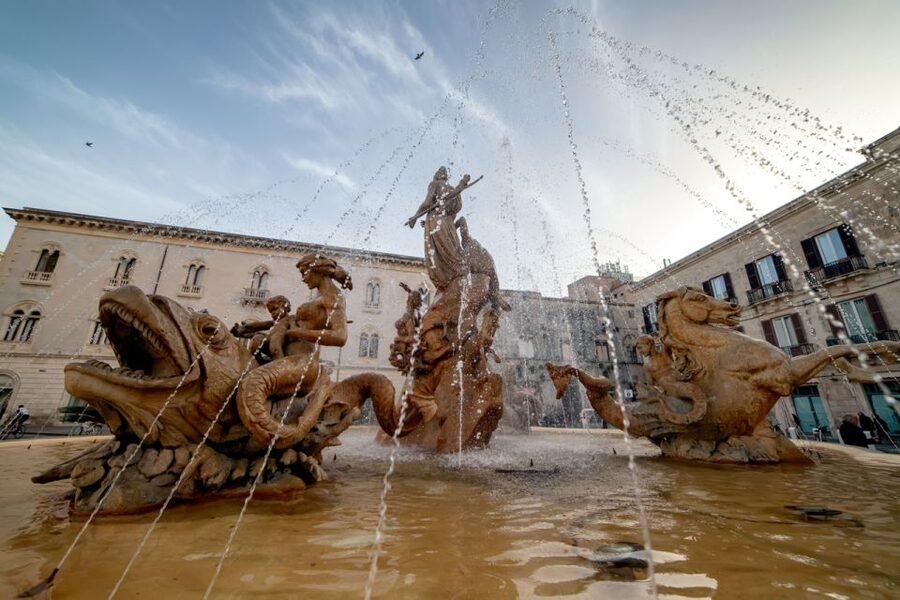
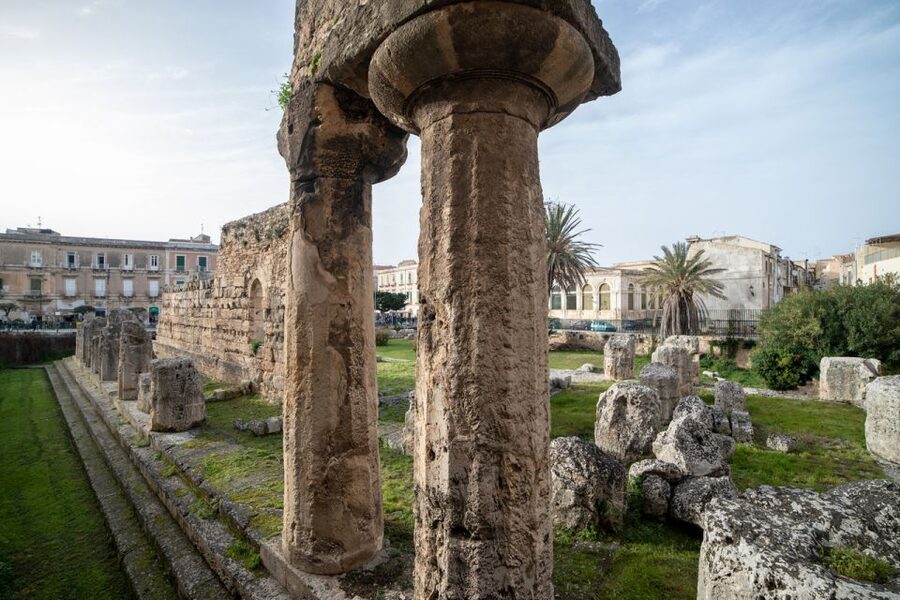
The walking route kicks off at the Temple of Apollo, and that first stop sets the tone. The guide starts you here with the fact that it’s the oldest Greek temple in the entire Western world. That is a huge claim, but what makes it useful on the ground is that it helps you look differently at what you see. Instead of treating the stone as just a pretty landmark, you start noticing scale, age, and how power and worship were designed into the city.
You get about 30 minutes at this start, which is enough time to get the basics and then move on without feeling rushed. You’ll also be primed for the symbolic layer that Ortigia is famous for. Syracuse is not only a modern city with old stones. It’s a place where ancient stories get reused in later art and architecture, including fountains and religious spaces later on.
For me, the best value in starting at Apollo is psychological. When a guide tells you what to watch for early, you stop wandering passively. You start to read the city like a page, then you keep turning pages at the next piazzas.
Piazza Archimede and the Fountain of Diana, Arethusa’s Transformation
After Apollo, the tour heads toward Piazza Archimede. This is where the experience gets more myth-focused, and it’s one of the reasons the tour feels more meaningful than a simple photo walk.
You’ll spend around 20 minutes here, centered on the Fountain of Diana. The fountain is connected to the myth of the nymph Arethusa. You’ll hear about Artemis and the key moment where the goddess transforms Arethusa into a fountain. Even if you only catch the legend in passing, it changes your perception of what you’re looking at. You stop seeing decorative sculpture and start seeing a story made visible in water and stone.
This is also a good place to ask questions because the guide’s explanations can link art choices to the mythology. In fact, multiple guides have been praised for going beyond names and dates and answering questions thoroughly. That style is especially helpful at a stop like this, because the fountain is visually striking, but the meaning comes from context.
If you’re the type who likes your travel with a little drama, this is your moment. It’s short, but it’s memorable, and it sets you up for the final water stop at Arethusa.
Piazza Duomo and Syracuse Cathedral: Marble, Power, and a Place of Worship
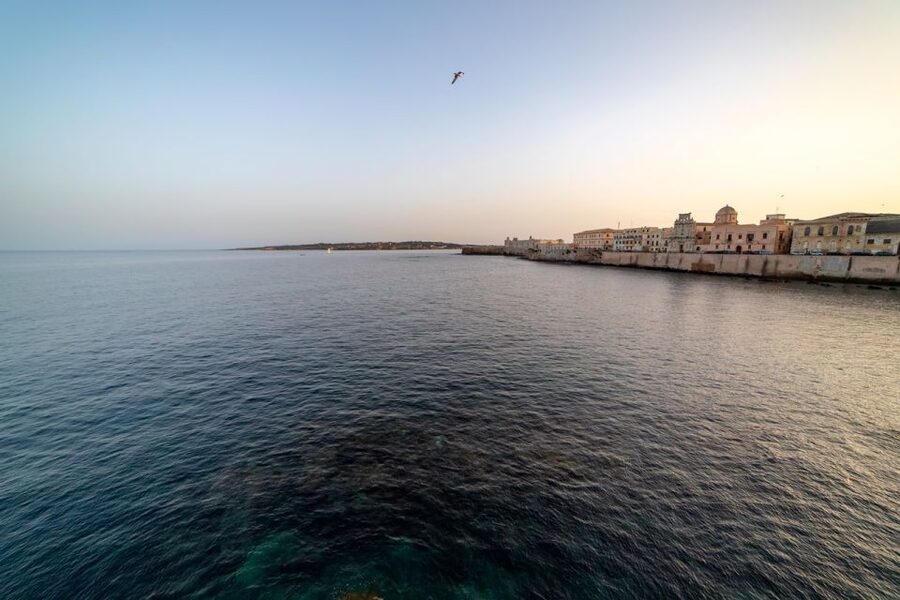
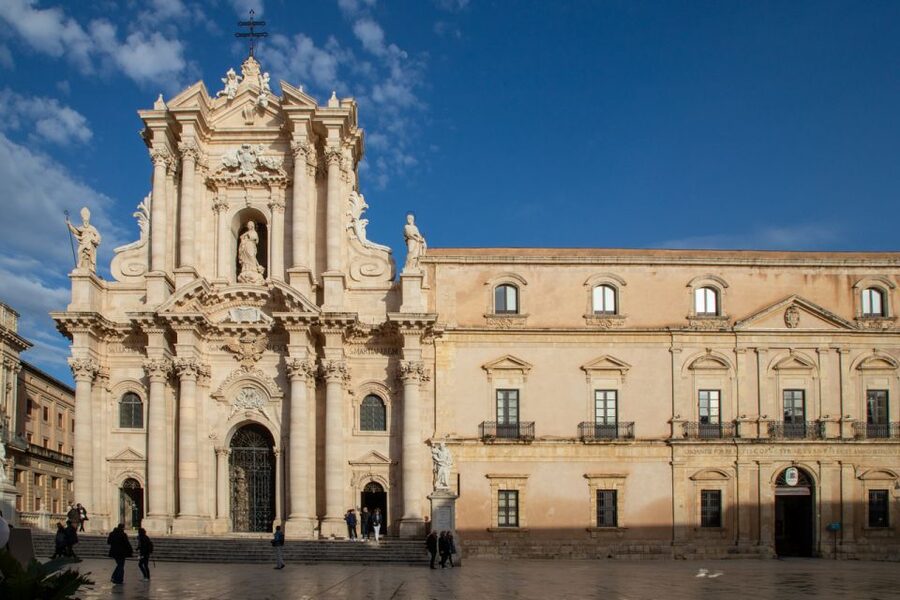
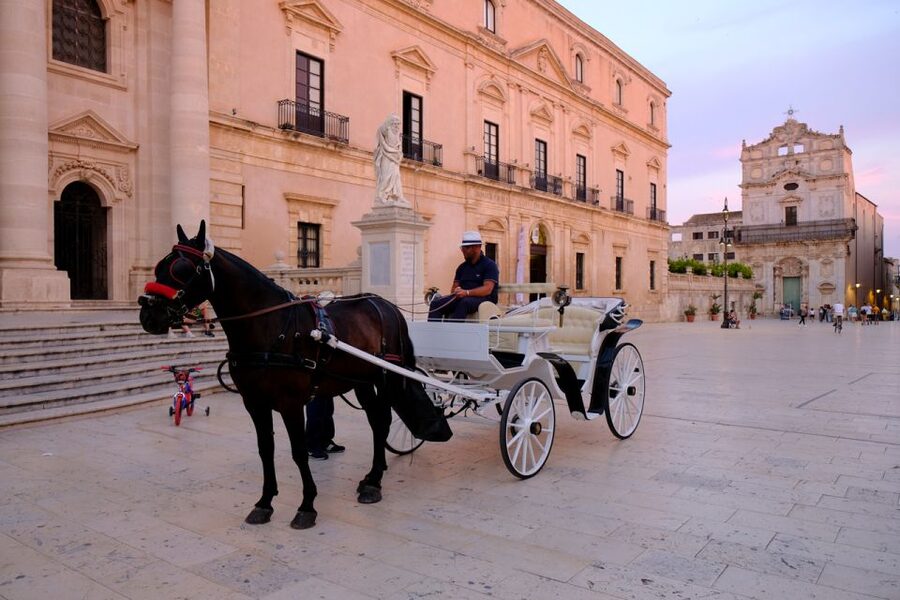
Then you arrive at Piazza Duomo, one of Italy’s most beautiful squares, and a central piece of Syracuse’s identity. Here, you’ll learn the square’s role in the city’s founding story, including that the founders from Corinth settled in this area. The takeaway is simple: this isn’t a random tourist plaza. It’s where civic and sacred life kept intersecting.
The tour gives you about 45 minutes in this area, with time to visit the cathedral. This is where you should plan for two realities.
First, the Syracuse Cathedral entry ticket is not included. You will need to pay on site. It’s easy to overlook that detail until you’re at the door, so mentally budget for it.
Second, dress code rules apply to places of worship. Bring clothing that meets the requirement, and if you’re unsure, err on the side of covering shoulders and knees. The guide can keep the flow moving, but you do not want your group to stall while someone figures it out.
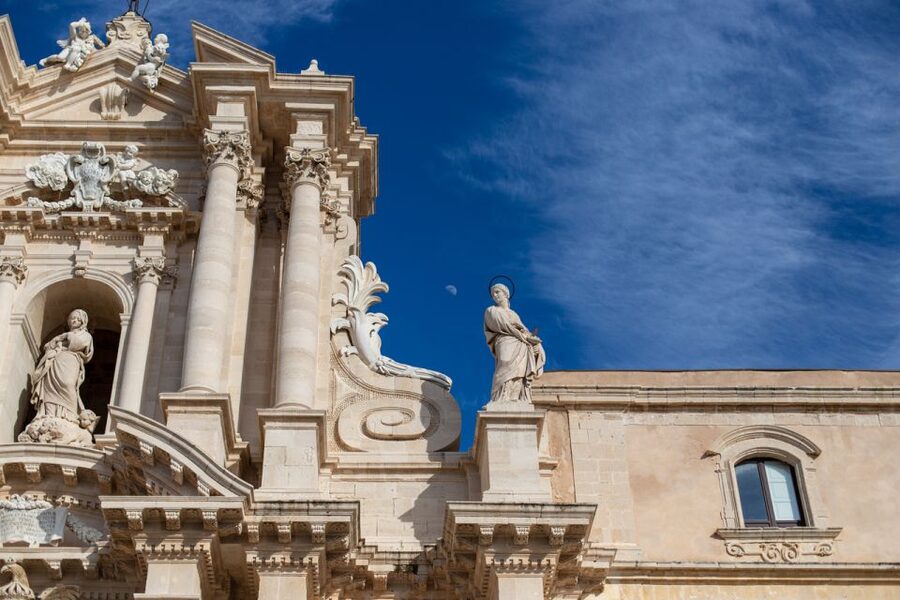
What to look for while you’re here: the marble work around the cathedral and the visual weight of the space. The piazza feels like a stage set, and that makes it easier for the guide to talk about how different eras shaped what you see now. If you’re sensitive to time, also watch your pacing inside. One important consideration from how the stop has been experienced by some people is that cathedral time can vary depending on how the group is managed.
Still, even if you are not a hardcore architecture fan, Piazza Duomo rewards you. It gives you a clean transition from Greek legend to later layers of Christian worship and local identity.
You can also read our reviews of more guided tours in Syracuse





Arethusa Spring by the Sea: The Final Stop and the Love Story Connection
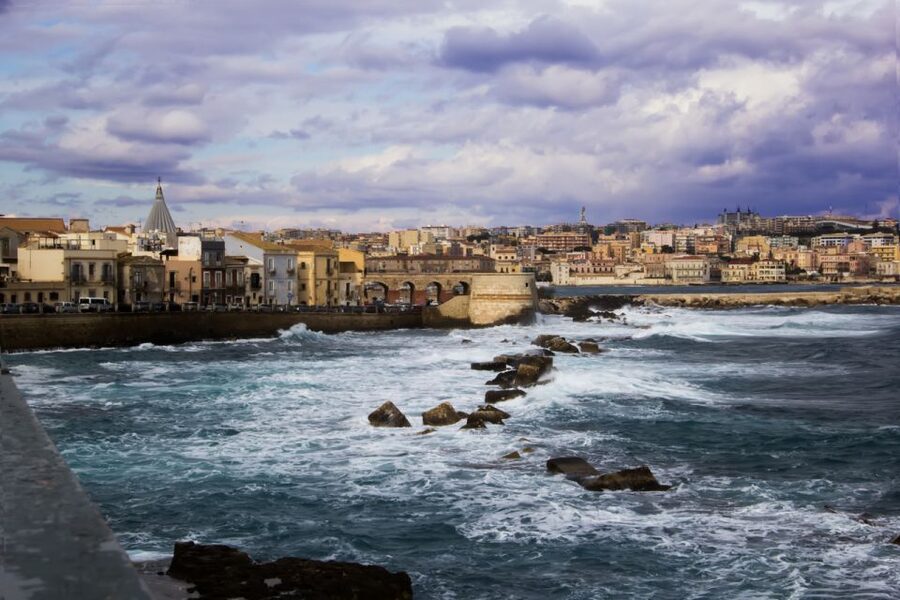
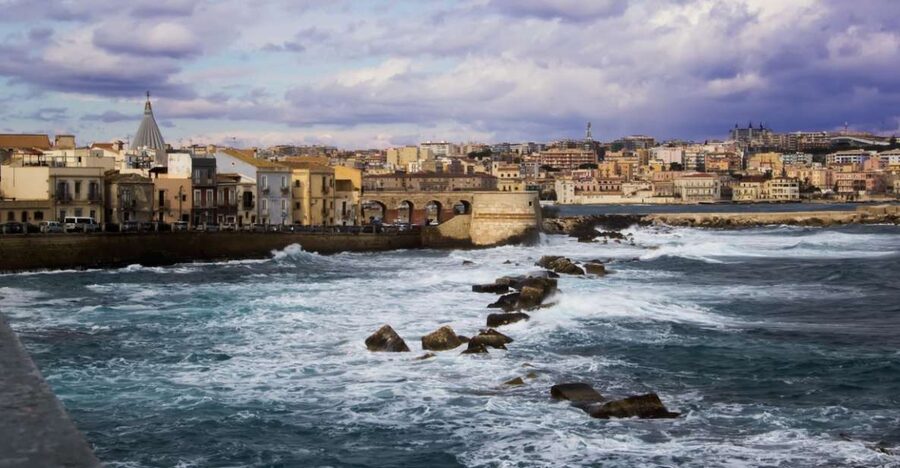
The walk ends at the Arethusa Spring, about a few meters from the sea. This ending matters because it connects the myth you heard earlier to a real physical feature. A spring here is not just a pretty view. It explains why ancient people anchored powerful stories to this exact spot.
You’ll spend around 40 minutes here, which is long enough to get the meaning and still enjoy the atmosphere. The guide links Arethusa to the love story between Arethusa and Alphaeus, reinforcing how mythology and geography worked together in antiquity.
This is also a great moment for photos, but I recommend you do it in two passes. First, take your wide shots that show the spring’s relationship to the shoreline. Second, pause for the details, because the myth story becomes clearer when you stop moving for a minute and let the setting sink in.
If you like tours that give you both a viewpoint and an explanation for what you’re seeing, this ending delivers. It turns Ortigia’s waterfront into something you can actually remember, not just pass by.
Guide Style and Small Practical Tips That Change the Experience
Guide quality is the secret ingredient for this tour, and the names show a pattern of strong storytelling. People have praised guides such as Giuseppe for being friendly and well informed, Michael for keeping the group in the shade during a 96 degree heatwave, Letizia for covering major sites plus extra corners, Vincenzo for explaining the evolution of Ortigia and answering questions, and Eva and Margaret for detailed information and a fun, educational approach.
There are a couple of practical considerations that can affect how smooth the tour feels.
- If the tour uses shared audio equipment, technical quality can be mixed. If you hate any audio problems, bring your own headset.
- If your tour runs as combined English and Italian groups, it can feel a bit slower because the guide may explain similar points for both languages.
- In hot weather, your comfort depends on pacing. One guide received specific praise for staying aware of shade, and that is the kind of detail that makes the tour enjoyable rather than just educational.
If you’re traveling with limited time in Syracuse, this kind of strong guide can help you get the most out of your two hours. If you’re the type who hates waiting for the slowest person in a group, arrive early at the meeting point and stay ready to move when the guide signals the start.
Price and Value at $29 for an Ortigia Walking Tour
At $29 per person for a two-hour guided walk, this tour is priced like a practical add-on, not a luxury experience. The value comes from what you get packed into the time: multiple major stops, myth explanations, and a focused route through the island’s core landmarks.
Here’s the value logic I’d use as a traveler:
- You save effort. Trying to stitch together Temple of Apollo, Piazza Archimede, Piazza Duomo, and Arethusa on your own can take more planning than you think.
- You gain context. The tour is built to make the myth feel connected to real places, especially at the fountains and the spring.
- You get a guide who handles questions. Multiple guides have been credited for answering thoroughly, which can turn a quick glance into a real understanding.
The one cost wrinkle is that the cathedral entry ticket is not included. Still, if you were planning to see the cathedral anyway, this tour is a strong way to make that visit more meaningful.
If your day includes wandering around Ortigia on your own afterward, this tour also helps you. You get a mental map and a sense of what to notice next, like how Greek and later cultural layers sit on top of each other.
Should You Book This Ortigia Guided Walking Tour?
Book it if you want a tight, high-impact introduction to Ortigia that blends architecture and mythology in a route you can follow without stress. It’s especially good if you like guided storytelling, want to see the Temple of Apollo and Piazza Duomo without guessing where to start, and you care about meaning, not just photos.
Skip or reconsider if you strongly prefer unguided wandering and do not want to deal with dress code rules for worship sites. Also consider the language format. If you are very sensitive to repeating explanations, the possible combined Italian and English format could feel slower.
If you’re in Syracuse for a short time, this is a smart use of two hours. You’ll leave with the island’s main symbols tied together, so your later walks feel like they have a plot, not just a route.
FAQ
Where do I meet the Ortigia walking tour guide?
Meet under the pomegranate tree in front of the Temple of Apollo at the roundabout where Corso Matteotti starts.
How long is the guided walking tour?
The tour duration is 2 hours.
What languages are offered?
The tour is offered in English and Italian.
Is the Syracuse Cathedral entry ticket included?
No. Entry ticket to the Syracuse Cathedral is not included, and tickets must be paid on site.
Is there a dress code for the tour?
Yes. There is a dress code required to access places of worship, so wear appropriate clothing for those stops.
Do I need a headset?
You can bring your own headset, or purchase a disposable headset on site for €1.
Are tickets and cancellation flexible?
Free cancellation is available up to 24 hours in advance for a full refund, and you can reserve now and pay later.
More Walking Tours in Syracuse


More Tours in Syracuse



More Tour Reviews in Syracuse
Not for you? Here's more nearby things to do in Syracuse we have reviewed







Syracuse & Ortigia Tours, compared.
 ★ 4.7Syracuse: Boat Trip of Ortigia Island and Sea CavesFrom $23937 reviews
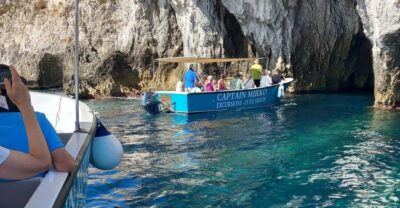 ★ 4.7Syracuse: Boat Tour with Captain Mirko, Snorkeling & CavesFrom $35746 reviews
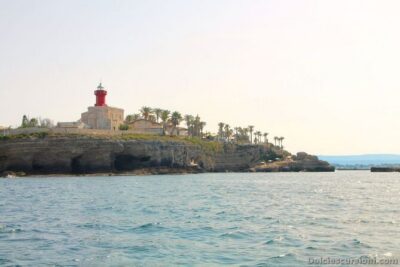 ★ 5.0Tour of the island of Ortigia and exploration of sea caves with baths.From $24668 reviews
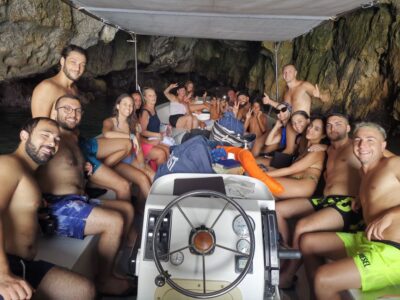 ★ 4.7Siracusa: Ortigia Boat Tour with Marine GrottoFrom $45617 reviews
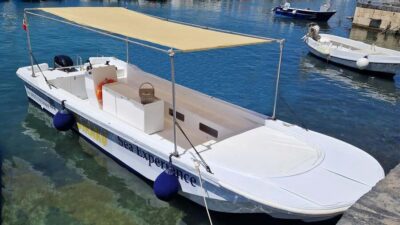 ★ 4.9Siracusa: Ortigia & Sea Caves Speedboat Tour with Swim StopFrom $34499 reviews
 ★ 5.0Boat tour of Ortigia Island and sea cavesFrom $24407 reviews
 ★ 4.6Catania: Syracuse, Ortigia, and Noto Tour with BrunchFrom $112404 reviews
 ★ 4.7Syracuse: Neapolis Archaeological Park Small Group TourFrom $26350 reviews
Browse the lists this tour appears in