
Reviewed · SYRACUSE & ORTIGIA TOURS
Syracuse: Neapolis and Greek Theater guided tour
Syracuse can feel like a movie set, but Neapolis is the real deal. In just 2 hours, you get guided stops in the park that most people would skim, including the Latomie (stone quarries turned into gardens), the Ear of Dionysius, and the Greek Theater viewpoint.
I especially like how this tour turns locations into stories, not just photos. I also like the practical pacing, since a good guide will pause for questions and keep you moving without turning it into a race. One thing to consider: if you sit farther back, you might need to work a little to hear the guide, and the group can be split between Italian and English sessions.
Key things to know before you go
- Skip-the-line entry with a separate entrance, plus your entrance ticket is handled by the guide at the meeting point
- Latomie del Paradiso: old quarry spaces now feel like gardens, with a darker myth side too
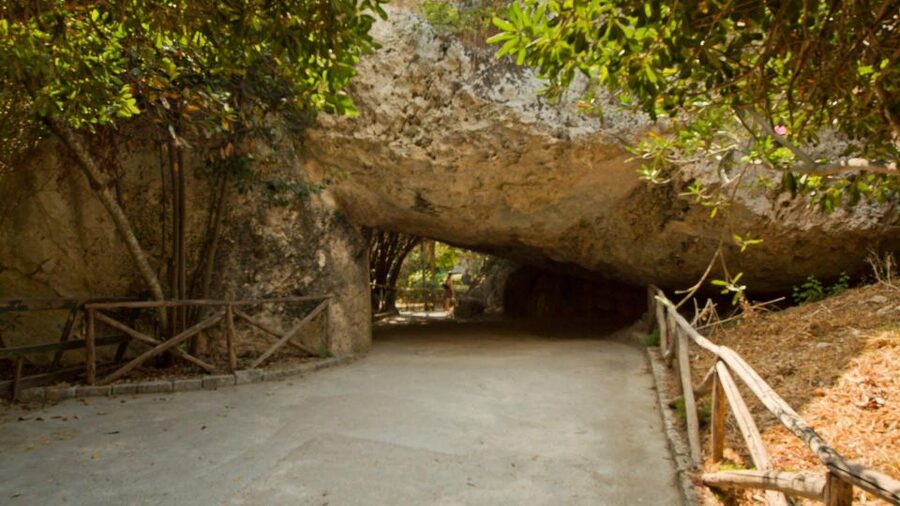
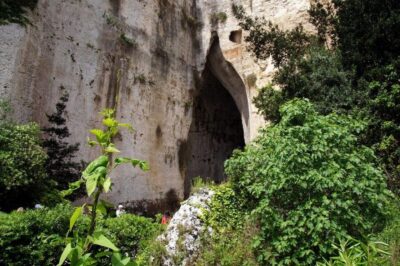
- Ear of Dionysius: you’re not just looking at a cave, you’re learning why the acoustics mattered
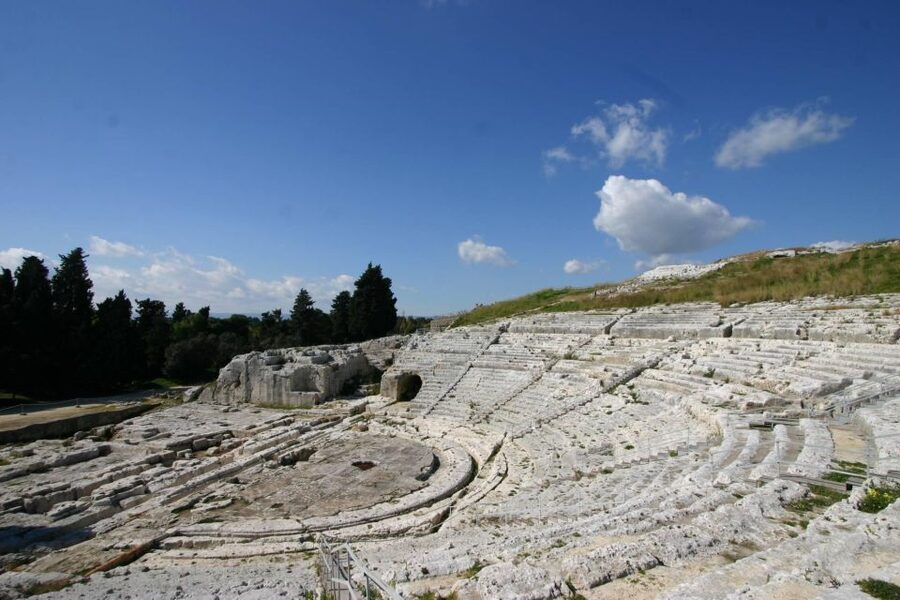
- Greek Theater viewpoint: you’ll also spot the Nymphaeum Fountain and look out toward the Grand Harbor
- Two eras in one loop: Greek landmarks first, then the Roman Amphitheater and gladiatorial-game context
Neapolis in Syracuse: what makes this park worth the time
Neapolis is the historic heart of Syracuse, and it’s the part that makes the city feel big even when you’re walking short distances. The archaeological area is “world-renowned” for a reason. You’re not only seeing ruins, you’re seeing how daily life, power, and myth got built into the stone.
The tour’s strength is that it connects what you’re looking at to why it mattered. You start with explanations tied to Syracuse’s ancient world, then the stops keep paying off in sequence. The Latomie explain how working stone shaped the setting around you. The Ear of Dionysius connects a physical space to mystery and legend. And the Greek Theater and amphitheater stops help you see Syracuse shifting between Greek and Roman rule without feeling like you need a textbook.
If you like history that you can actually stand next to, this is a good format. You get guided context at each stop, so the site feels less random and more intentional. And because the tour is only 2 hours, it’s realistic even if Syracuse is one stop on a longer Sicily plan.
You can also read our reviews of more guided tours in Syracuse


Meeting up, skip-the-line entry, and how to plan your start
You’ll meet your guide at one of two starting points, and which one you use depends on the option you booked. The two listed meeting places are:
- Biglietteria Parco Archeologico Neapolis
- MOMENTO Ristorante
Since the meeting point can vary, I’d treat that first step like part of the day’s “win.” Arrive about 20 minutes early so you can find the guide and settle before you start walking. This matters more here than in some attractions, because you want to start the loop without delays while the group is forming.
One practical bonus: the entrance ticket is provided by the guide directly at the meeting point, and you get skip-the-line access through a separate entrance. That’s a small detail, but in busy parks it can save you a lot of “standing around with sunscreen melting into your shirt” time.
The tour is also offered with live guide narration in Italian and English. The park portion can run at the same time for both languages, so you’ll follow your guide’s language track during the walk and stops. In practice, that usually means you stay grouped and hear the same commentary at the same time, even if you’re sharing the overall space with another language group.
A 2-hour route that actually covers the big moments
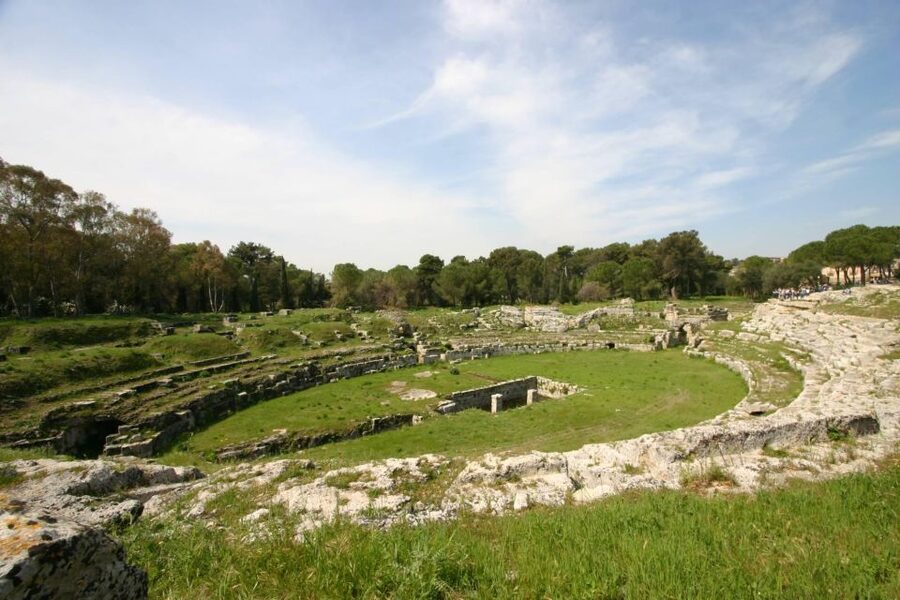
The full loop is built to keep you moving through the park, with short guided stops where you can absorb details before moving on. You start with a brief walk and sightseeing inside the Neapolis archaeological area, then you work through five main visit points.
Here’s what the flow feels like when you’re doing it on the ground: you see a spot, you hear what to notice there, you take in the surroundings, then you move on quickly enough that the day doesn’t drag. The schedule is tight, with guided time of about 20 minutes per major stop, plus a short walk between them.
That pacing is the main reason a guided format works here. Without context, it’s easy to wander and think, “Okay, more ruins.” With context, you start recognizing patterns: quarrying that shapes the setting, a cave myth tied to acoustics, a theater view that gives you scale, and a later Roman layer that changes the tone again.
Latomie del Paradiso: quarry gardens with a mythic edge
Latomie del Paradiso is one of those places where the stones look like they’ve been waiting for you. These are ancient stone quarries that have become natural gardens, and that contrast is the entire point. You’re walking through a space shaped by “titanic work,” and then you’re looking at how it ended up feeling almost peaceful.
The guide’s job here is smart: they don’t just point out the scenery. They explain what kind of space the quarries were, and the tour also hints at darker stories connected to the site. That mix makes the place more than a pretty stop. You’re meant to feel the scale of the digging, then notice how plant life and atmosphere turned that work into something calmer on the surface.
What I’d do with your own timing: take a moment to pause and look up, not only around. In quarry spaces, the structure of the walls helps you understand the “how” of the place, not just the “what.” If the day is hot and sunny, this stop can be a relief compared with fully exposed ruins, but you’ll still want to plan for sun and bring water.
Ear of Dionysius: learning the cave through its acoustics
The Ear of Dionysius is famous, but fame doesn’t always help you understand what you’re seeing. The best part of doing it with a live guide is that you get a reason for the attention: it’s a legendary cave tied to mysterious acoustics.
So instead of just walking past a hole in the rock, you’re learning how the cave was understood in the ancient mindset, and how the myth connects to what people experienced there. The tour frames it as part of the story around Dionysius and intrigue, which gives the stop a sharper edge. You start to connect the myths of power with physical spaces, not just legends floating in the air.
A practical note: caves and rock interiors can change the sound and the temperature. If your guide speaks slowly and clearly, you’ll feel like you’re “inside” the explanation. If not, this stop can be tougher to follow. One helpful detail from guide behavior is that strong guides take time, and some even adjust their pace for the group, so nobody gets left behind.



Greek Theater Syracuse: where the view gives you scale
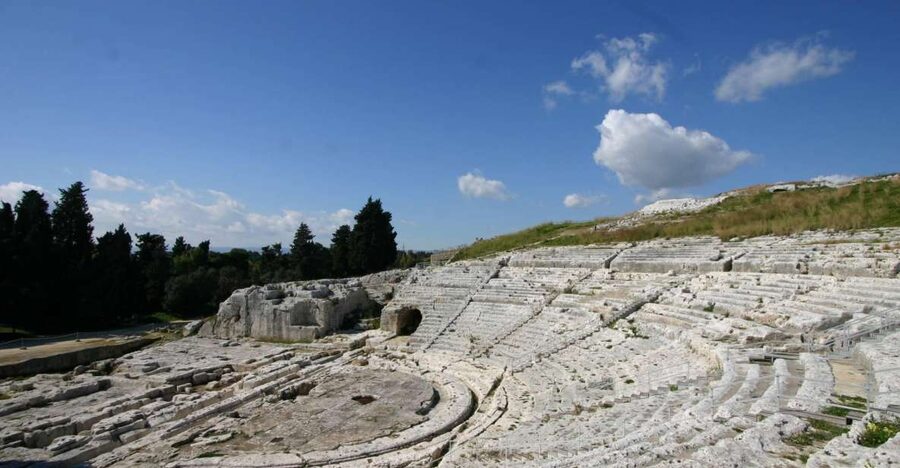
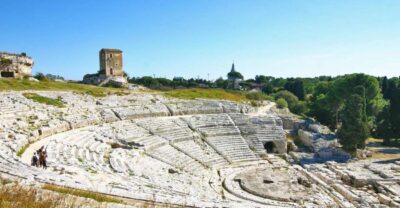
Then you move into the Greek Theater area, which is where the tour really earns its time. The Greek Theater is a major set piece, but the real value is how the guide connects it to the wider setting.
You’re not only looking at theater seating and structures. You’re guided to notice the Nymphaeum Fountain, then you get a breathtaking view that includes the Grand Harbor. That harbor view is what turns the ruins into something you can orient yourself with. You start to understand why this part of Syracuse mattered so much, because you can see the geography around it.
This is also a stop where I’d manage expectations. One consideration I’d flag from how people experienced the visit: you may not have time to go all the way down to the bottom of every section. If you’re someone who wants to crawl around the theater for maximum angles and “best seat” photos, this part might feel like it has a strict limit. A guide’s goal is group flow and staying on schedule, and that can mean fewer detours.
That said, the main payoff is the viewpoint plus context. Even if you’re not a classics student, you’ll likely come away with a clearer sense of how the theater sat in the city and how the environment mattered.
Altar of Hieron II and Roman Amphitheater: seeing Syracuse change tone
After the Greek Theater stop, the tour brings you to two big layers of the city.
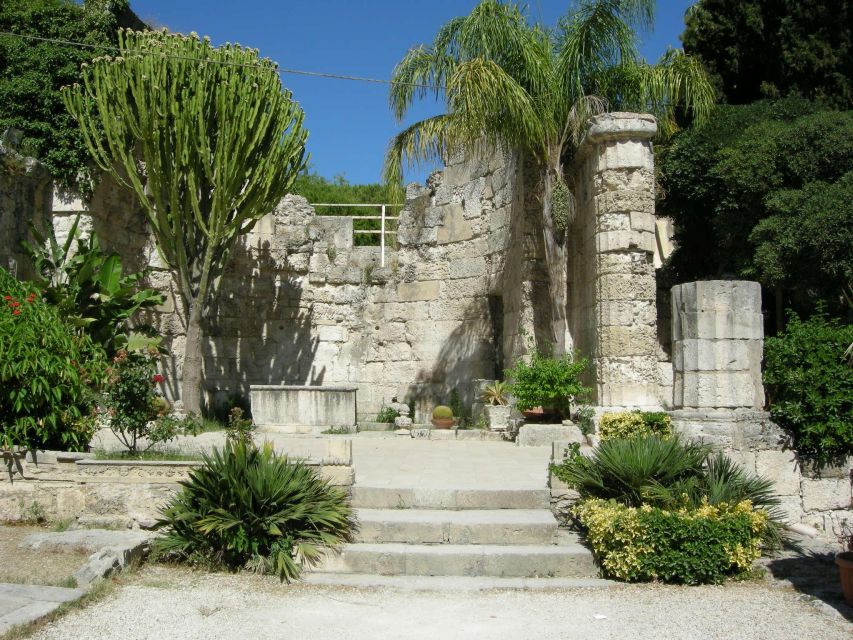
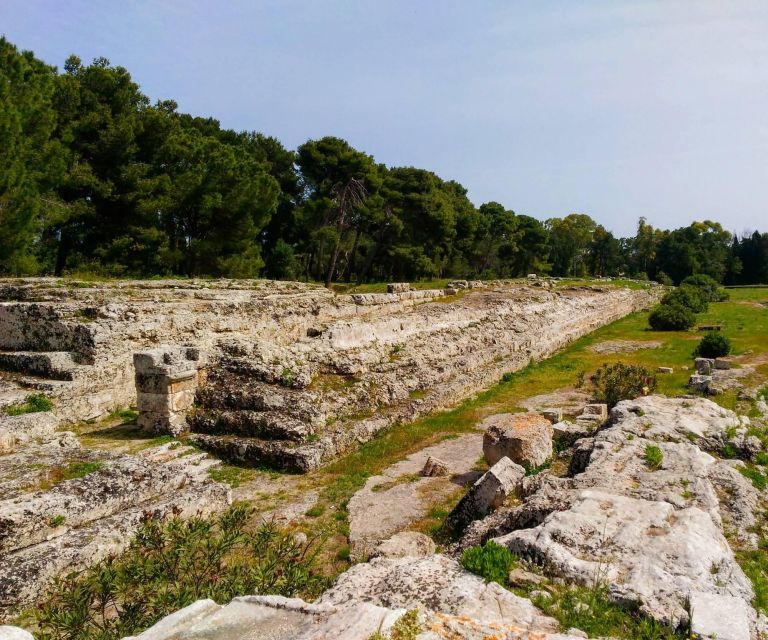
First up is the Altar of Hieron II. The tour presents it as a majestic testimony to Syracuse’s glorious past. Even if you’re not memorizing names, an altar stop works because it signals ceremony and civic meaning. In a guided loop, it also helps break up the “theater and cave” sequence so the story doesn’t blur together.
Finally, you finish at the Roman Amphitheater. This is a great ending because it changes the vibe. You’ll learn about gladiatorial games and how Roman rule influenced Syracuse, which helps tie the earlier Greek stops to later power.
If you’re the type who likes a closing chapter, this amphitheater stop is a strong one. The guide can connect the physical scale of the arena to the social function of spectacle. You’re standing in a space designed for events, then you’re hearing what kinds of events were tied to it and why it mattered.
Guides can make or break this kind of site, so look for these traits
Neapolis is the kind of place where the ruins won’t explain themselves. The guide matters. And in the way this tour is commonly run, a few guide traits seem to show up again and again.
- They answer questions instead of tossing you forward. That’s huge in a park like this, because the questions are often the exact things you’re wondering as you look around.
- They keep a steady pace and do not rush the group. When you’re inside caves or standing on viewpoint edges, fast pacing turns “learning” into “endurance.”
- They slow down for clarity. English delivery can matter a lot in outdoor settings. One guide style that earns praise is speaking slowly enough that you don’t lose the thread.
- They use the setting intelligently. On hot days, guides who find shaded spots where they can talk without overheating people make the experience feel better immediately. Luca is one guide name associated with that kind of thoughtful pacing.
- They add personality. For example, Laura is remembered for singing in the cave, and that kind of surprise can make a famous stop stick in your memory.
So if you’re considering this tour, I’d think less about the exact “attraction list” and more about the guide’s rhythm. A good guide gives you a mental map so you’re not just collecting views, you’re understanding why each view exists.
Price and value: what $51 buys you in real terms
At $51 per person for 2 hours, the value depends on what you want from Syracuse.
What you get for that price is not just a walk through the park. You get:
- Entrance ticket to the Neapolis Archaeological Park
- Guided tour inside that park
And you get practical time savings with skip-the-line entry via a separate entrance. When entry tickets and guide time are included, you’re paying for interpretation and friction reduction, not only access.
If you’d be tempted to arrive on your own, buy tickets, and then read a sign or two, a guided format usually wins. Neapolis has enough moving parts that the context makes a real difference, especially for stops like the Ear of Dionysius where the reason for the fame is part of the experience.
If you’re a hardcore “I just want photos” person, you might spend less by self-guiding. But you’ll likely spend some of that savings on the learning curve. With a short, focused guided loop, you get a guided storyline in a limited timeframe.
Best for who: fit this tour to your travel style
This tour fits best if you:
- Want big-name Syracuse sites in a short time window
- Like mythology and history connected to what you can see in front of you
- Enjoy guided storytelling rather than reading on your own
- Travel with mixed interests, since the sequence includes caves, theaters, views, and an arena finale
It also makes sense if you’re studying or simply curious about ancient Mediterranean life. The guided structure helps you understand how different spaces connect: quarry spaces, acoustics, theater viewpoints, and Roman-era spectacle.
If you hate group pacing, this might feel a little structured. You are walking and you’re on a schedule, with guided stops that last around 20 minutes each. In a place this large, that structure can be a good thing. But if your ideal pace is stopping whenever something catches your eye, you may want extra time on your own before or after.
Things to watch for: hearing, group flow, and how to prepare
The most practical downsides tend to be about communication and time limits.
1) Hearing can be an issue for some people if the guide cannot project clearly for the group size. If you know you struggle to hear outdoors, position yourself where you can see the guide’s face and expect to listen closely rather than relax.
2) Language scheduling can affect timing. Since Italian and English can run at the same time, you might find yourself staying in position a bit longer at certain points while groups shuffle through. It’s not a flaw, just the reality of managing shared spaces with two language tracks.
3) The Greek Theater stop may be time-limited in how far down you can go. If you care about a specific photo angle that requires getting to the lowest seating areas, plan for the fact that the tour route may not maximize that.
To make your visit smoother, bring simple basics: comfortable shoes for walking, water for sun, and a little patience for waiting your turn at popular spots.
Should you book Syracuse: Neapolis and Greek Theater?
Yes, I’d book it if you want the fastest path to understanding Neapolis. The combination of sites in 2 hours is focused, and the inclusion of your park entrance ticket plus guided interpretation is where the value really comes from.
I’d think twice only if you’re strongly photo-only, don’t care about myths or Roman context, or you know you struggle to hear in groups. In that case, you might prefer a quieter self-guided plan plus extra time on your own to linger at the spots you like most.
If you do book, show up early, plan for sun, and pick up the guide’s cues. The difference between “seeing ruins” and “getting it” is usually the same thing every time: a guide who slows down, answers questions, and helps you connect what you’re standing inside.
FAQ
What is the duration of the Syracuse Neapolis and Greek Theater guided tour?
The tour lasts about 2 hours.
What is included in the price?
The price includes the entrance ticket to the Neapolis Archaeological Park and a guided tour of the park.
Do I need to buy an entrance ticket in advance?
You do not need to handle it at the start, because the guide provides the entrance ticket directly at the meeting point.
What languages are available for the live tour guide?
The live guide can lead the tour in Italian and English.
Where do I meet the guide?
The meeting point can vary depending on the option booked. It may be at Biglietteria Parco Archeologico Neapolis or at MOMENTO Ristorante.
Is skip-the-line access included?
Yes. You use a separate entrance for skip-the-line access.
How early should I arrive before the tour starts?
Arrive at the meeting point 20 minutes before the start of the activity.
More Guided Tours in Syracuse



More Tours in Syracuse

More Tour Reviews in Syracuse
Not for you? Here's more nearby things to do in Syracuse we have reviewed








Syracuse & Ortigia Tours, compared.
 ★ 4.7Syracuse: Boat Trip of Ortigia Island and Sea CavesFrom $23937 reviews
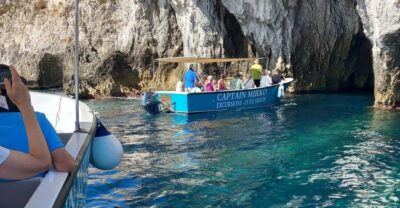 ★ 4.7Syracuse: Boat Tour with Captain Mirko, Snorkeling & CavesFrom $35746 reviews
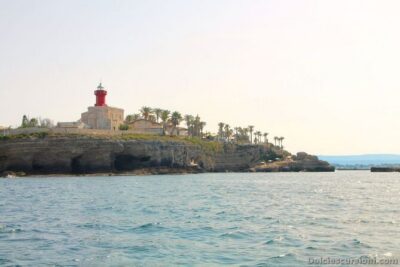 ★ 5.0Tour of the island of Ortigia and exploration of sea caves with baths.From $24668 reviews
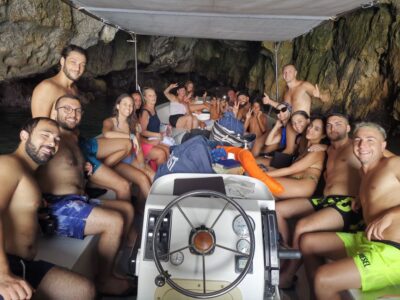 ★ 4.7Siracusa: Ortigia Boat Tour with Marine GrottoFrom $45617 reviews
 ★ 4.9Siracusa: Ortigia & Sea Caves Speedboat Tour with Swim StopFrom $34499 reviews
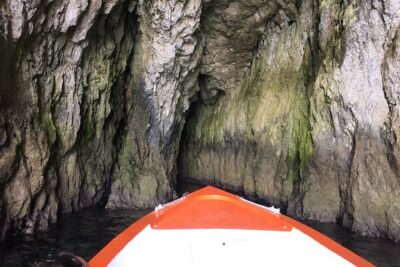 ★ 5.0Boat tour of Ortigia Island and sea cavesFrom $24407 reviews
 ★ 4.6Catania: Syracuse, Ortigia, and Noto Tour with BrunchFrom $112404 reviews
 ★ 4.7Syracuse: Neapolis Archaeological Park Small Group TourFrom $26350 reviews
Browse the lists this tour appears in